
Duck meat isn't considered a dietary product, but it does contain a wealth of nutrients. Raising ducks for meat is easy—they can be slaughtered as early as two months after birth. However, certain feeding guidelines are important, as discussed below.
General description of duck meat
Duck is considered a dark meat with excellent flavor. It is widely used in cuisines around the world. Duck meat from young ducks is tender and soft, while that from mature ducks is slightly tougher but more flavorful. A drake can yield up to 4 kg of meat, and a duck up to 3 kg.
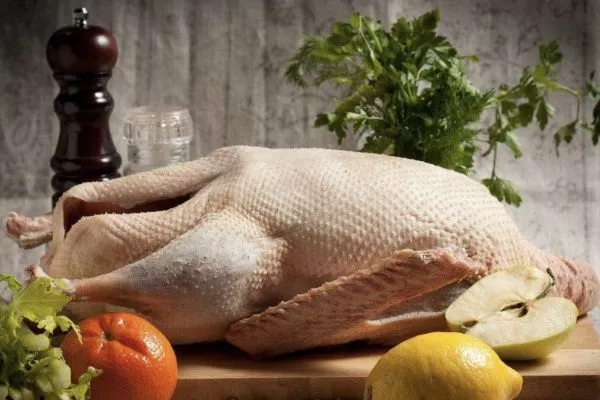
The chemical composition of duck meat and its health benefits
Duck meat is characterized by a balanced composition. It contains vitamins B, K, E, C, and A, as well as various microelements and substances. Therefore, duck meat has beneficial properties:
- Iron helps restore hemoglobin levels in the blood. This element also facilitates the absorption of vitamins. Iron is especially important for women, as a large amount of blood is lost during menstruation.
- Vitamin A normalizes visual acuity and helps eliminate the symptoms of dermatitis.
- B vitamins boost energy, improve appetite, and sleep quality, alleviating insomnia. They also have a positive effect on the condition of the skin, hair, and nails and boost metabolism.
- Taken together, all the vitamins present in duck meat strengthen the immune system.
- Unsaturated acids (and duck contains more of them than any other meat) help lower cholesterol levels and improve brain and cardiovascular function.
- Duck meat has a beneficial effect on the genitourinary system of both women and men.
Nutritional value and calorie content of duck meat
Duck is considered a fatty meat, but its nutritional value varies depending on the breed of duck. On average, these are:
- proteins – from 17.2 to 22.7 g;
- carbohydrates – 0 g;
- fats – from 18.8 to 24.2 g.
The calorie content of duck meat is directly affected by the cooking method:
- boiled – 250 kcal;
- fried – 280 kcal;
- baked – 305 kcal;
- smoked – 400 kcal;
- broth – 25 kcal.
Can you give duck meat to a child?
Because duck is fatty, it is considered a difficult food to digest. Therefore, its consumption in childhood is restricted – it is prohibited for children under 3 years of age.
One caveat: if an older child is prone to obesity, it's best to avoid duck products. However, to ensure the body receives the necessary nutrients, duck broth (it's low in calories) can be given.
In other cases, feeding duck to the growing generation is not only possible, but also necessary. This will help address a number of issues that arise in growing bodies:
- B vitamins contribute to normal development;
- Vitamin A is involved in the formation of the visual apparatus and prevents the development of dermatitis;
- amino acids build muscle tissue;
- Folic acid and iron maintain hemoglobin levels normally, and when they decrease, they increase them.
Benefits and uses of duck fat
Duck fat is completely free of proteins and carbohydrates, but it does contain many beneficial elements (like duck meat). It's high in calories—881 kcal per 100 g. Experts believe that duck fat's nutritional profile is similar to olive oil. Although it's fattier than chicken fat, it contains significantly more omega-6 and omega-3 fatty acids.
Benefit Features:
- Choline restores the nervous system, improves brain function, normalizes insulin, improves carbohydrate metabolism, and prevents fatty deposits on the walls of the liver;
- Selenium is involved in all metabolic processes, promotes the production of hormones in the thyroid gland and the absorption of iodine;
- natural enzymes cleanse the body and have a beneficial effect on the condition of the skin and hair;
- the overall composition strengthens the immune system;
- Oleic acid normalizes the functioning of the cardiovascular system.
People with the following problems should not frequently consume dishes based on duck fat:
- diabetes mellitus;
- obesity;
- liver disease;
- gastrointestinal disorders;
- problems with the pancreas;
- individual intolerance to the product.
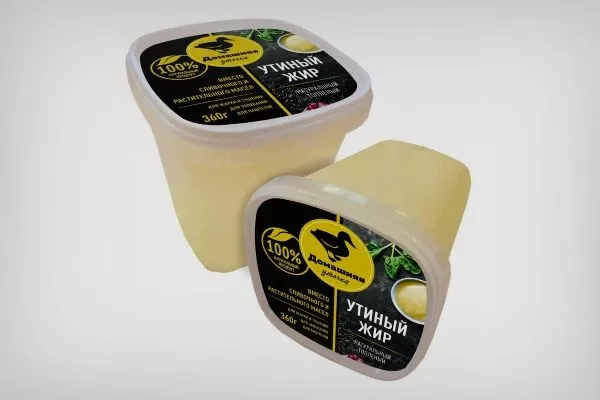
Duck fat is used in cooking to impart a distinctive flavor and aroma to first and second courses. Many people add duck fat to sandwich spreads or prepare a spiced mixture as a spread on breakfast bread (it's a great energy booster and booster).
Besides cooking, duck fat is used for:
- skin rejuvenation and wrinkle removal;
- fight against acne;
- strengthening hair and nails;
- eliminating dry skin and hair;
- psoriasis treatment;
- accelerating the healing of wounds and burns;
- treatment of colds (can be taken internally and used for chest rubs;
- neutralization of joint inflammation;
- improving potency.
The benefits and harms of wild duck meat
Unlike domestic poultry, wild duck is lower in fat and calories, but its meat is higher in protein. It's firmer and has a more distinct flavor. Its vitamin and other mineral content is identical. However, wild duck is safe to eat without the risk of weight gain.
Speaking of harm, wild birds are often affected by diseases and parasites, so it is important to subject such meat to special heat treatment (at elevated temperatures).
Fattening Ducks for Meat: Recommendations
Ducks are bred for their meat, fat, down, and feathers. Every farmer dreams of minimizing the fattening time and feed consumption. However, to ensure faster growth, there are specific rules that must be strictly followed.
- ✓ Active appetite and quick response to food.
- ✓ No signs of illness or developmental delays.
How long do ducks grow before slaughter and what influences this period?
The growth rate of ducklings depends on the breed. For example, early maturing ducklings can be slaughtered after just one and a half months, while other varieties take up to two months to grow. At this age, the meat is still tender, as is the feather down.easy to pluck), and at the same time it is already tasty and nutritious.
Several factors influence weight gain. The main ones are:
- A balanced diet, based on a high concentration of protein, is essential for ducklings, so it's important to feed them boiled eggs and crushed corn. After two weeks, greens and cottage cheese are introduced, and you can also add food from your own table. To ensure proper digestion, it's especially important to feed the bird green, succulent food.
- Lighting also plays an important role. Daylight hours are 10-11 hours, and artificial light intensity ranges from 15 to 20 lux.
- Cleanliness is the key to good health and absence of diseases, which inhibit the birds' growth. Therefore, you will need to change the bedding daily and disinfect the room periodically.
- Water is needed in huge quantities and must be clean. It is needed not only for drinking but also for bathing.
Feeding Guidelines for Weight Gain
The most important thing for ducks to gain weight is feeding. The diet should be as varied and nutritious as possible, with a high protein content. You don't have to buy very expensive options; you can take a simpler approach by creating the right menu. Supplementing with vitamin and mineral supplements is also important.
Cereal feed
Grain concentrates should make up at least 50% of the diet and a maximum of 70%. The feed should consist of a variety of grains—corn, wheat, oats, etc. However, when fattening, several nuances must be taken into account:
- Young animals are fed mostly with corn, barley and wheat, as they promote muscle growth and overall weight gain;
- if the herd is breeding, then it is better to give oats with bran, otherwise they will become obese (too much fat, not enough meat);
- when raising waterfowl ducks, mill waste is used - flour and bran (the latter is used in no more than 20%);
- You cannot put whole grain in the feeders - it must be crushed for quick digestion;
- The most optimal type of grain is extruded, since complete digestion occurs (due to processing under high temperatures and pressure).
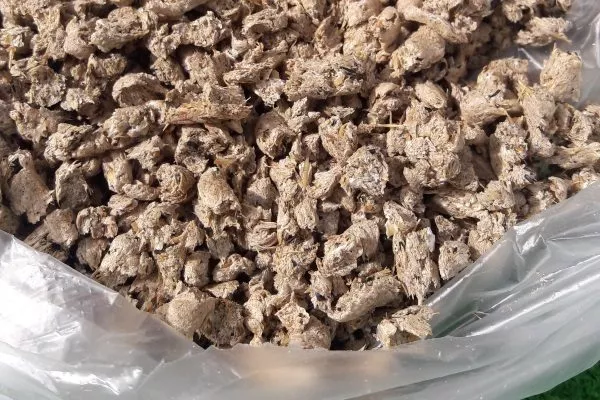
If there is no possibility of grinding, do the following:
- pour boiling water over the grains;
- cover with a lid and cover with an old blanket;
- leave for 5 to 8 hours (the larger the grain, the longer).
Succulent feed
Succulent feeds include vegetables, fruits, and fresh grass. These should make up 40-50% of a duck's total diet. They contain all the necessary vitamins, macro- and microelements, and fiber, making them digestible quickly and easily.
Of all the types of succulent food, the following are best to give:
- Greenery and weeds. These include lettuce, goutweed, dandelion, quinoa, wheatgrass, yarrow, clover, ryegrass, alfalfa, timothy grass, and sainfoin. Adult ducks can be fed whole succulent feed, as they only eat the leaves and stems if they are young. For young ducklings, it's recommended to cut the feed into pieces up to 1 cm long.
It's also beneficial to feed duckweed collected from clean bodies of water, but it's important to stick to the recommended dose—40-50 g per duck per day. Feed duckweed along with aquatic insects. If ducks primarily eat greens, their fat content will be minimal. - Fruits and vegetables. Fodder beets, carrots and cabbage, pumpkins, and zucchini are especially beneficial for ducks. Fruits that can be fed include apples (even fallen ones), plums, pears, and apricots (remove the pits if they have them). It's best to chop all fruits and vegetables into crumbs.
Animal feed
Animal-based feed provides ducks with animal protein, which is essential for normal and rapid growth. In the wild or on pasture, ducks consume various insects, worms, and even snails. At home, supplement their feed with whey, skim milk, cottage cheese, fish meal, and bone meal.
If the last two ingredients are unavailable, they can be replaced with fish and meat broths (strong) containing various by-products, such as blood, offal, etc. However, keep in mind that these products should be excluded two weeks before slaughter, otherwise the meat will have a distinctive taste.
Mineral supplements
Mineral supplements can be purchased at a specialty store, but this is often a cost-effective option, especially if you have a large herd. Why are natural mineral supplements needed?
- they contain all the minerals necessary for development;
- Gravel and similar substances inside the stomach crush food, which speeds up digestion.
You can use the following:
- chalk;
- shells;
- table salt;
- eggshell;
- river sand;
- fine gravel;
- clay;
- charcoal (small pieces).
How many times a day to feed?
Juveniles should not be housed with adults, as their feeding frequency varies significantly. Juveniles initially require feeding four times a day, then three, while the latter only need two.
If the ducks are free-range, feeding them once a day is sufficient. Specifically, in the evening, as this will encourage them to return home on their own and with pleasure.
Fattening adult ducks for meat before slaughter: what are the features?
First of all, we need to talk about the ducks that when diluted They are discarded. They can be slaughtered after about 4-5 weeks, but to gain weight, it is important to adhere to the following requirements:
- Be sure to separate them from other individuals in small pens or cages so that there is little space for movement;
- feed them generously - boiled potatoes mixed with food scraps, steamed barley, wheat and corn, be sure to season the dishes with meat or fish broth, fatty whey;
- don't skimp on greens, especially legumes;
- Feed three times a day.
For other ducks that are nursed for 2-3 months, begin feeding them more intensively two weeks before slaughter. Use peas, sunflower meal, and cottage cheese. Divide the feeding into four meals.
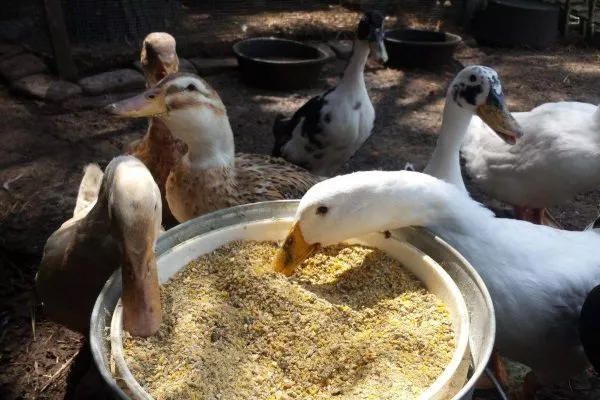
To improve the quality of duck meat, introduce the following into your diet during the last week:
- tarragon;
- Melissa;
- mint;
- basil;
- dairy fatty products.
Exactly one day before slaughter, stop feeding completely, but do not limit water.
Duck meat yield from live weight
The net weight of duck meat depends on the breed and age of the bird (from 55 to 70%), but the yield can be calculated independently. To do this, use the following formula:
M*K=X, where
M is the weight of the duck, K is the coefficient.
Example (using the coefficient for the Pekingese breed)
Given:
- duck weight – 2500 g;
- K – 0.86.
Calculation:
2500*0.86 = 2150 (g), which is the net weight.
Duck meat, while not dietary, is very healthy. It has its own indications and contraindications, which are important to consider. Also, remember about fat, which contributes to weight gain, so eat it in moderation. And to ensure fast growth of ducks raised for meat, follow the recommendations of experienced farmers regarding fattening.