
Butchering a duck is an important step, requiring not only the removal of feathers and entrails but also the preparation of the meat for further processing and cooking. Proper butchering not only enhances the flavor of the dish but also ensures the safety and quality of the duck as a product.
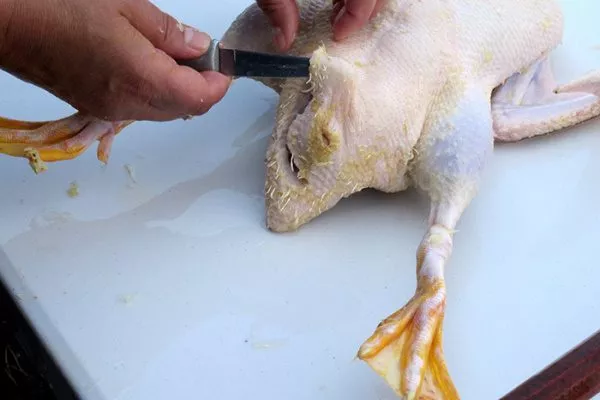
Slaughtering and plucking ducks: rules
The optimal time for slaughtering ducks is 2.5 months after hatching. At this stage, the feathers are still soft, making plucking much easier than at later ages.
Follow the instructions for slaughtering poultry:
- Hang the duck by its limbs.
- Grasp the neck with your left hand, pull it out and cut the carotid artery with a sharp knife.
- Collect the blood in a separate container, and after 20 minutes, begin removing the feathers and cutting up the carcass.
Plucking begins with the large feathers on the duck's wings and tail, then moves on to the rest. Pluck the feathers in the direction of their growth.
Gradually move to the smaller feathers. It may take a little effort to pull them out, but don't pull too hard to avoid damaging the skin. Pay attention to the feathers around the neck and tail. They may be more tightly attached and require more effort to remove.
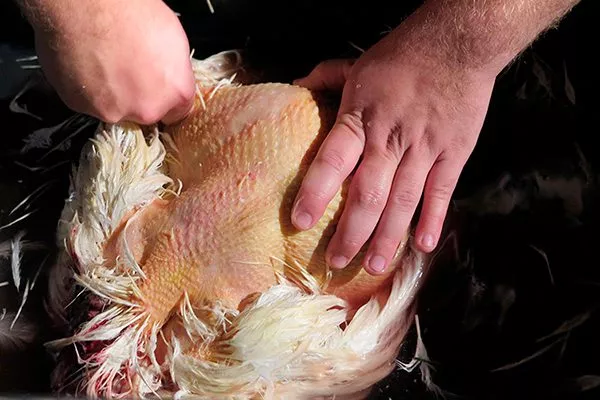
Ducks are also often frozen with feathers, especially if they have to be killed in large batches or if the hunter has trophies that cannot be processed immediately. There are some disadvantages to plucking frozen ducks:
- Frozen duck will take approximately 10-13 hours to fully thaw at room temperature. During this time, bacterial colonies can grow significantly, which can impact the quality of the product.
- It is difficult to determine visually when to begin processing a duck, as frozen feathers can obscure the condition of the skin and feather growth.
Despite these drawbacks, there are basic guidelines that can be applied when plucking frozen ducks:
- Let the frozen duck sit at room temperature for several hours until the frost on the feathers has completely disappeared. This will help soften the skin and prepare the feather bulbs for removal.
- Dip the duck in a bucket of boiling water several times. Do this quickly to avoid cooking the skin. This step helps open the pores of the skin and makes plucking easier.
- Remove the feathers by hand. This will be much easier after boiling. If any small hairs remain, remove them with a burning candle or lit matches.
This method of plucking frozen ducks is time-tested and can be quite effective, despite some limitations.
Preparing the duck
Preparing a duck for carving involves several important steps. Follow these instructions:
- If the duck is frozen, defrost it. The best way is to place the duck in the refrigerator for several hours or, preferably, overnight. This will allow it to defrost slowly, preserving its flavor. meat qualityDo not defrost duck at room temperature, as this may lead to bacterial growth.
- If you see excess fat on the duck's neck, trim it with a sharp knife. This will reduce the fat content of the meat, but you'll also be able to preserve this fat for later use in cooking, as it's rich in vitamins.
- Before you begin cutting, make sure your work surface and tools are clean and sanitary. This is important to prevent bacterial contamination. When cutting the duck, use a sharp knife.
Preparing the duck before butchering will help make the process more hygienic and convenient, and will also ensure the safety and quality of the final product.
Proper removal of poultry entrails
Gutting a bird is a procedure that requires precision and a specific sequence of actions. To complete it as quickly and efficiently as possible, follow these instructions:
- Using a sharp knife, cut off and remove the paws, moving them to the waste.
- Make an incision in the neck and carefully separate the trachea from the neck meat.
- Cut the belly along the entire length of the bird in a straight line.

- Trim the rump, being careful not to damage the insides. Hold this part with one hand and carefully remove the contents with the other.
Pull on the stomach and simultaneously push the trachea into the duck to remove the intestines. Be careful not to leave any intestines inside.
- Remove the heart and extract the bile from the liver.
- Make a small incision in the stomach and clear the cavity of food debris. Remove a thin layer of skin from the inside of the stomach.
- Locate the lungs between the ribs; they can often contain sand. To clean, rinse the carcass thoroughly under strong running water.
- Cut off the tail and pay attention to the area above it, where the secretory glands are located. Remove these, as they can affect the duck's flavor and aroma during cooking.
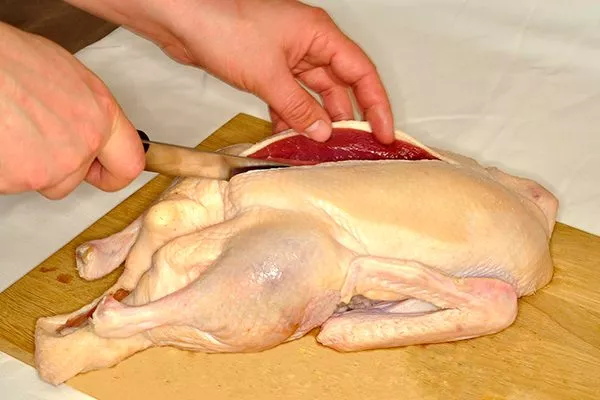
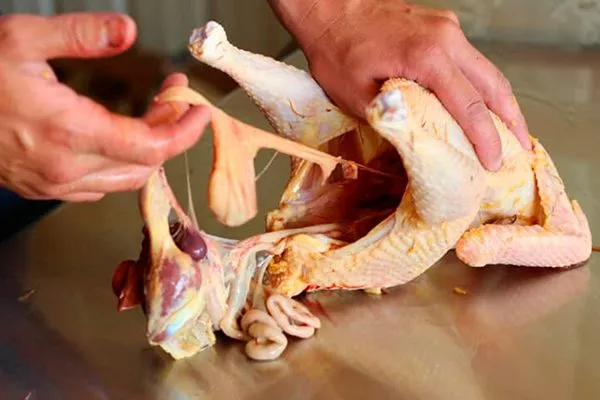
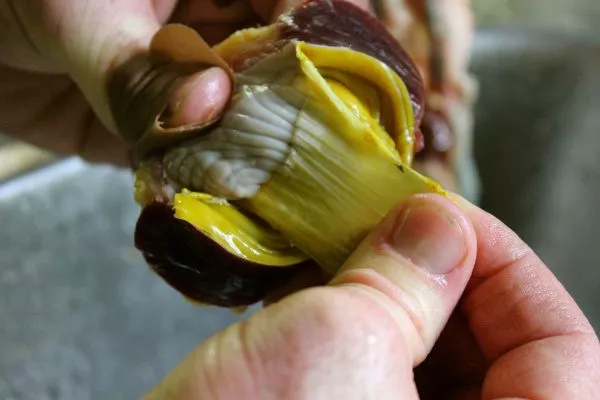
Additionally, watch a video about cutting up a duck:
Cutting options
Properly butchering ducks will save time and simplify the subsequent cooking process. It's important to decide on the proper butchering method in advance, taking into account how you plan to use the meat.
Segmenting: A Step-by-Step Guide
Cutting a duck into segments is a process that involves several important steps. Here's a step-by-step guide:
- Start by removing the wings. Cutting them off at the joint makes the process easier and safer.
- Cut as far as possible from the neck to the keel. This will make it easier to separate the carcass into two halves.
- Using a sharp knife, cut the duck along the spine. This makes each section easier to handle and facilitates further processing.
- Rinse both halves of the carcass with water, dry them, and wrap them in plastic wrap. After wrapping, they can be placed in the freezer for long-term storage or used immediately for cooking.
- After dividing the chicken into halves, separate the breast from each piece. The breast is considered more dietary and can be used separately.
- In some cases, it's acceptable to butcher the carcass without removing the subcutaneous fat. This fat can be valuable for cooking, as it melts during cooking, creating a delicious crust.
Cutting the duck into segments allows you to more effectively manage the cooking process and create more delicious culinary dishes.
Portion cutting
Even if you bought a duck from a store, it is important to know how to properly cut it to get attractive and properly formed pieces of meat.
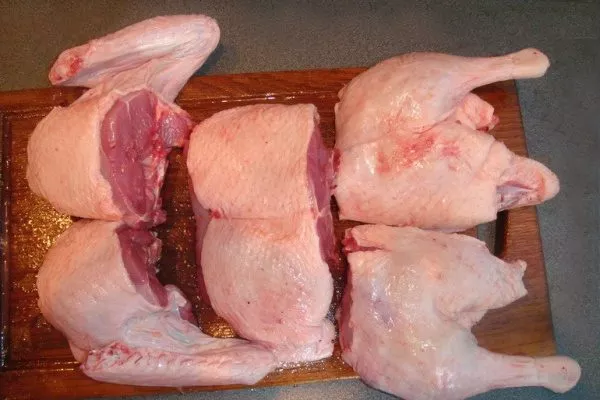
Step-by-step instructions:
- If there's visible fat on the duck's neck, trim it off, as duck meat is naturally very fatty and nutritious. You can cut it up and freeze it, or render it and freeze it for later use.
- To begin carving the duck, lay it on its back and make a cut along it. When cutting meat from the ribs, be careful, as they are very thin and damaging them can leave splinters in the meat, which can be dangerous when eating.
- After removing the fillet, remove the skeleton by pulling it out with a sharp motion. The skeleton can be used to make a flavorful broth.
When cutting duck, always use a sharp knife, as this will improve the speed and quality of the cutting process. This will ensure a more attractive appearance of the meat pieces and improve the quality of the meat during cooking, preventing any breaks or tatters.
How to cut up a duck for stewing?
To prepare duck cuts, first prepare the duck properly. Remove the head, giblets, wings, and legs. Then, move on to cutting the carcass. Start by separating the leg, taking the meat closest to the back.
To fillet the chicken, lay it on its back, make a cut along the keel, and carefully trim the meat. Remove the ribs using kitchen shears.
Remember to remove the sebaceous gland before cooking to avoid negatively affecting the flavor of the dish. After all cutting steps are complete, only the spine and skin should remain.
Watch a video of cutting up a duck for braising:
How to cut up a duck for pilaf?
There are many ways to prepare pilaf, each with its own unique characteristics and flavors. Duck pilaf may not be a dietary dish, but its flavor and rich vitamin content certainly make up for this shortcoming.
To prepare a duck dish, cut the meat into small pieces, preferably square, no more than 4 cm in size. Then rinse and dry them. First, remove the sebaceous gland and excess fat. Discard the sebaceous gland, and save the fat for cooking. The skin should remain on the duck pieces.
When cutting up a duck for pilaf, follow a few rules:
- Use a sharp knife.
- Separate and reserve the duck fat.
- Be sure to remove the sebaceous gland.
Be careful with the bones, as they can be sharp and can damage the skin of your hands when cutting them.
Some tricks
When removing the duck's tail, be sure to pay attention to the nearby glands that secrete a specific secretion. If these are not removed, an unpleasant odor will emanate during cooking, which could make the broth unfit for consumption.
When carving the duck into portions, leave the skin on to ensure a delicious, golden-brown crust when frying. Use kitchen shears instead of a cleaver—they're great for cutting through bones without much effort.
How long does it take to cut up a duck?
If you're butchering several birds, it might be a good idea to set up an assembly line, which will significantly speed up the process. This can take 20-40 minutes, but with experience, this time will decrease. It's important to allow enough time for preparation and organization.
Sooner or later, duck breeders face the need to slaughter their birds. This process is undoubtedly easier and more efficient if the farm has the appropriate conditions and equipment. To prepare a duck for sale or personal consumption, it is necessary to master the skills of evisceration and butchering.