
If your duck is frozen, it's important to know how to provide emergency care and further assistance. Hypothermia in birds can have extremely unpleasant consequences, including the death of the entire flock. It's especially important for new duck farmers to learn how to properly care for ducks in winter.
Why do ducks freeze?
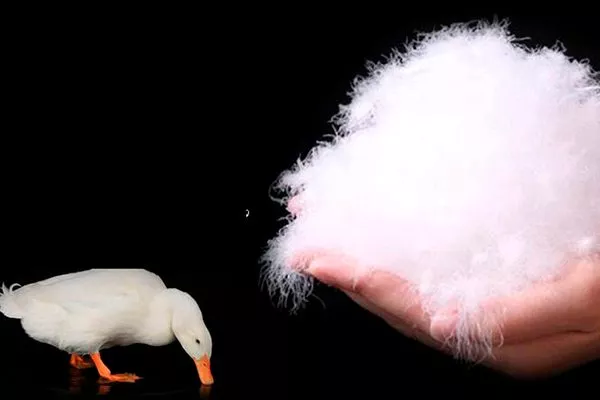
Many believe ducks shouldn't freeze because they have a unique type of feather called down. High-quality pillows and warm clothing are made from it, as duck down provides quick and reliable warmth.
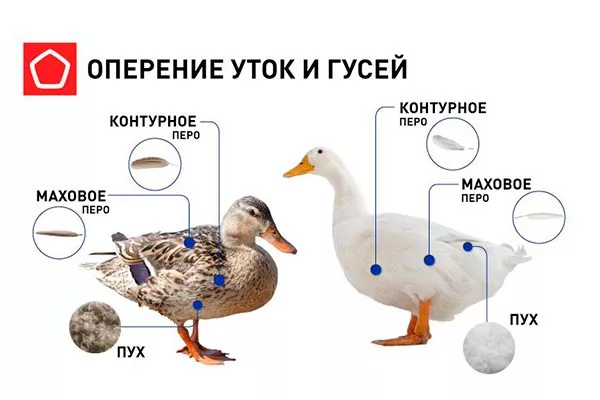
These feathers are designed to trap cold air near the skin, deflecting it away from the body. This bird's body produces a special oil that spreads throughout the feathers, causing them to repel water. This is why you can see these birds swimming in ponds in winter.
Other strategies for ducks to stay warm include:
- By winter, the down thickens, and the birds themselves become less active, thereby saving energy for warmth.
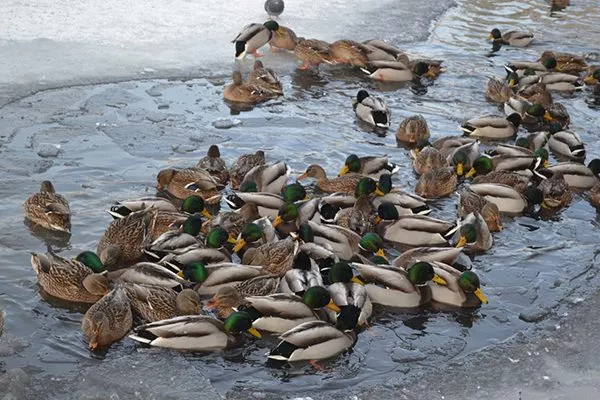
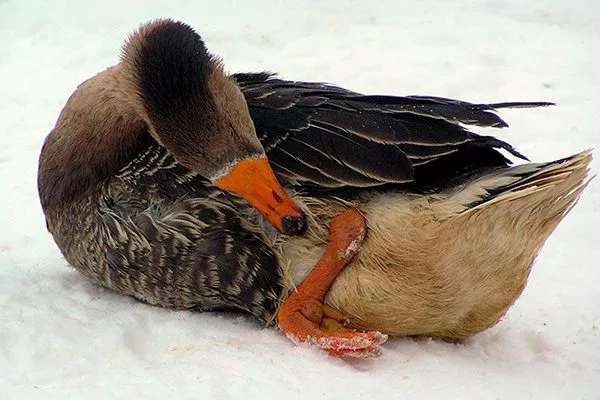
- During cold weather, ducks huddle together to keep each other warm. They also tuck their beaks into their wings, so unlike chickens, only their feet are susceptible to frostbite.
- Ducks are able to lower and raise their body temperature depending on the weather outside.
Despite these unique heat-generating properties, ducks experience severe cold and even freeze to the ice because their body heat is not sufficient to compensate. This is evidenced by numerous news reports from across the country about the birds living in our recreation parks.
The chances of survival are slim because immobility attracts animals and other birds (crows, etc.), which attack and destroy the ducks. Therefore, wild birds tend to fly to warmer climates.
What is avian hypothermia?
Hypothermia refers to hypothermia, a serious condition. The primary cause is a critical drop in the duck's body temperature, which significantly slows metabolism and deprives the blood of oxygen, resulting in hypoxia (oxygen starvation). This then disrupts the functioning of the intestines and other internal organs.
Hypothermia is divided into 3 degrees according to severity:
- weak (hyperemic) – the temperature drops from +40 degrees to +30-35;
- intermediate – the temperature varies from +25 to +28 degrees;
- deep – the decrease occurs to critical limits – from +15 to +20 degrees, resulting in death.
Young animals are especially susceptible to hypothermia.
Degree of danger and damage
If a farmer fails to take any measures to save poultry, this inevitably leads to death, especially among young birds, which not only become hypothermic faster than adults but also crush each other in an attempt to stay warm. This contributes to the mass mortality of ducks.
Causes of the disease
Despite the fact that ducks have the ability to generate heat, they cannot always maintain optimal body temperature because there are factors that negatively affect this.
For example:
- drafts in the duck house;
- high humidity along with frost;
- wet feathers;
- damp litter;
- excessively long grazing;
- young age.
Course and symptoms
The level of danger is determined by the severity of the disease. Hypothermia develops sequentially:
- In the first mild stage, the bird's peripheral blood vessels constrict, causing the skin to turn pale. This constriction redirects blood to the internal organs, causing venous blood to enter the vessels, causing pain. Over time, the pain subsides, and sensitivity is significantly reduced (similar to anesthesia).
- In the second stage, hyperemia and swelling occur, bloody blisters form (if they burst, they leak bloody exudate), and ulcers develop.
- In the third stage, tissue necrosis develops. Subcutaneous tissue also dies, which contributes to the final stage, which is rarely discussed. However, it is precisely in this stage that the bird dies, all underlying tissues are damaged, and gangrene occurs.
It is quite easy to recognize hypothermia and subsequent frostbite by the following symptoms:
- ducks huddle together trying to keep warm;
- birds hide their beaks in their wings;
- constantly bend their legs;
- refuse to get up (spend all their time in a lying position) and leave the room;
- refuse food;
- muscle tremors;
- birds are looking for heat sources;
- cooling of the beak, paws and skin;
- a peculiar “ringing” sound is heard from the limbs when walking;
- The paws take on a glassy appearance (with severe frostbite), but first they turn blue and black.
- ✓ The appearance of a “glassy” appearance of the paws indicates a deep degree of frostbite.
- ✓ Decreased activity and refusal to eat may be the first signs of hypothermia.
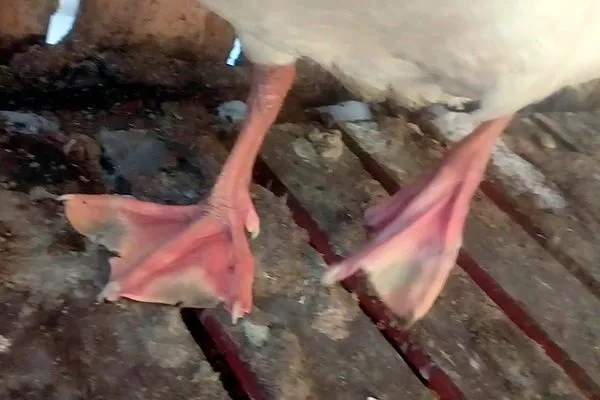
Sometimes hypothermia is accompanied by diarrhea and respiratory pathologies. In this case, auxiliary
The signs are as follows:
- increased lethargy and drowsiness;
- complete refusal to eat;
- redness/blueness of the beak and discharge from the nose;
- formation of crusts on the eyelids;
- eye sticking;
- shortness of breath, rapid breathing;
- dullness of plumage.
Diagnostics
Diagnostic measures begin with identifying symptoms and examining the bird. Many veterinarians and farmers measure body temperature to determine the severity of hypothermia. This is done through the cloaca (anus), which is first lubricated with petroleum jelly or a thick cream.
Treatment and first aid
If ducks become hypothermic, you should provide first aid—your immediate actions will determine the outcome of the future "scenario." What to do:
- Move the birds to a warm room.
- Once the duck has warmed up, rinse its feet with warm water and dry thoroughly with a soft terry towel.
- Rub with any fat-based substance. You can use butter, goose fat, lamb fat, or goat fat. If you don't have anything else, use regular Vaseline.
- After rubbing, massage the duck's limbs, which will cause the blood to circulate quickly, which will help warm up the entire body and promote recovery.
- Give an antibiotic (Baytril, etc.).
Further therapeutic actions:
- It's important to lubricate the duck's limbs daily with special ointments prescribed by a veterinarian. Ideally, the ointments should have antibacterial properties.
- Farmers often use ASD (fraction 3).
- After 5 days, the bird is given ASD (fraction 2).
- Additionally, vitamin B6 is given. Treatment takes 7 to 10 days.
If signs of a cold are detected, a few drops of lemon juice can be added to the water bowl. Feed and drink should be kept warm. The doctor will prescribe antibiotics, immune-boosting medications, and bacteriophages.
If a duck's feet are severely frostbitten, they are amputated. A bird can survive without one limb, but without both, it dies. Body temperature also influences the outcome of the illness—the lower it is, the lower the chance of survival. In this case, you should immediately consult a veterinarian.
How to prevent ducks from freezing at home – prevention
To prevent ducks from becoming overchilled and getting frostbite on their feet, it's important to care for them properly during the winter. Follow these simple rules:
- Prepare the room carefully. To do this, during the winter, the walls and floor are insulated, all vents and windows are closed, cracks, holes, and the like are boarded up and sealed.
- Keep you dry throughout the cold season. Change the bedding frequently to prevent moisture from accumulating. Avoid allowing ducks to bathe.
- Monitor the air temperature in the poultry house. It shouldn't fall below 3-5 degrees Celsius. If it drops and there's no way to raise it, feed the birds more food. Many poultry houses install heating devices to maintain an optimal temperature.
- Pay attention to daylight hours. Its indicators should be equal to 13-14 hours. In winter, this is impossible under natural conditions, so farmers install lighting fixtures – 5 watts is sufficient for 1 square meter. They should be turned off no later than 7 pm.
- Nutrition is an important part of winter care. The feed provides the ducks with energy to generate heat. Winter feeding rates are increased by at least 20% compared to summer feeding rates.
- Walking. The ducks' walking area must be carefully prepared. The birds should not be released directly onto snow, so the snow must be removed from the pen. It is advisable to cover the ground with a thick layer of straw to prevent frostbite. The minimum walking time is 60 minutes.
To prevent hypothermia, strictly follow preventative measures, and if frostbite occurs, take immediate action. And remember, if you live in a region with a harsh climate, choose local breeds of birds that are adapted to cold temperatures and tolerate them better.