
Ducks are among the most undemanding poultry to raise. With proper care and feeding, they grow quickly and gain weight at any time of year. However, winter care has its own challenges.
Requirements for keeping ducks in winter
Ducks are naturally endowed with a strong immune system; they easily withstand winter's harsh weather in the wild, adapting to natural conditions. However, captive breeding doesn't give the birds freedom, so to avoid risks, breeders must create a comfortable environment for their ducks.
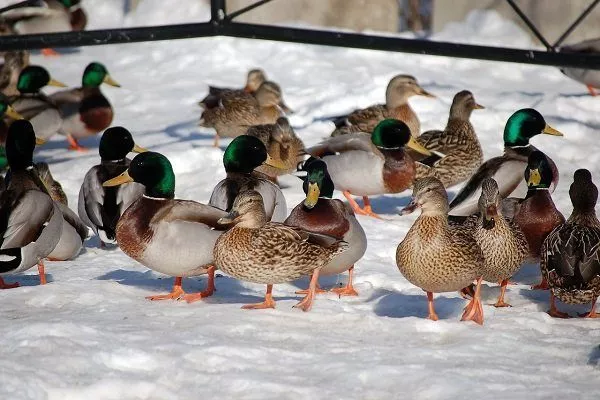
General rules for keeping ducks in winter:
- The wintering place for birds should be dry and warm. It is not necessary to build special sheds; you can use barns or greenhouses.
- The ducks should have enough drinking bowls, feeders, nests and other paraphernalia in the poultry house. Their competition for any of the interior furnishings is unacceptable.
- The impact of environmental factors must be reduced as much as possible. Eliminate drafts, moisture penetration, and temperature fluctuations.
- The preferred bedding for ducks is made from hay, peat, sawdust, crushed corn cobs, and straw. It should be spread out in a thick layer to absorb moisture and protect the birds from the cold.
- To maintain egg production, the barn is equipped with additional fluorescent lamps.The duration of daylight is 9-10 hours per day.
- ✓ The thickness of the bedding should be at least 20 cm to effectively absorb moisture and retain heat.
- ✓ The litter requires weekly addition of fresh material and complete replacement every 2 months to prevent the development of pathogens.
Keeping ducks in winter requires access to a range. Therefore, a free, enclosed area is essential. The ground should be cleared of snow and covered with dry grass or leaves. This will prevent frostbite on their feet and dirt from clinging to their feathers.
Muscovy and decoy ducks require more careful care and living conditions.
| Name | Temperature conditions | Requirements for the premises | Feeding Features |
|---|---|---|---|
| Musk | Not less than 12°C | A solid barn with warm walls and floor | Does not require access to a body of water |
| Decoys | Not specified | The house is closer to the pond | Obesity should not be allowed |
Musk
This breed has proven itself in captivity. Its advantage is that the birds do not require access to a pond or water container for bathing, and they gain weight quickly year-round. A disadvantage is the lack of fat in their flippers, which leads to rapid freezing and frostbite.
To maintain the health and high productivity of Muscovy ducks, a mandatory requirement in winter is a solid barn in which:
- Warm walls—no gaps. The wall shouldn't freeze or let in cold.
- Underfloor heating – a wooden sheathing with thick bedding is recommended over the concrete screed. This will retain all moisture in the bottom layer, and the resulting rotting, which releases heat, will provide additional warmth to the birds.
- A ceiling height of at least 2 meters and a free space of at least 0.5 square meters per individual are required. Cramped conditions restrict Muscovy ducks' freedom of movement, causing them to lag behind in their development.
- Natural ventilation is recommended if there are fewer than 12 individuals in a single area. Otherwise, install a supply and exhaust ventilation system. Access to fresh air is one of the keys to a strong immune system.
- Perches and nests should be above the floor and away from the walls. Line nesting boxes, or better yet, nesting houses, with dry grass. All measures should be taken to maintain warmth in the barn.
- Covered waterers prevent the birds from bathing and spilling water all over the barn. They don't need excess moisture during the winter.
- ✓ Mandatory presence of wooden lathing above the concrete floor for additional insulation and ventilation.
- ✓ The distance between perches and walls should be at least 50 cm to prevent drafts and ensure the comfort of the birds.
Monitor the temperature in the Muscovy duck room. During the coldest and windiest weather, the temperature should be at least 12 degrees Celsius. If necessary, use heaters or 50-watt blue lights.
Walk your birds when the weather outside is dry and the temperature is at least -3 degrees Celsius. Mud, rain, and open water containers will all lead to frozen feet and illness in Muscovy ducks.
If the weather does not allow you to let the ducks out into the fresh air or all the conditions for this are not created, then it is more advisable to keep them in a barn.
These birds are excellent flyers, so it is better to cover the walking area with a metal mesh or provide a canopy.
Decoys
Decoy ducks are not bred for meat or eggs. They are used for hunting, or more precisely, to attract males during hunts—the females emit special vocalizations that attract males. Owners of this hobby keep between 3 and 10 birds during the winter.
The primary goal for winter care of decoy ducks is not fattening them, but maintaining their function and health. Therefore, their care and feeding regimen differ slightly from other species:
- Do not allow females to become obese. The more excess weight they have, the less likely it is that a drake will respond to their call.
- Decoy ducks can be kept in families, that is, together with males. This increases the chance of producing offspring. However, during the mating season, they must be separated by sex.
- The decoy duck house can be placed closer to the pond. As hunting season approaches, the hens are released more frequently to bathe so they can coat their feathers with a water-repellent lubricant.
You can raise decoy ducks yourself—make perches and covered nests for them. You don't need to worry about bedding. Throw straw, sawdust, and small branches into the enclosure, and the ducks will use these materials to create a cozy and warm nest in the house.
Feeding ducks in winter
During the winter, attention is paid to the ducks' diet and feeding schedule, as they are now unable to forage. Overfeeding is essential, as their activity level decreases during the winter, so a diet that prevents obesity is selected.
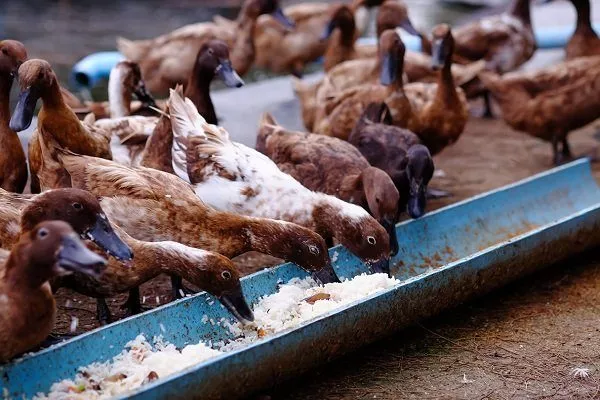
Basic rules for feeding ducks in winter:
- Provide your birds with food two to three times a day. Morning and evening, feed them a mixture of crushed grain, grated vegetables, or water. Moistening the feed reduces food loss during consumption, preventing the grain from spilling around the feeder.
- At lunch, reduce the amount of grain concentrates by diluting them with fruits or vegetables. They are a source of vitamins and minerals. You can grate them coarsely when fresh, but boil them for softness and better digestibility. Carrots, potatoes, beets, pumpkin, and apples are especially beneficial.
- Along with grains, silage is considered a key component of ducks' diets. It's not worth skimping on, as it's an alternative to fresh grass. Steam hay and straw, and sprinkle grass and bone meal on the feed.
- Cereals with bran and mixed feed should be the staple of the winter diet. These foods contain many valuable nutrients and carbohydrates.
- Root vegetables and vegetables contain a large amount of natural vitamins.
- Steamed and soft hay. It can't completely replace grass, but it also contains many useful and important substances.
- Purchased or homemade vitamin supplements (crushed eggshells, chalk, shells, cottage cheese, meat and bone meal, boiled eggs).
- Salt is very beneficial for laying hens. However, the daily salt intake should not exceed 0.2% of the daily ration. Salted foods should not be fed. Salt should only be added in its pure form directly to the mash.
To prepare silage yourself, follow these steps:
- Grind the grass mass and grate the fruits and vegetables.
- Place the resulting mixture in a container and seal tightly to prevent air from getting in. After 40-45 days, the fermentation process will begin.
- If the silage is very acidic, add crushed chalk to it (2 tablespoons per kg of feed).
Approximate daily feed intake for ducks in winter:
- cereals - 150 g;
- wheat bran - 45 g;
- boiled potatoes - 55 g;
- carrots - 75 g;
- fodder beet - 25 g;
- hay flour - 15 g;
- meat and bone meal or fish meal - 1-3 g;
- baker's yeast - 2 g;
- chalk - 2 g;
- gravel - 2 g;
- salt - 1-1.5 g.
Introduce this food gradually, starting with small portions. Otherwise, the birds may experience digestive upset and weaken their immune system. For the same reason, feeding ducks bread, especially rye bread, is not recommended.
Features of winter duck keeping
Depending on the region where ducks live, the requirements for their winter keeping can vary significantly. Each winter duck keeping option has its own advantages and disadvantages.
On the street
Despite ducks' undemanding nature, leaving them outdoors permanently in winter is unacceptable. In damp weather, their plumage, saturated with dirt, loses its protective function. Feathers leak water and no longer retain heat, and their feet quickly freeze in the cold, leading to a painful death.
In southern regions, outdoor housing is possible during the day in dry, sunny weather, when the temperature does not drop below -3 degrees Celsius. In this case, the birds should have a closed shelter to protect them from drafts and precipitation, and the ground surface should be covered with straw.
At night, ducks are always brought into the barn. Birds should not be left outside if weather conditions deteriorate.
In the greenhouse
Greenhouses not used during the winter are very convenient for sheltering ducks during the cold season. Permanent structures and polycarbonate greenhouses are particularly advantageous. They meet all the requirements for wintering birds:
- they are dry and warm;
- sufficient amount of sunlight allows you to keep ducks without walking;
- there is ventilation;
- lots of space.
Having a greenhouse is a big plus for a duck breeder: there's no need to build a barn, and over the winter, the birds will fertilize the garden beds with their droppings, leftover bedding, and feed.
You can learn about keeping ducks in a greenhouse during winter in the following video:
In the barn
If you have a barn on your property, you don't need to build a coop—slight modifications to accommodate ducks are sufficient. The simpler and cooler the structure, the more work is involved:
- Insulate the walls from the outside. It's advisable to plaster them inside.
- Build a wooden deck over the dirt floor and lay a thick layer of bedding on top.
- Make sure that the interior space is inaccessible to rodents.
- Check the roof for holes and cracks. Seal all possible causes of leaks.
- Equip the barn with natural ventilation.
- Install perches, drinking bowls, feeders and nests.
A duck pen in a shared barn with cows or horses is a great solution. Large animals warm the air with their body and breath, so it's always warm.
Caring for ducks in winter
Caring for ducks in winter is more challenging than in summer. The birds' overall health and egg production directly depend on the quality and timing of these measures.
Winter care has its own nuances:
- Feed your ducks indoors only during the most adverse weather conditions. If it's warm and dry outside, move the feeders outside to the run.
- Dilute grain mixtures with warm water or heated meat broth.
- After each feeding, clean the feeders of any food debris. Pour boiling water over them overnight and turn them upside down.
- Move the feed containers around the barn periodically to prevent the bedding from absorbing and accumulating dirt.
- In favorable weather, when it's sunny and above 7 degrees Celsius, allow the ducks to bathe. This will clean their plumage and restore their insulating properties.
- Change the bedding in the barn and outside regularly. Avoid excessive moisture and soiling, as this can lead to pathogenic bacteria, heat loss, and untidy feathers.
- Closely monitor the condition of each duck. At the slightest deviation, quarantine the individual.
- Don't let your ducks out before 10 a.m. - they lay eggs until then.
- Leave the lights in the poultry house dim at night.
Egg production in winter
To ensure ducks continue laying eggs during cold weather, ensure adequate daylight hours and temperature. Optimal conditions for maintaining egg production include:
- 9-10 hours of continuous bright light per day;
- air temperature within 5-12 degrees Celsius;
- balanced diet;
- the presence of a young drake (no more than 2 months older than the females).
| Breed | Minimum room temperature | Recommended temperature for egg production |
|---|---|---|
| Musk | 12°C | 16-18°C |
| Decoys | 5°C | 10-12°C |
A duck's clutch typically consists of 8-14 eggs. However, a female duck, especially a Muscovy duck, can incubate up to 20 eggs.
The incubation period lasts on average 35-38 days. A duck's annual egg production can range from 60 to 120 eggs.
Keeping ducks in winter requires special conditions and adherence to certain rules. The health, weight gain, and reproductive performance of ducks depend on the quality of care. A responsible approach ensures high-quality flocks.
We started breeding ducks this year. I didn't know there were any special winter care requirements; I thought they were just kept warm and that was it. Thank you so much for the information. Now I'm confident my ducks will survive the winter well.