
Whether ducks can eat bread is a rhetorical question, as the answer is ambiguous. On the one hand, it's prohibited, but on the other, if given correctly, it's perfectly acceptable. It's also important to consider the type of bread—not all are harmful or beneficial. We'll explore all the nuances and aspects of this issue.
Features of the digestive system of ducks
Ducks' digestive systems are designed to digest food as quickly as possible and eliminate it immediately in the feces. While the feed is absorbed instantly, not all of it is, so it's important to learn the proper feeding guidelines for these animals.
- ✓ Ducks have a high digestion rate, which requires frequent feeding in small portions.
- ✓ Undigested food residues can cause blockages in the digestive tract, especially when feeding bread.
Ducks are omnivores, so they can eat both plant and animal foods, both hard and soft. However, some foods can be harmful to them, especially baked goods.
Can you feed bread to ducks?
Bread is made from flour obtained by processing grain, so it is not inherently harmful. However, the harmful effects come from other sources—the additives added during the preparation of bread products.
| Name | Type of bread | Harmful to ducks | Feeding recommendations |
|---|---|---|---|
| White | Wheat | High | Not recommended |
| Black | Rye | Average | Only in dried form |
| With mold | Any | Very tall | It is strictly prohibited |
| Rusks | Any | Short | Crushed |
White
White bread is considered the most harmful to ducks, as it contains yeast in addition to white flour. Yeast is particularly harmful because it promotes fermentation in the stomach, causing it to swell and clog the digestive tract. This can be fatal.
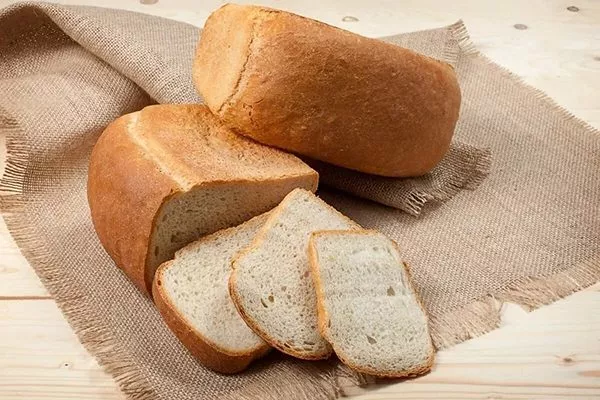
Despite this, white bread is very filling, so birds refuse other foods, leading to vitamin and mineral deficiencies. This condition contributes to diseases that cause wing growth to be abnormal, which ultimately prevents the duck from flying.
Other reasons why ducks are not allowed to eat white bread:
- White bread contains salt in doses that are too high for birds, which contributes to intoxication of the body;
- white flour lacks nutrients;
- excessive amounts of carbohydrates, which causes blood sugar levels to rise;
- a deficiency of manganese, vitamins E and D, and protein occurs;
- White bread helps strengthen bones.
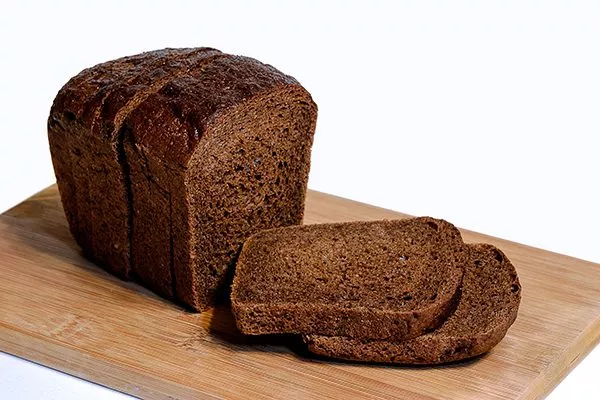
Black
Black bread is considered healthy, but if ducks eat it fresh, it can be harmful. The reasons for this are:
- Like white bread, black bread swells;
- it contains a lot of acid, which is harmful to the stomach and can cause intestinal volvulus;
- diarrhea and dysbacteriosis develop.
With mold
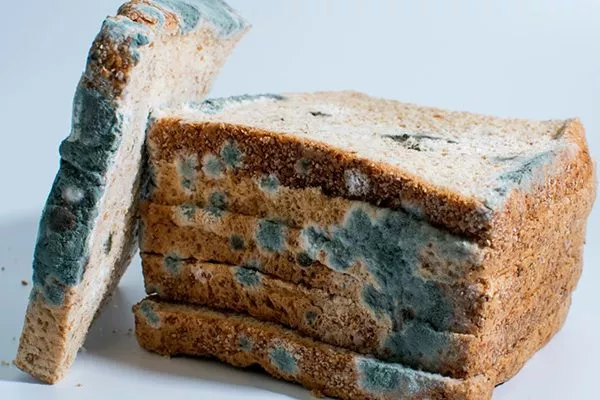
Moldy foods are strictly forbidden for ducks, as mold contains fungi that can cause poisoning. This leads to the development of aspergillosis, a disease that can also be transmitted to humans.
Rusks
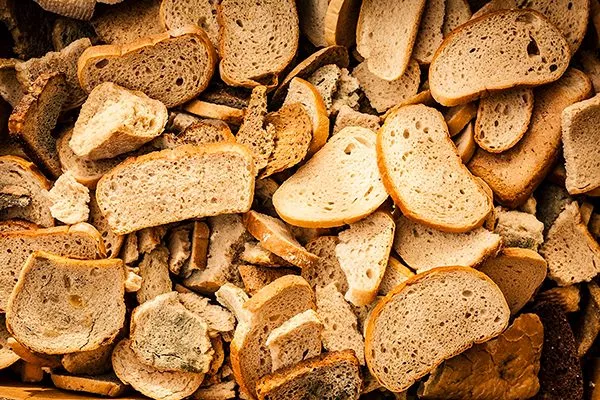
Rusks aren't particularly harmful, but only if they're crushed. If they're not, the ukti may choke on large particles. Furthermore, the crackers are sharp, causing scratches on the walls of the digestive tract.
What is the correct way to give bread so that there is no harm?
Bread isn't particularly beneficial, but if you need to feed it to ducks, you should first familiarize yourself with the rules to ensure it doesn't harm the birds. An important requirement is limited dosage and the time of year—winter.
Preparing bread before feeding ducks
Bread crumbs and fresh baked goods are especially prohibited. They can only be given in dried and crushed form. The following guidelines should be followed when preparing the product:
- white bread is cut into thin slices and dried in the oven, or alternatively – in the open sun;
- It is important to inspect pieces of bread for insects and mold - such products should not be given;
- You should not cut off moldy parts of the bread, as the remaining parts (which appear normal) may still contain fungal spores;
- bread should be soaked in water 1.5-2 hours before feeding;
- You cannot soak bread made from rye flour.
How much can you give: norms
Experts have established norms for feeding ducks bread. Exceeding these dosages is strictly prohibited:
- Duck chicks should not be given bread until they are 5 days old, but after reaching this age, they are allowed to add crumbs to cottage cheese and greens;
- for adults, the crumbs are mixed with a grain mash, the proportions are 1 part bread and 3 parts feed;
- in soaked form, the dosage of bread is 1 part, and mash is 2 parts;
- If you give ducks 1 piece of bread, then it is allowed to do this every day;
- the older the individual, the larger the piece that can be given;
- Black and grey bread should not be given often – maximum twice a week.
This applies mainly to the winter period, since giving bakery products in the summer is completely undesirable.
Consequences of feeding ducks bread
Feeding ducks different types of bread, including moldy bread, can lead to various illnesses. Knowing these in advance will help avoid many problems.
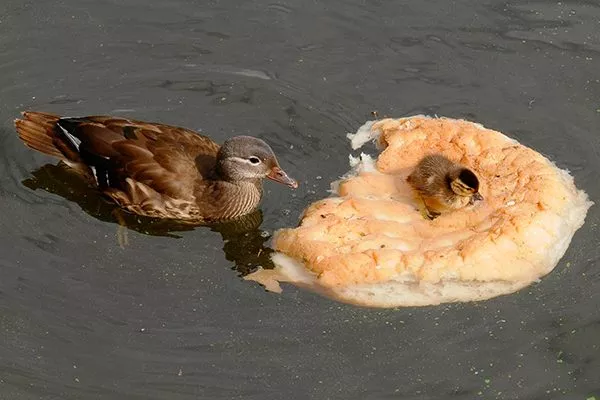
Intoxication
Poisoning occurs when consuming moldy bread or crackers. Mold fungi release spores that can enter the body even when inhaled. Direct ingestion can cause severe intoxication.
Signs:
- lethargy and weakness;
- diarrhea with bloody discharge;
- convulsions;
- paralysis;
- constant thirst and salivation with foamy masses;
- depression.
The success of treatment depends on the severity of the poisoning. The following measures are most commonly used:
- gastric lavage with a solution of water and activated charcoal;
- administering an enema with a solution of potassium permanganate;
- administration of laxatives;
- feeding with raw egg whites, milk, flaxseed infusion, oak bark, etc.
Dysbacteriosis
Dysbacteriosis occurs after ducks consume large amounts of any bread, especially black bread. The disease manifests itself as severe diarrhea and dehydration. Other symptoms include:
- thirst;
- drowsiness;
- loss of appetite;
- lethargy;
- Symptoms of conjunctivitis of the eyes.
Antibacterial medications and probiotics are used for treatment. Disinfection of the premises is essential, as dysbacteriosis promotes the development of pathogenic microorganisms.
Avian botulism
Botulism occurs as a result of intoxication from moldy bread and is a fatal infectious disease. It can also develop from bread scraps in water as they begin to spoil. It presents similarly to poisoning, but there are additional symptoms:
- paralysis of the legs and wings, as a result of which the bird cannot fly or walk;
- closing of the eyelids;
- drooping neck.
Treatment includes the following:
- availability of a large amount of fresh water;
- Antitoxin (botulinum) drug.
Recovery occurs within 2-3 days. In severe cases, the duck dies.
Angel disease in ducks
Another name for this condition is angel wing. It occurs due to nutritional deficiencies and an excess of sugar and carbohydrates (such as those found in baked goods). The condition is fatal and manifests itself as an unnatural inversion of the wings, rendering the bird flightless.
- ✓ Angel disease in ducks is characterized by the wings turning outward, making flight impossible.
- ✓ Aspergillosis, caused by moldy bread, affects the respiratory system, leading to wheezing and shortness of breath.
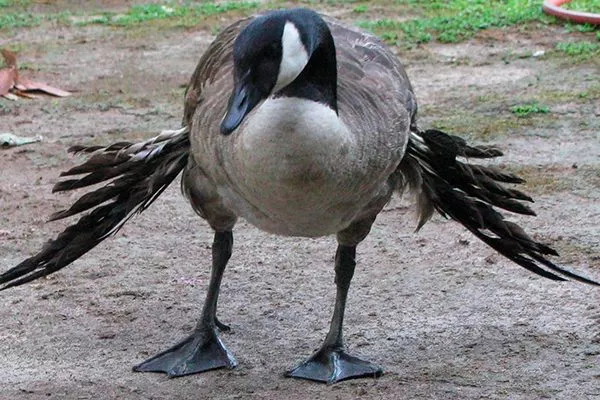
Adults are not treatable, but the following can be done with young animals:
- wrap the wing with a bandage;
- turn it so that it returns to its normal position;
- fix.
It is essential to remove carbohydrate foods from the diet and add vitamins and minerals to the food.
Indigestion
Bread is difficult for ducks to digest, especially young ones. Therefore, feeding any kind of bread, especially fresh, soft bread, can contribute to dyspepsia (indigestion). Symptoms include:
- drowsiness;
- refusal to eat;
- lethargy;
- lack of response to stimuli;
- unsteadiness of gait;
- diarrhea with yellow-green, yellow-white or brown discharge;
- increase in body temperature.
Treatment involves a complete dietary change to restore gastrointestinal function. To achieve this, the bird is given:
- cottage cheese;
- whey;
- sour milk;
- herbal infusions (chamomile, calendula, horse sorrel);
- a solution of soda and potassium permanganate;
- sulfonamide antibiotics, synthomycins, tetracyclines or biomycins;
- dry finely chopped food.
Disinfection of the premises and frequent feeding in small doses are required – about 6 times, 40 g of food at a time.
Constipation
Constipation always occurs when eating fresh, soft bread, as it clogs the intestinal tract. It manifests itself as difficulty defecating, tail shaking, and frequent squatting. Feathers become ruffled, appetite is lost, eyelids frequently droop, and lethargy is observed.
For treatment, it is enough to insert a few drops of regular vegetable oil into the anus.
Avitaminosis
This occurs when feeding absolutely any bread, as it lacks vitamins and other nutrients, and birds won't eat other foods. The most common deficiencies are vitamins B12, B2, E, A, D, and B1.
Symptoms (general):
- lethargy and lack of activity;
- weakened immunity;
- fragility of plumage;
- deterioration of egg production;
- inflammatory processes on the mucous membranes and in the respiratory tract;
- gait instability;
- softening of bones;
- loss of appetite;
- developmental delay;
- formation of anemia;
- curled toes.
Treatment involves supplementing the body with vitamin complexes. Alternatively, you can give:
- fish oil;
- vegetables (carrots, greens);
- herbal flour;
- bone meal;
- bran;
- fish meal;
- sprouted wheat;
- dairy products.
Aspergillosis
This disease is dangerous and develops when birds are fed moldy bread. It affects the respiratory system, causing the following symptoms:
- rapid breathing;
- wheezing and shortness of breath;
- loss of appetite;
- nasal discharge;
- neck curvature;
- impaired motor coordination;
- paralysis.
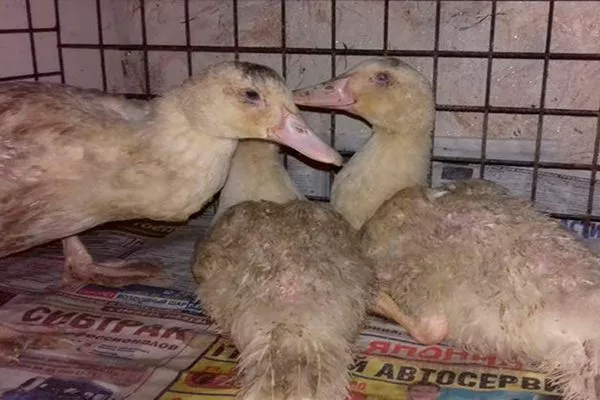
Treatment includes the following steps:
- aerosol treatment – iodine solution (1%);
- drinking potassium iodide;
- treatment with Nystatin.
Disinfection of the premises is mandatory.
What can you feed domestic ducks?
Ducks kept on a farm require a special diet, but in general, there are permitted and prohibited foods. What can be fed:
- food waste (from the table);
- potato, carrot and other vegetable peelings, pre-chopped;
- porridges that are not cooked until they are completely soft (half-cooked);
- stewed and raw vegetables;
- sprouted grains;
- boiled eggs;
- cottage cheese;
- fruits;
- corn;
- fresh grass.
Not all fruits and vegetables are safe for feeding to ducks. The best options are apples, zucchini, pumpkin, carrots, cabbage, eggplant, pineapple, pomegranate seeds, and bananas. These foods promote digestion and provide the bird with nutrients.
If we talk about specialized feeds, then ducks are given the following:
- Cereal grain. It needs to be crushed, but if it's not very coarse, whole grain is fine. Wheat, corn, millet, barley, and oats are best. They contain a large amount of starch (about 70%), protein (12-12%), and minerals and vitamins.
- Agricultural waste. These include oilcake, meal, and bran; they are rich in magnesium, calcium, and potassium, which is important for the musculoskeletal system of poultry.
- Succulent feed and root vegetables. They are essential in the diet, but keep in mind that beets and potatoes need to be boiled first. As soon as young grass appears outside, they are introduced into the ducks' diet.
- Food of animal origin. This includes small fish and insects. If these products are unavailable, they can be replaced with fishmeal, the dosage of which should not exceed 6-7% of the total feed weight per day.
- Vitamin food. These include carrot tops, kale, quinoa, nettles, and clover. All ingredients are pre-chopped with a knife. Ducks are also given eggshells or mussels, as they contain a fair amount of calcium.
If ducks are raised for eggs, they should be given calcium-based mineral supplements. When ducks are raised for meat, the diet should be protein-based, with the inclusion of legumes.
Why shouldn't you feed wild ducks bread and what is the best supplement?
In parks with ponds where wild ducks live, signs are always posted prohibiting feeding the birds, especially bread. This rule has a compelling rationale:
- Feeding ducks. Bread is a high-calorie food that quickly fills ducks' stomachs. As a result, the birds refuse to eat their natural and essential food, such as fish, shellfish, seaweed and other grasses, seeds, insect larvae, etc.
This leads to a lack of vitamins and minerals in the body, which weakens the immune system and makes the ducks sick and weak. Chips, sweet cookies, and buns are strictly prohibited. - Harmful to the younger generation. Young birds have a particular need for nutrients, and consuming only bread deprives them of these nutrients, leading to the condition known as "angel wing." Furthermore, young birds fail to develop their natural foraging instincts in the wild.
- Pollution of a water body. Ducks can't eat all the bread people throw into a pond, especially considering everyone passing by does so. The scraps accumulate, clog the water, and rot on the surface. This contributes to pond overgrowth, leading to the disappearance of fish, crustaceans, amphibians, and other species.
- Overpopulation of urban water bodies. The more often and more often people feed ducks bread, the faster the duck population increases. They flock to one spot from different parts of the city, resulting in territorial squabbles, attracting predators, and a shortage of natural food.
- The fading of natural instincts. Ducks accustomed to being fed from people's hands stop hunting and consuming natural food. Moreover, these birds quickly become accustomed to humans, and not all people are kind to them. Consequently, ducks end up in the hands of poachers.
- Diseases. Consuming bread, especially fresh or moldy, can lead to the development of multiple diseases, as discussed above. Unlike domesticated birds, wild birds are not treated. Therefore, healthy birds will constantly become infected.
Whether or not it's safe to feed ducks bread is a controversial issue. The key is to prepare it properly and avoid overfeeding. When heading to the park, bring special food (pellets) or other approved foods. At home, avoid feeding ducks fresh, soft bread, especially if there are signs of mold.