
Ducks are waterfowl, and their diet requires specific nutrition. Modern feeds are excellent at meeting this need, providing all the nutrients and vitamins a duck needs. However, there are several nuances to a duck's diet that need to be considered.
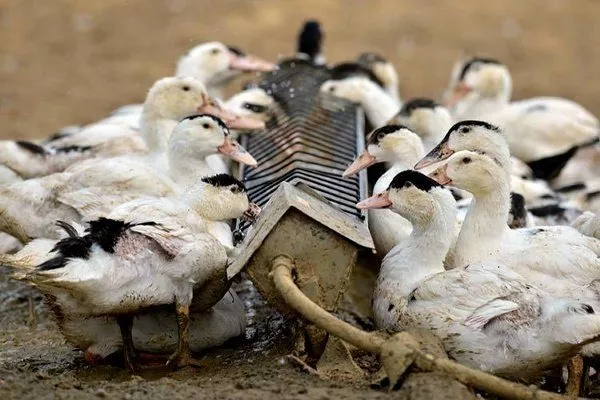
Types of feed for domestic ducks
To ensure ducks receive all the necessary nutrients and beneficial micronutrients, they need sufficient protein and carbohydrates in their diet. While wild ducks obtain their protein needs by eating worms and larvae, domestic ducks require supplemental feeding.
Domestic ducks obtain carbohydrates, which help maintain vitality and a strong immune system, by consuming various feeds, which can be roughly divided into:
- cereal feed and waste from agricultural processed raw materials;
- roots;
- animal feed;
- vitamin and mineral feed.
| Name | Protein content, % | Starch content, % | Minerals |
|---|---|---|---|
| Cereal feed | 12 | 70 | Potassium, magnesium |
| Root crops and succulent feed | 2 | 15 | Calcium, phosphorus |
| Animal feed | 50 | 5 | Calcium, phosphorus |
| Yeast | 40 | 10 | Vitamin B |
| Vitamin feed and mineral supplements | 3 | 20 | Calcium, carotene |
Cereal feed
Grain feed, made from cereals, can be whole or crushed and forms the basis of a domestic duck's caloric diet. It is easily digestible and helps fill the bird. Grain feed, made from barley, corn, oats, and millet, contains up to 70% starch and 12% pure protein. The remainder consists of minerals and fat.
Ducks consume agricultural by-products in the form of meal, cake, or bran. The potassium and magnesium in these by-products have a positive effect on the bird's skeletal system.
Root crops and succulent feed
In addition to feed, root vegetables should be periodically added to the diet of domestic ducks. These include carrots, potatoes, beets, pumpkin pulp, and a small amount of rutabaga. Before feeding, the potatoes and beets should be boiled. The boiled vegetables should be mashed and mixed with crushed grain feed.
Carrots, pumpkin pulp, and rutabaga can be served fresh. Vegetables are generally especially beneficial during the summer. It's recommended to periodically release poultry into the pond, where they can enjoy aquatic plants and algae, which are their main source of energy.
Animal feed
It's no secret that wild ducks are not above eating small fish and insects. Therefore, poultry raised at home require supplementary feeding of animal origin. Fishmeal is the solution. The composition of this product is virtually identical to that of fish, and it also contains added vitamins such as calcium and phosphorus.
It's important to carefully monitor the amount of this food introduced into the diet. The optimal amount is 7% of the total food weight. An alternative to fish meal is bone meal. It's not as rich in vitamins, but it serves as an excellent complementary food and source of carbohydrates.
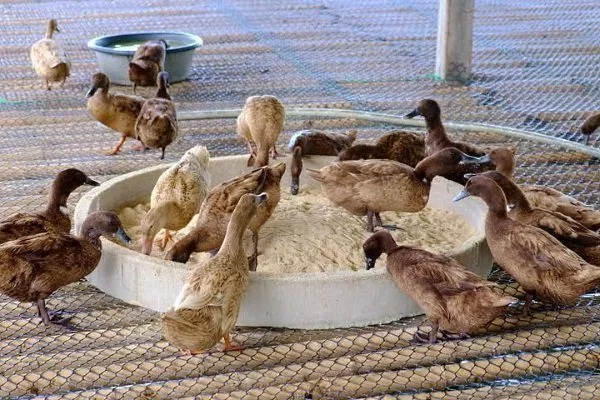
Yeast in the diet of ducks
As a supplementary food, domestic ducks can be given baker's or brewer's yeast, which are rich in vitamin B. Both dry and raw yeast can be added to the diet. However, brewer's yeast is recommended only for birds over ten days old, while baker's yeast can be introduced from birth.
Vitamin feed and mineral supplements
This type of feed is designed to provide minerals and carotene, which are essential for maintaining the bird's internal organs and proper development. Plants such as clover, nettle, fodder kale, quinoa, and carrot tops can be safely included in the domestic duck's diet.
As a rule, vitamin-rich feed is given to ducks unprocessed. It is recommended to finely chop the greens and mix them with other feed. Eggshells, which contain a high percentage of calcium, are used as a mineral supplement. The shells are thoroughly ground and mixed into the main feed of domestic ducks.
What shouldn't you feed ducks?
Contrary to popular belief, bread is not recommended for ducks, especially in large quantities. Never feed raw bread to domestic ducks, especially moldy bread. Such food can cause dysbiosis and gastrointestinal upset. Bread should only be served in the form of crackers and in moderation.
It's important to monitor your bird's consumption of vegetables such as cucumbers and zucchini. Excessive consumption of these vegetables can lead to calcium leaching. Feeding ducks potato peelings, watermelon rinds, and other fruit peels should be avoided entirely. Only a chicken, not a duck, can handle such dense foods.
What to feed at different times of the year?
In winter
During the winter, feeding domestic ducks is limited to three meals a day. This is quite sufficient, as ducks rarely go outside in cold weather and, therefore, have no opportunity to lose the weight they've consumed.
For the first and second meals, it is advisable to feed the birds a wet mash, which includes pre-boiled grain crops, vegetables, oilcake, as well as mineral and protein supplements.
In the evening, it's a good idea to feed the ducks grain feed. Because it's easily digested and takes a long time to break down, the birds will sleep peacefully through the night. Due to hunger, the birds sometimes begin to eat the hay used as bedding.
In spring and summer
If the ducks are regularly confined to a pen and have no opportunity to roam freely, feeding is recommended at least four times a day. The first two meals consist of the aforementioned wet mash, while the remaining meals consist of dry food and grains. Throughout the warm season, it is recommended to ensure that the ducks are adequately fed fresh root vegetables and greens.
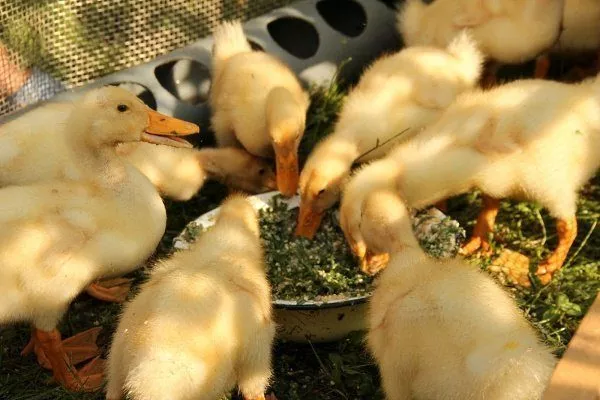
Diet for increasing egg production of ducks
Good egg production in domestic ducks requires a specific diet. During the egg-laying period, the bird needs to increase its mineral and calcium intake. A hen should drink about one liter of water daily. Feeding excessively wet feed is not recommended.
- Increase mineral and calcium intake in the laying hens' diet.
- Provide at least one liter of water per duck daily.
- Eliminate excessively wet food from the diet.
During this period, feed the bird no more than four times a day with any feed, but with the addition of a yeast solution. To prepare it, dissolve the yeast in warm water at a rate of twenty grams per liter of liquid. Mix the resulting solution with the main feed.
Diet of domestic ducks raised for meat
Ducks are fattened for meat for two and a half months from birth. At first, they eagerly devour boiled eggs and low-fat cottage cheese. It's important to choose the right foods, as a duckling's stomach is delicate and sensitive.
Approximately fifteen days before slaughter, a higher-protein feed is introduced into the diet. This may include legumes, cottage cheese, potatoes, and so on. During fattening, fish products are excluded from the diet, and the birds' physical activity is limited.
Features of feeding ducks at different ages
A balanced diet helps a young duckling develop properly, so it's crucial to carefully consider its diet. The most important factors to consider are the duckling's age and the conditions in which it is raised. A rapidly developing duckling requires a tailored diet to ensure it receives adequate vitamins and minerals.
The breeder explains what he feeds his little ducklings in the video provided:
The first 10 days
In the first hours after birth, ducklings are fed at least 6-7 times a day in small portions. For the first seven days, it's important to provide the growing chick with protein. For this purpose, it's recommended to prepare a mash of low-fat cottage cheese, milk, and egg. Grass, such as nettle leaves, clover, and dandelion, are essential. If the duckling has a poor appetite, it's recommended to give it a weak potassium permanganate solution.
From day 11 to day 30
During this period, it's acceptable to introduce grains and cereal feeds into the poultry's diet. They are highly digestible (up to 90%) and provide the bird's daily protein requirement. The need for mineral supplements increases. Therefore, chalk chips, fish meal, bone meal, and eggshells are added to the diet, thoroughly mixed in equal proportions and added to the main feed.
From day 31 to day 50
The so-called young birds continue to be fed grain and crushed feed. It's also important to provide the poultry with open access to water. The evening meal should be much more filling than the two morning meals. This will ensure the young birds sleep soundly and won't wake up from hunger pangs.
How to make your own compound feed? Recipe
Making your own duck feed is a great way to not only save money but also ensure the product's quality. You'll need the following ingredients:
- corn flour;
- wheat bran;
- greens (nettle leaves, clover, alfalfa, willow leaves).
It is recommended to prepare a volume of feed that the birds can consume within 24 hours. This is because the product has a short shelf life and quickly deteriorates.
First, you'll need a 10-liter container. Pour boiling water over the chopped herbs and let them cool for 30 minutes. Then, add 0.5 kilograms of corn flour and 1 kilogram of wheat bran. Mix the resulting mixture thoroughly. The result should be a thick, dense paste.
You can see how duck food is prepared in the video below:
Water in the diet of ducks
Providing a domestic duck with clean drinking water is essential for its proper and active development. The temperature should be at least 20 degrees Celsius. Choose a waterer with high sides to discourage the birds from climbing into it. Otherwise, the water will quickly become dirty. It's also not recommended to place the waterer near the feeder.
- ✓ The optimal temperature of water for drinking ducks should not be lower than 20°C to avoid hypothermia.
- ✓ The ratio of proteins and carbohydrates in the ducks’ diet should be 1:4 to ensure optimal energy balance.
It's recommended to add a small amount of potassium permanganate to the water to prevent the growth of harmful microorganisms in the container. If you have ducklings, check the water bowl regularly for water. This is because a growing duckling requires twice as much water as food.
What do wild ducks eat?
Like other wild birds, ducks are perfectly adapted to their environment. They feed near shallow bodies of water. They ingest food by sucking plants or insects from the water. However, the majority of their diet consists of plant matter.
However, the mallard will not refuse a small fish, tadpole, or crustacean. It's not uncommon to see a mallard's tail sticking out of the water. The bird dives underwater to forage for food. It can dive to depths of up to 40-50 centimeters.
During the winter, the bird feeds exclusively on plant stems and seeds, as insects and fish are virtually nonexistent in cold weather. Ducks living near human settlements obtain most of their food from humans.
With the tips and recommendations outlined in this article, you can easily create a diet for your domestic ducks. Proper nutrition at different stages of their lives will ensure their growth, development, and health.