
A duck egg differs from a chicken egg in many ways. It's slightly larger and heavier, and its composition varies slightly. It comes in a variety of colors (white, black, and even greenish-gray), has a beneficial effect on the body, and is used not only in cooking but also in medicine and cosmetology.
Duck eggs: what are they made of?
Each poultry egg has its own unique nutrient content. But duck eggs excel in terms of mineral content.

The egg contains the following useful elements:
- phosphorus – 219 mg;
- magnesium – 16.9 mg;
- iron – 3.8 mg;
- calcium – 65 mg;
- folic acid – 56 mg;
- vitamin A – 193 mcg;
- vitamin B6, B4, B6, B12.
All these vitamins and minerals prevent neuroses, anemia, sclerosis, psoriasis, etc. The caloric content of the product is 185 kcal per 100 g, so the product cannot be called dietary.
Differences between duck and chicken eggs
Duck eggs are less commonly eaten than chicken or quail eggs. However, in some countries, they are considered a delicacy. This is due to their unique flavor and firmer texture after cooking.
The differences between chicken and duck eggs are as follows:
| Differences | Duck egg | Chicken egg |
| Size/weight | Weighs up to 90 g. 2-4 times larger in size, so one duck egg is equivalent to two chicken eggs. | The average weight is 50-60 g. |
| Color and appearance | Elongated shape with bluish-green, white, gray and black hues. | Oval with yellow or white color. |
| Yolk flavor/texture | Creamy. The yolk is of a dense consistency. | Tart. The yolk is soft. |
| Composition (substances present in greater quantities) | Protein, omega 3, vitamin A, B, amino acids. | Calcium, protein, vitamin A. |
| Use | Taken only in boiled form (raw eggs provoke various diseases). | A large variety of dishes, including raw ones. |
| Storage | No more than 5-7 days in a cool place. | Long-term storage in the refrigerator: up to 1 month. |
Advantages and disadvantages of duck eggs
Duck eggs contain a large number of micro- and macronutrients. Like any food, they have their own beneficial and harmful properties.
Demand for duck eggs in the market
Duck eggs are not sold in regular stores. They can be found on poultry farms, in some supermarkets, or at markets where people sell homemade goods. Duck farming is profitable due to high demand.
How often do people eat duck eggs?
Frequent consumption of the product is not always beneficial, as the high cholesterol content can lead to the development of atherosclerosis.
It is preferable to take eggs according to the following rules:
- no more than 2 times a week, 1 piece at a time;
- after heat treatment.
Is it profitable to breed ducks for eggs?
Duck farming is a promising business, allowing for significant profits in a short period of time. Farmers receive not only eggs but also down, feathers, and meat.
The benefit is as follows:
- the bird reproduces quickly, so at the initial stages you can make a small purchase (no more than 20 units);
- special care is not necessary - the duck is unpretentious and does not require dietary or any special nutrition;
- minimal feeding costs – the price of forage crops is low, the birds can eat grass and other vegetation;
- Thanks to a strong immune system, the bird rarely gets sick.
Keeping poultry also has its disadvantages:
- ducks require a large area with a nearby body of water;
- large flocks require constant supervision;
- some individuals are unable to lay eggs;
- Difficulty in obtaining the necessary documents for keeping poultry.
What are the benefits of duck eggs?
Poultry eggs (chicken, duck, and quail) are similar in composition. The three types differ in the amount and type of beneficial micronutrients they contain. Duck eggs are considered the most popular.
General benefit
Because duck eggs are larger than chicken eggs and contain a lot of protein, they are more nutritious and calorie-dense. They are especially beneficial for athletes, boosting energy and building muscle mass.
Frequent use contributes to:
- strengthening the immune system;
- recovery of the body after surgery;
- preventing the development of vitamin deficiency;
- strengthening bone tissue;
- normalization of the nervous system;
- restoration of the gastrointestinal tract;
- nutrition of the brain;
- improving metabolism.
For women and men
Duck eggs have a beneficial effect on the body, especially for women's health. The restorative effect occurs in a short period of time.
Using the product helps:
- cope with stress;
- balance female hormonal levels;
- improve the condition of teeth, skin, nails and hair;
- have a positive effect on the reproductive system;
- prevent rapid aging of the body.
The product is no less important for men. It especially helps those working in difficult conditions to increase their endurance.
The benefits of eggs for the body of the stronger half of humanity are as follows:
- gaining and strengthening muscle mass;
- saturating the body with protein;
- improving potency and erection.
Eggs are important for pregnant women. They provide the body with nutrients necessary for the healthy development of the baby (reducing the risk of intrauterine pathology). They also contain vitamins A and B, which support the mother's well-being.
Excessive consumption can lead to miscarriages. After giving birth, a woman should eliminate duck eggs from her diet and gradually reintroduce them after the baby reaches six months of age.
In childhood
Duck eggs are considered a heavy food for children. They can cause an allergic reaction. It is recommended that they be consumed only after 6-7 years of age.
If you don’t follow these rules, the following problems may occur in your baby’s body:
- gastrointestinal tract pathologies;
- diseases of the digestive system;
- changes in metabolism.
Use of duck eggs in medicine
Doctors recommend eating duck eggs during treatment. They speed up metabolism and strengthen the body's defenses. A strong immune system is the key to a speedy recovery.
It is advisable for people with the following problems to eat this product:
- Exhaustion. Fats and carbohydrates help you gain the desired weight in a short time.
- Diseases of the circulatory system. Vitamin B9 saturates blood cells, which prevents possible heart attacks and strokes.
- Lack of protein and protein. Eggs are rich in minerals that will help increase the missing element.
- Nervous system disorders. The interaction of carbohydrate and lipid metabolism reduces the level of disorders and stress.
- Colds. The product boosts immunity and prevents the development of viruses.
- Problems with the gastrointestinal tract. Eggs normalize acidity, so they should be consumed by people suffering from gastritis and ulcers.
Duck eggs in cosmetology
This product is often used in cosmetology, as properly prepared masks nourish the skin, hair, and nails with essential vitamins, restoring their healthy appearance and condition.
For the face
Cosmetics don't always help create a fresh and healthy appearance, as many contain synthetic additives. A duck face mask not only nourishes the epidermis but also moisturizes and evens out skin tone.
Recipes for 2 skin types:
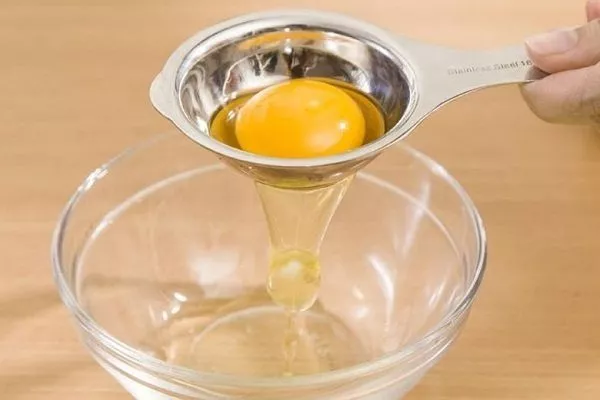
- For oily skin. To improve the condition of oily skin and tighten pores, use egg white and cosmetic clay. Mix each ingredient in a 1:1 ratio and apply to problem areas. Leave on for 30 minutes. Rinse with warm water. Apply moisturizer.
- For dry skin type. In this case, use a beaten egg (white and yolk included) and 1 mashed raw potato. Apply for 15 minutes. Rinse with running water. Apply a nourishing mask.
For hair
Duck eggs have a beneficial effect not only on facial skin but also on hair follicles. They prevent hair loss and dandruff, adding shine and volume.
Optimal means:
- For dry hair. Use one egg yolk, 10 g of citric acid, and 20 g of yogurt. Mix all ingredients and apply for 30 minutes. Rinse with running water at room temperature.
- For oily hair types. Add 10 g of honey to the mixture. Apply for 20 minutes. Rinse with water and a strengthening shampoo.
Culinary uses
Some farmers raise birds to sell them to restaurants, where chefs appreciate their taste and other characteristics. Duck is considered a delicacy, so it is served in a variety of dishes with a special twist.
Features of application
Duck eggs are used in cakes and baked goods. They can be boiled or fried. They are used as a main dish (omelets, scrambled eggs, etc.) and as a side dish for:
- side dishes;
- salads;
- first courses.
How to cook and can you fry it?
Duck products must be prepared with caution. Undercooked or raw eggs can lead to certain illnesses. Raw duck contains components that can cause stomach upset.
The rules of preparation are as follows:
- Before cooking, clean the shells from dirt and droppings.
- Rinse the eggs in water with detergent or soap. Do this for at least 5 minutes.
- Boil the egg until fully cooked (at least 12 minutes). Frying requires 15 minutes.
Harm and contraindications
Frequent consumption can lead to hypervitaminosis. Eggs can also be harmful if improperly prepared (undercooked or underbaked), as they pose a risk of contracting a dangerous disease, salmonellosis.
Duck eggs are contraindicated for consumption in the following cases:
- children under 6 years of age;
- women during breastfeeding;
- people who are overweight;
- if you have an allergic reaction to egg products.
Rules for storing and selecting high-quality duck eggs
The quality of the product will determine not only the taste of the prepared dish but also its health. Freshness also ensures the preservation of its beneficial properties.
- ✓ Cholesterol level: 3 times higher than in chicken eggs.
- ✓ Shelf life: no more than 7 days in the refrigerator.
When purchasing duck eggs, you should pay attention to the following:
- Best before date. The product has a shelf life of no more than 7 days. It's best to avoid purchasing eggs from places where it's impossible to check the expiration date (like at a market). It's best to buy eggs from supermarkets.
- Dirt on the shell. A product that is too dirty may be spoiled or contaminated. The shell should be slightly dirty, but ideally clean.
- Integrity of the shell. An egg is considered unfit for consumption if it is damaged or cracked.
- Storage. Do not leave the product in a warm place, as this will cause it to spoil quickly. Eggs can be stored in the refrigerator for up to 1 week.
How to check for freshness?
Determining the freshness of a duck egg is easy. This can be done both at the time of purchase and at home. There are several ways to check the freshness of an egg:
- With the help of water. Fresh eggs always lie on their sides at the bottom. Spoiled eggs lie with the pointed end up.
- By shaking. A stale product will produce a distinct sloshing sound. A fresh egg will have a firm consistency.
- By color and smell. A distinctive aroma and a light, matte finish are noticeable. An egg that has been sitting for a while becomes glossy and smells rotten.
- ✓ Density of consistency when shaken.
- ✓ Specific aroma and matte shell color.

Interesting facts about duck eggs
Almost everyone knows about the delicious and beneficial properties of duck eggs. But there are some interesting facts that few know. For example:
- In order for the egg to have a specific and rich taste, the duck must be fed not only plant food, but also proteins (beetles, snails and slugs) must be added to its diet.
- The density of the white and yolk is too high, so the egg is more difficult to break and turn into a homogeneous mass.
- A duck egg contains 3 times more cholesterol, carbohydrates and fat, so you shouldn't replace chicken eggs with duck eggs in a 1:1 ratio.
Duck eggs are not only a nutritious and healthy food, but also an indispensable aid in maintaining overall health and energizing the body. The most important thing is to purchase fresh eggs from trusted suppliers and follow proper storage procedures.