
When choosing meat ducks, consider Mulard hybrids. These domestic birds are easy to feed, highly productive, and have a docile nature, making them ideal for both novice and experienced farmers. Before purchasing ducks, carefully study the characteristics of this breed.
Origin of the Mulards
These domestic birds are the result of experiments by French breeders. The breed was created by crossing Muscovy duck and the White Pekin. These birds were first bred in the 1960s and have been in demand in agriculture ever since.
Close relatives of this breed are not found in the wild, as the White Pekin duck is native to Eurasia, while the Muscovy duck is native to South America. Mulards are native to agriculture on various continents, including Russia.
The ducks inherited their best genetic traits from their parents: large size from the Pekin ducks, and tender, lean meat from the Muscovy ducks. Mulard hybrids do not produce offspring naturally; human intervention is required to replenish the family.
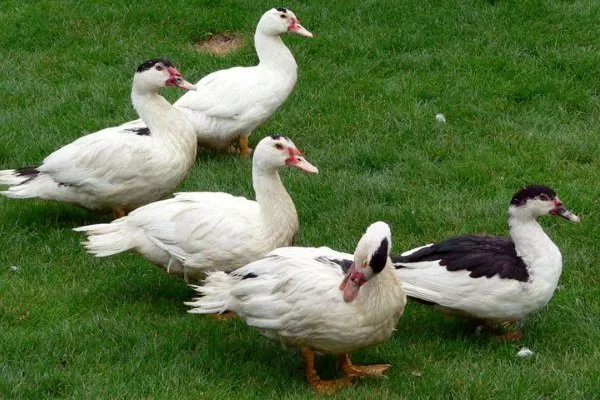
Mulard ducks
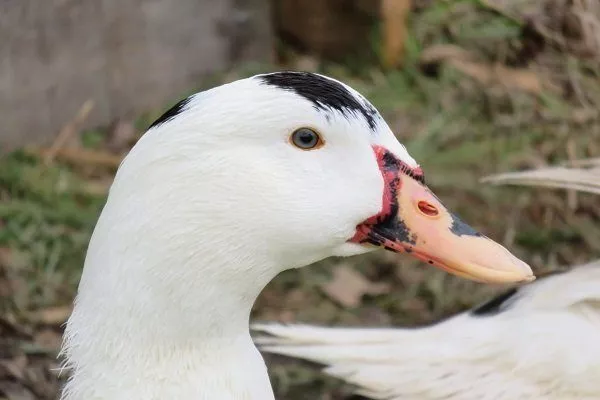
Mulards have tender and dietary meat.
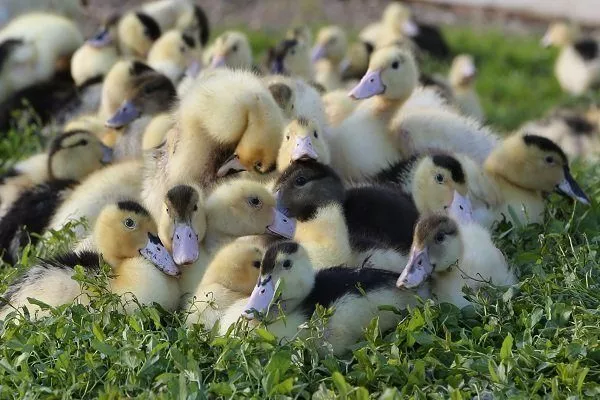
Mulard ducklings
Characteristics and description of the breed
This meat-producing breed of poultry is characterized by a calm disposition, rapid weight gain, and high productivity. Mulards weigh 4 kg or more at four months of age. The difference between drakes and hens is no more than 500 g, which is not typical for all breeds of domestic ducks.
Mulards have a quiet, calm, and balanced nature. Unlike Pekin ducks, they present no particular challenges to the breeder in terms of care and maintenance. These birds are intelligent, so they can safely roam freely and return home in full flock.
Appearance
Mulards are impressive in size and have snow-white feathers. A black spot on their head indicates the breed's purity. Darkening of the tail feathers and, rarely, the wings, is possible.
Domestic birds have a massive, elongated body and a short tail. Their wings are spread and held close to their bodies. Their heads are medium-sized, and their bills are flattened, elongated, and light yellow. Their necks are long and strong, which is why these hybrids are considered duck-geese.
Mulards have clear, wide-set, dark eyes. Their orange legs are short and massive, with rounded webs. The bird waddles slowly around the yard, creating no unnecessary fuss.
Productivity
Mulards have delicious, lean meat with 3% fat per 100g. Even true gourmets will appreciate the lack of a distinctive odor. In terms of nutritional value and health benefits, duck can be compared to young beef.
At four months, hybrids weigh 4-5 kg, reaching 7 kg by five months. This is a favorable period for slaughter. The resulting yield is up to 70% pure meat. Don't forget the rich flavor and nutritional value of duck liver, which weighs up to 500 g. This offal is used to make true delicacies, including foie gras.
Mulards produce high-quality feathers used in the consumer goods industry to make pillows, featherbeds, and warm blankets. They are also used as filling in outerwear.
Duck eggs are large and tasty. They are not eaten raw, as they pose a high risk of salmonella infection. They are suitable for baking and can be eaten raw after boiling or frying.
Peculiarities of hybrid maintenance
Mulard ducks are an excellent choice for beginners. They are easy to care for and maintain, gain weight quickly, and are ready for slaughter at 4-5 months. Hybrids are equally suitable for both private and commercial farming.
Mandatory conditions:
- the temperature in the poultry house is 16-25 degrees, the humidity level is 60-70%;
- the presence of bedding made of straw, sawdust and peat, its regular cleaning;
- the population of ducks in the poultry house is 3 heads per 1 sq. m, in the aviary – 2 heads per 1 sq. m;
- absence of dampness, drafts, and dirt in the poultry house;
- 24-hour access to water, ducks are fed twice a day.
- ✓ The optimal stocking density of ducks in a poultry house should not exceed 3 heads per 1 square meter, and in an aviary – 2 heads per 1 square meter.
- ✓ The temperature in the poultry house should be maintained within 16-25 degrees, and the humidity – 60-70%.
When cold weather sets in, the ducks are slaughtered. Since they are incapable of reproduction, they cannot be considered breeding stock. Hybrids do not tolerate the cold well: they lose weight, become ill, and die. Meat production significantly declines during the winter, making keeping and feeding Mulards unprofitable.
Feeding
The feeder size for an adult is 140 x 23 cm. The main goal of fattening is rapid weight gain. The diet should be fortified and balanced. The main food ingredient is pre-crushed, steamed grain.
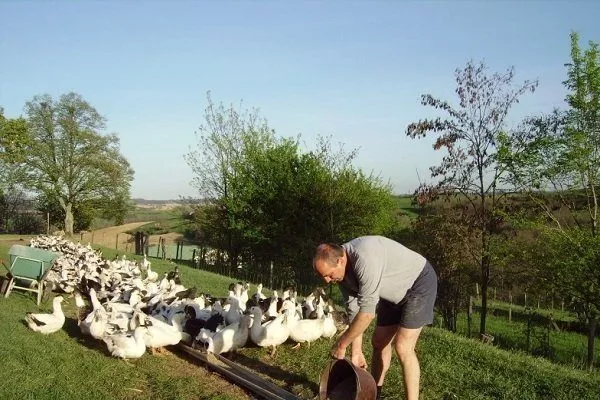
Starting at one month of age, birds are fed special feeds morning and evening. Barley, corn, wheat, fresh grass, boiled potatoes and carrots, duckweed, and fortified feed are particularly beneficial for weight gain.
To prevent vitamin deficiencies and digestive problems, include bone and fish meal, sand, shells, gravel, and special premixes in the daily diet. Intensive feeding reduces physical activity, and the hybrid quickly gains weight.
You can read recommendations on feeding ducks and learn about the types of feed in next article.
Fattening Mulards for Foie Gras
To obtain this exquisite delicacy, drake liver is used. The main requirements are to reduce physical activity and force-feed. To ensure the hybrid's liver is fatty, select three-month-old specimens weighing 4.5 kg or more, separate them from their fellows, and adjust their feeding regimen.
While being fattened, Mulard ducks sleep constantly, eat a lot, and move virtually inactive. As a result, they accumulate a thick layer of fat. A duck is unable to consume such a large amount of food on its own. Special devices are used to fatten them, forcing the food into their stomachs.
The bird is fattened for one month, after which it is slaughtered. The main criteria for slaughter are: sunken eyes, a pale pink beak, heavy breathing, and complete immobility. Remember that improper feeding can cause the duck to die before the specified time.
Care
Mulards require a covered coop and a pond. They live in a barn and are only taken out to pasture in warm, sunny weather. They splash around in a pond or artificial body of water (a bathtub, a tank) and clean their wings.
Basic requirements for a poultry house:
- Make sure there are no cracks or holes in the room that could allow drafts, rodents, and harmful insects to enter.
- The walls must be windproof. If necessary, insulate them with mineral wool on the outside.
- Install a hole in the poultry house on the south side, through which the ducks will return home after grazing.
- Treat the floor covering with slaked lime and lay a bedding of straw, hay, shavings and sawdust on top.
- Keep the bedding dry and clean, otherwise mold and bacteria will grow, and the birds will become ill.
- Wash the drinking bowl and feeder daily, do not leave old food, and regularly refresh the water.
- To prevent dampness and stale air from accumulating in the room, ensure good ventilation.
Basic requirements for the enclosure:
- Enclose the enclosure with mesh, making sure there are no holes or cracks around the perimeter.
- Remove poisonous grass and foreign objects from the area.
- Install a mesh fence over the top of the enclosure to prevent the ducklings from becoming prey to birds of prey.
- Clean the enclosure regularly, do not leave old food, wet mash, or dirty water.
- Make small canopies under which poultry can hide from the rain and scorching sun.
Basic requirements for a reservoir:
- If it is a pond, fence it with netting to prevent other inhabitants from disturbing the peace of the Mulards.
- If there is no stake, install a small pool in the enclosure, dig a tank or an old bathtub into the ground, and fill it with water.
- Provide the birds with food near an artificial pond. This includes fortified feed, dried grass, duckweed, and wet mash.
- Make sure there's plenty of clean water in the enclosure. A deep, wide bowl should always be available outside.
Features of slaughter
Birds aged 1-3 months are not suitable for slaughter, as at this age they are gaining muscle mass and have virtually no fat. Mulards should be slaughtered for meat starting at 3 months, but be sure to check their weight first.
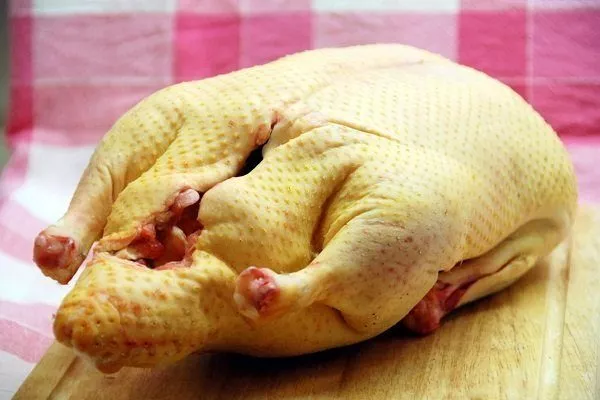
Birds weighing 3.5-4 kg and 4 months old are suitable for slaughter. Stop feeding them a few hours beforehand, but provide plenty of fresh water. After slaughter, scald the carcasses with hot water, and feather plucking will be no problem.
Birds should not be slaughtered during the molting period, as this can cause problems later on. plucking processAfter plucking the feathers, black stumps remain, which significantly spoil the carcass's aesthetic appearance. The best time to slaughter is before the molt.
Breeding and raising young animals
The warm season—May and June—is ideal for mating Mulards. The optimal age for adult birds is 7-8 months. There are 4-5 ducks per drake. Don't expect eggs to hatch quickly, as the birds need time to adapt and get used to each other.
When hatching ducklings under a duck, the survival rate is only 60%. When choosing artificial incubation using selected eggs, this rate increases to 100%.
To reproduce, you need one Muscovy drake and four Pekin ducks. Eggs hatch 7-10 days after mating. There are two options for incubating them: a layer hen or an incubator. Hybrids cannot produce offspring, so their relatives are used for breeding Mulards.
Read more about incubating duck eggs. in this article.
Conditions for keeping young animals
After hatching, place the ducklings in a separate room with constant light and a temperature of 30 degrees Celsius for the first 24 hours. Immediately after hatching, give the ducklings a weak solution of potassium permanganate to drink to prevent infectious diseases.
- ✓ Activity and good appetite in the first hours after birth.
- ✓ No signs of infectious diseases such as lethargy or diarrhea.
Reduce daylight hours by 1 hour daily to an acceptable 17-18 hours. Gradually lower the room temperature to the optimal range of 18-22 degrees Celsius during warmer months.
During the first week, use old newspapers and paper as bedding to keep the ducklings warm. Change them twice a day, otherwise the risk of infection and illness increases.
Feeding the young
In the first hours after birth, feed the ducklings. Chop a hard-boiled egg with the yolks first. Sprinkle this on top of the chicks to develop their grasping instinct for proper nutrition.
Ducklings begin to feed independently at 2-3 days of age. Initially, they eat crushed eggs, but their daily diet gradually becomes more varied. From 10 days on, feed the young twice a day, introducing crushed grain, and monitoring their water supply.
Starting at two weeks of age, feed ducklings duckweed, bran, and bone meal. To help strengthen their bones faster, grind the shells in a coffee grinder and add them to their food. Other mineral supplements, such as limestone, chalk, shell, and gravel, are essential for improved digestion.
Cottage cheese and whey are also beneficial for ducklings. Add 1 g of the first dairy ingredient to their daily diet. Ensure there is clean water in the waterers and refresh it regularly. For a review of duck waterers and instructions on how to make them, see another article.
After three weeks, choose an individual feeding regimen: intensive, extensive, or semi-intensive. The determining factor is the end result, the reason for which the Mulard ducks were purchased and raised.
For information on temperature and light conditions for ducklings, as well as how to water them, feed them, and get them used to eating, watch the following video:
Duck diseases
Mulards have a strong immune system, but it weakens as cold weather approaches. These birds cannot tolerate drafts, dampness, and low temperatures. They become lethargic, eat poorly, and may even die. To prevent this, the flock, or most of it, is slaughtered.
Throughout their lives, Mulard ducks may encounter diseases that negatively impact their productivity:
- Feather pecking. This problem occurs in a flock due to poor feeding practices, overcrowding in the house, and insufficient water. First, eliminate the underlying cause, then begin comprehensive treatment.
- Aspergillosis. A fungal disease transmitted through inhalation from moldy litter. Symptoms include lethargy, loss of appetite, diarrhea, vomiting, and rapid heartbeat. If antifungal treatment is not started promptly, poultry will die.
- Cloacite. A complication of vitamin deficiency, in which a pus-containing tumor forms in the cloaca. Zinc ointment is used successfully in the early stages of treatment. If the diagnosis is neglected, the bird dies.
You can read about the main diseases of ducks in next article.
Disease prevention
Breeders must monitor the flock's condition and promptly respond to early signs of disease. Mulard ducks should be separated from their fellow ducks to prevent infection. To avoid mass die-offs, observe the following preventative measures:
- Clean the poultry house daily from droppings and stale food.
- Don't leave old hay, renew the water.
- Change the bedding once every 2-3 days; if the bird has digestive problems, change it more often.
- Monitor your daily diet and include vitamin and mineral supplements.
- If the bird is sick, take the flock out and be sure to disinfect the premises.
Advantages and disadvantages of the breed
Mulard ducks have a number of advantages that have earned them their demand and popularity in the poultry market and in agriculture:
- rapid weight gain;
- tasty, dietary meat;
- healthy liver weighing 500-600 g;
- quick adaptation to new conditions;
- calm character;
- early maturity (by 3-4 months);
- unpretentiousness in nutrition and maintenance;
- cleanliness;
- stable immunity.
Representatives of the breed have their own shortcomings, which somewhat limit the number of breeders:
- the impossibility of breeding birds naturally;
- infertility of eggs;
- intolerance to drafts;
- risk of disease;
- poor cold tolerance;
- high price.
To find out whether raising Mulard ducks is profitable, watch the video:
Reviews
Mulard ducks resemble geese in appearance, hence their nickname "goose ducks." They have lean meat and high-quality down. These domestic birds are popular in Russian agriculture, used for breeding or as backyard pets. They do not reproduce independently, which is typical of many hybrid birds.
A very good breed. We bought these very same ducks this year. I followed your advice and recommendations on care and feeding, for which I am so grateful! The ducklings were healthy and grew up healthy and strong. I've attached a photo. Thanks again for the informative article!