
An artificial pond not only serves as a decorative element but is also a practical solution for your property. If you keep ducks at your dacha, having a pond can have a positive impact on their overall well-being. There are many ways to create a pond for birds yourself.
Why do ducks need an artificial pond and is building one worth it?
Breeding poultry requires a special approach and the creation of optimal conditions for a comfortable life. In an effort to reduce labor costs, people often turn to water features, which can not only reduce feed costs but also prevent bird diseases.
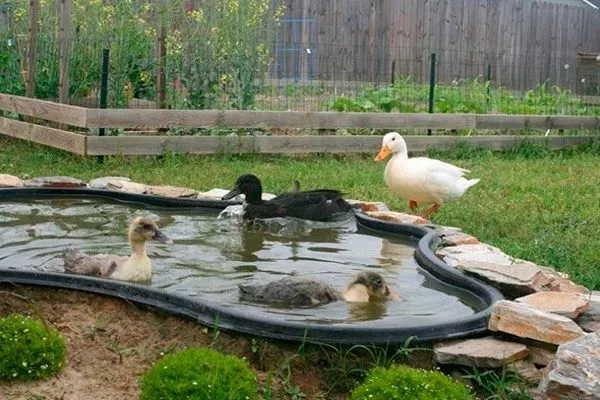
Building a pond for ducks on your property is a smart move. While ducks can thrive without natural water sources, they grow significantly better in the presence of a specially constructed pond.
By consuming protein, ducks save on expensive dietary supplements. Having a pond has a positive effect on the ducks' growth and health. They are more active, get sick less often, and develop better.
Benefits include:
- Saving on food. The pond attracts creatures such as insects and crustaceans, reducing dependence on expensive dietary supplements.
- Improving the quality of meat. Regular access to open water has a positive effect on the bird's immunity and the quality of its meat, reducing the thickness of the fat layer and imparting a more delicate taste.
- The need for drinking bowls. Constant access to open water eliminates the need for drinkers.
It is also important to consider some of the disadvantages of a homemade pond:
- Stagnant water. In an unmaintained pond, water bloom and an unpleasant odor may occur due to the proliferation of bacteria and harmful microorganisms.
- The need for constant care. The pond requires regular cleaning, draining and adding fresh water, which may require additional effort.
- Territory occupied. On small plots, a pond can be quite expensive in terms of space.
- Water consumption. A pond structure can consume a significant amount of water, which is important to consider, especially in areas with limited access to water sources.
Taking these factors into account, the decision to build a reservoir should be made carefully, focusing on the characteristics of a particular farm.
Requirements for a pond – what should it be like and where should it be located?
Choosing a pond's location is a key consideration when designing it. It's recommended to locate the pond in an open area, avoiding dense stands of trees. This will prevent fallen leaves from polluting the water, reducing the need for active pond cleaning.
- ✓ Consider the direction of prevailing winds to minimize water pollution.
- ✓ Provide natural light, but avoid direct sunlight for more than 6 hours a day to prevent algae.
Helpful tips:
- The most convenient option for owners of low-lying properties, where groundwater is only 1-2 meters deep, is to dig a pit. In this case, renting excavation equipment is sufficient, and the pond will fill automatically.
Ducks, trampling the banks of a reservoir, can lead to its gradual expansion and decrease in depth. - If groundwater levels are significant, waterproofing is required. Ideal options include butyl rubber or PVC membranes, specifically designed for use in artificial ponds.
These materials are safe for aquatic ecosystems, resistant to temperature changes, and can last up to 10 years.
The size of a duck pond depends on the site's characteristics and the number of birds. Its depth is adjusted based on the owner's budget and preferences. Generally, a depth of 1 m is sufficient for birds, but if you plan to breed fish, it's best to dig the pond at least 1 m below the frost line.
Pond Construction Instructions: Location and Size
First, you need to determine a suitable location for the pond. Make sure it doesn't cross any roads or obstruct free movement around the property.
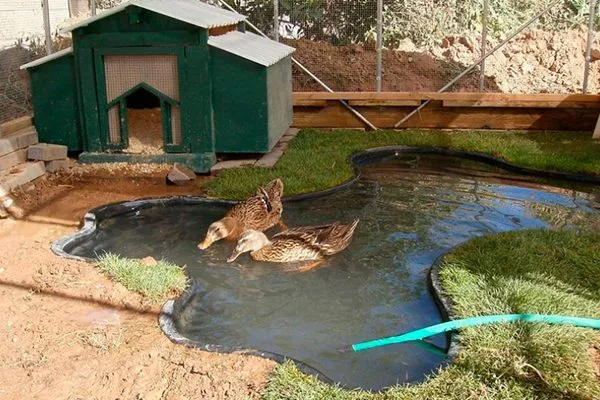
Construction instructions:
- Avoid placing a pond directly next to the chicken coop, as chickens are not good swimmers and may get hurt.
- Avoid placing the pond near wooden fences, as soil moisture can negatively affect the condition of the wood, causing rapid rotting.
- To successfully design a pond, develop a plan in advance, taking into account all adjacent outbuildings. This plan should include the dimensions and, of course, the depth of the pond.
The optimal dimensions of a duck pond are usually 3x2 m, and the depth is 50 cm, if there are no plans to breed fish. - Place the soil backfill some distance from the water, as birds can turn it into a mess in a short time.
- It's best to make the pond's banks smooth, avoiding vertical ledges. This will make it easier to handle the polyethylene film used to line the pit.
Preparation of the base plays a key role, so it must be as level as possible to avoid unevenness that will interfere with the even distribution of the coating.
How to make a pond yourself?
Creating a pond yourself is a fun and creative process. It's quite easy to accomplish if you approach it responsibly.
Small pond made of film
A homemade duck pond is the ideal solution. A small pond up to 50 cm deep is suitable for a duck, drake, and their offspring. The surface of a shallow pond warms up faster, providing comfortable swimming conditions for the ducklings.
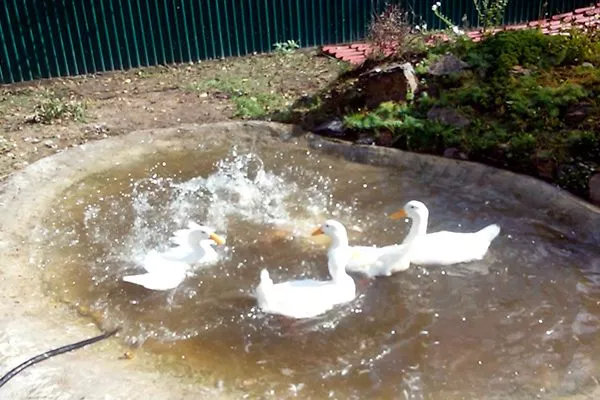
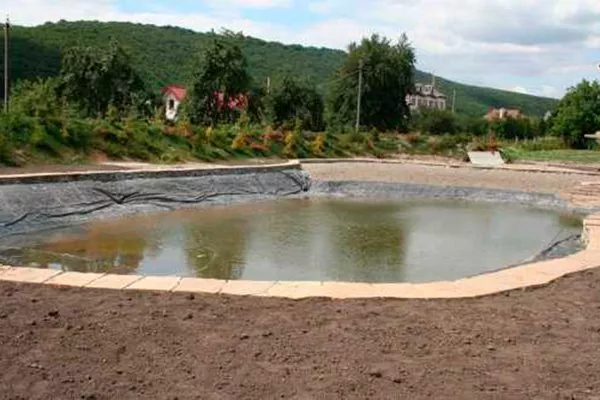
An important element of a pond is the presence of at least one gently sloping outlet, allowing easy access to water for the fish. Use a waterproofing material to retain water. Line the bottom of the dug hole with two layers of thick polyethylene or geomembrane (more durable than PVC film, but more expensive).
Secure the edges of the film on the bank with stones, then cover it with a layer of soil to prevent damage from birds' feet. After this, begin filling the pond with water. Maintain the water level daily by adding more water. Periodically add duckweed to the water.
Watch a video on how to create a pond using polyethylene film:
A simple bird pond made of slate
Once the pond's location has been determined, the process of plotting the area begins. The most convenient shape for such a pond is rectangular or square. The process is as follows:
- Using stakes and a taut string, mark the outline of the future pond.
- Excavate the topsoil in the marked area. The depth of the hole should be equal to the width of the slate sheet. Remove the soil as far away as possible from the future pond to prevent birds from scattering it throughout the site before construction is complete. Dig a drainage pit of equal volume next to the excavation.
- Between the holes, dig a trench into which you will lay a drain pipe at an angle.
- Using a level, level the bottom of the future pond.
- Attach the slate sheets to the side walls of the pit and secure them with metal rods, pipe pieces, or angle irons, driving them into the ground. This securement helps maintain the pond's shape, preventing it from expanding due to the birds' aquatic activities.
- At the final stage of work, strengthen the upper edges of the pond and, if necessary, decorate it.
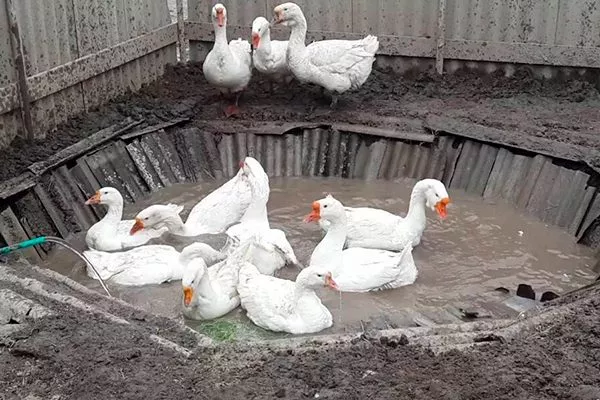
Consider the available routes to the reservoir, and one option is to build a path out of brick rubble.
Large pond with a cemented base
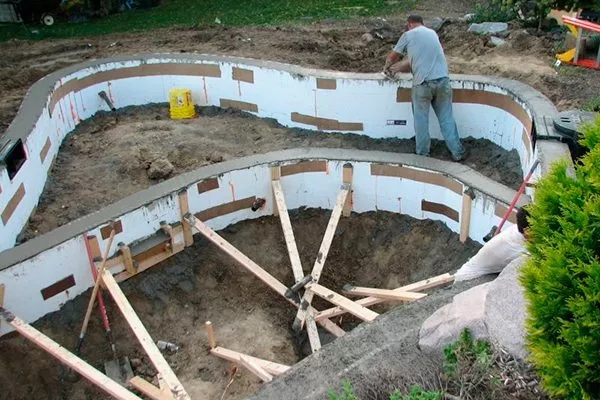
Building a large pond yourself, despite its relative simplicity, seems unlikely. To create such a structure, you'll need to entrust the design or plans to specialists, and ensure an appropriate drainage system in compliance with all regulations.
In this case, specialized excavation equipment and a concrete mixer will need to be used to lay the concrete pavement. This could significantly increase the overall construction costs.
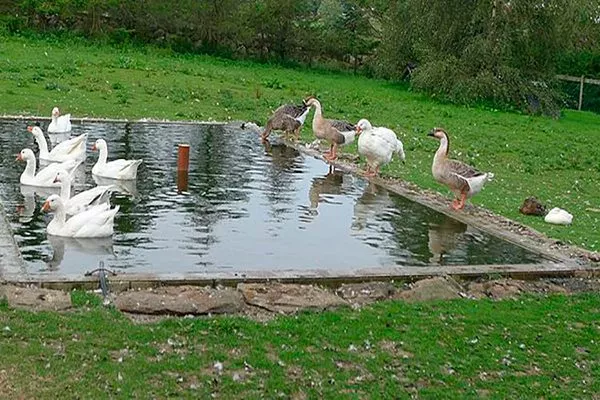
It is estimated that a waterfowl pond with a diameter greater than 6 meters will begin to generate profit within a few years. Such expenses are only affordable for large farms specializing in duck breeding.
A more cost-effective and simpler option is to build a large pond out of cement. To do this, you'll need:
- Develop a construction plan and select a suitable location.
- Dig a pit of the required size, a trench for the drain pipe and a drainage pit no less in volume than the intended reservoir.

- Place stones and metal reinforcement around the perimeter of the bottom (you can use already used or unnecessary materials).
- Dig a hole for a pipe through which dirty water will be drained.
- Concrete the base and wait until it dries completely.
- Concrete the walls and, after drying, prime them with a special compound to protect them from damage.
- Seal the edges to prevent possible damage from birds.
- Optionally paint the structure to improve the appearance.
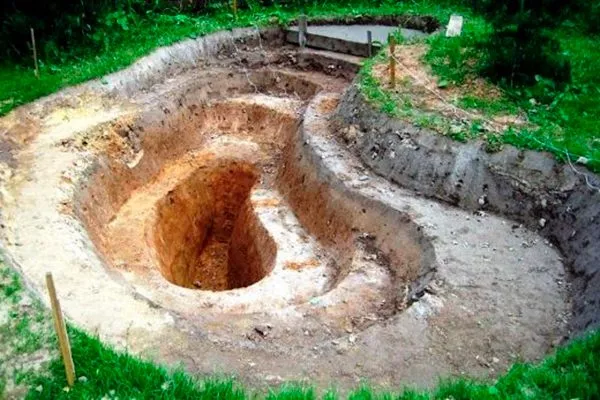
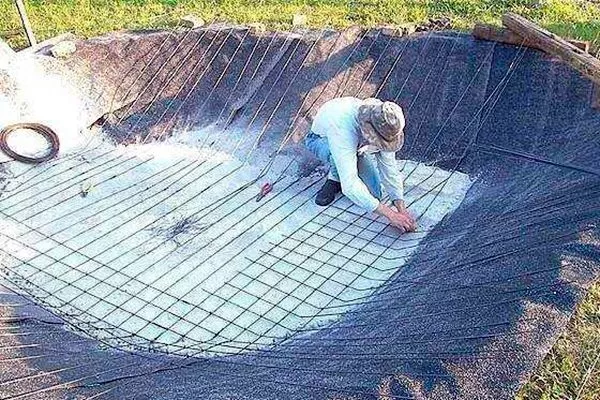
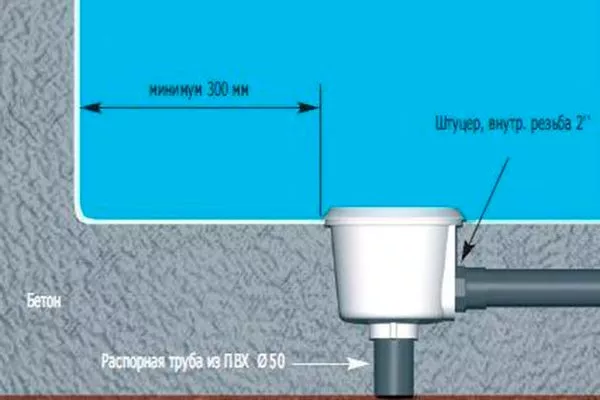
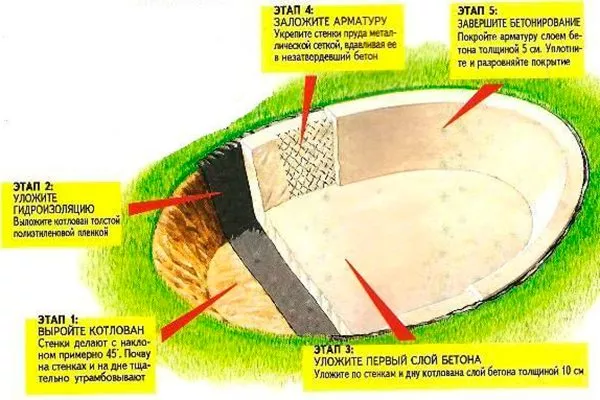
Concrete builders recommend covering it with a primer layer to protect it from water and frost in winter. All these measures will quickly pay for themselves through increased flock size, the ability to use the water as fertilizer, and improved appearance and overall well-being of the birds.
Helpful tips for setting up a duck pond
One of the main methods for creating an artificial pond for ducks is planting. Plant dense, tall trees and shrubs on the north side of the pond, while low-growing plants are preferable on the south bank. This will protect the birds from cold winds and help warm the water.
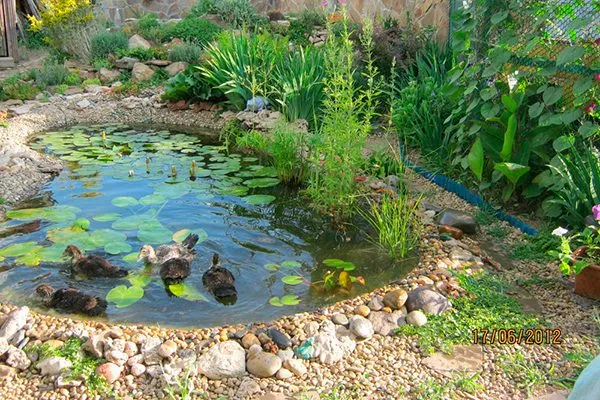
For deep-water plants such as water lilies, water lilies, mulberries, and others, use containers, boxes, or baskets. Oxygenating plants are an important element, as they promote natural water purification and oxygenation.
Hornwort and erodea are particularly suitable for duck ponds. By considering these aspects when designing your pond, you can create favorable conditions for ducks, providing them with a comfortable habitat.
Are there any breeds of ducks that can live without bodies of water?
| Name | Average weight of an adult (kg) | Egg production (pieces/year) | Disease resistance |
|---|---|---|---|
| Beijing | 3.5 | 150 | High |
| Kaki Campbell | 2.5 | 200 | Average |
| Indian runner | 2.0 | 250 | High |
| Musk | 4.0 | 100 | Low |
| Aylesbury | 3.0 | 120 | Average |
Some ducks can be kept in specially equipped facilities, similar to other bird species. Eggs laid by ducks without a body of water will remain unfertilized. If you plan to incubate the eggs, you must provide the animals with access to water.
Ducks are generally aquatic birds and often require access to water to perform natural behavioral needs, such as swimming, preening, and foraging. Certain breeds of ducks are better adapted to life without direct access to water.
These breeds are commonly referred to as meat ducks. Examples of meat duck breeds that can better adapt to dry conditions include:
- Beijing;
- Kaki Campbell;
- Indian runner;
- Musky;
- Aylesbury.
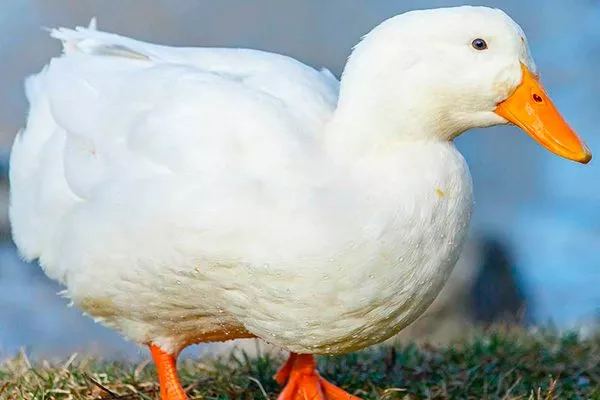
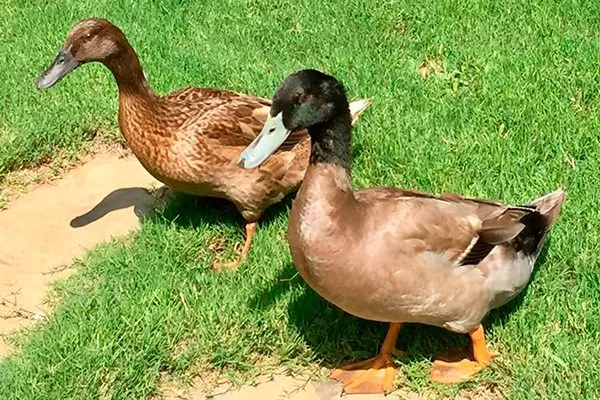
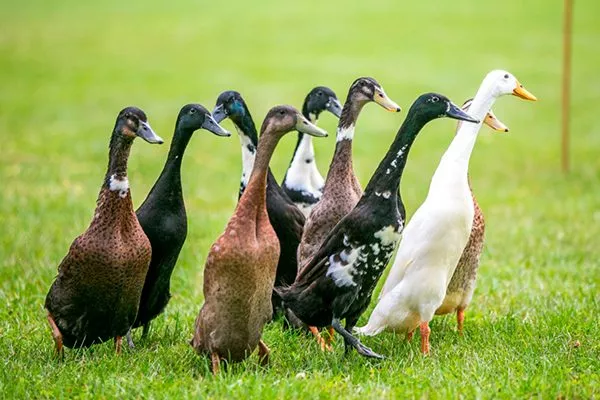
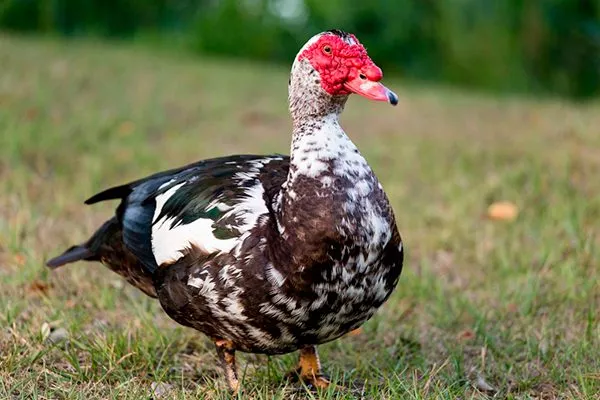
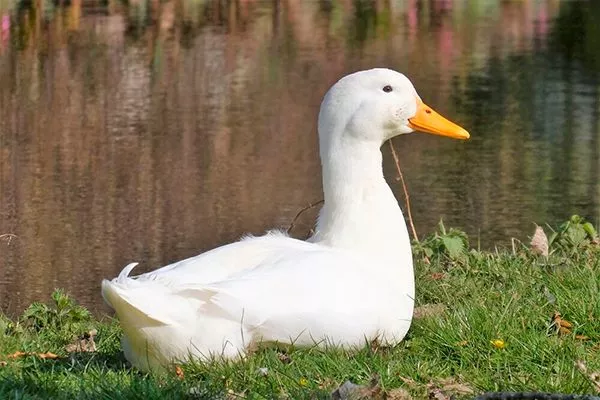
These breeds are often used for meat production, and while they certainly still need some access to water, they may be less dependent on bodies of water than some other breeds.
Ducks, being waterfowl, benefit from a pond in numerous ways: improved overall health, the opportunity to engage in natural behavior, and improved egg quality during breeding. Creating a pond is not only a functional but also an aesthetic solution, giving the property a unique and attractive appearance.