
When choosing which birds to breed, farmers often choose ducks with strong immune systems. However, they are also sometimes susceptible to illness, making it crucial for breeders to provide timely and appropriate treatment to save their flock.
In our article, we'll examine the main types of infectious and non-infectious diseases affecting ducks, discuss external parasites, advise on how to protect your birds, and provide basic treatment recommendations.
Infectious diseases
Infectious diseases are dangerous because they spread quickly among all ducks and can even spread to humans. These infections are caused by various viruses, fungi, and bacteria.
| Name | Disease resistance | Average weight | Egg production |
|---|---|---|---|
| Aspergillosis | Low | 2.5 kg | 120 eggs/year |
| Pasteurellosis (cholera) | Average | 3 kg | 100 eggs/year |
| Tuberculosis | High | 3.5 kg | 80 eggs/year |
Aspergillosis
This disease is caused by a fungus that is quite resistant to various chemical and physical factors. The infection primarily affects the respiratory system.
The development of this disease is most often facilitated by factors such as long-term use of antibiotics, weakened immunity of the bird, and excessive moisture during feed storage.
Symptoms
In addition to the ducks appearing emaciated, other signs of illness are observed:
- difficulty and rapid breathing;
- shortness of breath, in advanced cases - wheezing;
- loss of appetite;
- impaired coordination of movement;
- torticollis;
- air sac damage;
- there is nasal discharge;
- paralysis.
Treatment
Nystatin treatment is administered twice daily. Ducks are given potassium iodide, mixed at a ratio of 60 ml of water to 150 mg. The room is sprayed with a 1% iodine solution. The room is disinfected with 1% sodium hydroxide or a 2-3% alkaline formaldehyde solution.
Prevention
As a preventative measure, drinking vessels and feeders are thoroughly disinfected. Ducks are provided with natural ventilation and vaccinated with Aspergillus fumigatus-based vaccines.
Pasteurellosis (cholera)
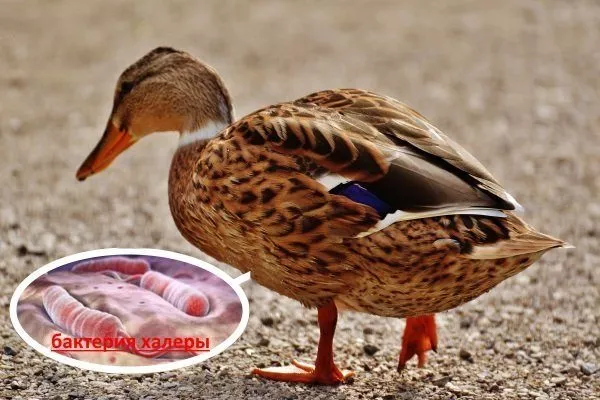
A type of infectious disease of ducks characterized by signs of hemorrhagic diathesis and septicemia. The sources of this disease are sick or recovered birds, insects (especially mites), and animal feed.
Symptoms
The incubation period for the disease lasts from 12 hours to 2-4 days. Symptoms of the acute form include:
- oppression;
- an increase in the body temperature of ducks to 43-44 degrees oWITH;
- thirst;
- poor appetite or lack of appetite;
- diarrhea in which the stool is gray-green in color, mixed with blood.
The chronic form of the disease lasts for several weeks. Symptoms of this form include:
- swelling of the joints;
- lameness;
- drooping wings;
- rhinitis.
Treatment
Treatment is carried out with antibiotics, administered with feed for 5-7 days. The therapeutic dose of chloramphenicol is 60-80 mg/kg, and tetracycline is 50-60 mg/kg of duck live weight.
Prevention
Live and inactivated vaccines are used for prevention. Live vaccines are administered to ducklings starting at one month of age. Sulfa drugs are prohibited for 5 days before and 5 days after vaccination. Inactivated vaccines are administered to clinically healthy ducklings starting at 15 days of age, with a booster dose administered after 6-8 months.
Also, as a preventative measure against this disease, it is recommended to disinfect the area where the ducks are kept with chlorine turpentine, resorcinol or lactic acid while the ventilation is on.
Tuberculosis
A chronic disease that rarely affects waterfowl. Infection usually occurs through the feces of sick birds, hatching eggs, rodents, bloodsuckers, and helminths.
The disease can be transmitted from people, so people with tuberculosis are not allowed near ducks.
Symptoms
Tuberculosis develops slowly, causing ducks to remain active and hungry for a long time. In long-term cases, sick ducks are identified by the following symptoms:
- exhaustion;
- ruffled plumage;
- lethargy;
- nodular formations on the mucous membranes;
- decrease in egg production.
Treatment
Treatment of this disease is carried out using antibiotics and chemotherapy drugs, but it is ineffective and economically unfeasible due to the long period - up to 3 months.
Prevention
The primary preventative measure is room disinfection using a 3% caustic alkali solution, formaldehyde, and bleach containing more than 5% active chlorine. Macro- and microelements, including copper, potassium iodide, and zinc sulfate, are added to the ducks' diet.
| Name | Disease resistance | Average weight | Egg production |
|---|---|---|---|
| Bacillary white diarrhea (pullorosis) | Low | 2.7 kg | 110 eggs/year |
| Contagious rhinitis | Average | 2.8 kg | 105 eggs/year |
| Viral hepatitis of ducklings | High | 3.2 kg | 90 eggs/year |
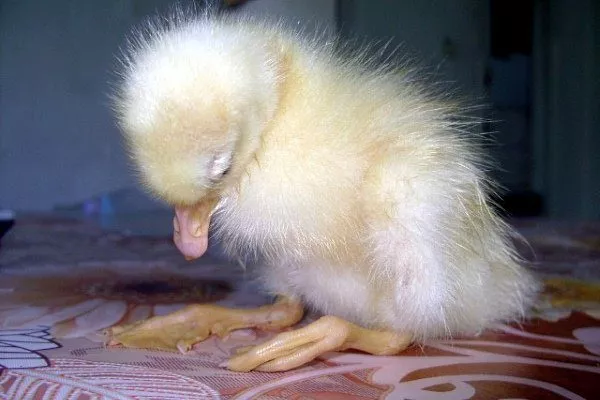
Bacillary white diarrhea (pullorosis)
This disease most often affects young birds. Adults can also be carriers. The main sources of infection are recovered and sick birds, infected eggs, and organic feed.
Symptoms
Depending on the route of infection, symptoms may appear immediately or after 1-5 days. These include:
- difficulty breathing;
- dyspnea;
- pale yellow mushy feces, dried near the cloaca, interfering with bowel movements;
- the ducklings have difficulty getting to their feet;
- the bird moves slowly;
- fatal outcome in the first hours after withdrawal.
Treatment
Gentamicin, tetracycline, and chloramphenicol are administered during the first 5 days of life. The medications are mixed with feed or water at a rate of 3-5 g per 1,000 ducks. Adult ducks are given 45-50 mg/kg of body weight for 8-10 days.
Prevention
To prevent this disease, it is sufficient to follow basic sanitation rules and thoroughly disinfect both the premises and the equipment located in them.
Contagious rhinitis
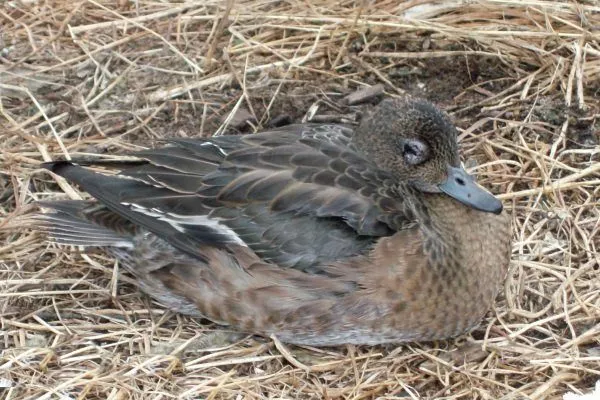
Infectious sinusitis or infectious respiratory catarrh is a contagious disease of ducks, which mainly affects 15-20 day-old autumn-hatched ducklings.
This disease occurs due to poor feeding and poor housing conditions (damp bedding, drafts, poor microclimate). The virus is transmitted through food or water.
Symptoms
The disease usually progresses acutely. Ducks may exhibit the following symptoms:
- weakness;
- breathing difficulties;
- sneeze;
- poor appetite;
- inflammation of the mucous membranes of the nose;
- the appearance of puffiness under the eyes.
Treatment
Treatment measures should be taken promptly. Ducks are prescribed antibiotics (penicillin, tetracycline, streptomycin), administered by injection or through drinking water. A 1-2% solution of protargol or boric acid is instilled into the nasal passages, and vitamin supplements are added to the feed.
Prevention
The primary method of preventing this disease is to spray a 1-2% solution of baking soda in the poultry house. It's also important to ensure constant ventilation and avoid overcrowding.
Viral hepatitis of ducklings
Ducklings aged 10 to 20 days are highly susceptible to the disease. The main sources of infection are sick ducks, which shed the virus in their droppings, conjunctival and nasal secretions, dung beetles, and contaminated feed and water.
Symptoms
Acute, chronic, and subclinical forms of the disease are distinguished. In the acute form, birds exhibit the following mild symptoms:
- loss of appetite;
- depression;
- diarrhea;
- convulsions;
- rhinitis;
- slow gait.
In the chronic form, symptoms are more noticeable. Among them are:
- penguin-like gait;
- diarrhea;
- swelling of the joints of ducks.
Treatment
There is no cure for this disease in ducks.
Prevention
To prevent the disease, inactivated and live vaccines are used. Live vaccines are usually administered to ducklings in the incubator; day-old chicks are given the vaccine with water; and young birds are vaccinated no earlier than one month before they begin laying eggs. Ducks are vaccinated with the inactivated vaccine at 8, 16, and 22 weeks.
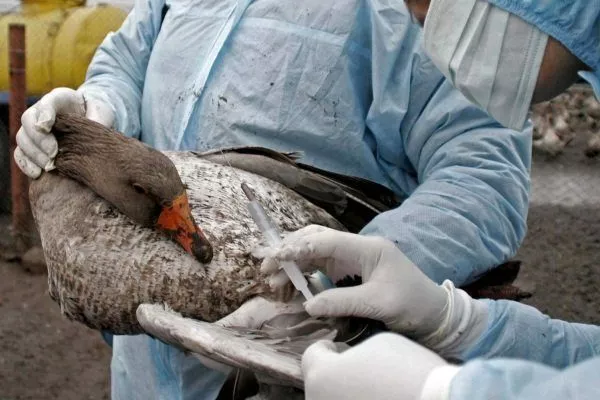
Typhus
It is caused by bacteria that persist in bodies of water for long periods. The disease most often affects young and adult ducklings. Typhus is fatal for 26% of ducklings in the first months, and those that survive the disease become carriers.
Symptoms
Typhoid-infected ducks gather in groups, their feces are watery and foul-smelling, and they also exhibit:
- weakness;
- loss of appetite;
- the occurrence of shortness of breath;
- drooping of wings.
Treatment
The primary treatment for this disease is the use of a live, attenuated, strain vaccine. Birds should be vaccinated at 70 days of age.
Prevention
As a preventative measure, it is necessary to take measures such as maintaining hygiene in the poultry house and incubators, as well as thoroughly cleaning and disinfecting them on a regular basis.
Coccidiosis
This disease affects the digestive tract, which becomes inflamed and leads to dysfunction. The inflamed intestinal walls become unable to absorb water and nutrients.
The pathogen that causes coccidiosis thrives in damp places, so the duck house must be dry. The disease is transmitted through poor-quality feed and dirty water.
Symptoms
Healthy ducks are immediately separated from sick individuals when the following symptoms are detected in the latter:
- loose stools mixed with blood;
- low mobility;
- loss of appetite.
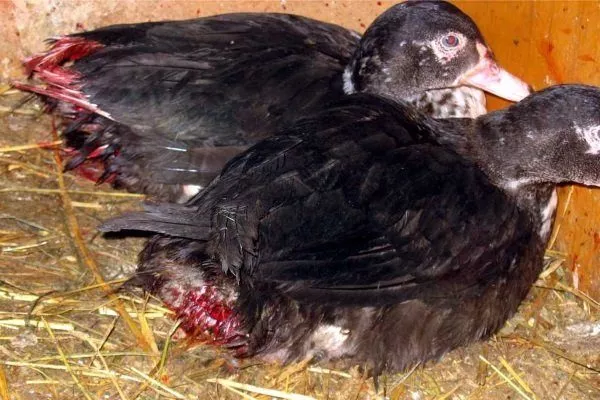
Severe coccidiosis accompanied by bloody stools
Treatment
Treatment involves the use of anticoccidial medications—amprol, sulfonamides, ionophores, and clopidol. In the early stages of the disease, ducks are given diclazuril and nicarbazine. In severe cases, ducks are given Baycox for two consecutive days, administered with drinking water at a rate of 28 ml per 100 kg of live weight. Treatment is repeated after five days.
Prevention
To avoid infection, it is necessary to strictly adhere to sanitary and hygienic standards, as well as use coccidiostatic drugs in the first months of duck development.
Viral enteritis (duck plague)
A contagious disease of ducks characterized by the sudden onset of clinical signs. Sources of infection include dust, infected duck droppings containing the pathogen, contaminated water, rodents, cats, and blood-sucking insects.
Symptoms
The main symptoms appear 3-7 days after infection, these are:
- refusal to eat;
- sluggish gait;
- The birds lie on their sides, with their wings extended along their bodies.
Treatment
A fatal outcome is observed in 100% of ducklings and 90% of adult individuals, so sick birds are immediately slaughtered, and the poultry house itself is thoroughly disinfected.
Prevention
The main method for preventing this disease is the subcutaneous or intramuscular administration of a live culture vaccine at the age of 3 and 7 weeks.
Colibacillosis
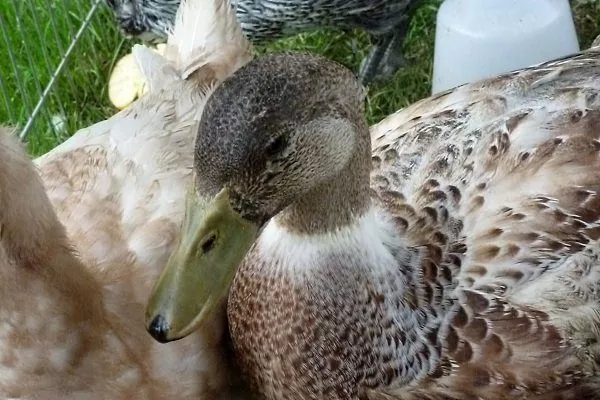
A bacterial septicemia of ducks, caused by a compromised immune system. Poor nutrition, vitamin A deficiency, poor ventilation, recent infections, and non-infectious diseases contribute to the proliferation of E. coli bacteria in ducks.
Symptoms
The disease often occurs in late fall and winter. Ducks exhibit the following signs of infection:
- development of fibrinous pericarditis and perihepatitis;
- conjunctivitis;
- nervous phenomena;
- thirst;
- loss of appetite;
- drowsiness.
Treatment
Treatment of this disease must be carried out using antibiotics simultaneously with thorough disinfection of the room in the presence of ducks using urea and iodine aerosol.
Prevention
It consists of administering an inactivated vaccine subcutaneously to day-old young birds at a dose of 0.1 ml; for birds aged 30-60 days, 0.2-0.5 ml of the drug is administered intramuscularly; for older individuals, the dose is 1 ml.
Salmonellosis (paratyphoid)
The pathogen is spread through water, feed, or bedding. It is carried by sick and recovering birds, bedbugs, rats, and mealworms. Ducklings aged 10 to 15 days are most susceptible to paratyphoid fever.
Symptoms
The acute course of the disease is characterized by:
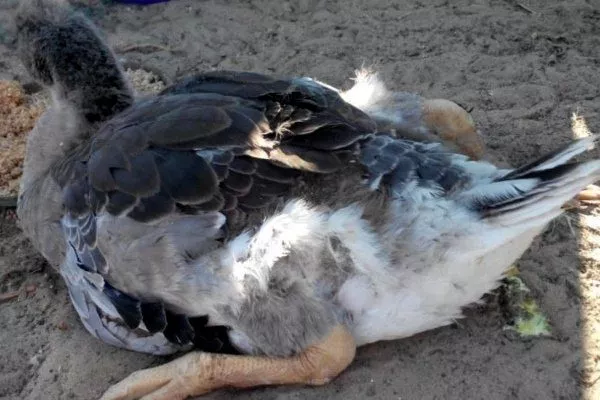
- lameness;
- instability, in which, when falling on their backs or sides, the ducklings move their legs;
- loss of appetite;
- lacrimation;
- diarrhea;
- atony of the goiter.
Symptoms during the subacute course of the disease are barely noticeable, these are:
- intestinal disorder;
- uneven growth.
In birds older than 50 days, salmonellosis is chronic.
Treatment
To restore the body's health, ducks are treated with antibiotics (chloramphenicol, gentamicin, tetracycline), which are given with feed or water at a dose of 3-5 g per 1000 heads for ducklings, 45-50 mg/kg for adult birds.
It is also worth knowing that if symptoms are not detected in a timely manner and treatment is started late, the mortality rate of ducklings can reach 90%, and in birds over 50 days old, salmonellosis becomes chronic.
Prevention
To prevent the disease, ducklings are vaccinated orally with a live avirulent vaccine at 2-3 days of age, with a booster dose administered 2 days later. Adult ducks are vaccinated 20-30 days before egg collection in the incubator. For the first vaccination, ducklings receive one dose, and ducks receive 12.5 doses of the vaccine. For the second vaccination, two and 15 doses are given, respectively.
- ✓ The concentration of iodine solution for aerosol treatment must be exactly 1%, otherwise it may cause burns to the respiratory tract of birds.
- ✓ The room temperature during treatment must be at least 15°C for effective disinfection.
Non-communicable diseases
The main causes of non-communicable diseases are poor housing conditions and improper nutrition. In most cases, non-communicable diseases do not spread to the entire herd.
Avitaminosis
This type of disease occurs due to insufficient levels of vitamins A, D, B1, E, B2, B12 in the ducks’ body.
- ✓ The presence of nodular formations on the mucous membranes in the absence of other obvious symptoms.
- ✓ A decrease in egg production without apparent reason may be an early sign of tuberculosis.
Symptoms
Ducks suffering from vitamin A deficiency can be identified by their deteriorating condition. Symptoms include:
- lethargy;
- weak immunity;
- feather fragility;
- decrease in egg production;
- inflammation of the mucous membrane of the respiratory tract and eyes.
A deficiency or lack of vitamin D in ducks can lead to rickets. The following symptoms appear:
- thinness;
- unsteady gait;
- soft bones.
A lack of vitamin B1 in the ducks' bodies disrupts fat metabolism, resulting in loss of appetite and slower growth.
Avitamin B2 deficiency is common in ducks under 20 days of age. Adult birds experience weight loss, decreased hatchability, and:
- the absorption of protein synthesis decreases;
- essential amino acids are removed from the body;
- anemia develops;
- the toes become crooked.
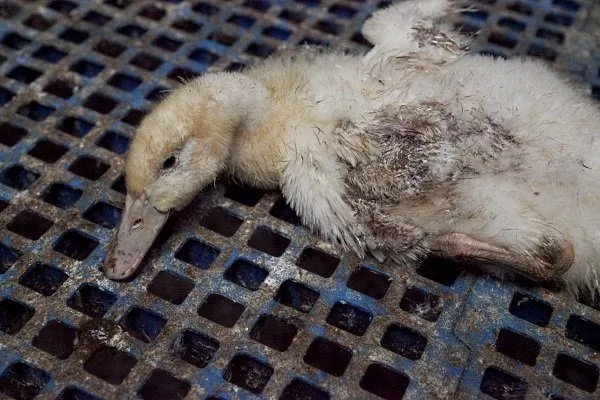
Vitamin B12 deficiency impairs protein absorption. Symptoms of this deficiency include:
- egg production decreases;
- loss of appetite;
- anemia develops.
The average tocopherol requirement is 0.3 mg/kg of feed. Without it, ducks exhibit the following symptoms:
- eyes closed;
- weakness;
- convulsions.
Treatment
The primary treatment for vitamin A, B1, B2, B12, and E deficiencies in ducks is providing them with proper nutrition. To increase vitamin D production, ducks are frequently walked in the summer and exposed to ultraviolet light during the colder months.
| Types of vitamin deficiency | What to feed? |
| Avitaminosis A | fish oil, greens, carrots |
| Avitaminosis B1 | bran, sprouted grain, baker's yeast, fresh herbs. |
| Vitamin B2 deficiency | sprouted wheat, greens, fish and bone meal |
| Vitamin B12 deficiency | fishmeal, dairy products |
| Vitamin E deficiency | grass meal, potatoes, fodder yeast, a drop of tocopherol per day |
| Vitamin D deficiency | premixes enriched with vitamins D2 and D3 |
Prevention
To prevent the occurrence of various vitamin deficiencies, ducks need to be given various complex preparations containing vitamins and minerals.
Goiter diseases
The most common disease of goiter is its blockageThe cause of blockage is a predominance of dry food in the ducks' diet, the ingestion of foreign objects, a lack of exercise, and a lack of calcium and vitamins.
Symptoms
A signal for a bird examination is a lack of interest in food. Subsequently, ducks are found to have:
- oppression;
- lack of appetite;
- enlarged goiter;
- feed obstruction;
- dyspnea;
- difficulty breathing;
- open beak.
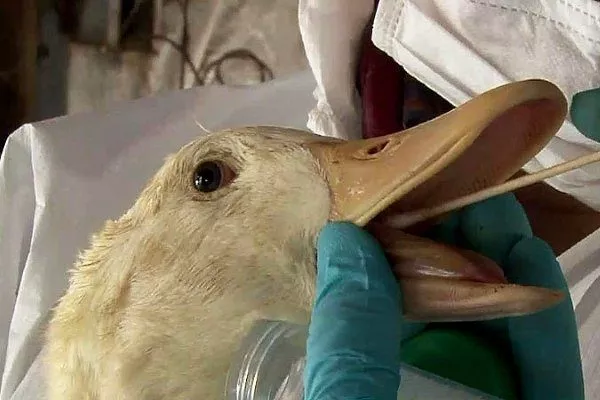
Treatment
Birds are injected with 20-30 ml of vegetable oil into their crops, massaged, and the contents removed through the mouth. In extreme cases, surgery may be required.
Prevention
To prevent crop impaction, birds should be provided with high-quality feed and sufficient clean drinking water. Dry, easily swellable food should also be avoided.
A disease such as inflammation or goiter catarrhoccurs after feeding moldy, rotten food, eating large amounts of fertilizers, medications, or when the bird is given stale water to drink.
Symptoms
The disease is characterized by a rapid onset of symptoms. These include:
- low mobility;
- lack of appetite;
- discharge of liquid contents with an unpleasant odor from the beak.
Treatment
The bird is fed easily digestible feed and given a 0.02% potassium permanganate solution and a 0.2% lactic acid solution. The crop is then massaged for 2-3 minutes, and the contents are removed through the duck's mouth. This procedure is repeated several times, and the bird is given oatmeal broth, cottage cheese, and acidophilus. After 4-5 days, the bird is transferred to a regular diet.
Prevention
To prevent this disease, it is necessary to provide the birds with access to an area free of fertilizers and toxic chemicals, and to provide them with clean and fresh water.
Pica
This non-contagious disease of ducks develops as a result of insufficient animal feed in the diet, as a result of which, during illness, ducks eat eggs, pecking at the shells, and eat wood chips, bedding, and small stones.
Treatment
The sick bird is isolated from the others in a separate room, where its diet is adjusted first. If the duck has pecked itself, apply tar or iodine to the affected area.
Prevention
Prevention of this disease consists of providing ducks with a balanced diet containing feed of animal origin.
Esophageal obstruction
A non-contagious disease of ducks that most often occurs during periods of intensive fattening, particularly when they are fed monotonous feeds of compound feed and oats, as well as when they are not given enough water. You can read about the proper diet and feeding guidelines for ducks here. here.
Symptoms
Upon palpation of the esophagus, it can be seen to be overfilled with food, with the dilated portion hanging down to the ground, impeding the duck's movement. Almost immediately after feeding, ducks exhibit restlessness, decreased appetite, and shortness of breath.
Treatment
Using a feeding tube, 30-50 ml of vegetable or Vaseline oil is injected into the sick bird's esophagus. The esophagus is massaged, causing undigested feed to be expelled through the mouth.
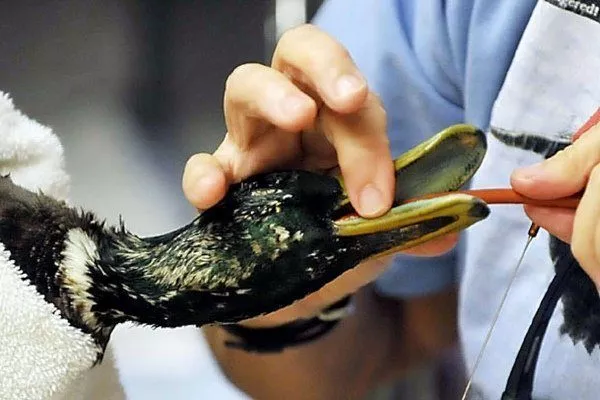
On the first day, the birds are given water, excluding feed from the diet; in the following days, the ducks are fed semi-liquid feed, carrots and potatoes.
Prevention
To avoid this disease, ducklings should not be given dry food without adding succulent food and greens to their diet.
There should be constant water in the poultry house.
Yolk peritonitis
This is a disease that causes inflammation of the intestinal membrane and peritoneum of ducks. Yolk peritonitis is the result of disturbances in vitamin, protein, and mineral metabolism.
Symptoms
In the acute form of the disease, the bird's abdomen becomes enlarged, there is a risk of developing dropsy, and the feces are gray-green. Symptoms include:
- decrease in egg production;
- increase in body temperature of ducks;
- weakness;
- lack of appetite.
Treatment
Treatment for this disease is often ineffective. Antibiotics or sulfonamides can stop the inflammatory process in ducks, but egg production is not restored.
Prevention
As a preventative measure, young birds are given 4-4.5 g of calcium per day, and chalk, shells, and an aqueous solution of calcium chloride are added to their diet. Thorough disinfection of the poultry house is carried out.
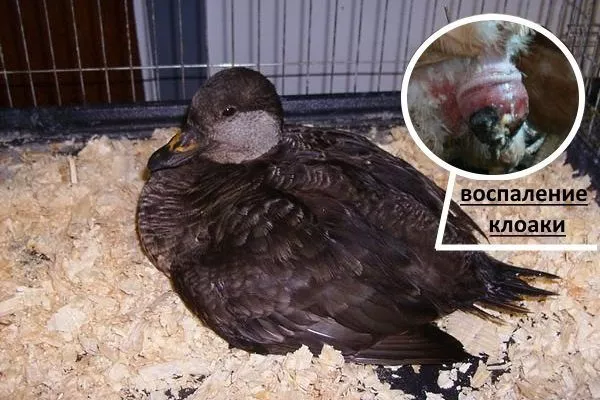
Inflammation of the cloaca (cloacitis)
A non-contagious disease often seen in ducks during the egg-laying period. It occurs as a result of an unbalanced diet, excess protein, and a lack of green and succulent feed, which leads to increased uric acid production. As a result, urates accumulate in the birds' ureters and cloaca, causing inflammation and erosion of the mucous membrane.
Symptoms
In the initial stages of the disease, the ducks' cloaca becomes covered with microcracks and ulcers. Later, breeders discover that:
- the skin around the cloaca is inflamed;
- defecation is difficult;
- birds are losing weight;
- no appetite;
- egg-laying ceases.
Treatment
The treatment is based on the presence of green fodder, various enzymes, vitamin and mineral supplements, and prebiotics in the diet.
Prevention
Rational feeding and compliance with sanitary standards serve as prevention of this disease.
Prolapse of the oviduct
An inflammatory process in the cloaca and the laying of large eggs can lead to prolapse of the oviduct in a bird.
Symptoms
The sick bird develops constant diarrhea, and the swollen oviduct protrudes into the cloaca.
Treatment
The prolapsed portion of the oviduct is washed with clean water in which alum has been dissolved. The oviduct is then lubricated with Vaseline and replaced.
Prevention
Ducks' diets should include vitamins and mineral supplements. The birds' daylight hours are reduced to 9 hours to prevent early puberty. Pullets are given 2 mg of potassium iodide with their feed.
Inflammation of the genitals
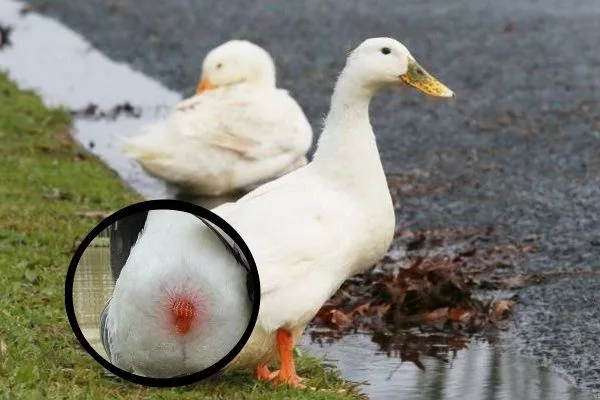
The disease occurs when ducks and drakes mate regularly in dry areas.
Symptoms
The genitals are inflamed, especially in drakes.
Treatment
To carry out treatment, the cloaca is lubricated with petroleum jelly and washed with clean water.
Prevention
In order to take preventive measures, mating of ducks and drakes is carried out in bodies of water.
Inflammation of the oviduct
Salpingitis is quite common in ducks that are highly productive during the egg-laying season. The main causes of the disease are an unbalanced diet, poor housing conditions, and the presence of helminths or adenovirus.
Symptoms
Ducks lay deformed, sometimes shell-less, eggs. Signs include:
- weight loss;
- inflamed, protruding oviduct;
- the appearance of curdled and mucous masses during laying.
Treatment
The ducks are treated with antibiotics and chemotherapy.
Prevention
The main method of preventing this type of disease is to maintain proper conditions for keeping birds in the poultry house, which helps to avoid the occurrence of various viruses and the appearance of parasites.
Cannibalism
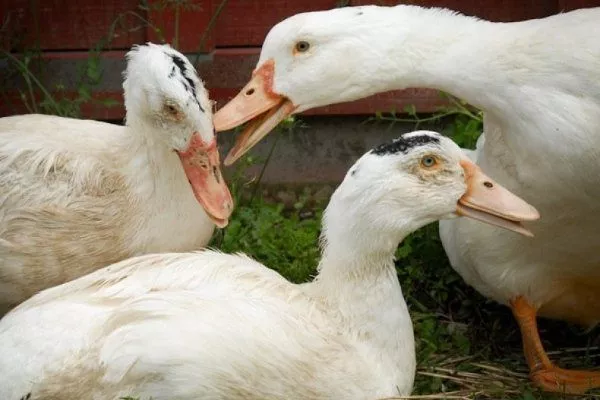
It develops when young animals are kept in crowded conditions, in rooms with high humidity, with a lack of feeders and drinkers, and due to a lack of proteins, water, minerals and vitamins in the diet.
Symptoms
Birds become aggressive and suffer from cannibalism during the egg-laying period.
Treatment
Table salt and vitamins are added to the birds' diet. It is also necessary to improve the conditions of the poultry house.
Prevention
To prevent this, beak trimming is performed on young birds. It's also important to remember that the poultry house should be spacious and well-lit.
Lack of plumage
A non-contagious disease that affects 40-50 day old ducklings.
Symptoms
Ducklings exhibit partial or complete feather loss on their backs. In addition to the lack of feathers, the following are noticeable:
- lethargy;
- poor growth;
- pain;
- slow development.
Treatment
To eliminate the disease, chicks are fed with oilcake, feather meal, and ground oats.
Prevention
As a preventative measure, birds are fed feed additives containing amino acids, and their living conditions are also improved.
Ammonia blindness
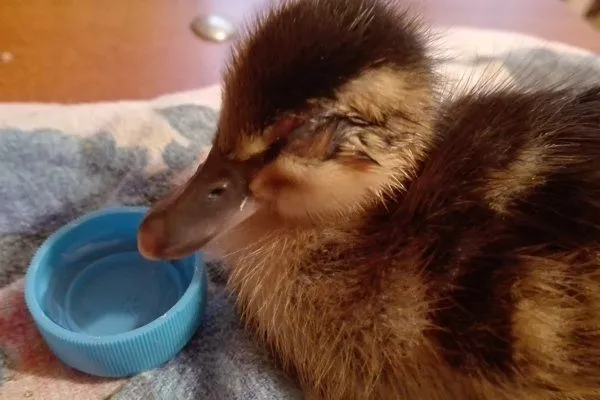
It develops in ducklings 1-1.5 months after birth. This disease occurs due to poor sanitary conditions in the area where the birds are kept.
Symptoms
Lack of ventilation in the room leads to the accumulation of ammonia vapor. As a result:
- ducks' eyes become swollen and inflamed;
- the bird eats poorly;
- The ducks are lethargic and apathetic.
Treatment
The main treatment method is to enrich the diet with vitamin A, add carrots and fish oil to it, and carry out wet cleaning of the room.
Prevention
To prevent this, the floors, walls, waterers, and feeders are disinfected with a chlorine solution. It's also important to maintain sanitary standards in the poultry house.
Parasitic diseases
These diseases are caused by organisms that parasitize ducks' feathers and colonize their internal organs. If left untreated, the bird may die.
Echinostomatidosis
They are caused by trematodes that infest the large and small intestines of ducks. These parasites are acquired by birds when they eat infected snails and frogs from open water during the warmer months.
Symptoms
Young animals have a hard time coping with the presence of trematodes, sometimes even to the point of death.
Symptoms of parasite infestation:
- diarrhea;
- growth retardation;
- lack of appetite;
- weakness;
- decreased egg production (in adults).
Treatment
For deworming, phenasal is used at a dose of 6 g/kg, biotin - 1 g/kg, 2 ml/kg of carbon tetrachloride.
Prevention
The primary prevention method is raising ducklings on dry land for up to three months, separately from adults, along with regular checkups, proper feeding, and preventing wild birds from accessing water bodies near the poultry house. At the end of the grazing season, the ducks are given deworming medication.
Worms
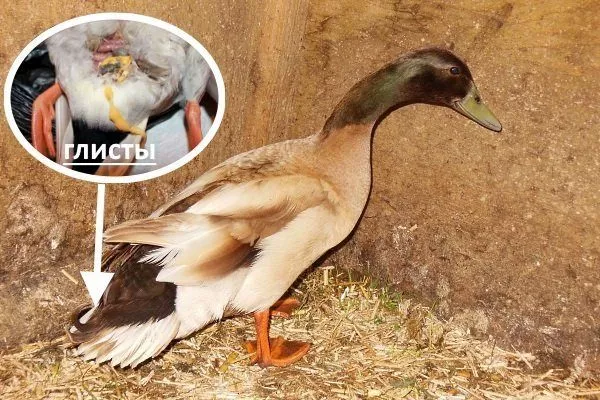
Helminths are the most dangerous pests that are quickly transmitted to other ducks.
Symptoms
Waterfowl infected with worms experience reduced immunity, lethargy, and virtually no egg production.
Treatment
As a treatment, the birds are given antihelminthic drugs diluted with water: Alben - 1 tablet per 35-40 kg of weight, piperazine - 5 g per 10 birds.
Prevention
To prevent the disease, onions, garlic, pumpkin seeds, and rose hips are added to the birds' daily diet. The floors of the room are disinfected with a chlorine solution, and the equipment is treated with a 2% formalin solution. The ducks are inspected regularly.
External parasites
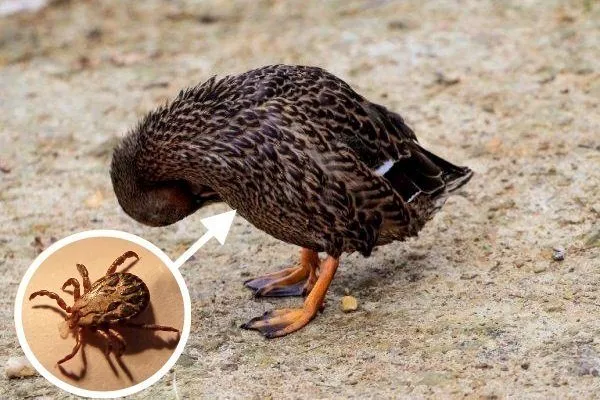
Arthropods (feather eaters, scabies mites) live on or inside the skin of ducks, settle on feathers, cause discomfort to the bird, and are also carriers of infectious diseases.
Parasites settle on the skin of ducks, at the very base of the feathers. These wingless insects feed on the rejected skin particles and down, quickly multiplying while on the bird and dying when removed.
Symptoms
The ducks develop severe itching, refuse food, and lose weight.
Treatment
To get rid of feather eaters, mix 1 part mercury-sulfur ointment with 2-3 parts Vaseline. Apply the resulting mixture to the skin under the birds' wings and vents. Repeat the procedure after a week.
For scabies, ducks' feet are soaked in a warm soapy solution for 20-30 minutes, then treated with a 1% creolin solution. The birds are rubbed with a tar ointment consisting of 10 g of petroleum jelly and 1-2 ml of tar.
Prevention
Prevention involves installing a box in the poultry house filled with dry sand and wood ash with the addition of 100 g of sulfur powder, which is needed for ducks to clean their feathers themselves.
Now you've familiarized yourself with a list of common duck diseases and their symptoms, as well as all the necessary information for treating each condition. Remember: proper care, preventative measures, hygiene, cleanliness, good environmental conditions, and proper feeding with clean water are the keys to keeping your birds healthy.