
Ostriches can suffer from a variety of illnesses, including gastrointestinal problems, musculoskeletal issues, and upper and lower respiratory tract problems. They can also suffer from skin and liver diseases. Poultry farmers must be aware of the symptoms and treatment methods. This article describes the most common illnesses.
Diseases of the upper and lower respiratory tract
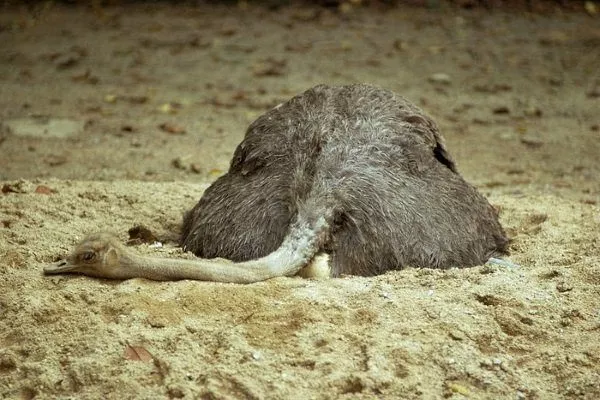
Ostriches can frequently develop respiratory diseases caused by pathogenic microorganisms. These are caused by the animal's general weakening and unfavorable environmental conditions. Several common diseases affecting the upper and lower respiratory tract are identified.
| Name | Type of disease | Symptoms | Treatment methods |
|---|---|---|---|
| Bacterial respiratory diseases | Bacterial | Poor living conditions, weak immunity | Antibiotics, prevention of hypothermia |
| Bird flu | Viral | Damage to the respiratory system, digestive tract, swelling | Vaccination, avoid contact with sick birds |
| Mycoplasma | Infectious | Damage to the air sacs, nasal mucosa and lungs | Vaccination, preparations containing tylan |
| Aspergillosis | Fungal | Air sac damage, pneumonia | Nizoral, Nystatin, Amoxicillin trihydrate |
Bacterial respiratory diseases
Typically, bacterial respiratory diseases develop due to unsatisfactory living conditions or weak immunity.
Bacterial diseases must be treated with a properly selected antibiotic. It is advisable to have it prescribed by an experienced veterinarian. As a preventative measure, keep birds from getting cold or wet, and provide them with full feeding, including vitamins.
Bird flu
Bird flu is a disease caused by the Avian influenza virus. It affects the respiratory and digestive tracts. Birds suffer from swelling and depression. The disease can be transmitted by airborne droplets, contaminated equipment, and feed. Birds refuse to eat, develop eye discharge, become inflamed, and their urine takes on a greenish tint.
As a preventative measure, vaccinate your ostriches against avian influenza, avoid contact with sick birds, and ensure there are no drafts, a favorable temperature, and good circulation in the poultry house.
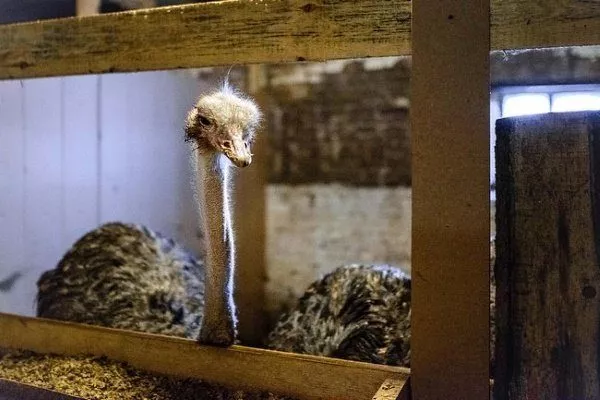
To combat the disease, use specialized, expensive antibiotics available from sanitary and epidemiological authorities. If the disease becomes severe, dispose of the ostriches to prevent them from spreading the infection.
Mycoplasma
This is an infectious disease that affects the air sacs, nasal mucosa, and lungs. It is transmitted by sick and recovered birds. The infection enters through the respiratory tract. Ostriches under one year of age are often susceptible. Animals can become ill due to high humidity, underfeeding, inadequate housing conditions, poor ventilation, and vitamin deficiencies.
When ostriches become ill, they refuse to eat, have difficulty breathing, develop swollen sinuses, wheezing, coughing, and general weakness. Their temperature may rise, and egg production may decrease.
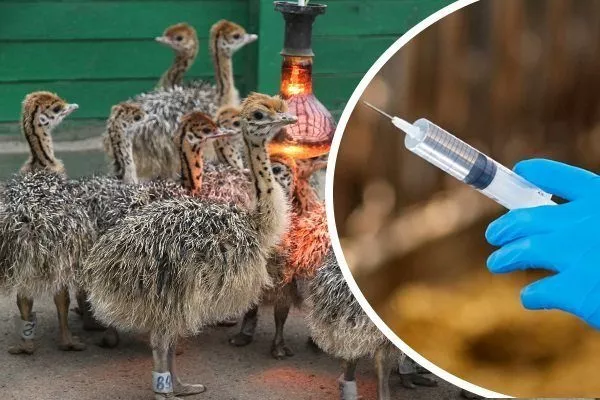
For prevention, vaccination is recommended for birds. This will protect against symptoms, increase egg production, and reduce the risk of pathogen transmission. For early-stage treatment, use products containing tylan.
Air pollution and respiratory diseases
Ostriches living in a poultry house and leaving feces there suffer from the ammonia (a toxic gas) emitted. Because the birds sleep with their heads down, the toxic and irritating smell of the gas can cause respiratory problems. Dust can also cause problems.
To prevent and resolve problems, it is recommended to regularly ventilate the room, ensure good ventilation, and keep animals on pallets. Be sure to use ammonia-reducing products.
Aspergillosis
A disease caused by pathogenic fungi of the genus Aspergillus. The disease affects the air sacs, causing nodular or catarrhal pneumonia, and less commonly, bronchitis and tracheitis. Ostriches can become infected with fungal spores through the respiratory system and, rarely, through the gastrointestinal tract.
The disease can progress in acute or chronic forms. Affected birds refuse food, suffer from thirst, become lethargic, and have closed eyes. Adult birds suffer from diarrhea, nervous disorders, and difficulty breathing.
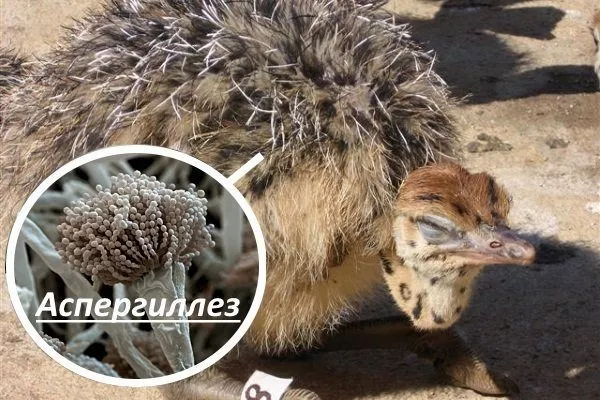
Treatment consists of administering Nizoral or Nystatin at a dose of 10 mg per 1 kg of body weight. This treatment lasts seven days. Then, the birds are given Amoxicillin trihydrate at a dose of 250 mg per 1 kg of body weight in drinking water twice daily for five days. Next, the birds are treated with 5% Oxytetra at a dose of 2 kg of the drug per 500 liters of drinking water for 3-5 days. The final stage is Oxytetracycline-Pharm at a dose of 50-125 mg/kg of body weight in feed or drinking water for 4-5 days.
Be sure to disinfect the premises and incubation equipment, do not increase the temperature and humidity in the poultry houses, and ensure good ventilation.
Foreign body in the respiratory tract
When ostriches eat, crushed food from feeders can spray and settle in their respiratory tract. Foreign bodies entering the respiratory tract are a common cause of suffocation or death in birds. Large pieces of food can also become lodged in the esophagus, which can be fatal.
As a preventative measure, it's advisable to feed the birds medium or small-sized food. It's also important to carefully ensure that the pen is free of any foreign objects.
Gastrointestinal diseases
Ostriches often suffer from gastrointestinal diseases, along with respiratory issues. Poultry farmers most often encounter fungal stomach infections, digestive disorders, and helminthic infestations.
| Name | Type of disease | Symptoms | Treatment methods |
|---|---|---|---|
| Viral enteritis | Viral | Bowel damage, diarrhea | Vaccination, veterinarian consultation |
| Bacterial enteritis | Bacterial | Loose stools, lethargy | Treatment of infectious diseases, hygiene |
| Parasitic enteritis | Parasitic | Parasites in the colon and appendix | There is no effective treatment |
| Fungal gastritis | Fungal | Gastric lesion | Veterinarian consultation |
Viral enteritis
This is a viral disease that occurs when the intestines are infected by a virus, due to the intestines' ability to rapidly absorb water. This type of disease is usually accompanied by bacterial enteritis.
Treatment should only be carried out after consultation with a veterinarian, who will determine the cause of the diarrhea and prescribe a special medication. Vaccinate your birds for prevention.
Bacterial enteritis
This disease is caused by a variety of pathogens, including salmonella. Bacterial enteritis can also be triggered by anthelmintic medications, overeating raw alfalfa, various parasites, and viral infections. Animals become lethargic, their balance is impaired, and they exhibit general malaise. The main symptom is loose stools.
For preventative measures, follow these guidelines: treat infectious diseases, avoid overcrowding in the poultry house, and maintain a high level of hygiene.
Parasitic enteritis
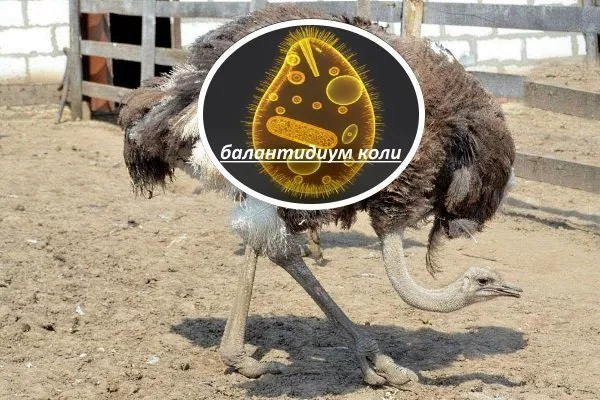
In this disease, a parasitic bacterium, Balantidium coli, colonizes the bird's large intestine and appendix. It becomes the main threat to the ostrich. Cryptosporidium, a parasite that attacks the pancreas and its ducts, kidneys, and liver, is often found in the cloaca and small intestine.
There is no single effective treatment for this disease.
Fungal gastritis
Fungal gastritis is an infectious disease that an ostrich can contract by eating large quantities of poor-quality feed or by injuring the stomach with a foreign body.
There are no treatments for this disease. You won't be able to treat your bird on your own, so be sure to consult a veterinarian.
Worms
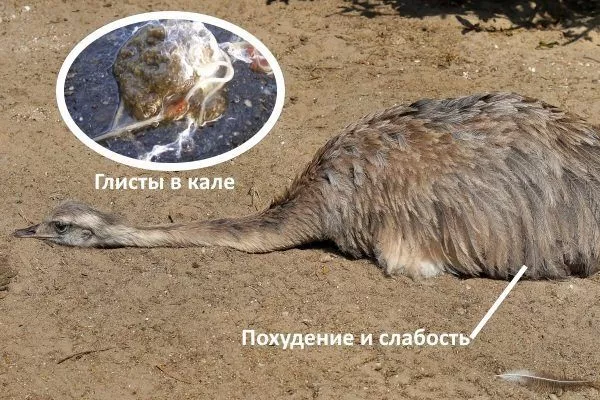
A common bird disease is worm infestation, which can only be detected through regular laboratory testing of the animals' feces. When worms are present, animals feed poorly, gain weight slowly, or begin to lose weight.
Deworming is performed as needed, due to the high cost of specialized medications. Incorrect use of these medications can lead to parasites developing resistance to them.
Poisoning
Ostriches can be poisoned by nitrates, pesticides, heavy metal salts, furazolidone, and other toxic substances. Poisoning can also occur due to eating spoiled food. This primarily causes gastrointestinal damage, followed by neurological symptoms.
A diagnosis can only be made in a laboratory after thorough analysis and testing. Based on the precise results, a veterinarian will prescribe treatment.
Pterophagy (feather pecking)
Ostriches with this disease exhibit unusual behavior. Ostriches often suffer from pterophagia in chicks. Occasionally, the disease can lead to an unpleasant phenomenon—cannibalism, which involves pecking the skin until it becomes raw and eating feathers. The cause of the disease is believed to be an unbalanced diet, illness, and stress. Ostriches tend to imitate the behavior of their relatives, and after a while, several chicks may begin pecking each other.
Remove any bird prone to feather plucking from the flock for an extended period of time. Do the same with any bird that has been pecking; return it after the wounds have completely healed. ostrich breeding Remove the birds that like to peck, and add mineral supplements and table salt in double doses to the feed of the remaining birds.
Constipation
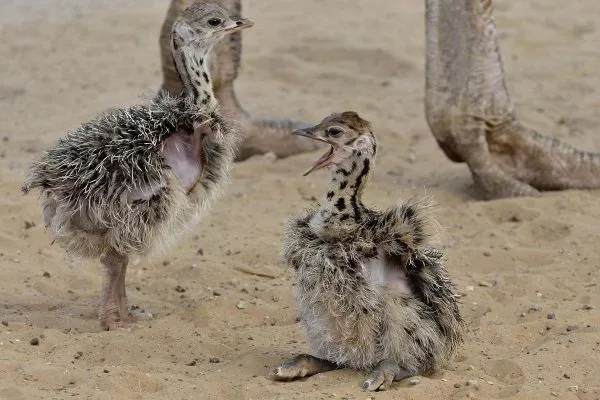
Young ostriches exposed to sand are prone to constipation. When constipated, the birds become lethargic and have no appetite. Some newborn ostriches are prone to eating sand. When sand ingests, large particles accumulate in the forestomach.
To prevent the disease, use only fine river sand, free of clay. Finely chop green feed and avoid keeping birds on straw until they are old enough to distinguish feed from litter. Always feed fresh feed; avoid alfalfa or withered grass.
Salmonellosis
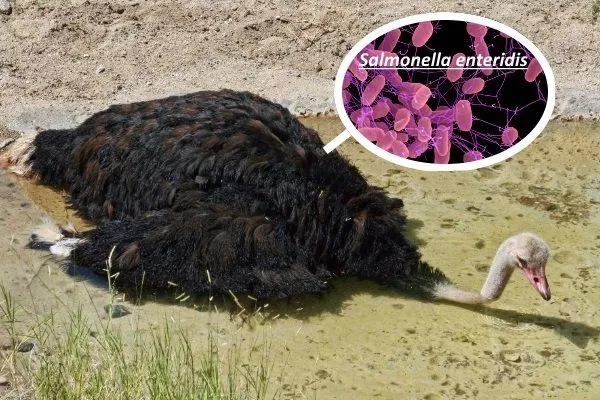
This is an infectious disease characterized by septicemia and diphtheritic-fibrous inflammation of the intestine. It is caused by Salmonella enteridis, a short, motile, gram-negative rod with rounded ends.
The main source of the pathogen is sick or recovering ostriches. The birds become weak, exhibit general apathy, lethargy, and loss of balance. Diarrhea and watery stools are observed. Convulsions and paralysis may also occur.
Treatment should be comprehensive:
- For three days, administer Pharmaspectin subcutaneously or intramuscularly at a rate of 1 ml per 2.5 kg of weight.
- For 3-5 days, give Norfolox at a dose of 1 kg per 4000 l of drinking water.
- Add Oxytetracycline-pharm to feed or water at a dose of 50-125 mg per 1 kg of bird weight.
- For 3-5 days, give a 5% solution of Oxytetra at a dose of 2 kg of the drug diluted in 500 liters of drinking water.
- For 5-7 days, add Nifulin to the feed at a dose of 2 kg per 1 ton of food.
Diseases affecting the central nervous system
Let's list common diseases that affect the central nervous system (CNS) of birds.
| Name | Type of disease | Symptoms | Treatment methods |
|---|---|---|---|
| Newcastle disease | Viral | Impaired coordination of movements, fatal outcome | Destruction of sick birds, vaccination |
| Encephalopathy | Viral | Violation of respiratory rhythm and coordination of movements | Belladonna infusion |
| Botulism | Toxic | Loss of feathers, paralysis | Guanidine prophylaxis, sanitary prophylaxis |
Newcastle disease
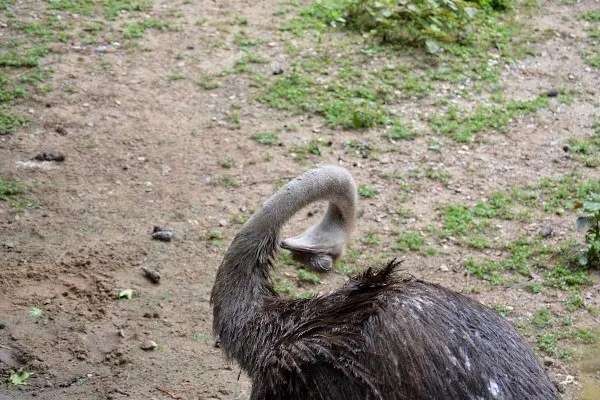
This is a common viral disease transmitted to ostriches from chickens, which are less susceptible to the disease. Ostriches under nine months of age are often affected. The disease typically manifests in outbreaks. The animals become weak, begin to tilt their heads back, and experience impaired coordination. The disease is often fatal.
To combat the disease, sick birds must be destroyed and disposed of to prevent the spread of the disease. Vaccinations are essential for prevention.
Encephalopathy
This is an acute disease that can affect the brain. Its symptoms resemble those of Newcastle disease. It is caused by a virus of unknown origin. Birds experience changes in respiratory rate, elevated body temperature, impaired coordination, and tremors in the limbs. Birds with encephalopathy also begin to stagger, feel unwell, and become lethargic.
Treatment for the disease involves administering belladonna infusion to the birds. This method produces positive results.
Botulism
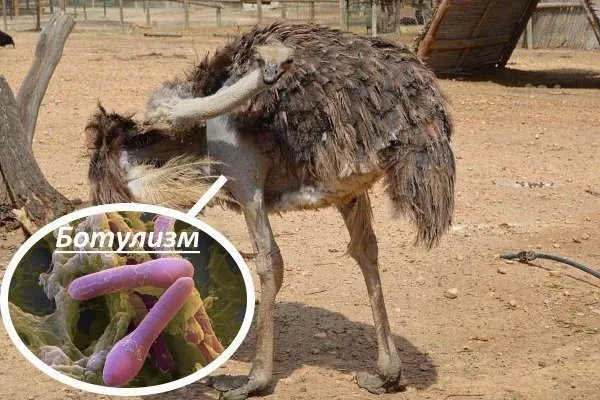
Clostridium botulinum toxin is a dangerous poison that causes damage to the central nervous system. Even a small amount of the toxin consumed through food can be fatal. In less severe cases, recovery can be expected within a few days or weeks. With botulism, the bird begins to lose feathers and develops mild paralysis.
Timely prophylaxis with Guanidine (30 mg/kg body weight) prevents infection. Sanitary measures in drinking water and feeding high-quality, fresh food will also help protect against botulism.
Diseases of the musculoskeletal system
Ostriches are heavy, so their lower limbs bear a lot of strain. Therefore, their skeletal system must be well-developed. To achieve this, they need to be fed adequately; otherwise, problems will arise, which we'll discuss later.
| Name | Type of disease | Symptoms | Treatment methods |
|---|---|---|---|
| Osteoporosis | Bone | Soft bones, deformation | Applying a tourniquet, nutrition with vitamins |
| Limb injuries | Traumatic | Fractures, curvature of fingers | Processing and fixation |
| Myopathies | Metabolic | Vitamin E and selenium deficiency | Selenium supplements |
| Hypoglycemia | Metabolic | Low blood sugar, weakness | Glucose administration, balanced nutrition |
Osteoporosis
Osteoporosis is a common condition affecting young ostriches. Osteoporosis causes soft bones in birds, which can lead to deformities. Deformed limbs during growth can be caused by a lack of essential minerals and vitamins in the diet and overcrowding in the coop.
To treat deformities in the early stages, apply a tourniquet with a board or stick to the affected limb for 7 days. Feeding a diet containing vitamins, amino acids, and micro- and macronutrients can help prevent limb deformities.
Limb injuries
Ostriches often suffer from fractures and injuries, including crooked toes. Poor living conditions, poor nutrition, accidental impacts, and walking in dangerous areas can all contribute to brittle and fragile bones.
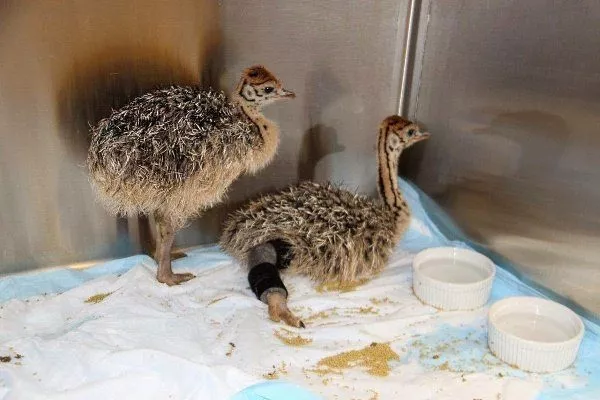
To promote rapid healing of broken or damaged bones and wings, treat them and immobilize them in a normal position until they are completely healed.
Myopathies
Myopathy is a disease that occurs due to an excess or deficiency of vitamin E and the microelement selenium in the diet.
To address this issue, it is recommended to introduce selenium supplements into the diet. Otherwise, it should not be used, as selenium is toxic.
Hypoglycemia
Hypoglycemia can occur after prolonged fasting in ostriches, as blood sugar levels drop. This condition causes the birds to lose coordination and become weak.
To ensure a speedy recovery, provide your animal with a balanced diet and glucose supplements.
Skin diseases
Because ostrich feathers and skins are valuable products in the marketplace, poultry farmers need to be aware of the most dangerous skin diseases. This will help prevent the development of these diseases in a timely manner.
| Name | Type of disease | Symptoms | Treatment methods |
|---|---|---|---|
| Avian pox | Viral | Bumps on the skin, eyelids | Vaccination, antibiotics |
| Infectious dermatopathies | Infectious | Skin rashes | Antifungal drugs |
| Skin parasites | Parasitic | Feather mites, lice | Disinfection, feed sulfur |
Avian pox
In ostriches, fowl pox is caused by a virus from the Avipoxvirus family. It is highly dangerous and can kill approximately half of the entire flock. Ostriches under four months of age are most susceptible to the virus. Fowl pox occurs in three forms:
- Cutaneous. When the disease occurs, bumps of varying sizes, similar in appearance to warts, appear on the skin, eyelids, and beak. Over time, the bumps rupture on their own, forming dry crusts.
- Diphtheroid. This form is characterized by the appearance of nodules on the mucous membranes of the mouth and nasal cavities, larynx, and, less commonly, the trachea and bronchi. Rarely, such lesions are visible on the intestinal mucosa.
This results in the appearance of diphtheroid deposits of a yellow or white hue. With this form, ostriches can suffer from conjunctivitis, accompanied by mucous and purulent discharge, which sticks the animal's eyelids together. Severe laryngeal lesions prevent the birds from feeding, causing them to become weak and emaciated. - Mixed. The skin and mucous membranes are affected.
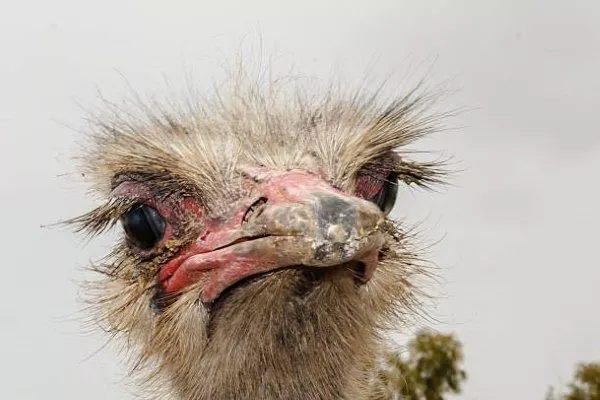
Diagnosis is possible based on clinical presentation and epidemiological data. The diagnosis must be confirmed by laboratory testing.
Prevention is achieved through vaccination of birds and strict quarantine measures for imported animals. Treatment involves preventing the development of secondary infections that can penetrate damaged skin or mucous membranes. A veterinarian prescribes effective antibiotics and symptomatic treatment to alleviate the condition of the sick ostrich.
Infectious dermatopathies
Infectious dermatopathies commonly occur in ostriches prone to overeating. Rashes appear on the skin around the eyes, legs, and toes, which thicken and become covered with dry crusts. These rashes are caused by an unbalanced diet.
Only a veterinarian can diagnose the disease. Treatment is with topical antifungal medications.
Skin parasites
Ectoparasites that feed on ostrich feathers, skin flakes, and blood oozing from wounds are common on farms. These include feather mites, which severely damage the animals' valuable feathers. Lice are extremely rare in ostriches.
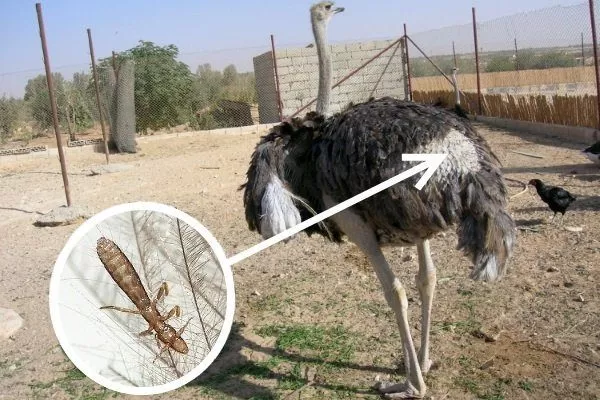
To prevent infestations, you'll need to regularly check your bird's feathers for lice and mites, treat buildings and the surrounding area with disinfectants, and exterminate rodents. Purified feed sulfur is the best pesticide to treat the feathers.
Liver disease
Ostriches are prone to the unpleasant disease hepatitis. It can be caused by tuberculosis, salmonellosis, streptococcosis, and other infections. Ostriches often suffer from liver disease due to improper medication, such as the use of toxic substances to eliminate endoparasites.
- ✓ Optimal humidity in the poultry house should be maintained at 60-70% to prevent the development of fungal diseases.
- ✓ The temperature in the room for ostriches should be stable, without sudden changes, within the range of 18-22°C.
Birds with hepatitis experience green urine, indicating the liver's inability to remove bile pigments, which are entering the kidneys. Birds also experience abdominal enlargement, liver size changes, and droppings that take on a brown tint.
Acute hepatitis presents no noticeable symptoms but often leads to rapid death in ostriches. Treatment consists of antibiotics, glucose, vitamins B and C, and antiparasitic drugs.
- ✓ Greenish tint of urine due to impaired excretion of bile pigments.
- ✓ Increase in abdominal volume and change in stool consistency to more liquid and brown.
Only by understanding the various symptoms observed in ostriches can a poultry farmer identify the disease and save the animals from death in a timely manner. There are various control measures and preventative methods to prevent the disease from progressing. Knowing these will help keep the birds healthy.