
Quail meat is a surprisingly tasty and nutritionally valuable product, prized for centuries for its exceptional flavor and rich nutritional content. Not only in ancient times but also today, this meat remains highly prized, and its consumption is recommended for those who prioritize their health.
Description of quail meat
Many farmers prefer to raise this bird on their farms. This is because quail meat is low in calories, has a wonderful taste, and is rich in nutritional properties.
Taste qualities
In terms of flavor, quail meat is very reminiscent of domestic chicken, or more precisely, chicken. It may have some subtle gamey notes, but its main characteristic is a richer, more distinctive flavor.
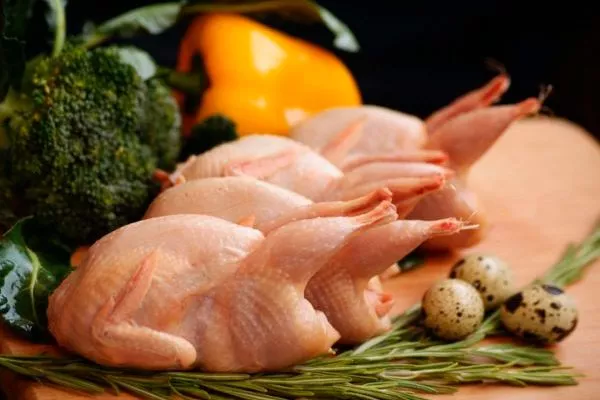
Despite the relatively small amount of meat in a quail carcass, its flavor is more concentrated due to its higher extractive content. Wild quail lack the characteristic fatty aftertaste typical of domestic chickens.
When cooked, poultry emits an aroma that can be described as a cross between chicken, duck, and goose. Wild quail broth is darker in color than chicken broth, contains virtually no fat, and is recommended for dietary use.
Compound
Farmed quail meat differs little in composition from wild quail meat. It is rich in protein, contains only a small amount of fat, and contains virtually no carbohydrates.
Quail meat has a diverse chemical composition, which includes the following components:
- Squirrels. Meat is rich in proteins, which play an important role in providing the body with the amino acids necessary for tissue growth and maintenance.
- Fats. Quail meat is low in fat, making it a dietary product. The fats include saturated and unsaturated fatty acids.
- Vitamins. Quail meat contains B vitamins (including vitamins B1, B2, B3, B5, B6, B12), vitamin A, vitamin E and others.
- Minerals. Meat is rich in minerals such as iron, zinc, selenium, phosphorus and calcium.
- Water. It makes up a significant portion of meat and plays an important role in maintaining the body's hydration.
- Microelements. Meat contains a variety of microelements, such as copper, manganese, etc.
- Purine bases. Contains purine bases in moderate quantities.
The overall composition of the meat may vary slightly depending on the bird's age, diet, and other factors. Quail meat has high biological value and dietary properties, making it a popular healthy food.
Nutritional value and calorie content
Quail meat has high nutritional value and is low in calories. Although quail meat has a higher fat content than chicken, it is still considered relatively low.
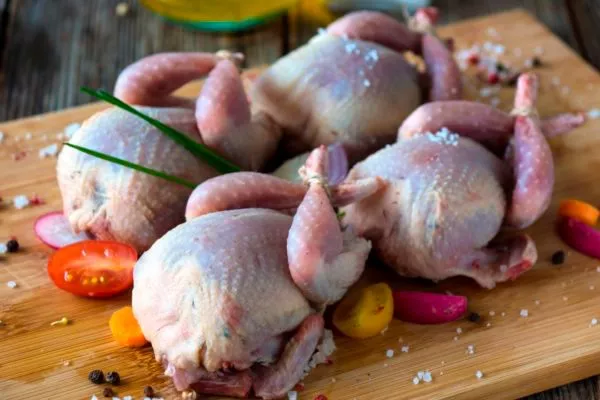
Quail meat is low in calories, making it an attractive choice for those watching their calorie intake. Quail meat contains approximately 110-140 kcal per 100 g.
The benefits of meat
Quail meat is incredibly beneficial for the body thanks to its balanced composition and high protein content. It is often used in dietary dishes and to prepare nutritious broths. It is recommended for those with heart and gastrointestinal problems.
Its low fat content makes quail meat suitable for many diets. Combined with vegetables and fruit juices, it provides the body with all the necessary nutrients.
Harm and contraindications
Despite its nutritional value and benefits, quail meat may have some harmful aspects and contraindications for certain groups of people. Here are some of them:
- Allergic reactions. Like other meat products, quail meat can cause allergic reactions in some people. If you or your child has an allergy to meat or poultry, you should avoid eating quail meat.
- Gout. Quail meat contains purines, which can aggravate gout symptoms or cause a flare-up. People with gout are advised to limit their quail consumption.
- Individual intolerance. Some people may experience individual intolerance to quail meat or its components.
- Young children. Quail meat can be introduced into children's diets after 7-8 months, but allergic reactions may occur in young children. Introducing this product to infants should be done with caution and under the supervision of a pediatrician.
What is the normal weight for adult males and females?
Adult male quails typically weigh between 150 and 200 g. Adult female quails can weigh between 200 and 250 g. Exact weight standards may vary slightly depending on the quail breed and the individual characteristics of the bird.
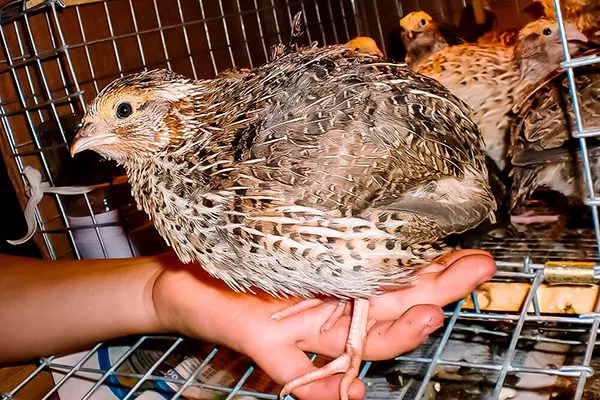
How to fatten quails for meat?
To produce good meat, it's important to feed the birds with the right feed. The fattening phase for quail for slaughter lasts approximately three weeks, but sometimes it can take up to a month to reach the required slaughter weight. A clear procedure must be followed.
Rate of weight gain
To achieve rapid weight gain, it's recommended to keep quails of both sexes in separate enclosures. When they reach their optimal weight, a distinct layer of fat develops on their chest. Avoid allowing the birds to become excessively obese, as this can significantly reduce the value of their meat.
For fattening quail, use a mixed feed. This diet includes a mixture of grains, freshly prepared pea porridge, and special chicken concentrates.
Fattening conditions
To ensure successful quail weight gain, certain conditions must be met. Here are some fattening recommendations:
- Maintain an optimal temperature for quail of 20-24°C and avoid drafts. This ensures comfortable conditions for their growth and development.
- Use dim lighting with incandescent bulbs no more than 40 watts. Bright light can agitate quail, leading to egg damage, fighting, and cannibalism. If there are windows in the room, cover them with dark fabric.
- Keep 30 to 50 quails per cage. This ensures normal interaction and prevents overcrowding.
- Feed quails a complete diet 4 times a day. The diet should include corn, compound feed, millet, fresh nettles, steamed peas and fuz (special fat).
If quails have not been fed these foods before, introduce them gradually over several days to avoid negative consequences for their health and general condition.
Compliance with these conditions promotes effective weight gain in quails and maintains their health and well-being.
Feeding standards for quails
How often to feed quail of different ages is a question that interests many poultry farmers. For adult quail, it is recommended carry out feeding About 3-4 times a day. Serve each meal at the same time to allow the bird's stomach to get used to a certain schedule.
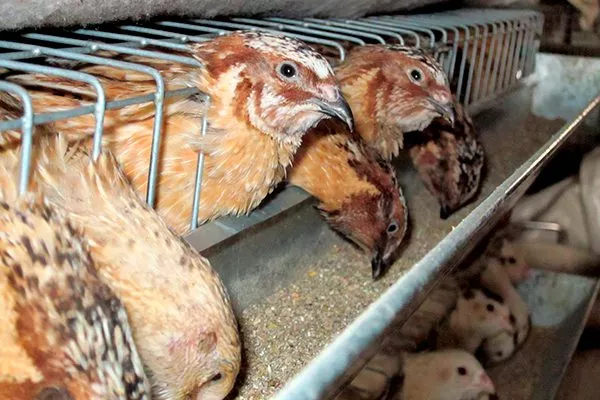
The amount of feed required for one adult bird depends on the breed of bird, but on average it is from 22 to 35 g. This feed is placed in special feeders, filling them 1/3 full. Excessive amounts of feed may cause the birds to scatter it around the cage.
What is important to consider when fattening – recommendations
To successfully fatten quail for slaughter, several factors must be considered. Here are the main ones:
- Select age. Young males and culled females, starting at one month of age, are suitable for fattening. Adults over eight months of age can be used, especially if their egg production has declined.
- Separate content. Once they reach one month of age, separate males and females into separate cages. This allows for more effective monitoring of the fattening process.
- Lighting. Provide the quail with a specific lighting regime. For the first 2.5-3 weeks, the birds should be kept in darkened cages. Then, you can introduce an alternating light and dark regime, with each hour of light followed by an hour of darkness. The lighting shouldn't be too bright or direct; it should be diffused.
- Duration of fattening. The fattening period typically lasts 21 to 28 days. It's important to allow the birds to move freely at least three times a day during this period.
Compliance with these conditions will help to achieve successful fattening of meat quails before slaughter and obtain high-quality meat.
How to choose a bird for slaughter?
After five weeks of growing, start selecting quails for subsequent slaughterFollow the recommendations:
- Choose strong and healthy quails, judging them by their appearance. As quails get older, their meat quality declines and becomes tougher, so it's not advisable to keep them any longer.
These quails are sent to slaughter earlier. Young quail meat is more valuable, and at an early age, structural abnormalities in the birds are less noticeable. - Remove the selected quail from the main flock and begin actively feeding them to gain weight. Place males and females in separate cages (females have spotted beige breast feathers and white neck feathers; males have brownish-beige breast feathers and gray neck feathers).
- ✓ The presence of an even layer of fat under the skin, especially in the chest area.
- ✓ Absence of visible plumage defects, which may indicate the health of the bird.
- ✓ Activity and good appetite as signs of health and readiness for slaughter.
Two weeks after selection, inspect the quail before slaughter. Assess the development of the thigh and pectoral muscles, the position of the keel (the bony protrusion on the chest), and, preferably, a dark pink skin color.
Interesting facts
Interestingly, over the many years of raising quail, many surprising facts about these birds have been discovered. Here are the most popular:
- In Ancient Egypt, the quail sign was represented by two symbols - "v" and "y", which indicates the importance of this bird in ancient Egyptian culture.
- In Japan, it's traditional for every schoolchild to eat two quail eggs in the morning before school starts. This is an interesting cultural quirk.
- Quail eggs and their shells have medicinal properties due to their high calcium content. It is believed that quail eggs can stimulate male potency more effectively than some medications, such as Viagra.
Quail meat is truly a valuable product, recommended for inclusion in the diet for maintaining good health. Before consuming it, it's important to familiarize yourself with the contraindications to avoid potential complications.