
Chicken meat is one of the most common and nutritious foods. It's affordable, easy to prepare, and rich in nutrients. This article will examine its chemical composition, contraindications, and the specifics of slaughtering, storing, and preparing chicken. We'll also introduce chicken breeds with dark meat.
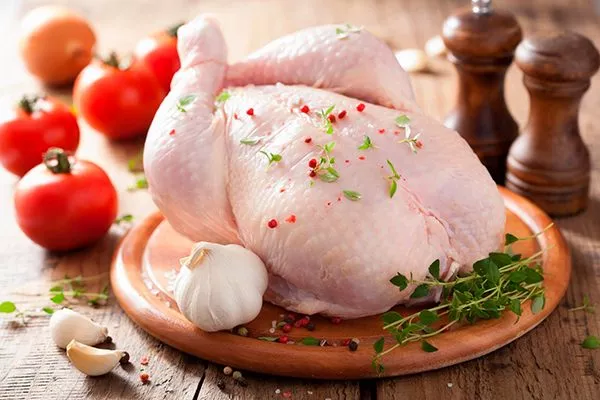
Benefits of chicken meat
Chicken is a popular and widespread product. It's rich in protein, low in fat, and a source of nutrients.
Chicken meat has many beneficial properties:
- A rich source of protein – contains high-quality proteins that are important for the growth and regeneration of tissues in the body.
- Low fat content – it is a relatively low-calorie product with a low content of saturated fat.
- Rich in vitamins and minerals – vitamins B6 and B12 are necessary for the normal functioning of the nervous system and the production of blood cells.
- A good source of iron – it plays an important role in delivering oxygen to the body and maintaining the immune system.
- Easily absorbable zinc – promotes growth and development, strengthens the immune system and has antioxidant properties.
- Supporting skin health – due to the high content of protein, vitamins and minerals.
Chemical composition and caloric content of chicken meat
Chicken meat is relatively low in calories, making it a popular healthy choice.
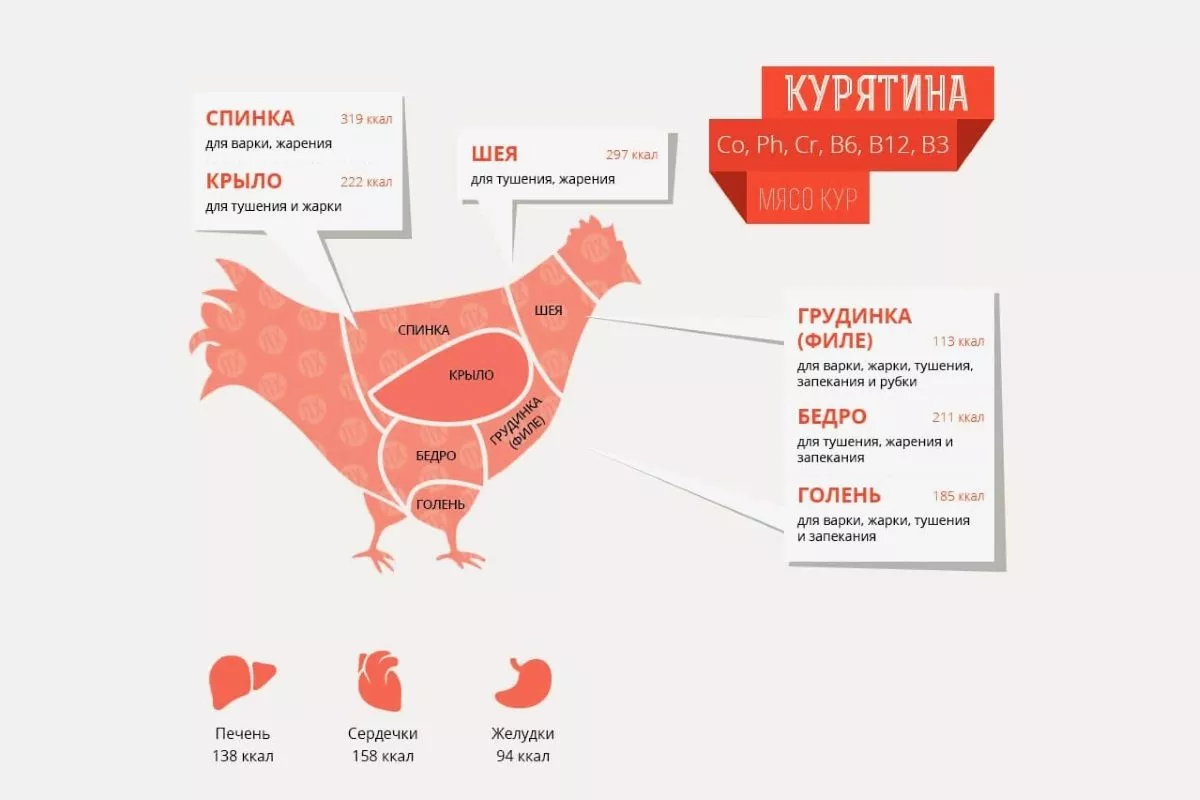
Composition and calorie content of different parts of chicken:
- Breast.This is the most tender and soft cut. The fillet is rich in protein but low in fat. The breast contains 23% protein and the least fat – 4.1%. It has 110 calories per 100 g of skinless chicken (170 calories with skin). Properly cooked, the breast can be considered the most dietary chicken meat.
- Hip.One of the fattest parts of the carcass. It has more fat than the breast, but also contains more iron and valuable nutrients. Skinless thighs contain approximately 150 kcal per 100 g, 14 g of protein, and 9 g of fat. With the skin, 100 g of the product contains 210 kcal, 24.8 g of protein, and 15.3 g of fat.
- Shin.It contains more fat and calories than breast fillet or thigh. Drumsticks contain 185-220 kcal per 100 g. The same amount of product contains 14.5 g of protein and 10 g of fat.
- Wing. The caloric content of the wing is about 220 kcal per 100 g. Proteins and fats are 18.3 g and 15.9 g, respectively.
- Back and neck. The caloric content of the back and neck is about 300 kcal per 100 g.
Contraindications to the consumption of chicken meat
This meat is generally safe for consumption, but there are a number of contraindications. For example, people with gout are advised not to consume large amounts of protein. Those with kidney stones are advised to limit protein consumption to three times a week and no more than 80 grams.
Categories of people who are advised to limit or exclude such meat from their diet:
- Allergy.Some people may have an allergic reaction, which manifests itself in the form of various symptoms such as itching, rashes, shortness of breath, etc.
- High cholesterol.This meat contains cholesterol, so people with high blood cholesterol levels are advised to limit their consumption of chicken fat.
- Problems with the gastrointestinal tract.If you have digestive problems such as heartburn, bloating or diarrhea.
It is important to consider your individual needs and the recommendations of your doctor or nutritionist when choosing and eating chicken.
Chicken with black meat
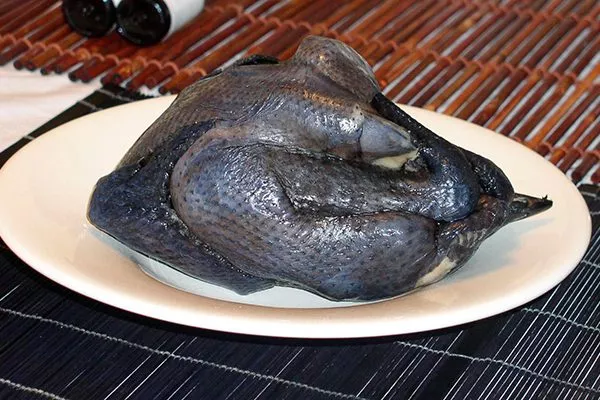
Black-fleshed chicken is becoming increasingly popular. This color is due to the presence of the pigment melanin in the meat.
Dark meat has a rich, deep flavor, often compared to beef or game, and a denser, juicier texture. This allows dishes to reveal more vibrant and interesting flavors than standard chicken.
Chicken breeds with black meat
| Name | Meat color | Origin | Features of taste |
|---|---|---|---|
| Ayam cemani | Black | Indonesia | Rich, deep |
| Ayam Singapore | Black | North America | Bright, interesting |
| Uheyilyuy | Black | China | Dense, juicy |
| Svart hona | Black | Unknown | Delicate, aromatic |
| Ayuam Svart | Black | Unknown | Deep, rich |
| Lacedanzi | Black | Unknown | Juicy, with bright notes |
There are several breeds of poultry with dark meat. These include the Ayam Cemani, an Indonesian breed, and the North American Ayam Singapura. Other breeds include the Uheyilui, Swart Khona, Ayuam Swart, and Lakedanzi.
The benefits of breeding black chickens for meat
Breeding chickens for dark meat can be profitable. Considered exotic, dark meat products can command a high price and be in high demand.
Breeding black chickens for meat may provide an opportunity to develop new breeds and genetic lines of chickens with unique characteristics.
While the popularity of regular chicken remains high, there's little demand for variety and exotic meats. Farmers can offer dark meat as a supplementary product, maintaining a certain ratio of dark to regular chicken, approximately 80/20.
Cooking recipes
Chicken is widely used in cooking and is suitable for a variety of preparations. It can be fried, baked, boiled, added to salads, soups, sauces, and many other dishes. There are many ways to prepare chicken.
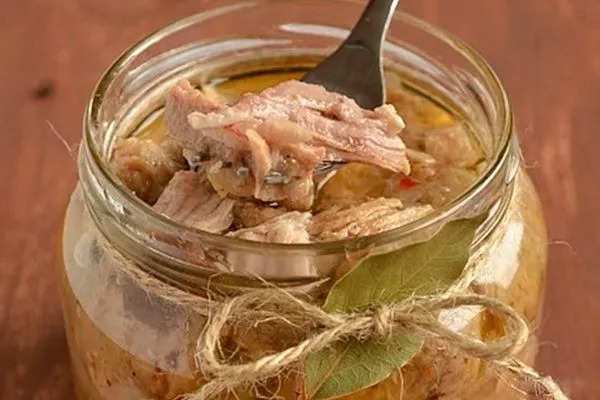
Homemade chicken stew
This stew turns out very tender and aromatic – a wonderful preparation for the winter.
Ingredients for a 500 ml jar:
- chicken – 0.5 kg;
- bay leaf – 1 pc.;
- allspice – to taste;
- peas – 3 pcs.;
- salt – 1 tsp per 1 kg of meat (for a 0.5 l jar you need 0.5 tsp of salt).
Cooking sequence:
- Prepare the jars.
- Cut the chicken into pieces weighing 50-60 g.
- Place bay leaf and allspice at the bottom of the jar.
- Place the prepared chicken pieces skin side down tightly into the jar, lightly packing them down.
- When the jar is half full, pour in the meat water and add 1/4 teaspoon of salt.
- Continue adding chicken pieces until the jar is full.
- Add the remaining salt.
- So prepare all the jars.
- Place a towel in a deep saucepan.
- Place the jars in it and cover with lids.
- Fill the pan with water up to the shoulders of the jars.
- Place something heavy on top.
- Turn on the heat. Once it boils, reduce the heat and simmer for 5 hours.
- In parallel, prepare the jellied broth:
- In another pan, place the trimmings and bones: cartilage, wing tips, drumstick bones, backs and fat.
- Fill with water so that it just barely covers the seeds.
- Cover and simmer over low heat for 5 hours.
- Add salt to taste.
- After the cooking time has elapsed, remove the jars from the pan; since the liquid in them has evaporated a little, top them up with prepared broth and fat.
- Cover the jars with lids and seal them. Let them cool to room temperature and then store in the refrigerator or cellar.
Also watch a video recipe for making chicken stew at home:
Dried chicken breast (chicken basturma)
A simple, quick, and delicious recipe for dried meat. A delicious balyk, in no way inferior to classic beef basturma.
Ingredients:
- chicken breast – 2-3 pcs.;
- salt – 1 pack;
- spice mix:
- 1 teaspoon red pepper,
- 3 tsp paprika,
- 2 tsp dry garlic,
- other spices at your discretion.
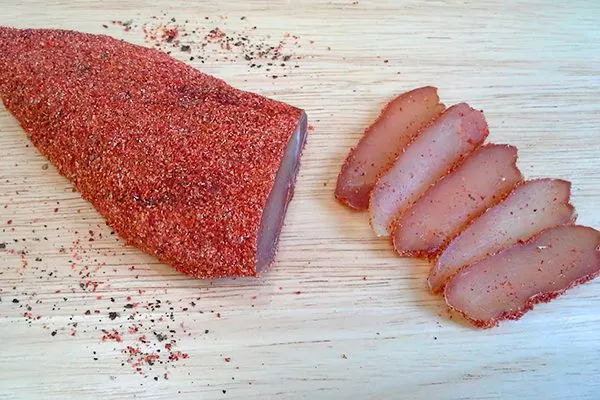
Preparation:
- Remove the membrane from the breasts.
- Salt the chicken breasts for 24 hours. To do this:
- Pour a thick layer of salt into the pickling container.
- Place the fillets neatly and evenly.
- Sprinkle the remaining salt on top.
- After 24 hours, remove the breasts, rinse, and soak. If you want to use the salted meat for beer, soak it for no more than 1.5 hours. If you plan to eat it like sausage, soak it for 3-4 hours, changing the water every 30 minutes.
- Drain the water.
- Roll the meat in the spice mixture
- Hang in a well-ventilated area for 2-3 days.
Basturma is ready.
We also recommend watching a video recipe for making chicken breast basturma for the winter:
Homemade chicken sausage
Homemade sausage made without any additional equipment or nitrite salt. Delicious and healthy.
Ingredients:
- chicken legs (boneless) – 800 g;
- chicken fillet – 200 g;
- cream 33% – 60 ml;
- salt – 15 g;
- dried garlic – 1-1.5 tsp;
- paprika – 1-1.5 tsp;
- coriander – 1-1.5 tsp;
- black pepper – 0.5 tsp;
- cardamom – 1/4 tsp;
- nutmeg - a pinch;
- sugar – 0.5 tsp.
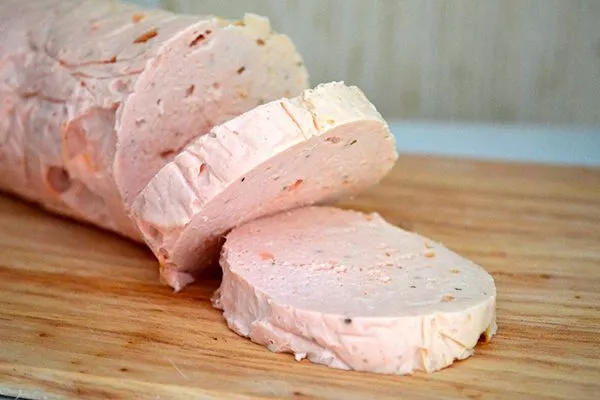
Cooking sequence:
- Remove the skin from the chicken legs and remove the bones.
- Cut the meat into small pieces along the grain. Place in a bag and place in the freezer.
- Chop the chicken fillet and any remaining fat. Place them in another freezer bag until they're slightly frozen. This helps retain moisture in the meat.
- When the meat is firm but still soft inside, remove it from the freezer.
- Grind frozen chicken fillet in a blender.
- Mix the minced meat with the frozen drumstick meat.
- Add salt and spices.
- Stir the mixture vigorously for 3 minutes.
- Add cold cream.
- Cut a baking bag lengthwise, place the meat mixture inside, and form a sausage. Press firmly to eliminate any air pockets.
- Tie the ends of the sausage roll with thread. Tie the sausage crosswise.
- Place in a preheated oven at 140 degrees Celsius (350 degrees Fahrenheit) using convection mode. Place a baking sheet filled with hot water on the bottom of the oven.
- Cook for 2.5 hours.
- Remove the finished sausage from the oven and let it cool to room temperature.
- Remove the sleeve and wrap the sausage in foil.
- Place in the refrigerator overnight.
Also watch a video that shows the entire process of making homemade chicken sausage:
What influences the taste of meat?
Proper handling and cooking of chicken is crucial. Mistakes during preparation, such as overcooking or undercooking, as well as prolonged storage or improper freezing and defrosting, can all negatively impact the flavor.
The taste of meat can be damaged by several factors:
- Meat grade and quality – depends on the breed of the animal, the method of its rearing, age and nutrition.
- Overheating – can lead to moisture loss and over-drying, which can make it tough and tasteless.
- Under- or over-cooking – leads to insufficient or excessive degree of roasting, which affects the tenderness and taste of the meat.
- Oversalting – excessive saltiness masks the natural taste of the meat.
- Pickling – can improve its flavor and tenderness, but marinating for too long or using marinades that are too acidic can cause the meat to overcook and change chemically.
- Storage – if it is not done correctly, especially if the temperature regime is violated or if it is stored for a long time, it can lead to spoilage of the chicken meat and a deterioration in its taste.
- Combination with other ingredients – using the wrong ingredients or the wrong combination of flavors can ruin the overall taste of the dish.
Proper cooking techniques, optimal storage conditions, and a balanced blend of flavors will help preserve and enhance the natural flavor of meat.
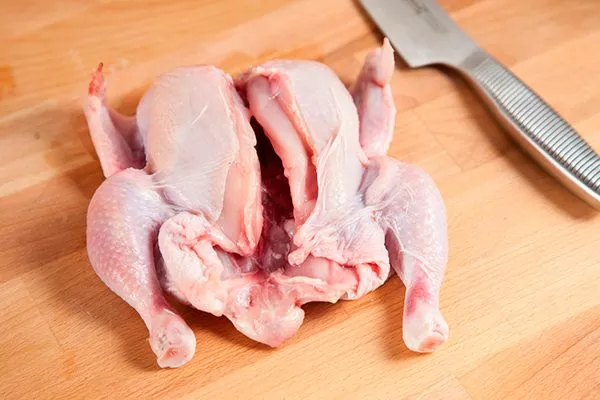
Correct slaughter
At slaughter of chicken, a certain procedure must be followed to obtain high-quality meat. When slaughtering a chicken, there are several important considerations:
- Poultry processing must take place in sanitary conditions and with hygienic observance.
- It is recommended to slaughter only one bird at a time to avoid the transmission of infections.
- Scalding should be done in hot water (about 60-70 degrees) to ensure sufficient feather removal and destruction of microorganisms.
Recommendations for proper slaughter of chicken:
- Preparing the premises and workplace. It is necessary to provide a clean and safe environment to avoid injury and make work easier.
- Preparing tools.Knives, tweezers, and other necessary tools should be prepared. It's important that the knife is sharp and clean to minimize the risk of contamination of the meat.
- Immobilization of the bird. Hold the chicken by the neck so that it cannot resist.
- Poultry slaughter.There are several slaughter methods, each with its own characteristics. The most common methods are:
- Bloodless methodThe technique involves breaking the bird's first cervical vertebrae. This leads to rupture of tendons and blood vessels, and damage to the spinal cord. Death occurs instantly, but the method requires a certain amount of skill and dexterity.
- Split through the beak: Cutting the bird's jugular artery and vein. Hang the chicken on a hook with your right leg. The bird should be at chest level. Use your left hand to support the bird's head. Never grasp the neck, as this can cause bruising that will damage the bird's appearance. With your right hand, insert the knife into the open beak and cut the jugular artery and vein. Then, insert the knife into the brain at the suture on the palatine bone. This method of slaughtering paralyzes the nerves and relaxes the muscles, making feather plucking easier.

- External methodThis is done using special scissors for cutting the jugular and pontine veins. Insert the scissors into the bird's mouth and cut the jugular and pontine veins on the left side of the neck, at the back of the palate, under the uvula. Pierce the palate toward the back of the head.
- Stun: To stun a chicken, you can use special equipment or the "head-on-the-wall" method. You hit the bird on the back of the head to temporarily render it unconscious. Then, chop off the head or sever the veins at the base of the skull.
- Throat slitting: Make a quick and precise cut to the front of the chicken's neck to sever the throat and major blood vessels. The cut must be deep to ensure reliable interruption of blood flow.
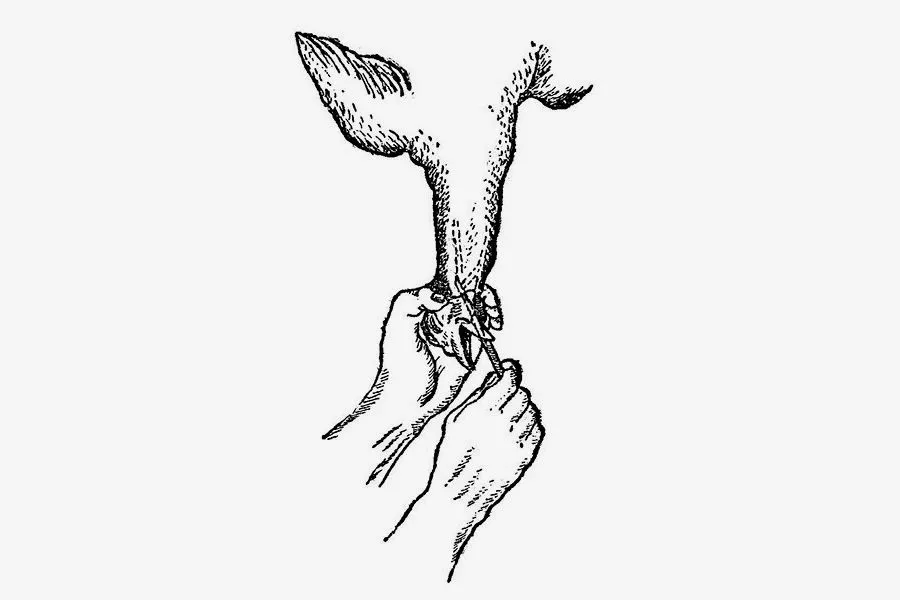
It is important to follow these recommendations to ensure the carcass maintains its marketable appearance and prevent potential quality issues.
Proper bleeding
After slaughter, the chicken should be bled immediately. To do this, hang the bird upside down and shake it to remove all the blood. Leave the bird hanging for another 15-20 minutes to allow the blood to drain. Spread the wings to prevent bruising. Inadequate bleeding will lead to rapid spoilage due to bacterial growth.
After bleeding, the chicken is secured and scalded. Securement helps prevent cramps and preserve the quality of the meat, while scalding removes feathers and kills surface microorganisms.
Following the correct sequence and taking all the necessary precautions into account will ensure proper slaughter of chickens and the production of high-quality meat without contamination or damage.
Plucking and singeing poultry
Plucking poultry – is the process of removing feathers from a carcass to create a marketable appearance. The procedure is as follows:
- Before plucking, soak the bird in warm water (about 55-60°C) for 1-2 minutes. This helps soften the feathers and make them easier to remove.
- Perform plucking in well-lit areas to ensure all remaining feathers are exposed and removed.
- Refrigerate the carcass to preserve its appearance and prevent bacterial growth. Place it in the refrigerator or a cool place until it reaches a temperature below 4°C (39°F).
- After cooling, inspect the chicken to ensure all feathers have been removed and that it is in a marketable condition.
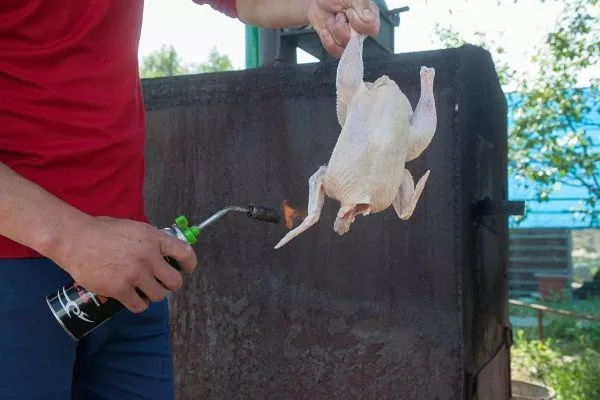
Singeing a chicken carcass Singing is the process of removing residual down and giving the carcass a marketable appearance. To singe a chicken, hold it over the open flame of a gas torch or special equipment. During the process, rotate the chicken and move it over the flame to ensure all sides are singed. After singeing, cool the bird.
Cooking Features
When handling, it is important to follow hygiene and safety rules to prevent foodborne infections.
Step-by-step instructions for processing and cutting up chicken:
- Place the bird on a clean work surface.
- Cut off the chicken's head and remove any excess skin from the neck.
- Cut off the bird's legs.
- Using a sharp knife, make a cut on the belly.
- Remove the entrails. Be careful not to damage the stomach to avoid contaminating the meat with intestinal flora.
- Rinse the chicken under cold running water, removing any blood or entrails.
- Rinse again under cold running water, removing all traces of blood and other contaminants.
- Pat the chicken dry with paper towels or cotton napkins.
- Check the carcass for any remaining feathers or down and remove them if necessary.
- Separate the chicken into several pieces if you plan to freeze it for later use. Typically, this is done by separating the breast, legs, and wings.
- Wrap in plastic wrap or freezer bags to keep fresh and prevent air from entering.
- Label each package with the packaging date and product type.
- Place the packaged chicken parts in the freezer and freeze at -18°C to -20°C.
Freezing
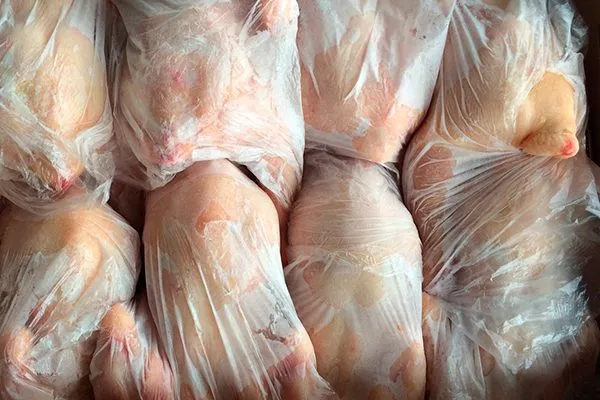
Freezing is a good way to preserve chicken meat for a long time, but it is important to package it properly to prevent frost from forming and quality loss.
To preserve the quality of chicken meat when freezing, follow these recommendations:
- Check the quality of the chicken. Make sure the meat is odorless and shows no visible signs of spoilage (dark color, sticking together, or damage).
- Remove feathers, intestines, and any remaining blood from the carcasses. The better the meat is cleaned before freezing, the less chance there is for bacterial growth.
- Divide into portions. This method of freezing allows you to defrost and use only the amount of meat you need without refreezing.
- Place the carcasses in a tightly sealed plastic bag or container to prevent oxygen from reaching the meat and to protect it from drying out.
- Label bags or containers with the freezing date.
It is recommended to store frozen carcasses for no more than 6-9 months to avoid loss of quality. - Defrost chicken in the refrigerator, placing it on the bottom shelf. This will allow the meat to defrost gradually and evenly, avoiding elevated temperatures that can promote bacterial growth.
- Once defrosted, chicken is recommended to be used within 1-2 days. Refreezing previously defrosted meat is not recommended, as this may degrade its quality.
- ✓ The freezing temperature should not be higher than -18°C to preserve the quality of the meat.
- ✓ Packaging must be airtight to prevent oxidation and moisture loss.
Chicken meat is a tasty, healthy, and versatile product that can be used in a wide variety of recipes. Regardless of preference, dark chicken meat is considered exotic and can be profitable for both farmers and consumers seeking new and unusual flavors.
There's so much interesting information in your articles, even considering my age. Thank you so much.