
Chicken breeders often encounter situations where their birds peck at their eggs. This behavior can be caused by a variety of factors, from nutritional deficiencies to the hostile behavior typical of certain chicken breeds.
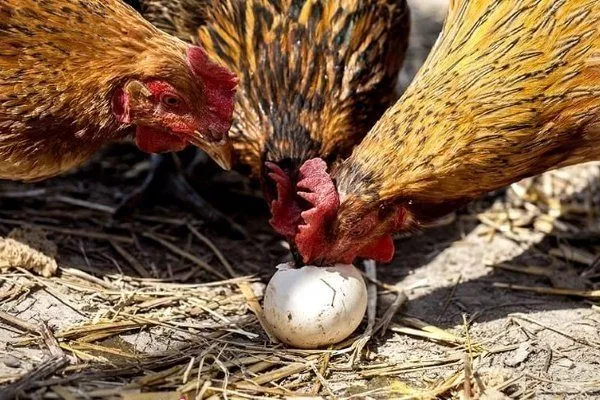
Reasons why chickens peck eggs
This phenomenon is sometimes called avian cannibalism. The reasons that prompt hens to peck eggs include:
- Incorrect feeding of birdsThis is the most common cause of cannibalism. If the diet lacks certain nutrients, the body requires a replenishment of energy reserves, and the hen finds this source in the eggs she lays. The bird is particularly susceptible to a deficiency of such valuable nutrients as vitamin D, calcium, and protein. In some cases, hens begin to eat eggs after they've already experienced their taste: if the breeder gives the birds fresh shells, which still contain fresh whites, they seek a way to recapture that taste. A sudden change in feeding schedule and the presence of toxic substances in the feed also fall into this category.
- Uncomfortable conditions of detentionChickens require a certain temperature and humidity level in the coop, as well as sufficient space. If the feed supply is adequate, but the birds are actively pecking their eggs, this may indicate an improper temperature in the room where they live, excessively cramped space, or a lack of run areas. Such behavior can also be caused by nest boxes being too close together or excessively bright, irritating lighting. Poor hygiene is another important cause of egg pecking.
- Skin irritation by parasites, the appearance of a large number of insects in the chicken coop.
- Birds injuring themselves against their cages, which encourages them to behave aggressively.
- Birds' idleness and curiosity. Some scientists note that the white color of an egg may initially attract hens' attention. Since hens are curious and tend to sample all unfamiliar objects while searching for worms, they taste any new object that appears in their field of vision. Once a hen has tasted the raw egg, she will peck at it purposefully.
- Stressful situationsChickens experience stress when new birds are added to the flock, when birds are moved to other rooms, when there is a sudden change in feeding schedule, or when there is a lack of light.
- Breed characteristicsCertain breeds have an instinct that drives them to adopt a hostile coexistence style. Aggression is rarely observed without a precipitating cause: pecking is usually triggered by hunger or discomfort in the room. Hostility is common in breeds such as the Loman Brown, Orlov, and Cochin.
Comparing the nutritional needs of chickens
| Element | Symptoms of deficiency | Norm per head/day | Sources |
|---|---|---|---|
| Calcium | Egg pecking, soft shell | 3.5-4.2 g | Shell rock, chalk, limestone |
| Vitamin D | Decreased egg production, pecking | 300-500 IU | Fish oil, yeast, sunlight |
| Protein | Stunted growth, cannibalism | 16-18% of the diet | Legumes, oilcake, meat and bone meal |
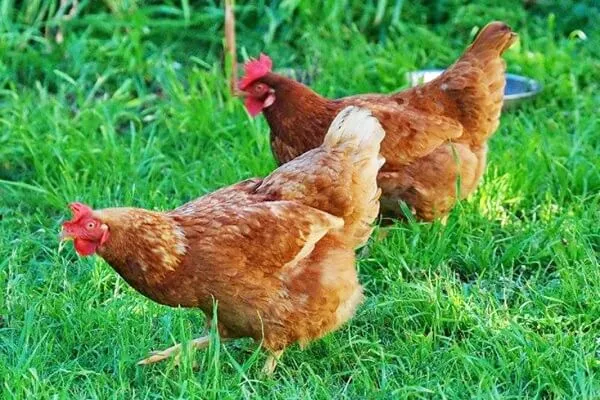
The aggressive Lohmann Brown chicken breed
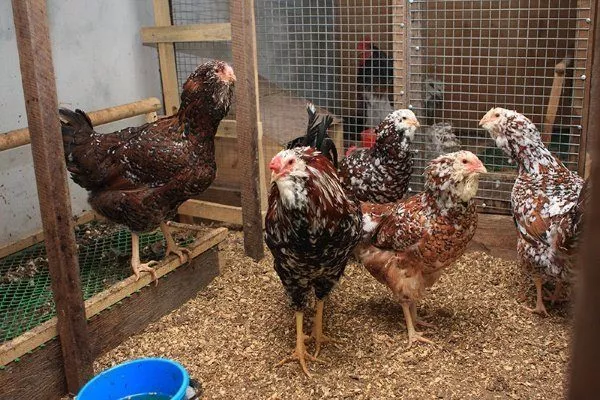
The stress-resistant Orlov chicken breed
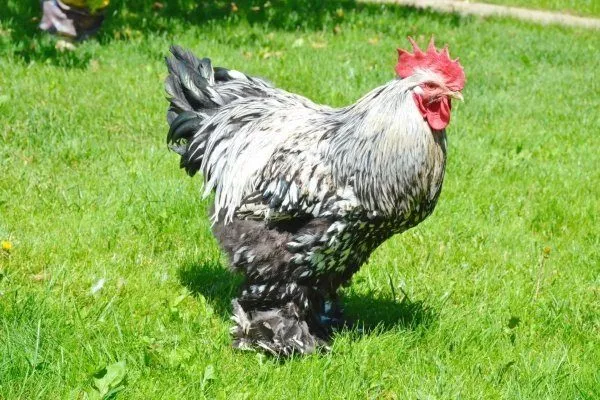
The nervous Cochin chicken breed
Farmers note that in most cases, cannibalism in chickens occurs during periods of their life such as egg-laying and molting seasons.
Methods for solving the problem
To wean poultry from pecking eggs, you can do the following:
- Organize a proper dietPecking is most often caused by a lack of calcium in the chickens' diet, as well as vitamins A and D, amino acids, and phosphorus. In this case, immediate action is required: a lack of nutrients not only encourages birds to peck eggs, but also leads to mass mortality. Therefore, it is essential to urgently review the chickens' feeding regimen. To achieve this, it is recommended to add carbohydrates in the form of finely chopped beets, carrots, and potatoes, and fats in the form of corn kernels and oats. Protein is also essential in the chickens' diet. Bone meal, shell rock, and sunflower seeds serve this role. Sand, tree resin, and small stones serve as minerals. In warmer months, chopped fresh greens should be added to the feed. Birds should also be given dairy products such as cottage cheese and whey. In the evening, you should feed your chickens regular grain instead of compound feed: it digests more slowly, so the birds will sleep peacefully all night and won't wake up hungry in the morning.
- Assess the conditions of detention and optimize themThe condition of the nesting boxes should be checked: they shouldn't be cramped or too close together. Nests shouldn't be placed in visible locations or too high, as this could stress the hens. The perch should be raised approximately 50 cm from the floor. It's also essential to provide a sufficiently spacious area for the birds to roam. Ideally, poultry should roam outdoors to get a dose of natural vitamin D from sunlight. The coop should be large enough to accommodate at least 1 square meter of space per 2-3 chickens.
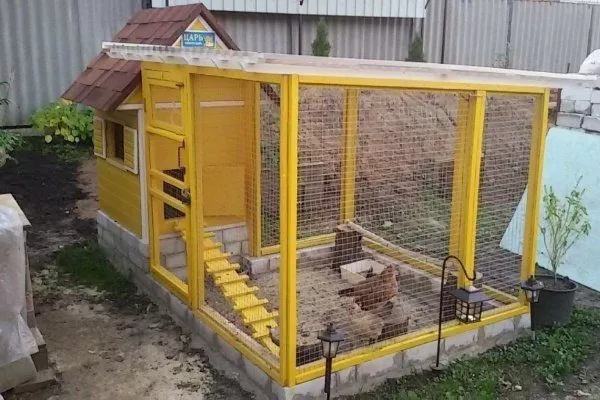
- Maintain optimal temperatureTo ensure hens lay eggs well and avoid pecking at them, optimize the temperature. Temperatures should be between 12 and 22 degrees Celsius.
- Tidy up the chicken coopThe litter should be changed regularly. The floor should initially be covered with a layer of slaked lime. A 10-cm-thick layer of sawdust or straw is placed on top of this. This layer is easily removed. You should also carefully inspect the walls, ceiling, and doors. Drafts should be eliminated by sealing cracks. The coop should be regularly cleaned of waste, as poultry waste produces toxic substances that, when inhaled, can suffocate and cause stress to the birds.
- Use of pharmaceutical drugsTheir purpose is to wean hens off egg pecking. They should only be given to birds after determining the cause of this behavior and only on the recommendation of a specialist. These products are added to the feed at a dose of 10-15 g per 10 kg of feed. Such products include Vitaminol, Ryabushka, Rex Vital, and Methionine.
There are also proven folk remedies that can help combat egg pecking. The following is recommended:
- To plant false eggsPlace tennis or golf balls or dummy eggs made of flour, water, and salt in the nests. Over time, the hen will tire of pecking at her own waste and will stop. You can also place eggs in the nests, removing the yolk and whites and then soaking them in a mixture of pepper, mustard, and vinegar. The bird won't like this mixture, and she'll stop pecking.
- Beak trimmingThis measure is widely practiced on poultry farms. It is performed at an early age—between 35 and 70 days of life. On farms, this is done using a special, expensive device, and at home, with clippers.
- Putting on special eyecupsSome breeders recommend their use, as the eye shields limit the bird's field of view, thus helping to reduce its aggressiveness.
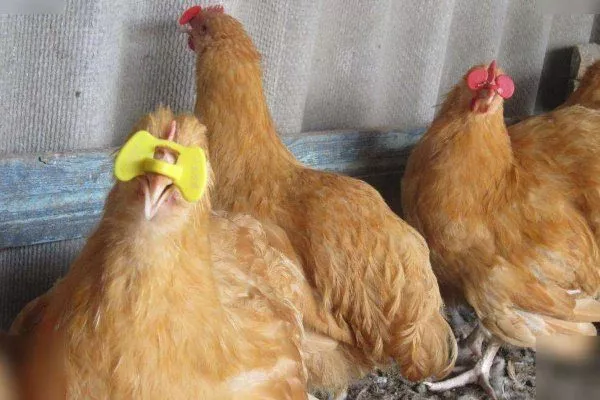
- Identify a chicken that is peckingTypically, one or two birds in a flock are observed causing harm. You can observe the behavior of the laying hens: a hen that pecks eggs is always found near the nests where the hens are laying. This individual should be placed in a separate cage and temporarily restricted from contact with the rest of the flock. The isolation period is approximately two weeks. During this time, the bird should be provided with adequate nutrition and comfortable living conditions. Aggressive individuals do not necessarily need to be destroyed: when returning them to the flock, you can lightly trim their beaks or add blindfolds. Some breeders recommend dunking aggressive birds in a container of cold water several times during the summer.
Aggressive Chicken Isolation Plan
- Separate room (1x1 m per head)
- Enhanced diet (+20% protein)
- Daily inspection of the beak and paws
- Gradual return to the herd (3-5 days)
Young individuals should not be placed with older chickens, as such proximity will inevitably create conflict situations.
Watch a video from a chicken breeder who encountered the problem of chickens pecking eggs and solved it in several ways:
Preventive measures
To prevent the risk of birds pecking eggs, follow these recommendations:
- Maintain a comfortable temperature in the chicken coop at all times: the room should be cool in summer and warm in winter;
- observe the behavior of the birds: this way you can identify aggressive individuals and isolate them from the rest of the chickens in a timely manner;
- Provide adequate regular nutrition: the diet must contain all the necessary vitamins and microelements, feeding must be done at the same time, morning and evening; do not allow the birds to experience hunger;
- regularly remove debris from nests;
- keep birds of different breeds and ages separately;
- introduce new individuals into the herd only in the evening;
- remove chicken waste and litter daily;
- remove all eggs from the hens' nests in a timely manner;
- to keep your poultry fully occupied: to prevent them from pecking at the eggs, you need to throw pieces of pumpkin and apples into the chicken coop; by eating them, the chickens will not be distracted by their own eggs;
- Equip the chicken coop with feeders and drinkers of a large diameter to avoid creating a competitive situation.
Daily Control Checklist
- ✓ Checking the temperature in the chicken coop (morning/evening)
- ✓ Free access to feeders
- ✓ Egg collection every 2 hours
- ✓ Inspection of bedding for moisture
- ✓ Control of the behavior of dominant individuals
Hens peck eggs when they lack something: nutrients, space, or light. To determine the cause of pecking, it's important to observe their behavior. Comfortable living conditions, ensuring constant activity, and regular feeding are good preventative measures against egg pecking.
After trying every possible method to combat egg pecking, I resort to a radical approach: I simply find the one pecking and chop its head off with an axe, because it's not a disease... it's political science. In my opinion, this is the only and most effective way.