
Rodents move into poultry houses with the onset of cold weather. Rats are attracted to chicken coops due to their warmth, the availability of food, and the lack of obvious danger. These predators must be eliminated because they are dangerous. There are many methods and preventative measures for this.
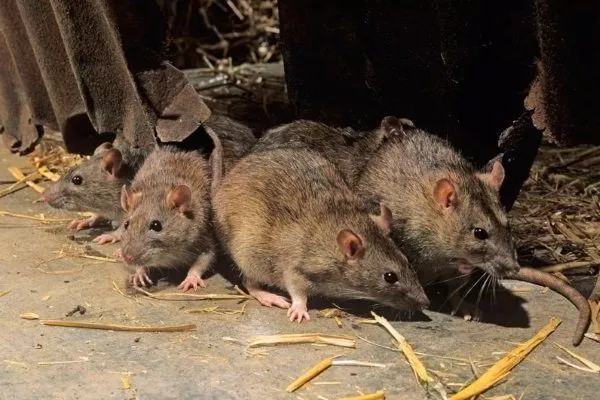
The danger of rats getting into the chicken coop
One of the main dangers of rats in a chicken coop is egg theft. Rodents regularly steal this delicacy, so a person can suffer some losses.
Rats are predators, quite strong and brazen ones. They can injure even larger animals. If a rodent is hungry for fresh meat, it may well attack a chicken. It can easily deal with both young and adult birds, and a rooster won't be able to protect them. Rodents attack every day.
A hungry rat can eat a whole chicken. Otherwise, it kills the bird and leaves it with a bite. The rodent destroys chicks very quickly.
Rats are carriers of ticks, fleas, bedbugs, helminths and various diseases:
- plague;
- typhus;
- rabies;
- toxocariasis;
- toxoplasmosis;
- salmonellosis;
- tularemia;
- rickettsiosis;
- leptospirosis;
- listeriosis;
- hemorrhagic fever;
- streptobacillosis.
Many diseases are dangerous not only to birds but also to humans. Furthermore, the presence of a dangerous predator causes hens to become restless, which negatively impacts their health and productivity.
Rats reproduce quickly, are always hungry, and chew a lot. This damages not only the chicken coop's inhabitants but also property. Often, people only discover the presence of rats weeks or months later, when they don't notice missing eggs or injured birds.
Rats are also dangerous because of their intelligence. They rarely fall into traps if their fellow rats have already been caught. Rats have numerous offspring, and adults teach them to avoid various poisons and traps.
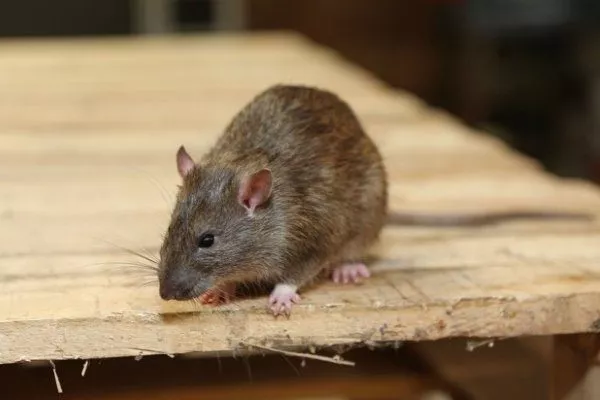
How can you tell if there are rats in your chicken coop?
The presence of rats in a chicken coop can be detected by various signs. One of them is the disappearance of eggs. The losses can be significant.
If rats have been attacking poultry, you may find injured birds. If the birds are very hungry and craving fresh meat, you may find dead and bitten chickens, or discover that a bird has gone missing.
Another sign of rat presence is droppings. Rodents typically leave them in small piles. Rat droppings are dark in color and range from 0.1 to 0.15 cm in length. If the droppings are of varying sizes, there is a rat infestation.
You can also suspect the presence of rats by the following signs:
- ammonia smell, which intensifies in closed areas of the room;
- gnawed surfaces;
- tracks left by animals in the dust;
- holes in the walls, foundation;
- eggshells (rats can eat the contents on the spot, leaving behind the unnecessary shell).
Early Rodent Detection Checklist
- ✓ Daily monitoring of egg counts with recording
- ✓ Inspection of walls at a height of up to 50 cm for teeth marks
- ✓ Check corners for fresh droppings
Methods of rodent control
If rats have infested your chicken coop, it's imperative to get rid of them quickly. There are many reliable methods for this, best used in combination.
Professional help
If you have the financial means, you can call in professionals to deal with rodents. They have effective and fast-acting treatments that won't harm your poultry.
Professional help will cost a considerable amount, so most people try to solve the problem themselves.
Poultry house reconstruction
To get rid of rodents, it's necessary to eliminate conditions favorable for them. The chicken coop must be airtight, and this should be taken care of during the construction phase. The room must meet the following requirements:
- No gaps. Rats can get in even through the smallest of cracks. It's best to cover the bottom of the walls with meter-high aluminum sheets. This won't bother the birds.
- Install metal doors or cover a wooden structure with metal.
- Ensure the windows are airtight. If they are not glazed, you can use strong fine-mesh screens.
Comparison of chicken coop protection materials
| Material | Thickness | Protection period | Cost per m² |
|---|---|---|---|
| Galvanized steel 0.5 mm | 1 m height | 10+ years | 350-450 rubles |
| Fine mesh netting | Double layer | 3-5 years | 200-300 rubles |
| Concrete with broken glass | 5 cm | 15+ years | 500-700 rubles |
When renovating a chicken coop, it's important to remember that rats chew through many materials. Styrofoam, foam rubber, and wood won't stop them. They can even chew through concrete.
Poisons
This method is effective, but it can be dangerous for the bird. If poison in any form is available to the bird, it will try it out of curiosity. Considering this, the poison should be placed in places inaccessible to the hens.
While using the poison, the bird should be placed in a different room. It's best to use fast-acting products like Krysin (ampoules). Even a minimal amount of the product is lethal to rodents. This method can get rid of rats within a week.
To prevent curious chickens from ingesting the poison, it should be concealed. A heavy wooden box is a good choice for this. Poke a few holes in it to blunt the rodents' vigilance. The chickens can sit on top of the box.
Rats are quite intelligent, so it's best to disguise the poison in food. Mixing it with raw meat, lard, or fish is effective. It's best if the food is spoiled, as the aroma will mask the poison's scent.
You can purchase a ready-made poison, usually in granular form. It should be placed in places inaccessible to birds. When a rat consumes this poison, it dies and gradually mummifies. This prevents the unpleasant odors that inevitably arise when rodents die in inaccessible places. This poison is widely available at any hardware store. Directions for use are indicated on the packaging.
Among the ready-made effective poisons, Ratid-1 and 2, and Goliath, stand out. These products not only work well but are also attractively inexpensive.
Liquid rat poisons also exist. These include Bromed, Brommus, and Brodifan. This solution is typically added to beer, and the container is placed in a box to keep the birds out of reach. Milk can be used instead of beer, but its odor is weaker, so rats may ignore the trap.
Even if the poison is placed in places inaccessible to chickens, rats can still carry it around the house. This method should be used carefully, limiting the birds' access to the lethal substances as much as possible.
Ultrasonic repellers
This is one of the modern methods of rodent control. Some devices can cover an area of 1,000 square meters.
An ultrasonic repeller emits a sound at a frequency that's audible to rodents but invisible to birds and humans. This device requires electricity to operate, although battery-powered models are available. The device is attractive due to its small size and consumes no more than 10-15 watts per day.
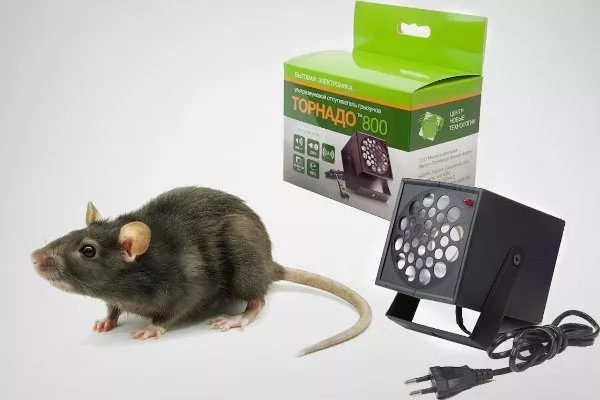
Technical parameters of repellents
| Model | Area (m²) | Frequency (kHz) | Opening hours |
|---|---|---|---|
| Tornado 800 | 800 | 18-70 | Automatic mode change |
| Grad A-550 | 550 | 16-76 | Cyclical |
Such devices should be installed at a certain distance (according to the instructions) from the floor, directing the sound to a hard surface so that it is reflected well.
Ultrasonic repellents are effective because they stimulate rats' nervous systems. The rodents can't stand it and flee. This usually occurs within the first two weeks after installation.
For a large chicken coop, it's best to use multiple ultrasonic devices. Ensure the rats have a clear exit from the coop, and ensure the room is sealed properly after the rodents are gone. Rats can become overwhelmed by the stress, so they may behave unpredictably without an exit.
Tornado and Grad-A are considered the most effective repellents. It's important to note that, according to user reviews, their effectiveness isn't 100%, so this method should be used in combination with other rodent control methods.
Introducing other birds and animals
Keeping geese or turkeys in the chicken coop is effective as they can repel rats. Geese are light sleepers and react to the slightest noise. Their cackling repels rats. Turkeys have a similar effect.
You can also get a stray cat or a hunting dog. These animals will catch rodents, but they pose a risk to the chickens themselves. A well-trained dog won't harm the poultry.
Another animal capable of repelling and even catching rats is the hedgehog. This nocturnal creature is a good substitute for a cat, which can harm chickens or eat their eggs.
Mousetraps and snares
Such large structures can easily kill or seriously injure rats. When setting mousetraps, remember that curious birds can also fall into them.
Spring traps are considered the most effective. Pay attention to the material used—the rat trap must be durable.
A rat crusher trap works well. These traps should be placed in boxes, leaving a small opening. Fried meat works well as bait. A piece of bread dipped in vegetable oil can be used instead. This method should not be used if there are chickens in the coop. Due to their small size, they may fall into the trap themselves.
Another effective option is an electric trap. It works by generating an electric charge when the rat closes the contacts with its paws. This charge is enough to stop the rat's heart.
This method of getting rid of rodents is ineffective, so it should be used in addition to other measures. Rats are very smart and rarely fall into such traps.
Glue traps
This method is typically used for mice, as rats are able to escape the trap. For larger rodents, simply use more material.
Special glue can be purchased at a hardware store. Soak the tube in hot water for a few minutes, then apply its contents to the board. Rodents can be caught without additional bait, but adding one is more effective.
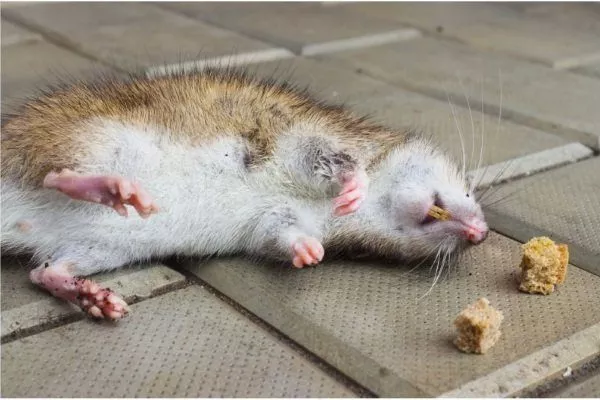
The glue doesn't dry for many days. The fur sticks to it tightly, making it impossible for the animal to escape. The rat may escape, but it will leave some fur behind, sometimes causing serious injuries. This will force the rodent to seek a safer place to live.
Birds can also get caught in these traps, so they should be placed under boxes or crates where chickens can't get in, but rodents can. The prepared box should have several entrances and exits, otherwise the rat will sense danger.
Traditional methods
People have been fighting rats in chicken coops for a long time, and over that time, many effective ways to get rid of these dangerous rodents have been developed. You can use the following folk remedies:
- Carbide. It should be used in its unslaked form. The substance should be soaked in water, placed in burrows, and covered with soil. Upon contact with water, it releases a gas that is lethal to rats.
- Wood ash. Its use is very popular among people. Simply sprinkle the ash around the perimeter of the coop, especially in areas with cracks. Rodents enter the coop at night, ignoring the ash, which subsequently causes skin irritation. While cleaning their fur, rats ingest the powder, which causes an upset stomach. When this happens several times, the rodents begin to look for a new habitat. This remedy does not harm the chickens, but serves as an effective parasite preventative.
- Among herbal remedies, you can use autumn crocus. Mix the crushed plant with seeds at a ratio of 1:10 and place it in the burrows.
- Another effective plant is chilibukha, also known as the vomit nut. Add sugar, raisins, and stearin to its seeds and place the resulting mixture in the burrows. Strychnine, known for its poisonous properties, is obtained from chilibukha.
- A mixture of crushed boiled eggs, gypsum, flour, and sugar is effective against rodents. Place this poison in areas where birds cannot reach it.
- You can spread ordinary burdock on the floor of the chicken coop. The plant doesn't bother the birds, but it sticks to rodent fur, causing discomfort. This method is attractive for its effectiveness and safety. It's a good idea to plant this plant along the walls of the coop. It repels rats, so they don't nest nearby.
- Instead of burdock, you can use black root, also known as rat-killer. This plant also has thorns.
- Rats don't like the smell of burning wool, so you can set it on fire and place it in their holes.
- Rodents are very sensitive to various odors, so elderberry, peppermint, and tansy can be used to repel them. Mint is best placed in piles around the coops, or the oil from this plant can be used to soak rags. Tansy should be placed near burrows, and elderberry should be scattered throughout the coop and burrows. It's best to use roots with young branches, crushed into small pieces.
- Another effective remedy is alabaster and wheat flour. This mixture should be poured into specially designated feeders, with water placed nearby. The rodents will experience indigestion, and the mixture will harden inside, leading to death. These feeders should be placed so that the birds have no access to them.
- You can deal with rodents using vodka. Simply pour a few milliliters of the liquid into a container and crumble some bread into it.
- You can make your own trap. To do this, take a glass jar (at least 3 liters), place bait on the bottom, and grease the inside of the jar with grease. The rat will be lured by the bait, but won't be able to escape.
- There's another option for making a trap. A plastic container of a suitable size works well. Attach bait to the bottom and place it upside down on a sheet of metal. Raise one edge with a stick. The rat will touch it as it crawls into the trap and become trapped inside. The metal sheet is necessary to prevent the rat from digging. The plastic container should be weighted down, as the rat might escape.
Calendar of treatments with folk remedies
- September-October: spreading ash around the perimeter
- November-March: burdock/blackroot renewal
- April: Carbide deposition in discovered burrows
Also watch a video about effective methods for controlling rodents in a chicken coop, used in practice:
Preventing rats from appearing in a chicken coop
An important preventative measure is proper organization and cleanliness of the premises. This includes regularly removing droppings and cleaning feeders. Regular egg collection is also important.
When building a chicken coop, you need to ensure its airtightness. When using hardening building mixtures, add crushed glass. It can also be used when using foam. Rats chew almost anything, and they won't appreciate crushed glass.
The chicken coop should be built on a monolithic foundation. If the building is constructed with supports, it should be lined with metal sheets around the perimeter, buried 0.2-0.3 m into the ground.
If the chicken coop has a dirt floor, remove the top layer, lay down wire mesh, add expanded clay, and then backfill with soil. It's important that the mesh be positioned above the foundation. This prevents undermining.
All cracks in the room should be caulked. This also applies to the joints between the foundation and the walls of the coop. It's effective to have stone walls, even if they're thin.
At the first sign of rats in the chicken coop, appropriate action must be taken. These rodents are dangerous to poultry and humans, and can cause damage to produce and property. Problems can be avoided by taking preventative measures promptly.