
The Tetra hybrid chicken breed boasts not only high egg production but also delicious, lean meat. Many poultry farmers love this chicken breed not only for its high productivity but also for its ease of care and maintenance.
History of the breed's origin
The breed doesn't have a long history, as breeders developed it relatively recently. The exact year of its creation is uncertain, but it is known to have been approximately 40 years ago, although many other chicken breeds were developed over 100 years ago. It originated in Hungary. Breeders sought to cross-breed a variety of chickens to produce a productive hybrid with high egg production and excellent meat.
Scientists have achieved their goal; the Tetra chicken breed is unique. These layers quickly gained well-deserved popularity and can now be found in virtually every country. Thanks to their low maintenance, they are even bred on small farms.
Appearance characteristics
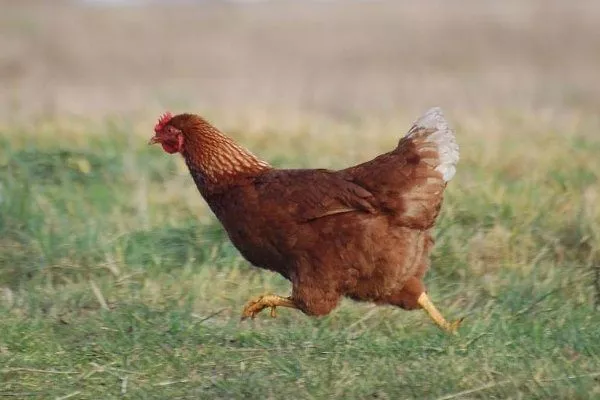
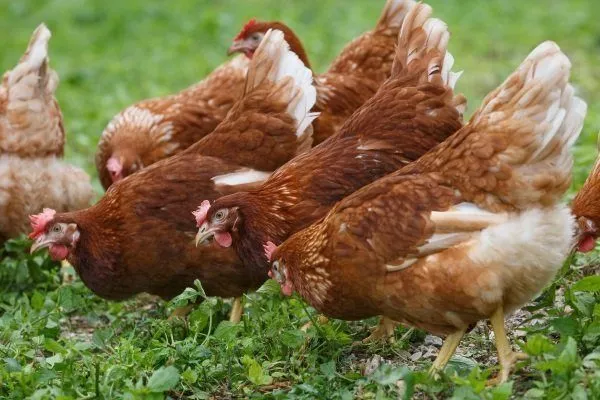
There is nothing special about the birds' appearance, but the main characteristics of the breed can be identified:
- the rooster weighs 3 kg, the laying hen weighs 0.5 kg less;
- the skeletal structure is identical to other chickens, but the body is slightly longer;
- the head is small, the beak is strong, yellowish in color, the comb is straight and erect;
- laying hens have a small belly, while roosters don't have a visible belly at all;
- wings are medium-sized, close to the body;
- The rooster's color is most often red-orange, while the laying hen's is the same, but much paler.
Description of Tetra chickens
Despite their compact build, laying hens amaze many poultry farmers with their productivity, something even the largest purebred chickens cannot boast of.
Meat characteristics
In addition to high productivity, Tetra chickens are known for their delicious and nutritious meat. This characteristic makes them a popular choice for many culinary creations. Because the birds reach their target weight very quickly, poultry farmers profit almost instantly. The hens are muscular, and their meat has a fine-grained texture.
All components of the product are easily absorbed by the body, and some elements speed up the digestion process. The meat contains approximately 10% fat, and much more protein than other chickens. Therefore, this product is considered an excellent source of beneficial nutrients, especially essential for children.
In addition, chicken meat contains vitamin B6, popularly known as a natural antidepressant. Tetra contains more of it than peanuts, beans, broccoli, etc. Chicken meat helps improve metabolism, strengthens the immune system, and helps prevent strokes and heart attacks.
Productivity and weight gain
Tetra chicks grow very quickly, although they are significantly slower than broilers. However, at three months of age, they weigh approximately 1.6 kg. By four and a half months, they weigh over 2 kg. Naturally, their weight increases over time.
Character
These birds have a peaceful, friendly disposition and don't cause any problems for poultry farmers. They are not particularly active, a bit clumsy, and peaceful. Males don't get into fights and behave calmly. However, if one rooster is attacked by another, the male will not stand aside. He will always defend himself and his hens.
There are also overly active and pugnacious roosters; such individuals are immediately slaughtered or simply moved to a separate cage. These birds adore fresh air, love to explore unfamiliar territories, and are always looking for new adventures. Kind and responsive, they don't fight with people and are easygoing.
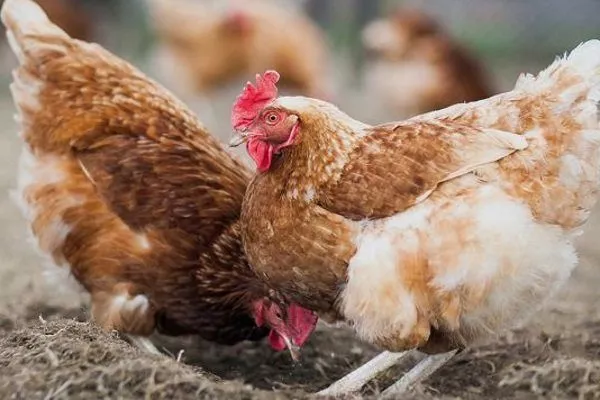
Even though the birds love to explore new places, they won't fly over the fence on their own.
Sexual maturity and egg production
Poultry farmers love to keep birds that start laying early and reach sexual maturity quickly. Tetra chickens are one such breed. They lay their first clutch at 4-5 months of age, although they reach full maturity later. Initially, eggs weigh approximately 50 grams, but they gradually increase in size.
Hybrids sometimes experience delayed sexual development, but this is very rare. This is often caused by improper or inadequate nutrition. It's worth noting that these birds are prone to obesity, and excess weight can lead to delayed laying and late sexual maturity.
As for egg production, its figures truly astound poultry farmers. This small, feathered hen can lay around 300 eggs per year. The shells are light brown. While this isn't a record-breaking figure, it's a significant number, especially considering these hens are bred for both meat and eggs.
The instinct of incubation
Almost all purebred chicken breeds possess maternal instinct, while hybrids and crossbreeds lack it. Unfortunately, the Tetra chicken breed is no exception. Hungarian layers are not good brood hens, except for the very few.
A bird won't sit in a nest and wait for its young to hatch; it simply won't sit in it. Some poultry farmers try to force the hens to sit on the eggs, but this only results in nervousness and subsequent aggressive behavior. There's no need to despair in this case, as an incubator always comes to the rescue. It will solve all the poultry farmer's problems. The specifics of incubating chicken eggs are described in this article.
The most important thing in an incubator is to set the temperature and humidity correctly, then healthy and strong chicks will emerge from the eggs in about 22 days.
If the breeder doesn't plan to breed the birds on a commercial scale, they can use a broody hen of a different breed; she'll happily sit on both her own and other people's eggs. Alternatively, they can simply purchase young birds and avoid the time-consuming task of breeding them.
Features of maintenance and cultivation
Poultry farmers unanimously agree that special conditions are not necessary for keeping chickens. All you need is a comfortable coop or a barn, adequate living conditions, and proper feeding.
Requirements for the poultry house
The first thing to consider is the location of the chicken coop and run. They should be built on a raised platform, at least slightly, to prevent runoff and rainwater from flooding the area.
If you are interested in how to make a chicken coop yourself, then this article is located Here.
The chicken coop should be large enough for all the birds to feel comfortable. For four hens, 1 square meter is sufficient. One colony consists of one rooster and 8-10 hens. The rooster lives with the hens if he is calm and doesn't fight.
The room must be insulated, sealing any cracks and holes. Drafts are harmful to the birds, causing them to become ill and then taking a long time to recover. Maintaining optimal humidity and temperature in the room is crucial. A poultry farmer should be aware that the lower the temperature, the less eggs the birds lay.
Feeders and waterers are placed in the room, and the containers are cleaned and washed regularly. After the birds have eaten, they should be removed from the coop to prevent them from spreading the food throughout the room.
If you need advice on how to make your own chicken feeder, this article is hereAnd there's a post about making drinking bowls yourself. Here.
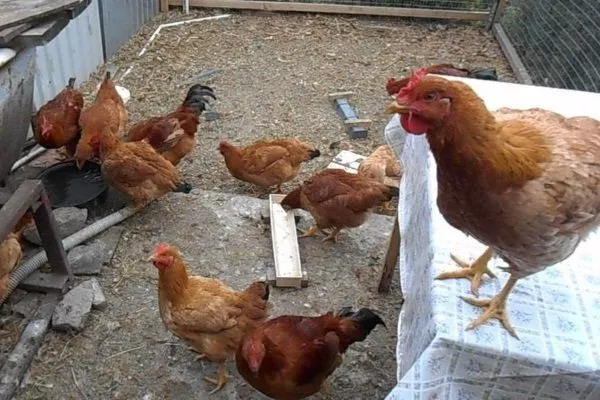
Birds love to roam outdoors, so they need a run. It's built next to the coop and enclosed with mesh on all sides. It's best to install a special canopy over the top, which will not only protect the chickens from bright sunlight and rain but also protect them from wild birds.
Place ash containers outside so the birds can bathe in them, which helps cleanse their feathers of insects and pests. The yard should be located on open ground so that the birds can feed not only on human-brought food but also on food growing on the ground during the summer. Clover or knotweed can be planted in advance.
Feeding
The diet is formulated strictly according to the requirements of hybrid breeds. Chickens require high-protein foods, feeds for rapid growth and digestion, while adult hens prefer foods rich in calcium, without which egg production will clearly decline.
Without proper nutrition, egg production and healthy flock renewal will be difficult. There are no other requirements; the diet is roughly the same as for other chicken breeds. The optimal feeding schedule is three times a day.
Products that should be present in the diet of Tetra chickens:
- Mashup. It includes grains and vegetables. Of the vegetables, you can add any root vegetables. Also, greens and shells have a special place, meat and bone meal, special vitamins and mineral supplements.
- Cereal crops. These include rye, barley, wheat and corn. You can use a special compound feed, sold in any market.
- Fermented milk products and meat waste. They are added to meals or given separately. The run should be stocked with greens and healthy grass, but the poultry farmer should still check the quality of the greens and ensure there are no poisonous or harmful plants in the run.
During the winter, the amount of food they eat should be increased, and their diet can also be improved to ensure their nutritional needs are met. Since fresh greens are unavailable in winter, birds can be fed dry grass or specially prepared hay.
Molting and break in egg production
Molting is a normal and natural phenomenon that doesn't harm birds. Laying hens shed their old feathers for new ones in the fall. This is how the birds respond to the shortening daylight hours.
Tetra chickens are one of the few birds that maintain egg production even during molting. Thanks to this remarkable quality, poultry farmers can expect delicious, large eggs year-round.
There are cases where birds are unable to initiate molting on their own. If this happens, you should consult a veterinarian; they can help you and your bird. Plucking your chicken's feathers yourself is not recommended; you could cause irreparable harm.
The only thing to keep in mind is that during molting, birds need more vitamins and minerals in their diet, especially those containing calcium. Breeders add fish oil and various beneficial supplements to their diet.
Age takes its toll on laying hens, and their productivity declines in their third year. They begin to lay significantly fewer eggs, and their meat becomes less tender and juicy. At this time, it's best to cull the hens rather than keep them. Restocking isn't difficult, and your yard's productivity will always remain high.
Raising chickens
The Tetra hybrid's young are quite resilient. With proper breeding, over 95% of chicks can be saved. Interestingly, the survival rate of adult hens is no less. This quality is considered a significant advantage, as many losses occur only among the chicks.
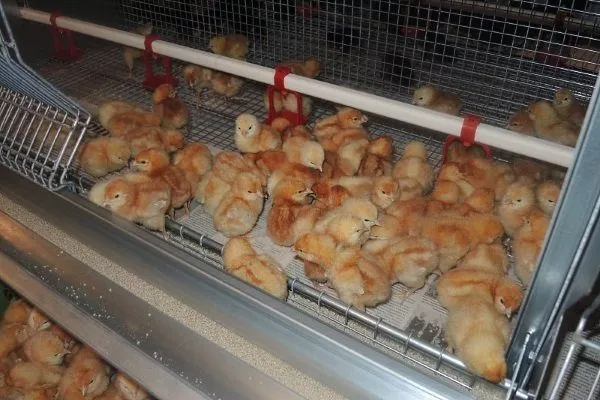
Tetra hybrid chicks are already distinct from each other at birth; even a novice poultry breeder can tell a boy from a girl. Males are white, while females are fawn.
The chicks gain weight very quickly, weighing around 2 kg by the fifth month. During the growth and development period, the chicks' diet must be carefully considered, and it should be carefully tailored to their age. Generally, chicks don't require any special care, but there are some guidelines that should be followed.
Key recommendations for care and feeding:
- Routine is the key to chick survival. Many poultry farmers believe that chicks should be fed every two hours for the first 10 days, then every three hours, then every four hours, and so on, up to three meals a day.
- At first, the chicks are kept in a warm box, then released into a specially designed coop (this can be a small, separate pen). The smallest ones are kept in cardboard boxes, with additional lighting and heating.
The chicks' behavior should be monitored. If the room temperature is too high, they will constantly drink water, eat little, and spend most of their time lying down. If the temperature is too low, the chicks will begin to warm themselves against each other. In this case, the stronger ones may injure or even crush the weaker ones. - Fermented milk products and yeast are added to the menu. These products will strengthen the immune system and provide protein and calcium.
- A huge amount of fresh herbs is a must.
- ✓ The temperature in the first days of the chicks’ life should not be lower than 30°C, with a gradual decrease of 2°C every week.
- ✓ Humidity in the chicken room should be maintained at 60-70% to prevent dehydration.
Analogues
Tetra chicken hybrids are unique, but even they have a similar breed. Breeders believe it's the Master Grey, also developed in Hungary. Their production rates are nearly identical, but Master Greys lay more than 300 eggs per year, meaning they boast superior productivity.
Their meat deserves special attention; it's tender and delicious, truly considered a great achievement in poultry farming. Layers weigh at least 4 kg, and roosters can reach over 6 kg.
Advantages and disadvantages
Tetra chicken hybrids have both advantages and disadvantages, and these nuances must be taken into account when breeding them.
Advantages of Tetra hybrids:
- high egg production;
- ease of care;
- undemanding in special food;
- cheap chickens;
- relatively calm character;
- the meat is tender, dietary and juicy.
Disadvantages of Tetra hybrids:
- lost maternal instinct;
- Some roosters are too pugnacious.
Frequent illnesses
Purebred birds often have strong immunity, while hybrids and crossbreds can become ill and die. But Tetra chickens are an exception. Excellent immunity is a distinct advantage of these birds. Layers rarely get sick; the key is to follow basic care and maintenance guidelines and implement preventative measures.
The most common pest in poultry is insects. These can be prevented by regular treatment, prophylactic use of parasite control products, and regular inspections.
- ✓ Bright, even comb without pale spots.
- ✓ Active behavior and good appetite.
- ✓ Clean, shiny feathers with no signs of loss.
The main signs of sick birds are: poor appetite or complete refusal to eat, feather loss, constant drowsiness or excessive activity, changes in the color of droppings, and decreased egg production.
Farmer reviews of the Tetra breed
Tetra hybrid chickens are versatile poultry. A hen can lay 300 eggs per year, and the meat is tasty and nutritious. These birds require little care, making them suitable for both beginner and experienced poultry farmers.