
The New Hampshire chicken breed is one of the most popular. This breed is bred for both meat and eggs and boasts high productivity rates. Its advantages include its low maintenance and ability to be kept in less favorable conditions. These birds have a fairly meaty build, lay eggs that are neither too large nor too small, and have developed strong immune systems.
Historical information about the breed
The breed got its name from the place where it was developed. In New Hampshire, scientists were developing a unique type of chicken. The birds needed to be meaty enough, produce a large number of eggs, and be able to fully mature quickly. The offspring needed to survive well, and the adults needed to gain weight quickly.
And all the goals were fully achieved—at the beginning of the last century, the New Hampshire breed of birds was developed. The species quickly became popular and in demand.
Appearance
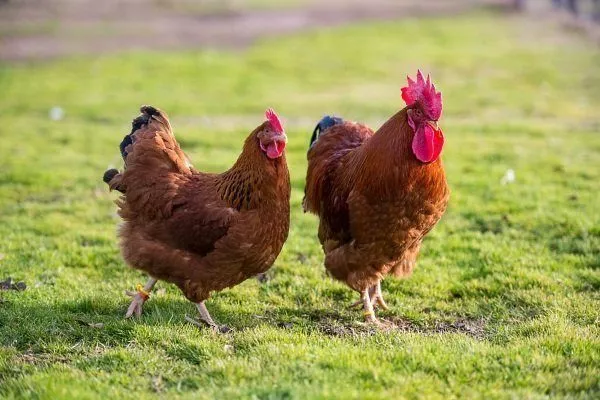
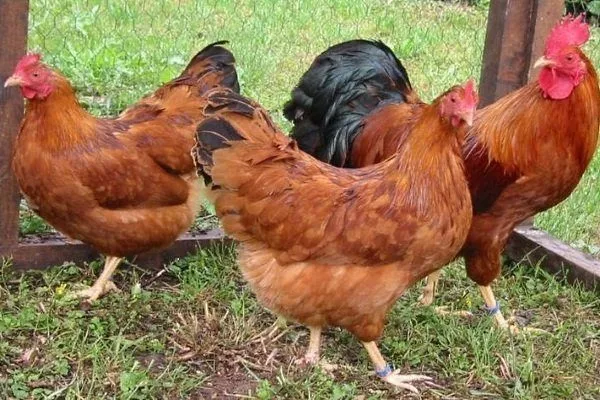
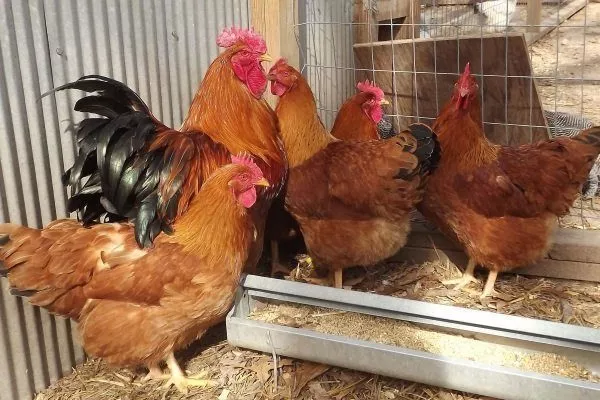
New Hampshire chickens are simply unmistakable among other breeds and will never go unnoticed in the poultry house. The vibrant coloring characteristic of this breed is particularly striking. New Hampshire chickens have plumage a rich, vibrant red hue, while males have a bushy tail and feathers with a striking dark green sheen.
The comb is red, and the head is not very large. Roosters have a slightly larger comb than hens. Luxuriant plumage covers the entire body, the feathers are dense in texture and shimmer beautifully in the light. The body is well developed, the limbs are strong, and the chest is broad. The paws are yellow, the legs are long, and the tail is not too long.
The chicks are no less striking in appearance. Their distinctive coloring allows one to identify the bird's sex. Males have white down on their wings, while the female's body is covered entirely in brown feathers, with white stripes throughout their body. The chicks mature quickly, and their coloring gradually changes, eventually acquiring a rich reddish-brown plumage.
Characteristics of New Hampshire Chickens
Roosters are not prone to fighting, they treat hens with care, and not only notice but also warn of possible danger.
One of the characteristic traits of this breed is intense curiosity. If a bird is truly interested in something, it will begin to actively run around the yard, but will not attempt to fly.
Chickens don't like to lay eggs in places specifically designed for this purpose. They often search for another, more secluded and quiet spot. If they show signs of incubation, they do so with great pleasure, and you can also place eggs from other breeds of birds in their nest.
Character
New Hampshire chickens have a calm disposition, making them suitable for both coop and cage housing. This setup is often used on large poultry farms. If the birds are raised privately, it's best to provide comfortable conditions.
They are not prone to fighting; they are very friendly, non-confrontational, and can be tamed. Due to their intense curiosity, care must be taken to ensure the safety of their habitat. Their intense curiosity can lead to injury.
Puberty and laying
The egg-laying period begins early, which was one of the main goals of breeders. New Hampshire chickens reach full sexual maturity at approximately six months of age. However, during this period, egg-laying only begins, not the developmental processes. Hens continue to grow actively until they reach one year of age.
A single hen can produce approximately 200 eggs over 12 months. This figure is influenced by many factors, including the bird's diet and how well it is cared for. The eggs have brown shells and weigh approximately 60 g.
One of the advantages of New Hampshire chickens is that they can continue laying eggs even during the cold season.
The instinct of incubation
Breeders made great efforts to ensure that the birds retained their maternal instincts. But they were unable to fully achieve their goal. As a result, the New Hampshire breed was developed, whose birds developed a weakened maternal instinct.
However, there are some laying hens that have a strong maternal instinct and can hatch their chicks on their own.
Productivity
New Hampshire chickens are raised not only for eggs but also for meat production. The primary focus is on weight gain. Work is ongoing to achieve the ideal balance between muscle mass and egg production.
Birds of this breed are characterized by rapid growth and weight gain, making them suitable for use as roasters or broilers. Live bird weight can vary, but according to current standards, a henches weigh approximately 3-3.5 kg, and a rooster 3.5-4.5 kg.
Dynamics of egg production
Over the course of two years, the productivity of the birds gradually increases, but after this period, a decline occurs - per year, one laying hen begins to produce about 130-145 eggs.
Keep this in mind when planning your planned chicken replacements in advance. If you do this gradually, you can renew your flock in a timely manner while maintaining egg production.
Meat characteristics
These birds are genetically predisposed to rapid growth and can reach a weight of 3 kg in a relatively short period of time. New Hampshire chickens are often raised for meat production, as they have excellent survival rates—approximately 85% for chicks and 90% for adults.
Advantages and disadvantages
Advantages of New Hampshire chickens:
- Birds are not demanding in terms of care, so there is no need to specially select a diet or create specific conditions;
- high performance;
- Chickens can be raised for both meat and eggs.
The breed also has certain disadvantages:
- weak brooding instinct;
- With the onset of cold weather, a tendency to catch colds appears.
Content Features
One of the main advantages of New Hampshire chickens is their low maintenance requirements. Therefore, setting up a coop doesn't require expensive equipment. Knowing a few basic maintenance tips is sufficient.
If you need advice on how to build a chicken coop yourself, you will find the article located here useful. Here.
Chicken coop requirements
When setting up a chicken coop, you should consider the following tips:
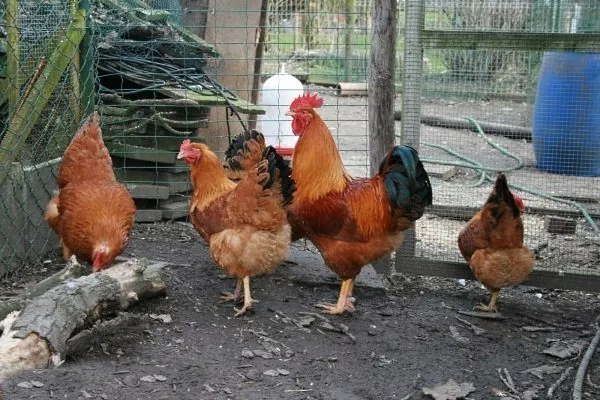
- The chicken coop should have a wooden floor. It should be covered with a layer of dried hay or sawdust. In winter, the bedding should be thicker.
- Before placing birds in the coop, disinfect it with slaked lime. Regular sanitization is essential.
- For preventative hygiene, it's necessary to add a basin filled with ash. By bathing in ash, birds remove parasites that may be present in their feathers.
- Building perches is not recommended. A great option is to install nests directly on the floor.
- It's important that the waterers aren't too big. For information on making your own waterer, seehere.
- Don't forget about good ventilation in the room, but don't allow drafts.
Walking yard
New Hampshire chickens require a place to roam regularly. They enjoy exercise and forage for additional food during their walks, such as small insects or grass. A high fence is not necessary, as the birds do not attempt to fly.
Feeders and drinkers
A chicken coop must be equipped with waterers and feeders. You can learn how to make your own feeder here.Here.
Always ensure your birds have clean water and food. Don't allow debris to accumulate in their water bowls or algae to form, as this can lead to the development of various diseases.
For young birds aged two months or older, offer purified or boiled water. Also, disinfect their feeders and waterers at least once every 7-10 days.
How do they tolerate cold and heat?
The breed is considered hardy, easily withstanding adverse weather conditions. It has good tolerance to sudden temperature changes.
If birds are exposed to very low temperatures, there's a risk of severe frostbite. Therefore, it's important to ensure adequate heating for the coop in winter.
How to care for the breed?
New Hampshire chickens are undemanding when it comes to housing, and have a quiet, even-tempered, and friendly nature. They can be kept in both spacious rooms and cages. However, it's important to cover the cage floor with a layer of sand, which should be changed periodically. This will help prevent excessive humidity.
It's essential to clean the chicken coop regularly and prevent dampness and drafts. Failure to do so could result in your chicken catching a cold. It's recommended to disinfect the area as frequently as possible using laundry soap and boiling water.
Nutrition
New Hampshire chickens don't require any special diet or feed. A balanced diet is sufficient, as it affects not only the well-being but also the productivity of the flock.
When feeding, it is worth giving preference to protein foods, and the diet should also include:
- During their walks, chickens gather fresh grass on their own. In winter, dried grass can be introduced, harvested in the summer.
- Vegetables supply birds with fiber and vitamins.
- Compound feed, but can be replaced with a mixture of similar composition.
During the winter, hens continue laying eggs, so it's recommended to increase their ration by 10%. Avoid overfeeding, as this can lead to obesity, as proper exercise is not available during the winter.
Molting and break in egg production
Despite the breed's high productivity, a brief pause in egg laying may occur during molting. This shouldn't be a cause for panic, as the bird needs additional support at this time.
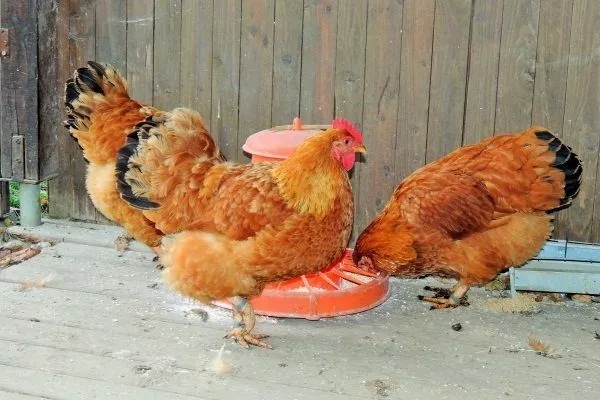
Molting is an important and natural process during which birds shed old feathers and begin growing new ones. This period occurs in late autumn and winter, triggered by shorter daylight hours.
To help New Hampshire chickens cope with molting, it's recommended to provide proper and nutritious nutrition and a clean and warm coop. Once the molt is complete, productivity levels return to normal.
Planned replacement of the herd
To maintain high egg production, periodic replacement of the flock is necessary. For the New Hampshire variety, this period is two years from the first clutch. By the third year, production gradually declines to 130-150 eggs. Eventually, egg laying ceases completely.
To maintain all breed standards, replacing the rooster every four years will help. It is recommended to purchase from other breeders.
Breeding
Proper incubation will ensure healthy offspring. It's crucial to know not only how to properly care for New Hampshire chickens but also the specifics of feeding the young.
Incubation
Even in cases where a broody hen is not available, incubators can be used to hatch the eggs. Only high-quality eggs from well-developed hens should be used. The eggs are placed in the incubator, where they are maintained at an optimal temperature and humidity level, turning the eggs periodically.
- ✓ The temperature in the incubator should be maintained at 37.5-37.8°C for the first 18 days, then reduced to 37.2°C.
- ✓ Humidity should be 50-55% for the first 18 days, then increase to 65-70% in the last days of incubation.
It is recommended to opt for an automatic incubator, which will cope with the task perfectly. If the following conditions are met: rules of the incubation process, then 100% hatchability can be achieved. However, the eggs must be from healthy breeding birds.
Caring for chickens
Place the chicks in a clean, pre-washed room or box lined with a layer of paper. It's important to keep the area clean and dry, avoid drafts, and keep the feeder and waterer clean. Avoid overcrowding, as this can cause the young to suffer from lack of space or malnutrition.
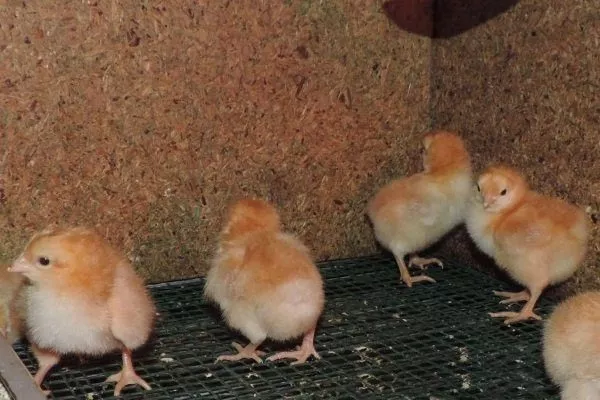
In too cramped conditions, dampness increases, which provokes the development of various chicken diseases and the death of chicks. Initially, the temperature should be maintained at 30 degrees Celsius. When the chicks reach 14 days of age, it can be reduced to 22 degrees Celsius. Humidity should be maintained between 67-72%.
If the chicks are in comfortable conditions, they behave actively and consume food well.
- ✓ Activity and good appetite are the first signs of health.
- ✓ The absence of ruffled feathers and clear eyes are markers of the absence of diseases.
Diet
New Hampshire storks should be fed fresh greens, hard-boiled eggs, low-fat cottage cheese, grains, and yeast. Corn can be added to their diet after they reach two months of age. They also need protein, which they get from worms and beetles while out for walks.
At a young age, birds need bone and meat and bone meal and eggshells, as these foods provide the body with the necessary amount of calcium. It's also important to change the water for fresh water every day.
Food must contain proteins of both animal and plant origin.
Raising chickens for sale
Thanks to the high survival rate, you can raise New Hampshire chicks for sale. Just make sure you provide optimal hatching conditions. An incubator is ideal, but only use large eggs from well-fed hens.
Chicks should be fed boiled eggs, mashed until they become a mushy mass. When the chicks reach 30 days of age, they should be transferred to compound feedWith proper care and maintenance, the weight of 1.5 month old chicks should be about 1 kg.
Transportation can be carried out in cardboard boxes, maintaining the correct temperature conditions.
Diseases
The most serious problem for New Hampshire chickens is their susceptibility to colds. Therefore, drafts in the coop should be avoided. When cold weather sets in, additional heating is required.
Chickens can also be susceptible to infectious diseases. If any suspected illness is detected, the bird must be isolated immediately. Failure to follow this advice could lead to an epidemic within the flock.
Profitability of breeding
Breeding birds for business purposes is an interesting and profitable venture today. Both chicken meat and high-quality eggs are always in high demand. Before starting your own business, you must first define your goal, then select a specific bird breed.
New Hampshire chickens are the ideal choice, as they produce high-quality eggs and meat. This breed was specifically developed for this purpose.
Product sales
There will always be demand for high-quality meat, but the supply is constantly growing. It's important to plan ahead for where to sell your finished products. Initially, you can sell meat and eggs at local markets.
If you plan to work with large stores, you'll need to obtain quality certificates and relevant documentation. Having proof of the high quality and authenticity of your product will increase your credibility with potential buyers.
Similar breeds
The parent of the New Hampshire breed is Rhode Island, which is what gave the birds their distinctive red plumage. There are virtually no differences between the two species.
In the 1920s, a new breed, based on New Hampshire, was developed and named "Christie." These birds have lighter plumage and are larger in size. They also turned out to be much more graceful and active.
In the 1940s, breeder Clarence Newcomer developed a breed with higher egg production and richer plumage. The breed was named in his honor. However, it's difficult to find this breed today, as only a small number of individuals were produced.
Poultry farmers' reviews of the New Hampshire breed
New Hampshires have become a popular poultry breed, sought after by both professional and novice farmers. The breed boasts high egg production and excellent meat flavor. These birds are distinguished by their attractive appearance and beautiful plumage. These birds are often bred specifically for show.