
The Cornish breed is one of the most popular and beloved chickens among farmers. It is prized for its excellent meat quality and the rapid growth of its young.
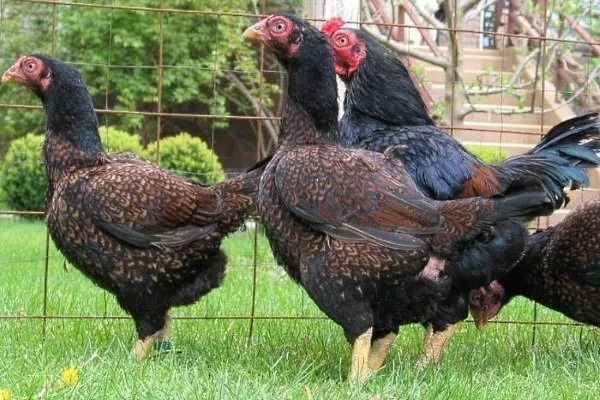
Black Cornish chicken
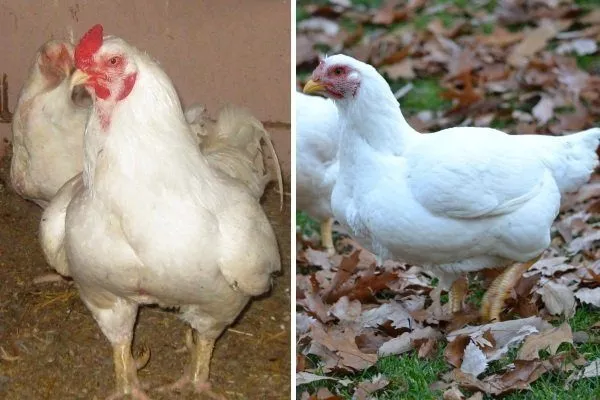
White Cornish rooster and hen
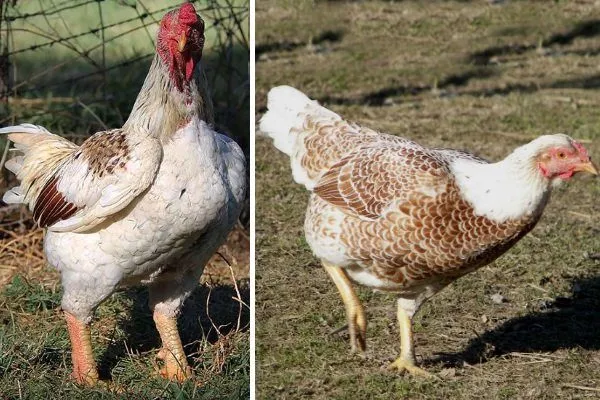
White Lace Red Cornish
History of the breed's origin
The Cornish breed is also known as the Indian Game. Originating in England, it was bred by W.R. Gilbert. It emerged from the then-popular sport of cockfighting. In the early 19th century, Gilbert decided to develop a new breed of fowl, crossing Game chickens with the Asil breed. From their parents, the Cornish inherited speed and strength. The breed quickly gained the interest of English nobility and ordinary farmers.
By the end of the 19th century, it had changed slightly and lost its fighting qualities. However, other advantages were discovered in the Cornish, leading to continued development by breeders in Cornwall and Devonshire, England.
In 1895, the English Cornish chicken breed was recognized by the American Poultry Association, its characteristics were confirmed, and it became the standard. At the time, the breed was called "Indian Game," but breeders realized this didn't reflect the chicken's characteristics, so they renamed it "Cornish," which translates as "inhabitant of Cornwall."
However, its ancient roots remain undeniable: the breed's appearance and character reveal fighting traits. After English farmers lost interest in the chickens, demand for the breed was long elusive.
In the 19th and 20th centuries, Cornish hens were considered very demanding in terms of care and feeding, had low egg production, and grew slowly. Breeding the breed was hampered by the large size of the cockerels. Their thin eggshells made breeding difficult.
Despite this, breeding efforts continued, and scientists succeeded in developing a chicken breed that would impress everyone with its performance. They succeeded: Cornish chickens grew rapidly and produced large quantities of delicious, fresh meat, but egg production remained minimal.
Description of Cornish chickens
Cornish Beauties are attractive and difficult to confuse with other breeds. Let's look at the key characteristics unique to the Cornish.
Appearance
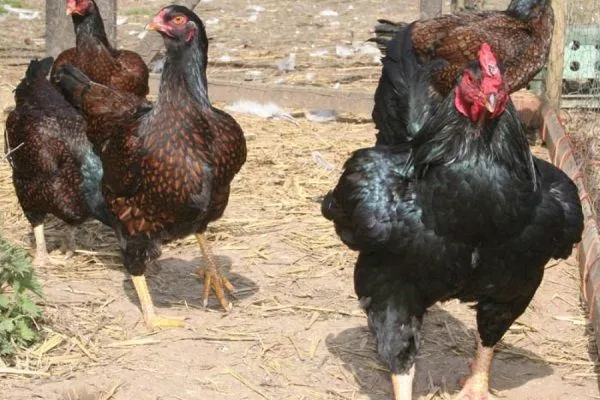
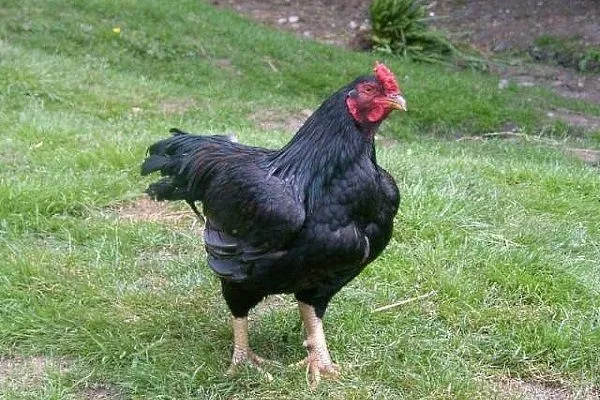
When looking at a broody hen, the first thing you notice is her large, well-defined body. Her chest is massive, with prominent hips and a broad back. Her body is low. Her legs are set wide apart, and her shins are thick and muscular. Her beak, like her legs, is yellow.
The chicken's head is medium-sized. The strong forehead is adorned with a small, pod-shaped comb, often red. The wattles, ears, and skin are also red. Feathers come in a variety of colors, the most common being black and white. Fawn, brown, and red feathers are also common in the wild. Males weigh approximately 4 kg, while females weigh 3.5 kg.
For an overview of the Cornish breed, watch the following video:
Temperament
Breeders wanted to create a hen with a true fighting spirit, but they ended up creating a hen with a calm and docile disposition. The hens are not prone to fights or squabbles. The cockerels are calm and reasonable, but in an emergency, they are ready to fight and protect their family.
Aggressiveness, pugnacity, and vocality are traits that were lost during the breeding process. Therefore, modern Cornish chickens present no difficulties or problems for owners.
Productivity
The Cornish breed was initially developed not only for cockfighting but also to improve meat quality. This product is considered a dietary product. The birds gain weight very quickly, reaching 2 kg by two months of age. In addition to these positive characteristics, these domesticated birds are noted for their late sexual maturity. Cornish are generally considered a meat breed.
Sexual maturity and egg production
Cornish hens, like other meat breeds, don't mature quickly. However, they are known for their rapid growth and weight gain, making them valuable to poultry farmers. A female lays her first egg at 7-9 months of age. This makes breeding Cornish hens quite challenging.
Peak egg production occurs in the second or third year of life. A single hen can produce an average of 140 eggs. The highest recorded egg production was 176. Each egg weighs approximately 60 g and ranges in color from white to cream.
The instinct of incubation
Laying hens have a maternal instinct. If a poultry owner approaches the breeding process wisely, the hens will be able to hatch healthy and strong young. The breeding process itself is not simple.
The chicks are large, and not all eggs are fertilized and ready for brooding. The hens become very nervous and sensitive as soon as brooding time arrives—the slightest noise frightens them. The hens' weight poses a danger; she could accidentally break her brood.
Conditions of detention
Cornish geese don't require any special living conditions; they can be kept in cages or free-ranging. The most important requirement is sufficient space to roam, as Cornish geese are large and require a large area to roam freely.
Nutrition
The diet must be chosen wisely, because birds tend to overeat.
Chicken diet
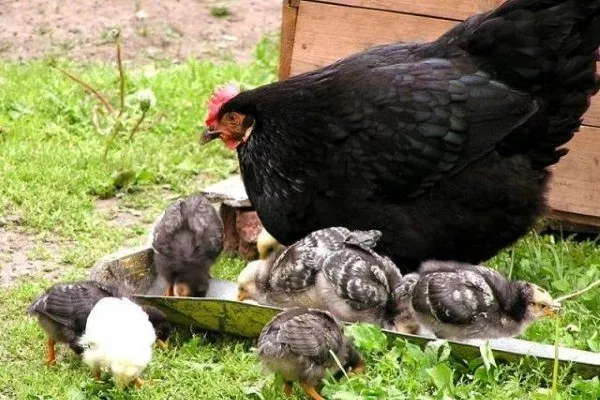
The diet of young birds should contain all the same components as that of adult birds, but special attention should be paid to the vitamins and minerals needed by chicks. Protein foods are especially important. If chicks gain weight rapidly, they should be placed on a diet. Chicks should always have a water bowl filled with water.
Diet of adult chickens
If the poultry farmer does not plan to slaughter, then the young animals are transferred to an adult diet at the age of 2 months.
Foods that can be fed to Cornish chickens:
- Food with a high amount of vegetable protein. It should form the basis of the diet. Mixtures for growing broilers are used. You can also make your own ready-made grain mixture.
- Wet mashes. They are given to the birds in the morning. They are digested immediately, so the hens will need to be fed again shortly afterward. During the day, the hens have the opportunity to fortify themselves by free-ranging, and feeding this dish for dinner is not advisable. The birds will quickly become hungry and will have a poor night's sleep.
- Diet. Excess weight is a reason to gradually reduce the amount of food or change the diet. Hens lose weight best on fresh vegetables and greens. These products can replace all grain mixtures.
- Special menu before egg laying. During this period, the amount of nutritional supplements is increased, as they are a source of calcium. The menu should be filled with protein, which promotes egg formation.
Reproduction
The patience and hard work of breeders have paid off; today, a single hen can produce around 150 eggs. Previously, the shell strength was very weak; now it has become thicker and stronger. The challenges of raising chickens have significantly decreased. Experienced poultry farmers hatch their young in special incubators to avoid various hazards.
Read the article about features of incubation of chicken eggs.
The hatchability rate in an incubator is approximately 70%. Problems with egg fertilization persist. Some poultry farms make one major mistake: they neglect to address obesity in their birds, instead overfeeding them. This practice leads to excess weight, which makes breeding more difficult.
The amount of fat layers can interfere with the cloaca, where the eggs are laid.
Cornish hens have a strong maternal instinct and sit on their eggs for a long time, but any interference from humans or other animals can frighten them.
Hens try to protect their eggs from human or predators, which often leads to them breaking them. English hens produce eggs of varying sizes and colors, depending on the specific Cornish breed. To prevent the hens from crushing them with their weight, the eggs are placed under hens of a lighter breed. This helps improve hatchability and makes future care of the young easier.
The hen ensures the chicks maintain the correct temperature by sheltering them under her wings. The poultry farmer's main task is to provide the hen with tasty feed and create a cozy and comfortable environment.
Caged Contents
Birds are often kept behind cages on poultry farms. Birds kept this way rarely get sick because they live in a clean environment and have no chance of contracting deadly viruses and bacteria. This is the main advantage of cage housing.
But chickens can't go outdoors; they're completely deprived of physical activity, and meat-producing birds have a slow metabolism. They often overeat, causing the birds to gain fat, develop internal organ problems, and stop laying eggs. The birds fall on their feet, which often leads to the death of Cornish breeds.
Carcasses kept in cages are of no importance because their taste qualities lose their value.
Floor-and-walk method of keeping
This method of keeping birds is the best. Fresh air and an active lifestyle contribute to the birds' health and full development. The meat's flavor becomes more pronounced and vibrant.
Comfortable bird breeding is ensured by several rules:
- The temperature in the chicken coop should not drop below -15 degrees Celsius. There should be no drafts in the room where the chickens live.
- Adults quickly adapt to the cold and new living conditions, but they are too sensitive to sudden changes in temperature.
- Broody hens will only feel safe if their nests are located away from human eyes. Under stress, the birds may crush their eggs.
- Perches and perches should not be installed too high above the floor. Heavy weight and low feet can pose a risk of injury to birds from falling.
- In the yard, be sure to dig a hole and fill it with sand and ash. This small bath will help the birds get rid of the fleas that live in their feathers.
When walking, representatives of the English breed of chickens dig the ground with their paws, thus wearing down their claws, the long length of which causes them discomfort.
Peculiarities of keeping chicks
Young chicks require special care in the first few days after birth. It takes longer for chicks to feather than other species, appearing gradually over the course of 1.5 to 2 weeks. On cold days, the chicks hide under their mother's wings; if she doesn't take all the chicks, they begin to huddle together. Strong, healthy individuals crush or injure the young ones.
- ✓ Maintaining the temperature at +28 degrees Celsius during the first days of the chicks’ life.
- ✓ Using an infrared lamp for heating in the evening.
- ✓ Providing access to fresh air to accelerate growth and development.
To prevent hypothermia and a decrease in chick numbers, maintain the temperature at 28 degrees Celsius. This isn't a problem during the day, but in the evening, it's best to use a special infrared lamp placed under the ceiling. Allowing chicks to walk outdoors is beneficial for their development and accelerated growth.
How do chickens cope with the winter cold?
Frost, wind, drafts, and sudden temperature changes—all these factors negatively impact the well-being of birds. Young birds take a very long time to develop feathers, so cold poses a significant risk to them, leading to death.
In winter, the room where the birds live must be heated. The temperature should not fall below 5 degrees Celsius, but even this is considered highly undesirable.
Prevention and treatment of obesity
Excess weight in chickens can have various consequences. The meat becomes less tender and fatty. To reduce fat, it's important to weigh the birds regularly and ensure their weight is appropriate for their age. For example, at 3 months, the weight should be around 1.7 kg, at 4 months – 2-2.1 kg, and at 5 months – 2.3-2.4 kg.
If birds are significantly overweight, they are placed on a special low-calorie diet. The diet for losing weight includes fresh greens, corn, beans, and any legumes. All grains should be eliminated. Mineral and vitamin supplements are added to the diet. Plenty of drinking water is essential during weight loss. Cereals should be avoided.
Advantages and disadvantages of the breed
Chickens of English origin, like all other birds, have both advantages and disadvantages.
Advantages of the Cornish breed:
- rapid weight gain;
- active growth;
- tasty and nutritious meat;
- Cornish roosters act as parents for the creation of other breeds of chickens;
- not very picky about living conditions and diet.
Disadvantages of the Cornish breed:
- low egg production;
- low hatchability rates;
- risk of becoming overweight;
- prolonged plumage in young animals;
- The longer a chicken lives, the worse the quality of its meat becomes.
Cornish hens are highly intelligent: they can remember approximately a hundred distinctive characteristics of both other birds and people. If a person offends a hen even once, they will never regain her trust. A hen remembers everyone who feeds and cares for her, treating them with immense care and love.
Poultry farmers' reviews of Cornish chickens
Cornish chickens came to our region from England and quickly became a favorite among farmers. With proper care and husbandry, poultry farmers can produce excellent poultry meat without spending a lot of time and effort.