
Hy-Line hybrid chickens are highly sought after by poultry farmers. These birds are renowned for their calm and placid nature, strong immune system, high productivity, and excellent vitality.
Historical information about the cross
The Hy-Line cross is an egg-laying cross developed by the US breeding company Hy-Line International. Through their work, scientists were able to create several subspecies of the chicken: Hy-Line Brown, Silver Brown, and Dormouse. All of them differ in plumage and eggshell color.
High Line individuals are popular in Western Europe and South America, and can also be found in Asia and the Middle East.
Bird exterior
Hy-Line birds are not easy to distinguish from other chickens, but they do have a certain standard.
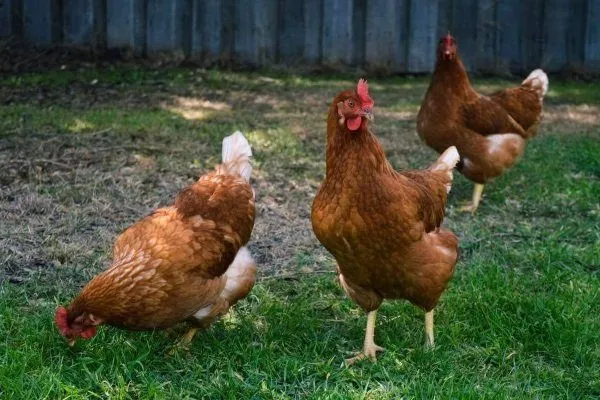
The main characteristics of Hy-Line chickens:
- the body is small, narrow, slightly elongated, triangular in shape;
- the head is small, the neck is strong;
- the comb is pinkish in color and has pointed teeth;
- small oval-shaped earrings;
- the comb is darker than the skin on the face;
- yellow eyes;
- wings fit tightly to the body, developed;
- the tail is small, fluffy and carried high;
- The plumage is dense, white or brown in color.
Characteristics of High-Line chickens
High Line individuals are small birds with a thin build; a laying hen reaches a weight of 1.8 kg, and a rooster does not gain more than 2.5 kg.
Character
High Line individuals will not cause any trouble to their owner; they have an excellent, calm character.
These birds are very quiet and peaceful, and won't provoke other birds into fights or conflicts. They boast excellent stress tolerance and are very difficult to anger. Males are also good companions; they court the "girls," protect them, stand up for them, and try to help them avoid any danger.
Representatives of the High Line cross behave phlegmatically; they show little interest in the outside world, seeming constantly to be thinking about something and resolving their own personal dilemmas. These birds are fascinating to watch. They cope well with all the hardships and trials of life.
Puberty and egg production
Crosses with an average rate of sexual maturity, starting to lay eggs at the age of six months.
Often, there are no delays. If hens begin laying eggs later than six months, there's one reason: an improper diet. Overfeeding or underfeeding usually negatively affects hens, and natural processes stop or don't proceed as nature intended.
The instinct of incubation
Purebred chicken breeds possess a maternal instinct, while crossbreds and hybrids have lost this through selective breeding. The High Line cross is no exception; the hens lack the brooding instinct, but this is more of an advantage than a disadvantage.
The incubation process forces hens to sit on their eggs for a long time, preventing them from laying eggs during this period. Their egg production, however, is truly record-breaking.
Keeping Hy-Line chickens is considered profitable because the hen can work without being distracted by the "mother" work, which today a poultry farmer can entrust to either another hen or an incubator. The specifics of incubating chicken eggs are described. hereBut remember that the offspring of the cross will have significantly lower egg production, etc., than their parents.
Productive qualities
As for weight gain, it's very slow and minimal. Adult hens reach 1.8 kg, while roosters weigh 0.5 kg more.
Average annual egg production
It's no wonder the High Line cross is considered an egg breed, with individuals occupying a leading position in this regard. A female can lay over 300 eggs in a single year, with the record being 340. This depends entirely on the birds' diet. The egg weight varies around 65 g. The shell is white, unblemished.
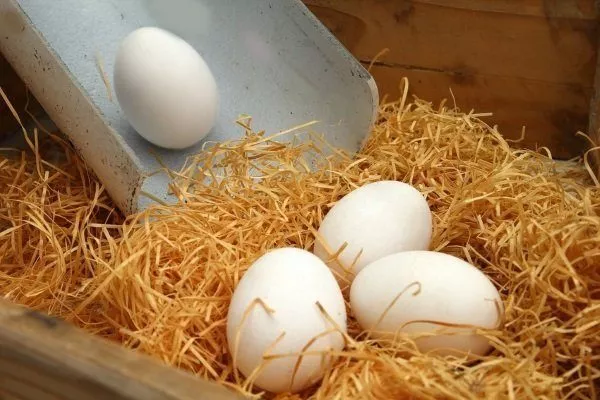
At first, after the start of egg-laying, the eggs are small, but after a couple of months they become larger, and such eggs can be used for incubation in the future.
Pros and cons of cross-country skiing
High Line hybrids have their own advantages and disadvantages, which must be taken into account when breeding birds.
Advantages:
- high productivity;
- undemanding in care;
- standard diet, without any special “dishes”;
- quick adaptability to a new environment.
Flaws:
- lack of maternal instinct;
- During a short period of high egg production, in order to prevent this disadvantage from occurring, it is necessary to think about replacing the livestock in a timely manner.
Conditions of detention
Their main advantage is that they are unpretentious and can thrive in any conditions. For comfortable living, poultry farmers equip the coop with ventilation. While they tolerate low temperatures well, their ideal temperature range is between 10 and 26 degrees Celsius.
- ✓ The optimal temperature in the chicken coop should be maintained in the range of +10…+26 degrees Celsius for maximum productivity.
- ✓ Humidity in the room should not exceed 65% to prevent respiratory diseases.
If winters in the region are too cold, then a heater will have to be installed in the room; in other cases, the chicken coop is insulated, whitewashed, and regularly treated.
Chicken coop requirements
To properly keep chickens, it is important to adhere to simple requirements for setting up a chicken coop:
- To maintain egg production, lighting is installed in the room. Daylight hours should be approximately 14 hours. In summer, south-facing windows help, and in winter, additional lighting is needed. Infrared lamps can be purchased and installed; they not only illuminate the area but also provide heat.
- Chickens are kept on warm bedding made of peat, sawdust, or straw. The first option is preferable, as this material releases heat when in contact with the droppings. Even if it's bitterly cold outside, the temperature inside the coop will never drop below 10 degrees Celsius.
- Nests are essential; they should be placed in the back of the room, near the far wall. The location should be dark and impassable. One box per three females. It's a good idea to arrange them in a ladder-like pattern, one above the other. How to build your own nests is described in this article.
- For roosting, birds require perches, the standard requirements being a beam diameter of 4 cm. Perches are placed at a height of 1 m. Each female requires 0.35 m of perch space.
- Containers for water and food are placed on the floor and washed every day.
- It's important to keep the bedding clean, turning it over and changing it periodically. During this time, clean the walls, floor, and ceiling.
- Bird droppings contain a small amount of ammonia, which has a detrimental effect on their respiratory system and gastrointestinal tract. To avoid this, a high-quality ventilation system should be installed.
- Humidity in the room should be maintained at around 65%. When the birds are outside, the shed should be opened and ventilated.
How to build a suitable chicken coop yourself is described in detail Here.
A small aviary is sufficient, rather than a large yard for a walk. During warmer months, the birds should be kept outdoors. The yard should be stocked with plenty of grass for the birds to chew on. Ash containers are also provided for the birds to bathe in and clean their feathers of insects.
The animals are only released into the fresh air when temperatures are above -7 degrees Celsius. Long walks in the cold can cause frostbite on their paws and combs.
High Line Diet
At specialized poultry farms, laying hens are fed feed with vitamins and minerals, which contain all the necessary components for chickens. feeding laying hensIt turns out a little differently, but the diet should be balanced in any case.
You can introduce various supplements into your birds' diet on your own farm. Another advantage of this cross is the low feed consumption per bird (approximately 100 g of grain per day). Furthermore, this amount remains constant throughout the year and throughout their needs.
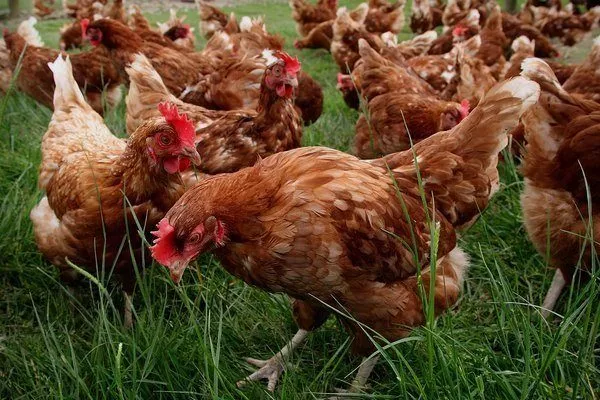
Hy-Line chicken diet:
- Ground or whole grain. Excellent options include corn, oats, wheat, rye, and barley. In winter, feed your birds sprouted grains for a beneficial mineral supplement.
- Beans: soybeans, lentils and peas.
- Fresh or dried herb: nettle, alfalfa, dandelions, vegetable tops, plantain.
- Wet mashes, including vegetables cooked in meat or vegetable broth.
- Boiled vegetables: beets, zucchini, pumpkin and cabbage leaves.
Add chalk, eggshells, yeast to the diet of laying hens, bone and meat and bone mealCrosses, especially egg-laying ones, require a large amount of calcium and vitamins.
Raising chickens
Basics of Raising Chickens:
- Chickens at the age of 1 day are placed in special brooder A thermostatically controlled cage is provided. Sawdust bedding is placed on the bottom and must be changed regularly. The babies are kept under 24-hour light for the first three days.
- The brooder temperature is maintained at 32 degrees Celsius, decreasing by 2 degrees every week. This allows the chicks to acclimate to the normal temperature.
- By observing the young, you can determine how they are feeling. If they are cold, they huddle together and sit closer to the heat source; if they are hot, they drink a lot of water, eat little, and sit far from the lamp.
- The chicks are transferred to the adult coop at 40 days of age. During this period, the birds develop feathers and do not require additional heat. The coop is cleaned and install feeders and waterers. How to make a waterer for chickens with your own hands is described here.
- In the first days, the chicks are fed boiled eggs mixed with cereal. They are added to the diet special compound feed, suitable in composition and age for the birds. Mixtures for young birds up to 2 weeks old are distinguished by their fine grind.
Common diseases and pests
The Hy-Line cross is distinguished by its strong immunity. Chickens are resistant to diseases and various viruses. The birds remain healthy if vaccinated on time.
To prevent this, it is necessary to clean the premises on time, feed the birds with high-quality food, and regularly observe the behavior of the chickens.
The main signs of sick birds are: droppings of a different color, lack of egg laying, refusal to eat or drink.
Molting and break in egg production
Molting is a common occurrence in Hy-Line birds, occurring once a year. The birds don't suffer from it; they even continue to lay eggs, albeit slightly fewer than usual.
Sometimes, when molting doesn't occur, you'll need to consult a veterinarian to induce it artificially. This method significantly speeds up molting, and the bird experiences no discomfort or pain at all.
Planned replacement of the herd
At the age of 1.5 years, egg production decreases significantly, so the poultry farmer should think about replacing the flock in advance.
Where can I buy this cross?
As mentioned earlier, breeding crossbreds independently is impossible; the chicks are born impure and often sick. Therefore, young birds are purchased from specialized poultry farms from the official chicken supplier Hy-Line International. Such facilities exist in cities across Russia, Ukraine, Kyrgyzstan, and Uzbekistan.
A breeder shares his experience raising Hy-Line chickens purchased from a poultry farm in the following video:
Similar sneakers
The cross isn't particularly popular in Russian cities, so finding an official poultry farm in your city can be difficult. However, there is a solution: layers can be replaced with other equally productive hybrids:
- HisexTheir ancestors are the Leghorn and New Hampshire breeds. They weigh from 1.5 to 2.5 kg, laying over 300 eggs per year, each weighing 65 g. Sexual maturity occurs at 5 months. Their disposition is even-tempered and calm.
- ShaverEgg production is over 350 eggs per year, and they have strong immunity, endurance, and tolerance. Plumage color is white and black. Individual weight ranges from 1.7 to 2 kg.
- Loman brown. Sexual maturity at 5 months. Egg production is up to 320 eggs per year, with each egg weighing 65 g. These chickens are good-natured and peaceful.
- Tetra. They have a strong immune system and lay about 250 eggs per year.
Hy-Line Chicken Reviews
Hy-Line chickens are among the most sought-after egg-laying birds. Many poultry farmers strive to breed these hybrids on their property. Breeders' reviews claim that the cross has no significant drawbacks, but the list of advantages is impressive.