
Avikolor chickens are a hybrid meat-egg breed bred in eastern Ukraine. Their prevalence is currently low.
Information about the origin of the breed
Originating in Ukraine, at the Polohivka Hatchery. Scientists sought to create a versatile chicken breed that would boast high production qualities and be able to grow and develop in small farms without special conditions. They succeeded, resulting in a stunning crossbreed with excellent production qualities and many other advantages.
Currently, the breed is bred only in Ukraine; little is known about it in Russia or abroad, but the breed still has a long way to go. The hen's egg and meat production are top-notch, and it is considered one of the best crosses. However, its main drawback is that Avicolor is a hybrid, so not all offspring of the cross will be able to replicate the productive abilities of their parents.
To obtain purebred crossbreeds, it is necessary to purchase eggs for the incubator at poultry farms each time; it will not be possible to hatch the offspring yourself.
Description of the bird
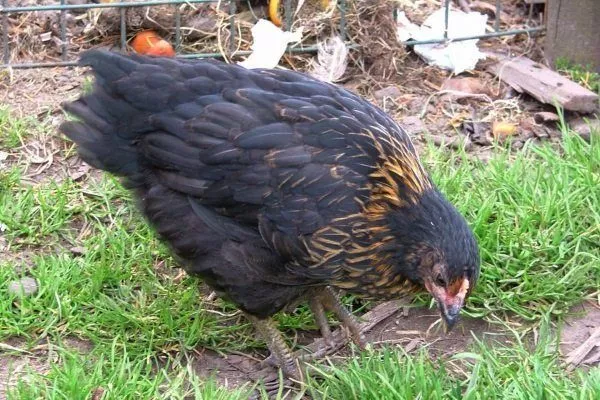
The breed's external characteristics are non-specific. The chickens are cute, and their appearance doesn't repel or intimidate poultry farmers.
The main characteristics of the Avicolor cross:
- the body is proportional;
- massive body;
- flat back, round sides, chest more pronounced in females than in males;
- muscles are developed;
- dense plumage, with stiff down;
- the tail is small, slightly raised, roosters have long braids;
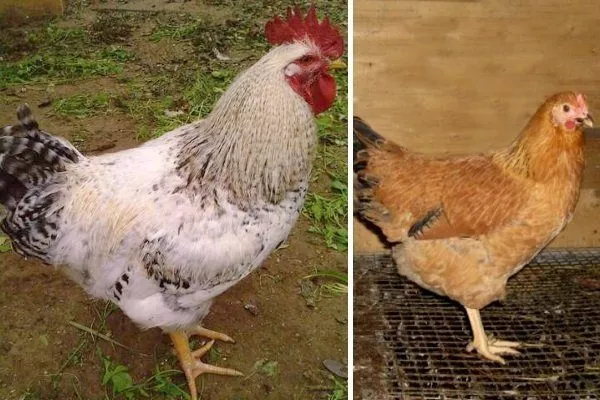
- any color, but most often hens are red and roosters are white;
- the head is small, the neck is not wide;
- on the crown there are leaf-shaped combs;
- small earrings;
- the skin is red and not wrinkled;
- ears are oval-shaped, beak is straight and yellow;
- The legs are strong, thanks to them the bird can develop good speed.
Crossbreeds never take part in exhibitions or fairs; they are bred to produce large quantities of eggs and meat.
Productivity
Avicolor crosses belong to the meat and egg groups, so they produce good results in both areas.
Puberty
The cross eclipses other chicken breeds previously developed by scientists. The birds are ready to lay eggs at 3-4 months of age, with sexual maturity occurring somewhat later. This characteristic has made hens attractive to many poultry farm owners, as this arrangement significantly reduces costs and allows entrepreneurs to begin making profits much earlier.
Egg production and meat yield
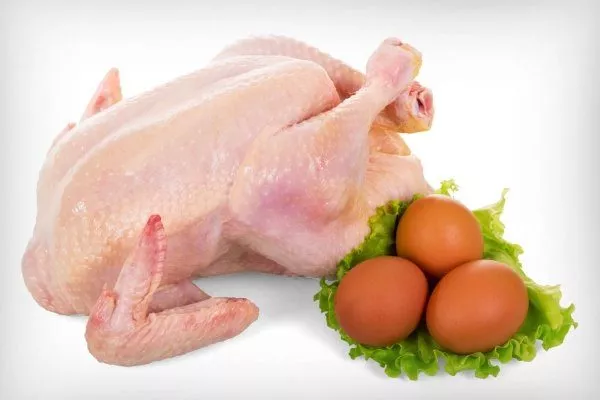
These crossbreeds gain weight very quickly: 250 g at two weeks, 0.7 kg at one month, and 1.8 kg at two months. Live weight increases by 200-300 g each week, which is a very good result. This breed is kept not only for its large egg production but also for its meat.
Due to their high productivity, these crosses are popular on large farms, although they were originally developed for small families. In the first year, the bird lays about 300 eggs, but then the clutch size decreases slightly.
The instinct of incubation
It's no secret that crossbreds and hybrids lose their maternal instinct due to prolonged crossbreeding. However, Avikolor is an exception: hens can incubate not only their own eggs but also those of others. This trait is important on small farms, as broodiness is not used on large poultry farms.
Experienced poultry farmers recommend using an incubator even on small farms, as the bird stops laying eggs during incubation, which significantly impacts the overall egg production.
More has been written about incubating chicken eggs. here.
Bird temperament
Layers are very active and vocal. It's best not to keep them in cages, but this is common practice on large poultry farms. They thrive in the wild, where they lay eggs beautifully and serve farmers as excellent-tasting meat birds.
Chickens are very curious, their nature reminiscent of children, always interested in something and going wherever they please. But it's precisely because of this characteristic that chickens often get into trouble, so the farmer's goal is to protect them from such adventures.
Hens are fearless, not sensitive, and are not susceptible to stress, even from an early age. They are not aggressive, but are friendly and responsive, and can get along with any breed of chicken.
Advantages and disadvantages of the Avicolor breed
Avicolor crosses, like other birds, have their advantages and disadvantages, which must be taken into account when breeding hybrids.
Advantages of Avikolor:
- high productivity;
- early egg-laying and puberty;
- ease of care;
- calm character;
- rapid weight gain;
- the presence of maternal instinct.
Disadvantages of Avikolor:
- short period of productivity;
- narrow distribution;
- difficulty in purchasing chicks.
Content Features
The Avicolor cross can be kept in a coop or in cages. Each of these options has its own characteristics, so let's take a closer look.
In a chicken coop with a run
This breed of chicken is known for its active behavior and inquisitive nature, so free-range feeding is ideal. In a free, relaxed environment, the birds will feel better, their meat will be excellent, and their egg production will increase.
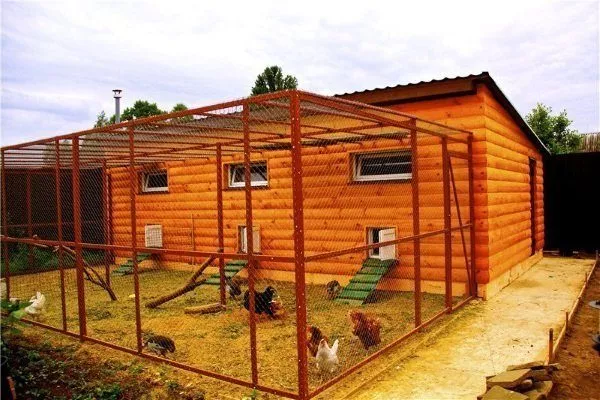
You don't have to worry about cold winters; layers of this hybrid tolerate frosts well, they are easy to care for, and don't require any special living conditions.
Recommendations for creating an excellent chicken coop for Avikolor laying hens:
- Build a poultry house and insulate it well.
- Fill the floors with concrete or cover them with clay.
- Provide ventilation throughout the room.
- Double glazed windows are a must.
- Install a walking yard enclosed with chain-link fencing near the chicken coop.
- Insulate the floor in the room with straw, hay or dry leaves (it is recommended to use bacterial litter).
- Install perches and nests (in the form of a box with straw or hay).
- At the beginning of the autumn period, treat the chicken coop, regularly ventilate the room, and change the bedding.
There should not be more than 2 chickens per 1 square meter.
- Build a chicken coop 2 m high. If it's higher, it'll be difficult to heat the house in winter, and if it's lower, it'll be more difficult to ventilate the house in summer.
- Maintain the temperature at +22…+25 degrees Celsius, in winter at least +15 degrees.
You can learn about how to properly heat a chicken coop in winter from this article.
In the cells
Avikolor crosses are known for their extreme activity, making it very difficult to cage them. Keeping chickens in this way is only possible if they are accustomed to it from birth.
How to build a cage for laying hens with your own hands is described in another article.
Rules for keeping the breed in cages:
- Per square meter – approximately 5-8 birds. This figure may vary depending on the weight of the hens.
- For 1 laying hen – 10 cm of feeder.
- Watering: 5 birds per 1 nipple.
- Ensure adequate ventilation; fans are used on a large scale.
- The temperature should vary from +15…+18 degrees; if it rises significantly, the birds reduce egg laying and sometimes die from the heat.
How to care for the breed?
Particular attention should be paid to birds during molting. Although this is a common occurrence, it can still cause discomfort for the hen. Seasonal molting leads to a decrease in egg production. This phase lasts about two months in the fall. During this period, unpleasant symptoms caused by vitamin and mineral deficiencies may occur.
Birds are starting to peck each other, some are pecking themselves. To avoid this, more beneficial microelements are added to the menu, dishes rich in vitamins, fats, and natural oils.
These birds are not characterized by long-term productivity; their performance declines significantly by the third year. The maximum lifespan for these crosses is two years. Large-scale poultry farms replenish the coop with new flocks every year to make poultry production even more profitable.
Basics of feeding
The Avicolor chicken breed is undemanding in terms of nutrition, but without a large amount of nutritious feed, a poultry farmer will not get high results from their poultry.
Adults
Crossbreeds require protein, so their feed must contain it. This protein helps the birds gain weight quickly and maintain high egg production.
The feeding schedule plays a key role; if the birds eat according to a schedule, their bodies will function without interruption.
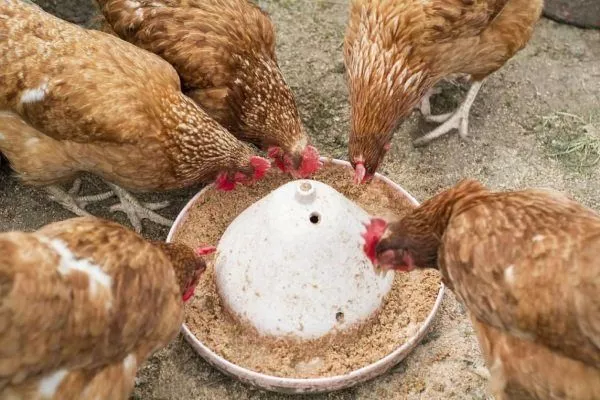
Since these breeds are not picky eaters, they can choose any kind of food, from commercial to homemade. You can create your own diet, including cereals, grains, sprouted wheat, greens, and vegetables. In summer, fresh greens are essential. In winter, add dried grass, which contains vitamins and minerals.
Chickens
Avicolor chicks develop and gain weight very quickly, weighing 1 kg at around one month. Feeding them is easy, consisting of a boiled egg and ground grains such as millet or semolina. As the chicks mature, they are transitioned to an adult diet.
Avicolor hens are excellent mothers, so caring for the chicks will not be particularly difficult.
Breeding
Reproduction of Avicolor crosses is difficult; the offspring of hybrids do not always replicate the productive characteristics of their parents, so it is impossible to breed them in your own yard.
- ✓ The temperature in the incubator should be maintained at 37.5°C for the first 18 days, then reduced to 36.9°C.
- ✓ Humidity in the incubator: 50-55% for the first 18 days, then increase to 65%.
Farmers purchase eggs for incubators from specialized poultry farms, and chicks of various ages are also available. Eggs are minimally priced, while birds over four months old are the most expensive. Chicks are born healthy and strong, and are unaffected by climate change, environmental conditions, or loud noises and cries.
The survival rate is approximately 95%, which indicates good vitality of the chicks.
Diseases and pests
Caring for your livestock requires daily attention, so it's crucial to implement preventative measures to avoid viruses and pest infestations. Avikolors boast strong immune systems, but certain issues can put them out of action for a long time.
- Check your chickens weekly for external parasites.
- Disinfect the chicken coop once a month.
- Replace the bedding in the chicken coop every 3 months.
As mentioned earlier, hens are very active egg-laying animals, producing over 300 eggs per year. They often suffer from vitamin deficiencies and physical exhaustion. These ailments significantly weaken the immune system, so it's essential to provide the birds with vitamins and minerals on a regular basis. Furthermore, the birds also suffer from parasites, but to eliminate them, farmers install ash containers in the coops and run yards.
Analogues
The most famous analogue of Avicolor is Super Harko chickensThey are considered a meat and egg breed. The birds are kept both in a coop and in a cage, and they continue to lay eggs. The Super Kharko breed is very popular in rural Ukraine; almost all large-scale farms in the country raise them.
Poultry farmers' reviews of Avikolor chickens
Avikolor crosses are easy-to-care-for birds with a versatile purpose. They are noted for their high egg production and rapid weight gain. They boast a strong maternal instinct and early sexual maturity. These chickens are easy-to-care-for and have a calm disposition.