
With the onset of cold weather, it is necessary to properly insulate the chicken coop, because without enough heat, the birds can seriously get sick and even death. This issue requires particular attention in regions with northern climates. What should be the optimal temperature in winter and what tools can be used to maintain it? We'll explore further.
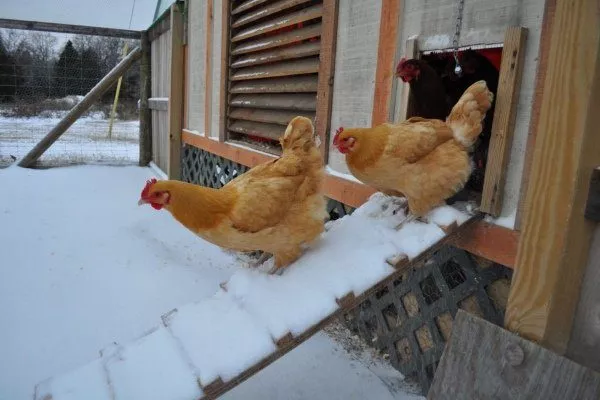
Why is it important to insulate a chicken coop?
Low temperatures, short daylight hours, lack of sun, and cold winds all negatively impact the health of birds and lead to the following consequences:
- A decrease in egg production in egg-laying breeds of hens (their fertility is 40% dependent on the heat in the hen house).
Read on to learn how to increase egg production in chickens in winter. in our other article.
- Decrease or cessation of body weight gain in broilers.
- Increase in the moulting period.
- The development of arthritis of the limbs, especially in those birds whose paws are not covered with feathers, and other diseases from which chickens fall on their feet.
- The death of most embryos in eggs if a hen sits on the clutch laying hen (at low temperatures in the hen house, it will not be able to warm all the eggs, so the embryos will die due to lack of heat).
Read on to find out what the daily norms and diet of a laying hen should be. here.
- Decreased immunity at room temperatures below +5°C, as a result of which chickens become susceptible to colds and infectious diseases.
- A noticeable increase in feed consumption, since with a lack of heat in the chicken coop, the birds require more energy for their own heating, which they get from food.
- Rapid weight gain in chickens, or more precisely, a change in the percentage ratio between meat and fat in favor of the latter (in the cold season, birds are given high-calorie feed, and when combined with increased portions, this leads to the chickens gaining weight).
- Changes in the behavior of birds (they move little, become lethargic and apathetic).
Lack of heat is especially detrimental to young birds, so to preserve the flock, it is necessary to approach the issue of insulating the poultry house with extreme care.
Temperature requirements
Birds react negatively to both a drop in temperature and sudden fluctuations. Therefore, the temperature in the coop should be maintained within a consistent range at all times. The minimum temperature is considered to be +7 to +8°C, and the maximum is +12 to +15°C. On average, the optimal temperature in the coop is considered to be +10°C.
Maintaining temperatures above 18°C is not advisable, as this will affect the quality of the eggshells and reduce the weight of the eggs.
When overheated, chickens will pant rapidly, drink water intensively, keep their beaks constantly open, and refuse their main feed. All of this will disrupt their natural biorhythm.
Preparation before insulation
The chicken coop is prepared for winter cold as early as fall, while the outside temperatures are still high. However, before setting it up and heating it, preliminary preparation is required, which includes cleaning and disinfecting it.
It's worth noting that there are various disinfection options, but in most cases, breeders opt for whitewashing the walls and ceiling. To do this, prepare a lime solution by mixing at least 1 kg of powder in 5 liters of water.
Sometimes, to disinfect the room, breeders also use a blowtorch to burn the floor and walls. If the coop is extremely dirty and moldy, several stages of burning are performed, followed by ventilating the room.
Specialized poultry farm disinfectants can also be used to disinfect the chicken coop before insulating it. These include Formalin, Xylonaft, and Creolin.
Natural heating
This involves insulating the walls, floor, ceiling, and windows. Before the cold weather sets in, to prevent heat loss and cold air from entering the room, it's necessary to completely seal all cracks. This will protect the coop from drafts and precipitation.
From an economic point of view, such insulation is the cheapest option for winter heating, and in areas with mild or moderate climates it can fully provide the required temperature in the chicken coop.
Walls
Before the winter season or during construction, they should be additionally sheathed with plywood, wooden planks, or clapboard, with a layer of insulating material between them. This can be:
- penoplex;
- liquid foam (self-hardening polymer filler);
- mineral wool;
- glass wool.
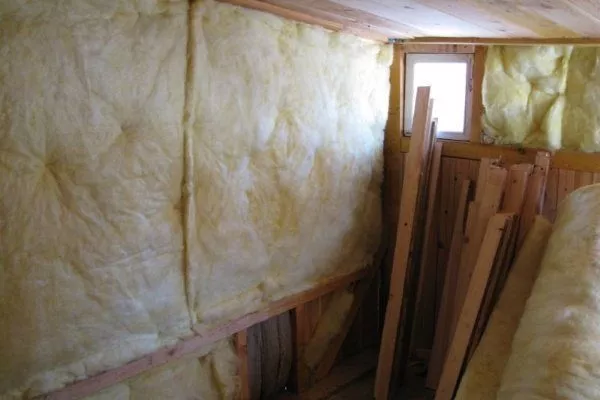
If the chicken coop is brick, it's best to choose external insulation. In this case, you'll need to attach mineral wool or polystyrene slabs to the outside walls using a special adhesive.
Also worth considering is a relatively new product on the market: insulating paint. This liquid thermal insulation material is applied directly to the façade with a brush, roller, or spray gun, and then hardens, providing additional thermal insulation.
To conserve heat, inexperienced poultry farmers often cover the walls of their coops with polyethylene, but this is not recommended. This material is completely impermeable to moisture, causing condensation to accumulate on the walls, creating a breeding ground for mold.
Floor (deep litter)
The insulation is selected depending on the type of floor:
- ConcreteIn this case, additional sheathing is required using boards with a layer of insulating material that is resistant to moisture and aggressive substances. Expanded polystyrene or cellulose wadding meet these requirements. Expanded clay can also be used, but the layer thickness must be at least 15 cm.
Gypsum fiber and mineral wool should not be used as floor insulation, as they are susceptible to water and aggressive substances. Extruded polystyrene is also undesirable, as it allows vapor to pass through, resulting in very high humidity in the room.
- Wooden, earthenA thick layer of underlayment is required on such a floor, which will also serve as an additional "heater" for the air. Suitable underlayment materials include:
- hay;
- straw;
- spruce needles (is a strong natural antiseptic that inhibits the development of mold fungi and pathogenic bacteria);
- wood shavings;
- peat moss;
- sunflower husks.
The ideal option would be to use a mixture of straw or hay and fine-grained materials such as husks, pine needles or shavings.
It's worth noting that underlayment can also be used as additional insulation for a concrete floor. In either case, it's installed as follows:
- First, treat the floor with a thick layer of lime and let it dry thoroughly for several days. This will prevent pests from settling inside the material.
- Add bedding in several layers. Its height should be at least 25-40 cm.
- Periodically stir up the litter and add a new layer 5-10 cm thick.
- ✓ The thickness of the bedding should be at least 25-40 cm for effective heat conservation.
- ✓ The litter requires regular turning (at least once a week) to prevent clumping and ensure uniform heat distribution.
In winter, ventilation in the poultry house is essential to ensure continuous air circulation and the removal of harmful fumes, including ammonia, which is produced during the composting process of the litter. The ventilation hatch should be opened several times a day, regulating the flow of fresh air to prevent excess heat from escaping along with the vapors.
A significant drawback of natural bedding is the unpleasant ammonia smell that develops as spring approaches. To eliminate this, prepare a mixture of dry lime and wood ash in a 1:1 ratio and sprinkle it over the entire floor surface. This procedure is carried out in the spring, when the hens are free to roam outdoors.
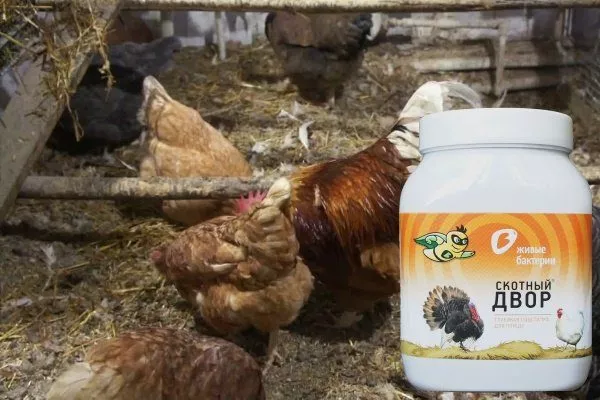
To avoid having to regularly replace the litter layer or ventilate the room to remove harmful fumes, you can use ready-made deep litter materials, which only need to be replaced every three years. An alternative option is a fermentation mat, which also serves as a heated floor in winter, as it heats up to 50°C due to the decomposition of organic matter. It contains beneficial microflora—lactic acid and photosynthetic bacteria—that have the following characteristics:
- prevent the development of pathogenic microorganisms, mold and rot;
- prevent the formation of ammonia and methane odors;
- They process chicken manure into compost, which serves as an excellent fertilizer for the garden.
Manufacturers claim this innovative material will last 2 to 3 years, but only if the microorganisms are properly maintained. Bacteria require nutrition and sufficient oxygen. During hot weather, the bedding should be watered periodically.
When using such a substrate, the amount of material must be precisely calculated based on the flock size. If the number of birds is small, the microorganisms will starve, stop reproducing, and die. If the number of birds is large, they will not be able to process all the droppings, which are a breeding ground for pathogens, so sooner or later the beneficial microflora will be destroyed.
Windows and doors
A lot of heat escapes through such openings, so you also need to think about how to insulate them:
- WindowsTypically, a chicken coop has only one window, facing east or south. A piece of transparent plastic should be secured to the window, insulating it around the perimeter with felt tape or other material, using thumbtacks or small nails. If the coop is old, the window frame is often in poor condition—warped or completely detached from the wall. In this case, all cracks should be sealed with foam or silicone sealant. Once the window is repaired, it can be covered with plastic film and insulated.
If possible, windows should be considered at the design or construction stage of the poultry house. The best option is to use removable double-glazed windows. In summer, they should be removed and covered with mesh to speed up ventilation.
- DoorIt's insulated with felt and film. The insulation should extend beyond the door's perimeter and cover all cracks. The back of the door can be lined with carpet to effectively prevent drafts that would otherwise rush in and displace all the warmth.
Ceiling (roof)
If your chicken coop has an attic, it's best to insulate the roof from the outside. To do this, follow these steps:
- Lay sheets of roofing felt on the roof, overlapping them.
- Seal all joints with construction resin.
- Make sure there are no gaps in the roof slopes or ceiling. Rain or snow should not fall into the attic.
If the poultry house doesn't have an attic, the ceiling is insulated in the same way as the walls, but it should first be checked for any damage or cracks. For example, the roof should be double-layered to create a cavity between the inner and outer parts. This cavity should be filled with foam, mineral wool, or other insulation at least 10-15 cm thick.
Artificial heating
It's essential in areas with harsh winters, where temperatures often drop below 0°C. In such conditions, even with the best insulation for the entire coop, cold will still penetrate, disturbing the birds. Therefore, the coop will require additional heating, options for which we'll discuss below.
Electric heating
Various electric heating devices are installed on the floor, as well as attached to the walls and ceiling. They quickly heat the air inside the room, but require a large amount of electricity. A thermostat is always installed along with them—a device that maintains a constant temperature. This will not only prevent undesirable dryness but also protect the coop from fires.
In this case, you can choose different types of devices:
- Oil heaterIt consists of a hermetically sealed housing containing mineral oil, which is heated by a heating element. The advantages of this electrical appliance include:
- high fire safety;
- low power consumption compared to a heater;
- no noise or unpleasant odor during operation;
- maintaining optimal air humidity during its operation;
- gradual cooling of the room after it is turned off.
However, an oil heater heats the house unevenly, and for a large area, several units will be required. Furthermore, the oil may leak from the housing if it becomes depressurized.
- Electric convectorIt consists of a heating element and a fan. It heats the air through natural convection between the room and the heating element. During operation, heated air rises from special air chambers, while cooler air below is drawn into them. This ensures natural air circulation. The device is quiet and odorless, but it can only heat a small area, and even then, unevenly. Therefore, if you have a large room, you'll need several of these units. When the heater is turned off, the air cools immediately.
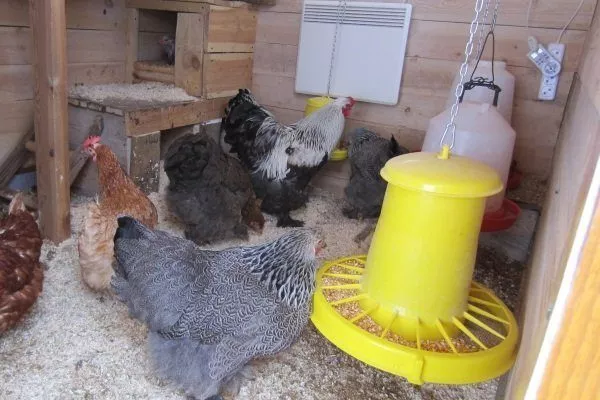
- HeaterA metal-cased device consisting of a heating element and fans that circulate air. It is most often installed in large spaces, as it requires special maintenance. However, a heater has several disadvantages:
- Along with its installation, it is necessary to construct an air duct from metal pipes or other materials;
- despite the fact that it quickly heats the air and warms a large area of the room, after it is turned off the air cools down quickly;
- may emit an unpleasant odor during operation;
- It makes a lot of noise and dries out the air.
- Ceramic panelIt operates on the same principle as the previous device, but its circulation is forced. Therefore, it is equipped with powerful fans that help circulate the air, creating a very loud noise. The panel itself is quite expensive and consumes a lot of electricity, but it offers increased fire safety and does not dry out the air. It is mounted to the ceiling, thereby saving floor space.
When using any electrical appliances, it's essential to handle wiring responsibly. All wires must be double-insulated and hidden from birds.
Stove heating or using a potbelly stove
A heating stove or potbelly stove is often used in farms with small flocks. This method carries the greatest fire hazard, so farmers rarely resort to it. If the coop is made of wood and the floor is also covered with natural bedding, stove heating is prohibited. However, in a brick building, space can be reserved for a potbelly stove or stove.
While laying a stove requires some effort, a potbelly stove is much simpler. It consists of a firebox and a chimney, providing a lightweight option for heating a room. It only needs to be installed on a concrete foundation, away from walls. It offers the following advantages:
- it is inexpensive;
- can be burned with any non-toxic materials;
- does not require special skills to care for.
As for the disadvantages of a potbelly stove, they are as follows:
- It gets very hot and can cause flammable objects to catch fire;
- a spark may fly out of the firebox, into which fuel will have to be constantly added;
- When burning any material, an unpleasant odor is released.
A potbelly stove, like a stove, requires constant attention during operation and compliance with fire safety regulations to avoid a fire in the chicken coop.
All hot parts of the stove or potbelly stove must be insulated to prevent the chickens from burning themselves. The room must have good ventilation and a separate chimney.
Infrared heater
Infrared lamps, like electrical appliances, consume a lot of electricity, but their heating mechanisms differ. IR lamps heat the surrounding objects, not the air itself, which directly heats the air itself. Attaching foil to the walls will make the radiation more efficient.
When hatching chickens that require an air temperature in the range of +32…+35°C, it is worth choosing IR devices.
The advantages of this type of infrared are as follows:
- serves as an additional source of light;
- can be mounted on walls or under the ceiling, which saves floor space;
- does not produce any noise or foreign odors during operation;
- dries the bedding and does not “eat” oxygen in the room.
When purchasing, choose devices with medium or long-wave radiation, since short-wave radiation can cause heat stroke in birds.
When using an IR lamp, keep in mind that the bulb gets very hot, so place it at least 50 cm away from nearby surfaces. Otherwise, objects near the lamp will overheat.
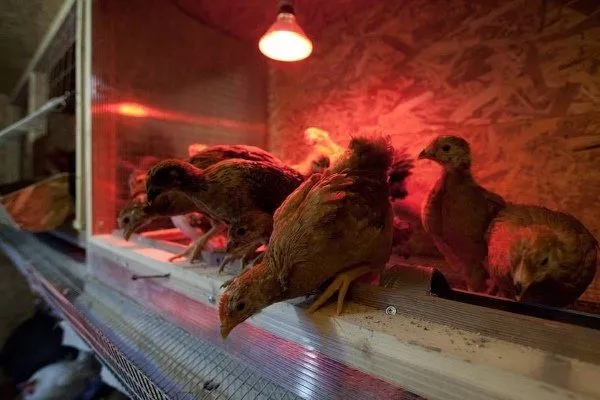
The optimal power of an IR heater is calculated based on the room's area, at a rate of 100 W for every 5 square meters. In any case, preference should be given to heaters with a power of no more than 500 W.
Water or gas heating
Hydronic heating is powered by a gas or electric boiler, but it's less energy-efficient than electric heating. However, the boiler itself, its accessories, and its maintenance are very expensive.
This method is primarily used on large farms with over 100 chickens. It's also ideal for situations where the coop is adjacent to a house heated by a hot water boiler. A branch can be made from the main circuit and run directly to the coop. This way, both the house and the coop will be heated simultaneously.
It is prohibited to use gas equipment with cylinders and burners in the chicken coop.
How to choose the right type of heater?
The choice of heater depends on the farmer's budget, the size of the poultry house, and the region where they live. The manufacturer specifies the area it can heat in the specifications of each heating device. When purchasing, pay attention to this information. The following information can also be helpful:
- For farms with small flocks, low-power fan heaters are suitable. They quickly heat the air to 16°C in a small room. However, keep in mind that such units are not designed for 24/7 operation, so their motor will quickly fail. Therefore, it will need to be replaced frequently. Furthermore, the coil will need to be cleaned regularly of dust and feathers.
- An oil radiator only provides temporary heating, as it takes a long time to heat the air and consumes a lot of electricity.
- The best solution would be to use a convector, but it also has a significant drawback: it heats the room unevenly, and temperature fluctuations can reach 10°C.
- Infrared lamps or IR devices are considered a universal option. Experts recommend purchasing a heater with a built-in thermostat. This will help poultry farmers easily maintain the microclimate in the coop. Simply set the desired temperature, and the device will automatically turn off when it is reached. It will turn back on automatically when the air cools.
It's best to avoid homemade heating devices. They are inferior in terms of fire safety to any of the above-mentioned types of heaters.
Is it possible to combine natural and artificial heating?
Not only is it possible, it's also necessary. First and foremost, the walls, floor, ceiling, windows, and doors of the poultry house should be well insulated. If the temperature inside drops below 12°C, artificial heating should be used.
Without natural insulation, no heater can maintain the desired room temperature. When turned off, heat will quickly escape through cracks or be lost in drafts. This is extremely stressful for hens, immediately impacting egg production and weight gain.
Video: How to heat a poultry house in winter?
In the following video, experienced poultry farmers share how to heat their chicken coops in winter. They pay special attention to the infrared heater and its automatic thermostat:
Insulating a chicken coop is one of the most important tasks for a poultry farmer. If natural heat is insufficient, electric heaters or heating are essential. Birds thrive in a warm room, and with 12 hours of daylight, they continue laying eggs.
Thank you so much for your help!!! Very informative, accessible, and detailed. I used your advice this fall! Kudos!