
If you notice diarrhea in broilers, immediate action is necessary, as the main cause is infection. Pathogenic microorganisms are quickly transmitted from one bird to another, potentially affecting all birds. This article will teach you how to identify the type of diarrhea, how to treat it, and what to do for prevention.
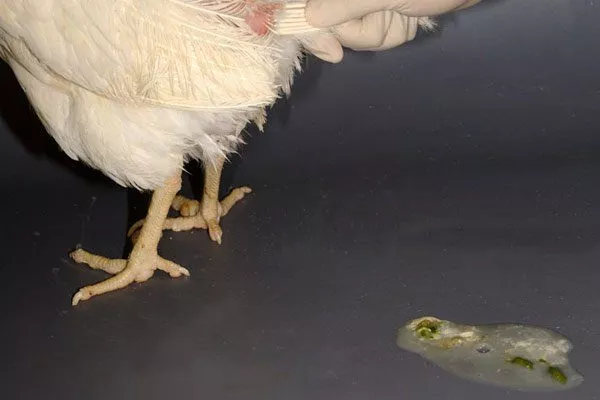
Types of diarrhea in broilers and their characteristics
| Name | Stool color | Main symptoms | Danger to humans |
|---|---|---|---|
| Salmonellosis | Whitish | Lethargy, loss of appetite, loss of coordination | High |
| Helminthiasis | With visible helminths | Lethargy, loss of appetite | Average |
| Pullorum lesion | Whites | Danger to the human body | High |
| Pasteurellosis | Green or brownish | Elevated temperature, mucous discharge | High |
| Coccidiosis | Brown | Ruffled feathers, foamy stools | Average |
| Gastritis | Various | Pain syndromes and colic | Low |
Diarrhea can be caused by helminths and other bacteria or by natural causes, which determines the type of disease:
1Salmonellosis
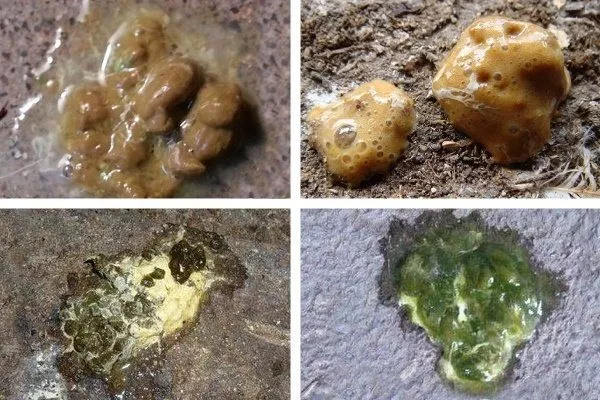
When poultry are infected with salmonella, their feces are whitish and foamy. The bacteria are transmitted to chicks from an adult hen or through a shared feeder or waterer.
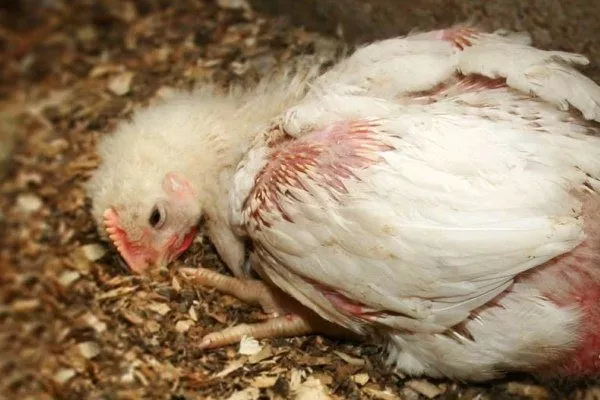
Individuals exhibit increased lethargy, decreased appetite, and impaired coordination. If the bird is a chick, it will begin to lag in growth; if it is an adult hen, it will lay fewer eggs. The bird will become lethargic and inactive, breathing rapidly and snoring.
2Helminthiasis
This helminthic infestation is the most common cause of diarrhea. Its distinguishing feature is the obvious visibility of the worms. The symptoms are identical to those of the previous disease.
3Pullorum lesion
Pullorum disease is characterized by white stools. The disease is very dangerous to the human body, so treatment is started immediately.
4Pasteurellosis
Also known as fowl cholera, the disease progresses very rapidly, resulting in the death of the entire flock.
Specific symptoms include elevated body temperature and green or brownish stool. Mucous mucus is secreted from the nasal passages. Infection can be transmitted by sick birds, rodents, and bloodsuckers (mosquitoes, etc.).
5Coccidiosis
It is rarely detected in the early stages, but you should pay attention to the following signs:
- ruffled feathers;
- brown stool;
- foamy stool structure;
- presence of blood clots;
- swelling of the goiter;
- stunting of chickens;
- paleness of the combs;
- increased thirst.
Treatment primarily involves a comprehensive approach. Exacerbations occur in the fall or spring. It is important to perform an unscheduled cleaning of the chicken coop and separate the affected bird from other birds.
6Gastritis and other types
This disease occurs in broilers due to improper nutrition and diet. Symptoms are the same as in humans. The main signs are pain and colic.
Diarrhea often occurs during spring avitaminosis, when birds lack vitamins and minerals. Infection with protozoan parasites is also possible. This disease is called eimeriosis.
Causes of occurrence
The main factors and causes of diarrhea:
- Low-quality feed and vitamin deficiency. In this case, diarrhea occurs in almost all birds in a single coop.
- Overdose of fortified foods.
- Overeating.
- A sudden change in diet.
- Poisoning from toxins, cigarette smoke, chemicals, and galvanized or copper cookware. Intoxication also occurs from eating poisonous plants such as celandine, buttercups, and milkweed.
- Swallowing foreign objects.
- Infection with pathogenic bacteria.
- Polluted poultry house.
- Hypothermia leads to a decrease in immunity and an increased risk of infection.
- Colds due to drafts and high humidity.
- Stressful living conditions. This could be due to fright or a sudden change in location.
Signs
Signs of various broiler diseases may vary slightly from each other, but in general the following symptoms appear:
- increased lethargy, lack of activity;
- the duration of loose stools is at least two days;
- unnatural color of feces - with a green, white, brown or yellow tint;
- the consistency of the droppings is often foamy;
- body temperature may rise;
- poor coordination of movements;
- decreased appetite;
- blood clots may be present;
- swelling of the paws – edema.
If these symptoms are detected, it is necessary to immediately consult a veterinarian, as an accurate diagnosis of the disease and the etiology of the pathogen is a crucial part of successful treatment. Before visiting a veterinary clinic, a stool sample should be collected for further laboratory testing.
Possible complications and consequences
The most dangerous complication is the death of the entire flock, so sick birds should be separated from healthy ones. Some types of parasites pose a threat to human health; for example, humans can easily become infected with salmonella. Therefore, when in contact with animals and their droppings, feeders, and waterers, it is necessary to use protective equipment—rubber gloves, a medical mask, and work clothes. If the disease is not treated promptly, it becomes chronic, which is quite difficult to cure.
How to treat diarrhea in broilers?
Treatment of avian diarrhea should be performed by a qualified veterinarian after a thorough fecal examination and identification of the underlying pathogen. The veterinarian will recommend separating the affected birds from the main flock. After rehoming the birds, the entire premises (the coop and roosting areas), as well as waterers, feeders, and working equipment, will need to be disinfected.
Features of therapy:
- If the diet is unbalanced, the farmer must review the birds' diet, replacing the old feed with a new, improved one, with added vitamins and minerals.
- Broilers require sufficient water, which must be clean and potable. Drinking bowls should also be kept as clean as possible.
- Straw, chalk and gravel are introduced into the diet.
- It is useful to give chickens regular activated charcoal or other absorbents, which alleviates their condition and relieves pain and discomfort.
- At the initial stages of treatment, it is recommended to add a weak concentration of potassium permanganate solution to drinking water.
- If infection occurs, enzyme-based and probiotic-based treatments are prescribed, especially if the feces have a brownish tint.
- To restore intestinal microflora, they give fermented milk products (natural, not store-bought). Most often, this is homemade yogurt (soured milk).
- It is advisable to add a weak solution of potassium permanganate to the water or replace it with a decoction of chamomile.
- Non-specific treatment begins after the first symptoms appear. After receiving test results, a veterinarian prescribes medications.
- The birds need to be given the above mentioned remedies for at least a week.
- If medications are prescribed in powder or tablet form, they are added to the animal's feed or water. The tablets are crushed to a powder beforehand.
- If you're infected with helminths, your doctor will prescribe sulfonamide-based medications. These medications should also include antibiotics.
- Broilers should be kept in a warm room, the litter should be dry at all times.
Drugs used:
- Levomycetin. Most often used for salmonellosis. Just one tablet per 100 ml of water is needed. The medication is administered three to four times a day, and the broilers are monitored to ensure they drink it.
- Furazolidone is prescribed for pasteurellosis and pullorum disease. The dosage is determined based on the age of the birds. For example, 10-day-old chicks should be given 0.02 grams of the drug per 10 broilers. For two-week-old birds, the dosage is increased to 0.03 grams, and for adult birds, 0.04 grams is diluted in water.
- For coccidiosis, Coccidin is recommended, which should be added to the feed. Treatment is as follows: 250 grams of powdered preparation is added to 1 kg of feed for the first 5 days, then half that amount (125 grams) is added over the course of a week. Alternatives to this medication include Sulfadimezine and Zolen.
- Metronidazole is prescribed for histomoniasis. The course duration is 5 days. The dose is 25 mg per 1 kg of bird weight.
- Other remedies: Biomycin, Flosan, Biseptol.
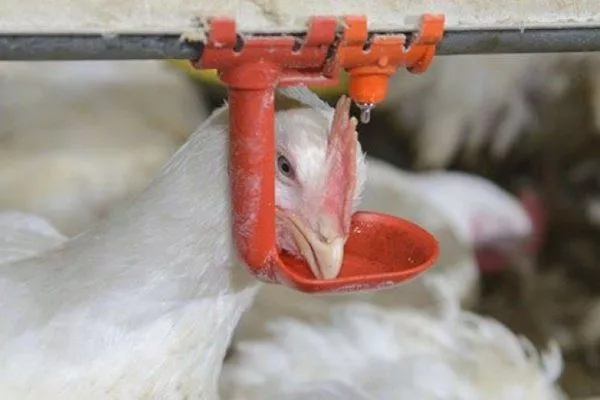
The medication is selected based on the type of pathogen causing diarrhea. Some medications are administered intramuscularly.
Preventive measures
To prevent infection, it is necessary to follow preventive recommendations, which include the following measures:
- Periodically dilute water or food with activated carbon.
- Give rice porridge broth about once a week.
- Be sure to disinfect feeders, drinking bowls, equipment and premises every day.
- Check the bird's bedding throughout the day—it should be as dry as possible. Change it if it becomes soiled.
- Make sure that the chickens do not trample on the droppings; remove them promptly.
- Refresh your drinking water twice a day.
- Cleaning the equipment you use to clean the chicken coop is as important as brushing your teeth and washing your hands. This is because it can carry infections. It's best to wash it first and then use a blowtorch.
- Many pathogenic bacteria are carried by blood-sucking and other insects, so treat your entire flock with special products against ticks, lice, fleas, and other insects.
- Every six months it is necessary to administer anthelmintic drugs.
- Broilers need special areas for hygiene procedures (cleaning feathers). To do this, separate a small area and fill it with ash and sand.
- ✓ Including prebiotics in the diet to maintain intestinal microflora.
- ✓ Use of high-fiber feed to improve digestion.
Timely vaccination:
- Within 4 days after the chick's birth, the first antibacterial treatment is administered. This is usually Enrosol.
- To strengthen the bird's immune system and provide it with vitamins, administer Chiktonik in solution form. This should be done on days 7-9 after birth, 16-17, and 29-32.
- After 10 days of the chicken's life, Baycox is used.
- On the 27th day, the vaccine against Newcastle disease is administered orally or into the nasal sinuses.
- After 60 days, oral vaccination against helminthiasis is carried out using Promectin.
The key to good bird health is clean living conditions and vaccinations. Remember that preventing parasites is much easier than getting rid of them. This will protect not only your broilers but also your own health, as many helminths can infect humans.