
Pasteurellosis, also known as fowl cholera, is an infectious disease that can quickly devastate an entire flock. It infects all members of the avian family, including domestic chickens.
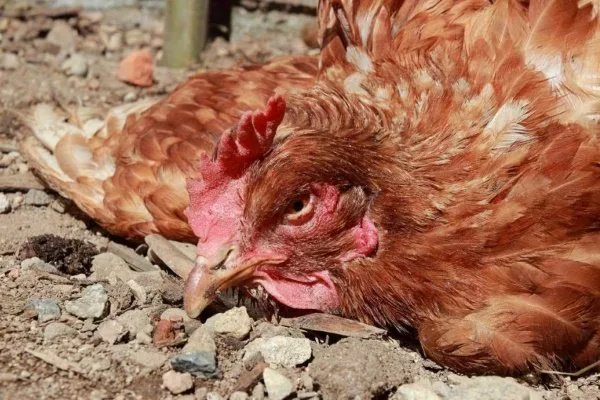
Characteristics of pasteurellosis in chickens
The pathogens are pathogenic bacteria—Pasteurella haemolytica and P. multicidum. Birds infected with the bacteria are immediately slaughtered, and the coop is disinfected. A single infected chicken can quickly kill 75% of the flock.
The causative agent of the disease was isolated and grown in 1880 by L. Pasteur. The bacterium was named Pasteurella in his honor.
All types of chickens—both meat and egg—are susceptible to the disease, but young birds are especially vulnerable. Pasteurellosis is more common in countries with temperate and warm climates, and less common in the north. Fowl cholera occurs both in backyards and on large egg-producing farms. Even if a bird survives the disease, it remains a permanent source of infection—it cannot be completely cured.
Causes and methods of infection
The disease affects not only birds but also mammals. Animals, especially rodents, can spread the microbe into the environment, triggering an epidemic. The disease most often affects month-old broilers, 2-3-month-old egg-laying pullets, and laying hens at the breeding stage (4-5 months).
Temperature instability and high humidity contribute to disease outbreaks. Incubation time is determined by the aggressiveness of the microbe and can last from half a day to 3-5 days.
Chickens can become infected:
- through the respiratory tract due to contact with a sick bird, corpses are especially dangerous;
- penetration of bacilli through damage to the skin;
- feed or water contaminated with pasteurella;
- Bites from blood-sucking insects, especially dangerous are ticks – argasid and red chicken.
Pasteurella can survive for long periods in natural bodies of water and damp soil, but it doesn't like manure—it's rarely found there. The microbe is also extremely sensitive to direct sunlight.
Once in the chicken's body, the bacteria rapidly multiply. Having spread at the entry point, the bacilli enter the blood and lymph. The incubation period lasts several days.
Embryos in eggs can be infected with weakened pathogens that do not interfere with their growth and development. Upon hatching, the chick becomes a carrier of the infection, and under favorable circumstances, the dormant infection can trigger an outbreak of fowl cholera in the chicken coop. If the egg is infected with aggressive types of the bacillus, the embryo dies around day 10. If left in the incubator, dead embryos can infect other eggs.
Symptoms of cholera in birds
The first thing to look out for is a poor appetite in chickens. At first, the birds eat less than usual. Then, their condition worsens, and they begin to die rapidly, one after another.
The symptoms of pasteurellosis are vague and depend on the form of the disease, they can be:
- acute;
- super sharp;
- chronic.
A hyperacute course of the disease usually occurs at the onset of the disease's spread and causes the sudden death of the bird. The chicken literally dies before your eyes. A bird, seemingly causing no concern, suddenly, flapping its wings, falls dead.
To avoid confusing pasteurellosis with another disease, we recommend obtaining more information about other chicken diseases.here.
In acute form
A sick chicken is depressed, sitting with its head tucked under its wing or thrown back. Other symptoms of the acute form include:
- elevated body temperature – up to 43-44 °C;
- bluish tint of the comb and earrings;
- lack of appetite;
- ruffled feathers;
- constant thirst;
- discharge of mucus and foam from the beak;
- hoarse, labored breathing;
- diarrhea with blood.
As the disease progresses, the bird weakens and may experience convulsions. The chicken dies within 2-3 days.
In chronic form
The chronic form develops after the acute stage of the disease and is associated with a weakened pathogen strain. In the chronic form, chickens experience:
- general weakness;
- progressive exhaustion;
- inflammation of the meninges;
- runny nose, wheezing;
- swelling of the paws, comb, jaw;
- eye inflammation;
- damage to the joints of the wings and legs.
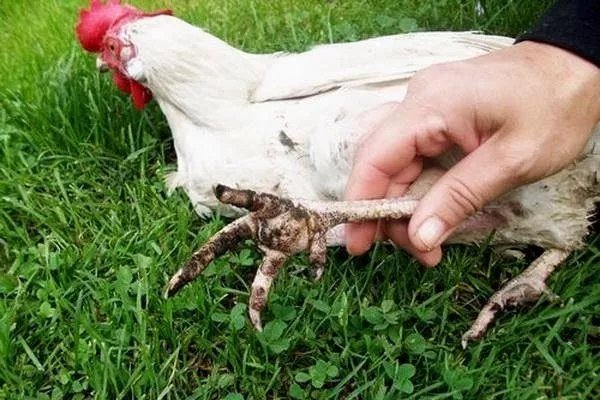
Chronic pasteurellosis lasts for months, the bird becomes emaciated, its productivity drops, but death in this condition rarely occurs.
How can the disease be diagnosed?
Without laboratory testing, a definitive diagnosis is impossible. Upon noticing symptoms characteristic of pasteurellosis, sick birds are immediately slaughtered. The next step is to contact a veterinarian, who will collect samples and the carcasses of the dead birds and send them to the laboratory. Only after testing will it be possible to determine the cause of the chickens' death.
A diagnosis of pasteurellosis is made solely through bacteriological testing. It is important to differentiate pasteurellosis from avian influenza, salmonellosis, and Newcastle disease. Autopsy findings also confirm the disease. Dead chickens show hemorrhages in the heart and spleen, and foci of necrosis in the liver. To confirm the diagnosis, 4-5 birds are sent for autopsy.
The diagnosis is considered to be reliably established if:
- a culture with properties characteristic of the pathogen was isolated from the pathological material;
- Of the two animals (laboratory mice) infected with the isolated pathogen, at least one died.
Treatment methods
Pasteurellosis is incurable. All infected birds are culled. Even if an animal is cured, it remains a carrier of the pathogen and can infect healthy birds. Disease control involves prompt culling of infected birds and preventative measures.
After all the sick chickens have been slaughtered and the carcasses disposed of, the healthy chickens are given a course of preventative treatment. They are given antibiotics for a week, such as:
- Levomycetin – 60-80 mg per 1 kg of live weight, 2-3 times a day (added to feed).
- Tetracycline – 50-60 mg/1 kg.
- Aquaprim – 1.5 ml per 1 liter of water.
For preventive treatment, Spectam B, Floron, and other drugs based on spectinomycin and lincomycin are also suitable.
To select an effective medication, laboratory data is needed. The most effective medication is selected based on an antibiogram, which determines the pathogen's susceptibility to medications.
The room where the sick chickens were kept is treated with Ecocide S or Monclavit. Lactic acid is also suitable for disinfection.
- ✓ The concentration of the disinfectant solution must be accurately measured to ensure effectiveness without harming the birds.
- ✓ The temperature of the disinfection solution must be at least 20°C to activate its chemical properties.
To disinfect a poultry house, use:
- 5% solution of clarified bleach;
- 10% solution of iodine monochloride;
- 20% freshly slaked lime – surfaces are whitewashed three times with an interval of one hour.
The grass in the run is mown. The chickens are not allowed out on it for two weeks—it must be exposed to sunlight. Then, the run is sprinkled with quicklime. After plowing the soil, all wet areas are thoroughly dried. Pasteurellosis vaccination is an exceptional measure for small chicken farms. It is used when the infection cannot be eradicated by other preventive measures.
Prognosis and treatment timeframes
Pasteurellosis is incurable, and the prognosis for infected birds is poor. The farmer's goal is to minimize losses by preventing the spread of the infection. Only clinically healthy chickens are treated. A course of preventative treatment lasts at least five days.
Are chickens contagious?
Chickens infected with pasteurellosis can infect healthy birds, so it's crucial to promptly isolate and cull all infected birds. Carriers of the infection—chickens that have survived the disease—can also trigger an epidemic. Chickens can also infect other birds, animals, and humans.
Is the disease dangerous for humans?
Pasteurellosis is dangerous not only for chickens but also for their owners. The disease is transmitted from birds to humans through direct contact. The pathogenic bacteria are transmitted through wounds and microcracks. Boils appear on the skin of infected people.
The infection does not penetrate the mucous membranes. Airborne transmission is rare. However, if it does occur, the person develops inflammation of the meninges and ears, and osteomyelitis develops.
Precautions:
- Enter an infected poultry house only in special clothing and gloves;
- maintaining personal hygiene.
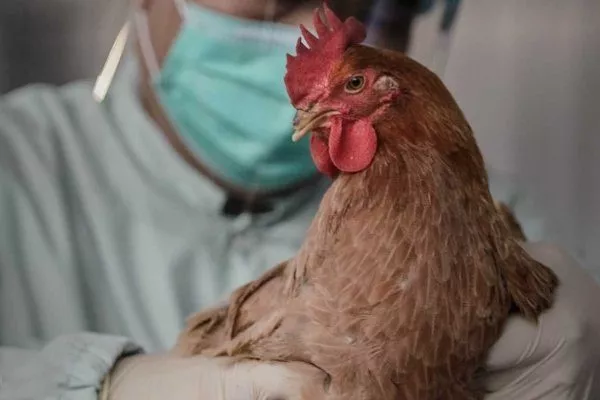
At the first alarming symptoms, you should contact a general practitioner or infectious disease specialist.
Can other animals become infected?
Pasteurellosis is dangerous not only for chickens but also for other birds, such as geese, ducks, turkeys, and quail. It also affects farm animals, such as pigs, cows, goats, and others. It also occurs in cats and dogs. Any animal can become infected through direct contact, drinking, feeding, bites, and scratches. The source of infection is sick animals and carriers of the infection. These include mice, rats, and guinea pigs, which can live for years and spread the bacteria.
Is it possible to eat meat from poultry that has had pasteurellosis?
Meat from chickens slaughtered due to pasteurellosis is safe to eat. Chicken farmers are interested in profit. If all the birds slaughtered due to a disease outbreak had to be culled, they would suffer colossal losses. Fortunately for poultry farmers, the meat from chickens infected with pasteurellosis is safe to eat after heat treatment. However, pest control specialists have a different opinion on this matter: they believe all infected chickens, whether alive or slaughtered, should be destroyed.
Prevention
Preventive measures for pasteurellosis:
- compliance with sanitation and hygiene standards;
- timely identification and neutralization of carriers of infection;
- proper nutrition – vitamin supplements are included in the diet;
- mowing and plowing overgrown paddocks;
- vaccination.
- ✓ Regularly changing the bedding and ventilating the room reduces the risk of disease.
- ✓ Monitoring the quality of water and feed eliminates one of the main routes of infection.
Chickens are vaccinated with live or inactivated vaccines. Live vaccines have a residual effect, which can lead to complications. Therefore, chickens are usually vaccinated with non-live vaccines.
Vaccines are not used for treatment. Only clinically healthy chickens are vaccinated. The minimum age for vaccination is 1 month. Vaccinated chickens retain immunity for 6-8 months, after which a booster shot is required.
If there is a pasteurellosis outbreak on a farm, non-live vaccines are combined with antibacterial therapy. Vaccination can be administered before, after, or concurrently with a 5-day course of antibacterial therapy.
Pasteurellosis is a real disaster for any chicken coop. It's much easier to prevent the disease than to deal with its consequences. If chickens contract fowl cholera, the flock inevitably declines. It's important to detect a pasteurellosis outbreak early so that preventative measures can be taken.