
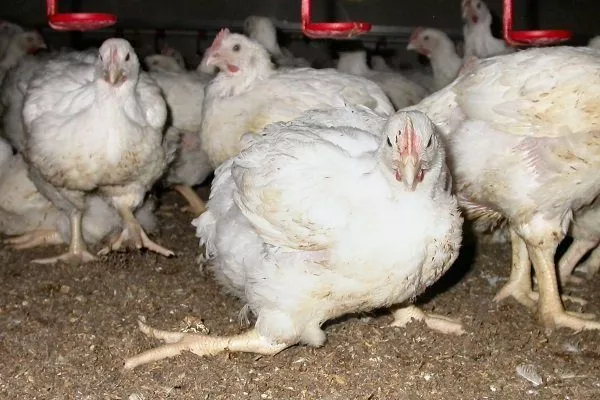
Chickens, like other poultry, are susceptible to various infectious and viral diseases. To detect illness in its early stages, carefully observe your chickens' behavior. It's not uncommon for some chickens in the coop to fall to their feet and not get up. This is a clear sign that without your help and appropriate treatment, the chicken will die.
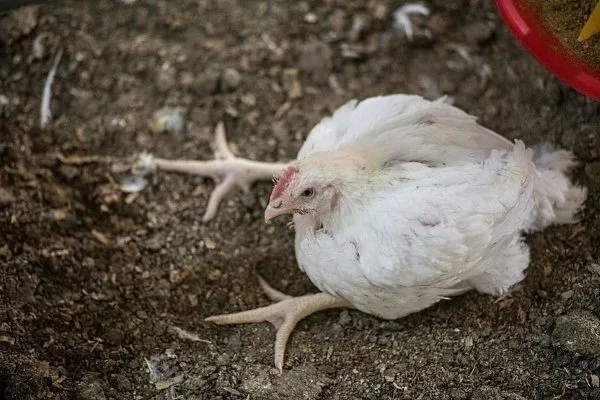
Diseases that cause chickens to fall on their feet
There are several causes of limb weakness in chickens, making standing difficult due to pain and musculoskeletal dysfunction. These include:
- avitaminosis and mineral deficiency in the body;
- unfavorable conditions of detention;
- viral and infectious diseases;
- congenital defects;
- mechanical damage.
Let's look at the most common diseases that cause chickens to fall on their feet.
We also recommend reading the article about paw diseases in chickens.
| Name | Symptoms | Reasons | Treatment |
|---|---|---|---|
| Rickets | Lack of appetite, unsteadiness in movements, soft egg shells | Vitamin D deficiency, inability to absorb phosphorus and calcium | Vitamin D supplements, UV radiation |
| Chicken lameness | Wounds, dislocations, tendon inflammation | Injuries, nervous system diseases, rapid weight gain | Examination and treatment of the underlying disease |
| Gout | Minimal mobility, lumps on the joints | Nutritional disorders, excess protein | Optimizing your diet, increasing your intake of fruits and vegetables |
| Tenosynovitis | Lameness, pain in the legs | Inflammation of the tendons | Antiviral drugs, antibiotics |
| Arthritis and osteoarthritis | Limited mobility, joint swelling | Unfavorable conditions of detention, infections | Bactericidal drugs, antibiotics |
| Marek's disease | Change in eye color, paralysis of the goiter | Herpes virus | There is no treatment, prevention is by vaccination. |
| Curvature and twisting of fingers | Unsteady gait, bent toes | Genetic abnormalities, hypothermia | It is not being corrected |
| Knemidokoptoz | Scaly growths, white plaque | Scabies mite | Acaricidal preparations |
| Perosis | Displacement of joints, thickening of paws | Lack of manganese and other components | Vitamin and mineral complexes |
| Reovirus infection of chickens | Lameness, lack of appetite | Reovirus | Not specified |
| Mechanical damage | Wounds, cuts | Injuries | Antiseptic treatment, dressings |
| Displacement and inflammation of tendons | Twisted limbs, immobilization | Vitamin B deficiency | It is not completely cured |
| Frostbite of the paws | Bluish skin, swelling of the extremities | Exposure to extreme cold | Rubbing with goose fat or Vaseline |
Rickets
This disease is manifested by the following symptoms:
- lack of appetite in birds;
- unsteadiness in movements;
- complete immobilization;
- soft eggshell.
The main cause of rickets is believed to be a deficiency in vitamin D production, which leads to an inability to absorb phosphorus and calcium. Bones and joints weaken, eventually becoming damaged and deformed.
The disease rarely affects adult birds and chickens raised in pens or open areas. For prevention and treatment, release birds into the fresh air daily to expose them to sunlight and produce the "sunshine vitamin." Use vitamin D supplements and provide additional UV exposure to your flock.
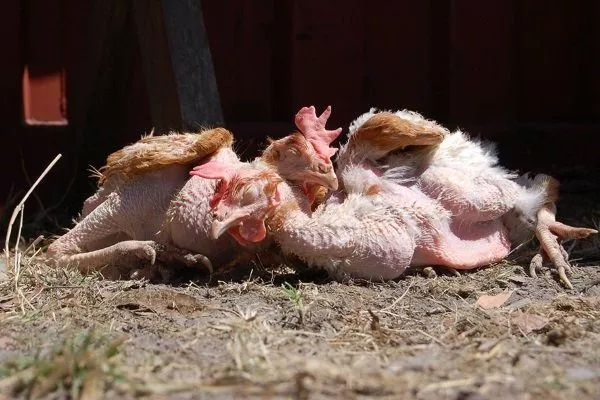
Chicken lameness
Lameness is not a disease in itself. It merely indicates an abnormality in the chicken's health and is the main symptom of musculoskeletal disorders. It manifests itself in:
- wounds and cuts of the limbs;
- dislocations, bruises, fractures of the legs;
- inflammation of the tendons and muscles of the ankle;
- diseases of the nervous system and kidneys;
- rapid weight gain.
If lameness is detected, examine the birds. Chickens may remain standing due to pain or discomfort in their limbs, even with minor injuries. This is because standing increases the load on the legs, and the symptomatic pain increases.
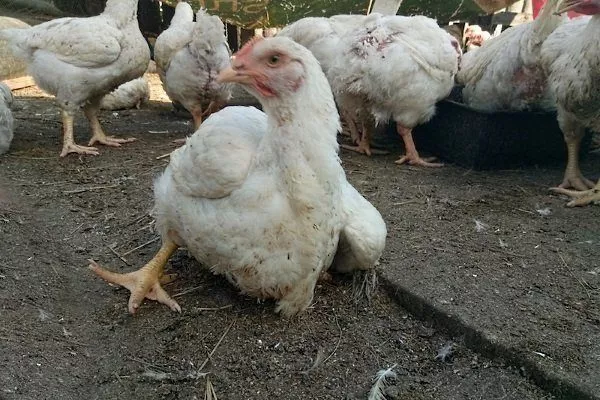
Gout (uric acid diathesis)
The symptoms of the "disease of kings" are as follows:
- minimal mobility;
- the appearance of bumps on the joints;
- swelling of the limbs;
- sluggish appetite;
- weakness and exhaustion.
The disease is caused by poor nutrition, excess protein in the diet, and metabolic disorders. As a result, uric acid and salts accumulate in the joints as deposits. Movement becomes painful, and the birds try not to stand, eventually becoming unable to do so.
At the first signs of illness, let your birds out for walks as often as possible and optimize their diet. Eliminate all high-protein foods, especially meat and bone meal, and introduce increased amounts of fruits and vegetables.
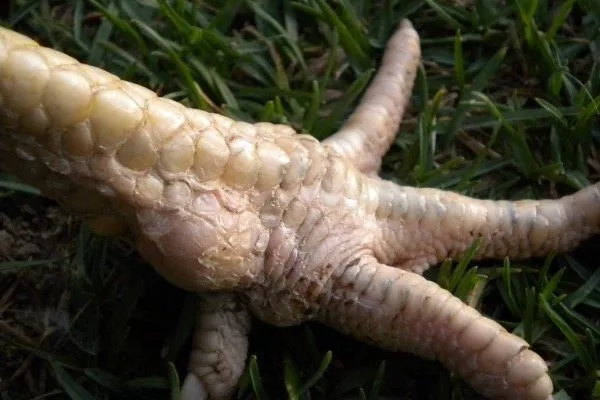
Tenosynovitis
Tendonitis, an inflammation of the tendons, most often affects young animals housed in fattening facilities. The symptoms and progression of the disease are similar to non-viral arthritis.
In chickens, the disease manifests itself as lameness, pain in the legs, and in advanced cases, the birds do not get up at all.
Antiviral drugs and antibiotics are used to treat the disease, administered in a week-long course. The effectiveness of treatment depends on the stage at which the diagnosis is made.
Arthritis and osteoarthritis
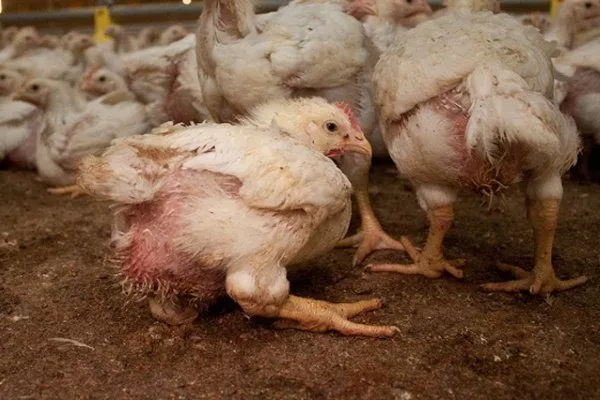
Osteoarthritis manifests itself as limited mobility in chickens, legs drawn up toward the body, joint swelling, and a burning sensation in the limbs. The disease is caused by unfavorable living conditions, when even minor skin lesions on the limbs become infected. Osteoarthritis is caused by staphylococcus bacteria found in feed, the environment, and other contaminated sources.
Arthritis is an inflammation of the joints. The disease can be caused by an unbalanced diet or may be viral in nature.
Treatment is symptom-based. Bactericidal medications and antibiotics are used. The coop and nests are sanitized.
Marek's disease
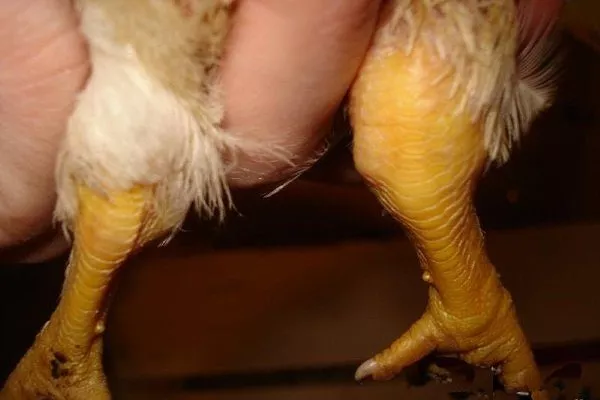
The disease's causative agent, the herpes virus, affects the nervous system and vision of birds. Symptoms include:
- the color of the eyes changes, the pupil becomes narrow;
- paralysis of the goiter and pallor of the comb;
- swelling occurs in the joints and bones;
- the nature of the gait changes, movement becomes difficult.
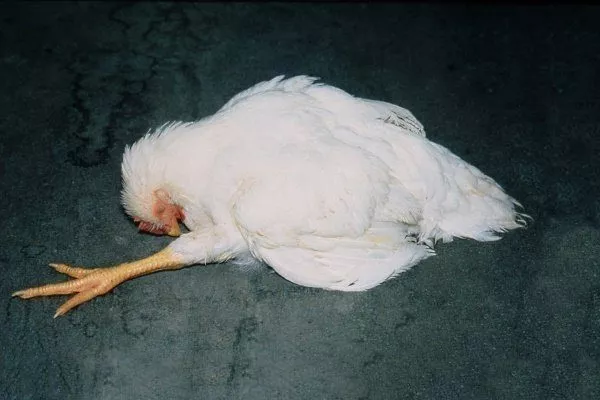
The disease progresses rapidly, and all birds can become infected within a short time. The final stage of the disease completely paralyzes the birds and deprives them of sight. The bird dies.
The disease is incurable, and once diagnosed, the entire herd is destroyed. Vaccination of young animals serves as a preventative measure.
Curvature and twisting of fingers
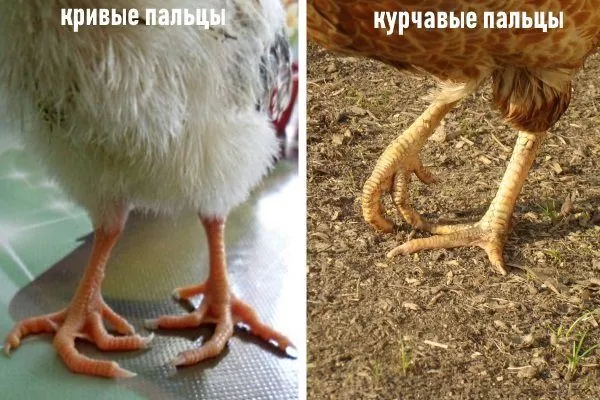
Curved toes in chickens are characterized by a lateral lean when walking. Curled toes are bent inward, resulting in an unsteady gait.
Such defects arise from genetic abnormalities or as a result of hypothermia and mechanical damage. In such cases, it is impossible to cure or correct finger defects.
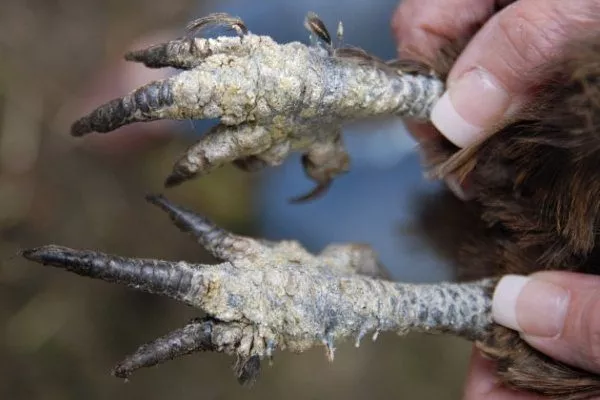
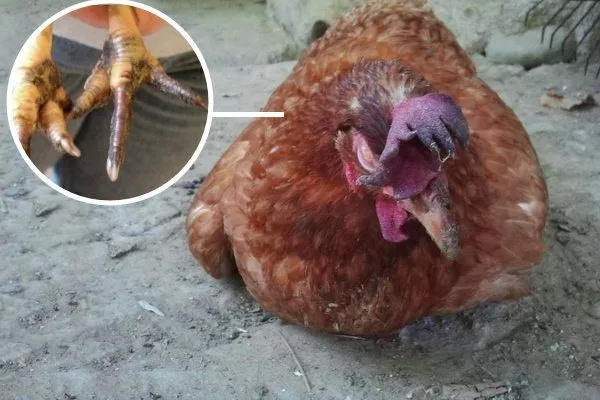
Knemidokoptoz
The disease is caused by the subcutaneous scabies mite. Symptoms include:
- formation of scaly growths on the feet of birds;
- the appearance of a white coating on the paws;
- dermatitis and scabies manifestations;
- change in gait;
- numbness of fingers.
The mite reproduces at a very high rate, so if signs of Knemidocoptosis are detected, it is necessary to treat the chicken coop and remove the sick individuals.
Acaricidal preparations are used for treatment. Dilute the medication according to the instructions, then soak the bird's feet in the solution for 1-2 minutes. If necessary, repeat the procedure a week later.
Perosis
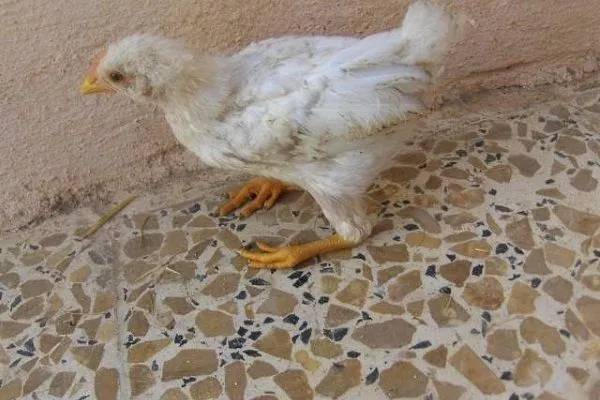
Perosis is characterized by joint displacement and thickening of the feet. This occurs due to weakening of the ligaments and tendons in the birds' limbs.
Chickens with inadequate dietary manganese intake are at risk. Furthermore, severe deficiencies of the following components can trigger the disease:
- pantothenic, nicotinic and folic acids;
- choline;
- riboflavin;
- biotin.
The disease is irreversible, and chickens from sick individuals also inherit the disease.
To prevent the disease, foods rich in essential elements are introduced into the diet and vitamin and mineral complexes are used.
Reovirus infection of chickens
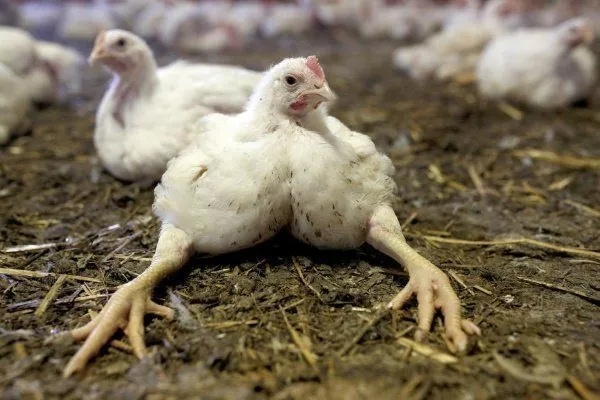
In its early stages, the disease caused by reovirus has no obvious characteristic signs or symptoms, other than lameness, loss of appetite, and pale skin. In advanced stages, the bird is unable to move due to ruptured ligaments and tendons in the lower leg, as well as cartilage destruction.
Mechanical damage
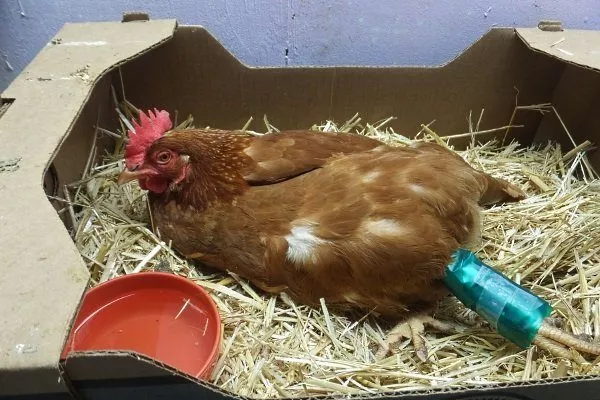
If a sudden change in gait, lameness, or immobility occurs in chickens, inspect the birds' feet for damage. Treat cuts and wounds with an antiseptic solution. If the damage is severe, bandage the area and isolate the bird from the rest of the flock.
To prevent mechanical injuries, create safe conditions for the birds in the coop and pen. Remove unnecessary objects and equipment that could cause injury, and avoid grabbing chickens by the wings or legs when catching them. Optimize their diet to ensure strong bones and a healthy immune system.
Displacement and inflammation of tendons
Displacement and inflammation of the tendons is determined by:
- twisted limbs;
- complete immobilization.
Due to their inability to move, chickens are unable to reach food and starve. This condition is triggered by an unbalanced diet and a deficiency of B vitamins. Those at risk include chickens being fattened and growing rapidly.
Tendon displacement is not completely curable, as the underlying cause is genetic. Birds with such problems should be slaughtered.
Frostbite of the paws
Signs of frostbite include:
- cyanosis of the skin of the legs;
- swelling of the limbs;
- blanching followed by blueing of the earrings and comb;
- unsteady gait;
- convulsions;
- difficulty breathing;
- foamy diarrhea.
It occurs after exposure to extreme cold. With severe frostbite, it's impossible to help the bird, as the tissue is destroyed and dies due to necrosis. In the first stage of frostbite (hypothermia), the limbs are rubbed with goose fat or petroleum jelly.
In what cases is it necessary to contact a veterinarian?
If you notice a chicken fall on its feet, you should examine the bird yourself. If there are any mechanical injuries, seek medical attention.
- ✓ A change in the color of the comb to a paler color may indicate the early stages of Marek's disease.
- ✓ An unusual position of the wings may be an early sign of tendon displacement.
If, in addition to lameness and decreased motor activity, soft eggshells are also present, review your bird's diet by adding a vitamin and mineral supplement, boiled vegetables, and fresh herbs.
If more severe symptoms occur, consult a veterinarian. They will determine the cause and diagnosis, and prescribe the necessary medications.
Until the doctor arrives, isolate sick birds from the general population.
When self-medicating, you can make a mistake in choosing medications and their dosages, thereby causing irreparable harm to chickens.
The sooner a breeder consults a veterinarian and calls him to examine the flock, the greater the chance that losses in the chicken flock will be minimal and the disease will subside.
Disease prevention
Preventive measures are summarized as follows:
- Balanced diet and addition of vitamin and mineral supplements (Tricalcium phosphate).
- Sanitary treatment of the chicken coop and enclosure, their compliance with sanitary and hygienic standards.
- Vaccination of young animals.
- Caring for livestock, providing microclimatic conditions in the chicken coop.
- Providing daily walking for chickens.
- Do not overcrowd the flock; provide sufficient space for the birds.
- New individuals should be released into the general herd only after quarantine measures.
Chickens can fall on their feet due to numerous illnesses. Preventative measures and monitoring of the flock, as well as timely veterinary examinations and treatment, can in most cases prevent the death of the birds, and consequently, the breeder's losses.