
Raising chickens is only seemingly easy. Rarely does a breeder achieve complete survival of their entire flock. The birds are susceptible to various diseasesCommon symptoms include coughing, wheezing, and sneezing. When these occur, it's important to identify the underlying cause and provide appropriate treatment.
Overview of reasons
Wheezing, sneezing, and coughing are classic clinical signs of various chicken diseases. Wheezing is usually the first symptom, followed by coughing and sneezing. Let's look at which diseases are characterized by these symptoms.
Cold
The cause of this pathological condition in chickens is hypothermia. Subzero temperatures, cold winds, dampness, an insufficiently insulated coop, and a run set up in a drafty area—there are many risk factors.
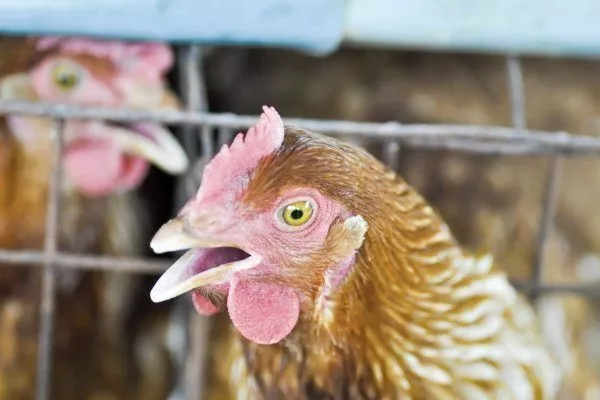
If a chicken has a cold, the following clinical picture is formed:
- the bird breathes heavily, noises can be heard: wheezing, whistling, gurgling;
- sneezing and coughing;
- loss of appetite, possible complete refusal to eat;
- inhibited state, lethargy;
- runny nose - mucous, transparent discharge from the nasal passages;
- the beak is constantly slightly open;
- the scallops turn pale;
- egg production decreases sharply or disappears altogether;
- the bird tries to find a secluded place and hide there;
- If treatment is not started in a timely manner, the symptoms will worsen.
Rhinotracheitis
Chickens have only recently begun to suffer from this disease. The following clinical picture develops:
- swelling of the head;
- damage to the upper respiratory tract - larynx, trachea, mucous membrane of the eyes and nasal cavity, accompanied by coughing, sneezing, wheezing, and lacrimation.
Infectious laryngotracheitis
This is a viral disease. The virus primarily affects the mucous membranes of the larynx and trachea, and less commonly, the conjunctiva and nasal cavity. Large poultry farms are at the highest risk of developing this disease.
Infectious laryngotracheitis most often affects young birds aged 2 to 3.5 months. In birds, the disease is transmitted beak-to-beak, and after exposure, strong immunity develops and they become carriers of the virus for life.
The risk of disease is highest in spring and fall, as these seasons are characterized by temperature fluctuations, which weaken the immune system and respiratory tract. The disease can be acute, subacute, or chronic. In the former case, up to 80% of the herd can be affected, with half of the cases resulting in death.
The disease is characterized by the following clinical picture:
- cough;
- wheezing;
- wheezing;
- lacrimation;
- discharge of mucus from the nasal passages;
- the larynx becomes red and swollen, pinpoint hemorrhages appear, and mucus or cheesy masses accumulate in the lumen;
- depressed state;
- loss of appetite;
- The comb and earrings become bluish.
A conjunctival form of the disease is possible. It is characterized by:
- eye inflammation;
- mucous or foamy discharge from the eyes;
- drooping of the third eyelid onto the eyeball;
- corneal damage - chickens that have recovered from the disease become blind.
Infectious bronchitis
This disease is viral and is one of the most dangerous and widespread in industrial-scale poultry farming. Birds of any age can become infected.
The clinical picture includes the following manifestations of the disease:
- sneezing;
- difficulty breathing with tracheal wheezing;
- cough;
- discharge from the nasal passages;
- A decrease in egg production is observed, in addition, the egg white becomes watery, and the eggshell becomes pale and soft.
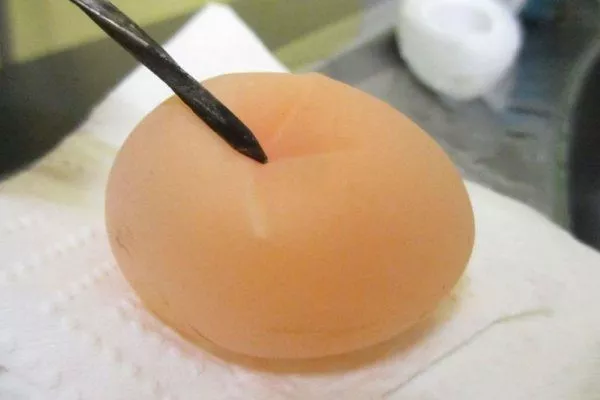
The virus is transmitted by airborne transmission. The infection spreads over a radius of approximately 1 km. It takes 1-1.5 days to spread.
Bronchopneumonia
This disease typically develops in the spring or fall. It affects the lungs, bronchi, and trachea. Three forms of severity are distinguished: mild, moderate, and severe.
A more pronounced clinical picture develops in moderate or severe cases of the disease. In the former, the temperature rises to 38 degrees Celsius, and in the latter, even higher. The following symptoms are also observed:
- breathing becomes more frequent and difficult – the bird can only breathe with its beak open;
- wet wheezing appears;
- a sharp decrease in activity – inability to move independently, eat, drink;
- Without treatment, death occurs on the second day.
Colibacillosis
This disease typically affects young animals aged 3-14 days. The condition is acute and, if left untreated or treated incorrectly, becomes chronic. Acute symptoms include:
- an increase in temperature by 1.5-2 degrees above normal;
- thirst – chickens drink a lot and often;
- loss of appetite;
- weight loss;
- weakness;
- diarrhea;
- intoxication causing death.
If the disease becomes chronic, the symptoms persist. After 2 weeks, the following signs appear:
- cough;
- wheezing;
- heavy breathing;
- the bird sneezes frequently;
- crunching and creaking sounds are heard in the sternum;
- there is a high risk of death.
Mycoplasmosis
This pathology is infectious and affects the entire flock. Even minor deficiencies in poultry husbandry can trigger it. The infection is transmitted primarily by airborne droplets, but water can also be a source of the virus. The peak incidence occurs in the fall.
The disease affects the respiratory system, causing the following clinical picture:
- difficulty breathing;
- cough with wheezing;
- sneezing;
- mucous discharge from the nasal passages;
- eyes become red, eyelids swell;
- loss of appetite;
- general lethargy;
- diarrhea - discharge is yellow or greenish in color;
- egg production decreases;
- unfertilized eggs make up to a third of the total number;
- every fourth embryo dies during hatching;
- the oviduct becomes inflamed;
- the cornea of the eyes is affected.
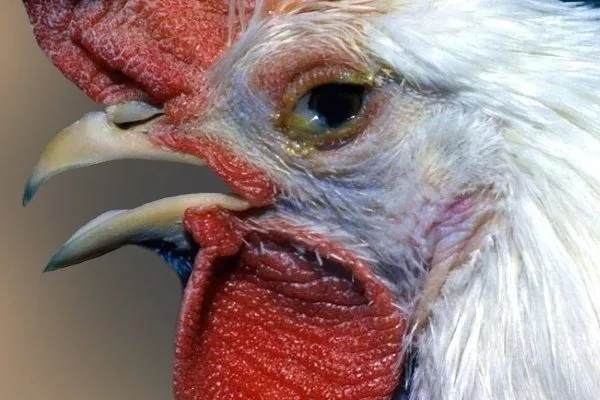
Mycoplasmosis develops gradually. The first stage of the disease is latent, and in the second stage, symptoms appear in only one in 10 birds. Pronounced symptoms develop in the third stage of the disease, and in the final stage, they subside, as the bird becomes a carrier of the virus.
Tuberculosis
This infection is typical in large flocks of birds. Even a single bird can infect an entire flock. The following clinical picture develops:
- weight loss – appetite remains normal;
- weakness, decreased activity;
- elevated temperature.
- ✓ Changes in behavior, such as decreased activity or unusual posture, may be an early sign of the disease before obvious symptoms appear.
- ✓ Minor changes in water or feed intake often precede clinical signs.
Symptoms worsen as the disease progresses:
- loss of appetite;
- the comb turns pale and wrinkles;
- diarrhea;
- internal organs are affected, including the respiratory system: cough, wheezing, sneezing;
- paralysis of the legs.
Treatment
Regardless of the diagnosis, the sick bird should be isolated. A separate coop is best, but a separate cage is also acceptable. The room where the sick bird was kept should be disinfected. Lugol's solution, chloroturpentine, and iodotriethyleneglycol are used for this purpose.
For treatment colds It's helpful to give your bird a herbal infusion. Use currant or raspberry leaves, or linden blossom. The infusion should be weak. Eucalyptus essential oil is also helpful; you can use an aroma lamp indoors.
In case of severe colds, chickens are given antibiotics(for example, Erythromycin or Tetracycline). The dosage is calculated based on the bird's weight: 40 mg of Erythromycin or 5-10 mg of Tetracycline per 1 kg. The medication should be dissolved in water.
At infectious laryngitis They take drastic measures, such as eliminating the entire herd and then disinfecting it. In extreme cases, they resort to partial recovery: the most affected and weakened animals are culled, and the rest are treated.
In treatment laryngotracheitis Non-specific measures are used. These include ventilation and heating of the poultry house, and good feeding of the birds. Among the medications used are:
- Furazolidone – 8 g of powder is mixed into 10 kg of feed;
- Gentamicin – aerosol spraying of the solution with a sprayer;
- ASD-2 – adding to wet mash;
- for concomitant bacterial infections, Norfloxacin, Ciprofloxacin, Enrofloxacin, and tetracycline drugs are used;
- lactic acid or iodotriethylene glycol - aerosol spraying, disinfection (the bird is not removed);
- Vitamin complexes: Chiktonik, Nitamin, Aminivital.
If vaccinated birds are imported or an outbreak of disease is observed, then mass vaccination is required.
Cure infectious bronchitis Chickens are not allowed to have it. Sick birds are isolated, and the room where they were kept is disinfected.
Upon detection infectious bronchopneumonia Action must be taken immediately. Be sure to spray the chicken coop with aspiseptol. This solution can be prepared from water (20 liters), soda ash (350 g), and bleach (250 g). In addition to disinfection, the following agents can be used:
- antibiotic: Norfloxacin, Terramycin, Penicillin;
- Instead of antibacterial therapy, mumiyo can be used - it is mixed with double the volume of honey, the treatment continues for at least a month;
- If the bird refuses to eat, feed it with a pipette - add pollen to a small amount of water;
- Additionally, they give vitamins and enrich the food with them.
Treatment colibacillosis Involves antibacterial therapy. People use Enronit, Enronit OR, and Lexoflon OR.
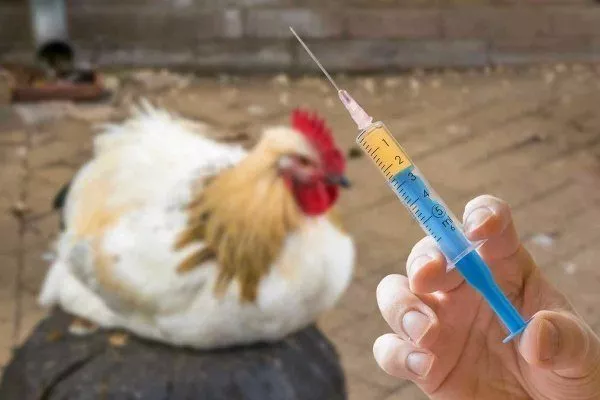
At mycoplasmosis Treatment depends on the identified pathogen. If it is not identified, broad-spectrum antibiotics are used: tetracycline, tylodox, eryprim, gilodox, macrodox. The medication must be dissolved in water.
The most effective antibiotics for mycoplasmosis are targeted antibiotics: Enroxil, Farmazin, and Tilmikovet. Antibacterial therapy is administered to the entire herd, regardless of the presence of clinical manifestations of the disease.
For individualized therapy of mycoplasmosis, injections of Tylosin, Tialong, and Tylocolin AF are used. The dosage is determined by the bird's age and breed. This measure is appropriate in the early stages of the disease.
For treatment tuberculosis A whole range of medications is used: Rifampicin, Isoniazid, and Ethambutol. Another treatment regimen, consisting of two stages, is also possible:
- 2 months give the mixture: Pyrazinamide, Isoniazid, Rifampicin, Streptomycin, Ethambutol;
- If the carrier state of the bacteria persists, administer Isoniazid and Rifampicin daily or every other day; continue treatment for 3-4 months.
Treatment is expensive, so for economic purposes it is more profitable to get rid of the entire population.
Various chicken diseases have similar clinical manifestations. Treatment, however, can vary dramatically. If signs of illness appear, consult a specialist who will conduct a diagnosis and prescribe the most effective treatment for your specific case. Self-medication may be ineffective and may only worsen the situation.
Prevention
Prevention is always better than cure. To prevent various illnesses in chickens that cause coughing, wheezing, and sneezing, follow these steps:
- The chicken coop should be warm, dry, and clean. Read on to learn how to build a chicken coop yourself, following all the standards. here.
- The feed must be high-quality and balanced. It is necessary to periodically provide the chickens with mineral and vitamin supplements, strictly adhering to the recommended dosages and timing. It is good to have automatic feeder.
- It's important to ensure your chickens have enough water to drink. The water must be clean and of adequate quality. Drinking bowls must be cleaned regularly. How to make your own chicken waterers is explained here. Here.
- The poultry house must be disinfected regularly. The air must be disinfected every 10 days.
- It is important to organize the chicken coop correctly and provide for rat protection (they are carriers of many diseases).
- Preventive examinations of poultry should be carried out regularly.
Chickens can wheeze, sneeze, and cough due to many diseases common to these birds. In any case, a diagnosis must be made and appropriate measures taken. Isolation of the sick bird and antibiotic therapy are often necessary. Some diseases are incurable. Prevention can reduce the risk of various diseases.