
Antibiotics are used to prevent and treat bacterial diseases in chickens. These come in both general-purpose and specific to broilers or layers. We'll explore which antibiotics to give chickens for specific illnesses and how to counteract their negative effects below.
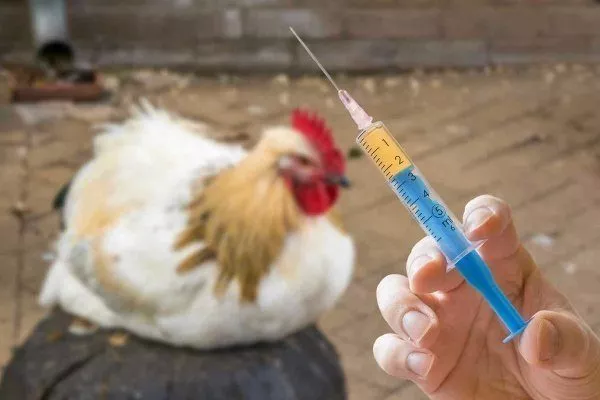
Can chickens be treated with antibiotics?
Antibiotics can and should be given to chickens, as they help revive sick birds and stop the spread of the disease. Moreover, such medications increase chicken productivity, as their active ingredient suppresses pathogenic microflora.
- ✓ Consider the age of the bird: chicks and adult chickens require different dosages and types of antibiotics.
- ✓ Check the pathogen's sensitivity to the antibiotic: not all bacteria react to the same drug.
However, consuming the meat and eggs of these birds poses a serious risk to humans, as the antibiotic tends to accumulate in the body, especially if given to birds over a long period of time or in excessive doses. When used correctly, it is gradually eliminated from the body over time, so humans can consume poultry meat and eggs. To do so, consider the following recommendations:
- if the bird has completed the full course of treatment, its meat and eggs can be eaten 3-4 weeks after its completion;
- For preventative purposes, small doses of antibiotics are used, so after the end of therapy, eggs can be consumed after 3 days, and meat - after 10-14 days.
However, it's important to understand that if birds are given small doses of medications, they develop resistant strains of microorganisms, that is, those resistant to certain chemicals. Therefore, it's unwise to mindlessly feed medications to chickens. Furthermore, it's important to remember that their use negatively impacts the quality of eggs, as they become bitter.
- ✓ The presence of a water-soluble form of the drug is critical for birds that refuse food.
- ✓ Consider the antibiotic withdrawal period for laying hens to avoid accumulation in eggs.
What antibiotics should I put in my first aid kit?
Every poultry farmer should always have medications on hand for first aid, if needed. When it comes to antibiotics, a first aid kit should contain broad-spectrum medications. We'll discuss these below.
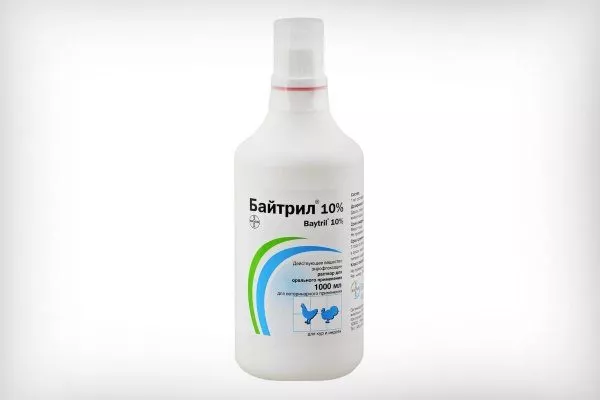
Baytril
The active ingredient is enrofloxacin. It acts quickly and is well absorbed by the body. The drug is suitable for the treatment of:
- salmonellosis;
- colibacillosis;
- enteritis;
- hepatitis.
Baytril is a strong antibiotic that inhibits bacterial growth.
It is available as an intramuscular solution administered by injection. The drug is also available as an oral solution, so it can be added to water or food.
For preventative purposes, dissolve 1 ml of the substance in 2 liters of water. It is given to 2-4-day-old chicks, and a vitamin complex is added on days 5-9.
A number of medications should not be used simultaneously with antibiotics, including:
- macrolides;
- Levomycetin;
- Theophylline;
- Tetracycline, etc.
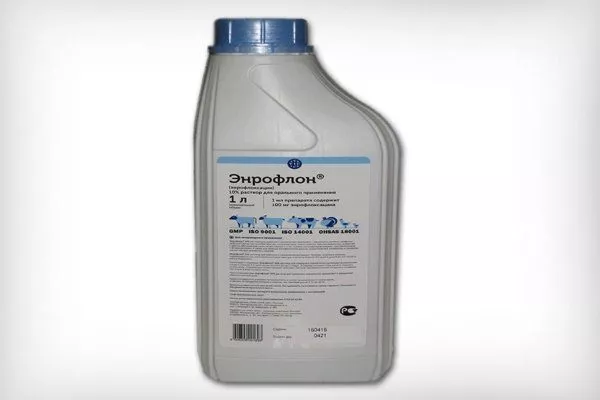
Enroflon
Unlike the previous drug, this one is easier to administer because it comes as a concentrated solution. It's diluted in water and then administered to livestock. It can treat the same diseases as Baytril.
For prophylactic purposes, Enrofloxacin is used from the first year of life. A 5% solution is added to water at a rate of 2.5 mg per 1 kg of body weight.
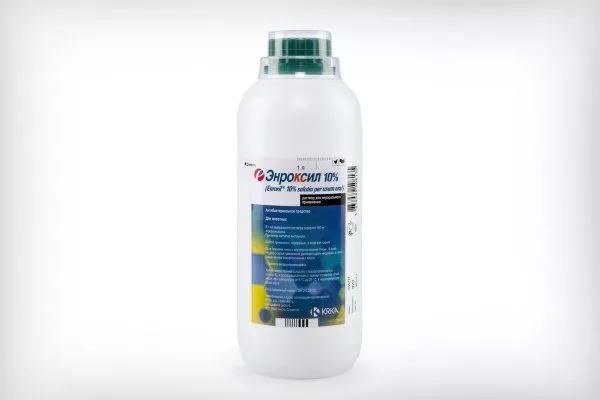
Enroxil
The drug's active ingredient is also enrofloxacin. It is available as an oral solution. It is most often prescribed for infectious diseases, including:
- salmonellosis;
- coligranulomatosis;
- infectious sinusitis;
- bronchitis;
- hemophilia;
- pasteurellosis.
For prophylactic treatment, birds up to 4 weeks of age are given a solution at a rate of 5 ml per 10 liters of water. The course of treatment lasts 3 days. For severe infections, the dose is increased to 3 ml per 5 liters of water, and the course of treatment is extended to 5-6 days.
Enroxil is often given to broilers to prevent serious infectious diseases, which often affect them because low acidity weakens their digestive system and leads to a deficiency of beneficial enzymes. For preventative purposes, a 5% solution is given to chickens at a dose of 1 ml per liter of water. The course of treatment lasts for 3 days.
Levomycetin
One of the most effective remedies, it combats both intestinal and respiratory diseases. It comes in powder or bitter-tasting tablet form and dissolves well in water.
Typically, the medication is added to dry feed, as birds may reject bitter water. The antibiotic is administered three times daily at a dose of 30 g per 1 kg of live weight.
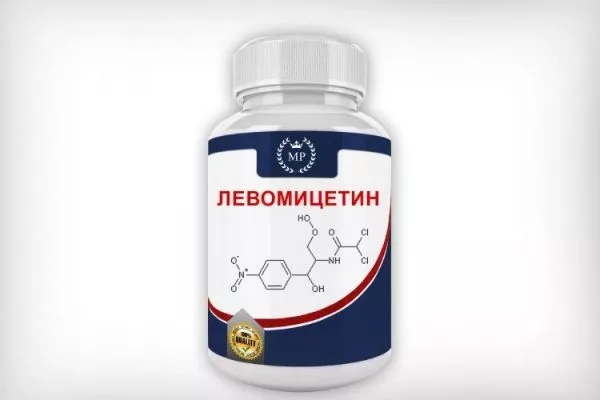
In case of individual intolerance, the bird experiences digestive problems and allergies.
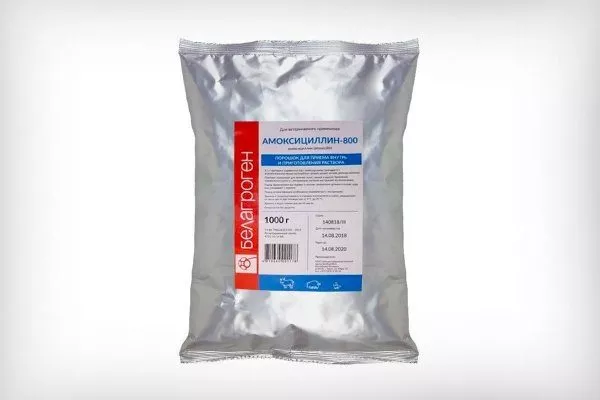
Amoxicillin
To treat diseases affecting the gastrointestinal, urinary, or respiratory tracts, veterinarians typically prescribe Amoxicillin, a semisynthetic penicillin antibiotic. It has a bactericidal effect against gram-positive and gram-negative bacteria.
The drug is available in the form of a white or light yellow powder, 1 g of which contains 0.1 g of amoxicillin trihydrate and 0.9 g of glucose.
During the first ten days of life, birds are given Amoxicillin at a dose of 100 g per 400 liters of water, and subsequently at a dose of 100 g per 200 liters of water. The course of treatment is 3-5 days. The drug is well absorbed from the digestive tract, quickly spreading to all organs and tissues.
Baycox
An antiparasitic treatment with anticoccidial action and immediate action. It is available as a colorless, odorless suspension for oral administration.
The recommended dose for adult hens is 7 mg per 1 kg of body weight. The suspension is diluted in 1 liter of water and given to the birds for two days. The solution can be used within 48 hours. If a sediment forms, stir it well before use.
Young animals are given antibiotics starting at 2 weeks of age, diluting 1 ml of the preparation in 1 liter of water. They are given this medication for 2 days.
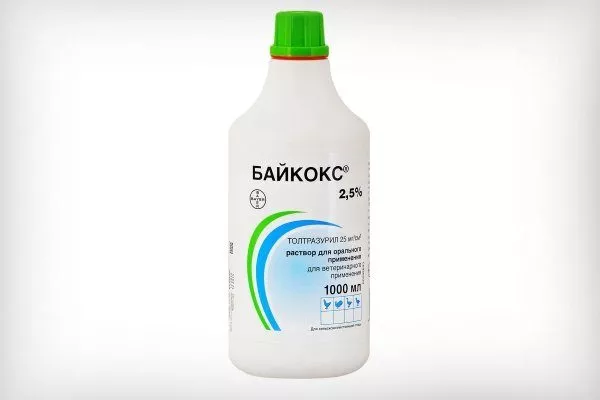
Analogues of Baycox are Coccidiovit and Solicox.
Popular antibiotics for broilers
Broilers are early-maturing hybrids raised for meat. They grow and gain weight quickly, and as a result, they have poor body temperature regulation, leading to rapid hypothermia and increased sensitivity to environmental factors.
To avoid losing the entire flock, broilers must be given antibiotics at a young age to boost their immunity. These are administered between the fourth and eleventh days of life, but initially, the chicks are given vitamins to strengthen their immune system.
Tetracycline antibiotics are popular among poultry farmers, but they have been around for a long time, and many pathogens have developed immunity to them. Therefore, experts do not recommend their use during the early stages of young poultry development. Other medications are more effective for prevention.
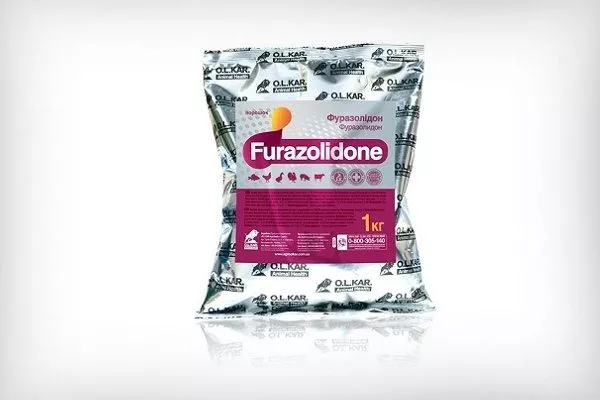
Furazolidone
An antibiotic with non-toxic action. Its advantage is that, in addition to inhibiting bacteria and some viruses, it creates and maintains non-pathogenic microflora. It prevents the development of pathogens that cause a number of intestinal diseases:
- salmonellosis;
- coccidiosis;
- pasteurellosis.
The medication is available as a powder that dissolves poorly in water. It is typically mixed with dry feed and fed to chickens over 8 days old. Treatment duration is approximately 3 days, but no more than 10 days.
Dosage:
- for chickens up to 10 days of age – 0.02 mg per 10 heads;
- young animals up to 1 month – 0.03 mg per 10 heads;
- for adult broilers – 0.04 mg per 10 heads.
Side effects of the drug include diarrhea and allergic reactions. Birds may also have an individual intolerance.
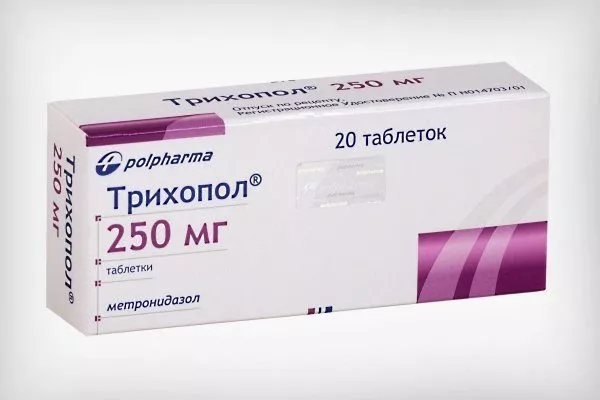
Trichopolum
It is considered an antiprotozoal agent with an antimicrobial effect. Its active ingredient is an antibiotic. metronidazole, which destroys the acid balance of bacteria and causes their death.
The drug does not cause gastrointestinal disturbances, but it still requires precise dosage. Furthermore, it has long been used in medicine, so some pathogens may be resistant to it.
Trichopol is very poorly soluble in water, so it is mixed with dry food. For preventative purposes, 20-25 mg of the substance per 1 kg of body weight is used. The course of treatment is 5 days. It is repeated every 2 weeks until the young animals are 1.5 months old.
Enrofloxacin
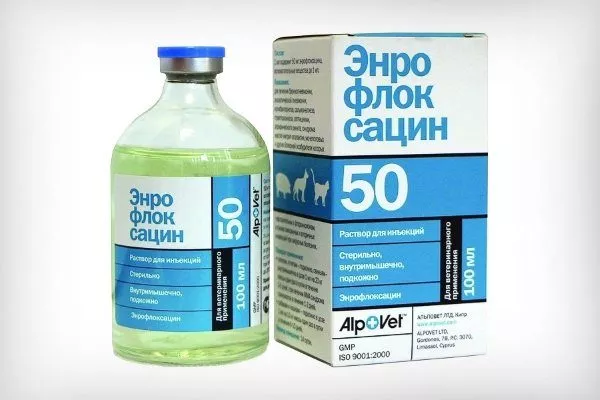
A broad-spectrum, next-generation antibiotic that can be administered to chicks from day 3 of life. It is sold both in pure form and as an ingredient in other medications:
- Enrofloxacin;
- Baytrila;
- Enroxila.
These medications help prevent the development of many diseases, including salmonellosis, mycoplasmosis, and pasteurellosis. The course of treatment is 5 days. Dissolve 1 mg of the substance in 1 liter of water.
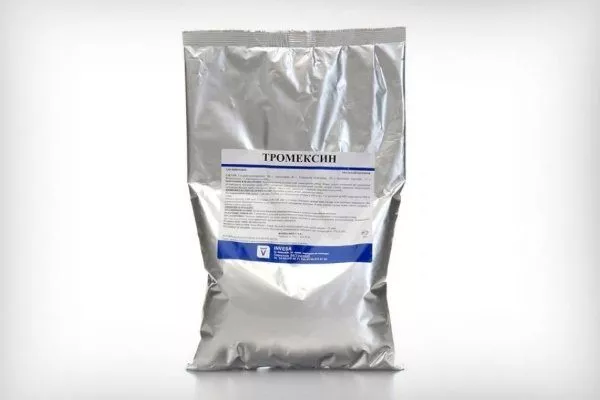
Tromexin
This broad-spectrum antibiotic is prohibited for laying hens, but is recommended for broilers because it does not harm their future development. It combats intestinal and respiratory diseases and is an excellent remedy for diarrhea.
The drug is used according to the following scheme:
- on the 1st day, prepare a solution of 2 g of the substance and 1 liter of water, which is enough for 10 adults or 20 young animals;
- in the next 2 days, the concentration of the medicine is reduced to 1 g per 1 liter of water, the solution is calculated for the same number of heads;
- take a break for 4 days and repeat the course again in the same sequence.
The medication can be administered with dry food. The dosage remains the same, but the number of meals is increased to three times a day.
Monlar 10% and Kokcisan 12%
The greatest danger to young animals is coccidiosis, an infectious disease that affects the gastrointestinal tract. The following measures are used to prevent it:
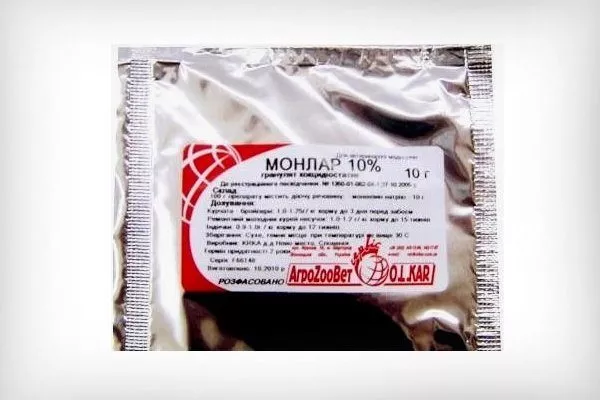
- Monlar 10%The active ingredient is the antibiotic monensin sodium, which is active against all types of coccidia. The drug is available as a powder with a distinctive odor. Its color can vary from yellowish-brown to brown. The drug is insoluble in water and is therefore administered with feed. The dosage for broiler chickens is 1000–1250 g per ton of feed from the first day of life. It is removed from the diet 5 days before slaughter.

Monlar is contraindicated for use in laying hens and adult breeding birds. Concomitant use with Tiamulin, Erythromycin, Aleandomycin, and sulfonamides is prohibited.
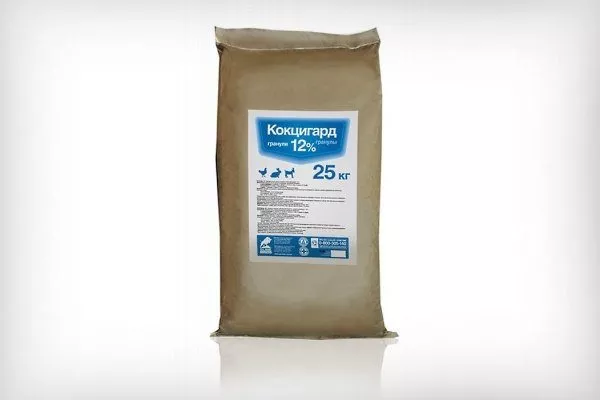
- Koktsigard 12%Specially formulated for the prevention and treatment of coccidiosis. It is poorly soluble in water, so it is also added to feed. The package includes a special measuring syringe, making it easy to administer the correct dosage. Ensure that the bird consumes the entire dose of feed containing the medication; otherwise, the therapeutic effect will be lost. The daily dose is 500 g per ton of feed. It is withdrawn from the bird's diet 5 days before slaughter.
Popular antibiotics for laying hens
While antibiotic elimination isn't a major concern for meat breeds, it's crucial for laying hens. This is because medications accumulate not only in the body but also in eggs, which can render them unfit for human consumption. Therefore, medications with faster elimination are selected for laying hens.
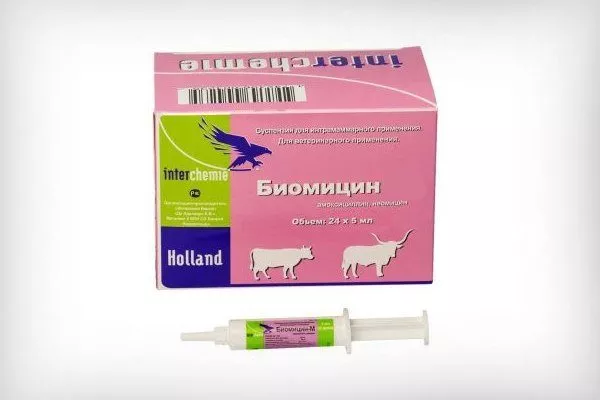
Biomycin
It is a white powder that is dissolved in water before use. It is administered intramuscularly or orally.
The antibiotic is often used not as a preventative measure, but as a growth stimulant for young animals. Experts note a 25% growth acceleration when the drug is added to the diet for two months. It also effectively combats bacteria and some viruses.
Biomycin is usually administered in combination with sulfa drugs, as they enhance each other's effects. When treating influenza, mycoplasmosis, pullorum, or coccidiosis in laying hens, the powder is used in two ways:
- It is administered by injection. A single dose is 2 mg of the substance per 2 ml of saline solution. Laying hens are injected three times a day for a week.
- Administer orally by dissolving 1 mg of the substance in 1 liter of water. Feed the animals 3 times a day for 3-5 days.
Side effects include individual intolerance and intestinal upset.
Sulfadimezine
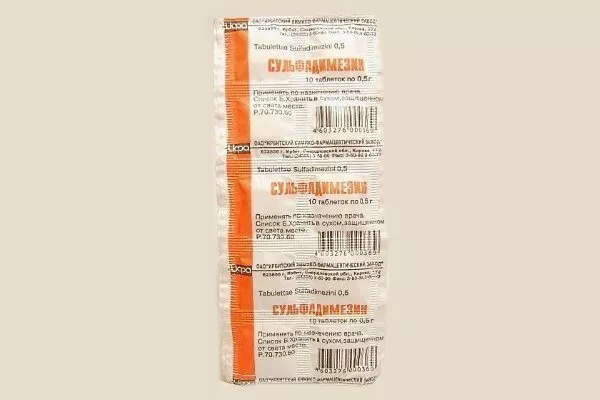
The advantages of this medication include low toxicity, good absorption, and few side effects (only individual intolerance). It is a yellow-white powder that is dissolved in water and used to treat bacterial infections:
- coccidiosis;
- salmonellosis;
- pasteurellosis;
- typhus.
In addition, Sulfadimezine helps with respiratory diseases:
- pneumonia;
- tonsillitis;
- laryngitis.
The most effective method is to administer the drug both intramuscularly and orally. The antibiotic is mixed with dry food (0.05 g per 1 kg of body weight) and administered 2-3 times daily. The course lasts 4-6 days. A fresh portion is prepared before each dose.
Chlortetracycline
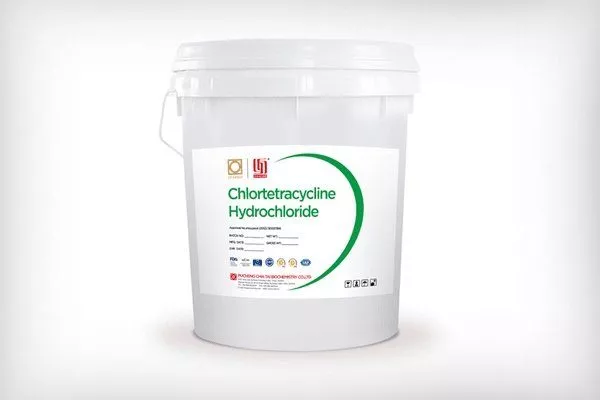
A tetracycline antibiotic in the form of a water-soluble yellow powder, which is used to stimulate the growth of females, and to prevent and treat the following diseases:
- pneumonia;
- coccidiosis;
- colibacillosis;
- mycoplasmosis.
Experts note that some strains of salmonella and staphylococcus are immune to Chlortetracycline.
It is administered intramuscularly or orally. It should be noted that the aqueous solution decomposes quickly when exposed to sunlight, so the medication is not stored; a new dose is made each time.
For intramuscular administration, prepare a solution at a dose of 1 mg per kg of body weight. Laying hens receive two injections per day. For oral administration, take 40 mg per kg of body weight. Feed three times daily for seven days. If symptoms persist, repeat treatment after three days.
Combination antibiotics
When treating various diseases in chickens, combination drugs are also used.
Avidox
This drug consists of two antibiotics: doxycycline, a broad-spectrum antibiotic, and colistin. This combination doubles the drug's effectiveness, disrupting the bacterial cell membrane and inhibiting protein synthesis.
It is produced in the form of a water-soluble white powder for oral use and is used to treat chronic respiratory diseases complicated by pasteurellosis, mycoplasmosis and colibacillosis.
The drug is added to feed at a rate of 0.01 mg of substance per 1 kg of feed.
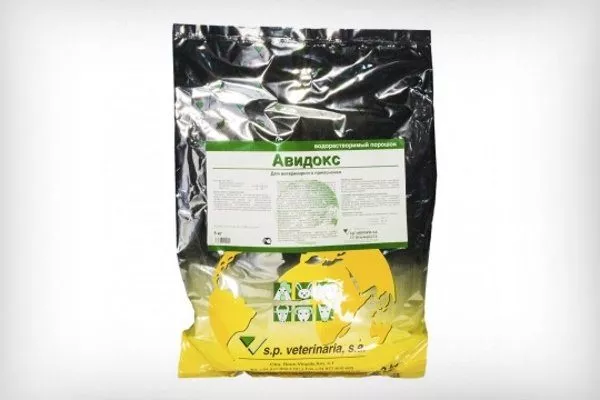
The medication is strictly prohibited for birds with kidney disease and hypersensitivity to tetracycline antibiotics.
Dietrim
A complex systemic antibiotic with broad antimicrobial activity. It contains two active ingredients: sulfadimezine and trimethoprim. The drug is available as:
- suspensions for oral use;
- light yellow or light brown solution for injection.
It has low toxicity, so when administered at the recommended dosage, it has no adverse effects on birds. Furthermore, the antibiotic effectively combats gram-positive and gram-negative microorganisms and bacteria, including E. coli, streptococci, and staphylococci. It also acts against the pathogens that cause brucellosis and pasteurellosis.
It is diluted in water (1 ml of medication per 1 liter of water) and given to the chickens for 3-5 days. For acute bacterial or viral infections, the medication is administered twice daily, every 12-13 hours. The course of treatment continues until the birds have fully recovered, but should not exceed 8 days.
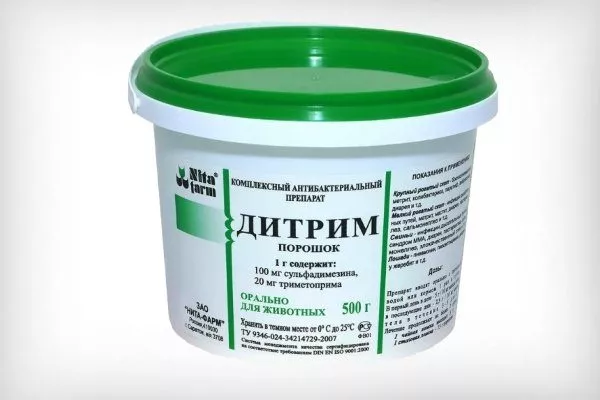
This antibiotic should not be given to birds with chronic kidney or liver disease, or in cases of individual intolerance. In rare cases, drowsiness, intestinal upset, allergies, and depression have been reported. Overdosage can cause kidney and gastrointestinal problems.
Doreen
Another combination antibiotic, this one contains rifampin and doxycycline. It comes as a brick-red powder and is used to prepare an injection solution. It is prescribed for the treatment of:
- colibacillosis;
- salmonellosis;
- gastroenteritis;
- respiratory and other diseases of bacterial origin, the pathogens of which are sensitive to the components of the drug.
The solution is administered intramuscularly once every 24 hours for 3-7 days. The dosage is 5-10 mg (depending on the age of the bird) per 1 kg of live weight. If one or more doses are missed, restart the treatment according to the schedule.
The powder is first dissolved in water for injection or sodium chloride solution. If the bird shows hypersensitivity to the drug, treatment is discontinued immediately.
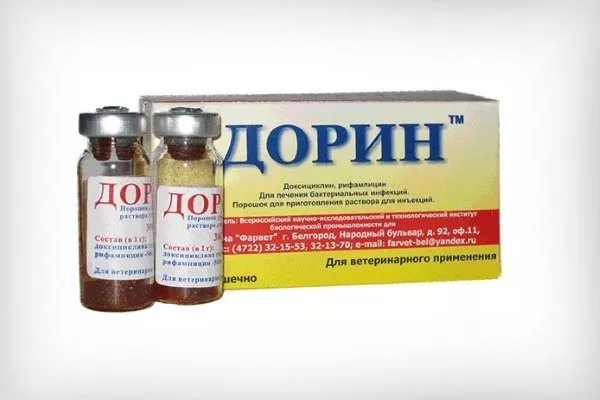
Dorin should not be used simultaneously with iron-containing medications and aluminum, calcium, and magnesium salts, as their interaction may lead to the formation of poorly soluble substances.
Antibiotics in the treatment of various diseases
As mentioned above, not all medications are effective against certain pathogens. So, let's take a closer look at which medications are best for treating different conditions.
It's important to know the symptoms of other common chicken diseases to be able to distinguish one ailment from another. For more information on various chicken diseases, read the articlehere.
Salmonellosis
One of the most dangerous diseases, widespread among poultry, the meat of infected birds is strictly prohibited.
For treatment, veterinarians often prescribe Baytril and give it according to the following regimen:
- Day 1 – 50 ml of the drug is dissolved in 100 liters of water and administered once a day;
- 2nd day – 100 ml of the medicine is dissolved in 100 liters of water and administered to the young animals 2 times a day;
- Day 3 – 200 ml of antibiotic is diluted in the same volume of water and the chickens are given it to drink every 6 hours;
- 4th day – a solution is prepared from 400 ml of the substance and 100 ml of water, the birds are given it to drink every 3 hours;
- the scheme is repeated after the 4th day.
The course of treatment lasts 5 days or more.
The condition can also be treated with Enrofloxacin. In this case, 5-10 mg per kg of body weight is administered to the bird for 3-5 days.
Coccidiosis
Before administering antibiotics to chickens, sick birds should be quarantined. Treatment is carried out:
- Baycox;
- Coccisan 12%;
- Furazolidone.
It's important to remember that the pathogen quickly becomes accustomed to one drug and develops immunity to it. Therefore, when treating and preventing coccidiosis, antibiotics are changed every 1-2 years.
In the video below, a breeder shares his experience treating coccidiosis with antibiotics:
Preference is usually given to water-soluble representatives, since a sick individual refuses food, but drinks greedily.
Chicken typhus or pullorum
Both adult chickens and newborn chicks are susceptible to the disease. Treatment for typhus is effective with the combined use of Biomycin and Furazolidone.
Pasteurellosis or chicken cholera
The most effective medication against the pathogen is sulfamethazine. A solution is prepared at a rate of 1 g per 1 liter of water and given to infected individuals for three days. In the following days, the dosage is reduced by half to 0.5 g per 1 liter.
Colibacillosis
This viral disease is characterized by rapid progression and can cause massive losses of chicken flocks. Broiler chickens and meat breeds are particularly susceptible.
As soon as the first symptoms of the pathology become noticeable, treatment with the following antibiotics is immediately started:
- Synthomycin;
- Biomycin;
- Furacilin (Furazidin).
The best results in combating colibacillosis are achieved by combining the above-mentioned medications. The following are the most popular:
- SynthomycinA powerful antibiotic with a broad spectrum of action. It is available as a white powder with a bitter taste. It dissolves poorly in water, so it is added to dry feed. The recommended dose per bird is 5-6 mg. It is not recommended to leave uneaten feed containing the antibiotic overnight. The course of treatment is 5-6 days. The drug is contraindicated in birds with kidney or liver disease, sensitivity to chloramphenicol, or hematopoietic depression.
- FurazidinA domestic veterinary drug with effective antimicrobial action. It is produced as a yellow powder that is poorly soluble in water. It is stable—it retains its properties when dissolved in boiling water. It is the least toxic drug. It is fed twice daily, 2-3 mg per animal, mixed with food. The course of treatment is 5-7 days.
How to mitigate the negative effects of antibiotic treatment?
After antibiotic treatment or prophylaxis, the bird's body needs to clear the accumulated medication. There are several ways to speed up this process:
- Drink plenty of fluids – there should always be fresh, clean water in the drinking bowl.
- To restore intestinal microflora, birds are given special medications, and fermented milk products (cottage cheese, fermented baked milk, kefir) are introduced into the diet of young animals.
- Fresh air and plant-based food – during warmer months, birds should be outdoors as much as possible. This way, they can eat green grass, which is a source of vitamins. If treatment occurs during the fall and winter, fresh vegetables such as carrots and cabbage are given instead of grass.
- Introduction of mineral-vitamin complexes and protein foods into the diet – bone and meat and bone meal.
Many farmers oppose the use of antibiotics in poultry farming, but there are situations where they are unavoidable. The key is to choose the right medication, adhere to the correct dosage, and remember that it takes time for the medication to be eliminated from the bird's system.