
Raising turkeys for meat not only provides a healthy, nutritious home supply but also represents a promising business opportunity. For those just getting started in poultry farming, whether for personal consumption or sale, it's important to know how quickly turkeys grow for meat at home.
Characteristics of turkey poults
Turkey chicks have several characteristics that are important for effective care. Immediately after hatching, the chicks are covered in soft, fluffy feathers. They require additional warmth during the first weeks of life.
- ✓ Optimal temperature in the first days of life: 35-37°C with a gradual decrease of 3°C weekly to 20°C.
- ✓ Air humidity should be maintained at 60-70% to prevent respiratory diseases.
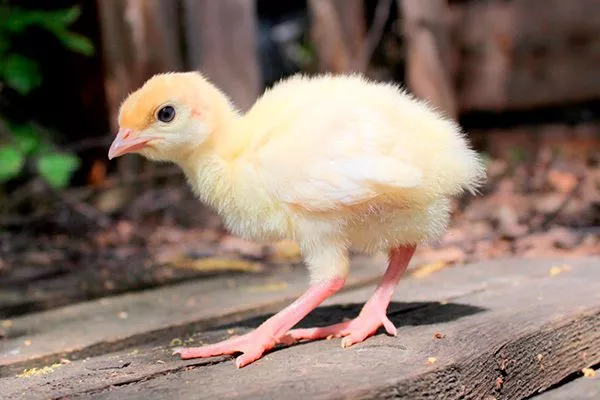
Turkey poults grow quickly, and the first few weeks of life are critical for proper development. They reach full maturity in a relatively short period. They are active and curious. They explore their environment, so it's important to provide them with the space they need to develop.
Normal values
Turkey weight gain standards can vary depending on several factors, including breed, living conditions, feed quality, and even breeding goals (meat, feathers, down). As a general guide, consider the following indicators:
- The first 2-4 weeks. During this period, turkey chicks can gain approximately 0.5 to 1.5 kg in weight, depending on their living conditions, feed quality, and breed. This stage is critical for proper development.
- From 4th to 12th week. During this period, growth accelerates, and turkey poults can reach a weight of 5 to 10 kg. This period requires a more advanced diet that takes into account the needs of the growing body.
- From 12 weeks until slaughter. In the weeks leading up to slaughter, chickens can gain weight from approximately 10 to 25 kg or even more depending on the breed and breeding goals.
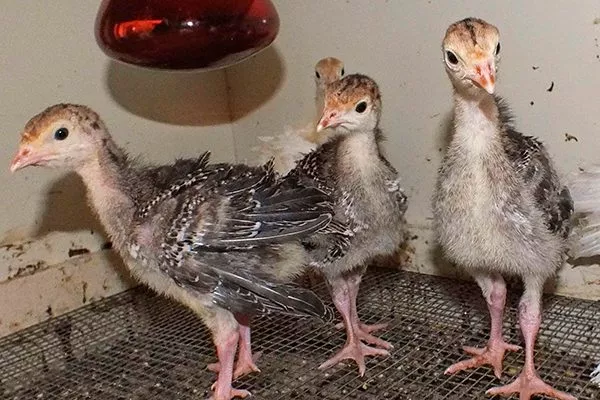
These figures are only a guideline, and actual results may vary. Optimal weight gain depends on many factors, including diet quality, optimal housing conditions, herd health, and more.
Factors Affecting Turkey Growth Rate
The fattening period for turkeys is influenced by several key factors. The following factors influence growth rate:
- breed (line, cross);
- feeding type;
- conditions of detention;
- type of feed mixtures;
- vaccination and prevention.
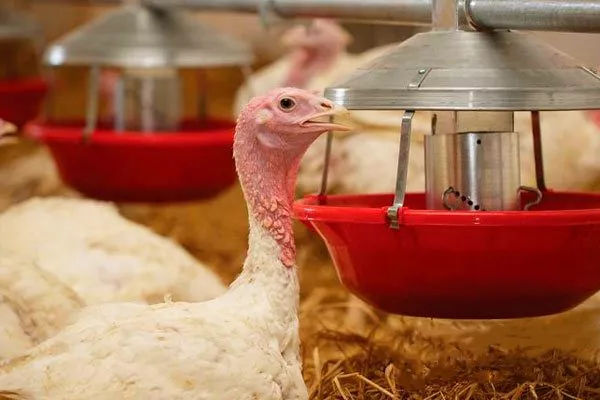
Successful turkey fattening requires a balance between breed, quality feed, optimal housing conditions and systematic vaccination, which together contribute to maximum productivity and welfare of the birds.
Weight gain by breed
Many factors influence the success of turkey breeding, including the quality of hatching eggs or purchased turkey poults, hatching conditions, and other parameters such as weather, timing of feed supply, quality of the preparations used, etc.
| Name | Average weight of an adult (kg) | Growth period to slaughter (weeks) | Feeding requirements |
|---|---|---|---|
| Big 6 | 25 | 14 | High protein feed |
| Hybrid converter | 20 | 15 | Balanced food |
| White Broad-Breasted Turkeys | 18 | 21 | Compound feed with vitamins |
| Booth 6 | 22 | 11 | High protein feed |
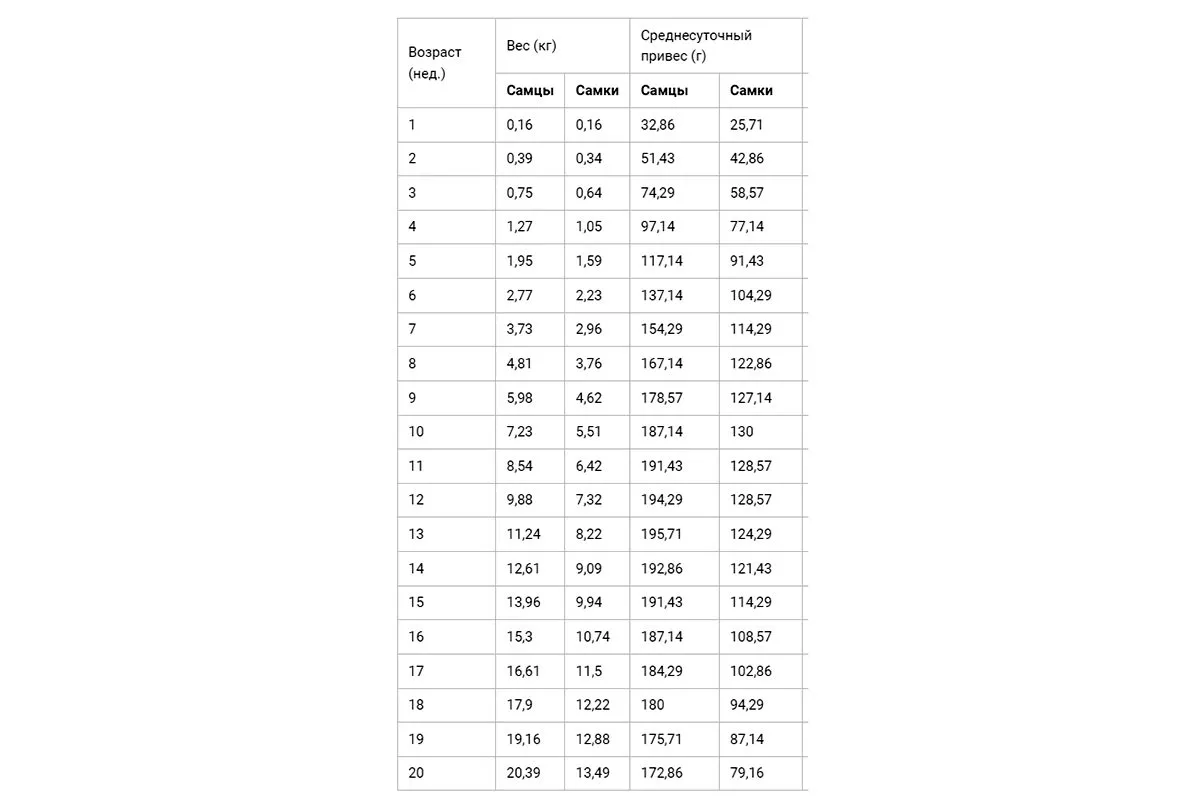
Big 6 turkey poult weight gain
Turkeys provide the greatest benefit. Growth decline begins after the 11th week (for males, from the 14th week), but feed intake increases less significantly than for males. A similar trend is observed with other breeds.
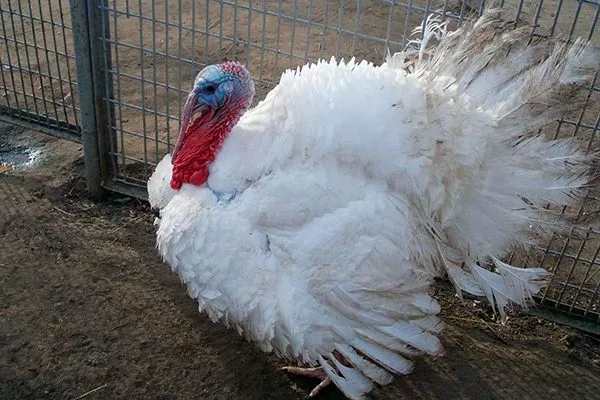
Maximum profit is achieved only before daily gains decline. In this case, not only the overall carcass weight is important, but also the percentage yield of its individual parts.
The table shows approximate data:
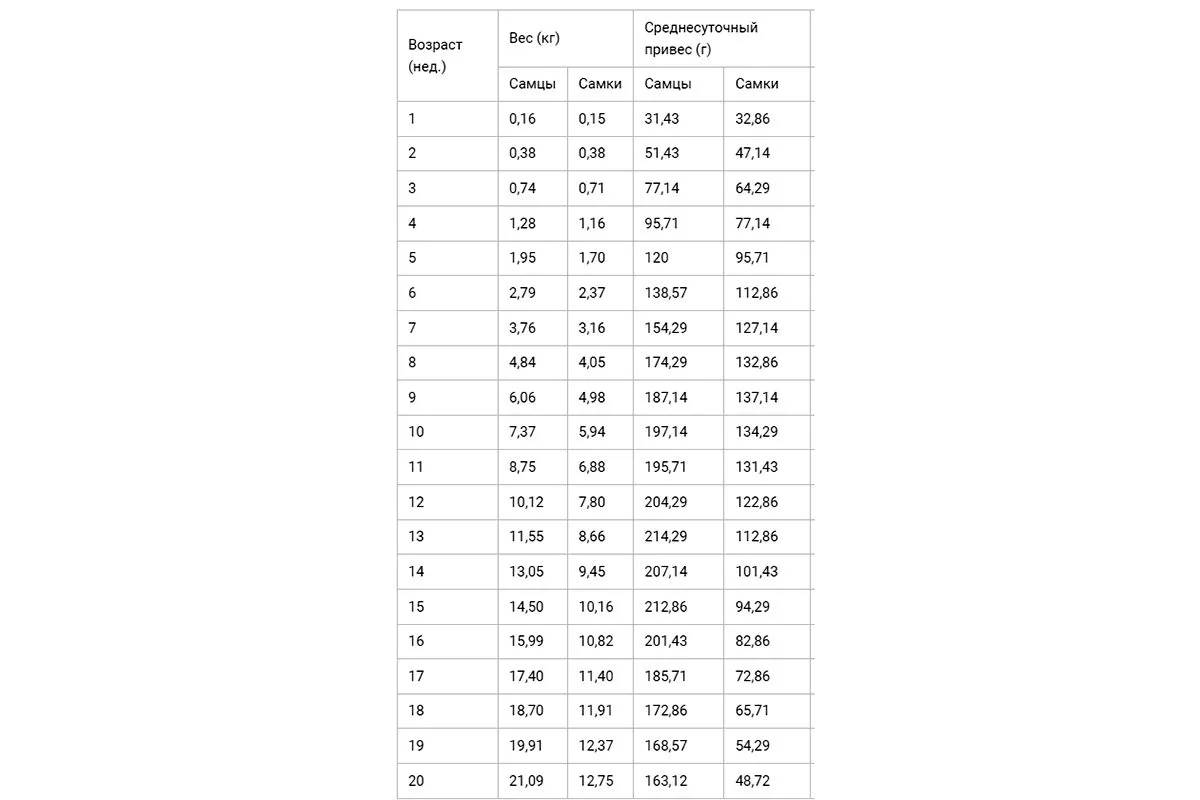
Prives Hybrid Converter
The hybrid converter is a North Caucasian crossbreed specialized for meat production and has been included in the State Register of the Russian Federation since 2013. Hybrids exhibit a decrease in daily gain after 15 weeks of fattening for males and 9 weeks for females.
The table shows approximate data:
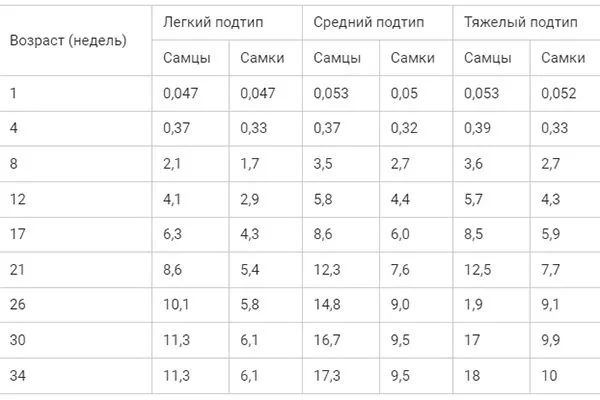
Weight gain of white broad-breasted turkeys
From the table presented, it becomes clear that the average subtype of white broad-breasted turkeys surpasses even the heavy subtype in growth rates up to the 21st week.
The table shows approximate data:
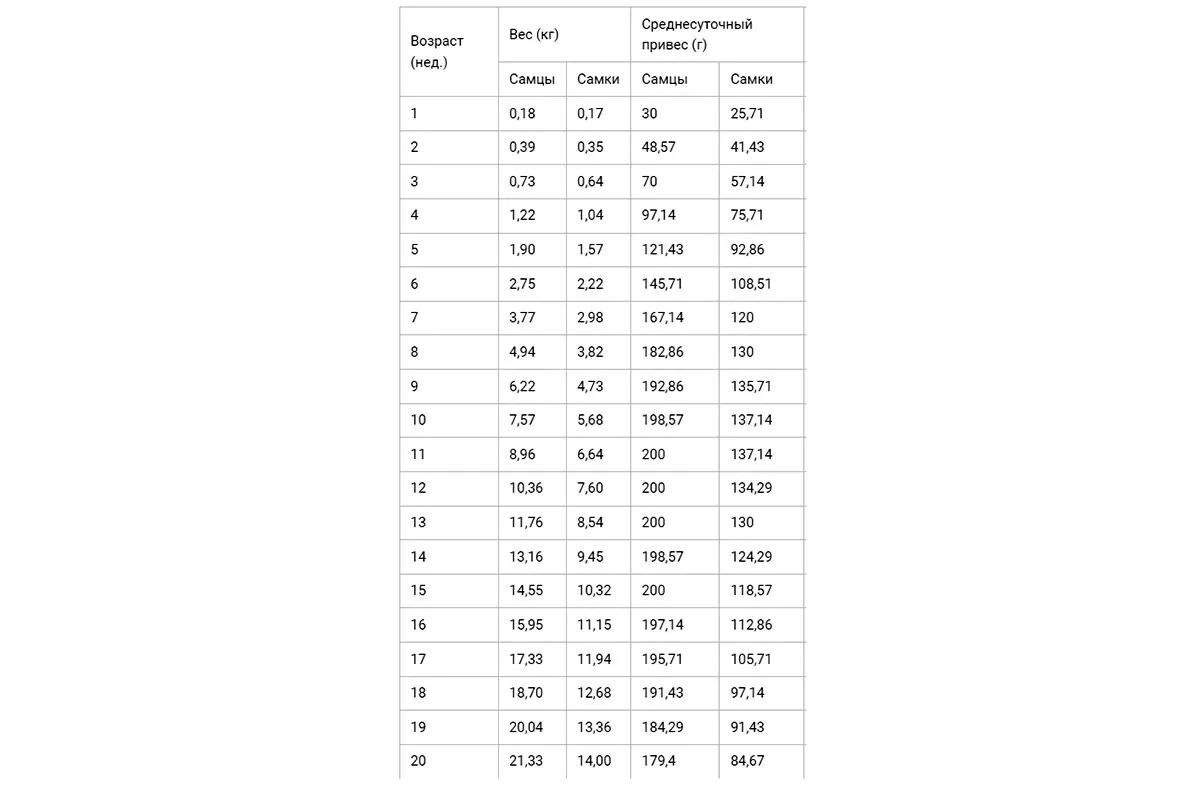
Prives Booth 6
The Booth 6 is a productive English cross, specialized for meat production, and is well-adapted to a variety of conditions. In male turkeys, average daily weight gain plateaus at 11 weeks, while in female turkeys, this occurs at 10 weeks.
After this point, performance declines slightly, but feed consumption increases significantly. Keeping males for more than 24 weeks becomes economically ineffective. By this point, their slaughter weight is approximately 25 kg.
The table shows approximate data:
Weight gain of other turkey breeds
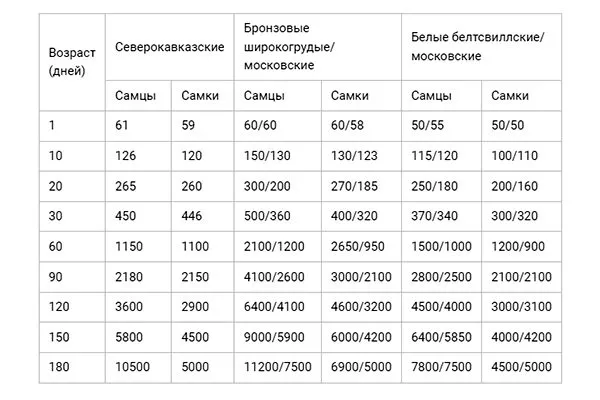
North Caucasian and Bronze Broad-Breasted turkeys have demonstrated good results. Moscow breeds are more suitable for cultivation in the central part of the country. They are distinguished by their excellent adaptation to local climate conditions, making them profitable to breed.
The table shows approximate data:
How is weight determined?
There are several methods for determining the weight of a turkey carcass. A simple method is to weigh the turkey using a tithe or spring scale. When using a spring scale, it's easiest to place the turkey in a special box with its head down.
Tithe scales have the advantage of being able to weigh several turkeys at once. If you don't have a scale, you can use simple methods using readily available tools.
Chicks are often weighed in a special cheesecloth bag. If such a bag is unavailable, the turkey can be placed in a sock or bag, as long as there are openings for the feet and head. The exact weight of an adult or juvenile turkey can only be determined using an electronic scale.
Why isn't my turkey gaining weight?
The benefits and cost-effectiveness of keeping turkeys stem from their rapid growth. Sometimes poultry farmers encounter the problem of their birds failing to gain weight as expected. Adult turkeys may fail to gain weight for several reasons:
- Disease. In such cases, accompanying symptoms include lethargy, apathy, lack of weight gain or weight loss.
- Failure to comply with hygiene standards. It is important to keep feeders and waterers clean.
- An improperly balanced diet. Lack of growth may be a result of low-quality feed or a lack of essential minerals and vitamins.
- Lack of access to water. Turkeys should always be provided with access to clean drinking water, as it plays an important role in their growth.
Underweight can be a result of illness or poor nutrition. To prevent illness, it's important to maintain cleanliness and hygiene, change bedding regularly, and disinfect equipment and premises.
Caring for turkey poults from the first days of life
Caring for turkey poults from the very first days of life plays a key role in their health and development. Here are some important aspects of bird care:
- Warmth and light. Turkey poults are very sensitive to cold, so it is important to provide them with a warm place to live, maintaining an optimal temperature during the first weeks of their life.
Use an infrared lamp or other heat sources to create a comfortable environment. Provide adequate lighting to encourage activity and healthy development. - Nutrition. Baby turkeys require high-quality, balanced nutrition. Specialized compound feeds containing all the necessary nutrients can be used.
- A cozy nest. Provide the chicks with a dry and clean nest. Use dry straw or sawdust. Keep the nesting area clean by removing waste regularly.
- Medical care. Conduct a thorough medical examination of turkey poults and monitor their general condition. Schedule vaccinations and other preventative measures to prevent the spread of diseases.
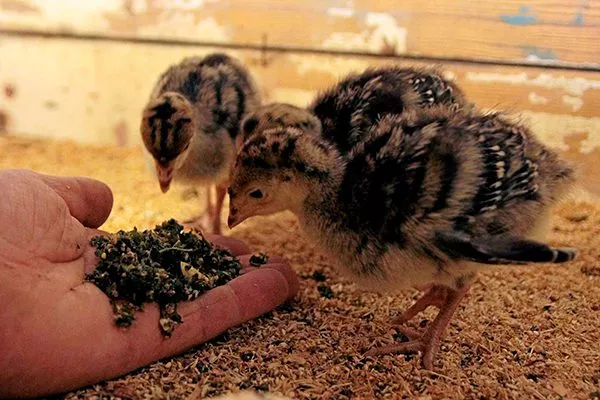
By providing the right environment for growth and development, you can give your turkeys the best start in life.
How to set up a poultry house?
Setting up a poultry house is key to the proper development of young chicks. Proper housing and feeding are essential.
Basic conditions for keeping turkey chicks
The basic conditions for keeping turkey chicks play a vital role in their health and development. Here are a few key points to consider:
- Cleanliness and hygiene. Regular cleaning and disinfection will help maintain optimal hygiene conditions.
- Humidity and temperature control. Monitor environmental conditions to ensure optimal parameters. Temperature and humidity should be controlled to avoid overheating or overcooling.
- Avoiding drafts. Turkeys are sensitive to drafts. Ensure the room is well insulated and avoid direct exposure to drafts.
- Separation from adults. Young chicks should be separated from adult birds. This helps prevent the transmission of diseases and protects the young from possible injury.
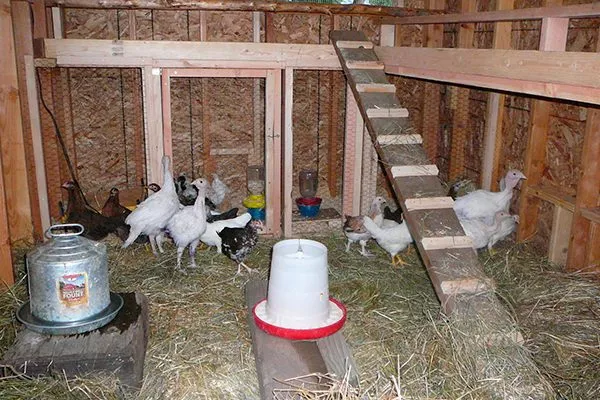
Regular check-ups and, when necessary, veterinary care are important measures to prevent disease and maintain the health of turkey poults.
Feeding rules
Proper feeding of turkey poults plays a key role in their health and normal growth. Use specialized feed formulated for turkey poults. It should contain all the necessary nutrients, vitamins, and minerals.
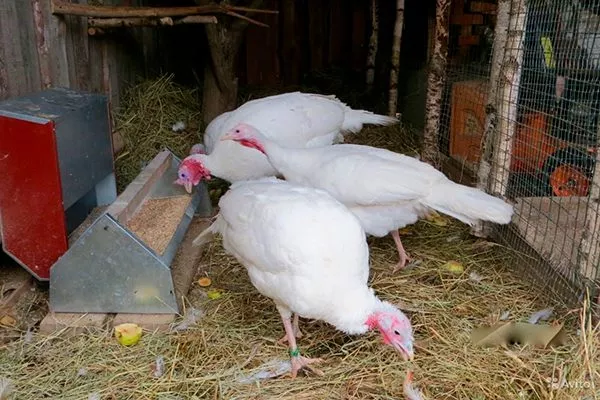
Diet of turkey chicks:
- 0-7 days. Feed the chicks starter feed every 2-3 hours. For the first couple of days, give them turkey paste or egg whites.
- 7-14 days. Gradually introduce grain (barley, corn, wheat), fresh green fodder (grass, clover) and compound feed for growth.
- 3-4 weeks. Continue feeding compound feed and gradually increase the proportion of grain in the diet.
- 4-6 weeks. Feed the birds grain, fresh vegetables and greens.+
- 6 weeks and older. During this period, turkey chicks can be fed grain, compound feed, fresh vegetables, herbs and fruits.
Avoid overfeeding and starvation. Feed the babies at set times to establish a routine.
Turkey diseases: treatment
Turkey poults are susceptible to various illnesses, and even early in life, they can encounter serious pathologies. Let's explore the common illnesses of turkey poults and discuss treatment options.
Newcastle disease
A viral disease of young turkeys, characterized by paralytic lesions of the limbs and neck dislocation. One of the characteristic symptoms is the appearance of foul-smelling diarrhea with a greenish or gray tint.
- ✓ In Newcastle disease: characteristic foul-smelling diarrhea of a greenish or grey tint.
- ✓ With histomoniasis: blue head and orange-yellow stool.
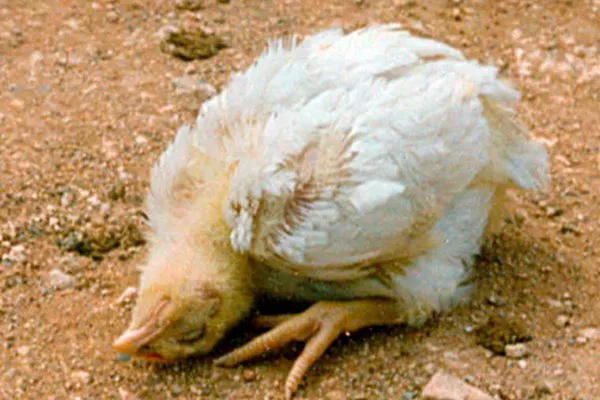
Histomoniasis
Histomoniasis most often occurs when turkeys are kept in inadequately disinfected facilities. One of the characteristic symptoms is blue discoloration of the chicks' heads. Characteristic features of the disease include the passage of characteristic orange-yellow stools.
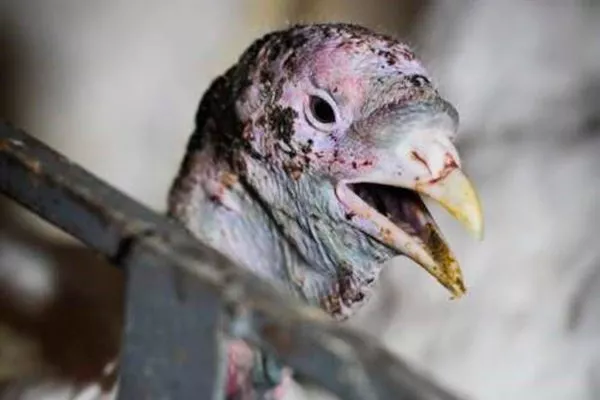
Respiratory mycoplasmosis
Moderate air humidity is essential for turkey chicks. Violating these requirements, for example due to extremely low or high temperatures or high humidity in the turkey house, can lead to the development of respiratory diseases.
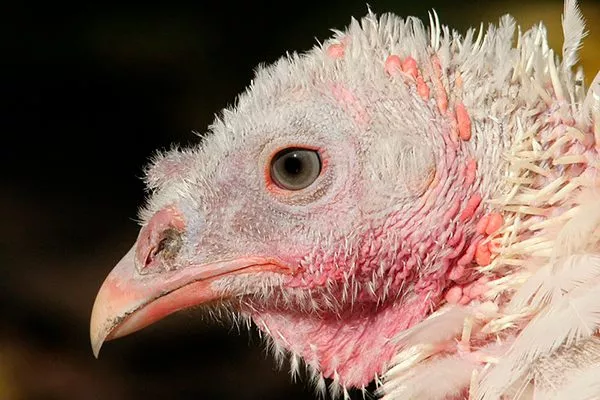
Characteristic symptoms of mycoplasmosis include swelling and redness of the mucous membranes of the eyes, gradual deterioration of vision, accompanying phenomena such as snot and tears, weight loss, and in some cases, death.
Paratyphoid
The most dangerous infectious disease, which can manifest itself before a month of age, is paratyphoid fever. During this period, the immune system of fragile babies is not yet fully developed, leading to a high mortality rate of over 70% of the total population.
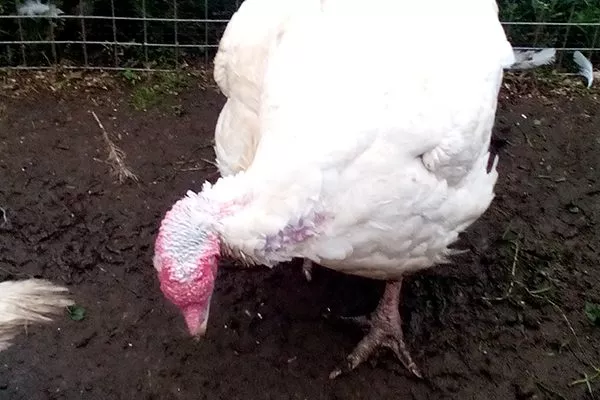
Symptoms of a sick chick with paratyphoid fever include a hunched posture, a ruffled withers, and drooping wings. The bird minimizes movement, has an increased need for water, and loses its appetite.
Pullorosis
Three-week-old turkey poults are susceptible to a serious infection that can be transmitted through contact with already infected turkeys or through feeders they use. Pullorosis manifests as loose, white stools with wisps of foam and an unpleasant odor that clings to the feathers in the vent area.
Aspergillosis
A disease caused by micromycete contamination of feed, it manifests in turkey poults with symptoms of depression, shortness of breath, and wheezing. The disease is characterized by high mortality in the first weeks of life, especially in broad-breasted breeds.
Smallpox
Pox is one of the most dangerous and problematic poultry diseases, especially for turkeys. Characteristic symptoms include a sharp decrease in activity, loss of appetite, and changes in appearance (drooping wing corners, ruffled plumage, and loss of luster).
Inflammatory eye diseases
Eye diseases in turkey poults can be caused by improper care and poor living conditions. Signs of inflammatory eye diseases include:
- profuse lacrimation;
- discharge from the eyes with the formation of purulent streaks on the tissues around the conjunctiva;
- the appearance of tumors on the head and around the eyes;
- If the infection spreads, purulent discharge from the nose may occur;
- Young animals may have difficulty gaining weight, become lethargic, and refuse to eat.
Diarrhea
Diarrhea in turkeys is a condition in which the bowel movements are unusually frequent, loose, and profuse, which may be accompanied by a loss of energy and fluid from the body.
Worms
Parasites pose a serious problem for farmers because their initial infection in an animal's body occurs without obvious symptoms. During the subsequent active phase of infection, chicks become vulnerable to other diseases due to their weakened immune system.
Signs of helminth infestation include sudden weight loss, a weakened immune system, unusual loose stools, and respiratory and digestive problems. Phenothiazine and piperazine sulfate are used to treat the entire herd when parasites are detected.
Hard goiter
This is an insidious disease that is easily acquired but difficult to treat. Its main causes are poor dietary management, a lack of essential nutrients, an excess of roughage, and a lack of fine gravel, chalk, or shell rock.
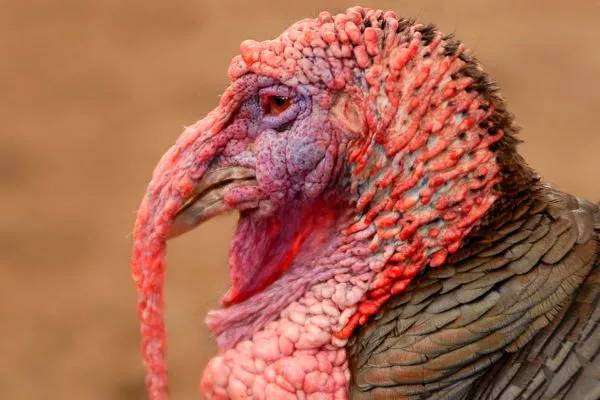
Characteristic signs of crop hardening include a noticeable hardness when palpated, lethargy and passivity of the bird, a sharp decrease in weight and the presence of purulent discharge from the crop.
Hypovitaminosis
These problems arise from serious violations of feeding regulations. Turkey poults require a certain level of amino acids, minerals, and vitamins in their feed. Treatment involves using a complete feed for turkey poults, appropriate for their age and breed.
Sliding joint syndrome
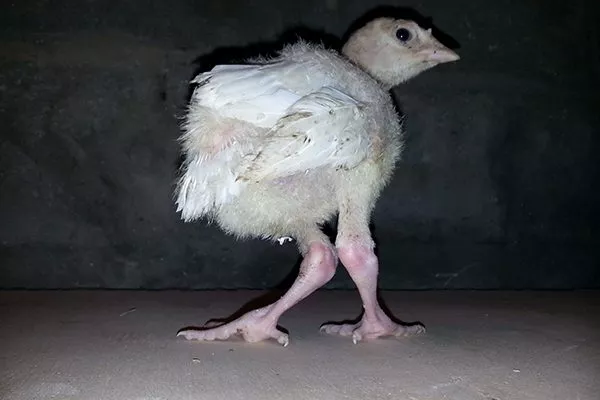
Caused by a severe manganese deficiency in the birds, this disease leads to relaxation of the ligaments and displacement of the articular surfaces relative to each other. Turkey poults exhibit the following symptoms:
- weight loss;
- joint deformation;
- swelling of the tissues around the joints.
Rickets in turkeys
This condition is caused by a deficiency of calcium and vitamin D3, which is essential for effective calcium absorption. This vitamin is synthesized in the skin under the influence of ultraviolet rays and is obtained from food.
Distorted appetite
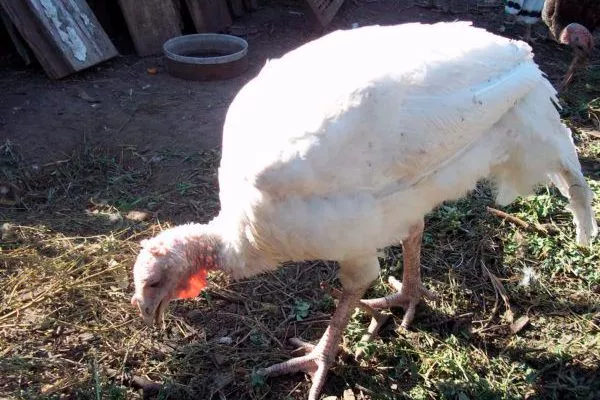
Young turkey poults exhibit abnormal behavior: plucking each other's feathers, pecking at bedding, and other inedible objects. This condition is caused by a dietary imbalance, particularly a deficiency of essential amino acids and minerals. Treatment involves switching the chicks to a specialized compound feed.
Prevention of diseases in chicks
Turkey poults, especially in the first days of their lives, are relatively weak birds with an underdeveloped immune system. This fact emphasizes the need for preventative measures to reduce the risk of disease and ensure their health:
- Maintaining cleanliness in the poultry house is a priority. Regular disinfection every three months helps prevent the spread of infections.
- An important aspect is maintaining normal humidity and temperature conditions, as well as avoiding drafts, which can lead to colds in young turkeys.
- Separating young turkeys from adult turkeys is key to preventing the transmission of potential infections.
- Before moving into a new premises, a thorough disinfection is carried out, as well as cleaning with detergents.
Regularly changing the food and removing any leftovers before each feeding helps avoid health problems such as constipation and upset stomach.
How to determine the sex of chicks and when are they considered adults?
Determining the sex of turkey chicks can be challenging in the early stages, but as time goes on, some differences become more noticeable. Here are some methods:
- Plumage color. In some breeds of turkeys, males and females have different plumage colors, but this trait may not appear immediately.
- Vocal differences. At approximately 4-6 weeks of age, males begin to produce loud, distinctive sounds called squeaks. Females remain quieter at this age.
- Head and neck characteristics. Males may develop pronounced "ears" on their heads and longer necks, especially as they mature.
- Breast size and shape. In adult males, the chest may be wider and more pronounced than in females.
Turkey poults sale dates
Turkey poults are available for sale starting at three weeks of age. Typically, the first batch of chicks is offered for sale, and the mother turkey may incubate a second batch during the season. The price of one chick ranges from approximately 300 to 600 rubles, depending on the breed.
Turkey chickens represent a unique aspect of poultry farming, requiring careful and competent care. Raising young birds from the first days of life plays a key role in the birds' health, growth, and development.