
Before raising turkeys at home, first research the most popular breeds. It's important to understand their pros and cons. This will ensure you choose the right breeds that will not only provide your family with tasty and nutritious meat but also generate a good profit from sales.
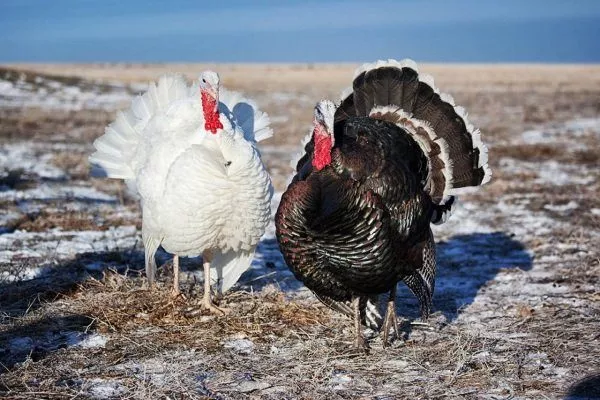
Main breeds
Turkey meat is a dietary product valued for its taste. However, different breeds have different needs and requirements for living conditions and feedingTurkey breeds for home farming are selected based on the region in which they will be raised and the conditions under which they will be kept.
| Breed | Max. weight (kg) | Egg production (pieces/year) | Survival rate of young animals (%) | Temperature range (°C) |
|---|---|---|---|---|
| Canadian | 30 | 120 | 85-90 | not below +22 |
| North Caucasian | 15 | 100 | 93 | cold-resistant |
| Grade Maker | 20 | 80 | 88 | +22…+24 |
| Tikhoretskaya | 10 | 100 | 90 | cold-resistant |
| French Bronze 708 | 13 | 70 | 70-90 | standard |
Turkeys often gain a lot of weight and are known for their size. Most birds can vary not only in their characteristics but also in their weight. The following criteria are distinguished:
- Birds reaching a maximum weight of 12-15 kg. These breeds are known for their high egg production. Their eggs are rich in nutrients. These birds are resilient not only to the harshest conditions but also to disease.
- These are medium-weight birds. Depending on the breed, they can weigh up to 25 kg, which is excellent for meat-producing breeds. They are extremely healthy and easy to raise. Therefore, optimal conditions are provided for raising these birds.
- Broiler breeds are heavyweights. These birds can weigh around 30 kg. These birds are suitable for raising exclusively for meat.
Canadian breed (Hybred)Converter)
This breed was developed by Canadian breeders but quickly became popular in Russia as well. These birds adapt well to the Russian climate, but they should not be raised in regions with severe frosts. Turkey meat is excellent in taste – this dietary product is very tender and juicy.
Canadian turkeys are characterized by their predominantly white plumage, broad chest, and compact body structure. This breed gains weight especially quickly during the summer.
If you feed the birds correctly and observe the conditions of their keeping, after two months of fattening you can send the turkeys to slaughterThey gain a fair amount of weight. The Canadian turkey is considered the largest turkey in the world.
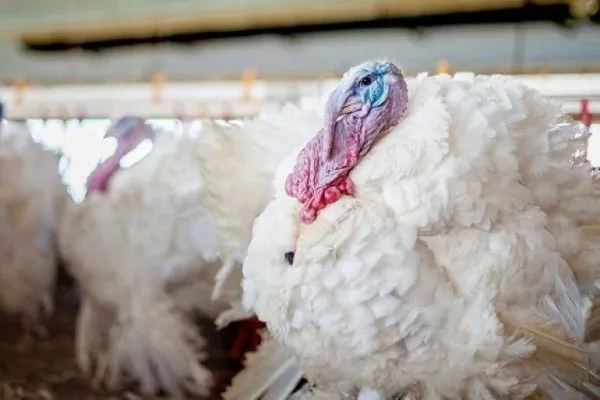
The bird's maximum weight can reach 30 kg, a figure unmatched by other breeds. When evaluating the Canadian turkey from a profit perspective, this breed is considered the best option. After all, the birds only gain weight in the summer, eliminating the need for insulating the poultry house and feeding during other periods. This appeals to many breeders, considering the price per kg of turkey meat and its market demand.
Animal characteristics:
- They are high egg producers. A female can lay up to 120 eggs per year. Difficulties with breeding occur because males and females have a significant weight difference. While males weigh 30 kg, females are half that size. Because of this, artificial insemination is often necessary.
- Birds require warm conditions. Raising them in the summer presents no difficulties. However, if you're raising birds for profit, you'll need an insulated coop, where the temperature should be at least 22 degrees Celsius.
- Birds of this breed are demanding when it comes to nutrition. Their diet should be varied, rich in vitamins and nutrients. Eggs and cottage cheese are a must.
By following all these rules, you will be able to obtain a bird with a large weight and good quality meat.
North Caucasian (Stavropol) breed
These turkeys have a compact body structure and bronze plumage. They tolerate the climate of more northern regions well. Turkey farming is also acceptable in central Russia. North Caucasian turkeys are robust and adapt well to climate change. They not only gain weight quickly but are also prolific egg producers. A female can lay up to 100 eggs per year. This breed has a high survival rate: up to 93 chicks out of 100 can survive.
The birds have an excellent appetite and are very active and mobile. Males reach weights of up to 15 kg, while females reach up to 9 kg. Raising this breed is profitable because the flock will grow quickly, meaning sales can be increased quickly.
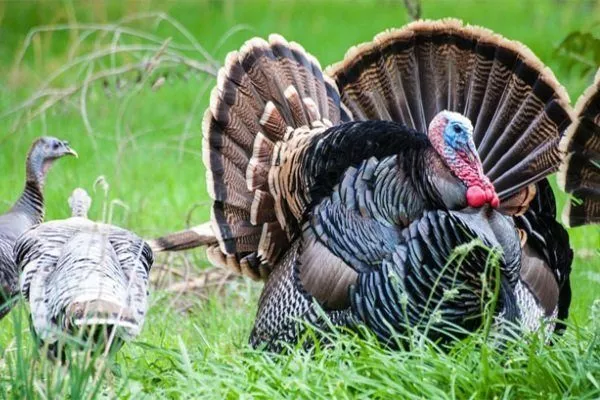
North Caucasian bronze turkeys
Grade Maker
This breed was developed specifically to meet the profitability criteria for raising poultry for slaughter. Breed characteristics:
- The ability to gain weight quickly. After 2-3 months of fattening, the birds are ready for slaughter. The carcasses retain their attractive marketable appearance, and the meat has a delicate flavor. Experts have conducted calculations and concluded that by this time, the costs of raising the birds will be completely covered by the profits from their sale. Raising such birds guarantees a high income.
- Unpretentiousness to conditions. The birds are unpretentious and will feel good and gain weight even under normal conditions.
- Strong immune system. Through selective breeding, Grade Maker turkeys have increased resistance to many diseases that can be devastating to other breeds. This is a significant advantage for keeping this breed.
The main difficulty in growing is the need to maintain temperature conditions.
Vaccination schedule
- Day 1: Against mycoplasmosis
- Day 7: Vitamin complex (A, D, E)
- Day 14: Against Newcastle disease
- Day 28: Newcastle booster
- Day 45: Against coccidiosis
To ensure that the birds grow quickly and do not die, it is necessary to maintain a comfortable temperature in the poultry house – 22-24 degrees.
Birds reach their maximum weight by five months – up to 20 kg. Growing birds to their maximum size isn't always practical, as fattening them requires significant financial investment that simply can't be recouped from the profits generated by such a large volume of meat. Turkeys are slaughtered at three months.
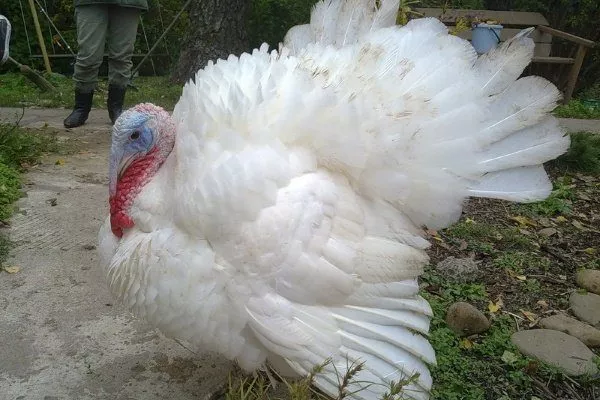
Tikhoretskaya (Kuban) breed
A distinctive feature of this breed is its low maintenance requirements. These birds require large, open spaces. Due to their high activity levels, turkeys require ample space to roam. Although these birds are small in weight, they have increased resistance to disease.
| Age (months) | Average weight (kg) | Daily gain (g) | Feed rate (g/day) |
|---|---|---|---|
| 1 | 0.8 | 25-30 | 80 |
| 2 | 2.5 | 50-55 | 150 |
| 3 | 4.2 | 60-65 | 200 |
| 4 | 6.0 | 55-60 | 250 |
| 5 | 7.5 | 45-50 | 280 |
Good health and immunity ensure a low mortality rate among young animals.
Males gain weight up to 10 kg, females – up to 5 kg. The Tikhoretskaya breed has a high egg production rate – a turkey can lay up to 100 eggs per year, but with proper care conditions of detention.
These characteristics indicate that the breed is profitable to raise, especially since the birds adapt well to low temperatures and do not require complex diets.
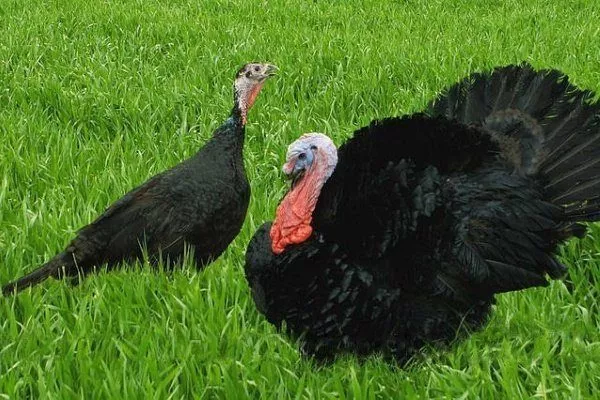
Tikhoretsk Black Turkeys
French breed Bronze 708
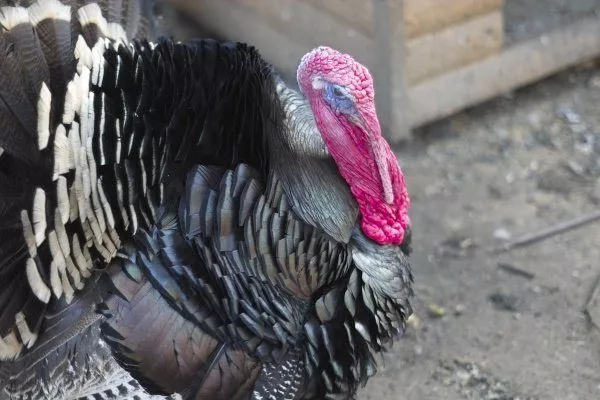
This breed is characterized by its compact size and perfectly even plumage, which attracts attention. Birds reach their maximum weight at four months of age. The chick survival rate is 70-90%, an excellent result due to their strong immune system.
French breed birds combine several excellent qualities: they can gain up to 12-13 kg in weight, are not prone to illness, and are undemanding eaters. However, they are very active and require a lot of space.
This is an important factor to consider when arrangement of a poultry house.
Ornamental birds
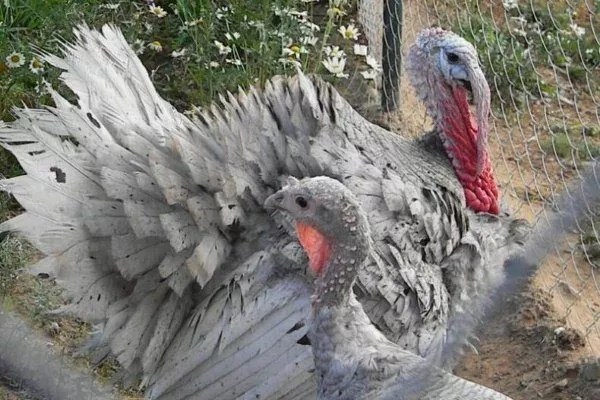
Turkeys don't necessarily have to be raised solely for meat or for the profitable business of selling it. There are certain breeds renowned for their appearance. For example, slate blue turkeys.
This breed isn't as well known as many others. This can be explained by the fact that raising slate turkeys is practically pointless. Adults weigh up to 5 kg, and females weigh even less, so raising them isn't cost-effective. The only distinguishing feature of this breed is its blue plumage, which attracts attention and makes the bird beautiful. These birds can be used as ornamental pets.
A breeder must independently decide on a breed. This choice should be based on the desired goals. If poultry breeding is intended to be a profitable business, it's best to choose meat-producing turkeys. That is, animals that gain a lot of weight quickly.