
To ensure poultry thrives and develops quickly, they need all the necessary conditions, including a high-quality drinking bowl to provide fresh water. There are many different designs, but their cost is often prohibitive, so experienced farmers build their own.
Types of drinking bowls
If turkeys are raised commercially, automated waterers are installed. Small farms equip their turkey houses with other watering systems. Many use improvised materials, but the most important thing is that the waterer meets the requirements.
- ✓ The plastic must be food grade and free of harmful impurities.
- ✓ It is preferable to use stainless metal to avoid corrosion.
Handy inventory
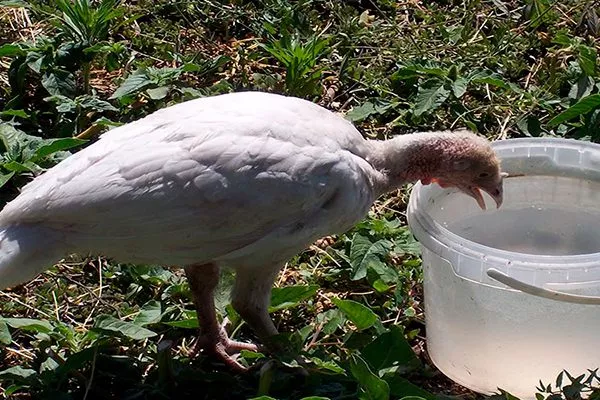
You can use any kind of watering equipment for turkeys, including regular bowls, basins, pots, or trays. The key is that the container be made of metal or plastic.
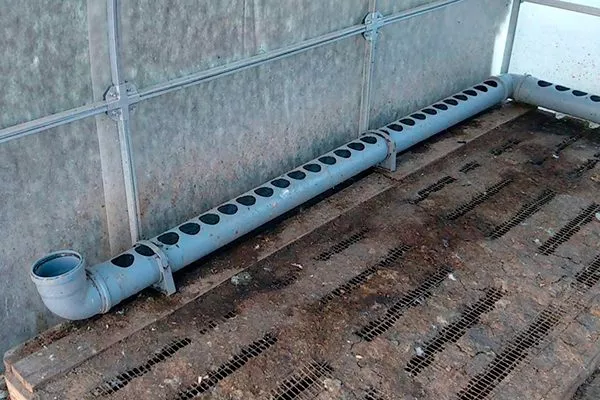
Groove type
Trough drinkers are convenient because they have a dividing structure at the top, so birds cannot get inside the container.
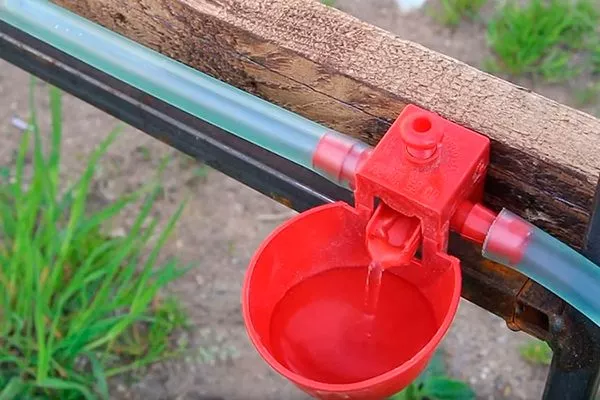
Cup design
These are automated systems sold in stores. The drinking cups are connected to the water supply and equipped with valves that close when the cup is full. When the water level gets low, the valves open and the water fills.
- ✓ Check valves for clogging weekly.
- ✓ Clean the bowls from sediment and dirt every 3 days.
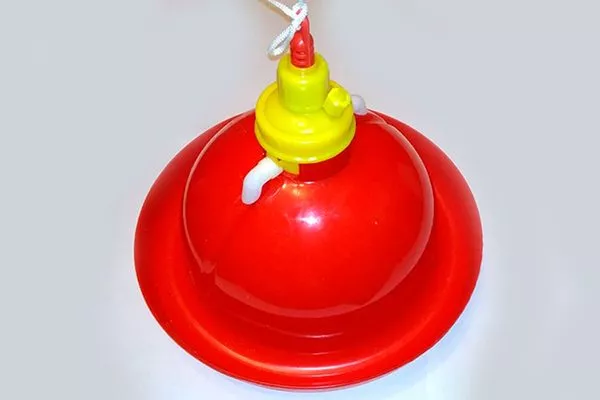
Dome products
Dome-type structures consist of a single channel into which water is supplied from above. As in the previous case, the supply is automatic, and the water is shut off via a valve.
Nipple type
This is the most popular option, as it's suitable for birds of all ages. The system features built-in nipples that open when the turkey's beak touches them, allowing water to flow into the bowl. This ensures the water is always fresh and clean.
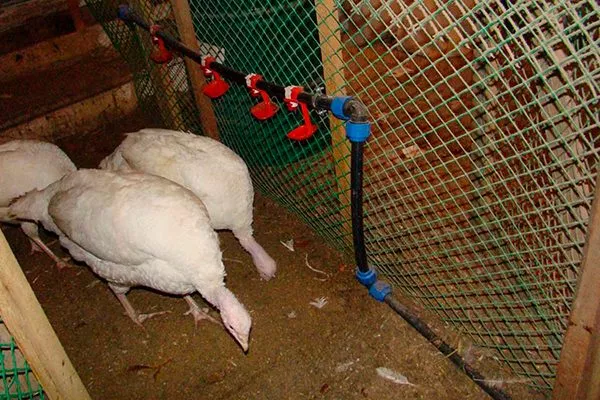
- ✓ Install nipples at a height that is comfortable for the bird, usually at back level.
- ✓ Provide sufficient number of nipples to avoid competition among birds.
Vacuum drinkers
Another popular option involves filling the container with water using a vacuum. The container has holes that are sealed after filling with liquid. The system is simple enough to be easily made at home.
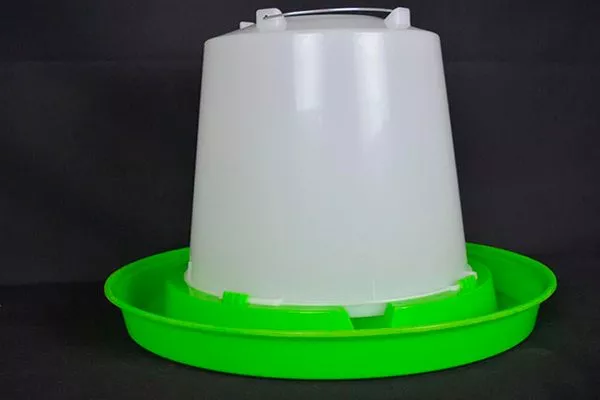
Float design
The system is identical to a vacuum system, but with the difference that it is equipped with a float that lowers to shut off the water supply after it is filled. When empty, it rises, allowing water to flow back into the basin.
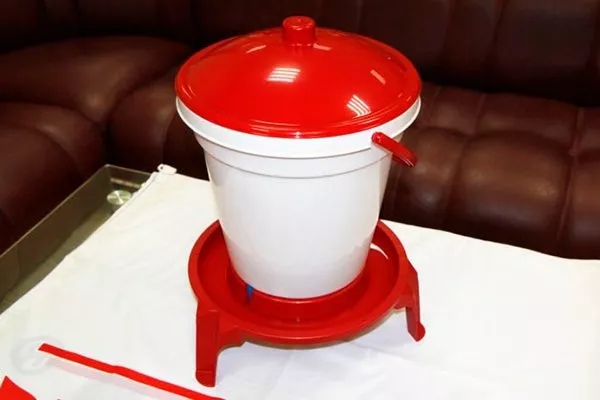
General requirements for drinking bowls
It's important to purchase or manufacture waterers that meet all standards and requirements, so pay attention to the following:
- access to water must be unimpeded so that turkeys can come up to it at any time;
- the purity and freshness of the water – the health of the birds depends on this;
- ease of maintenance – so that the container can be easily washed;
- stability and reliability – must not be allowed to tip over;
- safety – all edges must be well finished to prevent birds from getting hurt;
- maximum closure of the drinker - this way the birds will not climb into the container with their paws;
- versatility – the model should be suitable for both adults and young animals when kept together.
Homemade turkey waterers
Many designs can be made by hand, but most often farmers make several types, which will be discussed below.
From a plastic pipe
You can make a trough drinker from a plumbing pipe, for which you will need the following:
- a piece of plastic pipe (diameter 10 cm);
- plugs;
- fitting;
- clamps or other fasteners.
Step-by-step instructions for making:
- Take a straight piece of pipe and make several identical holes in it on one end. The holes should be large enough to accommodate the turkey's head. If you don't have a special tool for cutting the holes, use a regular sharp knife, preheated.
- Use sandpaper to clean the edges of the holes.
- Install corner elbows on one or both sides and plugs on top.
- Attach the structure to the wall.
You don't have to install plugs, but experienced farmers do so to prevent dust from getting inside.
Watch our video to see how to make a drinking bowl from a plastic pipe:
From the bottle
This is a simple design that costs almost nothing. It's part of a vacuum system. What you'll need:
- 5 or 6 liter plastic bottle;
- any wide capacity;
- an awl or a nail.
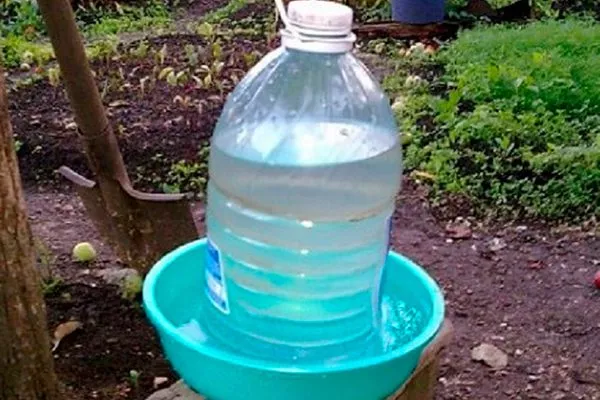
The manufacturing process involves the following steps:
- Close the bottle with a lid.
- Heat a nail or awl over a fire.
- Make a hole in the bottom of the bottle.
- Place in a container and fill the bottle with water.
From a pipe and nipples
A nipple drinker is considered the best and is easy to make yourself. You'll need the following:
- polypropylene pipe with a round cross-section and a plug for it;
- adapter;
- nipples – the quantity depends on the livestock.
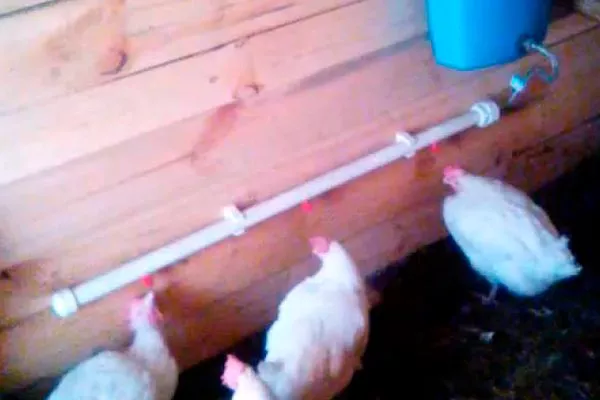
How to make:
- Take a piece of pipe and an 8 mm drill.
- Make threaded holes, spaced about 20 cm apart.
- Screw in the nipples. Experts recommend additionally using seals to prevent leaks.
- Install a plug on one side of the pipe.
- Connect the other end to the water supply. This can be done to a freestanding tank, but in that case, you'll need to make a special hole.
Alternatively, the nipples can be screwed into the bottom of the bucket and hung up.
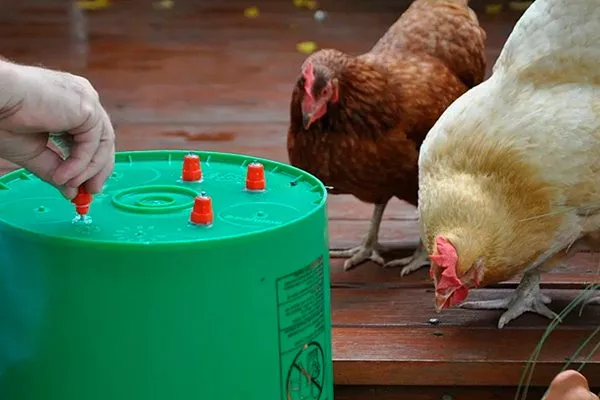
Another option for making your own nipple drinker can be found in our video:
There's a wide range of turkey waterers on the market, with varying designs and systems, but experienced farmers tend to make their own. This is understandable – they're inexpensive and reliable. The key is to choose the right type of waterer and consider the number of flocks, ensuring each bird has access to a container and fresh water.