
Before treating diarrhea in turkeys, it's important to determine the cause, as intestinal disorders can indicate a potential infectious disease. This can be fatal for the birds. To make a preliminary diagnosis, pay attention to the color and texture of the stool.
The main symptoms of diarrhea in turkeys
Normal turkey feces are dark brown in color and have a dense consistency, resembling oblong granules. If the feces are liquid, it is considered diarrhea, which in turn is a symptom of pathological problems in the digestive system.
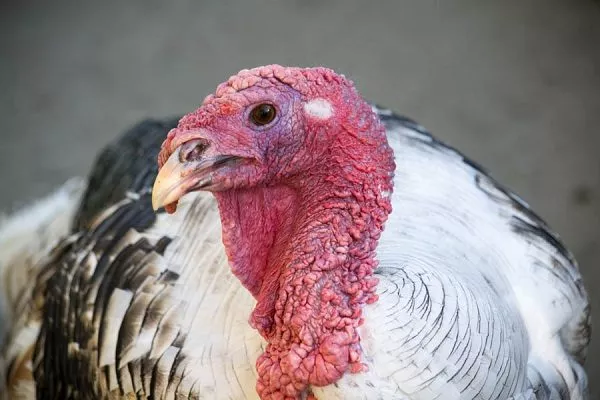
- ✓ The consistency and odor of stool may indicate specific infections.
- ✓ Behavioral changes such as aggression or, conversely, excessive passivity, can be key to diagnosis.
Diarrhea leads to fluid loss (dehydration), so it is accompanied by the following symptoms:
- weakness and lethargy;
- increased frequency of bowel movements;
- loss of appetite;
- apathetic behavior of the bird;
- drooping of wings;
- difficulty getting up on one's paws;
- increased feeling of thirst;
- weight loss.
As it progresses diseasesBirds spend more time sitting, fluffing themselves up, and closing their eyes. Their plumage becomes dull, dirty clumps form around the vent, and feathers fall out. Conjunctivitis develops, the nasal passages and larynx become clogged with mucus, and convulsions begin.
If the entire flock gathers in one heap and the birds huddle together in an attempt to keep warm, this indicates that all individuals are affected.
Causes of loose stools
There are a number of serious causes of diarrhea in turkeys, but there are also harmless factors that are easy to correct. What causes diarrhea in birds:
- infections – bacteria, viruses, parasites;
- improper diet – too many vegetables, juicy grass, which causes fermentation processes in the digestive system;
- poor quality food, sudden change of food;
- unsanitary conditions, especially with infrequent bedding changes;
- excessive heat or cold;
- increased dryness or humidity of the air in the poultry house or outside;
- long-term use of antibiotics, which leads to dysbacteriosis;
- dirty water in the drinking bowl;
- incorrect diet.
Types of diarrhea in turkeys
The first thing to pay attention to when turkeys have diarrhea is the color of the droppings. The color can help you determine the cause of the diarrhea, how dangerous it is, and what you can do to help your birds before taking them to the veterinarian.
| Name | Stool color | Cause | Treatment |
|---|---|---|---|
| Yellow | Yellow | Digestive disorder, Newcastle disease | Potassium permanganate solution |
| Green | Green | Coccidiosis, pasteurellosis, Newcastle disease | Antibiotics, disinfection |
| White | White | Paratyphoid fever, salmonellosis | Disinfection, antibiotics |
| Mustard | Mustard | Histomoniasis | Metronidazole, disinfection |
| Brown | Brown | Change in diet | Adaptation of diet |
| Black | Black | Intoxication | Detoxification, inflammation treatment |
Yellow
This color of liquid stool is generally considered harmless. It's most often caused by digestive upset caused by introducing a new food or a different type of feed into the diet. However, don't completely ignore yellow stool—it could be a sign of the dangerous Newcastle disease.
In this case, not only diarrhea appears, but also other symptoms:
- apathy;
- loss of appetite;
- staggering;
- difficulty breathing;
- convulsions.
If these signs are not present, it is enough to give the birds a light pink solution of potassium permanganate to drink.
Green
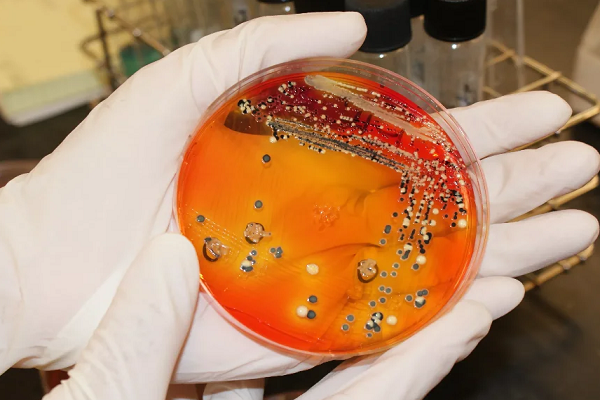
Green diarrhea always indicates an infectious disease in turkeys. These pathologies include:
- Coccidiosis. The disease is characterized by blood in the stool, ruffled feathers, and lethargy. As the disease progresses, the stool becomes dark brown.
- Pasteurellosis. The characteristic feature of the manifestation is the viscosity of feces, the presence of blood impurities and foam.
- Newcastle disease. Characterized by changes in gait, loss of appetite, and convulsions.
White
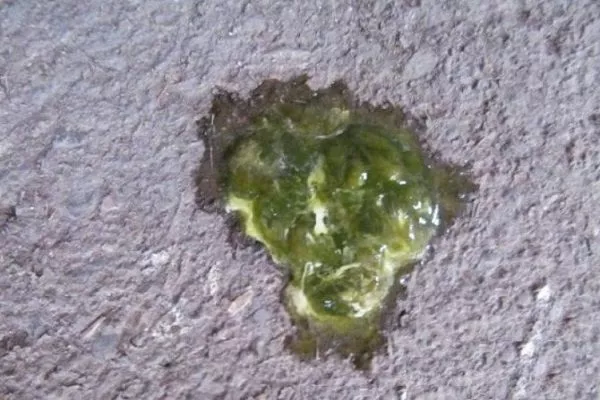
White stool is the most dangerous sign – it indicates paratyphoid fever and salmonellosis. The cause is the bacterial pathogen salmonella, which is highly resilient (it survives even at low temperatures).
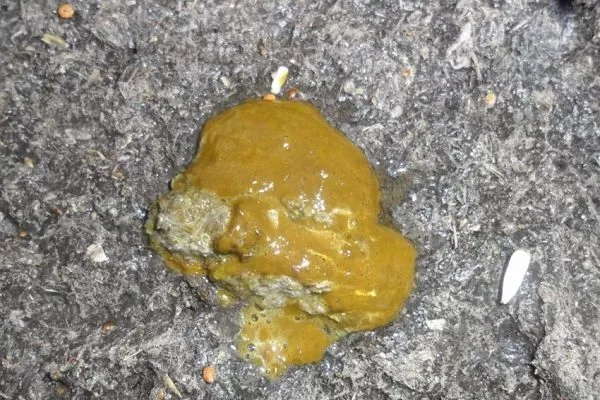
Mustard
Mustard-colored liquid feces are observed in the invasive disease histomoniasis. The cause is protozoan parasites that infest the liver and cecum.
The main symptoms of the disease:
- increased odor from feces;
- swelling;
- blue discoloration of the mucous membranes and skin of birds;
- a sharp drop in body temperature;
- painful spasms (manifested by a plaintive squeak);
- constant trembling;
- disheveled;
- depressed state.
The infection spreads rapidly, so immediate action is required. A veterinarian prescribes Metronidazole for treatment. Before visiting a veterinary clinic, isolate the affected birds and disinfect the coop.
Brown
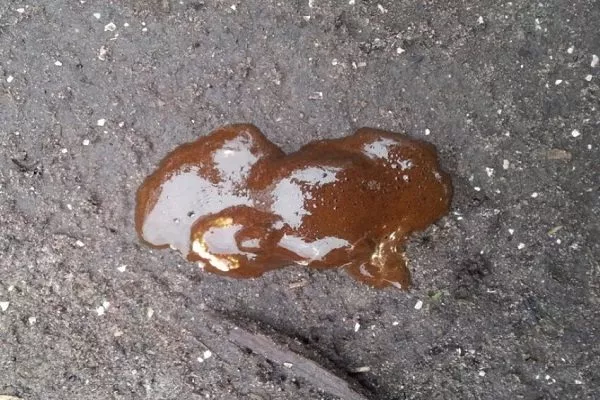
This is not a dangerous symptom. Brown feces occur when new foods, such as eggs, are introduced into the turkeys' diet. Normal feces are dark brown, but when the diet is changed, the feces become lighter in color.
To prevent this, introduce new foods into the diet in the smallest possible doses. This will allow the birds' bodies to adapt to them more quickly.
Black
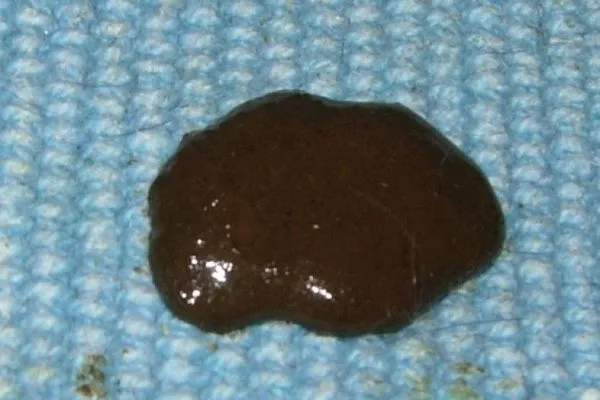
Black feces indicate intoxication. Birds can be poisoned by poisonous plants, spoiled food, grains containing microtoxins, or poor-quality or expired specialized feed.
Blackness is caused by digested blood and waste products of pathogenic microorganisms. Blood appears in the gastrointestinal tract due to internal bleeding during inflammatory processes.
Medication for diarrhea in turkeys
Treatment for diarrhea in turkeys requires a comprehensive approach. Therefore, diet, plenty of fluids, and medications (antibiotics, antiseptics, etc.) are used. It is advisable to have a veterinarian prescribe medications after laboratory testing of the loose stool samples.
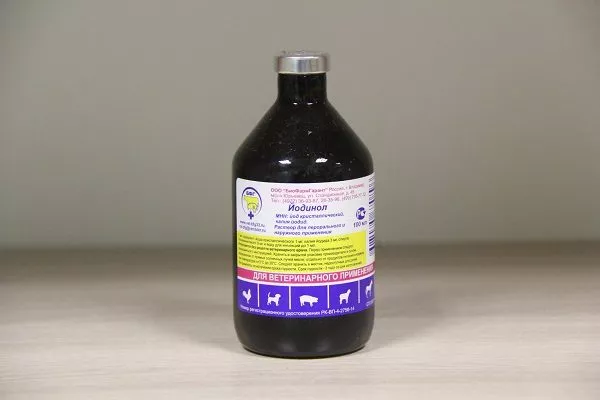
Iodinol
This antiseptic contains molecular iodine. It's equally effective for birds and humans, so it can be purchased at a regular pharmacy. Its purpose:
- gastrointestinal diseases;
- treatment of infected wounds;
- enterocolitis;
- gastroenteritis;
- dyspepsia.
There are several ways to use Iodinol:
- by injection - 1-1.5 ml of solution is required per 1 kg of turkey body weight;
- orally - the same amount is administered into the oral cavity using a syringe (without a needle) as with an injection, but not in pure form (diluted with clean water in a ratio of 1:2);
- Dosage for turkey chicks: from 0.2 to 0.3 ml.
The course of treatment lasts 10-14 days. In advanced stages, the duration of treatment is extended.
Tylosin
This product is a broad-spectrum antibiotic with minimal toxicity. Intended use:
- paratyphoid;
- spirochetosis;
- viral infection;
- sinusitis;
- mycoplasmosis.
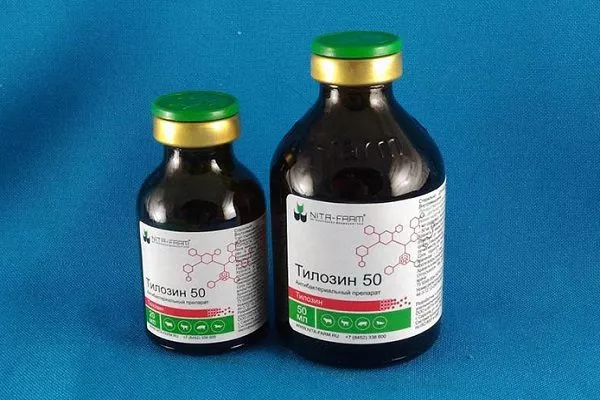
For turkeys, a 5% solution is prescribed, administered subcutaneously at a dose of 2 to 3 grams of powder per bird. If injections are not possible, the prescribed dosage is diluted in 10 liters of water and given to the birds to drink or added to their feed or mash.
Baytril
An antibiotic that inhibits the development and growth of gram-negative and gram-positive strains. Based on enrofloxacin. It is used for the following conditions:
- mycoplasmosis;
- salmonellosis;
- hepatitis;
- bacterial diarrhea;
- hemophilus;
- mixed infection;
- colibacillosis.
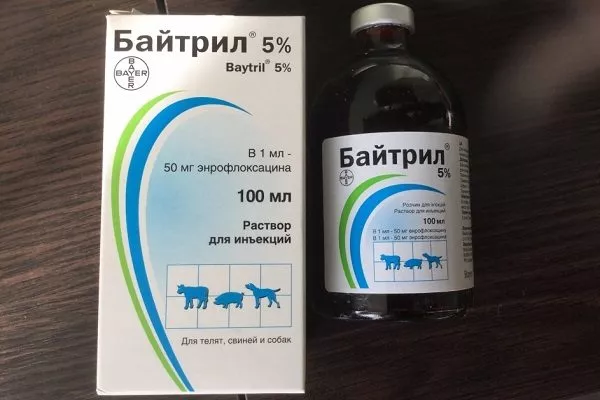
For turkeys, a 10% solution is recommended: 5 ml of the solution is diluted in 10 liters of water. For salmonellosis, 10 mg of the drug is used per 1 kg of turkey weight.
Treatment lasts 3-5 days. Slaughtering is prohibited for 11-12 days after completion of treatment. During this time, the drug will be eliminated from the body.
Eriprim
The drug is a broad-spectrum antibiotic, prescribed for:
- bronchitis;
- pneumonia;
- mycoplasmosis;
- chlamydia.
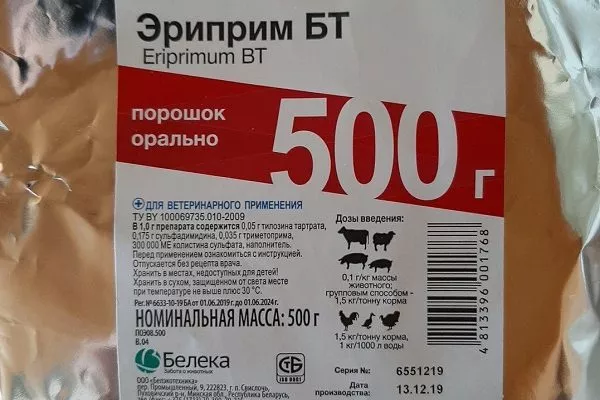
Treatment takes 3 to 5 days. Directions for use:
- for drinking – dilute 10 g of the product in 10 liters of water;
- for feeding - 15 g of the preparation per 10 kg of feed.
Eriprim mixed with water has a shelf life of no more than 2 days, and mixed with feed for 2 months. Turkeys should be slaughtered 8-10 days after completion of treatment.
Piperazine sulfate
The drug is used to treat parasitic infestations as an anthelmintic. Piperazine sulfate's primary use is for amidostomiasis and ascariasis. Its mechanism of action is that after the active substance enters the bird's body, the worms are paralyzed and excreted in the feces.
For every 1 kg of live weight of the bird, 0.5 g of the medication is required. The powder is mixed with water or feed. The treatment course lasts 2 days.
Phenothiazine
Antiparasitic drug against such lesions as:
- bunostomatosis;
- chabertiosis;
- cooperiosis;
- heterakiasis;
- nematodirosis;
- haemonchosis;
- ostertagiasis;
- capillariasis.
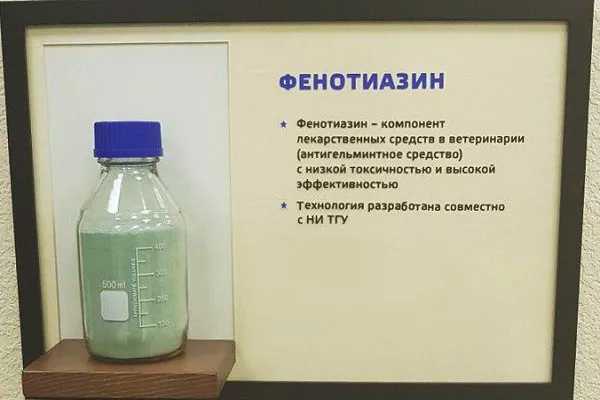
Rules for using the drug for the treatment of turkeys:
- Dilute with feed in a ratio of 1:100.
- For 1 kg of turkey body weight, 0.3 to 1 g of medicine is required.
- Duration of treatment is 2 days.
Osarsol
Osarsol's primary purpose is to treat salmonellosis, which is very dangerous for turkeys. It is also used to treat coccidiosis. The powder is diluted in water at a rate of 0.2 g per 1 kg of bird weight.
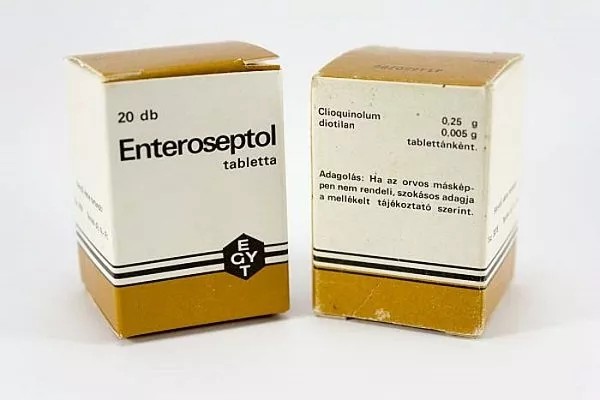
Enteroseptol
Enteroseptol is considered a mild antiprotozoal and antibacterial agent. It is used to treat the following conditions:
- enterocolitis;
- dysentery;
- diarrhea.
The medication is effective against most bacteria, including Klebsiella, Salmonella, Staphylococcus, Shigella, and others. To treat turkeys, 30 mg of solution is required per 1 kg of bird weight. The course of treatment is 10 to 14 days.
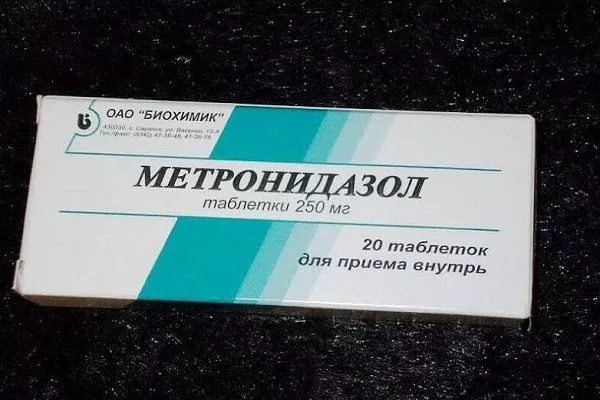
Metronidazole
The drug is most commonly used to treat turkeys, as it has antiprotozoal and antibacterial effects. It is prescribed in the following cases:
- histomoniasis;
- paratyphoid;
- trichomoniasis;
- pullorosis;
- coccidiosis, etc.
Features of treatment with Metronidazole:
- per 1 kg of body weight, 10 mg of the drug in powder form is required;
- for adding to feed, 1.5 g per 1 kg of turkey feed is required;
- For drinking, 6 g of the preparation is taken per 10 liters of water.
The course duration is approximately 8-10 days. An alternative option is to shorten the treatment to 3-5 days. For this, 20 mg of the drug is used per 1 kg of body weight.
Folk remedies
If it is not possible to call a veterinarian or purchase the necessary medications, farmers resort to traditional medicine, but before treatment, the following measures are mandatory:
- sick birds are selected and separated from the main flock;
- the habitat of infected individuals is thoroughly cleaned - the bedding is changed, the room is disinfected;
- All feed that was available at the time when the sick turkeys were in the common poultry house is replaced;
- To restore the digestive system, activated carbon is added to the feed;
- the amount of liquid drunk by birds increases.
What products do turkey breeders recommend using?
- Rice porridge. Cook short-grain rice until thick. Cool and feed to your bird 2-4 times daily.
- Green tea. The infusion should not be strong, so add 1 teaspoon of green tea leaves to 1 liter of boiling water, cool until warm, and pour into a drinking bowl.
- Nettle decoction. For 1 liter of boiling water, add 7-8 tablespoons of the plant. Bring to the boil and simmer for 5-7 minutes. Cover and let steep for 1-2 hours. Strain and give to sick individuals.
- Chamomile tincture. Pour 0.5 liters of boiling water into a thermos and add 4 tablespoons of the herb. Let it steep for 3 hours, then strain. Top up your drinking water until the liquid is light in color.
- Pomegranate peels. Prepare the rinds in advance of raising turkeys. To do this, peel a pomegranate and spread it on paper in a dark, warm, and dry place.
When the barks are completely dry, place them (1 teaspoon) in a thermos and add 250 ml of boiling water. Let it steep for 1-2 hours. Add water to the birds' water at a rate of 1 liter per 1 liter of water.
Professional treatment
To ensure professional treatment of diarrhea in turkeys, it's essential to consult a veterinarian for an accurate diagnosis and identify the cause of the diarrhea. This is because specific treatment plans and medications are prescribed for specific conditions.
Diarrhea with histomoniasis
Histomoniasis occurs as a result of infection with Histomonas (a protozoan parasite). The infection enters the intestines through food, then changes its location, seeping into the bloodstream, mucous membranes, and tissues of internal organs.
The disease is characterized by lethargy and a drop in body temperature (maximum 37.9°C). A distinctive feature is 100% infection of the flock. If one chick is infected, all the others become infected. If treatment is started promptly, mortality rates can reach 70%.
Metronidazole is used for treatment. The recommended dose is 10 mg per 1 kg of turkey body weight. For oral administration, crush the tablet into powder and mix with feed three times daily. The medication can also be added to water by dissolving four tablets in 5 liters of water. Treatment lasts 9-10 days.
Diarrhea due to pullorum
In its chronic form, the disease causes virtually no symptoms, so it is often discovered by chance. In its acute form, the following symptoms are present:
- foul-smelling, white, liquid stool;
- limited mobility, so turkeys either constantly stand or sit, but always with their legs spread apart;
- complete refusal of food;
- ruffled;
- half-closed eyelids.
In severe cases, the cloaca becomes blocked, causing the head to tilt backward. Convulsions occur, and the birds collapse and die.
Treatment is carried out using antibacterial agents such as Baytril or Tilan. Since the birds completely refuse food, the medications are diluted in water at a rate of 1 ml per 2 liters of water.
Diarrhea with enteritis
Enteritis in turkeys comes in two forms: viral and hemorrhagic. It manifests itself not only with loose stools but also with the following symptoms:
- blueing of the comb;
- darkening of the head area;
- depression;
- decrease in body temperature;
- anorexia - due to refusal to eat;
- loud chirping;
- droppings of a brownish-greenish hue;
- a putrid smell from the beak.
Treatment is carried out with antibiotics, such as Enteroseptol. Iodinol is also recommended. The dosage is determined by the veterinarian.
Elimination of the pseudo-plague
Newcastle disease is also known as pseudoplague. It's a very dangerous disease that remains untreated. Symptoms:
- increase in body temperature;
- blueing of the comb;
- swelling of the chest area;
- paralysis of the neck, wings, legs;
- formation of mucous discharge from the beak and nasal sinuses;
- development of conjunctivitis;
- runny nose and cough;
- head tremor;
- problems with motor coordination;
- the appearance of eggs without shells.
Since there are currently no treatment methods, preventative measures and vaccinations are used during the chick age.
Prevention in birds
The optimal solution for every farmer is to protect their turkeys from infection. This requires basic preventative measures. Birds should be purchased from reputable breeders, adults should be kept separate from young birds, etc.
Diet
The condition of the gastrointestinal tract depends on the food that turkeys are given. Diet should consist of the following components in percentage ratio:
- grain – 60-65%;
- feed yeast – 3-4%;
- herbaceous plants – 4-5%;
- limestone – 3-3.5%.
To balance the menu, chalk, dry food, sunflower cake, and fish meal are added.
Vaccination
Timely vaccinations significantly reduce the risk of infection in turkeys. The mycoplasmosis vaccine is administered twice: at 1 and 3 months after birth.
Vaccination against pseudoplague is important. La Sota strains (paramyxovirus, the causative agent of Newcastle disease) are used for this purpose.
Vaccinations are given on the following days after birth:
- at 14-20;
- at 35;
- by 60;
- at 120-125.
Poultry hygiene
The best conditions for the reproduction of pathogenic microorganisms are dirt, so it is necessary to adhere to the main sanitary and hygienic rules for keeping birds:
- do not allow excess heat, as bacteria can multiply in this environment;
- monitor the humidity level, regularly ventilate the poultry house;
- change the bedding at least once a day;
- Place feeders outside the cages;
- Change drinking water twice a day or provide water dispensers.
If turkeys develop diarrhea, it's important to identify the danger of the loose feces by the color, isolate the affected birds, and submit fecal samples for testing. This will help promptly treat the birds. The sooner this is done, the less likely it is that other birds will be infected.