
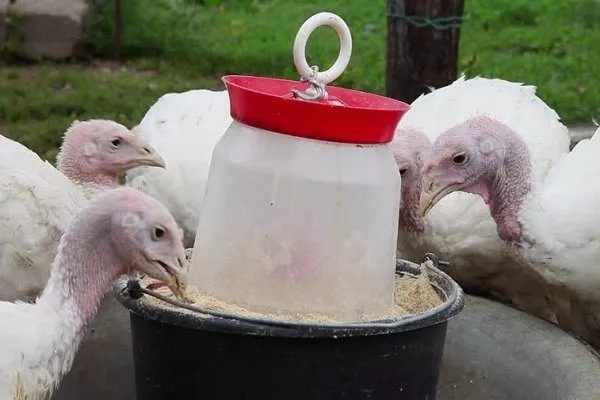
Healthy turkeys eagerly consume the food brought to them, hurrying, pushing, and quickly swallowing the pieces they grab. If a bird eats reluctantly or refuses food altogether, immediately determine the cause—either to save the sick bird or to prevent infection among its fellows.
How can you tell if turkeys have lost their appetite?
Turkeys are active birds, especially when young. They usually run briskly to the feeder as soon as they spot their owner. Even turkey poults quickly remember the person who provides their feed daily and react eagerly to their appearance.
- ✓ Observe the rate of feed consumption: healthy turkeys eat quickly and enthusiastically.
- ✓ Check your pet's reaction to new food: lack of interest may indicate health problems.
If birds are slow to approach the feeding station, appear lethargic, eat slowly, or refuse food altogether, there's a clear health problem. Determine the cause of their lack of appetite quickly and take appropriate action.
Turkeys, being voracious birds, don't refuse food without reason. Most causes of starvation, if left untreated, lead to severe pathological conditions and eventually death.
Common causes of poor appetite
There are so many reasons for poor appetite in poultry that it can be difficult to immediately determine why a turkey isn't eating. However, even a quick glance is often enough for an experienced breeder to pinpoint the cause of the problem with 99% accuracy.
Wrong diet
Improper feeding leads to various pathologies. An unbalanced diet causes vitamin deficiencies, gastrointestinal diseases, and a weakened immune system. Such birds suffer not only from the direct consequences of poor nutrition but are also susceptible to infectious diseases.
Feeding errors that lead to lack of appetite:
- Violation of the diet and nutrition regime. They vary depending on age. Each life stage has its own recommendations, specific feed, and feeding frequency. For example, feed chicks every 2-3 hours. Gradually reduce the number of meals to 5 per day.
- Stale food. Turkeys' food must always be fresh. This is especially important for young birds. Prepare the mash immediately before feeding; do not prepare it in advance. It is recommended to dilute it with whey.
- Dry and whole grain. It can be given to turkeys only after they are one and a half months old.
Chicks often lack a swallowing instinct and may refuse food. In this case, force them to eat.
Inappropriate conditions of detention
To ensure turkeys are healthy and eat well, it's important to create favorable living conditions for them. Any mistake can lead to health problems, pathologies, and critical conditions that can lead to death.
Turkey husbandry mistakes that lead to illness, poor appetite and flock losses:
- too hot or too cold - both options negatively affect the health of birds;
- Rarely changing the bedding - microbes and pathogenic microorganisms accumulate in it;
- neglect of disinfection - carry it out before introducing birds, periodically and in case of detection of sick individuals;
- dirty drinking bowls and feeders - wash and clean them daily;
- Keeping young and adult birds together has a negative impact on the chicks' physical condition (they can be stepped on, pecked, or infected).
A pendulous or hard goiter
The first thing the poultry farmer should do is check the crop. If it's hard, the cause of the bird's loss of appetite has been identified.
Causes of hard goiter:
- Accumulation of food in the crop sac. Getting stuck here prevents it from moving into the stomach. This condition is most often caused by improper feeding of young turkeys—a disruption to their diet. Hungry, the birds greedily grab too much food.
- Incorrect consistency of grain mixtures. If coarsely ground grain is used for feed, it may remain in the crop.
- There are no pebbles. For turkeys, it acts like teeth—it grinds food. Unground food accumulates in the crop.
When the crop becomes hard, the mucous membrane begins to rot, and toxins poison the bird's body. The bird becomes lethargic, tends to sit for long periods, and doesn't eat.
Complex treatment:
- 24 hours of fasting;
- rinsing with a solution of pink potassium permanganate;
- soldering with 0.5% hydrochloric acid.
- Provide the bird with a day of fasting to relieve the crop.
- Rinse the crop with a solution of pink potassium permanganate to remove stuck food.
- Give the bird 0.5% hydrochloric acid to drink to stimulate digestion.
After 24 hours, feed the affected young birds a boiled egg, oatmeal, and cottage cheese. Turkeys remain on this diet for 3 days. Then, switch them to compound feed and feed them fine gravel—1 g per bird.
A pendulous crop is considered a milder form of a hard crop. It is caused by excessive drinking and overuse of wet food, which can distend the crop. Treat this problem with a special diet based on the current menu. Rest and reduced activity are also recommended for the affected bird.
Incorrect (perverted) appetite
A perverted appetite manifests itself in the development of strange taste preferences. Birds begin to eat completely inedible objects and substances—rocks, clay, bedding, and so on. This situation can be caused by worms or a lack of certain micronutrients in the diet.
Medicine doesn't offer treatment advice for this condition. A review of the diet can help solve the problem. It must be balanced, and if adjustments aren't made promptly, the birds will develop a hard crop or other illnesses.
Hypovitaminosis
A deficiency of one or more vitamins in the body leads to weakening of the bird. In this condition, turkeys may eat poorly and become even weaker.
Causes of hypovitaminosis:
- non-vitamin food;
- monotonous diet;
- worms;
- use of antibiotics.
Signs of vitamin deficiency:
- A - dry skin, thickened mucous membranes;
- D - rickets and growth retardation;
- B - failures in the functioning of various organs and systems;
- C - anemic condition, susceptibility to infections.
The problem can be resolved by correcting nutrition and introducing multivitamins into the diet.
It is recommended to feed the bird additionally:
- carrots;
- beetroot;
- greenery;
- with pine flour.
To prevent rickets, give turkeys plenty of chalk, crushed eggshells and bone meal.
Protozoal diseases
These are infections caused by parasitic protozoa. Protozoan diseases include mycoplasmosis, ornithosis, trichomoniasis, and coccidiosis. A sign of infection is a lack of activity—the birds sit hunched over and refuse to eat.
Before starting treatment, the birds are examined. Veterinarians typically prescribe universal medications that are effective against most protozoa.
How to treat infected birds:
- Metronidazole. This is an antiprotozoal and antimicrobial medication. It is added to feed once. A second dose is given eight days later. The medication is also recommended for prophylaxis.
- Baycox. It is used for coccidiosis, which, in addition to loss of appetite, is accompanied by diarrhea and feather loss. The medication is given for 2-5 days, added to water.
Protozoal diseases are often accompanied by secondary infections. To prevent this, treat infected birds with antibiotics, such as Erythromycin.
Why do turkey poults eat poorly?
Poultry farmers know that turkeys are highly susceptible to various diseases and require close monitoring. It's important to take all preventative measures and promptly detect any behavioral abnormalities.
Cannibalism (pecking)
The problem occurs when chicks are kept in cramped conditions. When turkey poults are deprived of physical activity, they become permanently stressed. The birds peck at each other and constantly fight to defend their territory.
Another cause of pecking is poor nutrition, specifically a deficiency in protein, vitamins, and minerals. Affected turkey poults should be removed from the flock immediately, otherwise their brethren will peck them to death.
What measures are taken against pecking:
- Make adjustments to the diet of young animals - introduce more protein foods, vitamins and minerals;
- Increase the living area and the area norm per head.
Rickets
The condition develops due to a deficiency of calcium or vitamin D3, which is essential for absorption. Vitamin D3 is synthesized in the skin under the influence of sunlight, and it can also be ingested through food.
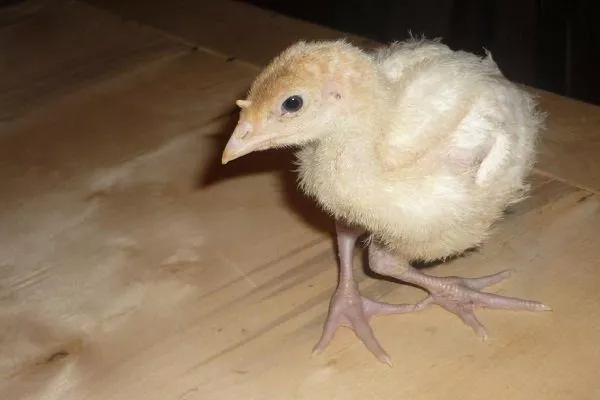
Rickets are more common in crossbreeds due to their high calcium and protein requirements for growth. However, laying turkeys are not immune to rickets.
What to do if turkey poults have rickets:
- Introduce vitamin D3 into your diet;
- organize additional walks outside (avoiding direct sunlight);
- Provide chicks with sufficient space to live and move around.
Avitaminosis
In avitaminosis, unlike hypovitaminosis, there is not a partial, but a complete absence of any vitamin.
Signs of vitamin deficiency:
- Vitamin A deficiency - poor weight gain, cloudy and watery eyes;
- B - paralysis of the legs, turkey poults cannot stand and walk, they go bald;
- D - slow growth, softening of bones, chicks easily break limbs.
Various vitamin supplements can help correct vitamin deficiency. But it's best to give them early, before the condition develops.
Enteritis
The disease affects chicks aged 1.5 to 3 months. Symptoms are similar to dysentery.
Symptoms of enteritis:
- lethargy and refusal to eat;
- loose stools containing pieces of undigested food;
- stuck together feathers in the anal area.
The disease usually develops due to dirty water or poor-quality feed. Provide sick birds with clean water and good feed. Separate them from healthy turkeys until they recover.
Infectious diseases
Infectious diseases have a high mortality rate, and prevention is much easier than cure. If alarming symptoms appear, it's important to promptly obtain a correct diagnosis so that appropriate measures can be taken.
Infectious diseases of turkeys that cause loss of appetite:
- Smallpox. Turkeys are infected by chickens through feed, water, and direct contact. Infected turkeys are quarantined. The pathogen dies at temperatures between -15°C and +36°C.
The birds' skin becomes covered in spots and bumps. There are several forms of smallpox: cutaneous, catarrhal, diphtheritic, and mixed.
Apply glycerin to the affected areas, then iodine. Rinse the nasopharynx with a 3% boric acid solution if affected. Give an erythromycin tablet (or another antibiotic) and an antimicrobial. Add Lozeval to the fluids. - Tuberculosis. This incurable disease is caused by the tuberculosis bacterium. Transmission occurs through contaminated water, litter, or eggs. The disease affects the entire respiratory system and very quickly destroys internal organs.
Sick birds don't eat, walk poorly, fall over, become bald, have loose stools, and develop nodules on their skin. Destroy infected birds as quickly as possible to preserve the remaining flock. Move healthy turkeys quickly to another barn. - Worms. At the onset of infection, helminthiasis cannot be diagnosed, as the parasites do not manifest themselves. Over time, birds become weakened, becoming easy prey for infection. Infection can occur through water, soil, and litter—anywhere can contain worm eggs.
Helminths most often infest the gastrointestinal tract, but can also infest other organs, such as the respiratory system. Infected birds lose weight, and their stools become loose. Treat infected birds with veterinary medications, such as phenothiazine. - Synovitis. The disease is caused by a pathogenic microorganism and affects adult turkeys and poults from seven weeks of age. Synovitis causes inflammation of the ligaments and joints, accompanied by pallor of the comb, lameness, and diarrhea.
Infection occurs from individual to individual, less commonly in eggs during incubation. Sick turkeys should be given antibiotics, such as Terramycin, Streptomycin, or others. - Newcastle disease. This viral infection is often referred to as pseudoplague, as it rapidly affects the entire flock, with most birds dying. Infection begins with a single sick bird or carrier, which, while spreading the disease, remains alive and healthy.
The disease lasts from 3 to 14 days and is accompanied by diarrhea. Birds initially become paralyzed, then develop encephalitis, pneumonia, or other damage to vital organs. There is no specific treatment. Sick birds should be culled to save the remaining flock. - Coccidiosis. It is caused by single-celled microorganisms called coccidians. Infection occurs through feed, water, and dirt. It primarily affects young turkeys (up to three months old), but most commonly affects individuals under three weeks old.
The disease is accompanied by diarrhea and thirst. The bird is lethargic and inactive, with half-closed eyes and drooping wings. The veterinarian usually prescribes Baycox. Burn the carcasses of the dead turkeys as soon as possible, disinfect the coop, and repopulate the birds no sooner than three weeks later. - Respiratory mycoplasmosis. It occurs in cold and damp poultry houses. It most often affects birds with weakened immune systems and those deficient in vitamins A and B. The disease is airborne and is accompanied by respiratory damage and rhinitis. Birds become weak and emaciated.
There is no medication for this disease. Give antibiotics to birds that appear healthy, and cull any showing signs of illness immediately.
You can watch a video about turkey diseases:
Lack of appetite in young individuals
There are a number of diseases that cause loss of appetite, but they only affect young turkeys. It's important to recognize the disease promptly and take appropriate measures (treatment, quarantine), and, if necessary, destroy the affected birds.
What diseases cause loss of appetite in young animals?
- Infectious sinusitis. It occurs in cramped conditions, due to hypothermia and a lack of vitamins A and D. It is accompanied by inflammation of the nasal and ocular sinuses, accumulation of pus in them, swelling and redness of the head.
Treat birds with antibiotics, such as Streptomycin or Tylan. Experienced poultry farmers and veterinarians can perform pus drainage. To do this, lay the bird on its back with its head turned to the side. Drain the pus from the sinuses by puncturing the swelling with a needle. - Paratyphoid. An extremely dangerous disease that affects turkey poults in their first month of life. At this age, the bird's immune system is not yet fully developed, so the mortality rate is high—over 70%. Affected birds barely walk, sit hunched over, do not eat, but drink a lot. Treat the birds with Mepatar or similar medications.
- Hemophilosis. This is an infectious disease that affects turkeys up to six months old. Transmission occurs from bird to bird, through drinking and eating. Symptoms include inflammation of the mucous membranes of the nasopharynx and eyes, shortness of breath and wheezing, weight loss, and loss of appetite.
A turkey's head takes on an owl-like appearance due to inflammation of the sinuses under the eyes. The disease is incurable; affected birds should be culled. For birds that are considered healthy, administer iodine inhalations, and disinfect the area with a mixture of lime, caustic soda, and formaldehyde. - Histomoniasis. Keeping turkeys in the same room or yard with chickens, geese, and ducks increases the risk of infection. Histomoniasis is especially dangerous for turkey poults aged 1 to 5 months.
Affected turkeys are passive, show no interest in food, have yellow-orange stools, and a blue-black scalp. The disease affects the liver and intestines. Treat turkey poults with Trichopolum, Furazolidone, or their equivalents. - Pullorosis (typhus). A highly contagious disease that spreads quickly among turkeys. The disease can be recognized by white, foamy diarrhea. Affected turkeys not only refuse to eat but also squeak constantly and breathe heavily.
The bird's blood becomes infected, and the gastrointestinal tract and respiratory organs are destroyed. Transmission occurs through sick birds, water, and food. The mortality rate is 70%. However, there is a chance of recovery. A veterinarian selects antibiotics.
How do you give water to a sick bird?
If the disease is treatable, separate the sick turkeys from healthy ones. A precise diagnosis is often difficult. If there are no signs of fatal or incurable pathologies, administer anti-inflammatory medications to the sick turkeys.
First, give the bird Iodinol, which has a beneficial effect on the intestines, which are the first to be affected in turkey poults. Then, for 3-5 days, administer Metronidazole and Chiktonik, according to the instructions. It is recommended to administer these medications to the entire flock, as most turkey diseases are highly contagious.
Preventive measures
The main preventative measures include providing a proper diet and preventing diseases. This is achieved not only through vaccinations and various medications, but also by providing favorable living conditions.
The right diet
For up to two months, feed turkey poults a starter feed that contains everything they need for successful growth. For older turkeys, purchase age-appropriate feed or create your own diet from a variety of feeds.
What to feed turkeys:
- corn - up to 40%;
- sunflower/soybean meal - up to 16/11%;
- fodder yeast – up to 7%;
- herbal/fish meal - 9/8%;
- shells - 1%;
- feed fat - 6%;
- dry skim milk - 1%;
- premix - 1%.
It's recommended to supplement turkey feed with probiotics and growth promoters. If fed according to dietary guidelines, turkey poults will quickly gain weight. Supplement their diet with special vitamins and fish oil.
Disease prevention
Treating turkeys requires a great deal of effort and time, and most importantly, most diseases have a high mortality rate, especially in young turkeys. It's much cheaper to prevent illness than to treat it.
What experts advise:
- Purchase eggs for breeding and turkey poults only from reliable farms with a good reputation.
- Disinfect the poultry house periodically.
- It is forbidden to give poor quality, moldy grain.
- Replace the bedding straw regularly - it should not be wet.
- Conduct prevention of helminthiasis and coccidiosis once every 1-2 months.
- Vaccinate turkeys against Newcastle disease (LA-sota) starting at two weeks of age. Revaccinations are administered after 30 and 90 days, and then every six months.
- Vaccinate turkeys against synovitis, Marek's disease, fowl plague, infectious encephalomyelitis, and respiratory mycoplasmosis.
- To prevent pullorum (typhus), give chicks Furazolidone on the very first day of life.
- During the first two days of life, give the chicks solutions of ascorbic acid and glucose.
Turkeys are very susceptible to illness in the first months of life. During this period, breeders should be especially attentive to their condition. Even a slight decrease in appetite is a serious cause for concern. It is important to promptly and accurately determine the cause of the bird's refusal to eat so that appropriate measures can be taken.