
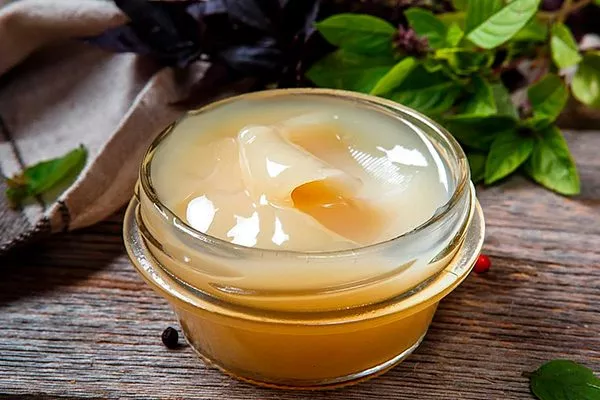
Goose fat is considered a versatile product, used in a variety of fields, including cooking, folk medicine, and cosmetology. It has a delicate texture reminiscent of olive oil. The caul fat (internal fat) is rendered, yielding first-grade lard and raw fat (from the muscular stomach and intestines), later called second-grade.
The benefits and harms of goose fat
Goose fat is considered highly nutritious, containing a large amount of micro- and macronutrients, vitamins, amino acids, polyunsaturated and monounsaturated fats, myristin, and more. Per 100 g of product, there are 99.8 g of fat and only 0.20 g of water. Among the vitamins, vitamin E is the most abundant.
Goose fat has many beneficial properties. For example, it is used for the following problems:
- bronchitis, flu and colds;
- pulmonary tuberculosis;
- cracks and abrasions;
- psoriasis;
- frostbite;
- dermatitis;
- eczema;
- joint and muscle pain;
- peeling skin.
Goose fat has no contraindications and is harmless to the body. However, if you are obese, you should use it in limited quantities, as the calorie content of 100 grams is 900 kcal. It contains no proteins or carbohydrates.
Uses of goose fat
Goose fat has a fairly soft consistency with a uniform structure that spreads easily. The product is light yellow in color, has a neutral taste, and a light, non-specific odor. Other characteristics:
- melting temperature – from +40 degrees;
- properties - preservative, thanks to which, when poured with fat, you can keep meat fresh for a long time;
- Heating up to +200 degrees is permitted, since even such heat treatment is not capable of changing the texture and structure.
Goose fat has a wide range of uses. For example:
- Cooking. Goose fat is considered harmless because it contains virtually no saturated fat. Unlike butter or vegetable oil, goose fat doesn't emit harmful substances or smoke. This is why goose fat is used in the following:
- sauté vegetables;
- fry cutlets, scrambled eggs, cabbage, potatoes, etc.;
- canned meat;
- cook pilaf and other porridges;
- added to baked goods or used to grease baking sheets;
- prepare a casserole;
- used for spreading on sandwiches and toasts.
- Cosmetology. The fat quickly softens the skin of the hands and eliminates flaking, moisturizes and regenerates epidermal cells, protects against bacteria, creating a thin film.
- Traditional medicine. Goose fat can help relieve coughs and runny noses, and eliminate cracks in the skin and heels.
For more detailed information on the use of goose fat, watch our video:
How to properly collect fat from a goose when cutting it up?
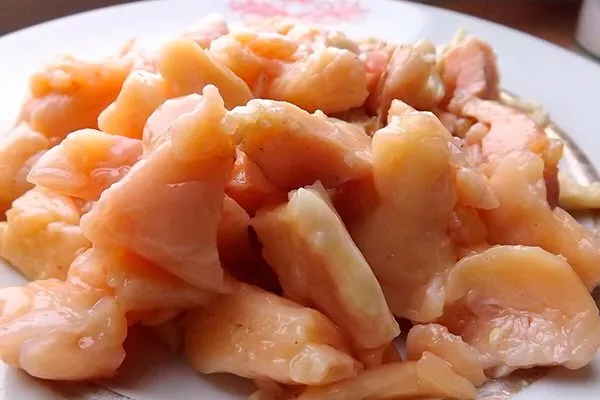
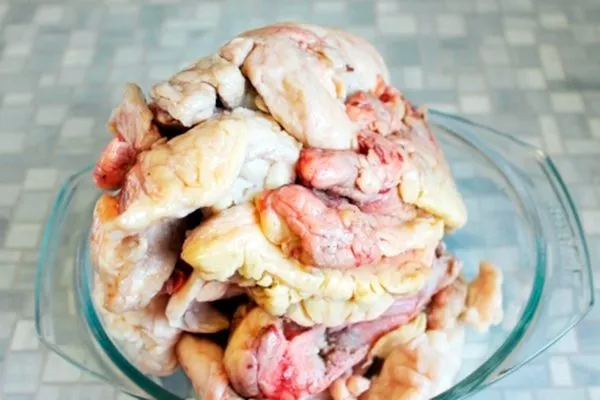
The fat layer must be trimmed from the butchered goose immediately after plucking, deboning, and evisceration. The key is to ensure that the intestines do not rupture during this process. Otherwise, the visceral and stomach fat will become contaminated, making it difficult to remove. Experts recommend discarding the contaminated product. The fat is trimmed with a knife.
How much internal and subcutaneous fat can be collected from one goose?
The amount of fat deposits is affected by the age of the bird:
| Goose age in weeks | Subcutaneous fat | Visceral fat |
| From 8 to 10 | From 14 to 18%. | From 6 to 7%. |
| Ages 12 and up | From 26 to 30%. | About 10%. |
Where to sell the product?
Goose products are popular in Russia, so sales are relatively straightforward. Currently, there are several promising outlets for goose fat:
- market;
- goose fat production plants;
- eco-parks;
- butcher shops;
- online farm stores;
- cafes, restaurants.
How to melt goose fat at home?
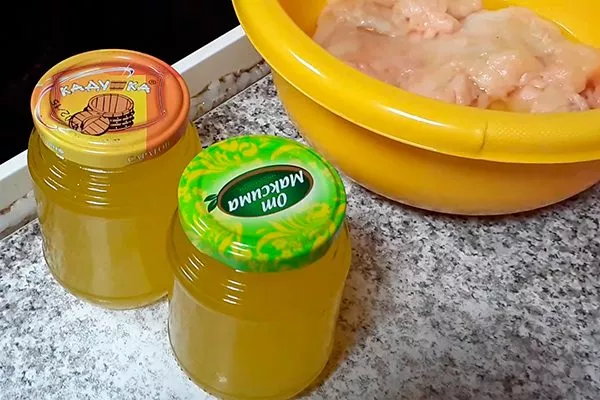
Rendering goose fat is necessary for one purpose: to extend the product's shelf life. But it must be done correctly:
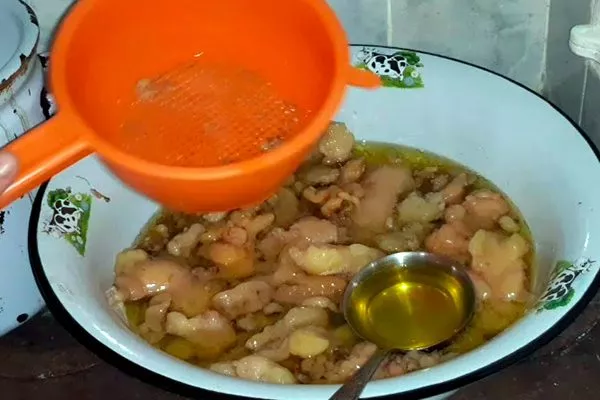
- After separating the fat from the carcass, rinse it.

- Cut into small pieces. Do this with a sharp knife.
- Place the frying pan on the stove and heat it up.
- Put out the fat.
- Set the oven to the slowest setting.
- While rendering the fat, stir it constantly to prevent it from burning. Rendering time is about half an hour.
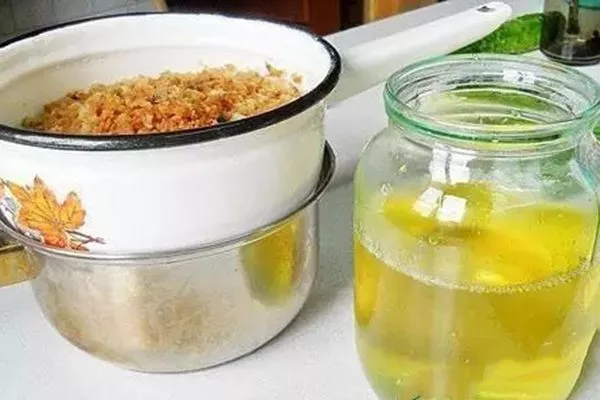
- Using a slotted spoon, remove the formed cracklings from the liquid fat mixture, then strain the liquid fat through a very fine sieve. This will ensure perfectly pure rendered fat.
- Prepare containers in advance – wash and dry them thoroughly.
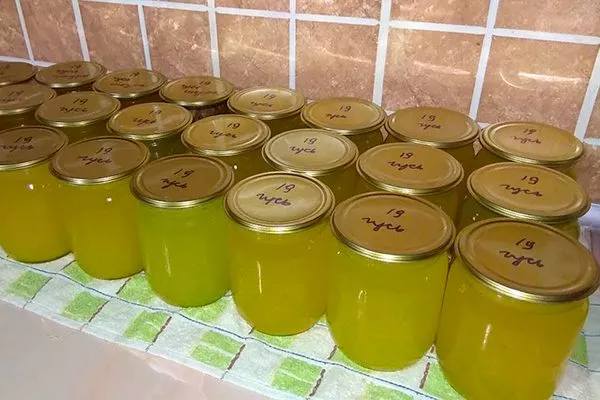
- Pour the liquid fat into jars.
- Leave on the table until completely cool.
- Close the containers with lids.
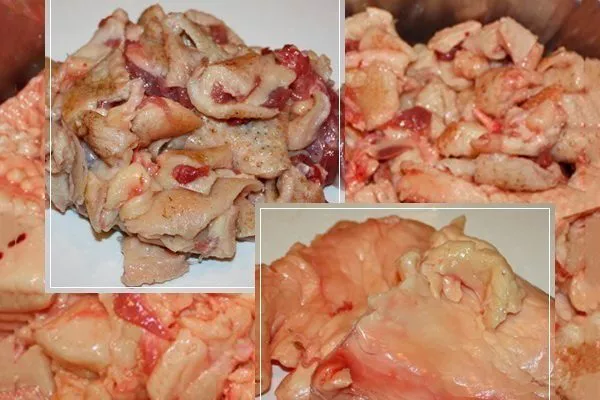
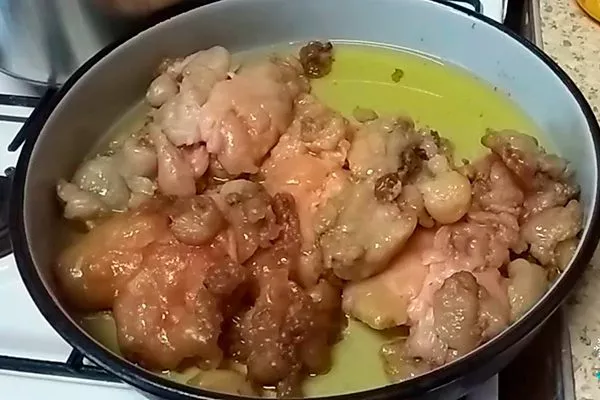
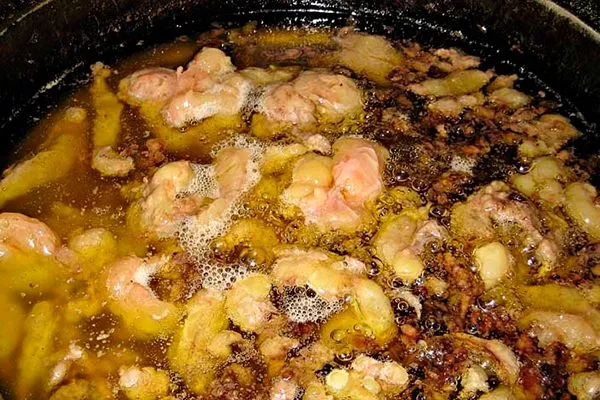
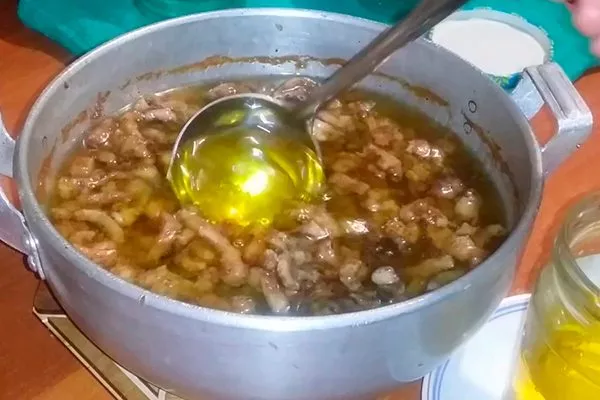
- ✓ The optimal size of pieces of fat for rendering is no more than 3x3 cm for uniform heating.
- ✓ The heating temperature should not exceed +40 degrees in order to preserve all the beneficial properties.
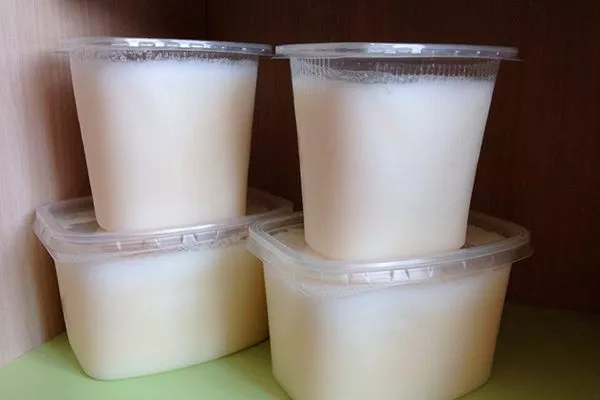
- ✓ High-quality goose fat should be white after solidification, without any yellowish tints.
- ✓ The consistency of the solidified fat should be dense, but not hard, and easy to spread.
You can visually see the technology of rendering goose fat in our video:
Rendering technology for goose fat production
If you plan to get involved in goose farming and goose fat production, it's important to learn about all the production processes in advance. They're not as complicated as they might seem at first glance.
How fat is rendered in production:
- Initially, the raw material is prepared by cutting it into pieces measuring approximately 3x3 cm.
- Rendering then takes place in a double-walled, batch-type boiler. These boilers hold 500-1,000 kg. Since constant stirring is impossible, approximately 10 kg of already rendered fat is poured into the boiler, and the raw product is poured on top. The boiler temperature is 130 degrees Celsius, and the pressure is approximately 0.7 MPa.
- Sedimentation is carried out over the course of 24 hours, and the suspended matter is collected.
- The fat is now purified and cooled using filters. The mass is cooled automatically, as the equipment is equipped with an internal cooling wall.
- Next, the sediment (fuze) is neutralized, packaged, and allowed to solidify. When packaged in crates, the product must be frozen for 24 hours.
Storage rules
The storage requirements for goose fat depend on various factors, such as packaging type, temperature, etc. But the key points are: optimal humidity is 70%, temperature is no higher than 6 degrees, and the material is food-grade and natural.
How and where to keep it?
There are two storage methods for storing rendered goose fat: refrigeration or freezing. Some farmers store the fat in a cellar or basement, but these conditions are not considered suitable for this product.
Storing goose fat in the refrigerator
Goose fat is most often stored in the refrigerator. However, even then, it's important to adhere to specific guidelines, otherwise the fat will lose its beneficial properties.
What to pay attention to – rules:
- You cannot put unset product into the refrigerator;
- the dishes must be sealed tightly to prevent foreign odors from penetrating into the fat;
- You cannot use fat that has been stored in the refrigerator for a month after opening (it can be packaged in small portions);
- It is undesirable for light to fall on the fat, so it is better to shade the containers (wrap them in black paper/fabric);
- The optimal temperature is from 0 to +5 degrees.
Storing goose fat in the freezer
Goose fat lasts the longest in the freezer, but it is important to follow a few rules:
- the optimal temperature range is from -18 to -22 degrees;
- Label the container with the date you put the fat in the freezer, so it is impossible to exceed the expiration date;
- fat cannot be re-frozen;
- Keep away from fish and foods that emit strong odors.
In what container?
Regardless of the container chosen, it's important to meet a couple of requirements: it must be clean and dry, and the material must be natural (food-grade). It's advisable to use dark-colored containers, as light penetration destroys the beneficial elements.
What kind of container can be used to store:
- Storing goose fat in glass or ceramic jars. This is the most suitable option for the refrigerator, but it's important to wrap transparent containers in dark cloth. Another rule: don't fill the container to the brim with fat; leave some space at the top, as fat expands when cooled, and especially when frozen.
- Storing goose fat in plastic containers. This isn't the best solution, but if the plastic is high-quality and the container seals hermetically, it's entirely possible. The requirement is that the plastic shouldn't interact with oils and fats. These materials are polyethylene and polypropylene.
- Storing goose fat in metal containers. A somewhat odd option, as many consider it, but experts recommend metal containers. This is due to maximum protection from light and moisture, as well as the durability of the material. The requirement is that the metal must be stainless, preferably steel.
Foods that can be stored with goose fat
Few people know that goose fat is a natural preservative, meaning it can preserve the freshness of other foods, and most importantly, extend their shelf life and even impart a distinctive aroma and flavor. For example, goose fat can be used to preserve meat (both raw and cooked), vegetables, fish, mushrooms, and more.
How long can it be stored?
The shelf life is determined by storage conditions:
- In the refrigerator. Once opened, the product is best consumed within 30 days. If the can hasn't been opened, the shelf life is up to 8 months.
- At room temperature. Maximum 3 months, but the beneficial properties will no longer be preserved.
- In the cellar. If the temperature does not exceed +10 degrees, then the fat is preserved for up to six months.
- In the freezer. The longest shelf life is 12 months.
Some tricks
Absolutely all parts of goose fat are used in food, even fryings – they can be added to minced meat when making meatballs and cabbage rolls, used when frying potatoes, or made into a delicious snack:
- Pass the cracklings through a fine sieve of a meat grinder.
- Add chopped garlic.
- Add ground black pepper.
- Mix thoroughly.
- Spread on toasted croutons or a slice of bread.
Goose fat is versatile; the key is learning how to render it properly and then following proper storage guidelines. Goose fat is an excellent option for any farmer to develop a business, as it can generate considerable profits. It can also be used for personal purposes, such as treatment, cosmetology, and nutrition.