
To build a goose barn yourself, you need to consider the bird's characteristics, the region where it lives, your resources, and the number of birds. How to build a goose barn yourself, what to consider, what materials to use, and a detailed description of the process are below.
Types of goose houses
| Name | Type of construction | Material | Insulation |
|---|---|---|---|
| Summer goose house | Mobile | Transport pallets | No |
| Stationary goose house | Year-round | Durable materials | Yes |
Depending on the insulation and reliability of the structure, goose houses are divided into 2 types:
- "summer" or mobile ones, which are constructed from transport pallets;
- stationary, designed for year-round keeping of poultry, they are built from durable materials and on a foundation.
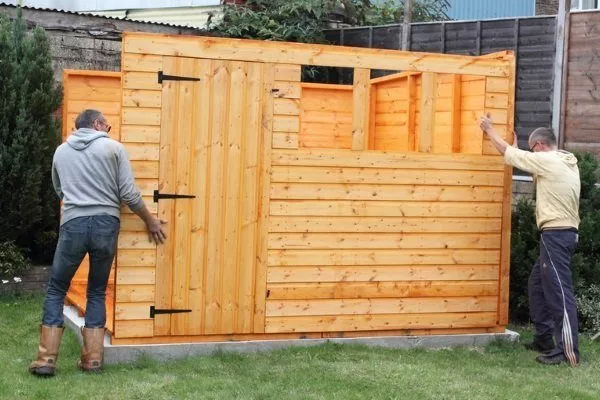
A separate barn is ideal, but if there is no space for a goose house, almost any outbuilding can be converted into one.
Basic requirements
When constructing a room for geese, consider the following:
- there should be no drafts in the room;
- maintain a comfortable temperature and dry air for geese;
- openings (holes) for poultry are located on the southern and southwestern sides of the barn;
- the roof must be leak-free and reliably protect the bird from precipitation;
- the floor is laid in such a way that rodents cannot penetrate into the room, and it should not absorb water;
- The exercise yard is designed on the south side of the building in northern and central regions. In southern regions, where solar radiation is intense, the best option is to place it on the southeast or southwest side.
- The size of the walking yard is calculated based on the following standards: at least 1 square meter per gosling, at least 5 square meters per young goose, and at least 15 square meters per adult goose;
- It must be equipped with a canopy under which the bird can hide from the rain or scorching sun rays.
- ✓ The presence of shaded areas is essential to protect against overheating in southern regions.
- ✓ The fence must be at least 1.5 meters high to prevent geese from escaping.
Selecting materials for construction
Geese are kept in sheds made of wood, logs, reeds, foam blocks, clay, and other building materials. The appropriateness of using a particular material depends primarily on the climate of the region where the geese live.
While in the southern regions a lightweight structure made of clay, reeds, and wood may be sufficient, in Siberia, for example, geese won't survive long in such a house. Considering the harsh Siberian frosts, careful consideration must be given to insulating the goose house.
Goose barn project
Before you begin building a goose house, it's a good idea to first design it on paper. This will help avoid mistakes during construction.
Dimensions
The area and size of the structure depend on the number of future inhabitants. When building a permanent goose house, the space per goose should be at least 1 square meter, while for a portable one, the space should be at least 0.5 square meters.
The shed should be at least 200 cm high to ensure comfortable access and cleaning. Furthermore, low spaces impair air circulation, causing moisture to accumulate on the walls and cause wood rot. The rear wall should be 160-170 cm high, as the roof is sloped to allow snow and rainwater to slide off more easily.
Window area should be 10% of the total wall area. Square windows are best. A well-lit room has a beneficial effect on geese productivity.
To prevent cold air from entering the room in winter, a small vestibule (vestibule) is provided.
The figure below shows an approximate diagram for calculating the dimensions of the goose house:
Flooring materials
Usually it is made of wood or concrete, sometimes clay:
- Tree. This is a natural, environmentally friendly material that is highly breathable. However, it is susceptible to rot, does not protect against rodents, and has a short lifespan. Treating the wood with special compounds can extend its lifespan.
- Concrete. It's more durable than wood, and rats and moles are unlikely to chew through it. However, a concrete floor is colder than a wooden one. Using a deep underlayment solves this problem. However, concrete is impermeable to water and air.
The choice of material depends entirely on the financial capabilities of the poultry farmer and his preferences.
Materials for walls and roofs
The walls of the barn are built from the following materials:
- Bricks and cinder blocks. They are considered one of the most durable materials for goose house walls. However, they are cold and contribute to moisture retention in the room.
- Wooden logs. They allow air to pass through perfectly, but are susceptible to severe rotting.
- Adobe. Considered the best material for walls in dry climates, adobe is made from clay soil with the addition of straw or other fibrous plant materials. Soaking the adobe in lime beforehand can prevent rodents from entering the shed. The interior and exterior are insulated with a mixture of clay and straw.
Corrugated slate or polycarbonate sheets are used for the roof, but the latter is a short-lived material. Metal is prohibited, as it becomes extremely hot in hot weather, creating unbearable conditions inside the goose house.
Thermal protection
In regions with harsh winters, the choice of insulation is taken seriously. For this purpose, the following are used:
- mineral wool - it is easy to lay and allows air to pass through, but at high humidity it begins to rot, and also settles and breaks;
- foam plastic or expanded polystyrene - This insulating material is easy to install and retains heat well; on the other hand, it takes up a lot of space and does not allow water to pass through, resulting in increased humidity in the goose house;
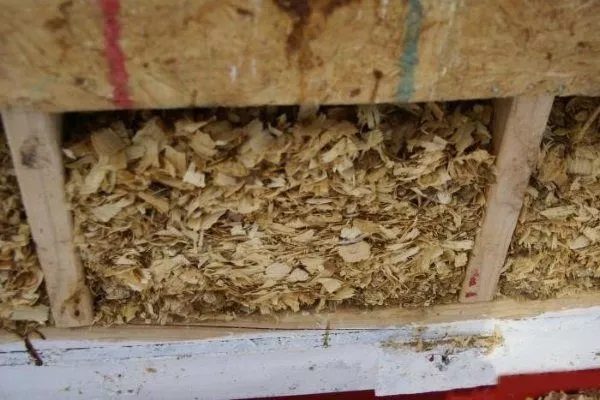
- sawdust - They allow air to pass through well, but they rot quickly.
We prepare tools and calculate the amount of materials
The table shows the approximate amount of materials required to build a goose house:
| Material | Unit of measurement |
Quantity
| Standard
(pcs/m3) | Result |
| Concrete M200 | cubic meters | 6.4 | 6.4 | |
| roofing felt | m | 30 | 30 | |
| Timber 100x150x6000 | pcs. | 12 | 11 | 1.1 |
| Timber 50x150x6000 | pcs. | 37 | 22 | 1.7 |
| Bar 50x50x6000 | pcs. | 14 | 132 | 0.1 |
| Board 25x150x6000 | pcs. | 305 | 44 | 7.0 |
| Roll or slab insulation | sq. m | 290 | 290 | |
| Chipboard or flat slate | sq. m | 148 | 148 | |
| OSP | sq. m | 132 | 132 | |
| Expanded clay | cubic meters | 9.6 | 9.6 | |
| Polyethylene film 200 microns | sq. m | 230 |
To build a shed, in addition to materials, you will need a number of tools:
- shovel;
- level, ruler, tape measure and plumb line;
- ladder;
- screwdriver or power drill;
- carpentry tools - hammer, axe, pliers, plane, nail puller;
- saw or electric jigsaw.
Stages of goose house construction
Building a goose barn is a complex undertaking and should be approached with the utmost care, with attention paid to every aspect, from site selection and preparation to zoning.
Preparing the site
It's best to build the poultry house on a hill to prevent flooding during snowmelt or precipitation. A major advantage when choosing a location is proximity to a body of water and pasture, which allows for significant savings on feed in the summer.
- ✓ The groundwater level must be at least 1 meter from the surface to avoid flooding.
- ✓ The presence of a natural or artificial reservoir nearby will significantly reduce feeding costs during the summer.
Once a construction site has been selected, the area is cleared of debris and the area for the barn and corral is marked out, either by marking the ground or by driving in posts. A trench 20-30 cm deep is dug around the perimeter of the posts. To prevent rodents from frequenting the area in the future, adobe soaked in lime is placed at the bottom.
Foundation
On the area bounded by the ditch, they mark out a rectangle of the required size, and begin laying the strip foundation:
- A trench 50-70 cm deep is dug around the perimeter of the marks.

- Sand (30 cm layer) and crushed stone (10 cm) are poured into it and carefully compacted.
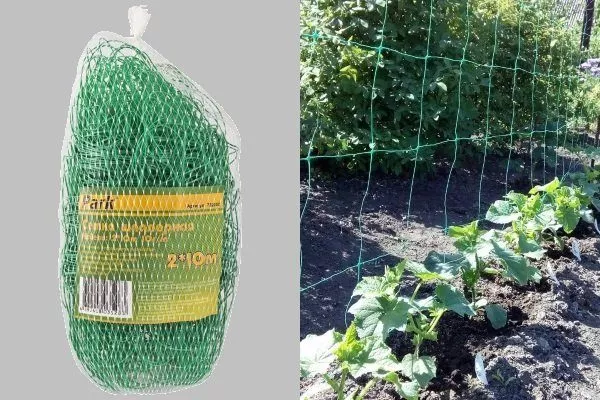
- A metal mesh is laid on top of the compacted layers.
- Formwork is erected from planks, raised 20 cm above ground level. It is covered with plastic film on the inside to facilitate its removal later, and concrete is poured. The uncured concrete must be leveled.
After 1-2 days, the poured foundation is covered with plastic film over the entire surface and left for several days. This promotes more uniform curing of the concrete and minimizes unevenness. The film is then removed and the concrete is left to cure in the open air.
In cold and damp climates, additional thermal insulation is necessary:
- the area inside the foundation is leveled, if necessary, the topsoil is removed, and a 10-15 cm thick layer of sand is poured in;
- Cover the top with crushed stone or expanded clay.
Expanded clay is recommended for use in regions where winter temperatures drop below -30°C for extended periods. This material is moisture-resistant and retains heat well. However, the expanded clay layer should be at least 20-30 cm thick.
To prevent rodents from entering the poultry house, a concrete blind area is created, consisting of an additional layer of concrete. A sand bed is poured around the perimeter of the foundation, onto which rebar is laid and then poured with concrete. Drainage channels are also installed to drain water.
Walls
The walls go up 1-2 weeks after the foundation is poured. They are built on a frame structure constructed from wooden beams.
First, the lower frame is made from wooden beams or, if funding is tight, from 100x55 mm boards. The frame is a frame assembled from beams and laid over roofing felt on the foundation.
Vertical supports are attached to it at equal distances from each other. The minimum spacing between supports is calculated based on the type and size of insulation. The structure is then completed with the installation of the top frame. Stiffeners are installed diagonally into the resulting rectangles. Openings for the door and windows are created.
The entire structure is treated with special impregnations that help protect the wood from microbes and fungi and extend its lifespan. For added durability, experts also recommend varnishing the entire structure.
Floors and insulation
After weighing all the pros and cons, they settle on one flooring material. The floor is laid at a slight slope toward the future sewer hole and drain, which will make cleaning the goose house easier.
Depending on the material, do the following:
- Concrete floor. The site is leveled, rebar is laid, and concrete is poured. It needs to be leveled before it sets. The concrete cures for 7 days.
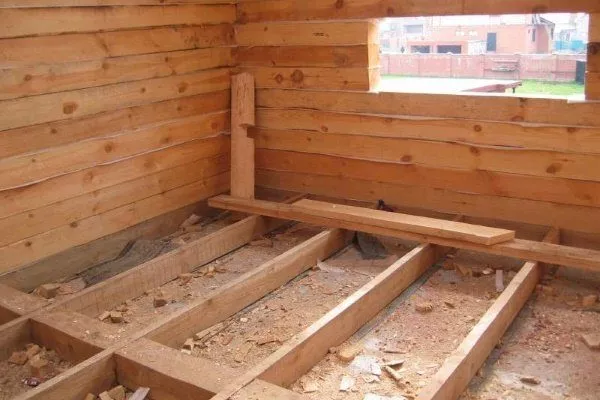
- Wooden floor. Roofing felt is laid on the foundation surface. Support beams are placed on top of this underlayment, which will serve as the foundation for the floor. Wooden decking is attached to the beams. Next, the floor is insulated and covered with the final decking.
- Clay floor. A 10-13 cm thick layer of soil is removed from the goose house. To prevent rodents from entering, a metal mesh with mesh openings no larger than 15 mm is laid on the floor, and a 15-20 cm thick layer of clay is added on top. The clay is poured with water and trampled with bare feet until it reaches the consistency of a slab. The resulting mixture is leveled. The layer is slightly thicker near the walls.
As for insulation, the thermal insulation material inside the room is covered with a moisture-proof film, and then wooden joists are attached.
Windows and doors
Installation of windows and doors is carried out using standard technology.
Windows are double-glazed. One of them must open and close, allowing for regular ventilation. Otherwise, due to high humidity, wood, sawdust, insulation, and straw will quickly rot. The remaining windows are made solid.
Place windows in the coop at a sufficient height, as geese love to pluck insulation from frames. Seal all gaps between openings with foam or foam sealant to prevent drafts.
The entrance door and small doors for the geese to enter and exit the barn are made of thick planks. The bottom is lined with a piece of iron (50x80 mm) to protect against rats and other rodents.
If you live in a region prone to severe frosts, the door should also be insulated from the outside or inside. Extruded polystyrene foam at least 50 mm thick is an excellent insulating material. When installing insulation from the inside of the door, cover it with a piece of linoleum or plastic to prevent birds from pecking at the insulation.
Roof
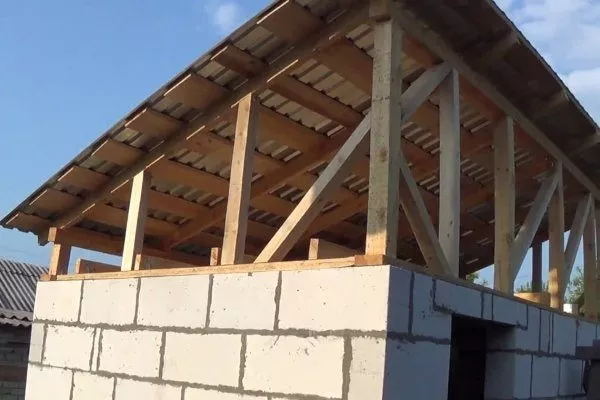
The roof is either single- or double-pitched. The roof structure must be strong enough to withstand strong gusts of wind and heavy snow, protect the birds from precipitation, and retain heat effectively. Significant heat loss occurs through the roof, as warm air always rises.
A beam or log, known as a mauerlat, is laid along the top perimeter of the outer wall, serving as the bottommost support for the rafters. A sleeper—a beam or log held horizontally—is installed in the center. The posts are attached to it, and the ridge purlin is attached to the posts. The resulting rectangles are reinforced with stiffeners.
The inside of the roof is covered with a vapor barrier, secured with wooden slats and screws. Then, a layer of thermal insulation, such as mineral wool, is laid, covered with a membrane to protect against precipitation. Finally, this entire "pie" is covered with slate. To prevent leaks, the sheets are slightly overlapped.
Zoning, enclosure and canopy
Since the young need to be kept separate from the adults, the gosling house is divided into two sections: 75% of the space is reserved for the adult geese, and 25% for the goslings. Wooden frames covered with fine-mesh mesh serve as internal partitions.
As for the pen, the birds should be able to enter it without hindrance immediately after leaving the barn. A trench is dug around the perimeter of the area and metal or wooden posts are installed, spaced equally apart from each other by the width of the mesh. Medium-sized mesh is used for fencing.
A small lean-to is attached to the barn to provide shelter from the rain in inclement weather or shade from the scorching sun. It's built to the side to prevent it from casting a shadow on the window during sunny weather. Wooden supports are dug into the ground or poured onto the foundation, and the lean-to is covered with slate or polycarbonate.
Equipment inside the goose house
The inside of the goose house also needs to be equipped with everything necessary.
Ventilation
Proper ventilation will help ensure good air circulation. It should remove not only excess heat but also harmful fumes.
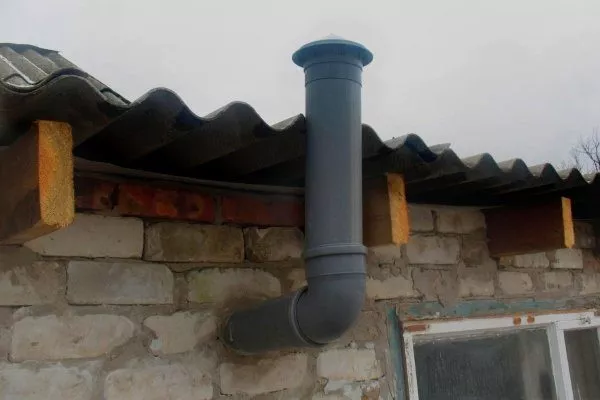
The simplest and most common type of ventilation is a ridge vent. It consists of two segments that fit inside each other. The gap between them should be at least 20-30 mm.
The inner segment is an aluminum or galvanized pipe that extends almost to the floor. A damper is installed in it, allowing ventilation intensity to be adjusted.
The external section is located at the top, slightly below the ceiling. The pipe leading out should be made of a material with low thermal conductivity, such as plastic, and should be insulated and equipped with a deflector to force air out of the room.
Lighting and heating
The installed electric lamps not only provide illumination but also heat the goose house. The required number of lamps is calculated based on the following standard: one lamp per 5 square meters with a power of no more than 60 watts. They are suspended at a height of 1.5-2 meters from the floor. To maintain egg production, the geese need a 14-hour daylight period.
A comfortable temperature for geese is considered to be 16-25°C, depending on the breed, and air humidity of 50-65%. Oil heaters or infrared lamps are additionally installed in the young animal area.
Arrangement of the goose house inside
In addition to providing proper ventilation, lighting, and necessary heating, the inside of the goose house is equipped according to certain rules.
Bedding
Natural materials are used as bedding: straw, sawdust, sand, wood shavings, sunflower or millet husks, or sphagnum peat.
The material must be dry, clean, hygroscopic, and free of mold and odor. In winter, it's recommended to cover the floor with straw or peat, as they provide good insulation. In summer, sand or sawdust can be used as bedding.
One goose requires up to 40 kg of bedding material per year. The thickness of the bedding layer depends on climate conditions, bird breed, and season and ranges from 5 to 30 cm.
Bedding is changed regularly, replacing old material with new, dry material. If geese are kept on a damp floor, their feathers quickly become dirty. They become ruffled and poorly retain heat, leading to hypothermia, weakened immunity, increased flu-like symptoms, and decreased productivity.
In the fall, before the cold weather sets in, sprinkle the dry floor with slaked lime at a rate of 1 kg per square meter to prevent unpleasant odors. A 5 cm layer of bedding material is added on top of this. Fresh bedding is added as it becomes soiled. For goslings, straw is added on top of the bedding to prevent them from pecking at it.
Nests
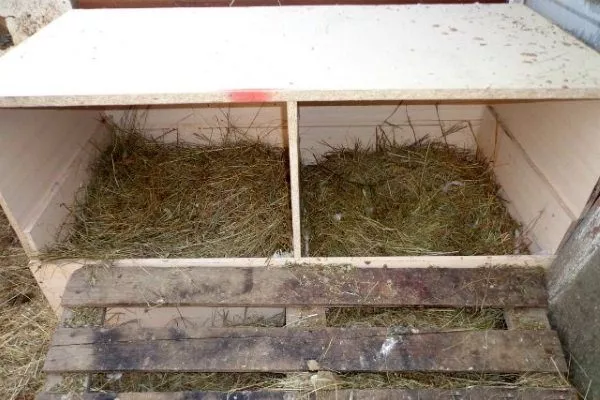
Nests are installed based on the number of geese: one nest for every two geese. They are placed in a shaded area on the floor to prevent the geese from being disturbed. They should not be placed close to cold walls or in direct sunlight. The side walls of the coop are considered the best location.
The nest has the following dimensions:
- width - 40 cm;
- length - 60 cm;
- height - 50 cm.
The inside of the nest is lined with wood shavings or hay, which is changed every three days. Nests are installed a month before the start of egg-laying to prevent the geese from becoming accustomed to laying eggs in their favorite spots.
The nest bottom should be made of wood, not metal, as the goose tries to bury the egg in the bedding. In severe frosts, this care can backfire if the bottom is metal, as it could freeze or break.
Feeders and drinkers
The goose house is equipped with three types of feeders, which are intended for:
- for wet mashes,
- dry food,
- mineral supplements.
Features of feeders:
- A feeder with minerals - bone meal, crushed shell rock or shells - should always be kept indoors.
- For wet food, it is better to use plastic or metal containers that are easy to wash and clean from food residue.
- Wooden feeders will become soaked with food and rot.
- For dairy and fermented milk products (sour milk, skim milk, cottage cheese), do not use galvanized iron containers, as there is a risk of zinc oxide poisoning in poultry.
- For dry food, select a container into which you can pour a portion equal to the daily requirement.
It's best to mount feeders on the wall, which saves space in the goose house. For dry food, they are usually mounted at a height of 40-50 cm, while the metal trough is 20-30 cm above the floor. Feeders should be long enough to allow each bird to easily eat. Otherwise, the geese will fight for space near them. For 10 goose houses, feeders and waterers should be at least 2 meters long.
The waterer should be at least 60 cm wide and installed above the feeders. Its bottom should be 5-7 cm above the goose's back.
Disinfection of the goose house and release of the birds
Before introducing a bird to a new home, it must be disinfected. This helps reduce the risk of infectious diseases and prevents the development of fungus in the room.
The entire inside of the new goose house—the walls, floors, and ceiling—is treated with a lime solution (1 kg of lime and 100 g of salt per 5 liters of water). Then, the house is ventilated for three days and litter is laid on the floor. After all these preparatory procedures, the room temperature is brought to the desired level and the birds are introduced to their new home.
The premises should be disinfected regularly, once a year, when warm weather arrives. The flock of geese should be moved outside, and a general cleaning of the barn should begin.
All bedding is removed. The walls and nests are cleaned and washed to remove dirt, droppings, and cobwebs, and then whitewashed with lime. In preparation for winter, experts recommend additionally treating certain parts of the goose house with lime. Waterers and feeders are washed with a 2% solution of caustic soda dissolved in hot water.
Summer house
During the warmer months, geese can be kept in portable houses if the flock size does not exceed 50. This is very convenient, as the birds will be outdoors all day.
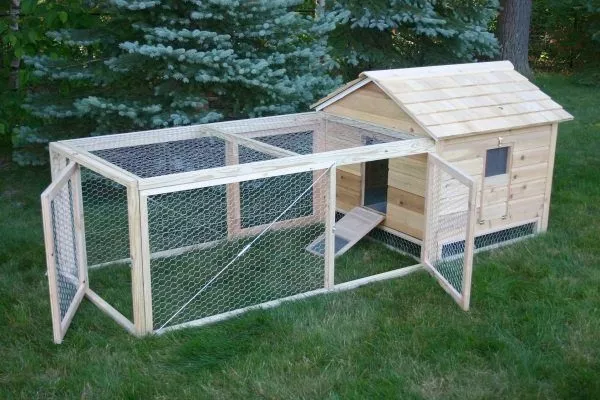
A mobile house for a small flock of geese
The frame is made of timber, and the walls are covered with plywood or thin planks. It's best to use a slatted floor—the slats are nailed in place so that the geese's feet don't fall through. The pitched roof is covered with plywood or planks, but it should be leak-proof. Feeders and waterers are either wall-mounted or portable.
If you want healthy geese, you need to create comfortable living conditions for them. Whatever type of coop you build for your geese, the most important thing is that it's dry and clean. This will ensure peak productivity, and a strong immune system will protect them from adverse factors.