
The pigeon is a widespread bird. Rock pigeons can be found on every continent. Pigeons live in a variety of environments: in the wild, in urban areas, and even in human homes. A number of factors influence the lifespan of these birds.
Where do pigeons live?
| Name | Habitat | Life expectancy | Nutritional Features |
|---|---|---|---|
| Wild pigeon | Rocks, cliffs | 8 years | Grain, seeds |
| City pigeon | City buildings | 12 years old | Bread, seeds |
| Domestic pigeon | Home conditions | 20-25 years old | Balanced food |
Depending on its lifestyle, this bird can be wild, urban (synanthropic) or domestic.
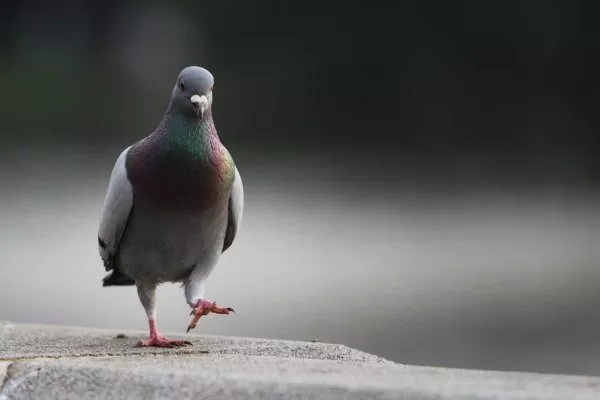
Wild individuals prefer special places for nesting in nature:
- rocks;
- steep cliffs on river banks, sea coasts (less common);
- Preferably, nearby clusters of bushes and human habitation.
In nature, pigeons prefer open spaces. They often inhabit steppe and semi-desert zones.
Urban pigeons live closer to people. Besides cities, they live in towns and villages. Urban pigeons essentially lead a semi-wild life, inhabiting various empty buildings. Like their wild relatives, they prefer secluded areas inaccessible to predators and people:
- cornices - stone structures are preferred;
- abandoned houses;
- attics;
- trees;
- various recesses, niches;
- voids under bridges;
- pipes.
City dwellers often wonder why they only see adult pigeons. The birds' young grow up in seclusion—they choose such places for nesting. The pigeon leaves the nest 1-1.5 months after birth, when it is large enough to feed itself.
Keeping pigeons at home It's possible, but only under certain conditions. This applies to the room and feeding. Certain breeds of birds are considered domestic. Taking a pigeon from the street is dangerous due to the risk of infection.
How long do pigeons live?
Several factors influence the lifespan of birds. The average figures are as follows:
- in nature – 8 years in southern regions, 2-3 years in cold climates;
- city birds live longer – about 12 years;
- Domestic pigeons can live 20-25 years, and there are known long-livers who have reached 35 years of age.

Previously, urban pigeons lived half as long. Crossbreeding with domestic birds has had a positive impact on their lifespan.
How to determine the age of a pigeon?
Determining the exact age of birds requires specific knowledge, which is available only to specialists. The average person can only give approximate figures based on the following criteria:
- Chicks up to a month old are smaller in size, there is no feathering around the beak, and there is yellow down on the feathers;
- in the first months after birth, the beak is soft, long and thin, the cere is small and dark in color, the iris of the eye is typically gray-brown;
- from 3-4 months the beak hardens, becomes wider, shorter, the cere turns white, the eyes become yellow or orange as they grow older;
- by 5 months sexual instincts appear;
- the first molt occurs at 6-7 months;
- At 5 years of age, the color of the paws changes as the pigment fades.
- ✓ The presence or absence of a ring on the leg and its data can accurately indicate the age of the pigeon if it was ringed.
- ✓ Changes in iris color with age, not mentioned in the article, are an important sign for determining age.
Because it's difficult to determine the age of pigeons, people resort to age control. Banding is commonly used—a special ring is placed on the pigeon's leg. It indicates not only the date but also the place of birth.
What influences a bird's lifespan?
The following factors influence the lifespan of a pigeon:
- habitat;
- climate;
- nutrition;
- availability of clean water;
- diseases.

Pigeons are heat-loving creatures, so they live longer in warm climates. Warmth and light are essential for their normal life and development. In cold climates and in the wild, finding food is more difficult for birds, as it requires too much energy and strength. Finding shelter is also a challenge.
Pigeons in the wild are more timid, and urban birds are less vigilant because predators are rare. Adults, their chicks, and eggs are a delicacy for predators. Humans provide better conditions for domestic birds. pigeon breeding allows them to practically not worry about food, water, and other natural needs. Breeders are working on breeding pigeons new breeds and improvement of old ones, which has a positive effect on the lifespan of pigeons.
Diet is closely linked to lifespan. Birds require specific nutrients. Domestic pigeons receive the most balanced diet, provided care is taken and their age is taken into account. In the wild, a bird's diet is limited to what it can find. In winter and in cold climates, foraging is difficult. This leads to hypovitaminosis, which accelerates aging, and shortens its lifespan.
Urban pigeons have a more varied diet than those in the wild, thanks to humans. Birds are fed seeds and bread, and food is also found in garbage. Domesticated birds are less likely to get sick, therefore living longer. The risk of disease increases dramatically when wild and urban birds come into contact with migratory birds. Pigeons have been known to humans for several millennia. Today, these birds inhabit the wild, cities, and domestic environments. Habitat influences lifespan, and other factors also play a role.