
Wild and wood pigeons are common birds, populating not only forested areas but also city streets, playgrounds, and residential areas. They are beloved by children and adults alike for their friendly nature and extraordinary beauty. There are many species worldwide, but among them, several are particularly common and unusual.
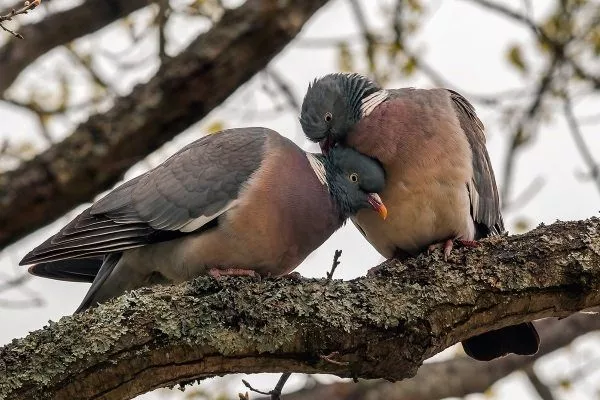
Characteristics of forest and wild pigeons
In many religions, the dove is considered sacred. According to the Bible, it was this bird that indicated the proximity of land to Noah, and in Islam, it is believed that a dove brought water to Muhammad in its beak. In our country, it is a symbol of peace, and in past centuries, the dove served as a postman. We can talk about this endlessly, but it's worth taking a closer look at the special features of this bird.
This is a suborder of birds in the Columbidae family. There are currently over 290 species, including wild, forest, exotic, and ornamental species. Unlike domesticated breeds, wild birds do not nest near human habitation. Instead, they nest on cliffs, rocks, and other sites. Nesting occurs in colonies. Each pair incubates up to three eggs.
Other features:
- To form a pair, the male must first build a nest. It is from here that he attracts the female with vigorous cooing. Only occasionally does he make mating flights to meet the females. During these flights, he vigorously flapped his wings, spread his beautiful tail, and glided downward, signaling a direct invitation.
- The courtship process of pigeons is considered complex: the male, cooing, circles around the female, after which they begin to kiss (stroking each other with their beaks and necks).
- Breeding pigeons starts in mid-February or March depending on climatic conditions.
- Both partners incubate the eggs for a maximum of 18 days.
- Baby pigeons are not noisy, but they do hiss.
- The number of broods per season per pair reaches five.
- Newborn pigeons are fed with milk secreted by both male and female pigeons. It has a white-yellow hue, a thick consistency, and is rich in nutrients.
- When the chicks grow up, the parents feed them grains, which they moisten and collect in their crops.
- What do chicks look like? Their bodies are covered with dirty yellow down, which later turns grayish. As they grow, their plumage develops, and their color scheme changes accordingly.
- ✓ Rapid breathing without physical activity.
- ✓ Loss of appetite for more than 24 hours.
Unusual abilities of pigeon-like birds:
- excellent memory – the bird is capable of remembering more than 700 images;
- unrivaled hearing: lower – up to 10 Hz, upper – 12,000 Hz;
- the ability to distinguish objects and separate artificial from natural;
- the ability to hear infrasound;
- premonition of changes in weather conditions and disasters (natural origin);
- the skin distinguishes light from darkness;
- vision - the pigeon sees only what it needs at the moment (the eyeball is located in the larger part of the skull).
Back in the last century, scientist B. Frost discovered a surprising connection between the gait of pigeons and their visual abilities. It turns out that a distinctive head nodding motion stabilizes the image—when the head is extended forward, the surrounding environment is fixed.
Types of wood pigeons
Wood pigeons are not particularly large, weighing up to 650 grams and a minimum of just 200 grams. Their bodies are muscular and streamlined, their beaks are pointed, and their heads are small. They are hardy and capable of flying vast distances. The dominant color of these forest pigeons is gray and ochre. There are a huge number of species, but in our latitudes, the wood pigeon and stock dove are most common.
| Name | Weight (g) | Body length (cm) | Wingspan (cm) |
|---|---|---|---|
| Wood pigeon | 650-700 | 45 | 70-80 |
| Klintukh | 280-365 | 35 | 70 |
Wood pigeon
A striking example of the large wood pigeons. Also known as the vituten.
Characteristic:
- weight – 650-700 grams;
- body length – maximum 45 cm;
- tail – 17 cm;
- It flaps its wings 70-80 cm, which causes flapping sounds;
- plumage - blue-gray;
- a brown stripe runs down the back;
- the neck and head area is gray-red in color;
- cere, beak - pink with a yellowish tint at the tip;
- there are no differences between the female and the male;
- habitat – coniferous, deciduous and mixed forests;
- main food – nuts, acorns, seeds, grains;
- when migrating they stay in a flock, then break up into pairs;
- Distinctive features: increased timidity, the ability to hang upside down;
- Enemies: martens, birds of prey, badgers, foxes.
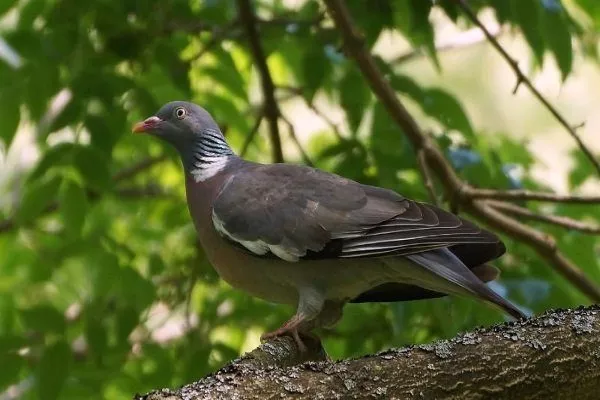
More information about this type of pigeon is written here.
Klintukh
This variety has plumage with a bluish tint. The neck appears to be studded with malachite, and the wings are completely gray. The tail deserves special attention, as it is covered with black stripes.
Peculiarities:
- the male is larger than the female, his weight reaches up to 365 grams, and hers – 280-290 g;
- body length 35 cm;
- wingspan – maximum 70 cm;
- shortened tail;
- habitat – forest thickets (prefers trees with hollows);
- Climatic conditions do not matter, so the stock dove lives both in Siberia and in Africa.
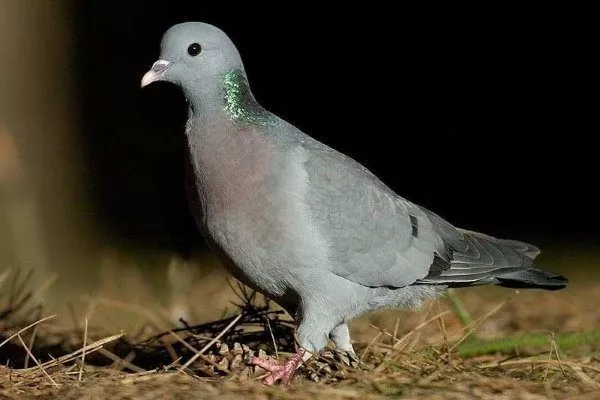
Types of wild pigeons
Wild pigeons are seen daily on city streets. Despite their close relationship with humans during the day, they build their nests far from people. Many pigeons can be tamed, as they easily adapt to dovecotes.
Gray-blue
The most common species of wild pigeon. The bird's name refers to its coloration. It prefers a sedentary lifestyle, but can migrate to another area if threatened. Another name is the rock dove.
Main differences from other breeds:
- The length of the male's wings reaches 22 cm, the female's – 21.5 cm;
- wingspan – from 50 to 67 cm;
- the body length is from 29 to 36 cm;
- weight – 260-380 grams;
- feathers are dense and thick, loosely attached to the skin;
- habitat – attics, roofs of houses, in the wild – dense thickets of trees;
- The diet consists of plant seeds and grains.
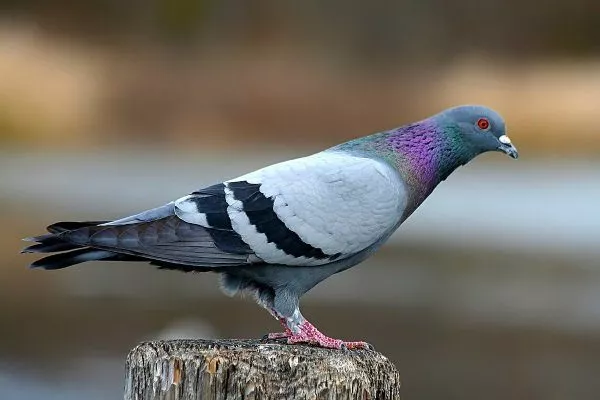
Grey
In the wild, they prefer thickets; in cities, they prefer rooftops. Adults reach 36-37 cm in length, with feathers that are grayish-silver, shimmering in sunlight. The wingtips are edged in black, the nape is greenish, and the eyes are predominantly violet or red.
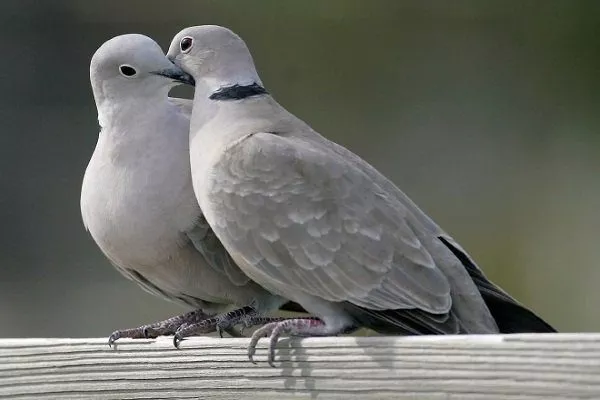
Rocky
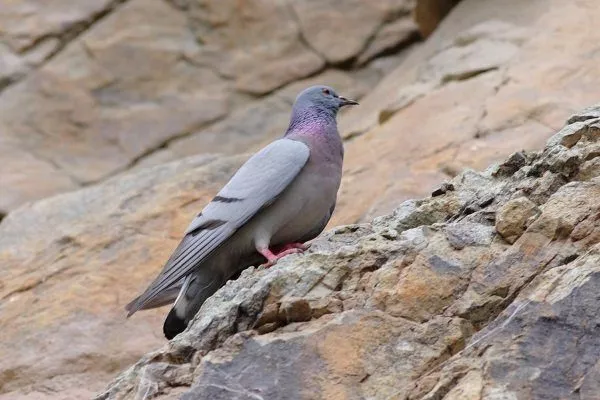
This breed closely resembles the rock dove. The main differences are its jet-black beak, light tail, and smaller size. It prefers to live exclusively in rocky areas.
White-breasted
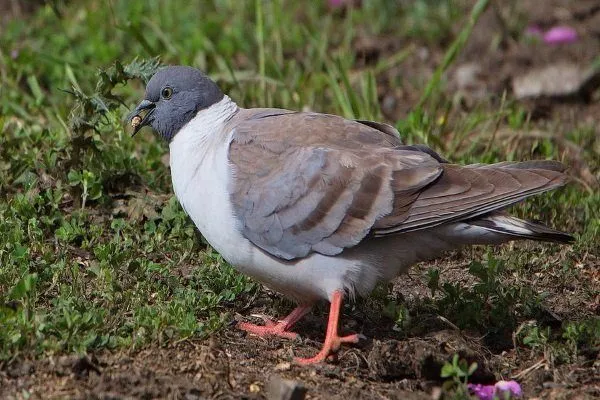
This particular breed was used by humanity as a postal bird. It closely resembles the rock pigeon, but has a whitish breast. Its distinguishing feature is its maximum flight speed of 70 km/h.
Turtle dove
The turtle dove prefers forests and steppes. It lives in the wild and on city streets. Its maximum body length is 27 cm, and it weighs only 200-250 grams. Its common name is the laughing bird. This stems from the fact that its song can be confused with human laughter.
There are many varieties, but you need to pay special attention to the following types:
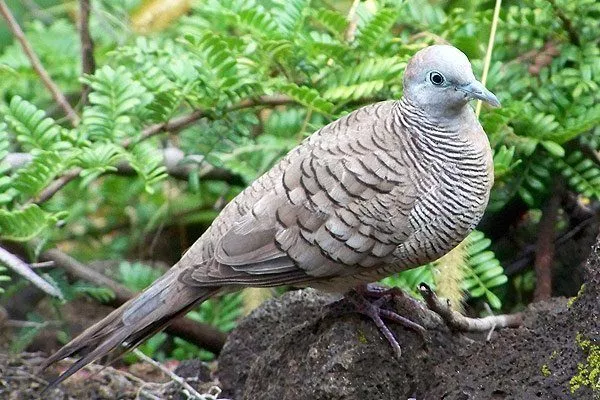
- Short-tailed Dove Prefers warm climates. It is characterized by a body length of only 22 cm, of which the tail accounts for 8-9 cm. Its color is brownish-red, and its neck is grayish-blue.
- European turtle dove Weighing only 120 grams, it resembles a wild pigeon, but its body is very graceful. Its coloring is variegated, with red and brown patches. It easily adapts to any climate. It lives in bushes, trees, and near open water. Its distinguishing feature is its fast flight and sprinting on the ground.
- Ringed variety It's not afraid of humans, so it builds nests in human dwellings. Its plumage is grayish-brown, but its chest and neck have a pinkish tint. When it reaches adulthood, a white semicircle forms on its neck.
- Large Siberian turtle dove. It resembles the common turtle dove in appearance, but is much larger. It is distinguished by its migratory lifestyle.
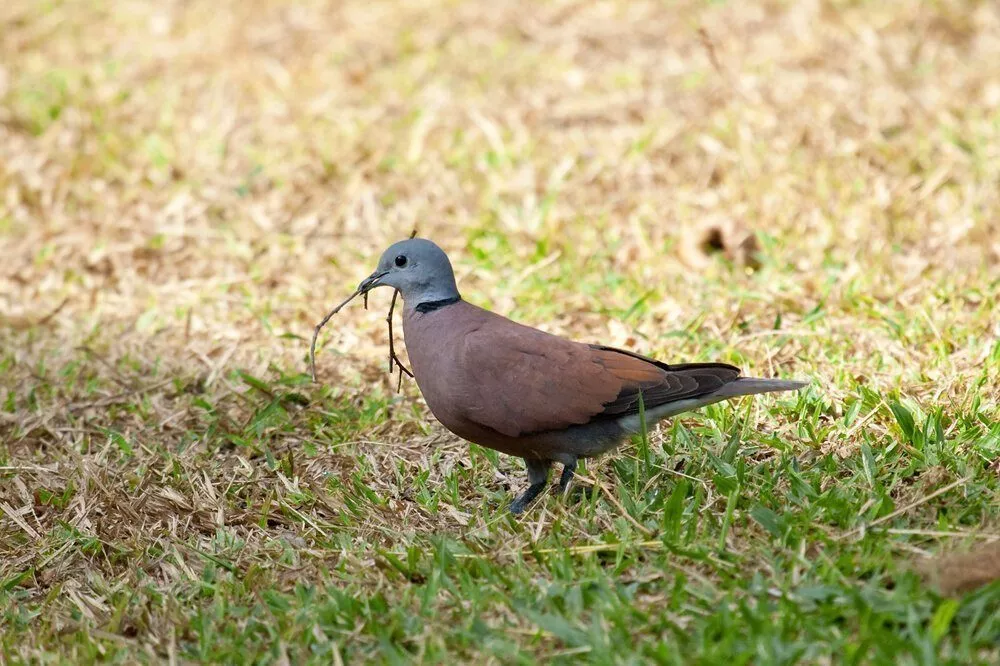
Short-tailed Dove
European turtle dove
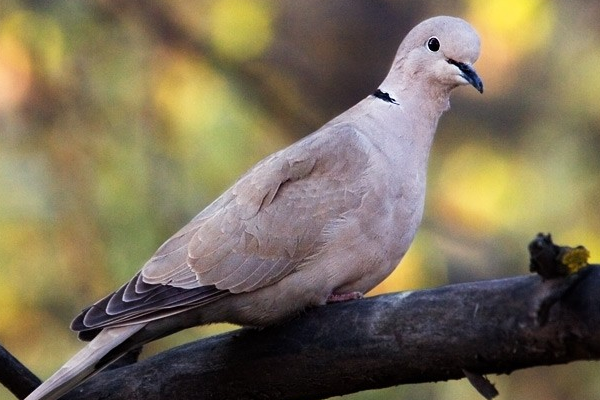
Ringed Dove
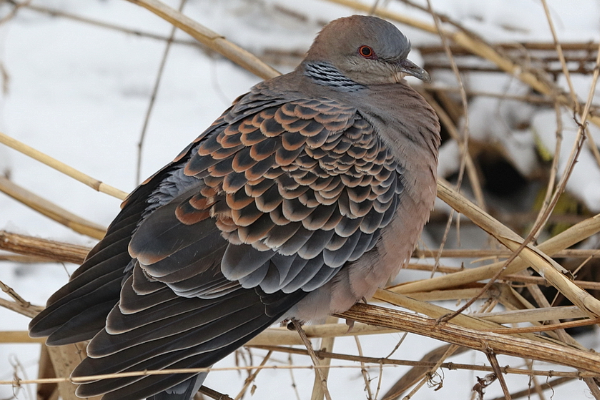
Siberian turtle dove
Exotic wild pigeons
Exotic wild pigeons inhabit a wide variety of countries. There are numerous breeds, each distinguished by its unique coloring, structure, and plumage.
Two-tone fruit
This is a large pigeon, weighing 510 grams. The breed's length is 40-42 cm, with a wingspan of 45 cm. The name "fruit pigeon" comes from its diet—the bird prefers fruits and nuts.
The main color is white, edged with black on the tail and wings. The beak is blue-gray, and the legs are grayish.
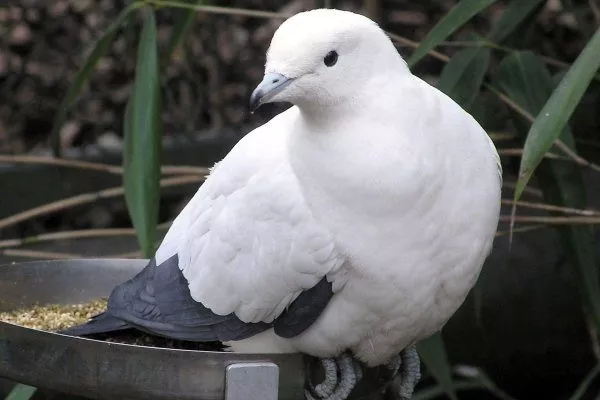
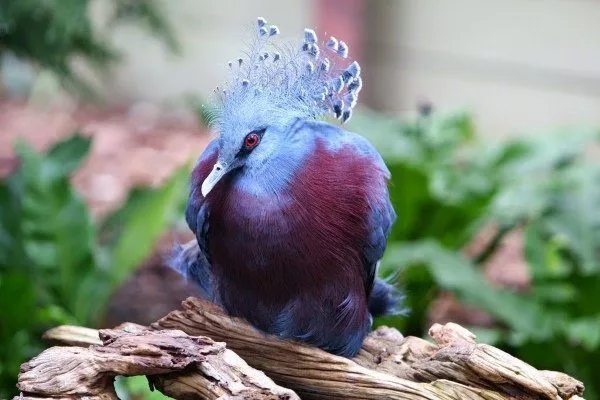
Fan-bearing crowned
A very large breed, weighing up to 3.5 kilograms, but averaging 2-2.5 kg. Their body length is 70-80 cm. They thrive in high humidity, so they prefer marshy areas and sago forests.
The pigeon's diet consists of fruits, berries, and seeds. The pigeon got its name from its distinctive crest, which resembles a crown. Depending on its mood, the crest fanns out and twitches. Distinguishing features include the rounded shape of its long, wide tail.
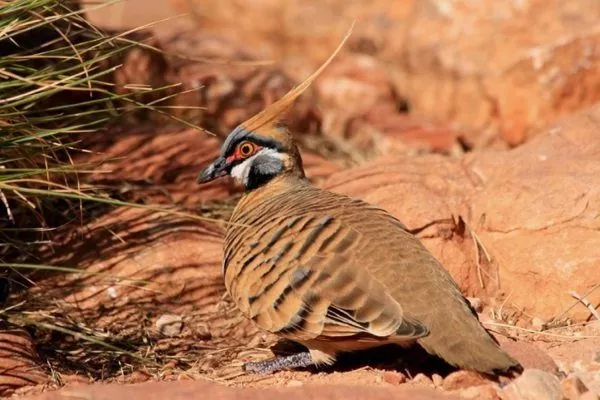
Spinifex
This breed prefers rocky terrain and low-lying forests, as it lives on the ground. It weighs only 100-120 grams, and its body length is 21-24 cm. It feeds primarily on seeds.
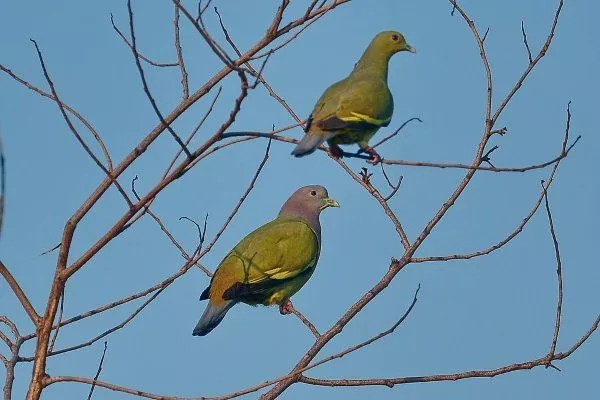
Treron vernans
The bird's habitat is tropical and subtropical regions, including mountain forests and mangrove groves. It prefers a humid climate and feeds on berries and fruits. The bird's maximum length is 28-30 cm. It is a rare species and is vulnerable to extinction.
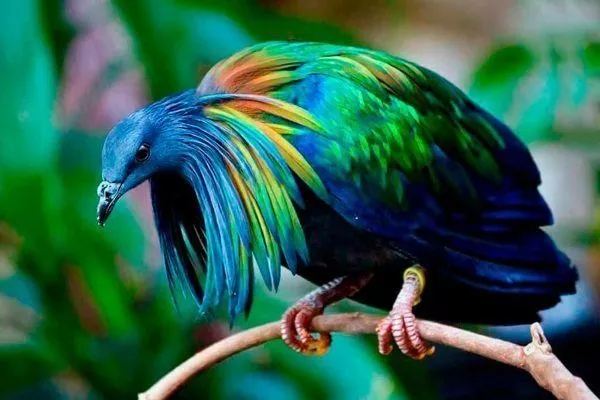
Ruffed
This is an exceptionally beautiful exotic pigeon that lives in wild jungles and on uninhabited islands. It is classified as a predator, as in addition to tree fruits and seeds, it eats invertebrates. It prefers a terrestrial lifestyle and has poorly developed wings. It is listed as endangered.
Other species of forest, wild and exotic pigeons
List of unique pigeons:
- African Green It is distinguished by its bright yellow-green color and body length of 30 cm.
- Frillback – an ornamental bird with curly feathers. It has a variety of colors depending on the subspecies.
- Field Saxon – a selective breed descended from the rock pigeon.
- Jacobin The bird was selectively bred in Asia and has a feathered hood over its head.
- English trumpeter It is distinguished by a low sound, reminiscent of laughter.
- Kondratievsky Dubovsky It belongs to a high-flying breed with short, featherless legs. It is used for competitions.
- Black piebald tumbler Bred in Kaluga. The pigeon somersaults during flight.
- Kamyshinskaya The breed came to us from the Volga region. It is a drooping-winged bird with long wings and tail.
- Spartacus was bred in Ufa. It has a forelock and flies at a considerable height.
- Stone-crested It has a beautiful crest on its head and prefers to live near bodies of water.
- Pied Red-necked The pigeon has a unique purple-pink neck.
- Mury: color - speckled, body - the most slender.
- Variegated pink-capped It is distinguished by its orange breast, pink head and the presence of various shades.
- Elbinsky white-headed scaly ... is a striking representative of the massive, broad-breasted birds of the pigeon order.
- Galician Silver It is distinguished by its long neck and convex and wheel-shaped chest.
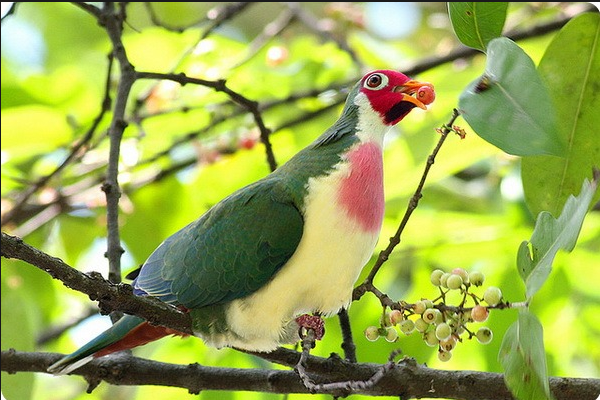
African Green
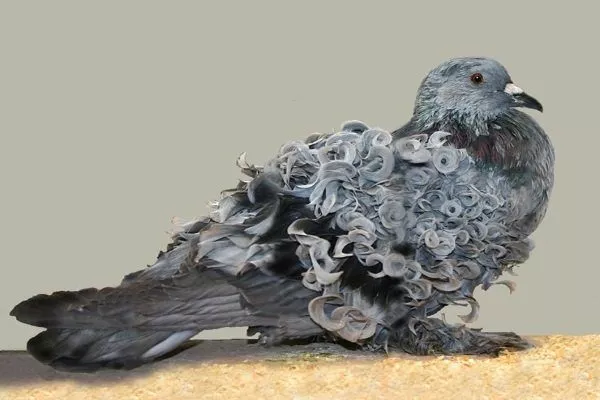
Frillback
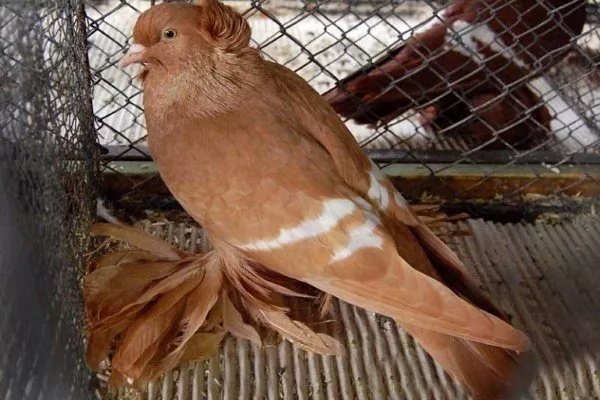
Field Saxon
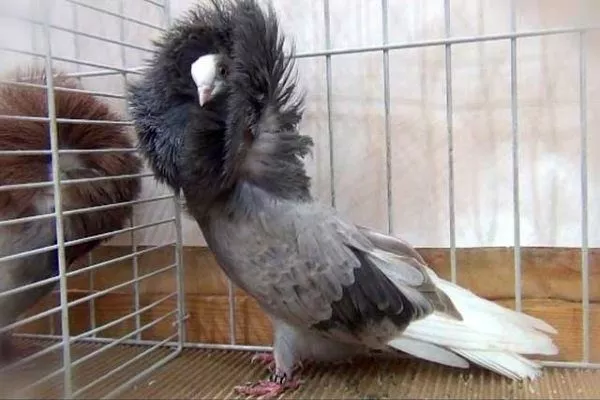
Jacobin bird
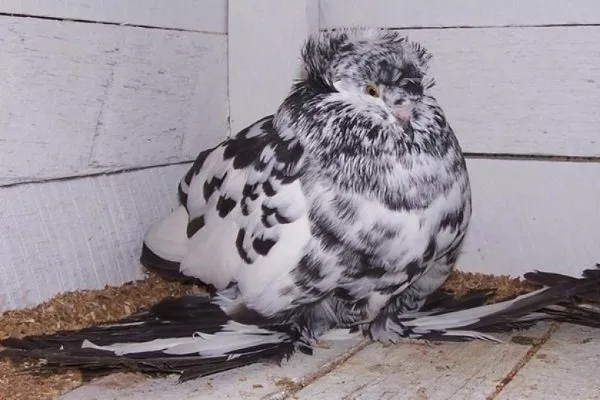
English trumpeter
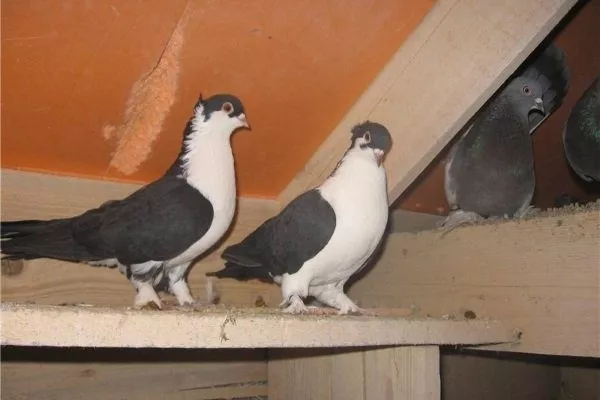
Kondratievsky Dubovsky pigeon
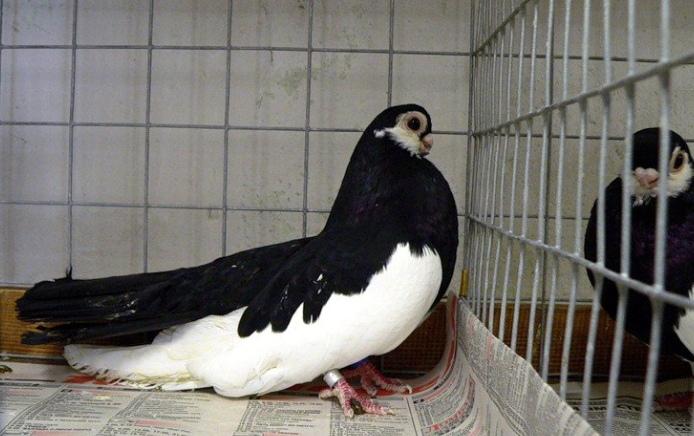
Tumbler black piebald pigeon
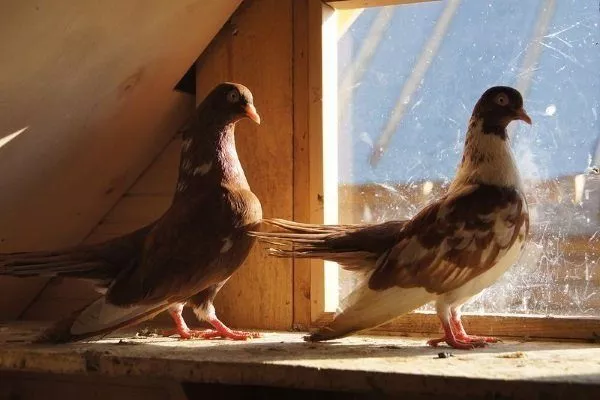
Kamyshin pigeon
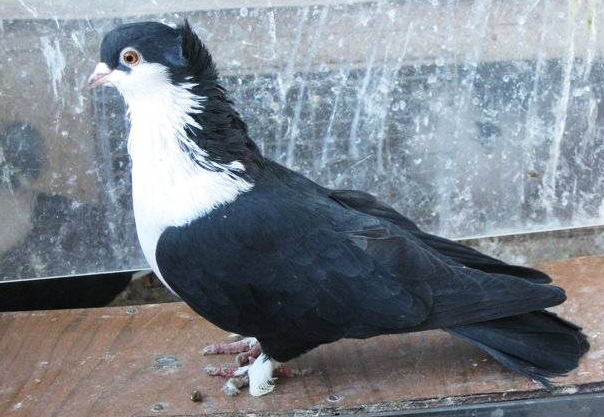
Spartacus
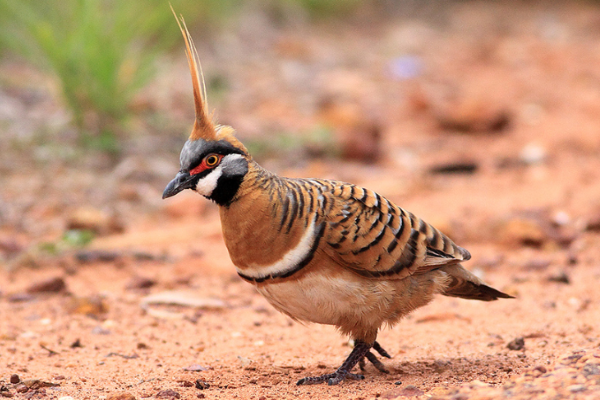
Stone-crested
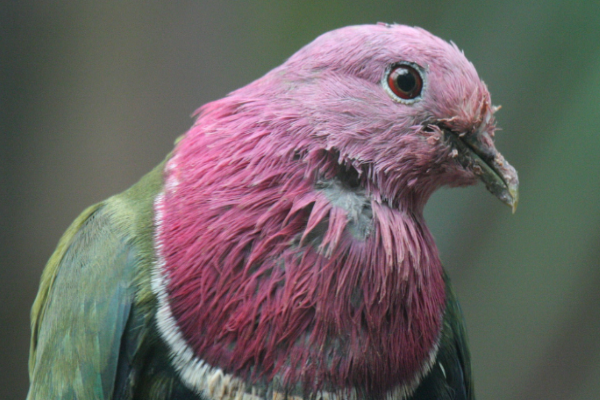
Pied Red-necked
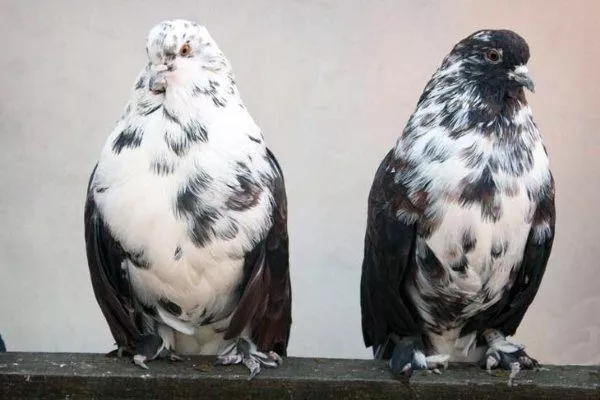
Mury dove
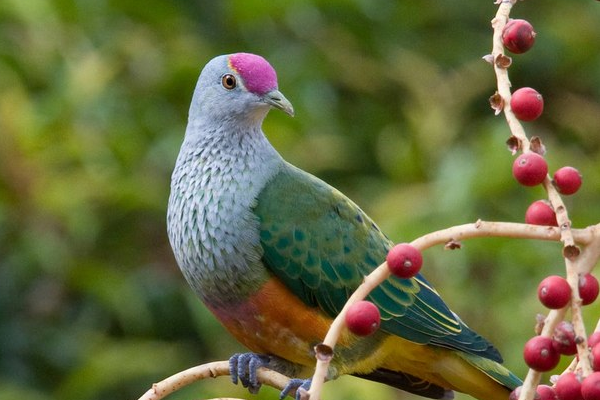
Pied rose-capped dove
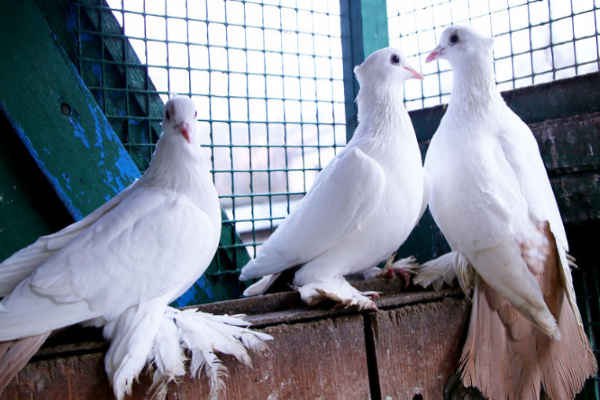
Elbinsky white-headed scaly ...
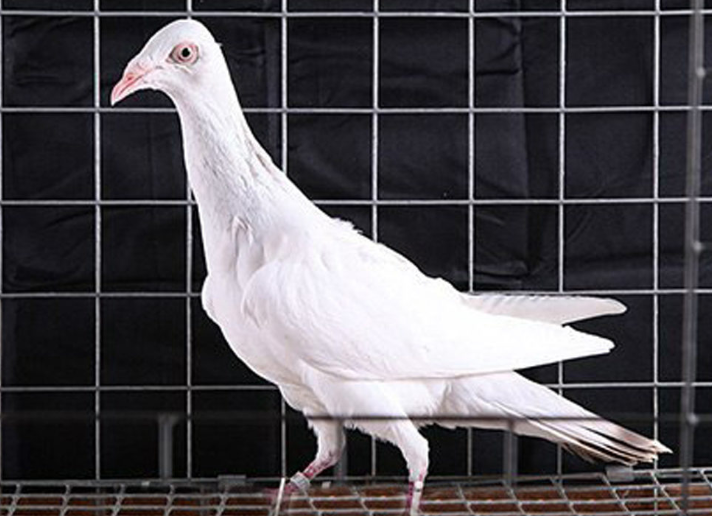
Galician Silver
Features of keeping wild and forest pigeons
To ensure successful pigeon breeding, it's essential to select the right breed and mate. The birds' feeding and housing requirements are also important. The design of the dovecote is crucial, as wild pigeons are designed to thrive in the wild.
How to tame?
Wild pigeons do not tolerate human company, so the taming process will be lengthy. Initially, feeding is necessary. However, this should only be done by one person. Otherwise, the bird will feed from strangers' hands.
- ✓ The noise level in the taming area should not exceed 50 dB so as not to cause stress to the birds.
- ✓ The optimal temperature to begin the taming process should be between 15-20°C.
Feeding should be done twice a day – morning and evening. Initially, the food should be scattered in close proximity to the person, and then the pigeon can be trained to be fed by hand. Avoid sudden movements, which could frighten the pigeon.
Experts note that females are the easiest to tame. Therefore, carefully study the information about your chosen breed and determine which birds are male and which are female. Once the female pigeon gets used to you, the male will also lose her fear.
Feeding rules
The principle of taming the palm:
- add some food;
- very slowly begin to extend your hand in the direction where the birds are;
- stay in one position and wait;
- The first time no more than 2 birds will fly onto your palm.
Products suitable for feeding:
- rape;
- millet;
- seeds;
- wheat;
- barley;
- bread;
- corn;
- oatmeal;
- fruits.
Conditions of maintenance and care
The dovecote should be designed based on the breed of pigeon. Some prefer deciduous trees, while others prefer rocky areas. However, there are also the following requirements:
- the room should receive as much light as possible;
- drinking bowls, feeders and nests are installed (respectively, the first 2 elements are in the light, the last one is in the dark);
- The dovecote must be periodically disinfected with special products.
The pigeon world is so diverse that it's impossible to list all the bird breeds in one place. Each bird has its own unique appearance, behavior, and living conditions. If you decide to tame a wild pigeon, be sure to treat it with love and trust. Only then will the bird reciprocate.