
English Tipplers are a high-flying breed of pigeon. Endurance is one of these birds' key traits. They are known for their ability to easily stay aloft all day, cover long distances without rest, and tolerate any weather. Learn how to properly care for and train English Tipplers in this article.
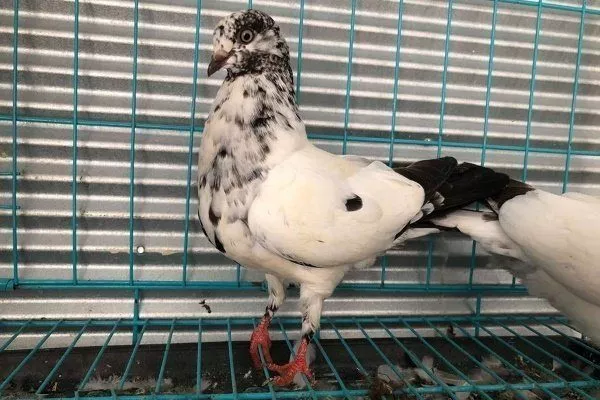
Description and Features
Pigeons of this breed have the following characteristics:
- average body size;
- broad, strong chest;
- short neck;
- strong wings pressed to the body;
- the tail is located horizontally and consists of approximately 12 tail feathers;
- the head is smooth, small;
- the beak is of medium length;
- small eyes of white, beige or pearl color;
- large, protruding nostrils;
- The color of the feathers can be black, blue, yellow, red, but the most common pigeons are gray.
Birds fly in circles, rising high in the first minutes of flight. They don't need wind; they move freely, barely moving their wings.
The unique thing about pigeons is that they are very hardy and can fly without breaks for up to 18 hours.
The recorded record is 20 hours 40 minutes of non-stop flight.
Pigeon training
To achieve long and beautiful flights from tipplers, it is necessary to approach training correctly:
- stick to a strict schedule – training should take place at the same time, with equal breaks;
- You cannot feed or water the birds before the flight;
- pigeons are trained in small groups of 5-6 individuals;
- Those birds that fly incorrectly should be removed from the "team".
After training, birds need rest: if the flight was from 10 to 15 hours, then they should be given at least three days to rest.
You can see what trained English Tippler pigeons look like in flight in this video:
Potential difficulties
Birds have good spatial orientation, but if they fly too high, they can experience altitude shock (altitude sickness) and become lost. This is caused by the sudden change in atmospheric pressure and the thin air.
Typically, only young birds experience this, and a dropper pigeon can help prevent such incidents. This is a more experienced bird of the same breed, usually white (to stand out and be noticed). Droppers are released to fly with the young.
- ✓ The dropper must not only be white, but also have at least 2 years of flying experience.
- ✓ The bird must demonstrate stable behavior in the air and not be subject to stress.
Sometimes dovecote owners encounter a pigeon that refuses to fly. There may be several reasons for this:
- Diseases. Viruses and parasites are the most common causes of lethargy in birds. In this case, it's essential to consult a veterinarian.
- Injuries. Pigeons can suffer dislocations and fractures. These also require specialist assistance.
- Fatigue. To avoid this problem, you need to maintain a rest and exercise regimen.
- Poor nutrition and vitamin deficiencies affect the birds' overall health. This can be resolved by feeding the pigeons fresh feed and clean water, balancing their diet, and introducing vitamin supplements.
- The training area is too noisy. Pigeons are quite skittish: unfamiliar noises and bright lights can confuse them.
Maintenance and care
Tippler pigeons are easy to keep and don't require any special conditions. In Britain, some keepers keep their birds in small dovecotes the size of a telephone booth.
Setting up a dovecote
When setting up a place to keep tipplers, it is best to adhere to the following rules:
- The pigeons live in an ordinary dovecote, which is easy to fly to.
- A flight box is installed in the dovecote to speed up training. It is painted white so that the birds can see it from a distance and find their home more easily.
- If the dovecote is a separate structure built on a private plot, it's important to position it so the birds can easily see the surrounding area. In such cases, the flight box is attached to the roof.
- For young animals, it is better to use pull-out drawers; they are very convenient to use.
- If the dovecote is being built on a roof, the box should be made with a lattice. This will facilitate takeoff and landing for both young and adults. It should be installed as close to the dormer window as possible.
- For night flights, the dovecote is illuminated with electric lights, but they should be so illuminated that no shadows fall on the birds' landing area. Darkness or dim light can make landing difficult.
The dovecote is divided into 2 different zones:
- For breeding. Here, nests are installed in separate cages where the pigeons can retreat and begin raising their young. After mating, the female pigeon lays eggs over the course of 10 days. The pair takes turns incubating them and, once the chicks hatch, cares for them.
- For adult birds. Individual cages are set up, each measuring 20 x 40 cm, deep enough to accommodate the entire bird. The pigeons spend the night in these cages. A perch is installed near each cage for easy access. At one month, the young are transferred to the adult cage.
It is important not to forget about the hygiene of the pigeons' living area: regularly clean and disinfect the premises, as well as equipment, drinking bowls and feeders.
Nutrition
Tipplers are fed in the evenings in the dovecote, with the lights on.
Pigeons aren't picky eaters. However, it's important to ensure their food is always fresh. This is one of the most important factors affecting the quality and duration of their flights. They also need clean drinking water, which should be changed regularly.
Diet:
- The basis of the pigeons' diet should be grains (wheat, barley, corn, oats, millet, rice, rye).
- Oilseeds (rapeseed, flax, sunflower seeds, hemp, and rapeseed) are added to the feed. They are especially beneficial during the molting period.
Frequent use of hemp seeds causes inflammation of the nasal mucosa.
- Beans (peas, vetch, lentils, and broad beans) are a source of protein, vitamins B and C, calcium, and phosphorus. It's important to remember that pigeons need plenty of water when consuming legumes.
- Greens (lettuce, cabbage, spinach, alfalfa, nettle) – to replenish vitamin reserves.
The owner accustoms the pigeons to his voice, developing a reflex: when he enters the room and calls the birds, they immediately understand it's time to feed. A whistle can also be used for this purpose.

It is best to come to the dovecote in the same clothes every time so that the tipplers get used to the appearance.
Patience is the key to breeding and training English Tippler pigeons. They don't require any special living conditions. However, basic hygiene and a balanced diet are essential. This will help them achieve good results and compete.