
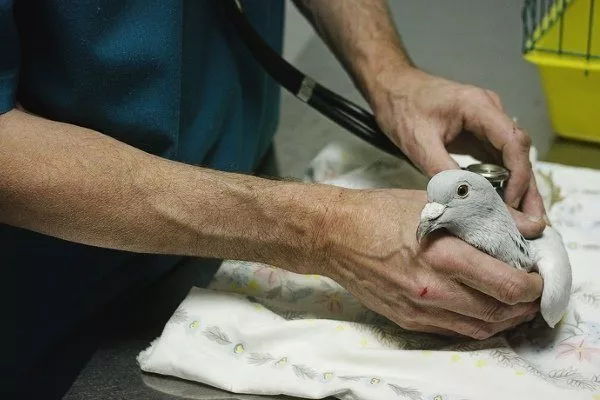
While pigeon breeders previously treated their pets with improvised remedies or chicken medications, they can now use specialized medications for pigeons that protect them from various infections, parasites, and even the effects of stress. Let's explore what medications a poultry breeder should have on hand.
Classification of drugs
| Name | Type of drug | Spectrum of action | Directions for use |
|---|---|---|---|
| Anthelmintics | Antihelminthic medications | Nematodes, cestodes, trematodes | With food or water in the morning |
| Medicines for trichomoniasis | Therapeutic and preventive | Trichomoniasis | In drinking water once a day |
| Medicines for Newcastle disease | Vaccines | Newcastle disease | Intranasally or with drinking water |
| Medicines against coccidiosis | Medicines | Coccidia | With feed additives |
| Antiviral and antibacterial drugs | Medicines | Bacterial, viral, fungal infections | In the form of a solution |
| Probiotics | Probiotics | Gastrointestinal diseases | With food or water |
| Vitamins and minerals | Supplements | Supporting the body | During molting and egg-laying periods |
There are a large number of veterinary drugs for birds, which can be divided into several groups depending on their spectrum of action and intended use:
- AnthelminticsThese are antihelminthic medications, many of which have a broad spectrum of action. They effectively kill adult and larval forms of nematodes and cestodes, as well as mature trematodes. These medications also destroy helminth eggs. They are used to deworm pigeons. They are given orally to the birds with food or water in the morning and do not require prior dieting.
- Medicines for trichomoniasisThey are used for therapeutic and preventative purposes. They are added to the birds' drinking water once a day during their morning watering for 7 days before hatching and after they begin feeding. If the disease affects young birds, it is best to remove the "yellow plug" with a cotton pad soaked in the solution. It should also be mixed into the drinking water at a double dose.
- Medicines for Newcastle disease (Whirligigs, pseudoplagues). It's virtually impossible to cure this condition, so vaccines are mandatory for prevention, administered twice a year:
- in autumn, after molting and before the cold weather sets in;
- in the winter-spring period, before the start of egg-laying (for the central zone - this is September-October and February-March).
Vaccines can be administered intranasally or through drinking water. In the latter case, drinking bowls must be thoroughly cleaned. The former method is preferable, as it ensures the correct dose is administered to each individual.
Immunity in pigeons develops 14 days after vaccination and lasts for at least 3 months.
Conditions for effective vaccination- ✓ Mandatory compliance with the temperature regime for storing vaccines to maintain their effectiveness.
- ✓ The need to isolate vaccinated birds from unvaccinated ones during the period of immunity formation.
- Medicines against coccidiosisMany medications are effective against all types of coccidia and immediately affect eimeria, regardless of their stage of intracellular development. They can be administered to birds in conjunction with feed supplements, vitamins, etc.
- Antiviral and antibacterial drugsTheir variety is quite extensive, but they are all used for prevention and treatment. diseases in pigeons, which have bacterial, viral, and fungal etiologies. They also increase the birds' resistance. Many of these products are available in solution form and have the following effects:
- antiviral (inhibit intracellular reproduction of viruses);
- bacteriostatic and bactericidal (affect gram-positive and gram-negative microflora);
- increase the resistance of pigeons, as they stimulate cellular and humoral immunity.
Some preparations contain iodine, creating a concentrated iodine vapor concentration in the poultry house for disinfection and treatment of lung diseases in pigeons. They have a broad spectrum of action against pathogens causing infectious diseases of various etiologies, including bacterial, viral, and fungal.
- ProbioticsMany products in this group contain varying proportions of freeze-dried cultures of streptococci, bifidobacteria, and filler. They are intended for the prevention and treatment of gastrointestinal diseases with diarrhea. Their properties include:
- have a synergistic antagonistic effect against opportunistic microorganisms, including E. coli and Salmonella;
- stimulate enzymatic processes in the intestines and help restore its normal microflora after taking antibiotics;
- normalize acid balance;
- increase the body's natural resistance;
- prevent various stressful influences.
- Vitamins and mineralsSuch supplements are especially useful during molting and egg-laying periods, stressful situations, and deficiencies of vital elements during the winter and spring seasons. They also support the bird's health during illness and antibiotic use.
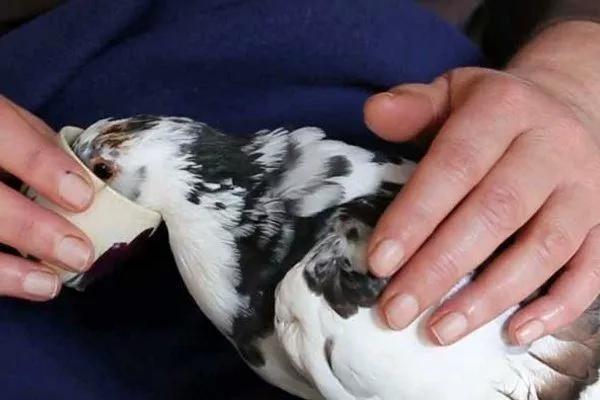
Any medication should be given to pigeons only after consultation with a veterinarian and careful study of the instructions for its use.
Antibiotics for pigeons
| Name | Type of antibiotic | Spectrum of action | Directions for use |
|---|---|---|---|
| Tetracycline | Wide spectrum | Mycoplasma, coccidia, salmonella, pasteurella | With food |
| Oxytetracycline | Wide spectrum | Coccidiosis, salmonellosis, respiratory mycoplasmosis, pasteurellosis | Intramuscularly or with food |
| Biomycin | Crystalline powder | Salmonellosis, colibacillosis, streptococcosis | With food |
| Streptomycin | Wide spectrum | Contagious rhinitis, pasteurellosis, vibrio infection, pneumonia | Intramuscularly or orally |
| Kanamycin | Pills | Chronic bronchitis, pneumonia, peritonitis, kidney infection | Inside |
| Erythromycin | Crystalline powder | Respiratory diseases, contagious rhinitis, ornithosis | With food |
| Tylosin | A waste product of fungi | Contagious rhinitis, ornithosis, mycoplasmosis, pneumonia | With drinking water or intramuscularly |
| Bacitracin | Feed powder | Increasing the body's resistance | With feed mixture |
| Nystatin | Antifungal | Aspergillosis, candidiasis | With food or topically |
| Tiamulin | Antibacterial | Mycoplasma, Brachyspira, Streptococcus, Listeria | With food |
| Rhodotium 45% | Solution or granules | Mycoplasma infections | In drinking water |
| Triflon (Biopharm) | Solution | Gram-positive and gram-negative microorganisms | In drinking water |
| Enrofloxacin | Quickly digestible | Mycoplasma, brachyspira | In drinking water |
A number of complex diseases in birds can only be treated with antibiotics, which include the following medications:
- TetracyclineA broad-spectrum antibiotic that kills many microbes, including mycoplasma, coccidia, salmonella, and pasteurella. It is administered to pigeons with feed at a dose of 20 mg per 1 kg of body weight twice daily for 5-7 days. It is available in powder and tablet form, which are crushed before administration. Because the antibiotic has a strong effect on the bird's body, it should be given to birds in combination with vitamins A, C, and D.
- OxytetracyclineA broad-spectrum medication available as a yellow crystalline powder and tablets. It effectively combats coccidiosis, salmonellosis, respiratory mycoplasmosis, and pasteurellosis. This antibiotic is often prescribed for gastrointestinal disorders. Each bottle contains 100,000 IU (100 mg). When administered intramuscularly, the optimal dose is 10,000 IU, and when administered with feed, the recommended dose is 6-10 mg per 1 kg of live weight.
- BiomycinIt is used to treat non-infectious gastrointestinal diseases that may be complicated by opportunistic microflora. The drug is available as a crystalline powder, yellow in color and bitter in taste. It is recommended for the treatment of salmonellosis, colibacillosis, and streptococcosis. Typically, it is administered with feed twice daily for 3-7 days at a dose of 40 mg per 1 kg of body weight. The drug's effect is enhanced when administered in combination with streptomycin and penicillin.
- StreptomycinIt is a complex organic compound formed during the growth of actinomycetes. It has a broad spectrum of action and is therefore prescribed for conditions such as:
- contagious runny nose;
- pasteurellosis;
- vibrio infection;
- pneumonia;
- trachea;
- air sacs.
It is administered intramuscularly every 12 hours at a dose of 50,000 IU per 1 kg of body weight. The same amount can be given orally to birds in the form of homemade capsules. Treatment is continued for several days until complete recovery.
- KanamycinTypically prescribed for chronic bronchitis, pneumonia, peritonitis, kidney infection, and postoperative complications. It is available as tablets for oral administration. Dosages are 125, 250, and 500 mg. A single dose for adult birds is 5-10 mg. The course of treatment is 5-7 days.
- ErythromycinA fungal-produced antibiotic containing mineral salts and various organic acids. It is available as a white crystalline powder with no distinctive odor or bitter taste. It actively affects the microflora of the respiratory tract, so it is most often prescribed for respiratory diseases, contagious rhinitis, ornithosis, tracheal or lung inflammation, but can also be used for gastrointestinal disorders. The powder is administered orally to poultry with feed at a dose of 20 mg per 1 kg of live weight.
- TylosinIt is a byproduct of several fungal strains. It is available in two forms: for oral administration with drinking water and for intramuscular injection. The active ingredients accumulate in the respiratory system, making it particularly effective against conditions such as:
- contagious runny nose;
- ornithosis;
- mycoplasmosis;
- inflammation of the lungs, trachea;
- air sacs.
The drug is dissolved in water at a rate of 0.5 g per liter and administered to pigeons over a period of 5-8 days. If administered intramuscularly, the injection dose is 20-30 mg per 1 kg of body weight. The treatment course is repeated after 5-7 days, if necessary.
- BacitracinA light-brown powder classified as a feed additive, containing 10, 20, or 30 mg of the active ingredient (bacitracin) per gram. It also contains zinc, additives, vitamins, and enzymes. Bacitracin is often given to pigeons during periods of intensive training, as it increases their resistance to various diseases. It is added to the feed mixture at a rate of 1%. The grain should be pre-moistened with a small amount of vegetable oil or fish oil.
- NystatinThe drug has a pronounced effect against fungal infections, so it is often prescribed for aspergillosis and candidiasis. It is administered with feed at a dose of 25-50 mg per 1 kg of live weight. The course of treatment lasts 6-10 days. The antibiotic can also be used for skin lesions that may be caused by aspergillosis. The ointment is prepared with a petroleum jelly base and is used to treat affected areas under the wings.
- TiamulinIt belongs to the pleuromutilin group of antibacterial drugs. It is rapidly absorbed into the digestive system, penetrating virtually all organs and tissues. The effect lasts for 18-24 hours. It is prescribed for mycoplasmas, brachyspira, streptococci, listeria, and leptospira. It is available as a yellowish powder that is not water-soluble, so it is best given to pigeons with food.
- Rhodotium 45%A preparation with a distinctive odor, available as a solution or white granules that may have a slight yellow tint. Rodotium is prescribed for the prevention and treatment of diseases associated with mycoplasma infections. It is administered orally as a primary medication, and the dosage depends on the bird's weight. Young pigeons can be given 0.06-0.11 mg of the preparation per 1 kg of live weight. It is diluted in 2 liters of water and can be administered either individually or in groups by adding it to a common waterer.
- Triflon (Biopharm)An oral solution that is a broad-spectrum systemic antibiotic. It contains two active ingredients: enrofloxacin and trimethoprim. It has antimicrobial activity against gram-positive and gram-negative bacteria, as well as a detrimental effect on mycoplasmas and chlamydia. The solution is highly soluble in hard water and takes effect within 1-1.5 hours after administration and for 24 hours. The dose is 0.5-1 ml per 1 liter of drinking water. The course of treatment lasts 3 to 5 days.
- EnrofloxacinThis is a rapidly absorbed medication. It quickly alleviates the condition of pigeons and has no side effects, making it completely safe. It helps with mycoplasma, brachyspira, and other ailments caused by pathogens. The solution is diluted in drinking water and administered orally to pigeons. The dosage is 50 ml per 100 liters of water. Treatment lasts 5-6 days.
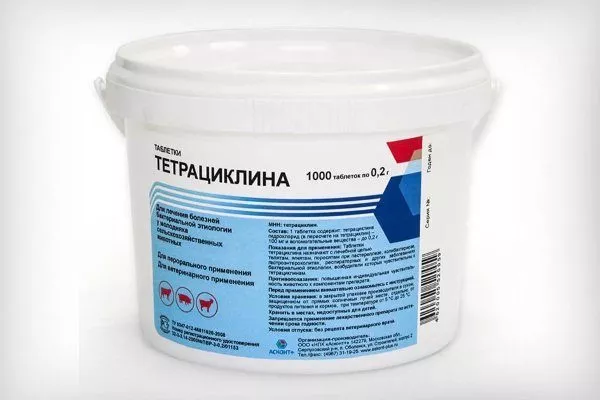
antibiotic “Tetracycline”
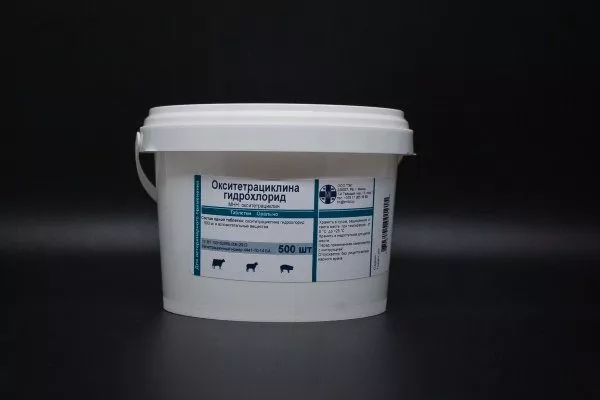
antibiotic "Oxytetracycline"
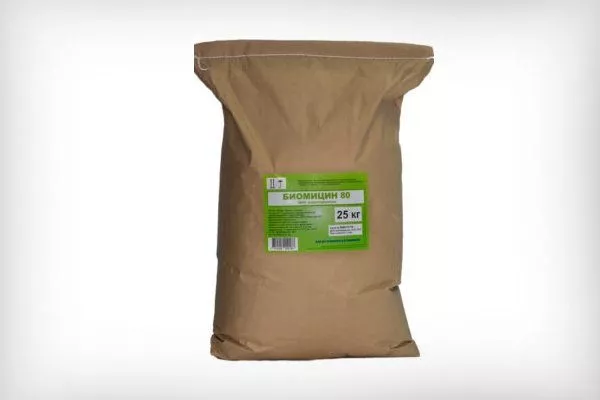
antibiotic “Biomitsin”
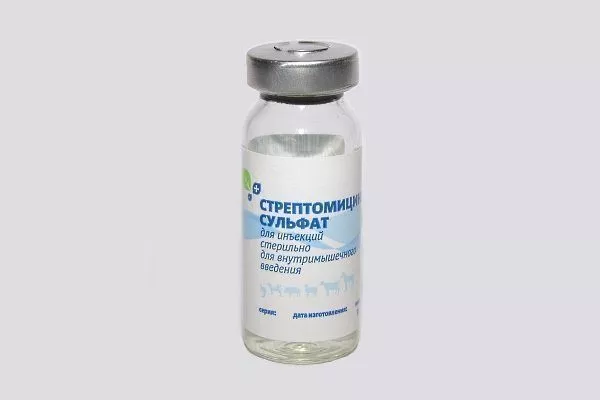
antibiotic “Streptomycin”
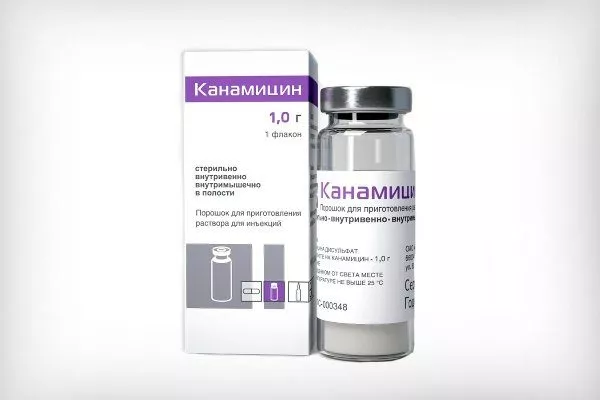
antibiotic “Kanamycin”
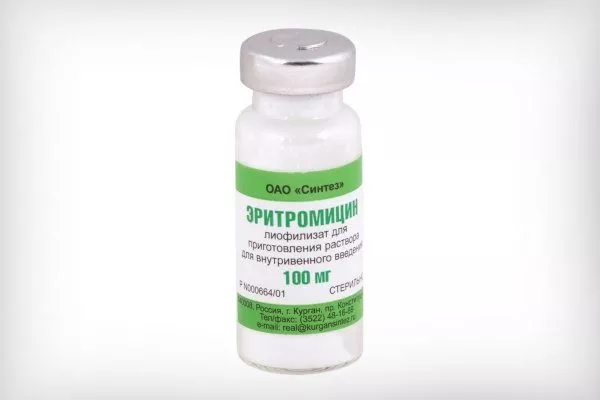
antibiotic “Erythromycin”
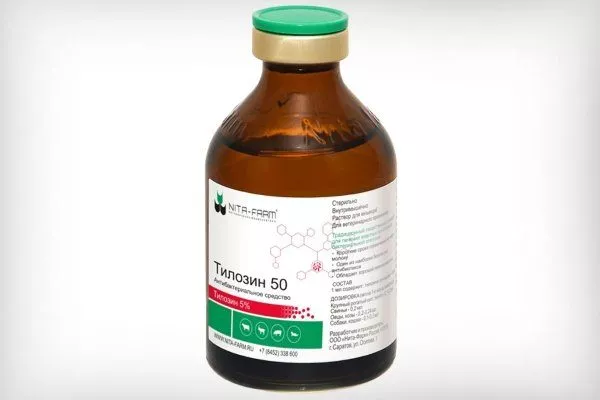
the drug "Tylosin"
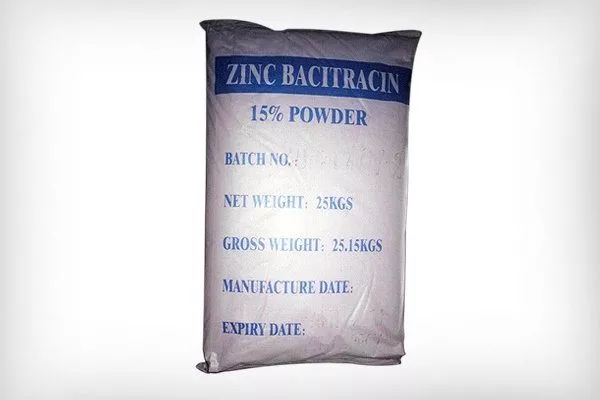
drug "Bacitracin"
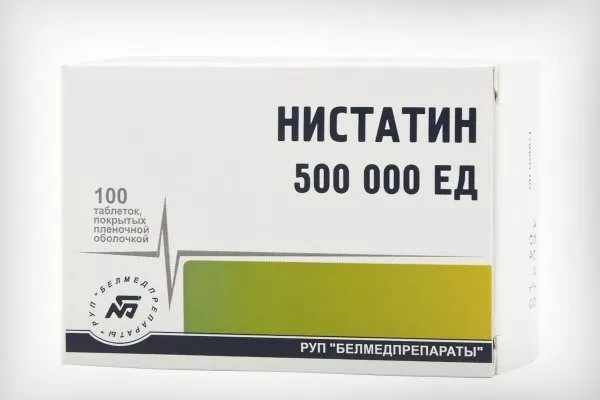
drug "Nystatin"
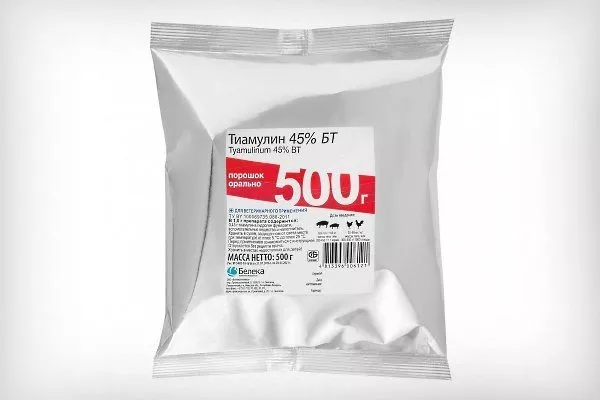
antibacterial drug "Tiamulin"
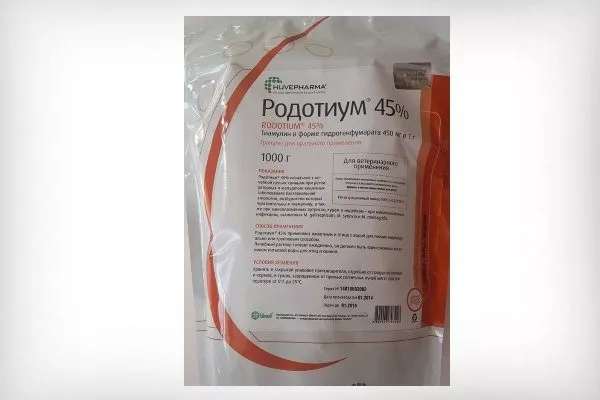
drug “Rodotium 45%”
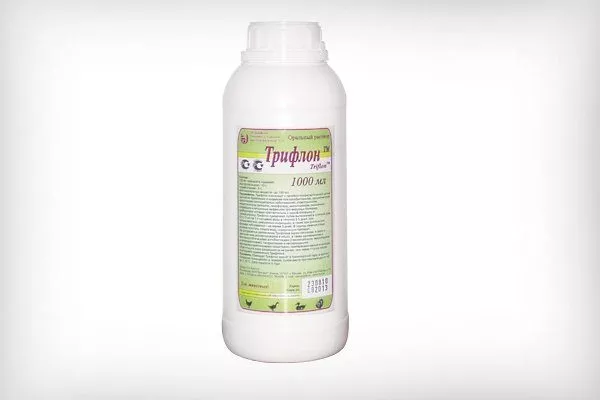
Triflon oral solution
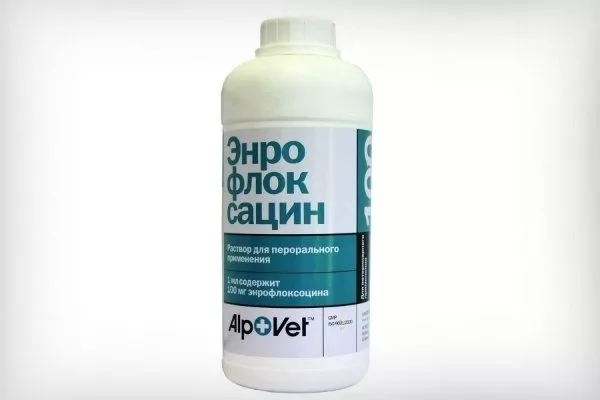
the drug "Enrofloxacin"
Popular drugs
There are a number of medications that are a must-have for any pigeon fancier's first aid kit. They can significantly alleviate the bird's condition when it comes to certain illnesses.
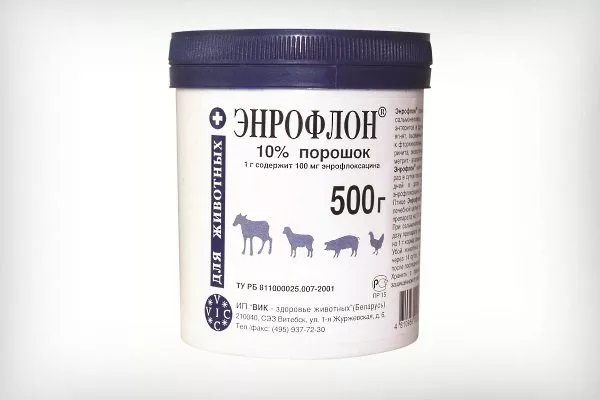
Enroflon
When birds are unwell, Enrofloxacin solution can be given to them. It quickly penetrates the organs and destroys pathogenic microbes. The medication is intended for oral administration and comes as a clear liquid (may have a light yellow tint). The active ingredient concentration is available in 5% and 10% concentrations.
Enrofloxacin is an antimicrobial medication that has a strong bactericidal effect, inhibiting the growth of most bacteria and microorganisms. The solution is particularly effective against conditions such as:
- colibacillosis;
- salmonellosis;
- mycoplasmosis;
- bronchopneumonia;
- enteritis;
- atrophic rhinitis.
Before administering the medication to pigeons, it must be diluted in drinking water. When calculating the optimal dose, consider the solution's concentration:
- 5% – 5-10 ml per 1 liter of water;
- 10% – 5-10 ml per 500 ml of water.
The course of treatment lasts from 3 to 5 days.
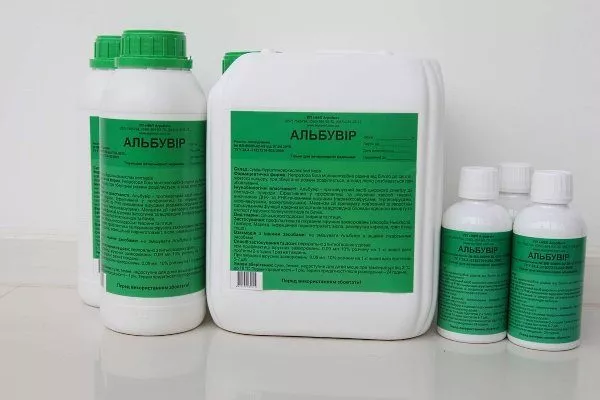
Albuvir
An antiviral drug that comes as a white liquid but may also have a light yellow tint and sediment. Specific indications for its use are as follows:
- Newcastle disease;
- infectious bronchitis;
- Gumboro disease;
- Marek's disease;
- anemia, etc.
If the drug is used prophylactically, the optimal dose is 0.03-0.06 mg per 1 kg of body weight. If Albuvir is prescribed for the treatment of viral infections, the dosage should be increased to 0.05 mg. The solution is administered orally. Treatment lasts approximately 5 days.
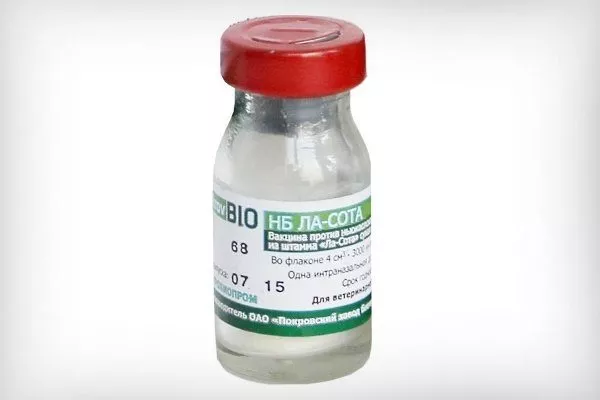
La Sota
The drug is used to prevent Newcastle disease in pigeons of all breeds. Vaccination also boosts their immunity. La Sota It is available in glass ampoules and vials with a capacity of 0.5 to 4 cm3. Its color can range from soft pink to light brown, but in any case, it dissolves easily in water.
La Sota is used as a vaccine and is administered in one of two ways:
- IntranasalThis involves instilling the vaccine into the bird's nasal passages. To do this, dissolve the tablets in water at a rate of one dose per 0.1 ml of boiling water or saline solution. Using a pharmacy pipette, administer two drops (0.1 ml) of the mixture into each bird's nostril, closing the other nostril with your finger to ensure the vaccine penetrates deeper into the nasal cavity.
- EnteralThis method is used for large flocks or when restraining the birds is impossible. It involves diluting the vaccine in drinking water. Vaccination is performed early in the morning, when the pigeons are hungry and thirsty. The vaccine should be diluted in boiled water at a rate of 10 nasal doses (1 ml) per bird. To stabilize the mixture, skim milk can be added at a rate of 5% of the total volume. The birds should drink the solution within 4 hours, after which the vaccine loses its effectiveness. Any remaining solution should be boiled for 30 minutes. Birds can be fed 1.5-2 hours after vaccination, and drinking bowls should be thoroughly cleaned.
Regardless of the method of administration of La-Sota, immunity in birds will develop within 6-8 days after treatment and will last for 3 months. After this period, booster vaccination is required. It is extremely important to avoid administering antibiotics, nitrofurans, and sulfonamides to pigeons for 4-5 days before vaccination and for 5 weeks after immunization.
Experienced poultry farmers recommend starting vaccination of young birds from the 15th day, preferably using the nasal instillation method.
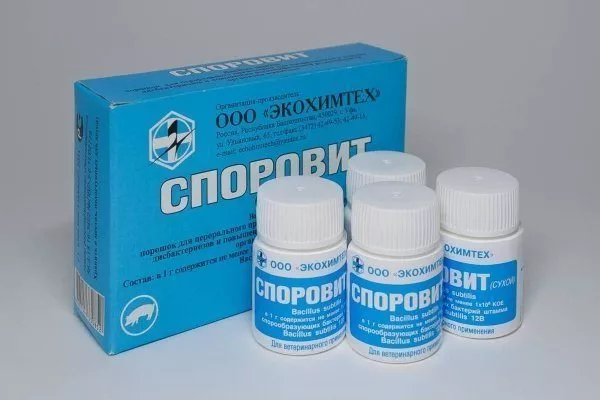
Sporovit
This is a therapeutic and prophylactic probiotic containing a large number of live bacteria. It is produced as a homogeneous beige suspension, although it may have a yellow-brown tint. Sedimentation may occur during prolonged storage.
Sporovit is used to prevent and treat viral, bacterial, and fungal diseases in birds. It is particularly effective against infections and conditions of the digestive and respiratory systems, and also helps prevent dysbiosis.
The suspension is administered orally to birds before feeding. It should be shaken first and then administered with feed and water at a rate of 1 ml per 10 kg of body weight. For therapeutic purposes, it is administered twice daily for 10 days.
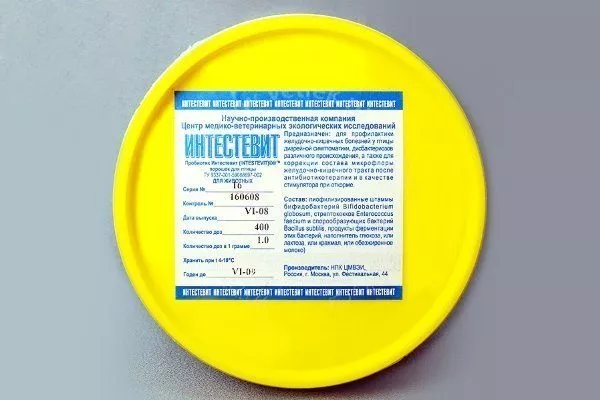
Intestevit
This is a complex probiotic available in white or light brown powder form. It comes in hermetically sealed packets or jars containing 400 doses. It has the following effects:
- stimulates processes in the intestines and gastrointestinal tract;
- acid balance is controlled;
- promotes the restoration of intestinal microflora.
Before administration, the powder is mixed with feed or drinking water. The course of treatment depends on the bird's age. For preventative use, the treatment regimen is as follows:
| Age of the bird | Powder dose | Duration of treatment |
| Chickens up to 10 days old | 0.5 dose | daily or every other day for up to 10 days |
| Birds over 10 days old | 1 dose | daily or every other day for 10-15 days |
When used for treatment, prophylactic doses should be doubled and given to the bird every day until complete recovery.
If scheduled vaccinations are necessary, Intestevit should be discontinued 2-3 days before and continued for 8-10 days afterward. The medication can be administered individually, either by pouring it into each bird's mouth or by sprinkling it in their feeder.
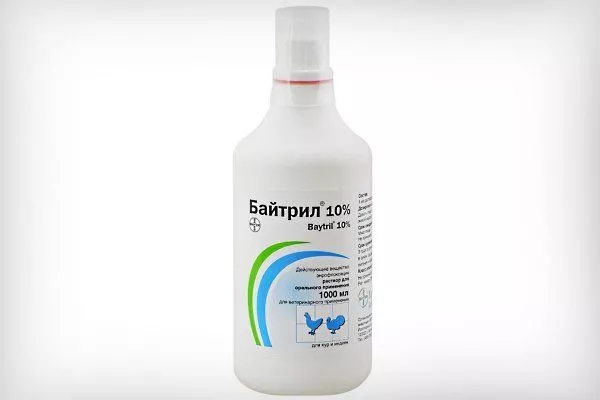
Baytril
It is a clear, light-colored solution that is easily absorbed, penetrates the body quickly, and has a broad antibacterial effect, inhibiting bacterial growth. The active ingredient is enrofloxacin.
The solution is prescribed for the prevention and treatment of the following diseases:
- salmonellosis;
- streptococcosis;
- enteritis;
- mycoplasmas;
- hemophilia;
- colibacillosis;
- mixed infections;
- viral diseases, etc.
The solution is administered orally at a dose of 10 mg per 1 kg of body weight. The course of treatment is 3 days. Baytril is mixed with drinking water, which is given throughout the treatment period.
Fosprenil
It is an antiviral agent with immunomodulatory properties, activating metabolic processes in birds and stimulating hematopoiesis. Its use promotes the active production of interferon, which fights foreign elements—viruses. It is available as a transparent or yellowish injection solution.
Fosprenil is prescribed for the drug treatment of viral diseases, which include:
- whirligig;
- Newcastle disease;
- orthomyxovirus;
- herpes, etc.
Furthermore, the product is recommended for use during stressful times for pigeons, such as molting, egg-laying, disease outbreaks, etc.
There are two ways to take Fosprenil:
- The solution is either added to the pigeon's drinking bowl at a rate of 2-3 ml per 1 liter of water, or dropped into the pigeon's nasal passages. The course of treatment is 5-10 days, but if the disease progresses, it will be necessary to resort to the extreme measure of administering the vaccine into the abdominal or chest muscles using an insulin syringe.
- The drug is administered by injection. The single daily dose is 0.1 ml. The minimum course of treatment is 5 days. It is recommended to inject the drug into the bumps, if any, on the joints of the legs and wings.
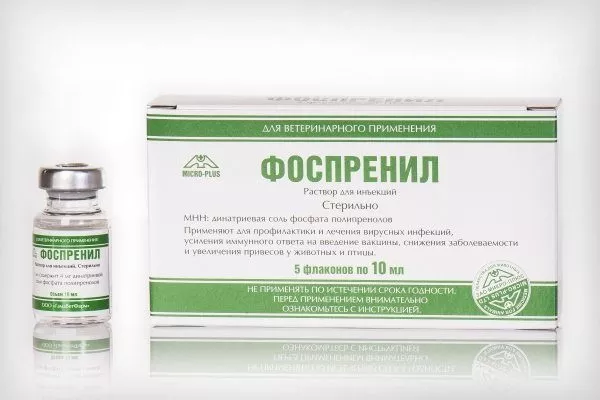
During stressful periods, pigeons can be given Piracetam (Nootropil) simultaneously with Fosprenil.
Medicines for poisoning
If pigeons show signs of poisoning, the following medications will help them:
- GlucoseAvailable as white crystals, powder, and solution. It improves heart function and stimulates the liver's detoxifying functions. In cases of poisoning, glucose can be given with vitamins B and C, as they enhance its effect. The solution is prepared using the following ratio: 100 mg of vitamin B, 500 mg of vitamin C, and 50 g of glucose per 1 liter of water. The mixture is administered orally or through a feeding tube.
- Calcium gluconateIt is a white crystalline powder containing 9% calcium and is highly soluble in water. The solution is administered orally (5 ml), but in cases of severe fertilizer poisoning, it is administered intramuscularly (1 ml). In the latter case, a 10% solution is used.
- Lactic acidA yellowish liquid with a sour taste but no odor. It dissolves readily in water and is used to treat pigeons with nitrogen fertilizer. Give 1 teaspoon with water twice daily until recovery.
drug “Glucose”
the drug "Calcium Gluconate"
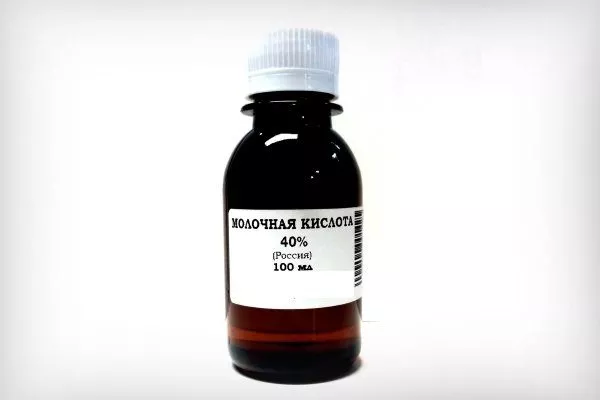
Lactic acid preparation
List of essential vitamins
To strengthen pigeons' immunity during transportation, vaccinations, regrouping, or brooding, as well as during the fall and spring, it's important to give them vitamins. These come in various packaging, liquid or powder form, and oil- or water-based. Popular supplements include:
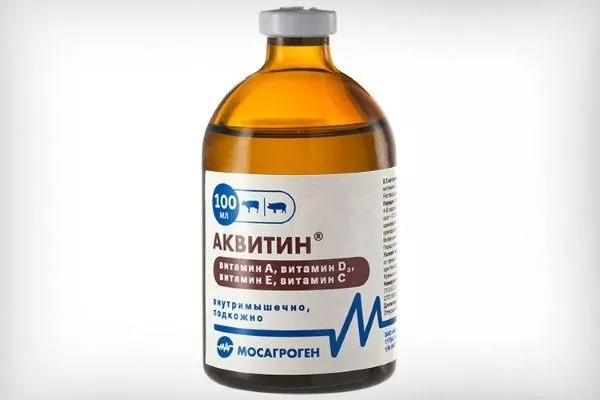
- AquitineIt is rapidly absorbed and accumulates in the liver, where it creates vitamin A reserves, with a concentration of up to 2 million IU per 100 ml of liquid. It is often given to pigeons before the start of the breeding season, during periods of active growth of young birds, and during feather change, as it has a strengthening effect and normalizes metabolism. The preparation is dissolved in drinking water at a rate of 1 ml per 20 ml of water and administered to the birds for a week.
- DafasolThe drug comes in capsule form, each containing 500,000 IU of vitamin A and 250,000 IU of vitamin D. Dafasol is administered orally to pigeons along with antibiotics for gastrointestinal infections. One capsule is sufficient for 100 birds. A single dose provides the required vitamin A for 2-3 weeks.
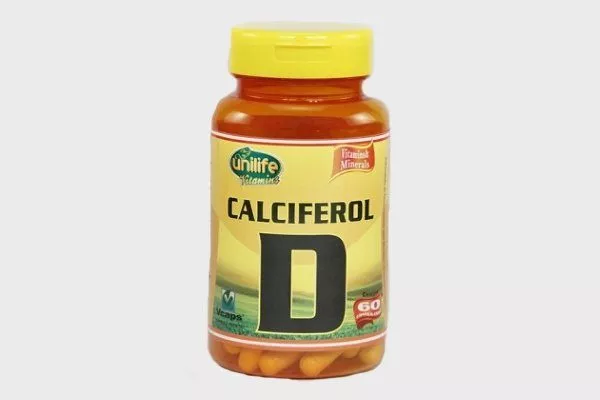
- Calciferol (vitamin D)This is an anti-rachitic medication, particularly useful for young birds and before the breeding season. It is best administered in small doses – 7-10 mcg per bird. The course of treatment lasts 5-10 days. Intramuscular injections are also possible for treating sick pigeons.
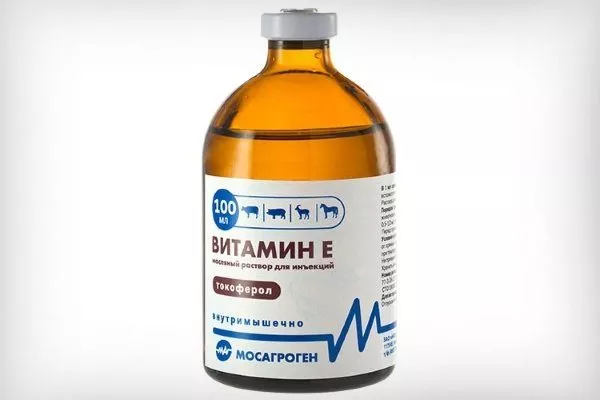
- Vitamin E (tocopherol)This supplement is essential for the growth and reproduction of young birds and has a significant impact on the hatchability of eggs. It should be administered orally to birds at a dose of 40-150 mcg per bird. In cases of severe deficiency, the vitamin oil is administered intramuscularly.
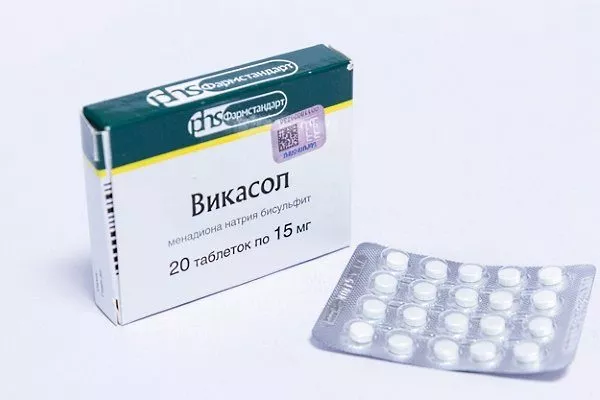
- Vikasol (vitamin K)The drug is especially useful for severe gastrointestinal diseases, diarrhea And coccidiosisAdminister orally at a dose of 0.1 mg per 100 g of feed. The course of treatment is 7-8 days. The drug accumulates in the liver and then passes into the eggs, so it is recommended to administer it 30 days before the breeding season.
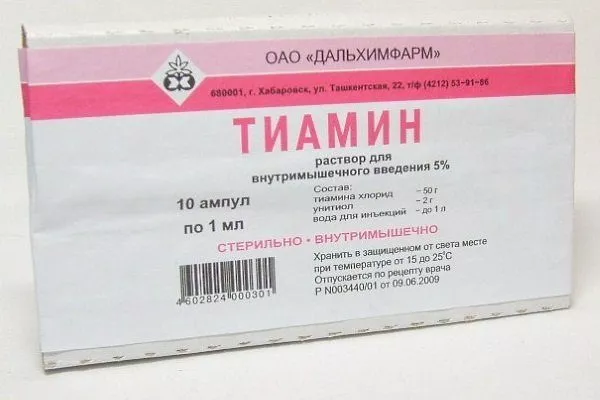
- Thiamine (vitamin B1)Available in powder, tablet, or 3-6% solution form. It is readily absorbed in the intestines and promotes metabolic processes. The recommended dose for an adult is 1-2 mg. Dry yeast is particularly rich in vitamins, so it can be given orally at a rate of 0.1-0.2 g per adult.
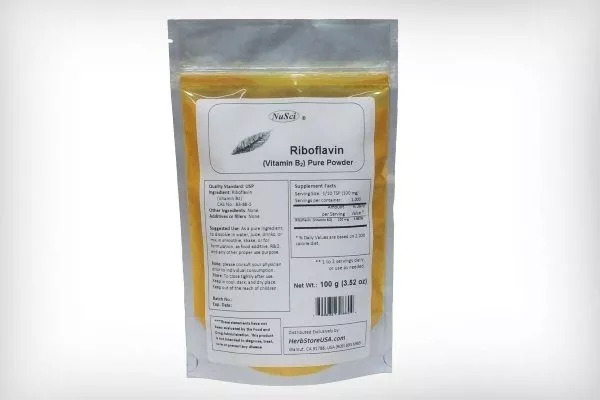
- Riboflavin (vitamin B2)The powder promotes normalization of carbohydrate, protein, and fat metabolism. Its crystals are poorly soluble in water and heat-stable, so it's best to administer it with food at a dose of 0.3-0.4 mg per 100 g of food. The course of treatment is 15 days.
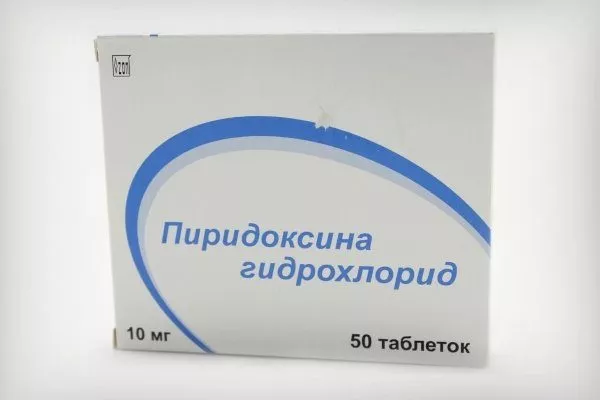
- Pyridoxine (vitamin B6)This medication is essential for the normal growth and development of pigeons. It is administered at a dose of 0.3-0.5 mg per 100 g of feed.
- Ascorbic acid (vitamin C)Boosts pigeon immunity during transportation, long flights, and fatigue. Available in powder, tablet, and ampoule form. The prophylactic dose is 5-10 mg.
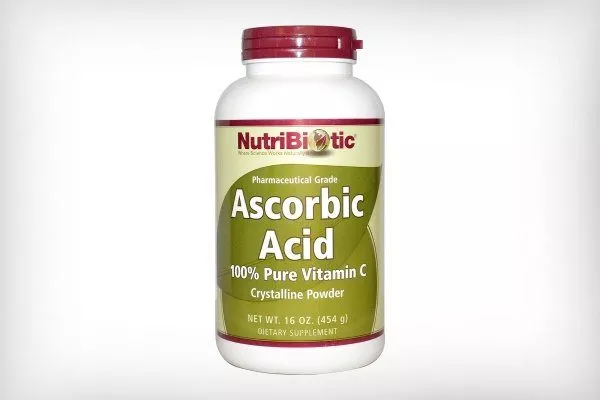
Before a long flight, racing pigeons should be given a solution of vitamin C and glucose, the dosages of which per 1 liter of water are 1 g and 100 g, respectively.
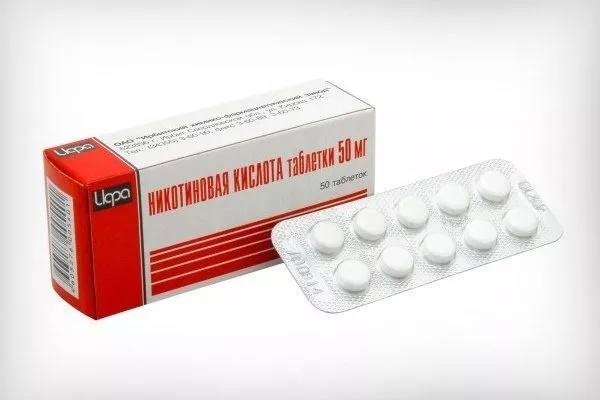
- Nicotinic acid (vitamin PP)It appears as white crystals that are poorly soluble in water. The daily requirement for this vitamin is 20-40 mg per 1 kg of feed. This artificial vitamin is available in powder, tablet, pill, and solution forms. The therapeutic dose is 8-15 mg per day.
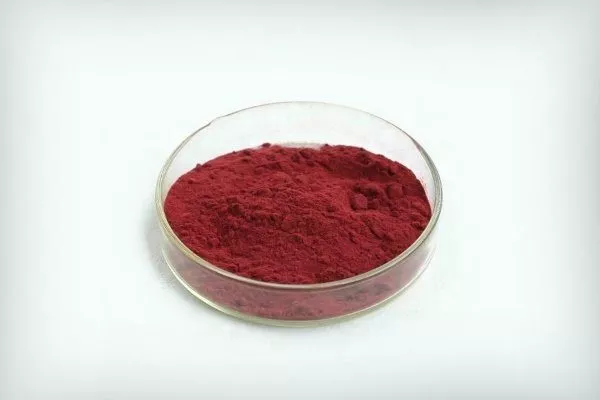
- Cyanocobalamin (vitamin B12)It is a chemically pure vitamin in the form of a dark-red crystalline powder. The daily requirement is 30 mcg per animal.
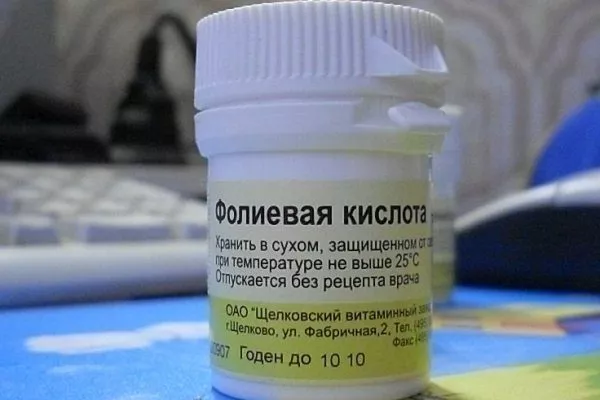
- Folic acid (vitamin B9)A finely crystalline yellow-orange powder that dissolves poorly in liquids. The daily requirement for this vitamin is 8-15 mcg per 100 g of feed. The synthetic supplement is given at a rate of 10 mcg per animal.
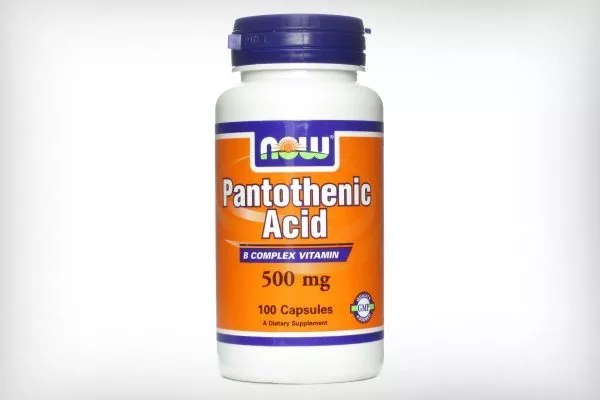
- Pantothenic acid (vitamin B3)It is a light-yellow oily liquid. The daily requirement for this vitamin is 9-15 mcg per 100 g of feed. Deficiencies are observed in winter and spring. For therapeutic purposes, a synthetic calcium salt is used. To meet the daily requirement, 0.5 g of yeast should be added to the feed.
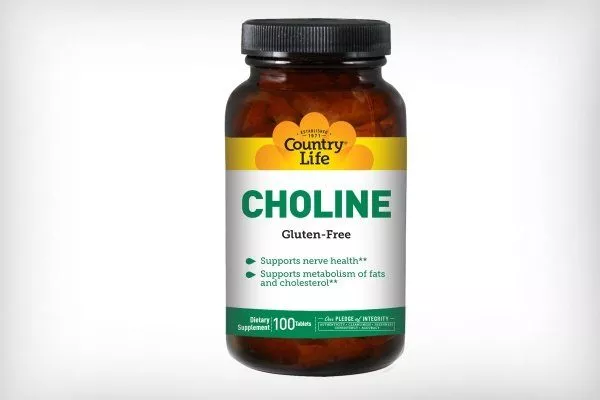
- CholineIt participates in amino acid metabolism and regulates growth and feather shedding. It is available in powder and ampoule form. When treating pigeons, 80-100 mg of the preparation should be added to their feed daily. The preventative dose is 30 mg per day. The course of treatment is 10-15 days.
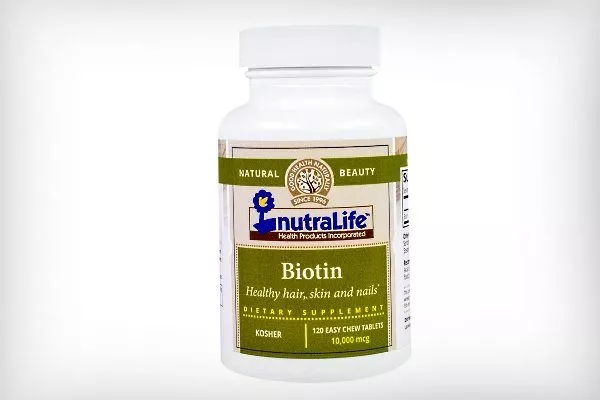
- BiotinColorless crystals that dissolve easily in water. Vitamin deficiency slows growth in young animals. To meet the daily requirement, add 10 mg per 1 kg of feed.
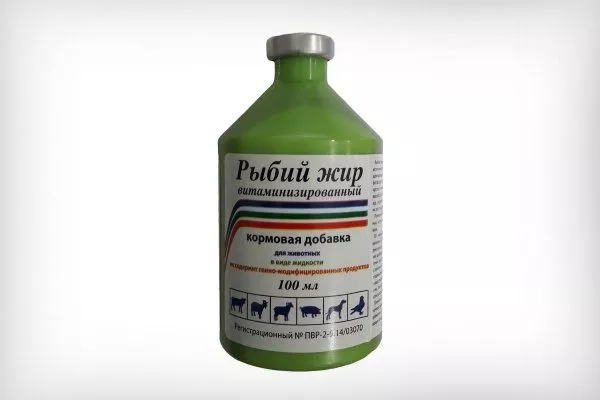
- Fish oilIt is a thick, oily liquid with a distinctive odor. One gram of fat contains 350 IU of vitamin A and 30 IU of vitamin D. The product is recommended for use in cases of underdevelopment of young animals, prolonged molting, and illnesses that reduce overall resistance. Fat is also beneficial at the beginning of the breeding season. For prophylaxis, pigeons are given 1-2 drops per day for 10 days. In cases of severe disorders, the product is administered intramuscularly. A single dose is 0.1 ml.
Oral vitamins are safer to use on pigeons because they do not need to be disturbed or restrained for injection.
Complex preparations for hypovitaminosis
Hypovitaminosis is considered the most common disease affecting immature young birds. It leads to changes in organ function and impairs the birds' appearance. It occurs due to gastrointestinal tract problems, unbalanced nutrition, or poor living conditions.
Most often, hypervitaminosis is diagnosed due to a deficiency of vitamins A, D, or E. In this case, the most effective treatment is with a combination of medications, including:
- AminovitalContains all the vitamins, amino acids, and minerals (zinc, iron, potassium, etc.) necessary for pigeons. It is available as a white liquid in 1- or 5-liter plastic canisters. Add 2 ml to water bowls per 10 liters of water. The recommended course of treatment is 5 to 10 days.
- ChiktonikIt's a prebiotic that, thanks to its beneficial amino acids and vitamins, strengthens and restores the body and normalizes the stomach's microflora. The premix is added to water bowls at a rate of 1-2 ml per 1 liter of water. The course of administration is 5 days.
- FelucenA vitamin supplement containing not only vitamins but also gravel, which helps break down food after it reaches the stomach. The supplement is mixed with grain feed at a rate of 10% of the main feed weight.
- TrivitaminAvailable as a solution in 10 and 100 ml bottles. For hypovitaminosis, pigeons are given 1-2 drops for 15-20 days.
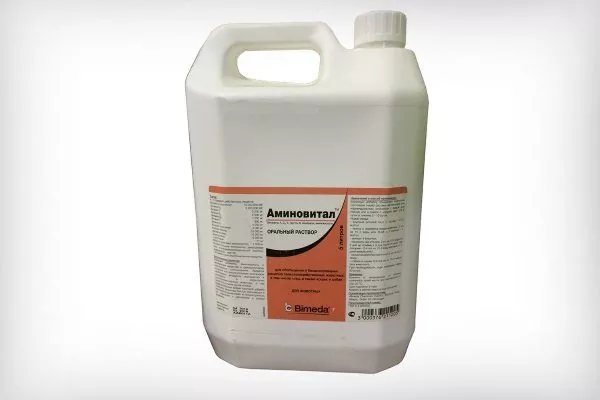
the drug "Aminovital"
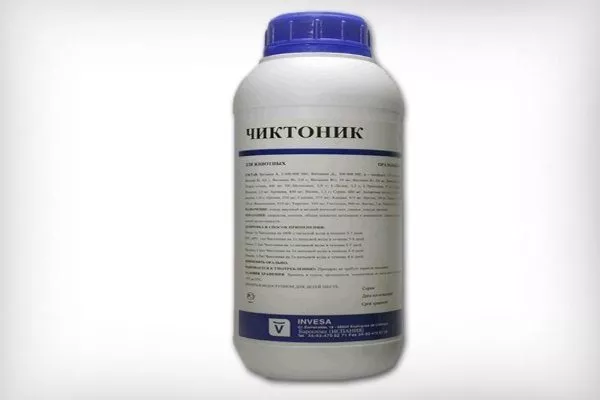
the drug "Chiktonik"
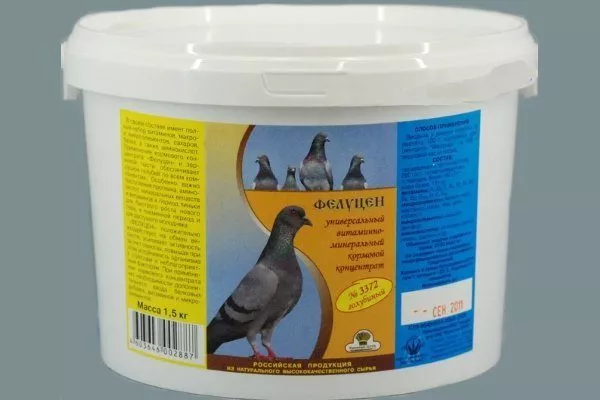
drug "Felucen"
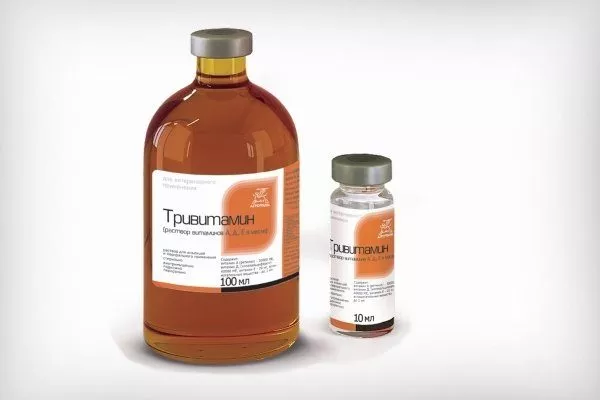
the drug "Trivitamin"
When breeding pigeons, every poultry farmer should prepare a first aid kit with all the necessary medications for their birds. Before administering these medications, it's advisable to consult a veterinarian, who can help establish an accurate diagnosis, prescribe the optimal treatment regimen, and calculate the frequency of administration based on the pigeons' living conditions and the nature of the illness.