
Pigeons require careful care and proper nutrition. If their living conditions are not met properly, the birds can become ill. Many pigeon diseases are transmissible to humans, and some are untreatable. The key for pigeon breeders is to promptly separate sick birds, protecting themselves and their flock from infection.
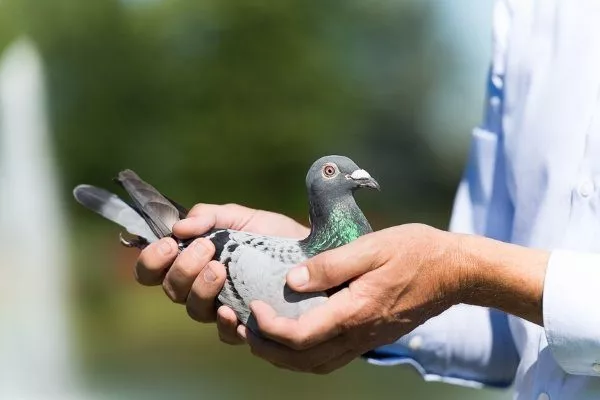
Types of diseases and methods of infection
All pigeon diseases can be divided into two large groups:
- Infectious (contagious). They are caused by viruses and bacteria. These are the most dangerous diseases that are transmitted between birds and sometimes even to humans.
- Non-infectious (non-contagious). These are internal and skin diseases, for example, arthritis, rickets, otitis, conjunctivitis, etc.
Pigeons are the most susceptible to illness, but adult birds are also susceptible to various ailments. Infectious diseases can be contracted in two ways:
- The direct route. Healthy individuals become ill after contact with infected pigeons.
- Indirectly. Infection occurs after the infection enters the body through food, water, or soil.
| Name | Type of disease | Method of infection | Symptoms |
|---|---|---|---|
| Ornithosis | Viral | Contact with infected birds, airborne | Changes in eye shape, photophobia, shortness of breath |
| Smallpox | Viral | Through food and water | Red spots, difficulty breathing |
| Whirligig | Viral | Through food and drink | Impaired coordination, paralysis |
| Salmonellosis | Bacterial | Through contaminated water, contact with infected birds | Diarrhea, weakness, ruffled feathers |
| Coccidiosis | Parasitic | Through the litter | Bloody diarrhea, weight loss |
| Trichomoniasis | Parasitic | Through unrefined grain and dirty water | Weakness, yellowish spots in the mouth |
| Candidiasis | Fungal | Through contaminated food | Curdy coating in the mouth, difficulty swallowing |
| Aspergillosis | Fungal | Through contaminated bedding and food | Lethargy, blue legs and beak |
Ornithosis
This viral disease affects free-ranging and domestic pigeons. About 150 bird species, including parrots, ducks, geese, and turkeys, are affected by ornithosis. The disease is contagious and can be transmitted to humans. It is caused by intracellular organisms called chlamydia. It can occur in acute and chronic forms. Birds, although not sick themselves, can be carriers of the infection.
Symptoms
Birds that have contracted ornithosis exhibit the following symptoms:
- the eyes change shape – they become oval;
- the color of the iris changes;
- feathers fall out near the eyes;
- photophobia;
- lacrimation - leads to sticking of the eyelids;
- shortness of breath and wheezing;
- diarrhea;
- weight loss;
- paralysis of the legs, wings, joints;
- runny nose;
- lack of appetite.
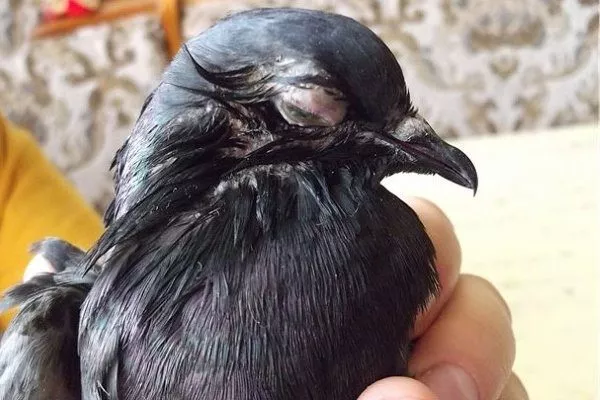
In mild cases, symptoms are limited to a runny nose, shortness of breath, and poor appetite. In severe cases, leg function can be impaired.
Treatment
The sick pigeon is isolated from the flock. Treatment includes the following measures:
- feed processing;
- disinfection;
- antibiotic treatment.
In advanced cases, the bird is euthanized to prevent infection of other birds. Antibiotics are administered. - Erythromycin, Tetracycline, Azithromycin, and Eriprim are mixed into the feed. The eyes and nostrils are washed with water and lubricated with tetracycline ointment. Miramistin is administered to the nose—one drop per nostril. The course of treatment is 10 days.
Taking antibiotics causes the death of stomach microflora; to prevent this, pigeons are given vitamins A, E, and D.
Forecasts
The success of treatment depends on how quickly assistance is provided—before the disease progresses. If left untreated, the bird dies within a week from exhaustion or respiratory problems. With proper and timely treatment, the prognosis is favorable.
Prevention
Disinfection of the dovecote. Treatment is carried out:
- formalin solution;
- soda solution (hot);
- phenol solution.
All surfaces are disinfected and whitewashed with bleach twice. Unnecessary items are burned. The droppings are doused with a Lysol solution and burned.
Smallpox
The disease is caused by an ultravirus that is activated by contact with pigeons. Transmission occurs through food and water. Both the outer skin and internal organs are affected. Mortality is very high. A single bird can infect an entire flock.
There are 3 types of smallpox:
- cutaneous - areas near the beak, eyes, ears, paws are affected;
- diphtheritic - the mucous membranes are affected;
- mixed – combines symptoms of both types.
Symptoms
Characteristic features:
- drowsiness;
- apathy;
- difficulty breathing;
- red spots all over the body;
- mucous discharge from the nose and eyes;
- In severe forms, the goiter and esophagus are affected.
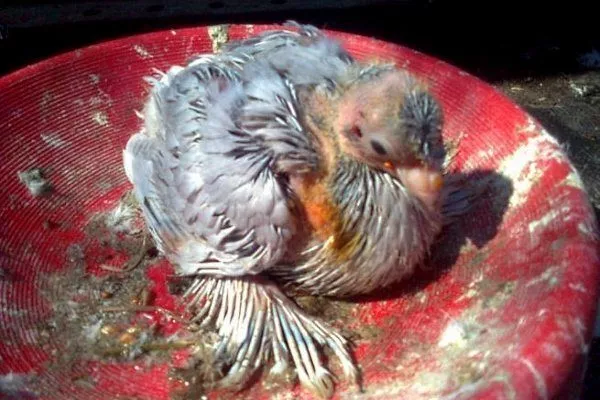
The risk of contracting smallpox is particularly high with the arrival of spring. Birds deficient in vitamin A are at risk.
Treatment
Inflamed areas are treated with a 2% boric acid solution, furacilin, or Lozeval. Any crusts that form are treated with iodine. Baby cream is applied for moisturizing. Provide the bird with water if it is unwilling to drink.
There are no specific medications against smallpox. It is recommended to treat pigeons with Albuvir and broad-spectrum antibiotics, such as tetracyclines. The course of treatment is seven days. After treatment, there is a recovery period, during which the birds are given vitamins and amino acids.
Forecasts
Smallpox is not always curable, but with adequate and timely treatment the prognosis is good.
Prevention
Measures that do not guarantee the prevention of smallpox, but reduce the risk of the disease:
- compliance with sanitary and hygienic standards, scheduled disinfection;
- proper nutrition;
- quarantine for new birds;
- treatment of any skin damage with antiseptics;
- destruction of insects that carry smallpox.
The best way to prevent smallpox is vaccination. After the injection, smallpox lesions appear at the injection site; they disappear within a week.
Whirligig
Other names for Newcastle disease include Newcastle disease, paramyxovirus, pseudoplague, and Doyle's disease. Sick birds circle in circles, hence the name "whirlybird." The virus affects pigeons, chickens, wild birds, and poultry, killing thousands of birds. It is transmitted through food and drink. The disease is not dangerous to humans.
The virus is very stable—it remains active in frozen carcasses for up to 126 days. A recovered bird remains a carrier of the virus for another 4 months.
Symptoms
The brain and central nervous system are affected, and internal bleeding occurs. The first signs of the disease are:
- impaired coordination of movements - bumps into obstacles while flying;
- lack of appetite;
- lethargy, apathy;
- feathers are ruffled - the bird sits ruffled and with its eyes closed;
- the droppings become white or green;
- the bird falls on its side.
You can learn more about the symptoms of Newcastle disease (Whirlybird) and pigeon pox in the video below:
There are several different strains, and clinical symptoms vary depending on the type of disease. In the final stages of the disease, the bird stretches its neck, circles in circles, and begins to convulse and paralyze its limbs.
Treatment
Do not self-diagnose as the symptoms are too similar to other diseases. A stool sample should be taken to a veterinarian for PCR testing. Vertigo is treated with Fosprenil. This medication is especially effective when combined with Sporovit and Gamavit. Adults are easier to treat than juveniles. Medication alone is not enough; comprehensive treatment is necessary.
Forecasts
In 90% of cases, if left untreated, the bird will die. 10% of pigeons will develop chronic vertigo. Proper treatment offers a chance of recovery.
Prevention
The dovecote should be cleaned monthly, even if all the pigeons are healthy. If a sick bird is discovered, all surfaces in the dovecote should be thoroughly cleaned. The virus is killed in bleach within 3 minutes and in formalin solution within 30 minutes. The virus is sensitive to high temperatures; a half-hour exposure to 55°C (131°F) is sufficient to kill the infection.
Salmonellosis
A dangerous infection affecting domestic and wild birds. It is caused by the bacterium Salmonella. The disease is contagious and affects both birds and humans. It is transmitted by rats and insects.
Provoking factors:
- weakened immunity;
- contaminated water;
- youth.
The disease affects the liver, brain, intestines, and lungs. There are three stages of salmonellosis:
- acute – 2-4 days;
- subacute – 6-10 days;
- chronic – the pathogen is present in the body throughout life.
The main thing is to identify sick individuals, preventing the pigeons from dying and stopping the spread of the infection.
Symptoms
Symptoms depend on the forms of salmonellosis:
- Hidden. Typical for birds with strong immune systems. There are no obvious signs of infection. Internal organs are affected. Problems with laying eggs and hatching chicks occur.
- Intestinal. Acute or chronic intestinal inflammation is observed. The bird develops diarrhea, with blood and mucus in the droppings.
- Articular. The joints are affected, with fluid accumulating in them. The birds' limbs twitch, and their wing muscles become weakened. Growths develop in the joint area. The pigeon is unable to fly or move.
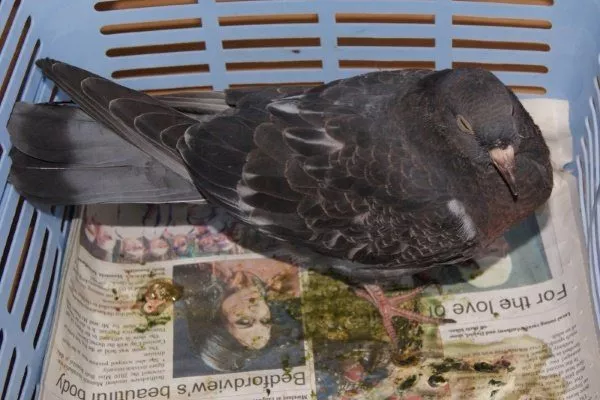
- Obvious. Nestlings and young pigeons are affected. The disease is characterized by high mortality. Affected individuals have no appetite, are weak, have ruffled feathers, and have intestinal upset.
- Nervous. The chronic form results in intense convulsions that end in death.
Treatment
Before starting treatment, the specific form of the disease is determined. There are many medications available to combat salmonellosis, including:
- Enteroseptol.
- Baytril.
- Levomycetin.
- Tetracycline.
- Enroflon.
- Ampicillin and others.
The medication and dosage are determined by a veterinarian. Treatment typically lasts 10-14 days. During treatment, the premises are cleaned and disinfected.
Forecasts
High mortality. The bacillus is very tenacious and can infect birds for a long time, surviving in droppings, bedding, and water. With timely treatment and proper diagnosis, there is a chance of recovery.
Prevention
Autumn and spring disinfection of the dovecote. Regular cleaning and ventilation of the room.
For prevention, you can use Parastop—administer it before breeding and after molting. The prophylactic course lasts one week. The most effective way to prevent salmonellosis is vaccination.
Coccidiosis
The disease is caused by coccidia, a protozoan that spreads through bird droppings and orally. Coccidia multiply in the bird's body, damaging the gastrointestinal tract. Coccidia are excreted in the feces and infect other pigeons. The disease most often affects young birds.
Symptoms
Coccidia cause enteritis and inflammation of the intestinal walls. There are two forms of coccidia:
- Asymptomatic (subclinical). After ingesting the parasite, birds develop immunity. By consuming the parasites, the birds are ultimately protected from the severe consequences of the disease.
- Acute form. This is true coccidiosis. It develops in young birds that lack immunity.
Clinical symptoms appear 4-7 days after infection:
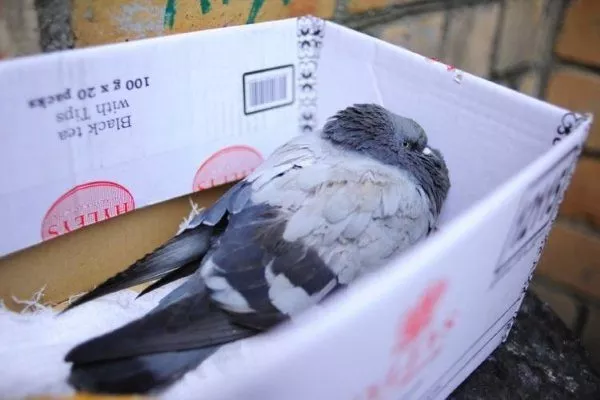
- the dove sits with its feathers ruffled;
- ruffled plumage;
- bloody diarrhea;
- persistent yawning;
- paralysis;
- weight loss;
- drowsiness;
- loss of coordination in the air and on the ground;
- near the cloaca - bloody discharge;
- the head decreases in size.
Treatment
If coccidiosis is suspected, call a veterinarian immediately. Treatment is effective in the early stages. Treatment is lengthy and requires patience. Initially, sick individuals are isolated. The area is thoroughly cleaned. The most popular medication is a coccidiostat. This drug inhibits the growth and reproduction of parasites. The medication is selected individually, taking into account the severity of the disease, the severity of symptoms, and the age of the pigeon.
Effective coccidiostats:
- Amprolium – it is mixed into the feed for 2 weeks.
- Coccivet – can be taken in any way.
- Baycox – added to water for a week.
Forecasts
Left untreated, coccidiosis often leads to the death of birds. The sooner treatment is started, the greater the chance of a cure. To diagnose the disease early, the following tests will be required:
- have feces examined in a laboratory;
- do an ultrasound examination of the intestinal walls.
Prevention
It is not recommended to wash the floor in an infested room, as oocysts multiply rapidly in high humidity. The room and perches should be cleaned mechanically, using a scraper and broom.
Limit, or better yet, eliminate, contact between pets and wild birds, as their excrement can become a source of infection.
Worms
Like animals and humans, birds also become infected with worms.
Causes of infection:
- incorrect content;
- poor indoor hygiene;
- unbalanced diet;
- lack of prevention.
Symptoms
Signs of helminth infection:
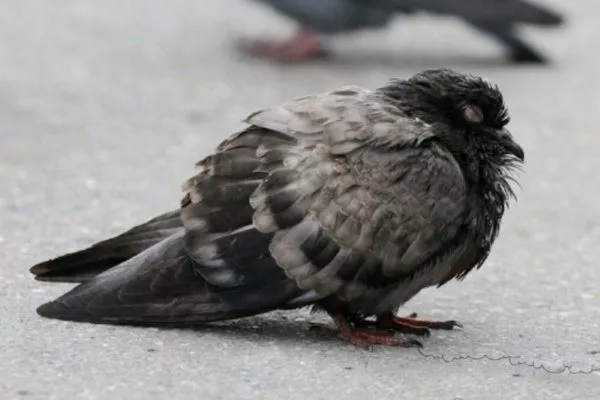
- disheveled appearance;
- weight loss;
- refusal to eat;
- dull plumage;
- cloudy eyes;
- in young animals - developmental delay;
- lethargy and inactivity;
- diarrhea and vomiting;
- intestinal bleeding.
Treatment
Deworming medications containing the active ingredient albendazole are used. Alben is one of the most readily available. These medications should be used under veterinarian's direction—antihelminthic medications should not be used without a doctor's advice, as they are highly toxic. The medication is administered once. A pre-treatment diet is not necessary, but vitamin supplementation is prescribed afterward.
Forecasts
Laboratory tests are necessary for an accurate diagnosis and successful treatment. If birds have a severe form of helminthic infestation, joint damage and paralysis may occur. Without treatment, the birds may die.
Prevention
To prevent worm infestations, annual preventative treatment is recommended. A number of anthelmintic preventative medications are available. However, they must be used with caution and dosage must be observed to avoid harming the birds. Proper nutrition, hygiene, and disinfection of the dovecote help prevent helminth infestations.
Tuberculosis
No mass deaths from this disease have been recorded. Birds can harbor the tuberculosis bacteria for several months. The disease can be transmitted to humans.
Symptoms
Tuberculosis infection can be determined by the following signs:
- weight loss;
- loss of appetite;
- drooping wings;
- dull plumage;
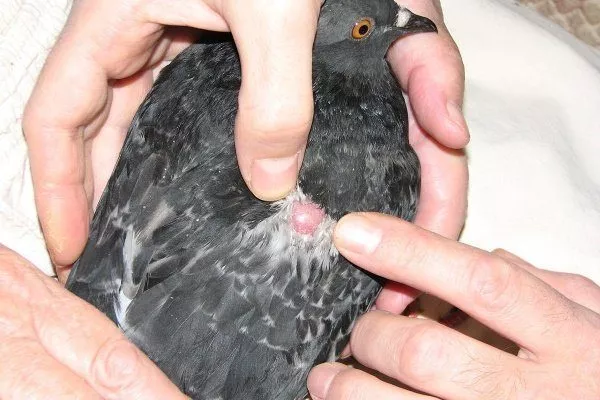
- inflammation and swelling of the joints - bumps appear on the paws, neck and back.
Treatment
Treating pigeons with tuberculosis is pointless, as sick birds are dangerous carriers of the infection. Completely curing a bird takes a long time. There are no specific medications for tuberculosis. Sick birds must be culled. The premises are then thoroughly disinfected.
Prevention
Preventive measures:
- regular cleaning of the dovecote from dust and dirt;
- disinfection of the premises with a bleach solution;
- Regular cleaning of the dovecote from droppings - it must be burned;
- room ventilation;
- Installing barriers on drinking bowls and feeders to prevent birds from contaminating their food and drink with droppings.
A lifetime tuberculin test is recommended. Diagnosis is made by injecting 0.05 ml of tuberculin into the upper eyelid. Tuberculosis is diagnosed by the swelling that appears on the eyelid. The reaction is determined on the second day after the injection.
Trichomoniasis
The disease is often caused by feeding unrefined grain. Dirty water can also cause trichomoniasis. The causative agent is Trichomonas, a parasite that enters through the mucous membranes. If the disease is advanced, it affects the liver and gastrointestinal tract. Trichomoniasis is transmitted to humans and can lead to gynecological and urological complications.
Symptoms
Pigeons infected with trichomoniasis exhibit the following symptoms:
- weakness, apathy;
- glued plumage;
- inability to fly;
- if the pharynx and larynx are affected, there are yellowish spots in the mouth that interfere with breathing;
- enlarged abdomen, diarrhea, feces have an unpleasant rotten smell;
- In cicatricial trichomoniasis, brown-colored nodules appear on the skin.
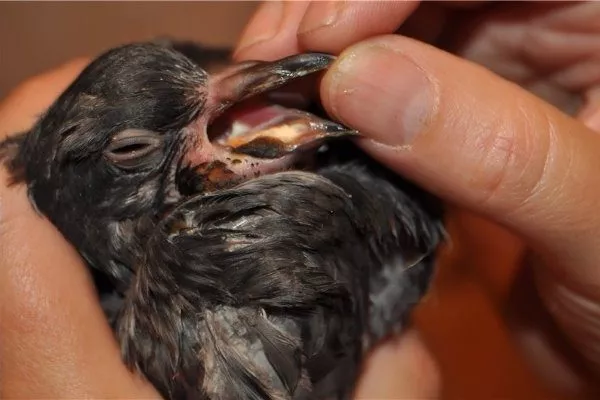
Trichomoniasis of the pharynx leads to narrowing of the larynx, the bird's breathing becomes impaired and it dies.
Treatment
To treat a sick bird, use a special medication called Tricho Cure. You can also use:
- Metronidazole.
- Silymarin.
- Ornidazole.
Oral growths are removed with a scalpel, then the wounds are treated with Trichopolum and disinfected with iodine. Trichopolum is used as a solution. For young birds, use 17.5 g per 1 liter of water. The resulting solution is used for poultices and beak drops.
The bird cannot eat on its own; it has to be assisted by pushing food into its crop.
Prevention
Prevention involves regular cleaning and disinfection of the dovecote. Trichomonas are vulnerable and easily controlled with disinfectant solutions. Veterinarians also recommend adding Trichopolum to the dovecote's drinking water for prevention.
Candidiasis
Candidiasis, or thrush, is caused by an opportunistic fungus. It primarily affects chicks and young birds. Adults rarely become ill, but they are carriers of the fungus. Causes include overcrowding in the dovecote, a monotonous diet, and a lack of vitamins A and B. Thrush often begins after the use of antibiotics.
Symptoms
At the first stage of the disease, a general deterioration in condition is observed, as well as:
- decreased appetite;
- digestion is upset;
- goiter swelling;
- difficulty swallowing;
- there is a cheesy coating in the mouth.
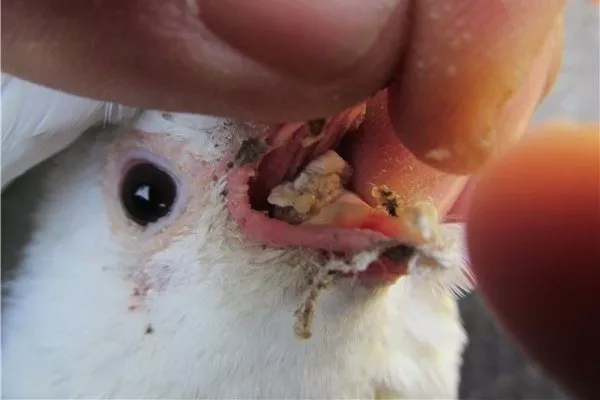
Subacute and chronic forms of the disease last from 10 days to several months. Birds lose weight, experience stunted growth, develop diarrhea, and develop a foul odor from their beaks.
Treatment
Terramycin and Biomycin antibiotics are used to treat candidiasis. Vitamins A and B are given to boost immunity. Nystatin, an antifungal medication, is also used.
Prevention
If fungus appears in the dovecote, all surfaces should be treated with formaldehyde dissolved in caustic soda. Affected birds should be culled.
Aspergillosis
This is a fungal disease of pigeons. The fungus thrives in straw bedding and is especially active during nesting season. It can also grow in feed, as it thrives in damp conditions. Fungal spores are very tenacious and difficult to control.
Causes of the disease:
- pigeon dust;
- high humidity;
- crowding.
Symptoms
The fungus primarily affects young birds, but if large spore loads develop, adult birds can also become infected. Signs of the disease:
- lethargy;
- legs and beak turn blue;
- sneezing;
- yawn;
- rapid breathing with wheezing;
- neck extension;
- slightly open beak;
- gray coating in the oral cavity.
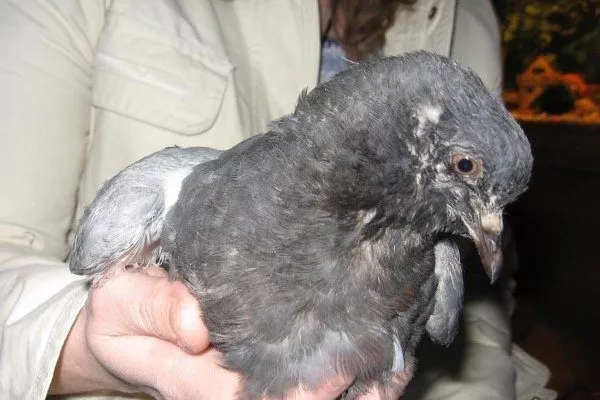
In the cutaneous form, yellowish crusts appear on the body.
Treatment and prognosis
Effective treatment is virtually nonexistent. The prognosis is poor. The disease results in death in 75-100% of birds. Young birds are doomed and therefore culled. In adult pigeons, the problem becomes chronic. Adult birds are treated with aerosols. These are prepared from:
- crystalline iodine – 9 g;
- ammonium chloride – 1 g;
- aluminum powder – 0.5 g;
- water – 3-5 g.
The vapors from a mixture made from the above ingredients kill the fungus. You can also disinfect the food and add copper sulfate to the water.
Prevention
If fungus has developed, burn all surfaces in the dovecote with a blowtorch. How to prevent fungal infestation:
- control the purchased grain;
- carry out all veterinary and sanitary measures before breeding;
- provision of vitamin A;
- use straw for bedding;
- whitewashing and disinfection with lime – 1 kg per square meter.
It is prohibited to use last year's straw for bedding - it may be contaminated with fungal spores.
Ticks and fleas
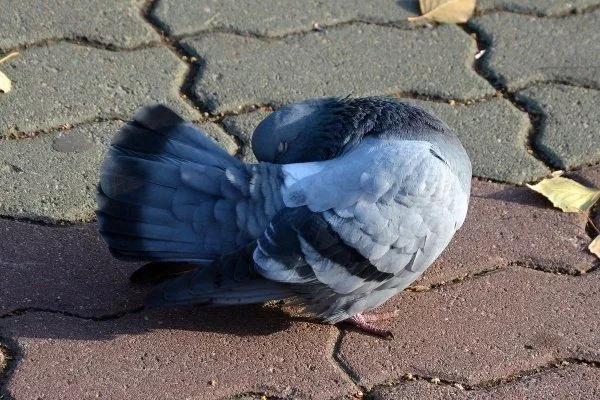
Without preventative measures, pigeons can become infested with parasites, such as ticks and fleas. Birds suffer from anemia as the parasites drain their blood. Fleas and ticks can kill the entire flock. Birds infested with parasites constantly preen their feathers and bathe in sand. During this period, the birds can still be treated. The next stage is feather loss, at which point it is too late to treat the pigeons.
Treatment
Treatment depends on the type of parasite:
- Scabies mites. It penetrates the epidermis, causing inflammation. Birch tar, tar soap, and picochloran are used to combat the parasite. These products are applied to skin pre-treated with petroleum jelly or glycerin.
- Pigeon bugs. They suck blood and transmit infectious diseases. If birds are infested with bedbugs, the entire pigeon house should be treated with trichlormetaphos; an aqueous emulsion of Trolene can also be used. Another effective control method is treating the surfaces with a blowtorch.
- Fleas. Infestation occurs through droppings and bedding. They carry infections. They are exterminated in the same way as the pigeon bug.
- Feather eaters. They live in feathers. The bird itself destroys feather eaters, but cannot kill those that live on the neck and head. Feathers should be dusted with pyrethrum three times, at weekly intervals.
Prevention
Treat the dovecote with insecticides. Dust the perches and nests with them. Blowtorch the walls and floor.
Eye diseases
Improper pigeon care often leads to eye diseases. Inflammation is caused by viruses, bacteria, and parasites. Vitamin deficiency can also cause eye diseases. Vitamin A deficiency is particularly dangerous. Increasing its content in the feed will alleviate the problem.
- ✓ The concentration of formalin solution must be at least 4% for effective disinfection.
- ✓ The temperature of the soda solution must be at least 70°C to destroy pathogens.
Other causes of eye diseases:
- unsanitary conditions;
- infectious diseases - eye diseases are often concomitant;
- smoke, dust, small debris.
Specific pigeon diseases:
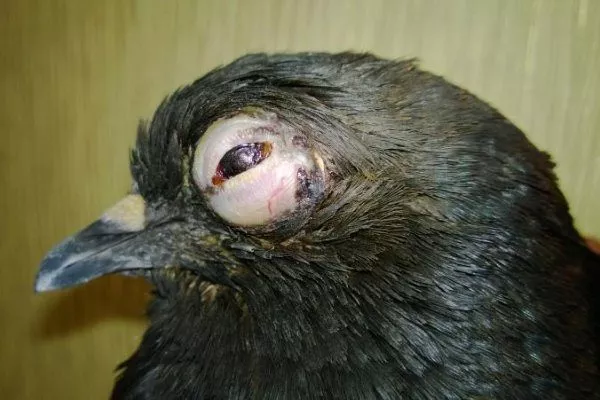
- Xerophthalmia – abnormal eye structure. Due to metabolic disturbances in the eye, persistent conjunctivitis and dry cornea are observed. Treatment depends on the underlying cause.
- Panophthalmitis – an infection affecting the cornea. It is accompanied by clouding of the eyes. If the disease is advanced, the cornea can be destroyed. Treatment involves anti-inflammatory and disinfectant medications.
- ✓ Loss of appetite for more than 24 hours.
- ✓ Unusual behavior, such as avoidance of the pack or excessive aggression.
Goiter
A hanging crop (blockage) is accompanied by depression. Sometimes, water leaks from the beak when drinking. This condition is most common in pouters.
Treatment
Treatment depends on the cause and specific features of the pathology. If the lower section is obstructed, the goiter will need to be incised. If the stomach is obstructed, the goiter cannot be incised. Goiter can also be caused by:
- inflammation of the mucous membrane;
- improper feeding;
- helminths.
A blockage unrelated to other conditions can be easily cleared—a single injection of 10-15 grams of castor oil is sufficient. The oil is administered through the beak. Regardless of the cause, a starvation diet is necessary—food should not be allowed to enter the overfilled crop. Crop irrigation through an open beak may also be necessary.
The main preventative measure for any disease is vaccination. Many pigeon diseases are incurable, so only timely vaccinations can save the birds from possible death.
To keep pigeons healthy, you need to follow simple care guidelines: keep them clean, feed them properly, vaccinate them, and closely monitor their health. If any alarming symptoms appear, consult a veterinarian immediately.
Aspergillosis. Domestic pigeon. Prescribed nystatin: half a tablet per 300 ml of water as the primary feeding. Take this for 14 days, then see a doctor.
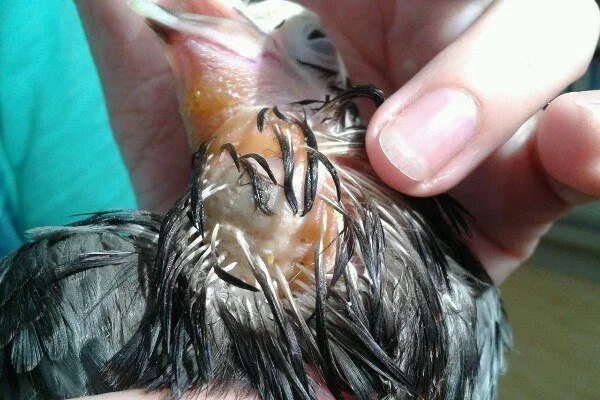
Weak, didn't help. The tip of the tongue began to curl and fall off. The beak was crooked, like a crossbill. Breathing is heavy. With the beak open, it seems to be moaning. There is no voice. A gray coating on the bottom and top inside the front part of the beak is not cleaned off. The skin near the beak and the skin on the fleshy part of the legs are blue. The bird is tufted, does not fly. Aspergillosis also led to a complication in the form of subcutaneous emphysema. The bird swelled like a balloon in the chest, neck, and head. The swollen areas were tied with an elastic veterinary bandage for 3 days. The treatment regimen was changed: another 14 days. Every morning: tylosin 50 - 0.1 ml + 0.4 ml of water in the beak and nystatin - crush half a tablet into powder, add 10 ml of water. Stir well. Pour 1 ml of this suspension into the beak. After 4 days of treatment, the wheezing stopped. On the 10th day, the plaque disappeared. We continued treatment for another 4 days. The beak remained a problem—it was spreading to the sides. I started trimming it carefully, top and bottom. I added Catosal, 4 drops diluted with 1 ml of water, and gave it once a day for 10 days. I also gave calcium boron gluconate, 4 drops 1-2 times a day, diluted with a little water. Pour everything into the beak. The little one is getting better. I trim her beak a little every other day. It has become more even. She started to vocalize for the first time in 2 months. She eats well, flies, cleans herself, and sometimes gets angry at me and pecks when I clean her area. Her beak and legs have become a little lighter. This is my Juliet.
Age 3.5 months.