
Keeping pheasants requires certain conditions, depending on the purpose of breeding the birds—for hunting, meat, eggs, or simply as a decorative element in a backyard. They are raised both in industrial settings and on farms.
Conditions for keeping pheasants on a farm
If a farmer breeds pheasants for large-scale commercial purposes, the conditions for keeping them are much more extensive (requiring a large space). Raising birds on a small farm is much easier, and it also brings considerable profits. The main thing is to follow all the rules for keeping them.
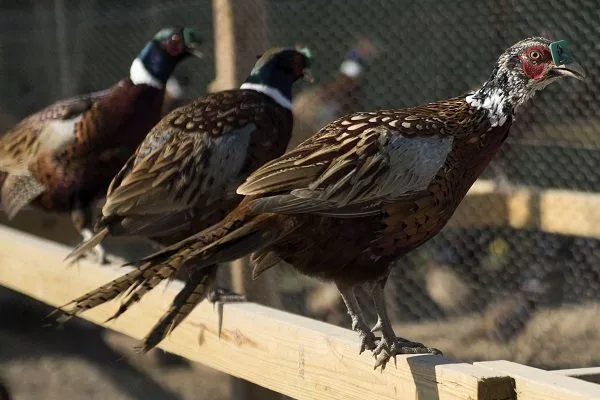
- ✓ Optimal humidity in the poultry house should be maintained at 60-70% to prevent respiratory diseases.
- ✓ To prevent cannibalism among pheasants, it is necessary to provide sufficient space and shelter.
Basic requirements
Pheasants have productive and non-productive periods—when they're actively gaining weight and laying eggs (spring) and when they're not producing (summer, fall, winter). During productive periods, adhere to the following husbandry guidelines:
- 40-45 days before the first egg laying, a broodstock is formed - males are added to the females (the ratio is 1 male to 3 to 7 females);
- when daylight hours are short, artificial lighting is installed;
- In order for the females to incubate the eggs, a special house is built, the floor of which is covered with straw and changed as it gets dirty;
- They don’t make nests because pheasants have a poorly developed sense of motherhood, so they scatter their eggs everywhere (and for this reason they need a house);
- The eggs are removed daily - 2 or 3 times, depending on the rate of laying (this is necessary to prevent the females from pecking the shells).
The shell is fragile, so when storing it, it is stored in one or two layers.
Conditions of maintenance during non-productive periods:
- In warm climates, pheasant cages are not insulated (the birds are frost-resistant and feel fine at temperatures of -30-35°C), but the following must be done:
- give enough food;
- cover the walls with spruce branches, boards, slate, reeds;
- lay straw on the floor - a layer of 45-55 cm;
- males and females are kept in separate cages;
- if there is snow, birds are not given water;
- if there is no snow, automatic waterers are installed (if there is frost, then with a heating function);
- The enclosure is not artificially illuminated.
Setting up a poultry house/aviary
Pheasants require a lot of space, so they need spacious cages, always on a sunny side. What the enclosure should contain:
- sandy soil (if there is none, the farmer adds sand artificially);
- Since pheasants fly, they need a fence not only on the sides, but also on top - for this, take a chain-link, nylon or rope mesh;
- In the wild, pheasants sit in trees, so there should be perches and ladders inside the cage (you can put up driftwood or mount the enclosure in an area where bushes grow);
- there must be grass growing inside - it will have to be sown;
- an important condition is a solid wall located at the back, so the birds feel protected;
- If there are young animals and the enclosure is large, it is fenced in - they must be kept separately;
- If the birds are excessively pugnacious, they are also placed separately (the common cage is zoned);
- To encourage pheasants to take dust baths, boxes filled with wood ash are installed;
- Make the fence from wood, metal or polycarbonate.
You can build poultry houses yourself. To do this, you only need to stock up on the following materials:
- galvanized mesh (height – 2.5 m, cell size – 5x1.5 cm);
- roof mesh;
- beams made of metal or wood;
- staples, nails;
- cement, sand – for the foundation;
- sand and gravel – for the floor;
- slate, boards, metal sheets or similar.
The manufacturing process is simple:
- Remove the top layer of soil from the entire intended area and disinfect it with slaked lime (2 cm layer) and a dark pink solution of potassium permanganate.
- Build a foundation around the perimeter – dig a trench, lay beams, and fill with concrete. Make the foundation 70-75 cm deep. Let it dry.
- Install the pillars and frame, slate elements, etc.
- Pull the chain link.
- Cover the top with a rope mesh.
- Fill the area with soil, then add sand and gravel on top.
- Place a house inside. Make it out of wood or brick.
- Provide perches, etc.
- Hang up waterers and feeders.
Don't forget about the entrance gate.
The need for an incubator
Pheasant hens rarely hatch eggs—while they lay an average of 45-50 eggs per year, they can only hatch 10-14, so farmers resort to artificial incubation. Another alternative is to lay eggs to other hens.
Features and rules of incubation:
- Before placing the eggs in the incubator, check for fertilization by shining an ovoscope on the eggs (if not, use a fluorescent lamp);
- determine incubation period, depending on the breed, for the Silver Pheasant - about 30 days, for the Hunting Pheasant - only 25 days, etc.;
- Before placing the eggs in the device, leave them in the room for 5 hours;
- temperature inside the incubator is 37.8°C;
- air humidity – maximum 65%;
- after 14 days, open the door for 15 minutes, which increases gas exchange;
- On the 22nd day, lower the temperature to 37.7°C, on the 23rd – 37.6°C, on the 24th – 37.5°C, while increasing the humidity to 80%.
Pheasant family and reproduction
Males display in March-April. Females begin nesting 2-4 days after mating, and the first eggs are laid 14-20 days later. If the female has a strong maternal instinct (a rarity among pheasants), she will hide her eggs, burying them in grass, hay, or leaves.
Optimal age for mating:
- males – 12-30 months;
- females – 8-18 months.
At an older age, doing this is pointless, since the likelihood of fertilization drops too much.
To increase egg production, experts recommend adding antibiotics to hens' feed. Do this 25-30 days before mating. For example (daily dose per head):
- Terramix-10 (1.1 g);
- Biovit (06-0.7 g);
- Erythromycin (21.5 g);
- Penicillin (0.3 g).
Using this technique, you can increase egg production to 80-100 eggs per season.
During nesting season, pay special attention to the female's timidity. Avoid stressful situations. Keep an eye on the males as well, as they become increasingly aggressive during the hunting season and may even kill an opponent (another male).
Winter maintenance
Despite pheasants' frost resistance, they require special care in winter. However, not all breeds require this, as among the vast variety of species, there are some that truly tolerate extreme cold.
What you need to do:
- Insulate the poultry house - it is permissible to install heating devices, but safety regulations must be observed;
- If pheasants spend a lot of time outdoors, cover the entire enclosure with warm fabric, spruce branches, etc.;
- arrange lighting – this trick will help increase egg production;
- eliminate drafts – seal all cracks and holes;
- Feed food that increases energy, ideally corn grain.
Features of maintenance, depending on the type of bird
Each variety of pheasant requires special care - some need warmth, others can easily do without it, others are too pugnacious, so they need to be separated, etc. In Russia, three species of these birds are most often raised - Silver, Gold and Diamond.
| Name | Frost resistance | Egg production (pcs/season) | Male weight (kg) |
|---|---|---|---|
| Silver Pheasant | High | 50 | 2-6 |
| Diamond Pheasant | Low | 30 | 1 |
| Golden Pheasant | High | 20-25 | 1 |
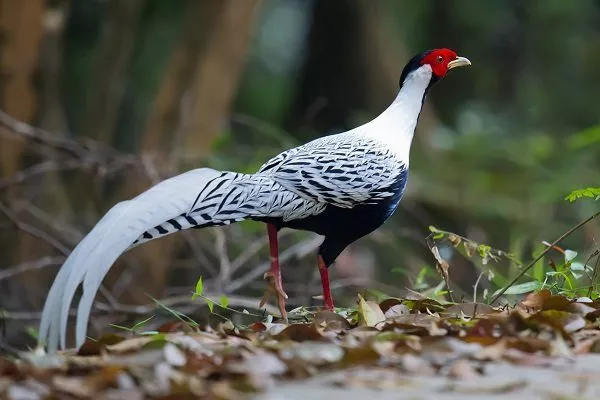
Silver Pheasant
This meat breed was brought to us from China. It is distinguished by its dense plumage, making it easily adaptable to cold weather. The Silver Pheasant weighs between 2 and 6 kg and lays around 50 eggs per season, but only 6 eggs are bred to the hen, which increases egg production.
Males are known to be very pugnacious, so they are housed in separate cages. Otherwise, the breed is easy to care for.
There are some nuances that need to be followed:
- they love to swim, so they need a pond;
- It is advisable to feed them with food for chickens and geese - this way they grow better;
- Even in winter they don't need to insulate their houses or protect them from strong winds.
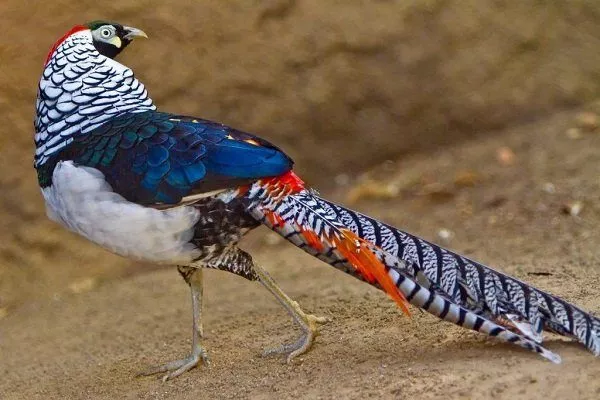
Diamond Pheasant
The breed's advantage is its ornamental value, but raising it for meat is pointless due to its small size. Males weigh only 1 kg, while females weigh half as much. The breed is believed to have originated in China. Diamond pheasants have difficulty withstanding frost, so poultry houses require insulation.
Egg production is low—up to 30 eggs per season—so they are given antibiotics. Care instructions:
- Keep individuals of different sexes together, but in pairs, since birds are monogamous (they do not change partners for several seasons);
- Do not separate the males after the pheasants hatch - they are actively raising their offspring;
- Don't be afraid to enter the enclosure - this is one of the calmest breeds, even to the point of being picked up;
- the diet is simple - like that of chickens;
- Add fish oil and phosphorus to the food – otherwise their weight will be minimal.
The diamond pheasant is not picky about food – the bird consumes all grain crops.
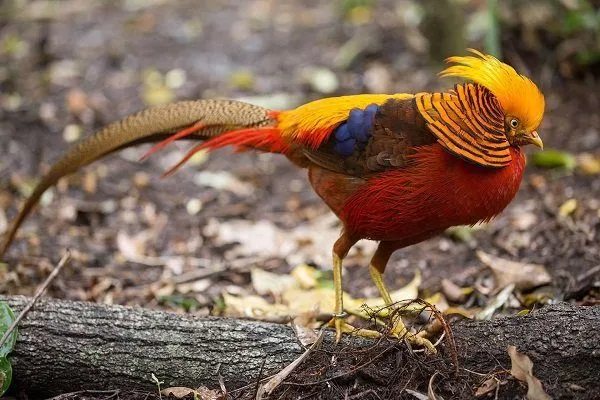
Golden Pheasant
Another ornamental breed from the highlands of China, this one weighs the same as the previous one and lays even fewer eggs per season – 20-25. However, some believe that in adulthood, under proper conditions, the number can reach 40-45.
Peculiarities:
- They need to be kept in separate cages or one aviary, but with partitions, as the birds are too active;
- The golden pheasant can withstand extremely cold weather (-35°C), so the house does not need insulation;
- They have a weak immune system, so you will have to closely monitor the birds' condition and carry out preventative measures.
Keeping chicks
Regardless of the method used to hatch pheasant chicks (incubator or natural hatching), they require special care. After purchasing new birds from another breeder, they must be quarantined for a month.
- ✓ Activity and quick response to stimuli.
- ✓ Smooth, defect-free downy coat.
- ✓ Clear eyes, without discharge.
How to properly care for baby pheasants:
- Temperature conditions. For the first three days, keep them in a box where the thermometer reading will be between 27 and 28°C. Then, lower the temperature by 1 degree each day until it reaches 20°C.
- Lighting. Too much light is harmful to pheasants, as it can cause them to become cannibalistic. Therefore, no lamps are needed. If the chicks are kept under a brooder, only 4-5 hours of light per day are needed.
- Space. Chicks can crowd each other. To prevent this, house them in a box with 25-30 chicks per square meter. After three weeks, increase the number to 15 chicks per square meter.
- Humidity. Optimal indicators are 70%.
- Water. Unlike other birds, pheasants are immediately given cool water. It must be available at all times and always clean.
- Timidity. You can’t make any sudden movements – the chicks will get scared.
Feeding pheasants
The diet is formulated to meet all the bird's needs. Pheasants must enjoy the food, otherwise they will refuse it. The average daily food intake ranges from 50 to 150 grams. This depends on the age and breed (larger birds require more).
Basic rules
It is unacceptable to make a mistake with the dosage when feeding pheasants, as this immediately leads to a deterioration in the general condition due to metabolic disorders.
Nutritional requirements:
- give berries, fruits and vegetables, but only those of local origin - no exotic ones;
- carefully examine the grass, as not all of it is suitable for this bird; dandelions, plantains, and chamomile are optimal;
- allowed to feed food leftovers (porridge, salads, soups, etc.), but only if they are not spoiled and do not contain synthetic additives, GMOs, colors and flavors;
- add gravel to whole grain feed – it should make up 0.5% of the total weight;
- introduce minerals – manganese, zinc, iodine, iron, cobalt, copper;
- Make sure that the birds receive vitamins B, K, E, C, A, D.
Feeders and drinkers
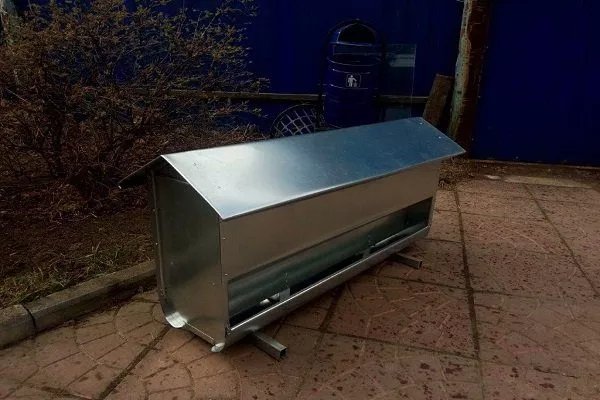
To save on food, you need to choose the right feeder—some models waste some food. The following types are ideal for pheasants:
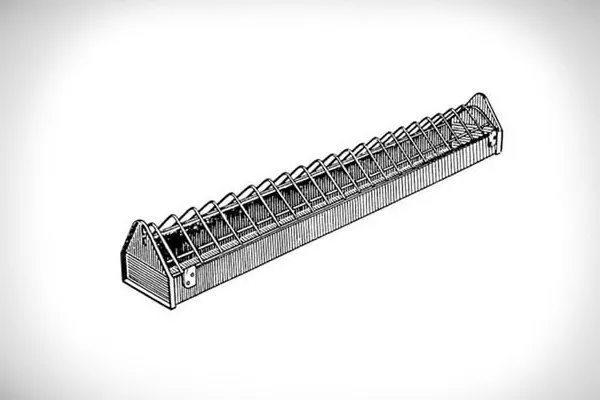
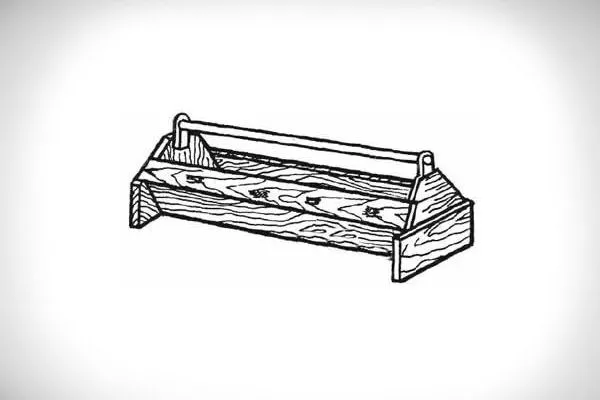
- Grooved. This is a structure that the bird can't reach with its feet, but will take as much food as it needs to satisfy its hunger. The device has side walls that are lower than the ends, allowing for a spinner to be installed. It should be filled with food 2/3 full.

- Tray. Most often used for young animals, the tray width should not exceed 30 cm.
- Bunker. This is a container containing special dividers - birds can only put their heads through.
The preferred materials for drinking bowls are plastic and glass. The capacity should range from 1 to 10 liters, depending on the flock size. The following varieties are suitable for pheasants:
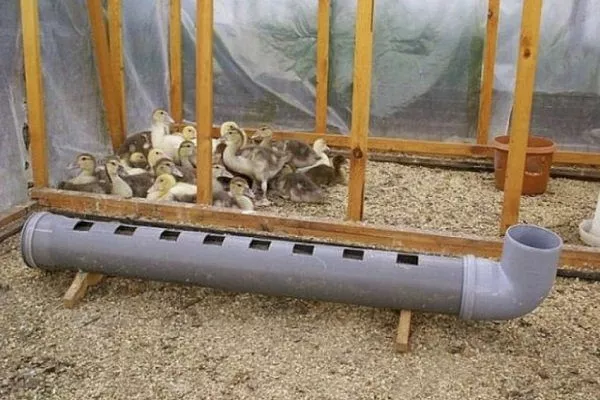
- grooved – consists of one oblong container (for example, a plastic pipe), in the upper part of which holes are made for the beak – convenient and clean;
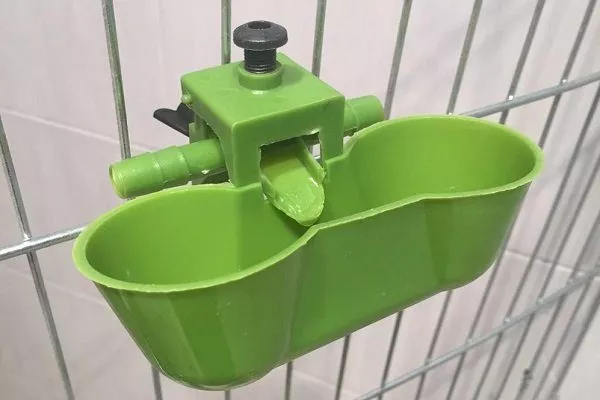
- cup-shaped – a container installed on the floor or attached to the wall;
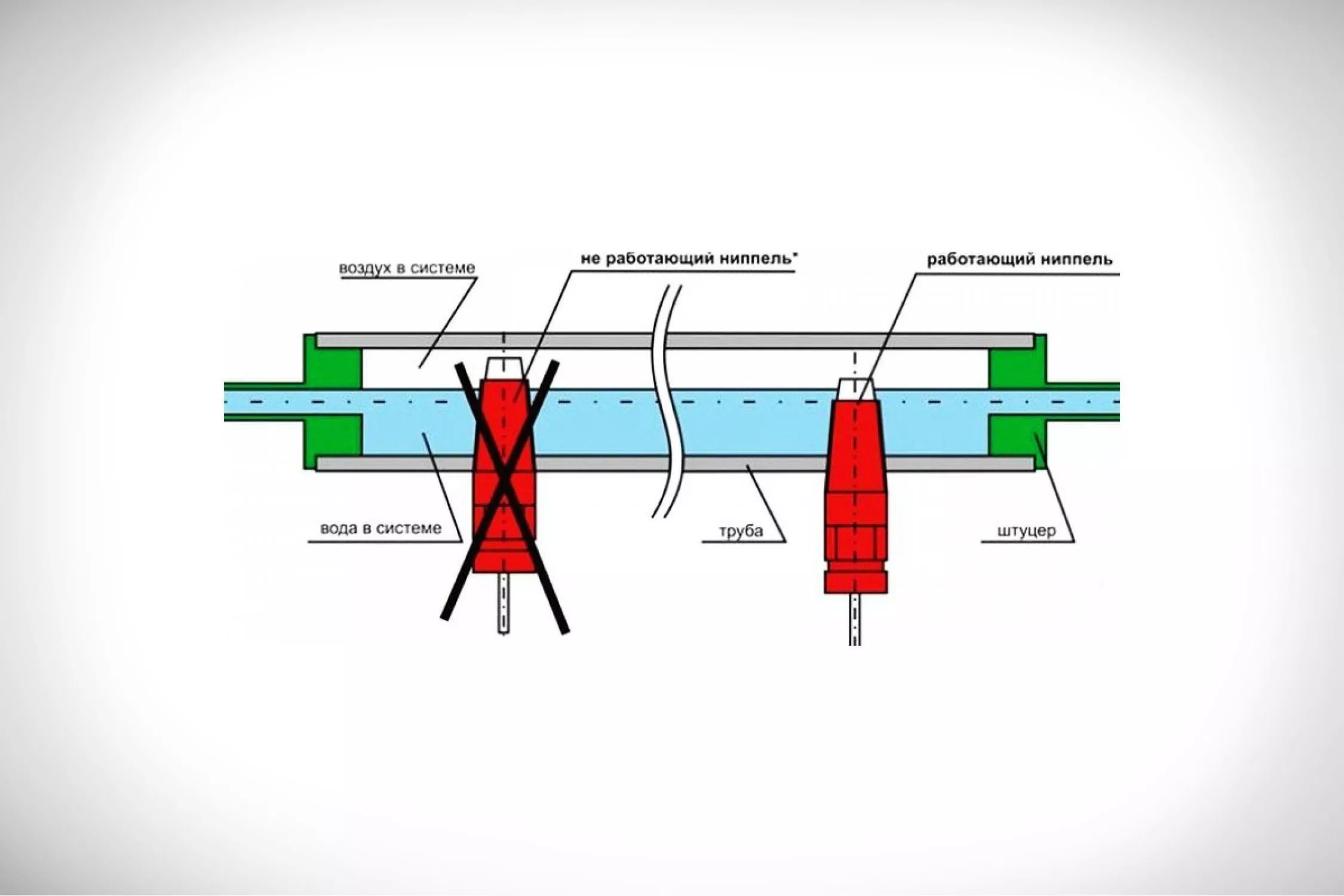
- nipple – is a system in which water is supplied by pressure (the system is automatic – when the liquid level drops, water is filled);
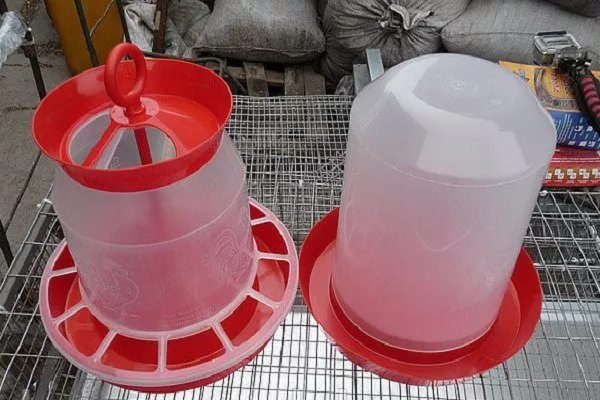
- vacuum – used up to 3 months of age, this is a small container with a ring chute.
Diet
If birds are kept in an aviary, they will be able to forage for some food themselves. These include insects, leaves from shrubs, grass (which must be sown), and insect larvae. In general, the diet should consist of the following components (for an adult bird):
| Type of feed | The norm for 1 head per day in the autumn-winter period | The norm for 1 head per day in spring and summer |
| Concentrated feed (grain crops) | 50 g | 45 g |
| Juicy food (vegetables, fruits, grass and other vegetation | 10 g | 20 g |
| Mineral additives (lime, salt) | 3 g | 3 g |
| Animal food (meat and bone meal), minced meat, cottage cheese, etc.) | 6 g | 9 g |
| Vitamin elements (yeast and fish oil) | 3 g | 2 g |
To avoid buying concentrated feed, farmers prepare their own food. See the table for its ingredients:
| Product | The norm for 1 head per day in the autumn-winter period | The norm for 1 head per day in spring and summer |
| Corn grain | 40 g | 40 g |
| Wheat | 20 g | 20 g |
| Bran | 14 g | 9 g |
| Sunflower cake | 10 g | 15 g |
| Meat and bone meal | 3 g | 5 g |
| Fish meal | 10 g | 10 g |
| Nutritional yeast | 3 g | 1 g |
Feeding chicks
Immediately after hatching, chicks are fasted for 3-4 hours. After this, they are introduced to feed containing the following components in the following percentages:
- protein mixture – 40%;
- boiled chicken eggs – 35%;
- finely grated raw carrots – 10%;
- finely chopped nettle or lettuce greens – 14%.
Features of weekly feeding:
- eggs should be given only for the first 3 days, then as desired;
- The above mixture is fed during the first 7 days (except for the egg) 5 times a day, dividing the daily norm;
- in the second and subsequent weeks, feed 4 times a day, but introduce ground grain crops (preferably rye, wheat, millet, clover seeds, and always in ground form);
- After a month, gradually switch to 2 meals a day.
There are norms for feed consumption by weight for 10 pheasants per day:
- in the first 7 days – from 20 to 70 g, depending on the breed;
- in the second week – from 70 to 90 g;
- for the third - from 90 to 135 g;
- for the fourth - from 135 to 200 g;
- for the fifth - from 200 to 300 g;
- from sixth to ninth – from 300 to 350 g.
Features of content depending on the purpose
Pheasants are kept for various purposes—primarily for meat, hunting, and taxidermy. Depending on these purposes, the following rules apply:
- Meat breeds are placed in enclosures or cages and fed intensively;
- Birds for hunting and sale must be kept in more spacious conditions with a high “ceiling” – in order to fly;
- If pheasants are needed for their feathers, they are given special glasses to prevent them from fighting and are kept in separate cages;
- To breed and obtain a large number of eggs, pheasant families are set up, consisting of 1 male and 4-5 females.
Pheasant diseases, their treatment and prevention
If you take proper care of your bird, it won't get sick unless other birds bring in an infection. diseases you should be wary of:
- Smallpox. Viral infection increases the risk of death. Symptoms include a rash on the feet and head, feather loss, and labored breathing. Treatment involves antiviral medications, which are selected individually. Lugol's solution is used to treat the rash.
- LaryngotracheitisIt is transmitted through contaminated water and feed. Pheasants lose their appetite and have difficulty breathing. They cough and sneeze, and their eggs have fragile shells. A specific antiviral medication is prescribed only after laboratory tests are received.
- Dermatitis. The cause is an injury, which leads to inflammation. The skin at the site turns red, followed by the formation of a brown crust. This process is protracted, leading to birds pecking at the affected areas.
Antibacterial agents and vitamin complexes are prescribed for treatment, and iodine is used to lubricate wounds. - Aspergillosis. A fungal disease that affects the air sacs and bronchi. Symptoms include the bird constantly drinking water, and its feet and beak turning blue. Antifungal medications are used to control the fungus.
- Emphysema. It occurs when the walls of the air sac rupture, causing swelling on the body. The bird becomes immobile and stops eating. Treatment involves applying a tight bandage to the pheasant, puncturing the swelling, and treating it with any antiseptic.
- Scabies. Transmitted by ticks. It can be recognized by the disappearance of feathers on the head (initially) and the formation of a chalky white coating. Treatment is with Neguven applied topically.
The only pests that cause infestations are feather lice, which infest the birds' feathers. These insects are spread by midges and mosquitoes. In the early stages, they can be killed by bathing the birds in wood ash; in later stages, insecticides are required.
You can learn about disease prevention in pheasants in the following video:
Knowing all the rules for keeping pheasants, you can quickly breed them for personal use or business. Despite their demanding nature, the birds are easygoing, quickly recouping their investment, and become a farmer's pride.