
Pheasants are susceptible to various infectious, viral, and invasive diseases, which can lead to population declines. Every poultry farmer should be aware of the symptoms of a particular disease in order to promptly treat the condition and cure the birds.
Non-communicable diseases
Non-contagious pheasant diseases are dangerous only to individual birds, as they are not caused by viruses or bacteria, but rather by poor housing and feeding conditions. Some non-contagious diseases can also cause decreased egg production and meat yield in pheasants.
| Name | Symptoms | Treatment | Prevention |
|---|---|---|---|
| Clogging of the goiter | Lethargy, loss of appetite, thirst | Goiter massage, surgery | Feeding control |
| Frostbite | Swelling of the extremities, itching | Warm room, ointments | Protection from the cold |
| Runny nose | Sneezing, mucus production | Warm water with vitamins | Avoiding drafts |
| Cannibalism | Pecking of eggs, wounds | Wound treatment, isolation | Optimal conditions of maintenance |
| Delayed egg laying | Blood in stool, abdominal tension | Warm baths, massage | Warm room, balanced diet |
| Emphysema | Blisters under the skin, heavy breathing | Puncture of bulges | Limited mobility |
| Cloacite | Change in droppings, thirst | Oils, salt solutions | High-quality food |
| Dermatitis | Redness of the skin, crusts | Wound treatment, vitamins | Hygiene |
| Gout | Discomfort when walking, nodules | Opening knots, soda | Balanced nutrition |
Clogging of the goiter
The disease develops when the passage from the crop to the stomach becomes blocked. This condition is usually caused by overfeeding or feeding dry food. Occasionally, birds accidentally swallow foreign objects. Severe straining causes the crop to become unable to function properly, resulting in a noticeable hardening upon palpation. The bird becomes lethargic, loses its appetite, and becomes extremely thirsty.
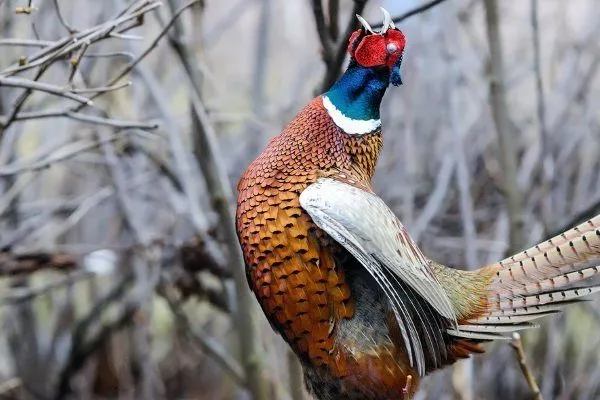
To resolve the problem, try to push the stuck object into the stomach by massaging the crop. If this fails, surgery will be necessary. Call a veterinarian for professional assistance, opening the crop and removing the foreign body.
Frostbite
Frostbite causes severe swelling and itching in birds' limbs. This causes the pheasant to peck the limb down to the bone, causing severe bleeding. Large sections of the bird's legs die.
Reliable protection from low temperatures will help prevent frostbite in birds kept in an aviary during winter. Move birds with frostbitten feet to a warm room, but with a slight difference in temperature between the inside and outside. Apply oxytetracycline ointment, lard, or petroleum jelly to the frostbitten feet.
Runny nose
A runny nose is a common ailment in pheasants. Observing the bird can help identify the condition—infected birds exhibit frequent sneezing and increased mucus production from the nostrils.
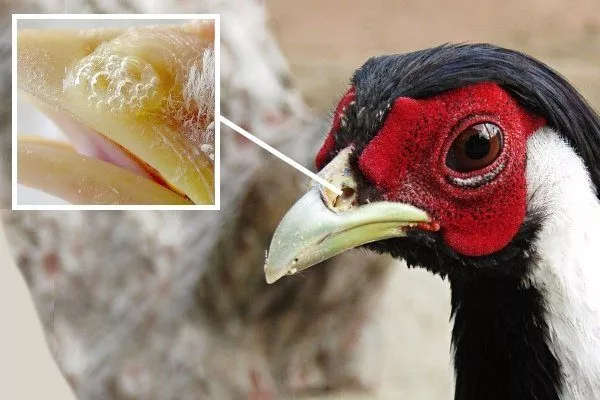
Advanced cases of the disease cause the feathers to stick together near the cere, forming small bumps that eventually burst and bleed. The bird rubs its beak against the protruding surfaces, begins to shake its head, and breathe heavily. A runny nose is often caused by sudden hypothermia or drafts in the poultry house.
First, eliminate the cause of the runny nose. Fill the water bowls with warm water and add vitamins or antibacterial medications.
Cannibalism
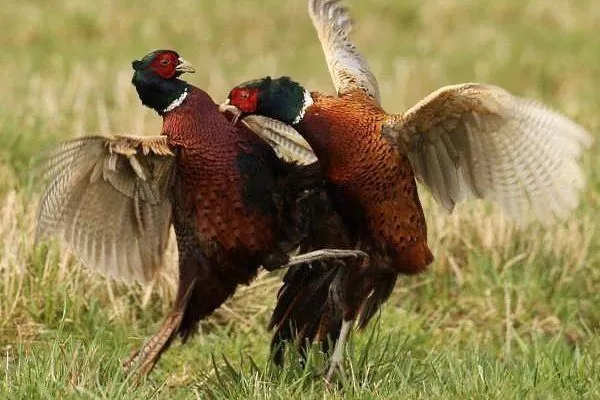
Cannibalism is an unpleasant affliction that occurs for a variety of reasons, including overcrowding, insufficient feed, excessive lighting, and poor diet. Pheasants peck and eat eggs, and inflict wounds on each other's heads, necks, legs, and vents.
Several steps can help get rid of the disease: treat wounds with antiseptics and remove the most aggressive individuals.
Delayed egg laying
Delayed egg production often occurs in laying hens in the spring. This condition can cause birds to suffer for up to a week and can be fatal. Hens suffering from delayed egg production often cower in the corners of the house, refusing to go outside.
You can identify the condition by the feces, which show signs of bleeding and abdominal tension (when palpated). This problem can be caused by vitamin deficiency, the formation of large eggs, or hypothermia.
Warm baths, abdominal massage, and cloacal lubrication with Vaseline can help combat the problem. For prevention, it's recommended to keep the birds in a warm room and provide them with a balanced diet.
Emphysema
The disease causes pheasants to develop swellings on various parts of their bodies that can be easily displaced under the skin when pressed with the fingers. If the swellings are punctured, air escapes. The disease is accompanied by labored breathing, minimal mobility, and a refusal to feed. The disease is caused by a mechanical rupture of the air sac wall.
During treatment, restrict the bird's mobility: place it in a small cage and secure its wings with a bandage. Repeatedly piercing the swellings and applying antiseptic solutions to the affected areas will help combat the disease.
Cloacite
This is an inflammatory process in the mucous membrane of the cloaca. The first symptoms are observed with a change in the nature of the droppings. Cloacitis is caused by the consumption of feed that is difficult for the gastrointestinal tract to digest, delayed egg production, excessive amounts of gravel and sand, and the ingestion of a foreign object. Birds become passive and depressed, thirsty and short of breath, and have loose or hardened stools that form lumps.
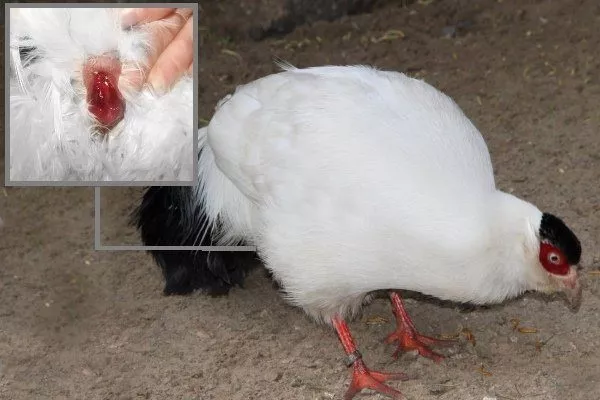
To treat pheasants' cloacitis, place 1-2 drops of castor, olive, or paraffin oil in their beaks. Also, add a solution of Carlsbad or Glauber's salt to the water at a ratio of 1 to 200.
Dermatitis
Pheasants often suffer skin damage and inflammation from blows, bruises, and fights. Such injuries are rarely treatable—the animal constantly pecks at the affected area, leading to irritation. The affected area of skin becomes red and hardened, developing a brown or gray-yellow crust. The bird is prone to plucking feathers from the affected area. Bleeding occurs in these areas.
Treat minor wounds with ferric chloride, cauterize with a lapis pencil, or iodine tincture. Periodically apply synthomycin emulsion to the affected area. Simultaneously, administer vitamins and antiallergic medications to the animal.
If this does not yield any results, be sure to call a veterinarian who will conduct a bacteriological study for the presence of pathogens causing colibacillosis or staphylococcosis.
Gout
Gout in pheasants is an unpleasant, non-contagious disease that causes discomfort when walking. The animal also suffers from intestinal upset, caused by the deposition of salts as a result of kidney dysfunction. You may notice that the birds refuse to eat, drink excessively, have runny droppings, and develop round nodules on the joints of their feet and claws.
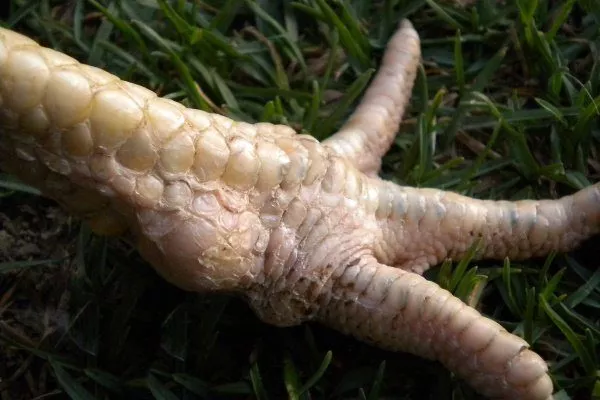
Treatment involves opening the nodules and removing their contents. Feed the pheasants a 2-3% baking soda solution.
Injuries: fractures, sprains, bruises
The injured limb often hangs, and muscle tears are visible upon palpation. Open fractures can bleed, and sometimes the limb is held in place solely by the skin. Birds are especially susceptible to fractures during molting, as the calcium content of the long bones decreases.
- ✓ Optimal stocking density of birds: no more than 3-4 pheasants per 1 m² to prevent stress and cannibalism.
- ✓ Humidity level in the poultry house: should be maintained within 60-70% to prevent respiratory diseases.
Often, broken toes heal without any intervention, but sometimes the fractures heal improperly, causing the toes to become crooked. If the limbs are completely broken, it's best to dispose of the bird.
For fractures of the lower limbs, use splints for fixation, apply a plaster cast, and fasten the bones with a pin.
- Immediately isolate the sick bird from the healthy ones.
- Disinfect the premises and equipment.
- Contact your veterinarian for accurate diagnosis and treatment.
Infectious diseases
Infectious diseases and their treatment require a thorough examination of pheasants and an analysis of their symptoms. This will allow the poultry farmer to accurately diagnose the condition and initiate appropriate treatment. In certain cases, it is recommended to immediately seek the help of an experienced veterinarian.
| Name | Symptoms | Treatment | Prevention |
|---|---|---|---|
| Pasteurellosis | Diarrhea, pneumonia | Destruction of sick birds | Antibiotics |
| Smallpox | Papular rash, blindness | There is no treatment | Vaccination |
| Aspergillosis | Unsteady gait, cramps | Quarantine, slaughter | Disinfection |
| Coccidiosis | Bloody diarrhea, disheveled hair | Medicines | Hygiene |
| Botulism | Paralysis, diarrhea | There are no methods | High-quality food |
| Scab (favus) | Crusts, exhaustion | Fungicidal ointments | Disinfection |
| Marek's disease | Lethargy, paralysis | There is no treatment | Vaccination |
| Newcastle disease (pseudoplague) | Paralysis, convulsions | There is no treatment | Vaccination |
| Infectious laryngotracheitis | Difficulty breathing | Antibiotics | Vaccination |
| Spirochetosis | Fever, paralysis | Antibiotics | Hygiene |
| Respiratory mycoplasmosis | Swelling of the larynx | Antibiotics | Optimal microclimate |
| Salmonellosis | Conjunctivitis, gastrointestinal disorder | Destruction of sick birds | Vaccination |
| Colic bacillosis | Dehydration, diarrhea | Antibiotics | Hygiene |
| Psittacosis (ornithosis) | Drowsiness, diarrhea | There is no treatment | Hygiene |
Pasteurellosis
This is a dangerous bacterial infection caused by pathogens that enter the bird's body, leading to septicemia. Affected birds suffer from elevated body temperature and lesions of the mucous membranes of the respiratory and gastrointestinal tracts.
A characteristic symptom of the disease is severe diarrhea. Infected birds develop lung inflammation, and foamy discharge comes from their beaks. This usually leads to death from severe dehydration within a few days.
Treating sick birds is practically pointless. At the first sign of symptoms, veterinarians recommend culling the affected birds. The remaining flock is given broad-spectrum antibiotics as a preventative measure.
Smallpox
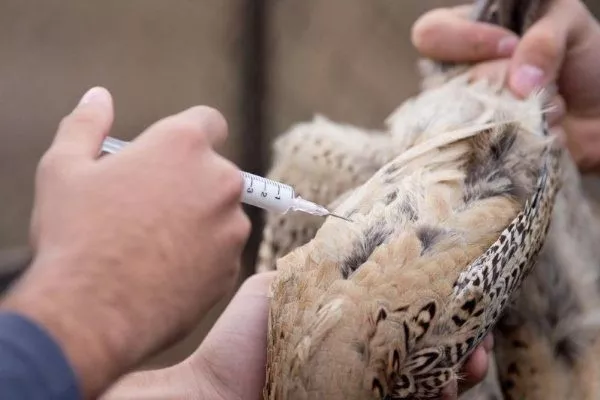
Smallpox can be transmitted by sick birds, humans, and insects. It is a dangerous and contagious infection that causes papular lesions to appear on the skin and mucous membranes of infected birds. Infection of the mucous membranes of the upper respiratory tract can cause difficulty breathing. The disease often affects the eyes of birds, causing them to go blind. Infected animals become emaciated and die.
This disease is incurable. In some cases, specialists recommend administering antibiotics to birds as a preventative measure. Vaccination is considered the best preventative measure.
Aspergillosis
Aspergillosis is caused by the spread of fungi in feed, water, and bedding. It is a disease that can develop in acute or chronic forms. Infection occurs through the respiratory tract. The incubation period lasts from 3 to 10 days. Affected birds die within 2 to 6 days. Aspergillosis most often affects young birds.
When infected, birds become unsteady, exhibit convulsions, lethargy, and paralysis. Affected birds become virtually motionless, sneeze frequently, raise their heads, and breathe heavily. The main symptoms are foamy discharge from the mouth and nose, and digestive upset.
Treatment is not provided. Control measures include quarantining sick birds and then slaughtering them. For prevention, disinfect the room using sodium hydroxide, formaldehyde, and Virkon-S. Also, feed the birds only fresh, high-quality feed, keep the water clean, and disinfect the incubator frequently.
Coccidiosis
Coccidia is a common disease caused by coccidia parasites. Birds often suffer from the disease in the summer and spring. Both young and adult birds are susceptible. Affected birds suffer from depression, lethargy, and loss of appetite. Digestive upset with bloody diarrhea and ruffled feathers are also common. Coccidia is caused by keeping birds in cramped quarters, infrequent house cleaning, and contaminated water and feed.
For prevention, give the birds Cocciprodin for two days, administer Baycos and Avatec, and regularly disinfect the coop and equipment. For control, use Furazolidone, Furacilin, and Norsulfazole.
Botulism
This is an acute infectious disease of pheasants that causes damage to the nervous system. Botulism typically affects birds living in the wild. However, in rare cases, the disease can be contracted by birds living in commercial farms. Symptoms are noticeable within a few hours of consuming contaminated feed. Affected birds suffer from diarrhea and paralysis of the limbs and neck.
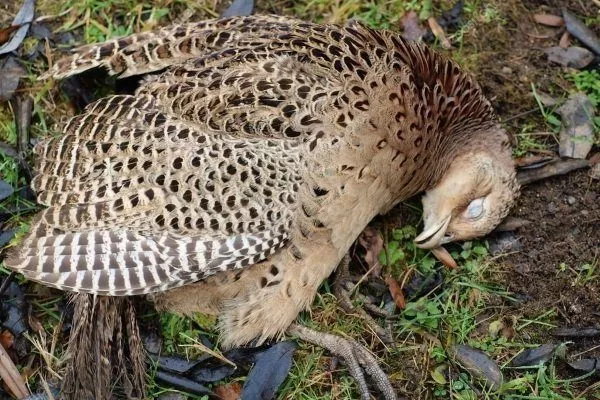
Botulism has a high mortality rate, especially when the bacteria are present in high concentrations in feed. There are no treatment options. Prevention requires monitoring the quality and freshness of feed.
Scab (favus)
This is a fungal disease transmitted by contact through skin wounds. The incubation period lasts three weeks. The disease is caused by contact with sick birds or contaminated equipment. Gray-white crusts appear on the birds' toes, and crusts are also visible on the eyelids and other areas where feathers are missing. The animals become emaciated and develop scabs.
Treatment for scab involves treating wounds with fungicidal ointments and iodoglycerin. Animals are also given the medication griseofulvin, general tonics, and vitamins.
To prevent infection, regularly disinfect the premises and equipment, promptly move sick birds to quarantine, and irradiate them with ultraviolet light.
Marek's disease
This is a contagious viral infection that most commonly affects young birds under 5 months of age. It is spread through the air through direct contact with an infected bird or carrier. It is caused by contaminated equipment and bedding. Symptoms include lethargy, weakness, loss of appetite, difficulty walking, and lameness. In severe cases, pheasants suffer from paralysis of the legs or blindness.
There is no cure for Marek's disease. Dispose of affected birds. To prevent the spread of the disease, maintain proper housing conditions and take preventative measures. Quarantine newly acquired birds to identify sick animals. Also, remember to vaccinate your pheasants.
Newcastle disease (pseudoplague)
This is a common viral disease. When infected, the bird's nervous system is affected, leading to severe encephalitis, paralysis, and seizures. Affected pheasants become immobile, lose their appetite, develop diarrhea, and develop mucus discharge from their beaks. They experience difficulty breathing and tilt their heads back.
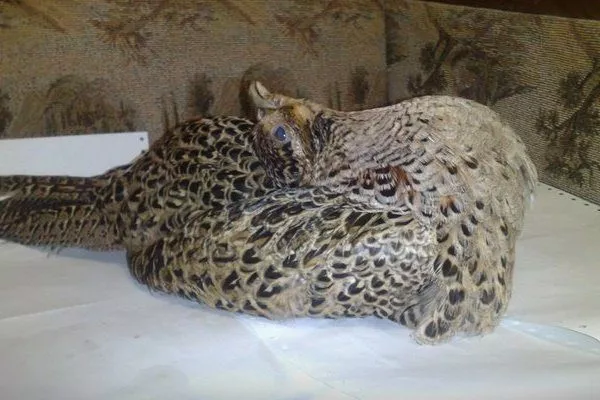
There is no cure for this disease. Cull sick pheasants at the first sign of symptoms. Be sure to conduct routine or final disinfection of the premises and equipment. Before introducing new birds to the farm, be sure to quarantine them first. Prompt vaccination is a preventative measure.
Infectious laryngotracheitis
A viral disease transmitted by contact between healthy and sick birds. Recovered pheasants can carry the virus for up to two years, posing a risk to healthy pheasants. During the disease, animals experience difficulty breathing and general deterioration. Fibrinous films are visible on the mucous membrane of the larynx and pharynx, which can cause suffocation. Birds lose their appetite, their productivity declines, their eyelids swell, and their eyes water. A large number of birds die.
Immediately separate sick birds from healthy ones and monitor their condition. Treat sick birds with antibiotics. Vaccinations can help prevent the disease from developing, as they maintain immunity for a year.
Spirochetosis
Spirochetosis is a dangerous, acute disease caused by the spirochete bacteria. It is transmitted by poor sanitary and hygienic practices and contact with infected birds. The incubation period lasts 4-10 days. The disease is accompanied by fever, digestive upset, convulsions, bluish discoloration of the mucous membranes, paralysis, and elevated temperature. Affected birds refuse to eat and have ruffled feathers.
Treatment involves intramuscular administration of arsenic at a dose of 0.2-0.5 mg per kg of body weight. Other medications used include Novarsenol, Chlortetracycline, and Osarsol. Antibiotics include Disulfan, Penicillin, and Morphocycline.
Respiratory mycoplasmosis
Respiratory mycoplasmosis is a disease that affects the respiratory tract of chicks aged 2 to 4 months. Adult birds are occasionally affected. The disease is caused by increased dust in the coop, sudden temperature fluctuations, poor ventilation, dampness, and an unbalanced diet. Birds experience stunted growth and decreased egg production. Affected pheasants refuse to eat, exhibit visibly swollen throats, and have nasal discharge.
To prevent infection, maintain an optimal microclimate in the poultry house, observe sanitary and hygienic rules, and provide adequate feeding for the animals. Treatment involves the use of tetracycline antibiotics and furazolidone, with notification to the veterinary service.
Salmonellosis
Salmonellosis is a dangerous disease caused by the Salmonella bacteria. It is caused by contact with infected poultry, poor sanitation, overcrowding, or dirty water. The incubation period lasts 3-5 days. In animals, the gastrointestinal tract is affected. The disease can be accompanied by pneumonia and arthritis. Symptoms include drowsiness, conjunctivitis, lethargy, matting of downy hairs in the vent area, impaired coordination, and gastrointestinal upset.
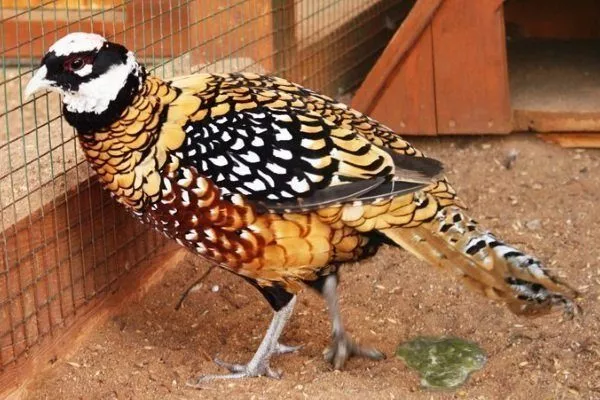
To combat salmonellosis, cull sick birds, disinfect the room and equipment, and treat the floor with slaked lime. For prevention, administer antibiotics to birds that have been in contact with sick birds. Timely vaccinations and bacteriophage spraying are also important. Monitor the quality of feed and water.
Colic bacillosis
The disease develops when pathogenic bacteria of the genus E. coli are ingested with feed. Young birds are often affected. The infection typically manifests as severe sepsis. Affected birds become weak, become inactive, and lose their appetite. Colic bacillosis is also accompanied by dehydration and severe diarrhea. The mortality rate is very high.
Timely administration of antibacterial drugs offers a high chance of saving the animals. Veterinarians prescribe broad-spectrum antibiotics. Sick birds are isolated from the rest of the flock. Clean and disinfect the poultry house and all equipment, and change the bird litter regularly.
Psittacosis (ornithosis)
Pheasants are often susceptible to psittacosis, a viral infection transmitted by infected birds through airborne droplets, contaminated feed, and contaminated water. Affected birds become lethargic and move little. Psittacosis occasionally causes digestive upset, such as diarrhea. The mucous membranes of the eyes and air sacs are affected. Mortality rates are high, especially among young pheasants.
Treatment is impossible. Immediately transfer sick animals to a quarantine facility. Destroy sick birds, as they are dangerous to humans. There is no vaccination against the disease. The only preventative measure is the prompt removal of sick birds. It is also important to adhere to animal welfare regulations.
Parasites
When birds become infected with parasites, they often suffer from digestive upset. To properly treat the bird, it's important to first determine the type of parasite causing the diarrhea. Parasites can also cause changes in the pheasant's appearance, such as if they are infested with mites.
| Name | Symptoms | Treatment | Prevention |
|---|---|---|---|
| Lice | Insects on feathers | Sulfur powder, ash | Sand baths |
| Helminthiasis (worms) | Digestive upset | Isolation, antibiotics | Hygiene |
| Tick-borne respiratory disease | Cough, shortness of breath | Treatment with drugs | Hygiene |
| Knemidocoptic mange (scabies) | Skin overlays | Ointment, vitamins | Hygiene |
| Histomoniasis | Exhaustion, yellow droppings | Medicines | High-quality food |
Lice
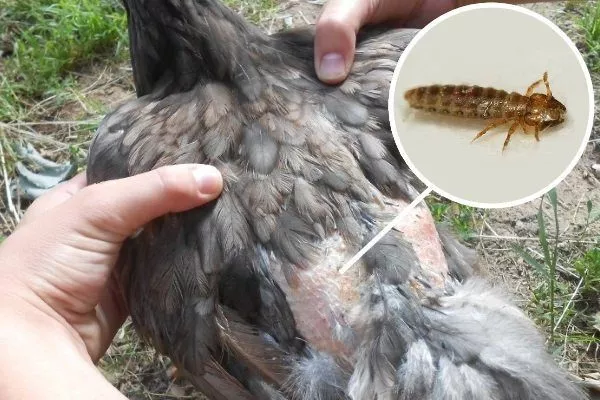
Lice are small insects similar to lice. These parasites infest the feathers of birds. They are transmitted by mosquitoes and midges, with the larvae attaching to the legs of these insects. Pheasants typically become infected during the warmer months. Healthy birds are able to regularly clean their feathers of these pests by bathing in sand.
If your pheasants have lice, add sulfur powder and ash to the sand bath. For severe infestations, it's recommended to treat each bird individually with a mixture of medications: 3-4 g of pyrethrum, 2-4 g of 1-2% Sevin, and 10 g of disinsectalin per adult.
Helminthiasis (worms)
Pheasants are often affected by helminths such as cestodes, ascariasis, signamus trachea, heterakis, trichostrengylus, and capillaria.
Experts who have examined birds for helminthiasis can help combat helminths. Isolate sick pheasants promptly from healthy ones. To prevent overcrowding, avoid overcooking young pheasants and ensure they are not exposed to cold. Provide the animals with a varied, nutritious diet, including vitamins and broad-spectrum antibiotics.
Raise young birds separately from adults. Keep the poultry houses clean and disinfect them regularly.
Tick-borne respiratory disease
This disease in pheasants is caused by mites that infest the trachea, abdominal air sacs, and bronchi. Affected birds suffer from coughing, shortness of breath, and weight loss. Sometimes, the birds die from suffocation.
Various inhalable products can help remove mites from feathers. Treat sick birds regularly – once a week. Treat pheasants that come into contact with sick birds only once. A 5% dust is considered the best mite control product.
Knemidocoptic mange (scabies)
Mange is a common disease among pheasants. It is caused by mites. Initially, the bird's head is affected: expanding gray-white deposits extend from the corner of the beak. Gradually, they spread completely to the beak, cere, and eye area. The head becomes bald. Subsequently, the disease spreads to the limbs, cloaca, and the entire body.
Treatment involves removing crusts from the affected area using tweezers and applying an ointment—either birch tar or a 0.15% Neguven solution. To maintain the animal's vitality, add vitamin supplements to the drinking water.
Histomoniasis
Infection is caused by food, but the disease is also spread by insects and earthworms. The incubation period lasts 2-4 weeks, after which the birds become weak, their plumage takes on a dull tint, and their droppings turn yellow. This leads to malnutrition and blackening of the scalp.
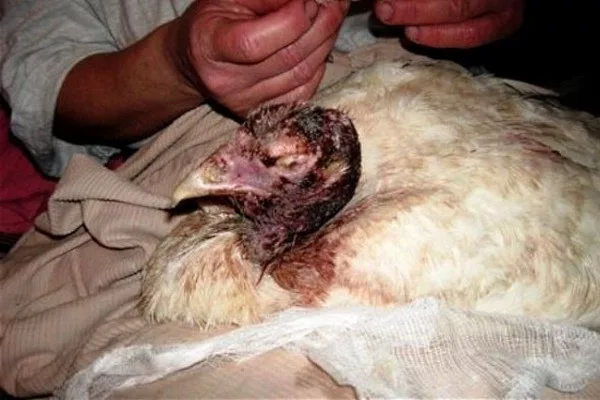
For treatment, use Engeptin for two weeks at a dose of 0.1% per kg of feed. Furazolidone is also recommended at a dose of 0.04% per kg of feed for the same period.
Hypovitaminosis (deficiency of vitamins and minerals)
Pheasants often suffer from hypovitaminosis—a deficiency of vitamins and minerals in their diet. Problems also arise from a lack or excess of protein. To overcome this condition, you need to know how to increase or decrease these nutrients.
| Name | Symptoms | Treatment | Prevention |
|---|---|---|---|
| Hypovitaminosis A | Weakness, conjunctivitis | Vitamin A concentrate | Herbal flour |
| Hypovitaminosis D | Rickets, osteomalacia | Vitamins A and D | Fish oil, shell |
| Hypovitaminosis H | Dermatitis, weakness | Meat and bone meal | Yeast, greens |
| Hypovitaminosis E | Cramps, weakness | Vitamin E concentrate | Sprouted grain |
| Hypovitaminosis K | Hemorrhages, jaundice | Vikasol | Carrots, nettles |
| Hypovitaminosis B1 | Paralysis, weakness | Thiamine | Yeast |
| Hypovitaminosis B2 | Growth retardation | Riboflavin | Sprouted grain |
| Hypovitaminosis B3 | Skin inflammation | Pantothenic acid | Yeast |
| Hypovitaminosis B6 | Convulsions, tremors | Pyridoxine | Sprouted grain |
| Hypovitaminosis B12 | Indigestion | Vitamin B12 | Dairy products |
| Hypovitaminosis RR | Joint inflammation | Nicotinic acid | Yeast, meat |
Hypovitaminosis A
When birds are ill, their legs become weak, they lose weight, suffer from conjunctivitis, and become unsteady when walking. Treatment involves giving the bird a few drops of concentrated vitamin A orally for two to three weeks. Birds especially need vitamin A during the breeding season. For preventative purposes, include 8% grass meal from green legumes in their diet.
Hypovitaminosis D
With hypovitaminosis D, birds lose the ability to form normal bones. Young birds suffer from rickets, while adults suffer from osteomalacia. Rickets is recognized by stunted growth, bowed limbs, soft beaks and bones, and weakness. Pigmentation and feather formation are also affected. Osteomalacia manifests itself as severe limb weakness, and birds lay eggs with soft or missing shells.
To prevent rickets, feed birds nettles, fish oil, grass meal, bone meal, and eggshells. It is also recommended to irradiate young birds with PRK and EUV lamps. If rickets occur, give chicks a mixture of vitamins A (20,000 IU) and D (10,000 IU) dissolved in 1 ml of water. For 10 chicks, use 50 ml of the mixture.
Hypovitaminosis H
The disease manifests as dermatitis affecting the head and limbs of the animal. Pheasants have difficulty moving. Young birds suffer from delayed feathering and growth. For prevention, it is recommended to feed animals meat and bone meal, fish meal, green legumes, and yeast.
Hypovitaminosis E
Vitamin E deficiency often affects young pheasants aged 20-40 days. The animals experience impaired coordination, weakness, and convulsions. As a preventative measure, feed sprouted grain before peck. If the condition appears, eliminate low-quality fats from the diet and supplement with vitamin E concentrate at a rate of 40-150 mcg per bird.
Hypovitaminosis K
This disease is accompanied by jaundice, muscle and skin hemorrhages, loss of appetite, and dry skin around the eyes. Bloody discharge appears in the stool.
For prevention, include carrots, alfalfa, nettles, and clover in your pet's diet. If your pet is sick, add Vikasol to their feed at a rate of 30 g per 1 kg of dry food. Administer the medication for 3-4 days.
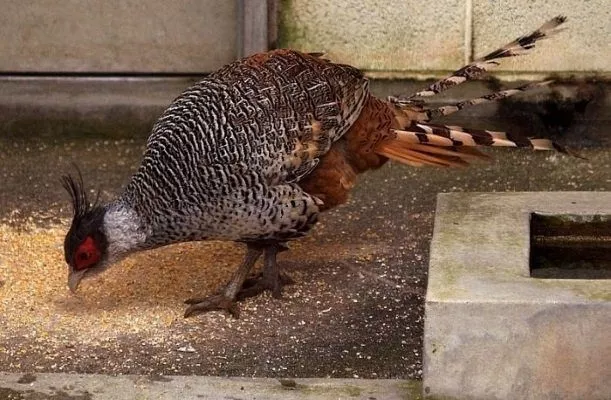
Hypovitaminosis B1
A vitamin B1 deficiency causes birds to suffer from limb weakness, weight loss, paralysis, and intestinal upset. Later, feathers begin to break, legs become weak, and gait becomes heavy.
Preventative measures include adding 4-5% dry yeast to the birds' diet. Treatment involves feeding adult birds 2 mg of thiamine daily.
Hypovitaminosis B2
This condition often affects young animals aged two weeks to a month. A deficiency of this vitamin manifests itself in stunted growth and lack of feathers. When walking, the animal leans on its hocks, and its toes are crooked.
Treatment involves adding riboflavin to the diet at a rate of 3-5 mg per bird for two weeks. For prevention, feed pheasants grass meal, sprouted grain, yeast, greens, and dairy waste.
Hypovitaminosis B3
With this disease, young pheasants experience emaciation, hair loss, inflammation of the skin at the corners of the beak, and eyelids sticking together due to discharge. Yeast is the best source of pantothenic acid. Pheasants require 9-15 mcg of yeast per 100 g of feed.
Hypovitaminosis B6
A vitamin B deficiency initially causes weakness in birds, drooping wings and heads, poor feather development, and stunted growth. Later, the disease leads to convulsions and tremors. To prevent this, supplement the diet with animal-based feed and sprouted grains. If the bird is ill, administer Pyridoxine at a dose of 0.3-0.5 mg per 100 g of feed.
Hypovitaminosis B12
A vitamin B12 deficiency can lead to decreased egg production and digestive problems. Include dairy products, meat and bone meal, and fish meal in your pheasants' diet. You can also supplement their feed with vitamin B12 powder, tablets, and ampoules. On average, one pheasant should require 10 mcg per day.
Hypovitaminosis RR
When pheasants are ill, their hocks become enlarged and inflamed, and the mucous membranes of the nasal cavity and eyes become inflamed. The birds lose feathers, and intestinal upset is observed. Treat the birds with niacin at a rate of 8-15 mg per bird per day. For prevention, include yeast, meat, and wheat bran in their diet.
Pheasants are prone to various diseases and parasites. To promptly identify the cause and detect illness, it's important to understand the symptoms and treatment methods. This will help save the bird or protect healthy individuals from death.