
Guinea fowl is an African bird that arrived in Europe as early as antiquity. Its meat, reminiscent of game meat, immediately found its place on the tables of European gourmets. It contains less fat than chicken, but significantly exceeds any other poultry in protein, amino acids, vitamins, and microelements, making it a suitable diet for children, the sick, pregnant women, and the elderly.
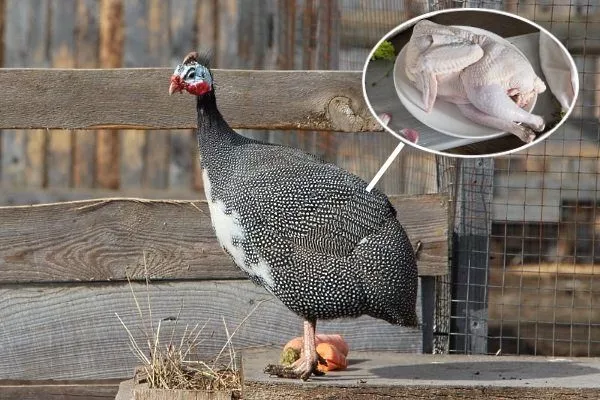
Types of meat
Guinea fowl are closely related to quail, turkeys, and chickens, all of which belong to the Guineafowl family. They were brought to Europe from southern and western Africa. Guinea fowl, and consequently its meat, can be:
- WildTypically found in Africa, its historical homeland. Wild birds are often hunted.
- Homemade or regularIt is bred in Europe and the CIS countries on modern farms. It is this type of meat that you will find on the shelves of butcher shops.
There are different breeds of guinea fowl in nature, but breeders are actively engaged in breeding several of them - gray-speckled, cream, Volga white, Zagorsk and white-breasted.
Appearance and taste
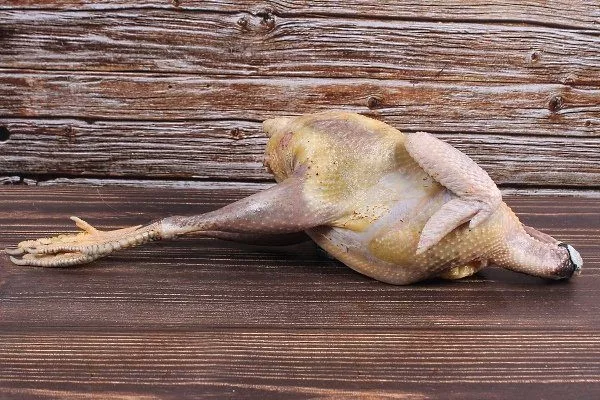
To identify a guinea fowl carcass, you need to know what it looks like. Here are the main characteristics:
- WeightBirds are typically slaughtered at 3-5 months of age, so they weigh a modest 1.5 kg. Of course, the older the bird, the plumper its carcass appears.
- SkinGuinea fowl have very thin skin, allowing the red meat to show through, which can make the carcass appear brown. The skin is also darker than that of chicken because it contains a large amount of myoglobin, a protein similar in structure and function to hemoglobin.
- ColorThe meat has a bluish tint, but this is nothing to worry about, as this color is due to its low fat content. Guinea fowl fillet contains a high amount of hemoglobin, which is why it may appear brown. After cooking, the meat lightens and becomes almost white.
- BonesGuinea fowl has fewer bones than chicken. They're also smaller, giving the carcass a rather petite appearance.
Guinea fowl tastes more like pheasant or game than chicken, as it has less liquid (only 74.4 g per 100 g) and a higher fiber density. It's also less fatty than chicken, containing 2.7 g of fat per 100 g, compared to 8.8 g for chicken.
Nutritional value and chemical composition
Guinea fowl meat is prized for its high protein and low fat content. The nutritional value of the product is presented in the table:
| Name | Quantity per 100 g |
| Squirrels | 20.64 g |
| Fats | 2.47 g |
| Carbohydrates | 0.6 g |
| Water | 74.44 g |
| Ash | 1.15 g |
| Saturated fatty acids | 0.64 g |
| Cholesterol | 0.63 g |
| Caloric content | 110 kcal |
Thus, a 100-gram piece of meat contains only 110 kcal. For comparison, consider that the calorie content of chicken per 100 grams is 170 kcal.
Guinea fowl meat is also valued for its rich chemical composition, which we will examine in more detail.
Vitamins
Guinea fowl meat is actually a record holder for its content of water-soluble B vitamins:
- B1 (thiamine). Promotes human development and growth, actively participates in metabolic processes.
- B2 (riboflavin)It plays a role in metabolism, helps lower blood sugar levels, and improves skin condition.
- B5 (pantothenic acid)It is involved in the metabolism of carbohydrates and fats, as well as in hormonal processes.
- B6 (pyridoxine)It participates in the synthesis of substances, supports the nervous system, and activates brain activity.
- B9 (folic acid)It participates in the synthesis of cells and amino acids. This acid is especially beneficial for pregnant women.
- B12 (cobalamin)It influences blood composition, improves skin condition, and supports the immune and nervous systems.
In addition to B vitamins, meat is also rich in vitamins A, C and PP, due to which it has the following properties:
- has an antioxidant effect;
- improves the condition of hair and skin;
- lowers cholesterol levels and strengthens blood vessels;
- strengthens the body's defenses.
Amino acids
Scientists have discovered that poultry breast contains 95% of the beneficial amino acids needed for healthy human function. By comparison, broiler breast muscles contain less amino acids—82%.
The amino acids contained in guinea fowl meat include:
- ValinIt participates in tissue synthesis and maintains muscle strength, providing the body with vital energy and the feel-good hormone (serotonin). Valine also protects the myelin sheath of nerve fibers in the brain and spinal cord. Because of this, this amino acid significantly slows the progression of multiple sclerosis.
- HistidineIt is an essential substance that promotes cell regeneration and the formation of beneficial compounds responsible for allergic reactions.
- ThreoninePromotes proper liver, heart, and vascular function, and strengthens the immune system, ligaments, and muscles. Together with other amino acids, it participates in protein formation.
- PhenylalanineIt has an analgesic (pain-relieving) effect. It synthesizes with other elements, helping to combat depression. Phenylalanine also reduces appetite, making it particularly beneficial for those trying to lose weight.
- IsoleucineAn essential amino acid in energy metabolism.
Microelements
Poultry meat contains a large number of microelements, among which the most important are:
- potassium;
- calcium;
- magnesium;
- sodium;
- sulfur;
- iron;
- phosphorus.
Thanks to this composition, this product is beneficial for the entire body. Regular consumption will significantly improve the health of the cardiovascular system, skin, bones, and hair.
The maximum amount of nutrients is contained in guinea fowl breast.
Who is it useful for?
Guinea fowl meat is a dietary product, so it can be included in the diet of those trying to lose weight. Moreover, the popular Dukan Diet includes many dishes made from this meat.
Moreover, it is a particularly useful product for the following categories of people:
- pregnant women and nursing mothers;
- children (can be served as a first meat course);
- elderly people;
- allergy sufferers (guinea fowl meat is considered a hypoallergenic product);
- suffering from vitamin deficiency;
- undergoing rehabilitation after a serious illness or surgery;
- patients with anemia or colds;
- suffering from pathologies or disorders of the central nervous system;
- suffering from gastrointestinal tract problems and metabolic disorders;
- experiencing heavy physical exertion;
- feeling psychologically exhausted.
Guinea fowl meat is also recommended for health-conscious individuals, as it has preventative properties and helps prevent cardiovascular disease. It also strengthens vision and skin, relieves fatigue, and restores metabolism.
Harm and contraindications
Guinea fowl meat is a valuable product that is harmless to humans, as it contains no harmful substances. However, it's important to understand that it's a protein product and should not be overconsumed, as it can overload the stomach, leading to the following unpleasant symptoms:
- a feeling of overeating and heaviness in the abdomen;
- digestive system disorder;
- nausea.
As for contraindications, the only one that applies is individual intolerance to the components contained in meat.
Culinary uses
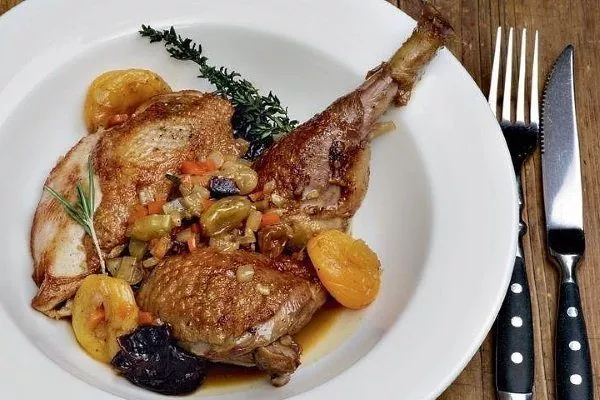
Birds no older than 3-5 months are slaughtered for meat. The meat of older guinea fowl is not as soft and tender. A guinea fowl of this age weighs at least a kilogram. This type of guinea fowl is best suited for cooking. It can be baked in its own juices, stewed, smoked, or boiled for soups.
Greeks prefer to serve stewed guinea fowl with tomatoes or olives, or with a spicy, medium-spicy tomato sauce. Italians, however, prefer to cook the whole bird, stuffing it with herbs, sour cheese, and ham. A piece of meat is best served with chopped herbs. Guinea fowl mince makes excellent cutlets, chops, and meatballs.
For those who appreciate gourmet dishes, try guinea fowl fillet with a lemon-rosemary sauce. To add an exotic touch, you can season the dish with oriental spices (cassia and cinnamon).
Guinea fowl meat shouldn't be used for canning. Its flavor won't be as rich, as it's not as fatty as chicken.
When cooking guinea fowl, keep in mind that it's tougher and denser than chicken. To ensure this doesn't affect the quality of your dish, keep a few tips in mind:
- After purchasing raw poultry, keep it in the refrigerator for about 2-3 days so that its flavor becomes more pronounced;
- A couple of hours before cooking, be sure to soak the meat in salted water with lemon juice added so that it becomes softer and cooks better;
- If the meat is going to be fried or stewed, instead of soaking it, simply boil it (this will make it more tender, and the resulting broth can be used to make soup).
Guinea fowl can be used instead of chicken in the Georgian dish Chakhokhbili. The recipe is featured in the video below:
How to choose and store?
To buy a high-quality and healthy product, consider a few simple recommendations:
- Guinea fowl should be dark in appearance. If the bird is light in color, it's likely a hybrid and not worth buying.
- If the meat is of excellent quality and fresh, the fingerprint will quickly disappear after pressing. However, if a dent remains on the meat, it's likely not the freshest product and is unsafe to eat.
- The carcass should weigh around 1.5 kg. This means the bird was slaughtered for meat at 5-6 months of age. Older birds are plumper, but their meat is also overly tough.
- If the carcass is sold frozen with ice cubes, it is not worth buying, since you will simply have to pay extra for water.
- ✓ The pH level of meat should be between 5.7-6.2 for optimal flavor and texture.
- ✓ The moisture content of meat should not exceed 75% to avoid wateriness after cooking.
Once you've purchased fresh, high-quality meat, it's important to store it properly before cooking to ensure it retains its nutritional value. Here are some guidelines to consider:
- If the meat is to be stored for no longer than 1-2 days, it can be placed in a vacuum container and stored on the bottom shelf of the refrigerator at a temperature of 0 to 10°C.
- If the carcass needs to be stored for longer than two days, it should be stored in the freezer, also first transferred to a vacuum-sealed container. In this form, the carcass should be stored for about three months, but up to six months is considered acceptable.
You shouldn't keep a raw carcass longer than the optimal storage period, otherwise it may spoil.
Price
Guinea fowl meat is significantly more expensive than chicken or even turkey. Depending on the supplier and product quality, the cost per kilogram can be two or even three times higher than chicken.
It's important to note that the exact price will depend on whether the meat is purchased from a private individual or from an authorized supplier who also provides documents certifying the product's quality. While certified meat is certainly more expensive, it's best not to skimp on this, especially if the meat is being purchased for a child, a pregnant woman, or someone with health issues.
Video: Guinea fowl slaughter and preparation
In the following video, a home farmer slaughters several gray-speckled guinea fowl for testing, weighs their carcasses before and after evisceration, and then simmers the birds with salt and pepper over low heat:
Guinea fowl meat is healthy, nutritious, and delicious. It's a dietary product that can be included in the diet of anyone who follows a healthy eating plan. It provides the body with beneficial nutrients, maintains physical strength, and has a positive effect on mental well-being. Interestingly, the meat tastes more like game, making it suitable for preparing delicious and rather exotic dishes.