
Guinea fowl chickens, also known as guinea fowl, are rarely kept in private homes, as many believe they require special conditions and feeding. Some even believe they should be fed pineapples. However, their diet and living conditions are no different from those of regular chickens, as can be seen below.
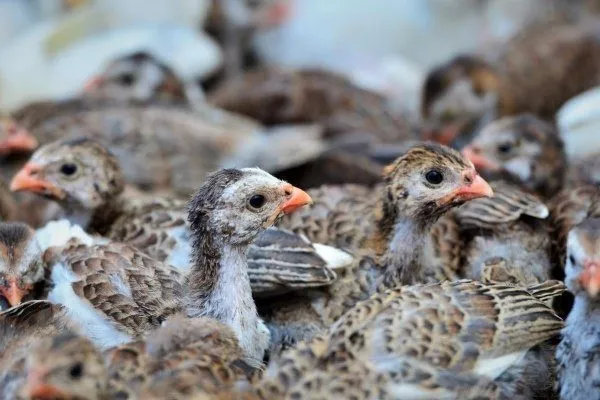
What kind of bird is this?
The royal bird is a rather exotic creature, a peculiar cross between a turkey and a chicken. It has an oval, elongated body, a short neck, and a small, light head, which bears distinctive growths that give it a turkey-like appearance.
Guinea fowl are considered native to Africa and Madagascar, where some wild species still live. They were first brought to Ancient Greece in classical times, where their domestication began. Furthermore, historians have discovered documents from Portuguese explorers confirming that guinea fowl were reintroduced to Europe in the 15th century, which contributed to their rapid spread.
Nowadays, guinea fowl are bred at home because they are prized for their high productivity: adult females weigh an average of 2 kg, while males weigh 3 kg. As for egg production, it is average: one female can lay 120 eggs per year.
It's worth noting that this breed doesn't require any special care and can be bred in any climate, as they are the only bird species that can withstand temperatures as low as -55°C. Furthermore, guinea fowl have a strong immune system and are not susceptible to many diseases that affect chickens and quail.
Guinea fowl chicks won't pose a problem for hens or quail, as they are friendly, docile, and don't fight for territory. Furthermore, farmers don't have to worry about their crops, as unlike hens, guinea fowl won't peck at berries or dig in the garden beds.
Why should you keep guinea fowl chickens?
Keeping guinea fowl chickens yields exquisite meat containing 95 amino acids, making it particularly beneficial for pregnant women and those with weakened immune systems. Unlike chicken, it has a gamey flavor, reminiscent of pheasant or partridge. Therefore, the main customers for this royal bird are various restaurants that serve guinea fowl dishes as game.
The following deserve special attention:guinea fowl eggs, which are healthier than not only chicken eggs but also quail eggs. They are hypoallergenic and valued for the following characteristics:
- contain a large amount of dry matter, vitamins, amino acids and microelements;
- rich in protein (12.8 g per 100 g of product), which has a bactericidal effect and is included in the composition of preparations for the eyes, for diseases of the gastrointestinal tract;
- contain lysozyme, a natural antibacterial enzyme that destroys the cell walls of microorganisms;
- have a dense shell with a minimum number of pores;
- remain fit for consumption for 6 months when stored in the refrigerator;
- rarely cause allergic reactions and become a cause of salmonella infection.
Despite all the benefits of guinea fowl eggs, their consumption is quite limited, which is due to the low prevalence of this bird in private and industrial farms.
It is worth noting that guinea fowl breeding Guinea fowl feathers are a waste-free production process, as even their feathers can be sold in their natural or dyed form. They are sold in jewelry supply stores. Guinea fowl feathers, unlike chicken, duck, or goose feathers, are very beautiful, so they are used in the production of earrings, pendants, amulets, and other jewelry. Of course, they can also be used in the production of blankets and other feather products.
Purchasing young stock
Raising guinea fowl begins with purchasing young birds. This requires a competent approach – from choosing the breed to correctly determining the sex of the chick.
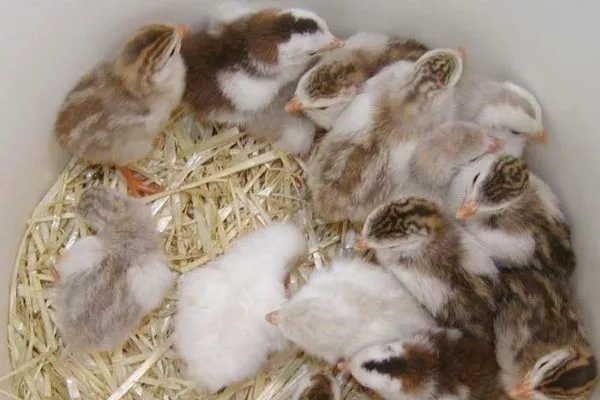
Popular representatives
If you decide to keep royal hen chickens, you should familiarize yourself with the different varieties, which vary in weight and egg production. Overall, there are over 20 breeds, which average 1.8 kg in weight and lay up to 130 eggs per year. The most common birds in our latitudes are listed below:
| Paroda | Body weight (kg) | Egg production (pieces per season) | Egg weight (g) | |
| Females | Male | |||
| Gray-speckled | 1.7 | 1.6 | 85-90 | 45 |
| Siberian White | 1.9-2 | 1.6-1.8 | 100-110 | 40-45 |
| Zagorsk white-breasted | 1.8-1.9 | 1.7-1.8 | 120-140 | up to 50 |
| Creamy | 1.6 | 1.7 | up to 90 | 40-45 |
| Blue | 1.5-1.6 | 1.4-1.5 | 80-100 | 40-45 |
Read also the article about popular breeds of guinea fowl.
Place and time of purchase
You can purchase chickens from specialized poultry farms. To ensure the origin, health, and productivity of your guinea fowl is assured, please carefully review the veterinary certificate, which should include all relevant information about the bird.
Experienced farmers recommend purchasing chicks in the spring—between early April and mid-May. It's best to choose day-old chicks, as this is when these timid birds will be less likely to be transported to a new home. If older chicks are purchased, they will need to be transported in special containers. If the journey is long, it's also important to ensure they have enough feed and water.
If a breeder plans to breed birds year-round, they should purchase at least 30 individuals to ensure they can properly sort the birds and select the largest guinea fowl for further breeding.
Evaluation and sexing of chicks
Having selected chicks that are 1 day old, it is worth paying attention to their appearance and behavior:
- the fluff that replaces future plumage during this period is smooth and soft;
- the wings are pressed tightly to the body;
- butts and wings are clean;
- tummy is toned;
- the legs are strong, so the chicks move confidently and stand on their feet;
- The chickens are active and react quickly to sounds.
To identify the sex of a chicken, you should pay attention to the following parameters:
- Size and color of the growth above the beakIn males it is quite pronounced and red in color, while in females it is barely noticeable and colored a soft pink.
- Structure of the head and beakFemales have a small, graceful beak, and hold their heads upright. Males have a thicker, more massive beak, with a prominent ridge and a curved comb. Their heads are always held forward on a short neck.
- Earrings under the beakIn females, they are delicate and small, while in males, they are fleshy and large. It's worth noting that guinea fowl also grow larger earrings as they age.
- PostureGuinea fowl, like roosters, stand out in the flock with their posture. When they walk, they raise their tails and heads, while hens are more modest.
- BehaviorMales often chatter about anything, but females are calmer and simply cry out "oo-ah."
The breeder will share his methods for distinguishing male and female guinea fowl in the video below:
Experienced breeders recommend carefully picking up a chick and gently opening its vent to determine its sex. If there's a small bump, it's a male.
Conditions for keeping chickens
Without proper housing and care, even a healthy chick won't grow into a fully fledged guinea fowl. Let's explore what needs to be done to create the necessary conditions for the bird's harmonious growth and development.
- ✓ The optimal stocking density of guinea fowl chickens should not exceed 20 heads per 1 square meter to prevent stress and diseases.
- ✓ To maintain the immunity of guinea fowl, it is necessary to provide access to clean water and regularly change the bedding to prevent the development of pathogenic microorganisms.
Place of cultivation
Chickens require a clean, dry, and heated environment. To provide these conditions, farmers practice two methods of raising them:
- On deep litterWith the litter option, the room should be divided into sections using high wire mesh to prevent the chicks from flying into each other. The mesh should be small to prevent the chicks from breaking their legs. The floor should be covered with a thick layer of natural materials such as sawdust, peat, or straw. The optimal height of such a layer is about 10 cm. The litter should be changed frequently, as the chicks are extremely active and mobile, which contributes to dust in the room.
During the winter season, the bedding may not need to be changed, but it will need to be cleaned and supplemented with a new layer to increase the thermal component.
- In a cageGuinea fowl are kept in cages similar to chickens, and this option is more suitable for chickens. Of course, careful consideration should be given to the choice of cage. It should be made of wood or wire mesh. Chicks up to 20 days old should be kept in cages no larger than 10 mm. Large gaps are unacceptable, as this could cause the chicks to stick their heads through and get hurt. Wood shavings or burlap can be used as bedding for the cage.
Regardless of where the chickens are raised—in sections or cages—the number of individuals per square meter should not exceed 20 heads.
Selecting inventory
Regardless of where they are kept, chicks should have unimpeded access to feeders and waterers. When choosing equipment, keep in mind that it must meet the following requirements:
- have sides to prevent the contents of the container from spilling out when there is a gust of wind, when chickens are active near the container, etc.;
- have a lid that can be used to cover the container in snowy and inclement weather;
- have a design that prevents large individuals from reaching food and water;
- should be located at least 1.5 m above the ground to protect food from rodents.
The optimal size of the containers depends on the number of heads: the larger the area of the feeders and drinkers, the more chickens can be fed and watered.
The dishes should be placed on the south side so that their contents are always at the optimal temperature.
Temperature and humidity
The temperature in the room where the chickens are kept should not fall below 14°C. The temperature should be adjusted depending on the age of the chickens:
- During the first 3 days of life, chicks should be kept in a room where the temperature is kept around 34-35°C;
- from the 4th to the 10th day, the room temperature should be lowered to 30-31°C;
- starting from the 11th day, the temperature should be gradually lowered, taking into account that for month-old individuals, a comfortable temperature is around 15°C.
As for room humidity, it should be around 60-70%. If this figure is higher, it indicates low room temperature and active water evaporation. Therefore, if the temperature is high, the humidity is low, which negatively impacts the birds' well-being.
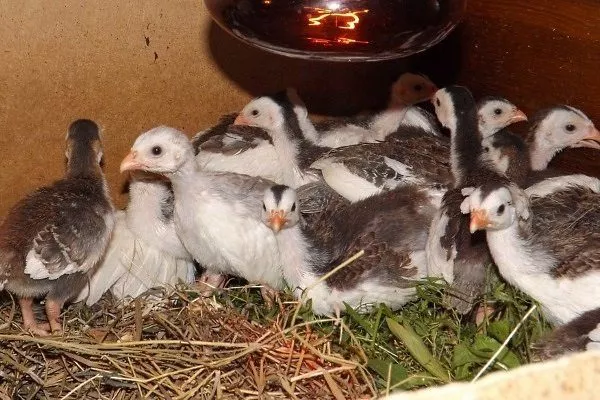
The required temperature and humidity levels in the room depend on the age of the chicks. Optimal values are presented in the table:
| Age, days | Room temperature, °C | Temperature under the heater, °C | Humidity, % |
| 1-5 | 30 | 31-32 | 60-65 |
| 6-10 | 25 | 28-30 | 60-70 |
| 11-15 | 22 | 25-27 | 60-70 |
| 16-20 | 20 | 21-24 | 60-70 |
| 9:30 PM | 15-18 | 20 | 60-70 |
Lighting
Through the optic nerve, light stimulates the hypothalamus, the upper part of the brain that is the highest center for regulating endocrine functions and the autonomic nervous system. It therefore regulates the bird's body temperature, blood pressure, water, salt, and fat metabolism. Thus, for normal chick development, comfortable daylight hours must be maintained, the duration of which also depends on the age of the birds:
- For day-old chicks, the optimal daylight period is 24 hours.
- After 3 weeks, you can gradually reduce the length of daylight by 60 minutes, so that by the age of 5 months the guinea fowl has 8 hours.
- Once the guinea fowl reach 6 months of age, the lighting regime should be increased again. This will require 60 minutes of additional lighting every 7 days. This will be stopped when daylight reaches 14 hours.
- Next, light the room for about 17 hours, adjusting the lighting mode depending on the natural conditions outside the window.
It's important to note that lighting requirements vary slightly if you plan to breed guinea fowl for hatching eggs. In this case, the room should not be illuminated for more than 15 hours. The young birds should only be given additional hours once they grow and gain strength. This typically occurs at 7 months of age.
If natural light is insufficient, daylight hours can be extended to the desired levels by any available means, but in any case, these manipulations must be carried out systematically and at the same time.
Disinfection
To prevent guinea fowl from contracting various infectious, viral, and fungal diseases, they must be kept clean. To achieve this, the room should be disinfected once a day using special products:
- Monclavite;
- Bactericide;
- Virocid.
To freshen the air in the poultry house, you can use a chlorine-turpentine solution. It is recommended to mix turpentine and bleach in a ratio of 1 to 4. This solution produces an exothermic reaction in the air, causing particles of both components to evaporate. For each square meter of room, use 0.5 ml of turpentine and 2 g of bleach. This solution should be applied once a day with the ventilation running.
To keep the coop clean, change the litter daily. Also, change the water in the drinkers regularly to ensure it's always clean and fresh.
Trimming feathers
Guinea fowl fly well, so their wing tips need to be trimmed to prevent them from disappearing from the yard. This procedure should be performed in the evening, and on all young birds at the same time. If feather trimming is performed on only one bird, it should be temporarily separated from the other birds.
The pruning itself is carried out using scissors or a hot knife according to the following instructions:
- Using the selected tool, cut off the upper phalanx of one wing in one motion (see picture below).
- Treat the wound with brilliant green, iodine or hydrogen peroxide.
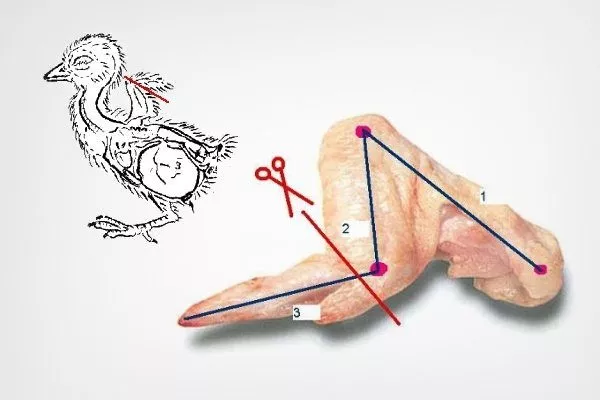
After this procedure, the birds usually huddle together and fall asleep without pecking at the wound. For this reason, trimming should be done in the evening.
Inexperienced breeders believe this trimming method is dangerous because it involves using butcher's shears or a hot knife. In reality, there's nothing dangerous about it, as guinea fowl rarely react to pain during the first few days of life.
Once the chicks grow up, they won't be able to fly on one full wing. However, this type of trimming has minimal impact on the bird's appearance.
Rules for feeding chickens
Guinea fowl, like other domestic birds, need to be fed immediately after hatching. To ensure their proper development, their diet must be carefully formulated. It should be adjusted depending on the bird's age.
Number of meals
During the first 15 days, chicks should be fed up to 10 times a day. Subsequently, the number of feedings should be gradually reduced, so that month-old chicks are fed up to twice a day. Keep in mind that chicks consume food quickly, so they should be fed in moderate portions using oblong feeders.
Diet for week-old and month-old chickens
At this age, birds require a more balanced diet, but they are not as picky as newborns. It's best to adjust their daily diet as follows:
- wheat bran – 1.83 g;
- ground corn – 1.83 g;
- oat flour – 1.83 g;
- fish meal – 1 g;
- boiled eggs – 1.4 g;
- sour milk – 5 g;
- greens – 6.7 g.
Guinea fowl are shy, so avoid making noise near the coop or feeding them in the presence of strangers. In a fit of panic, the birds may even strangle themselves.
What to feed?
The diet of guinea fowl chickens should include the following products:
- Wheat groatsContains fiber, which promotes normal digestive function in birds. Initially, it should be fed crushed and soaked in boiling water or hot milk. Once the grains have swelled and become soft, drain the liquid. Feed the cooked porridge to the chicks in small portions.
- Crushed eggsThey can be introduced into the chicks' diet immediately after birth, as their diet should consist of 25% crude protein. Before feeding the eggs to the guinea fowl, they should be boiled and finely chopped. If desired, they can be mixed with bread crumbs.
- Sour milk or wheyChicks aged 7 days or older can be fed curdled milk or whey. This can also be used to make mash with grains or chopped greens.
- Fish filletAnimal feed can be given to chicks of any age, as it promotes feather growth and has a positive effect on overall health, providing proteins and fatty acids. It's important to note, however, that chickens should only be given fish after it's been cooked. Furthermore, all bones must be removed beforehand, otherwise the chick could be seriously harmed.
- GreenIt is actively introduced into the bird's diet from 7 days of age. Fresh grass can only be fed after it has been finely chopped. The most beneficial foods for guinea fowl are:
- Clover – replenishes the lack of protein in the body;
- alfalfa – has a positive effect on the birds’ vision, as it is rich in vitamin A;
- dandelion – saturates the individual’s body with essential vitamins;
- Cabbage leaves are beneficial due to their high content of minerals and nutrients.
Experienced breeders note that guinea fowl are very useful birds on the farm, as they actively eat Colorado beetles and other insects that like to attack the garden in the summer.
Diet of newborn birds
The optimal daily diet for a chick after birth is as follows:
- wheat bran – 1 g;
- ground corn – 1 g;
- oat flour – 1 g;
- boiled eggs – 1.2 g;
- sour milk – 3 g;
- greens – 2 g.
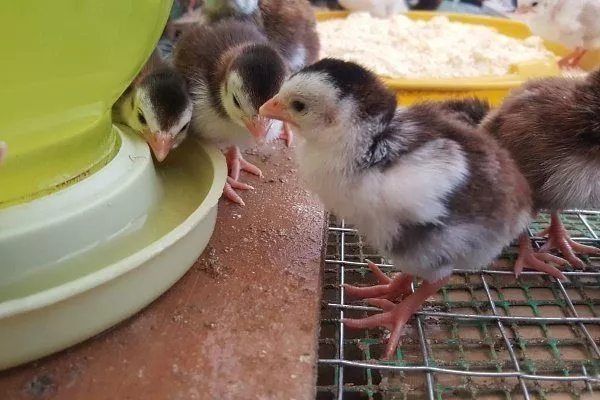
How to walk?
Chickens aren't fussy about being outside, but guinea fowl, on the other hand, are quite demanding, as they are active birds who enjoy freedom and fresh air. They can tolerate subzero temperatures, but should only be let outside when the weather warms up, reaching 17-24°C. Furthermore, chickens can only be let outside when they are at least 2-3 months old.
During their free range, guinea fowl learn to forage for food on their own and eat various larvae, worms, and beetles that live in the soil. It's best to have small bushes or tall grass in the area so the birds feel like they're in their natural habitat.
Can they be kept together with chickens?
Almost all modern farms keep chickens, so poultry farmers often ask whether it's possible to house guinea fowl with them. Both species belong to the order Galliformes, so they get along well in the same coop and can be kept together.
Advantages
Here are the main advantages of such a neighborhood:
- If both birds are raised for high-quality meat, they require the same diet. Their diet should include grains, wet mash, vegetables, greens, and vitamin and mineral supplements. Because they can be fed the same food, the breeder doesn't have to expend much effort on feeding them.
- Birds can be kept in identical conditions, as they all have equal needs for cleanliness, comfortable air temperature, and humidity. It's important to maintain adequate lighting and heating, and remember to keep the bedding dry and clean.
- Royal birds do not have a well-developed maternal instinct, so experienced farmers place their eggs under a laying hen, which copes with such duties perfectly.
- If the chicks of both Galliformes are kept together from their very infancy, they will get along very well with each other in the future.
Flaws
Despite all the advantages, the following disadvantages should not be overlooked:
- Guinea fowl are freedom-loving birds, so they require a fair amount of space to thrive. They do not tolerate crowded conditions or cages well. Chickens, on the other hand, can be kept in cages and even in small, enclosed houses.
- Roosters can mate not only with hens but also with guinea fowl, resulting in hybrids that resemble the royal birds but have hen plumage, lack a comb and wattles, and have a large, massive body. The hybrid lacks gonads, but is robust and resistant to various ailments. It should be noted that crossing hens and guinea fowl does not produce large numbers of young.
The first hybrid between a rooster and a female guinea fowl was bred in the mid-1980s in Sergiev Posad. Even then, scientists discovered that the offspring of these hybrid birds were completely sterile.
Rules for joint detention
Before introducing chicks of two species into the coop, it's worth introducing a few guinea fowl to the hens and observing their behavior. If the birds don't start fighting, you can safely increase the number of guinea fowl. However, keep the following guidelines in mind:
- place guinea fowl in the poultry house at a rate of 2-3 individuals per 1 square meter of floor;
- remove the most aggressive hens from the flock so that the remaining chickens stop behaving defiantly and get along with each other;
- install a sufficient number of perches for birds to rest on and nests for hatching eggs in the poultry house so that the birds do not quarrel with each other;
- Place several special baths with sand or ash in the poultry house, since birds love to bathe and dig in the ground;
- provide birds with access to clean and fresh water.
Guinea fowl are picky about where to walk, so it's important to create a special area for them, fenced with mesh and at least 2 m high, otherwise the chickens will fly over it and escape.
Guinea fowl breeding as a business
Beginning breeders can be unsure whether to start a guinea fowl farming business. To make the decision, they should weigh the pros and cons.
The following video explains whether raising guinea fowl is profitable or not:
The advantages of this case are:
- Guinea fowl are frost-resistant, so when breeding them, additional heating will only be required for young animals;
- Guinea fowl are a type of poultry that is less susceptible to illness and rarely requires additional vaccinations and special feeding;
- royal birds need to be fed the same way as ordinary chickens, since they are omnivorous;
- Guinea fowl chickens grow at almost the same rate as broiler chickens, but eat about 2 times less feed, which does not interfere with good meat growth - from 3.4 kg of feed you can get 1 kg of pure meat;
- Few breeders are involved in raising guinea fowl, so there is little competition, which cannot be said about many other types of businesses related to poultry farming, in particular broiler chicken breeding;
- Guinea fowl breeding is a waste-free production, since even their feathers can be sold.
The listed advantages can be contrasted with the following disadvantages:
- Guinea fowl chickens make a lot of noise and scream loudly, especially when there is any threat that may come from a stranger, domestic animals, etc.;
- Guinea fowl are very active and love to fly, so they require a lot of space;
- Guinea fowl are timid individuals that cannot hatch their offspring on their own, so you will need to keep either brood hens or an incubator on your farm;
- Guinea fowl are often subject to stress, which mainly stems from their timidity, and affects their egg production, which can be interrupted for 3 days during stressful situations.
After weighing the pros and cons, everyone can decide for themselves whether to start breeding guinea fowl. If this venture appeals to them, special attention should be paid to studying the chickens of this royal bird, as the success of the entire business depends on their proper care and feeding.