

Most summer residents grow the usual red and pink tomatoes on their plots.
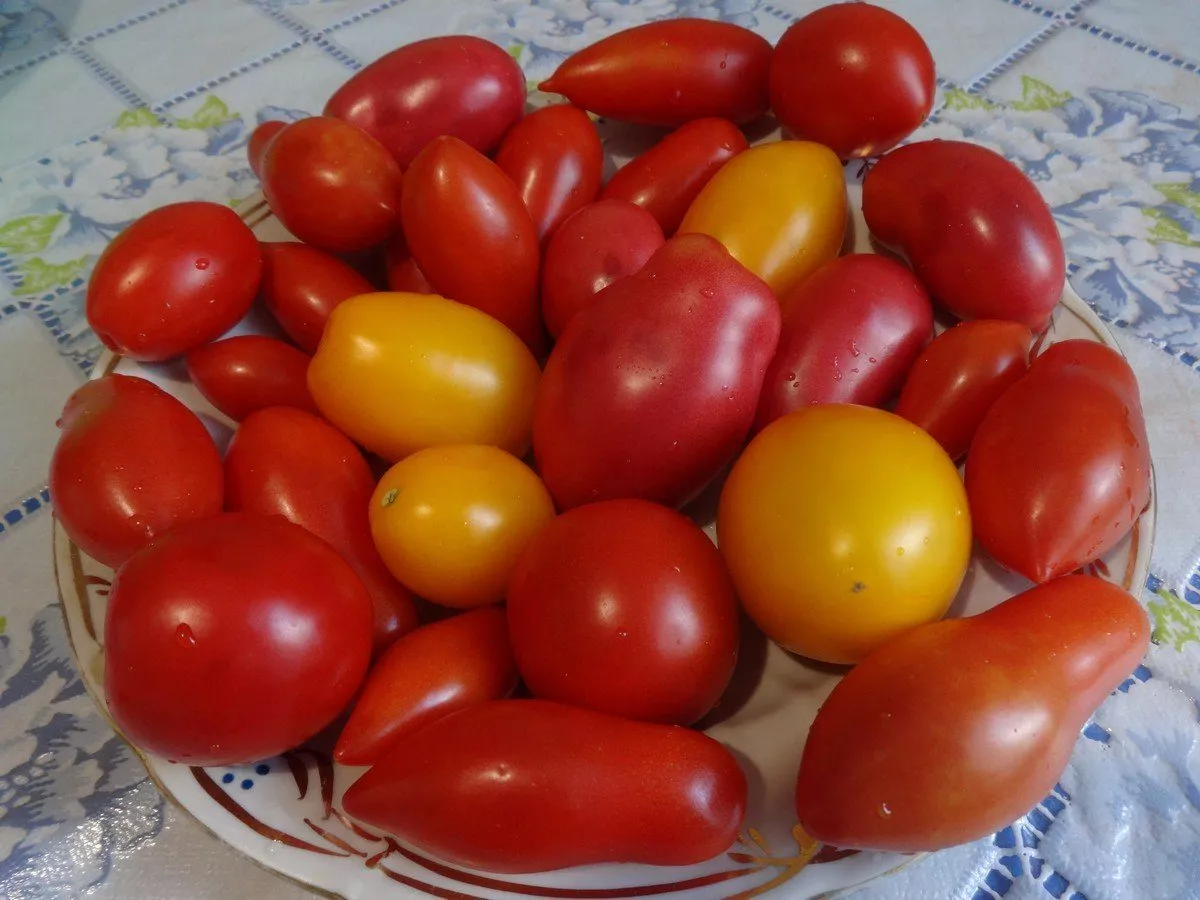
Tomatoes of other colors—yellow, orange, purple, brown, green—are beginning to appear in greenhouses and gardens, but are still considered rare and exotic varieties.
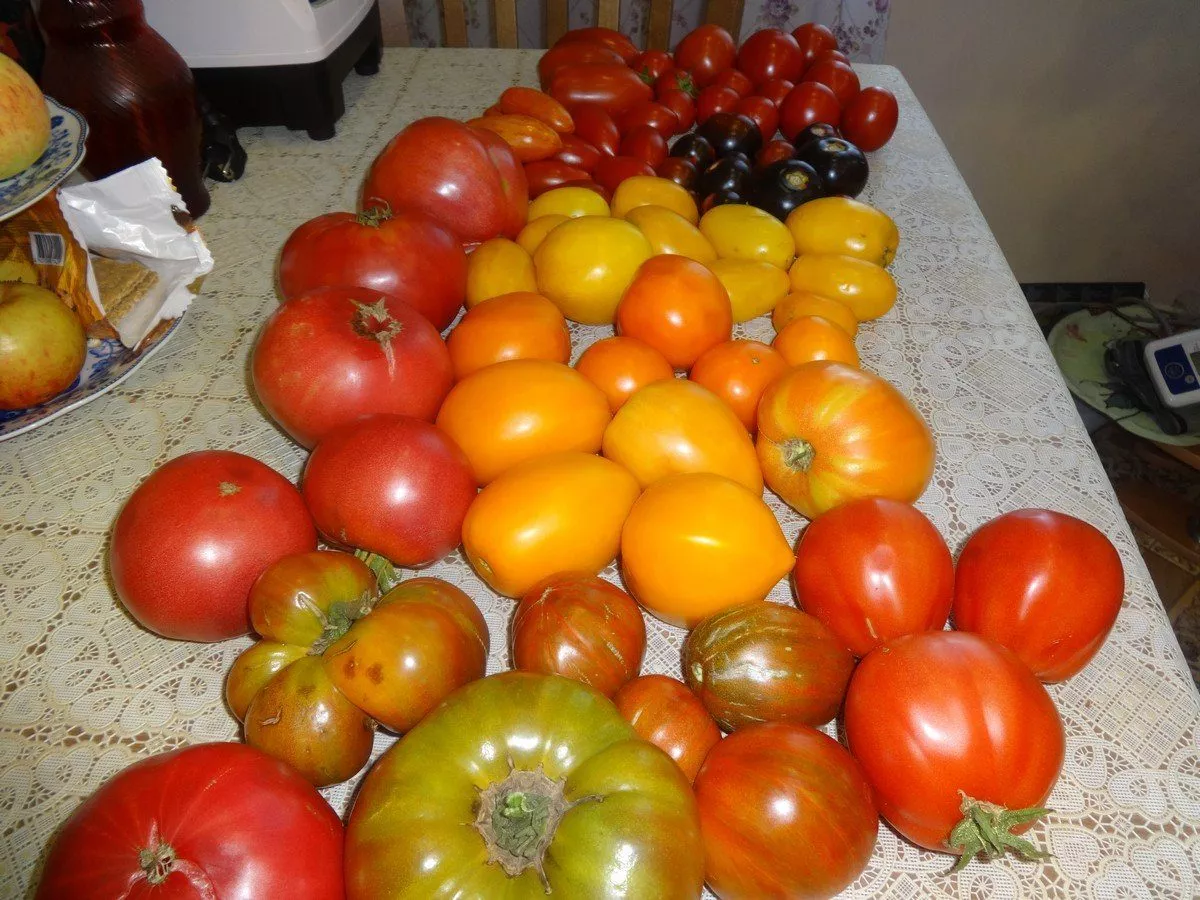
I bought my very first yellow tomato by chance in 2019. I needed a low-growing variety, and I chose the Buyan yellow variety. I decided to try it to see what yellow fruits would taste like. And they surprised me with their sweet flavor.
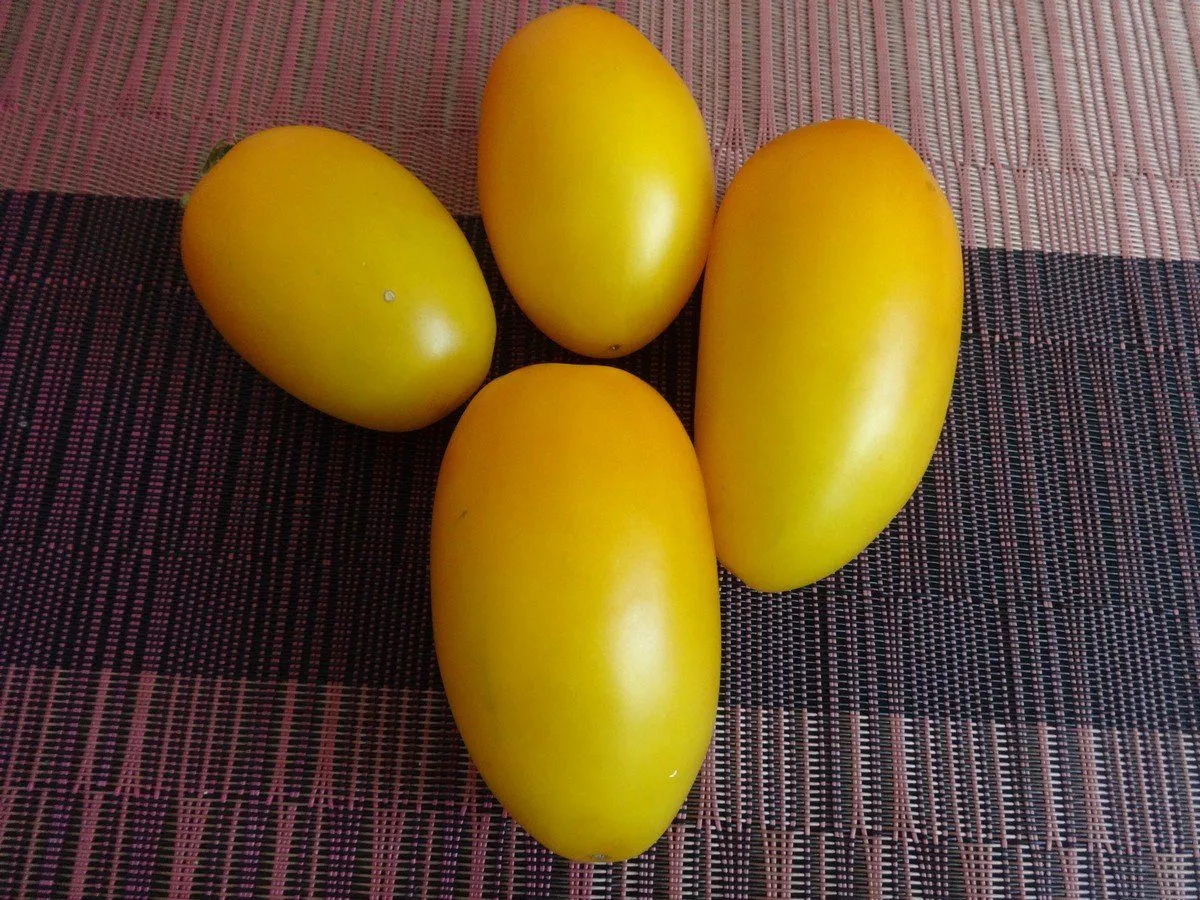
In 2020, in addition to the yellow Buyan, I already grew 5 different varieties of yellow and orange tomatoes.
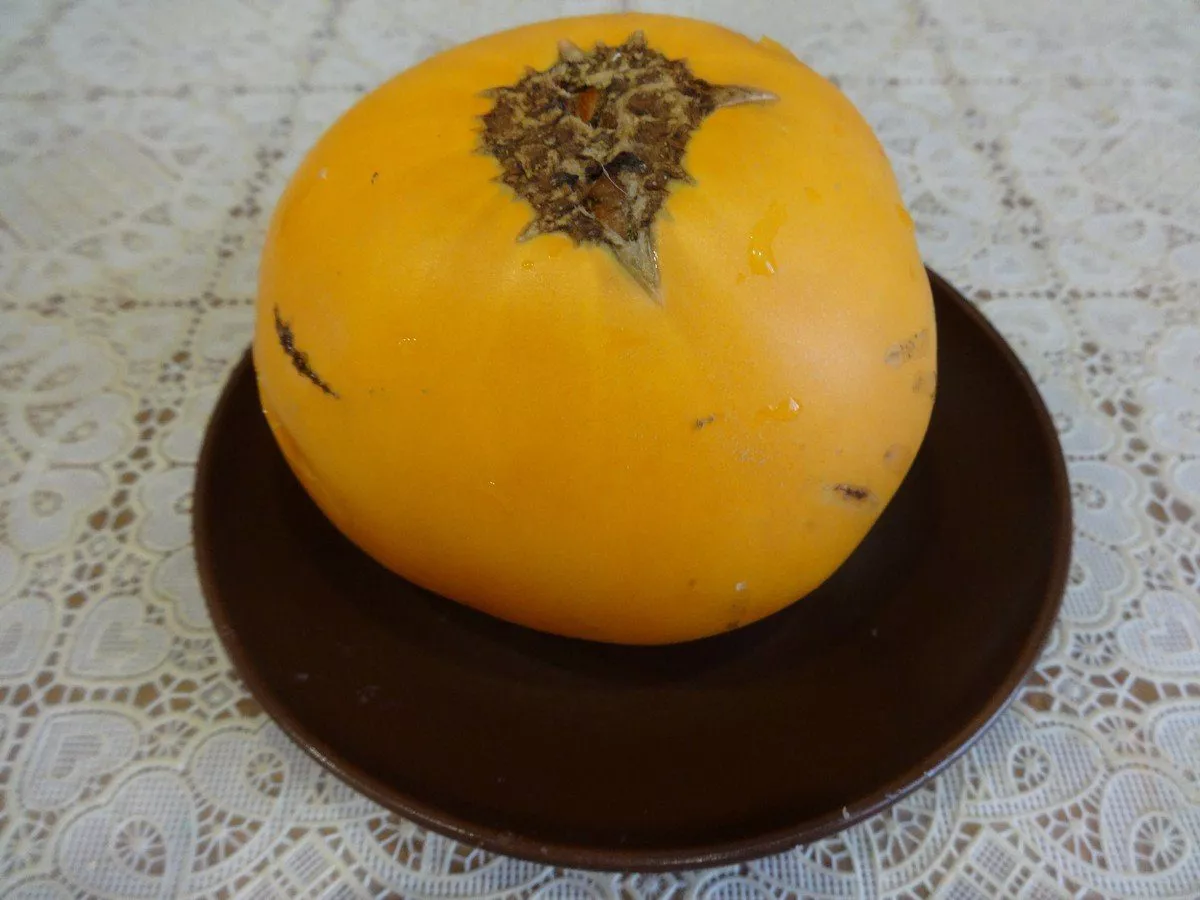
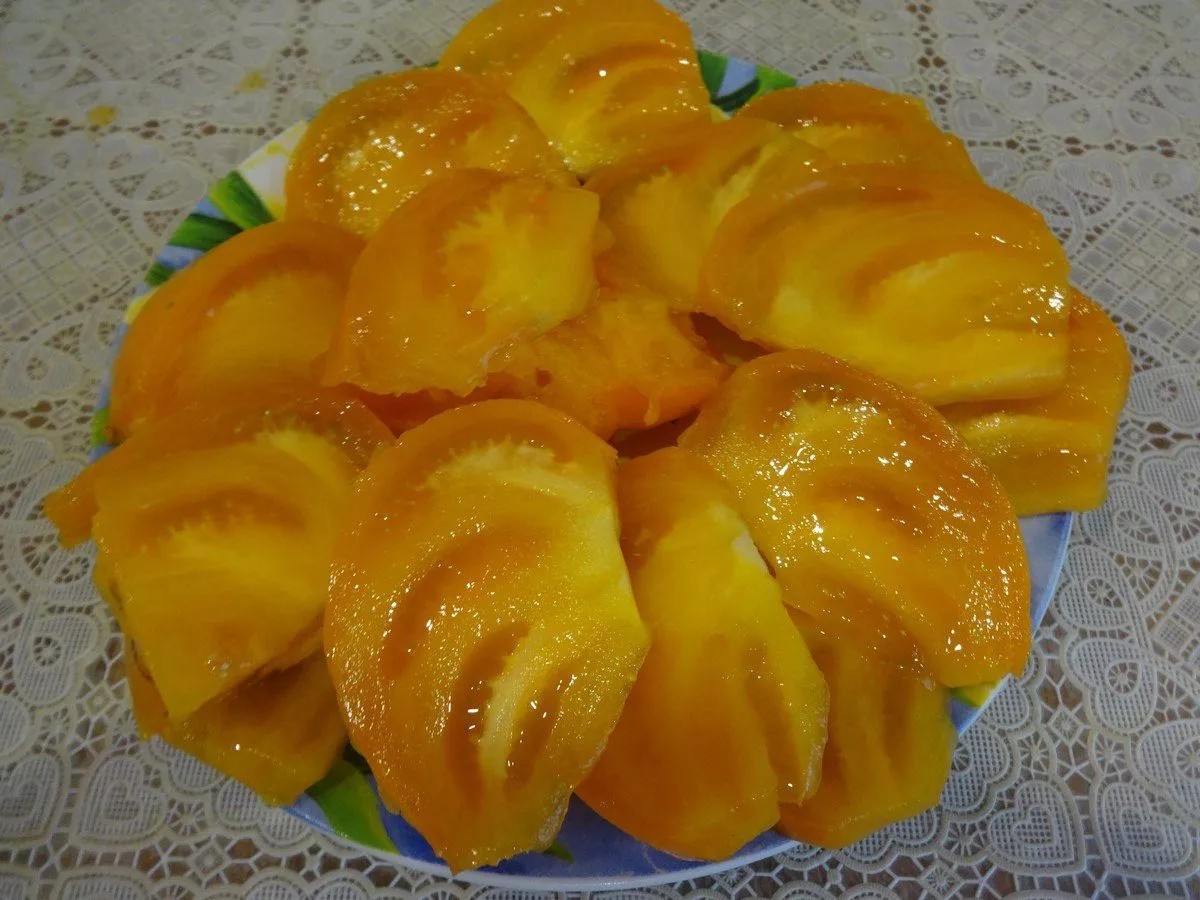
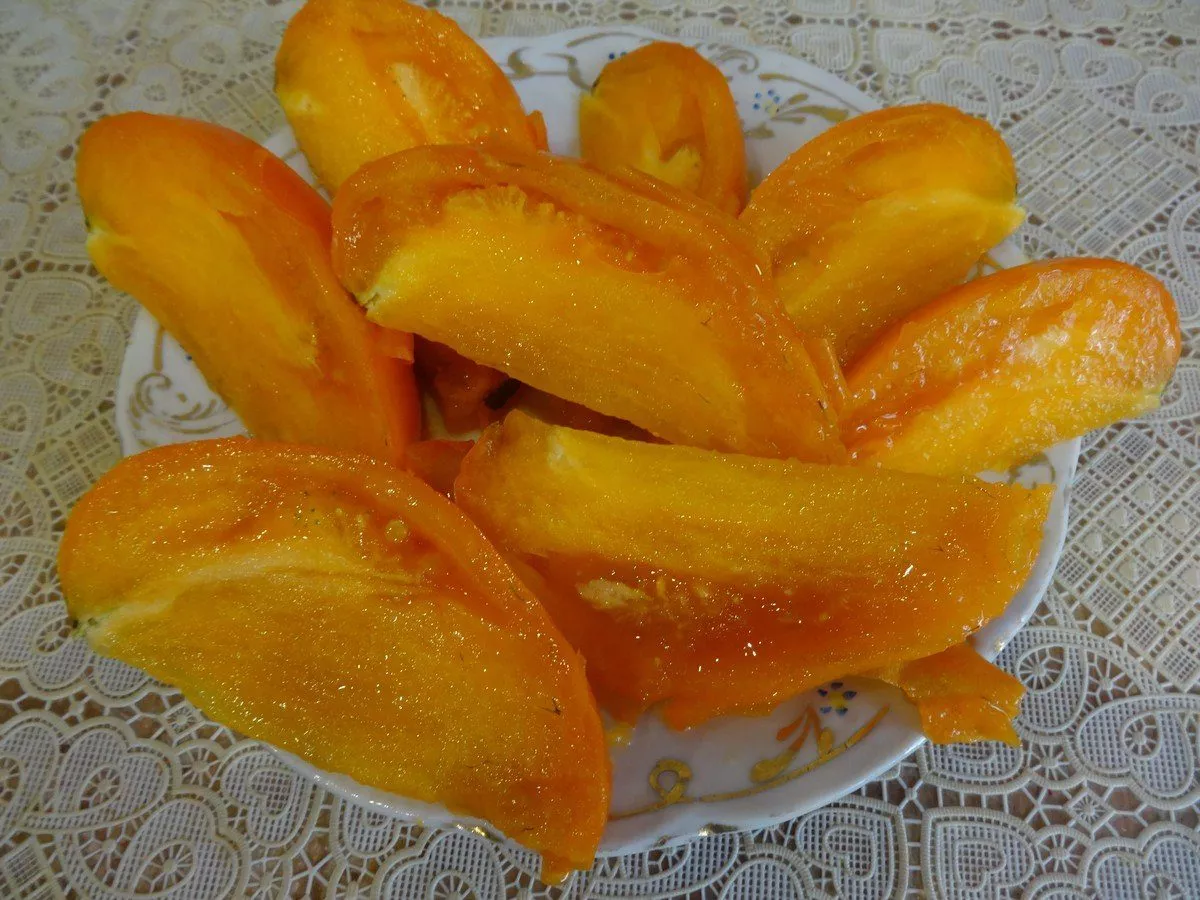
Tomato Ashgabat - with huge fleshy orange fruits.
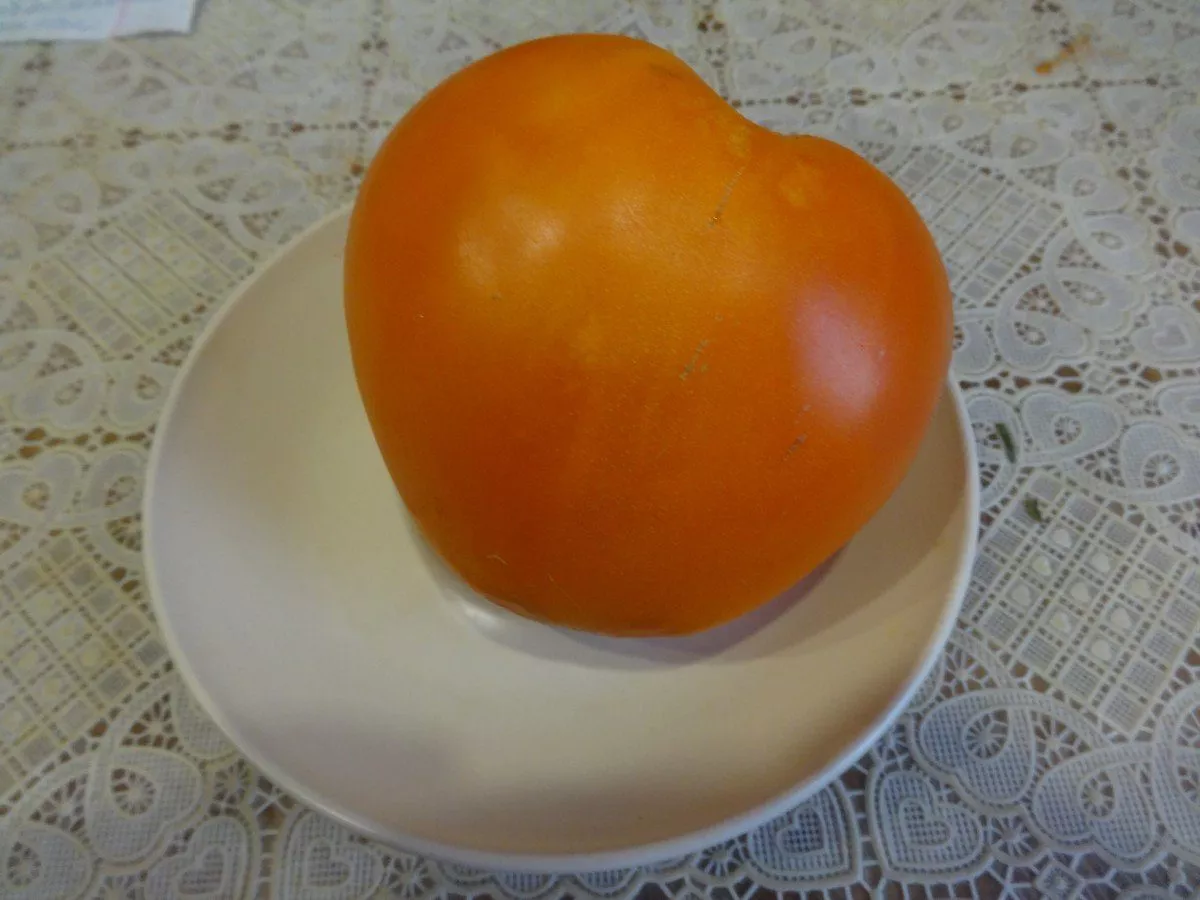
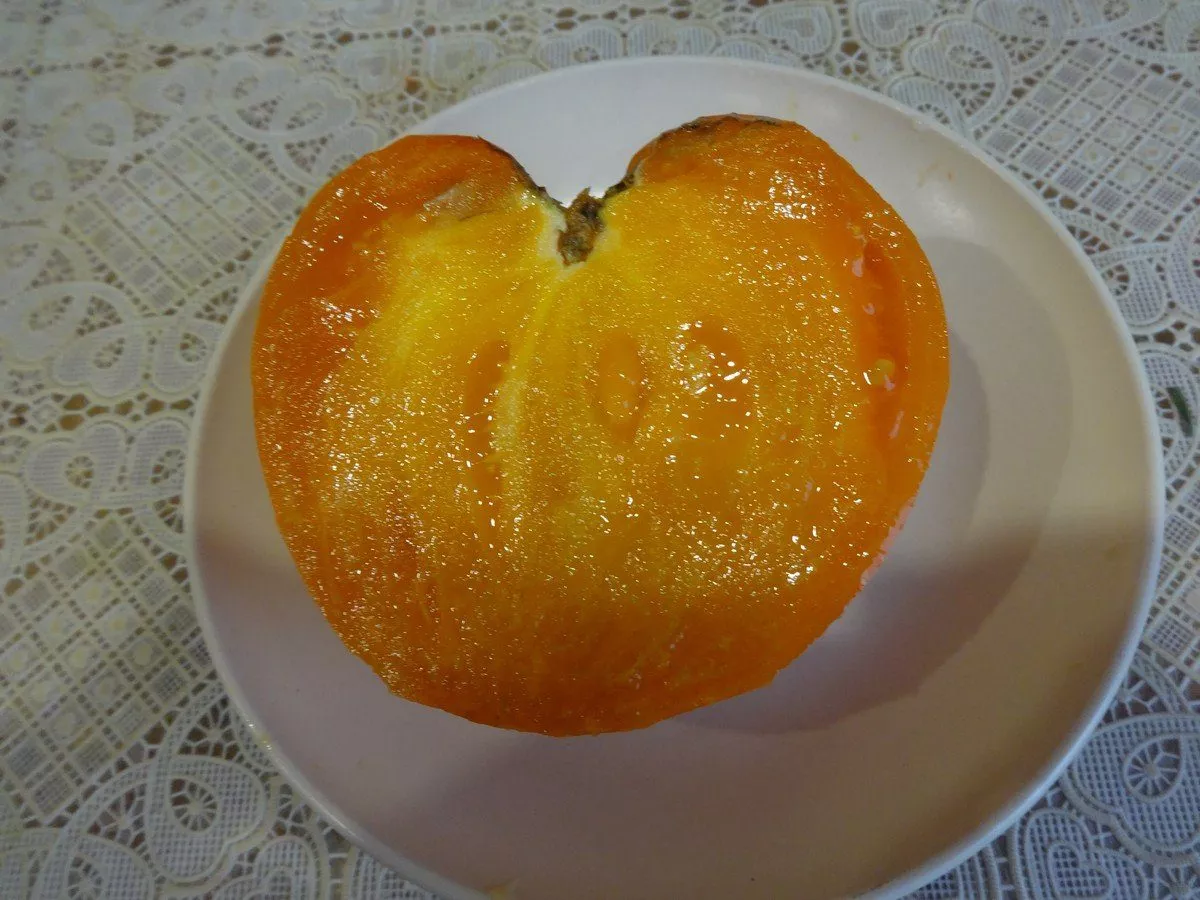
Heart of the Desert - with heart-shaped bright yellow tomatoes.
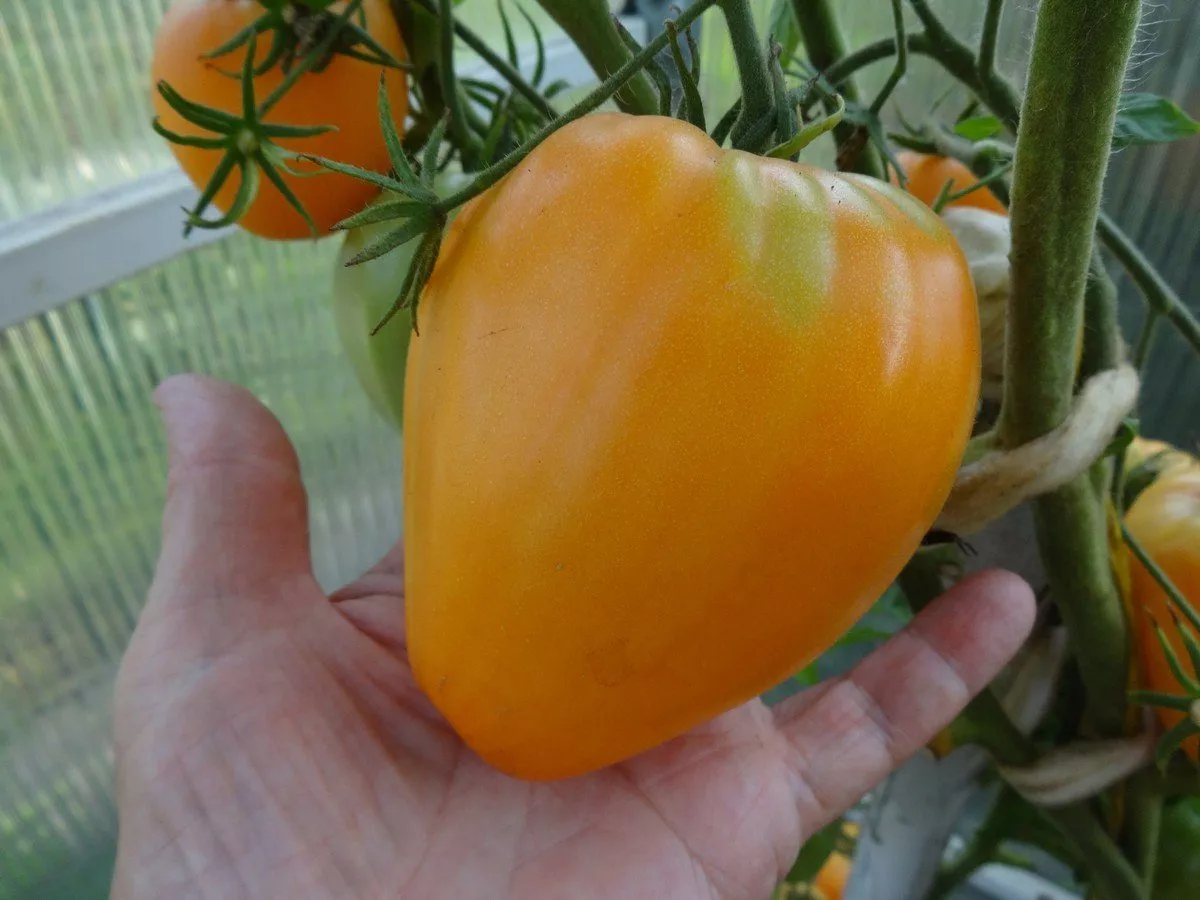
Persimmons are round, yellow-orange tomatoes.
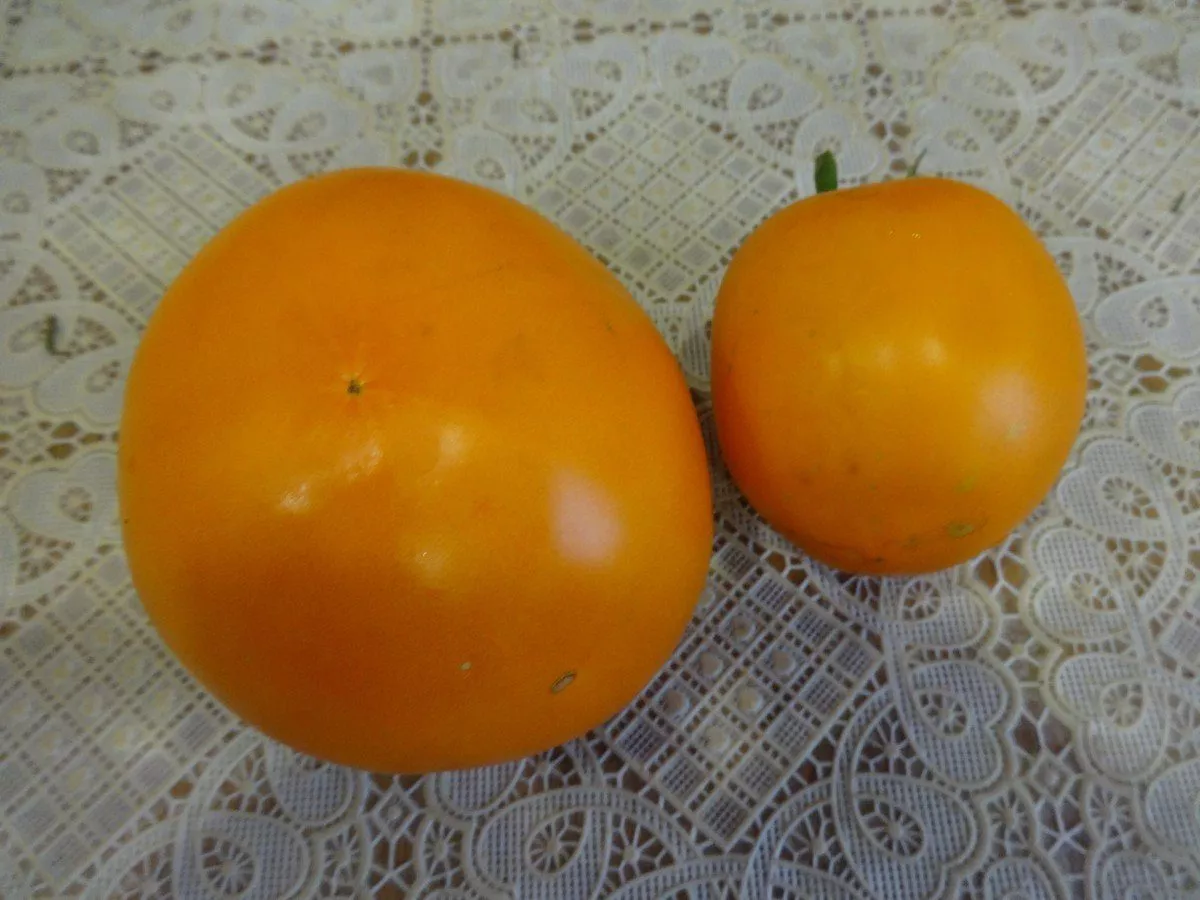
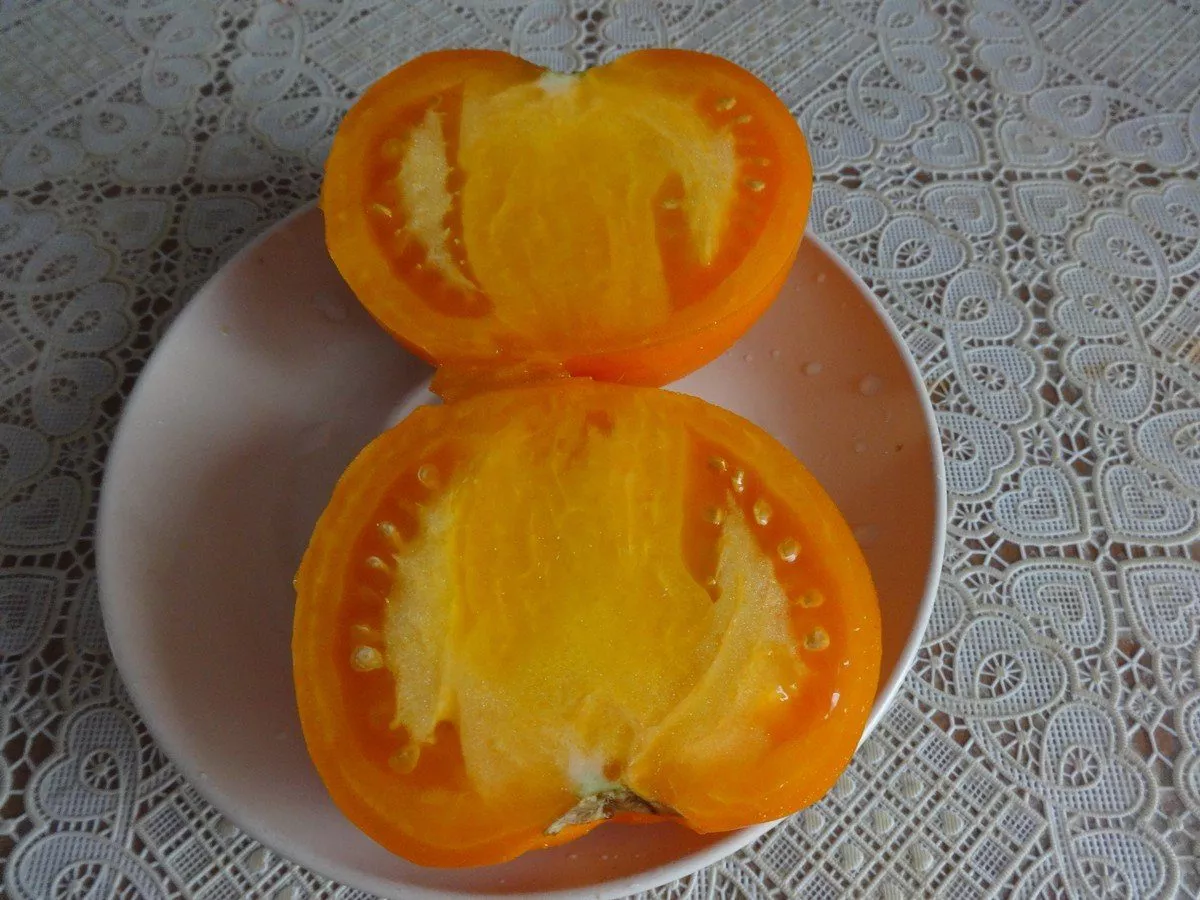
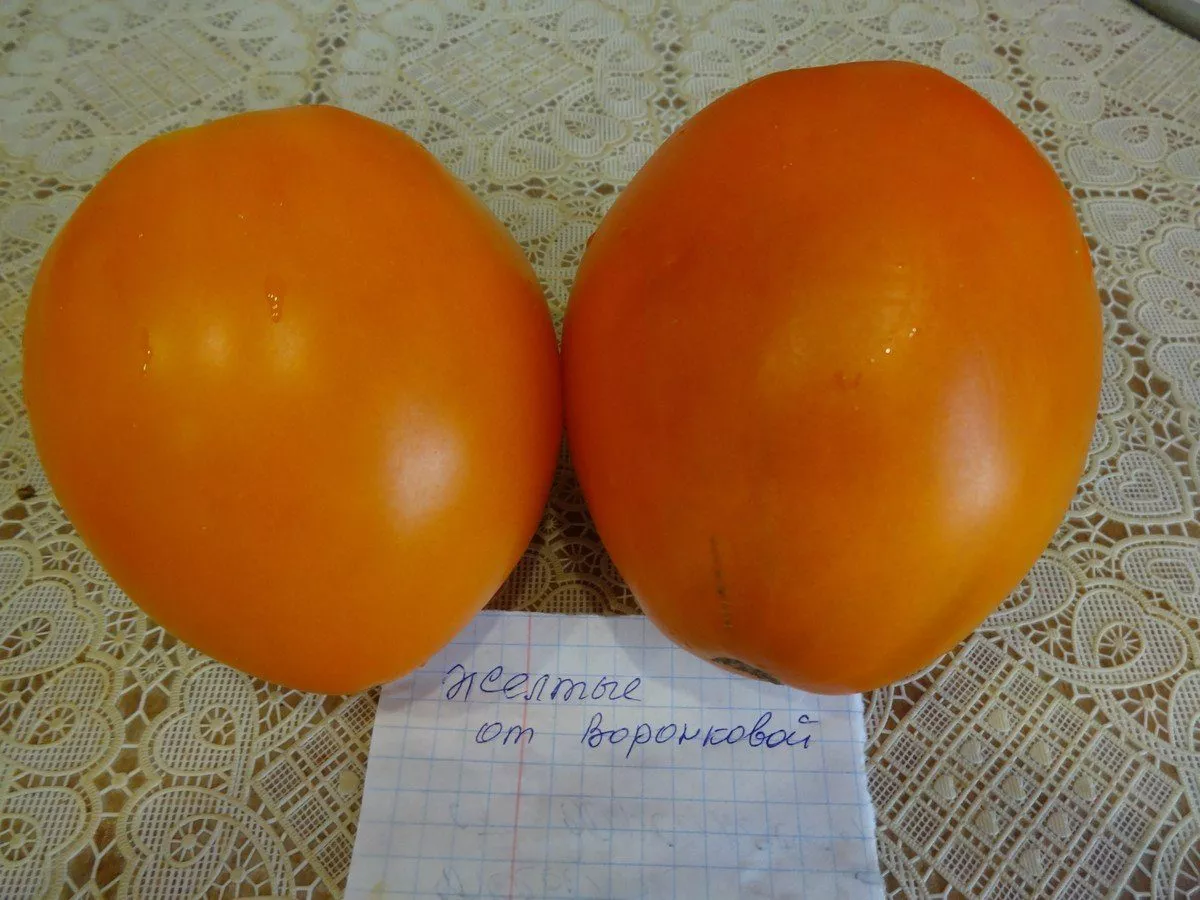
Two more unknown varieties, one of which was labeled as Yellow Tomatoes from Voronkova, had large, round, elongated fruits, and one bush also had heart-shaped tomatoes growing on it.
The other was planted as the Miracle of Kazakhstan variety. It's a large-fruited, pink tomato. I planted two seedlings—one grew into a tall, robust bush with large pink tomatoes. The other seedling produced a short bush with small, round, yellow tomatoes that were very sweet.
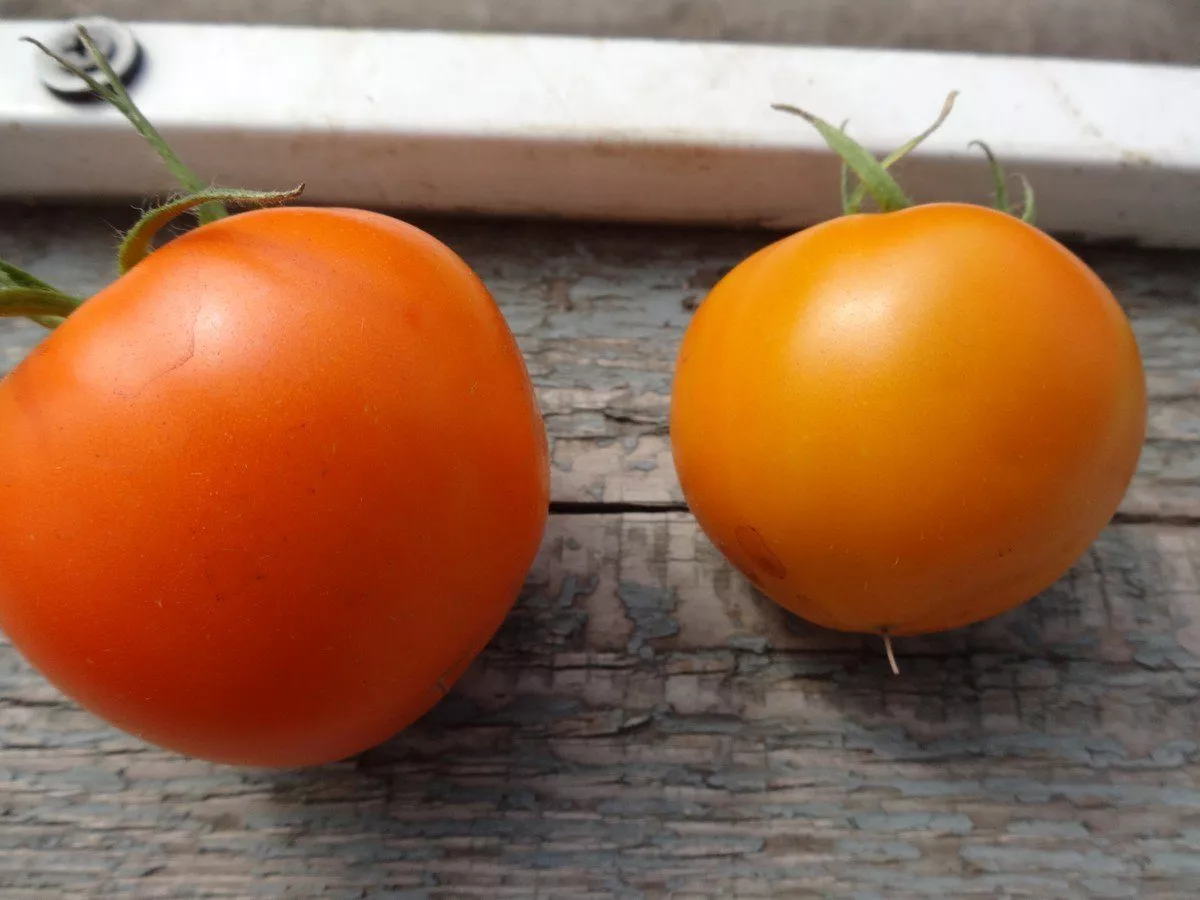
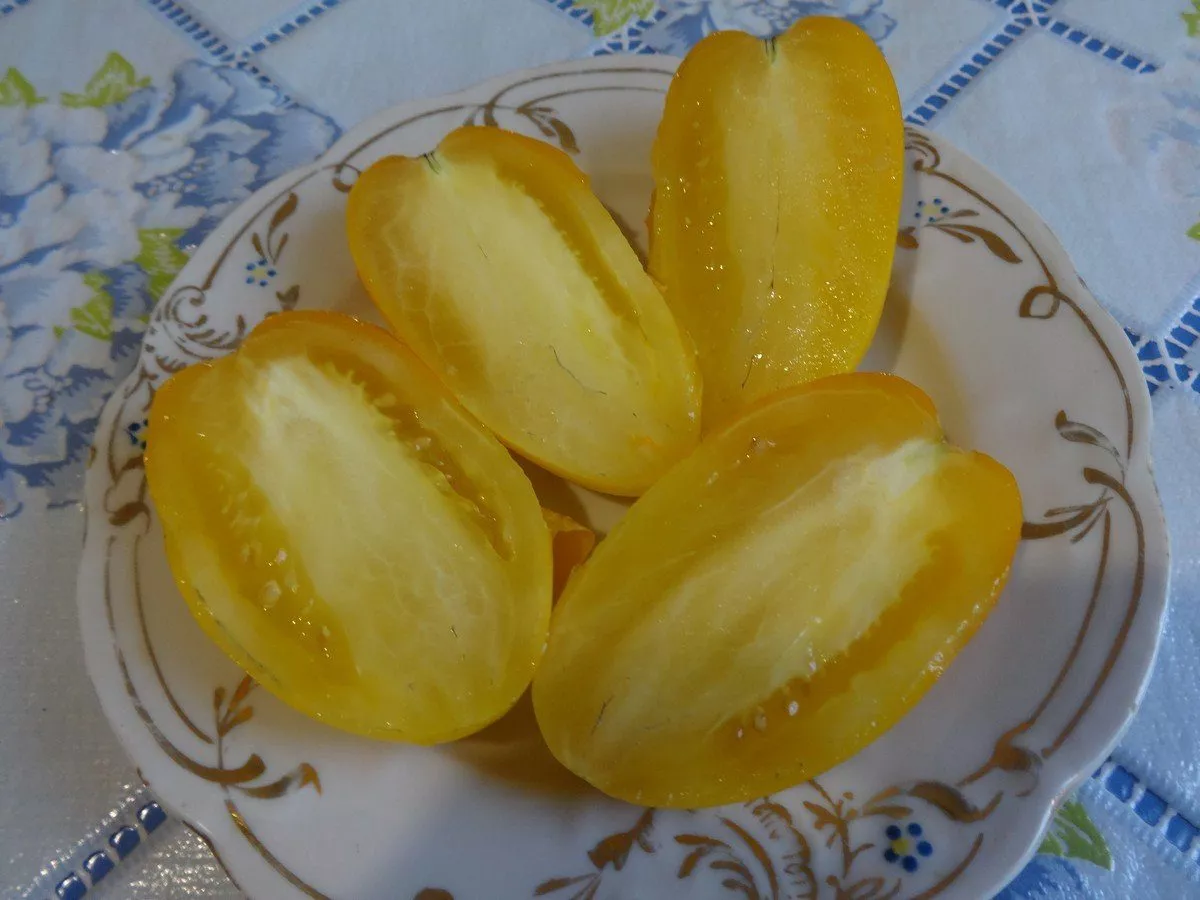
I liked all the yellow tomatoes. They're fleshy, juicy, and delicious, with less acidity. They also have a slightly different aroma than red tomatoes. Some have a subtle pumpkin note in addition to the tomato aroma, while others have a persimmon scent.
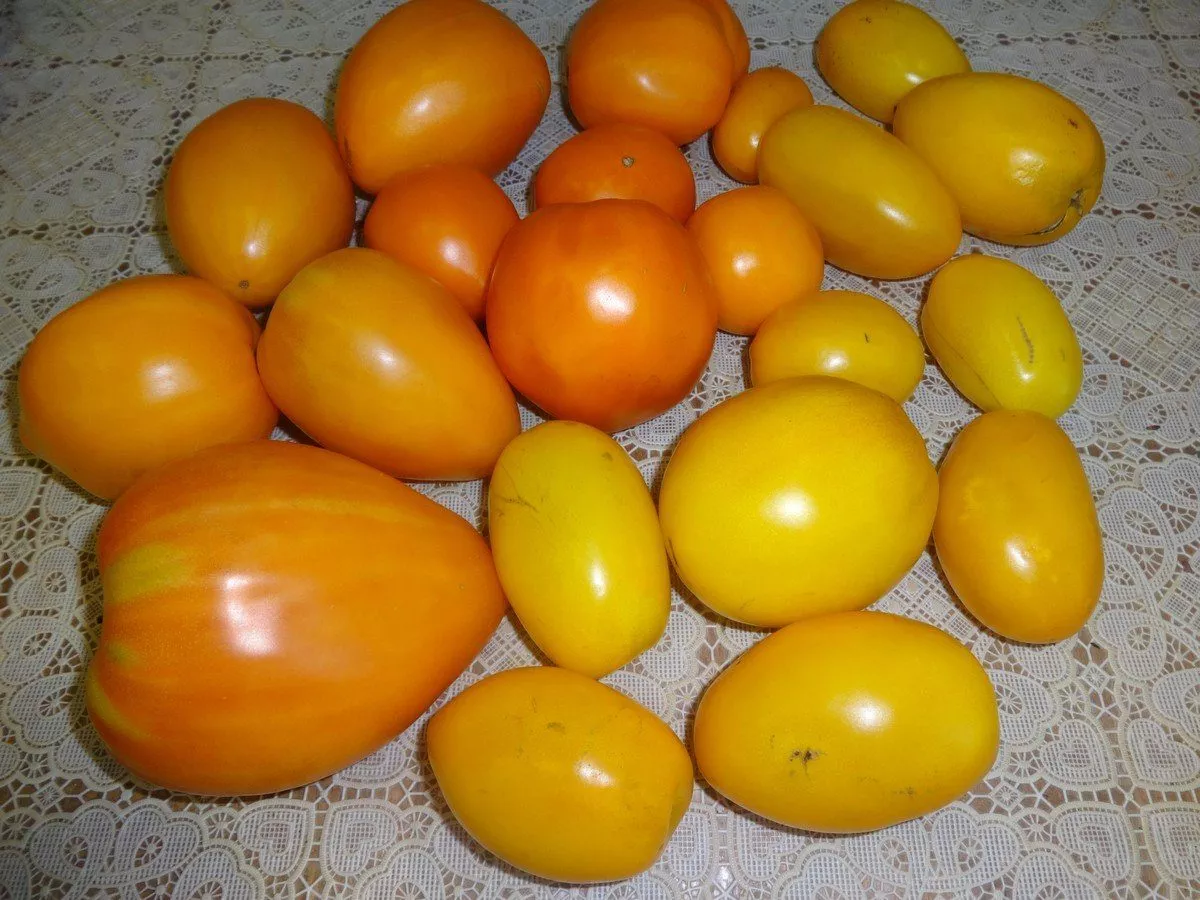
I decided to find out how yellow and orange varieties differ from red and pink tomatoes, and whether they offer any benefits.
Yellow tomatoes are lower in calories than red ones, making them ideal for those trying to lose weight.
They contain less acid and are suitable for people with digestive problems, high stomach acidity, and kidney disease.
Yellow tomatoes are a good substitute for red ones for those people who are allergic to red foods.
What substances determine the color of tomatoes?
It turns out that the carotenoid pigments lycopene and lutein are responsible for the fruit's color. These are oxidants that protect our body's cells from the harmful effects of free radicals.
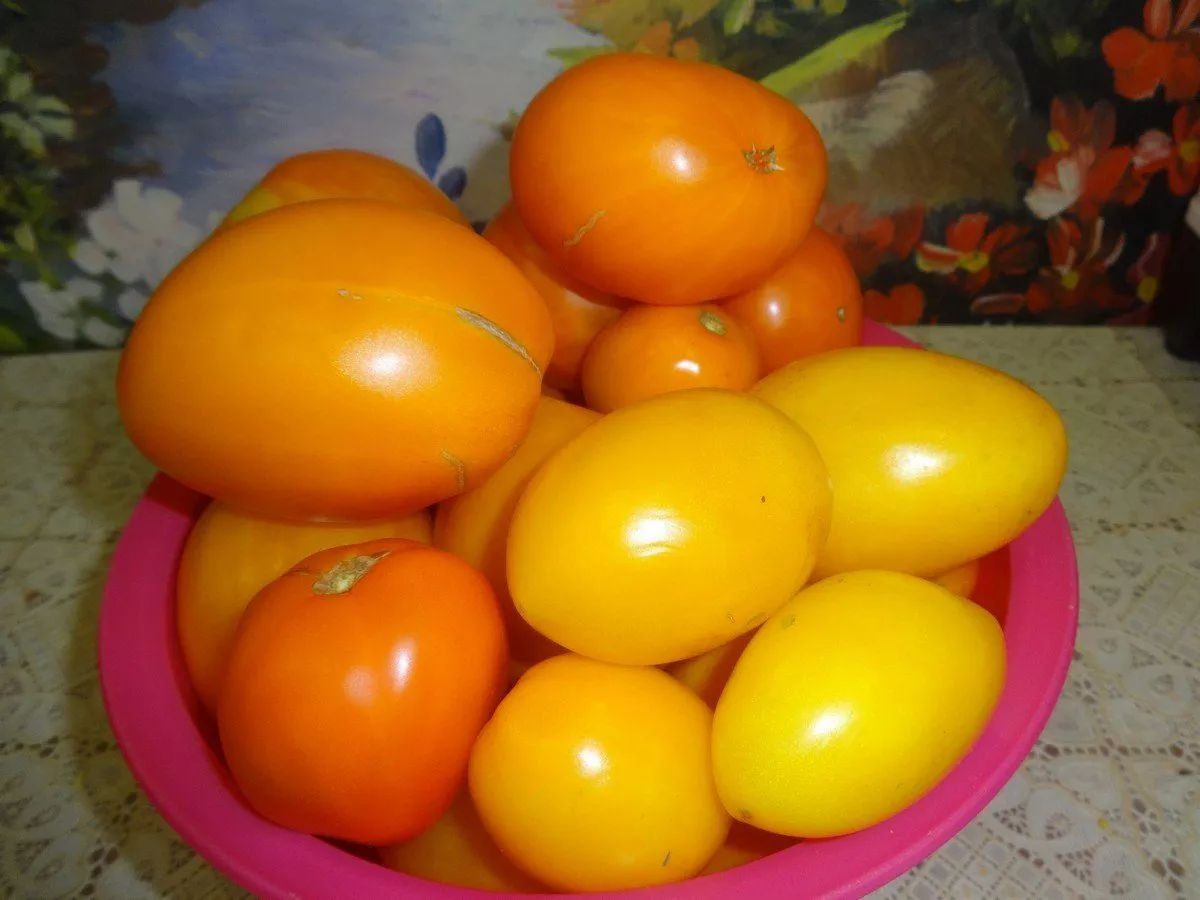
Red and pink tomatoes contain more lycopene, while yellow and orange tomatoes contain more lutein.
Yellow tomatoes are 95% water, the remaining 5% is made up of various vitamins, macro and microelements, dietary fiber, organic fats, fatty acids, amino acids and other beneficial substances.
All these compounds protect our bodies from cancer cells, blood vessels from cholesterol plaques, and the heart from heart disease. They maintain vision and skin elasticity, prolong youth, improve immunity, have a positive effect on the lungs and bronchi, and prevent arthrosis and arthritis.
I collected seeds from all the yellow and orange tomatoes and will grow them.

Do you like yellow and orange tomatoes?