

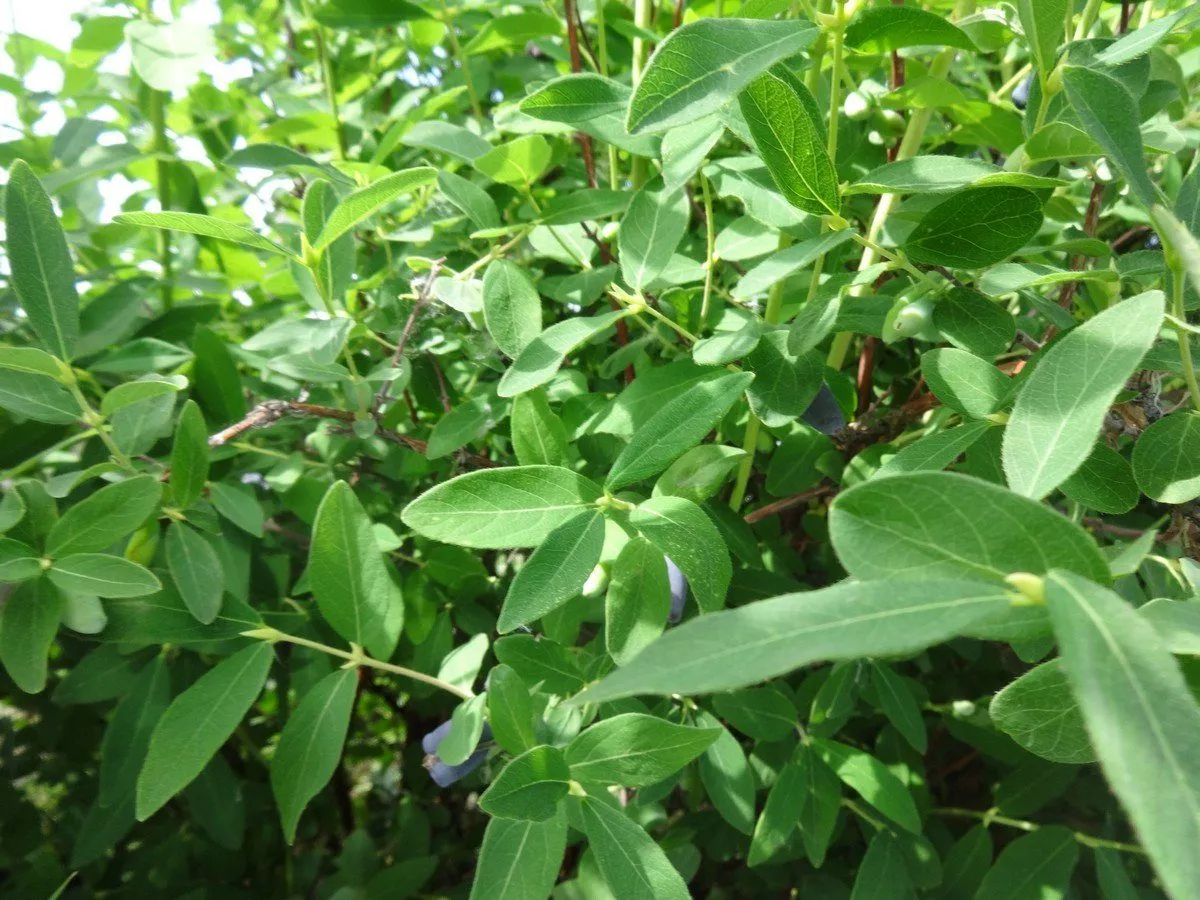
We have honeysuckle growing at our dacha. It's the earliest berry to bear fruit. The plant grows compactly, not tall, and neatly, with small, elongated leaves.
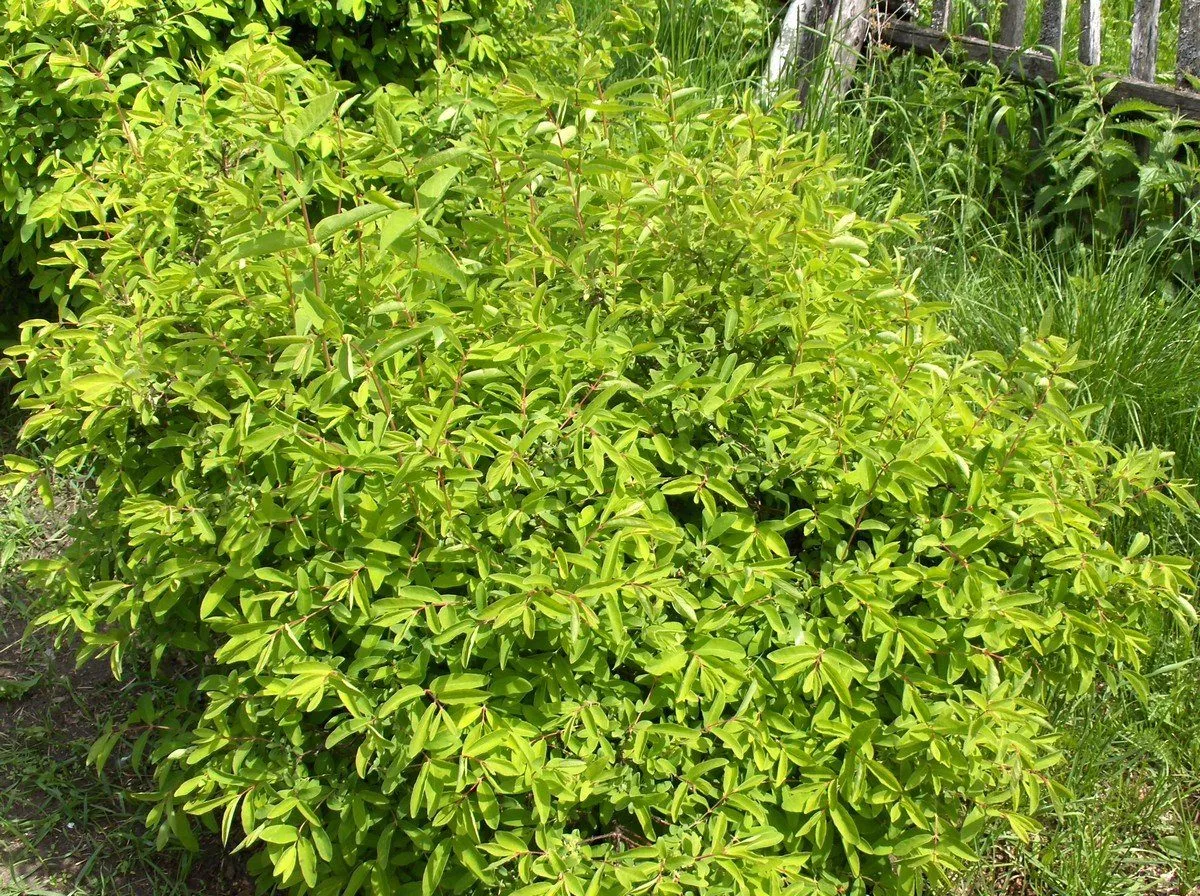
Blooming begins before all trees and shrubs have budded; even on the bush itself, flowers appear first, followed by the leaves. Honeysuckle flowers are light yellow and are a favorite among bumblebees. It's recommended to plant several different honeysuckle varieties nearby for better pollination and a bountiful harvest.
Honeysuckle ripens in June; this year the first berries appeared at the end of May.
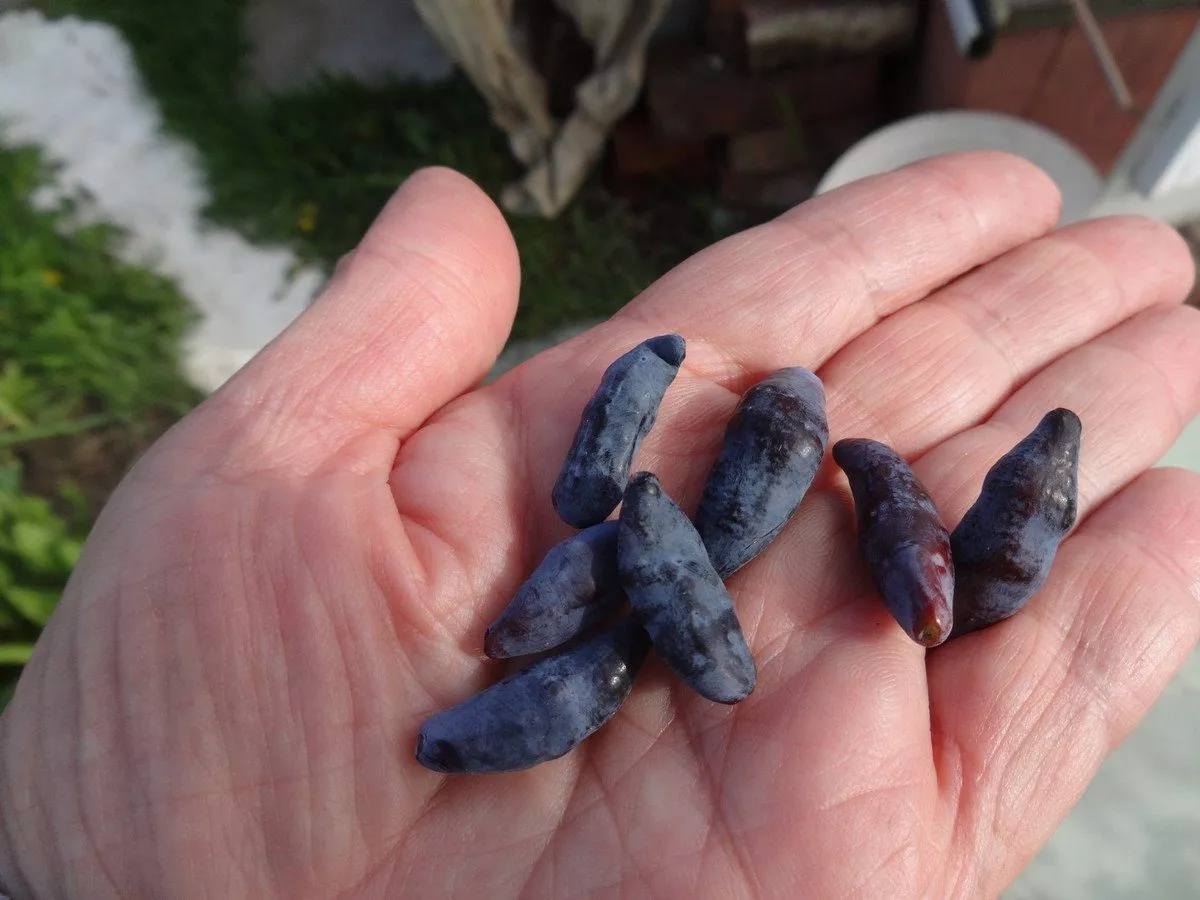
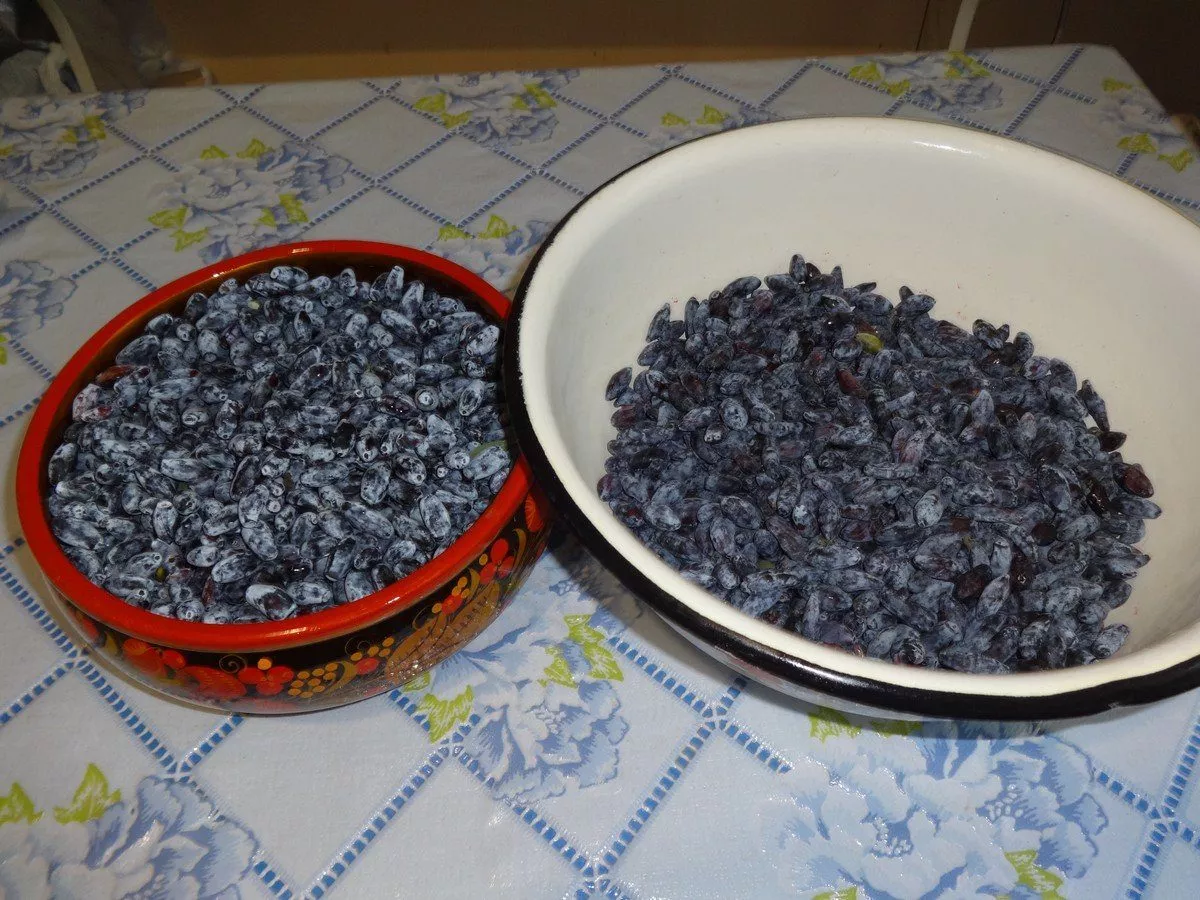
They ripen unevenly, with the berries on the upper shoots ripening first, and the lower ones turning blue last. They vary in shape—oval, oblong-ovoid, roundish—and in color—light blue, blue, and purple. They have a sweet-sour taste, with some varieties having a slight bitterness. The berries are small, 1-3 cm, juicy and delicious.
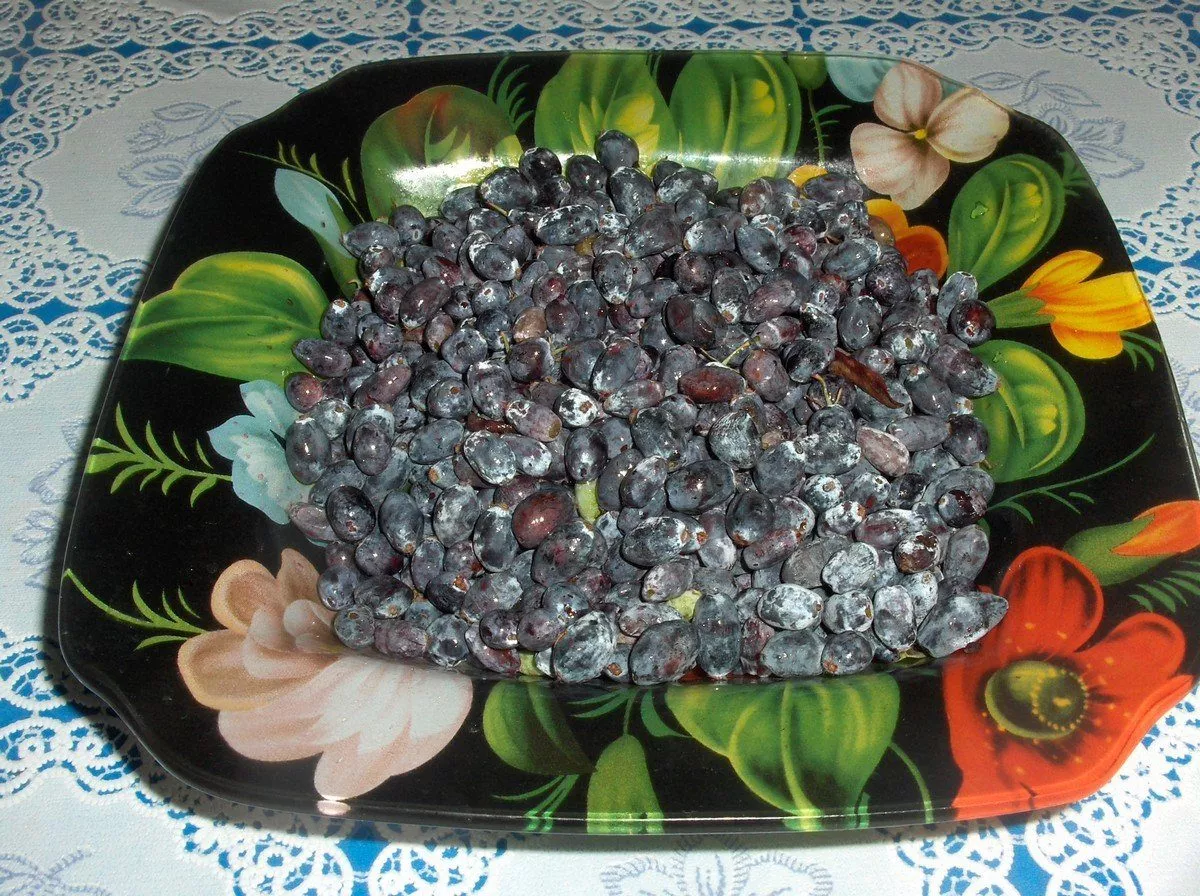
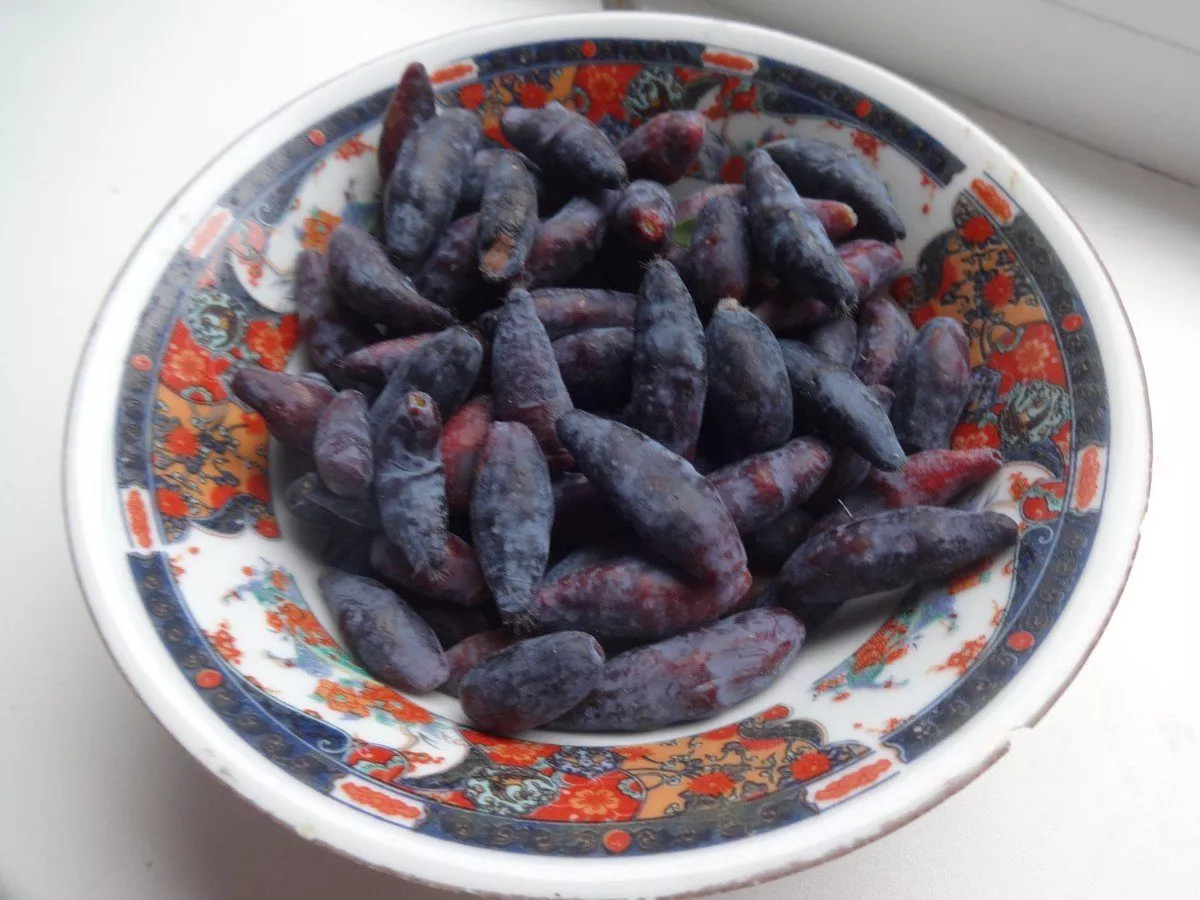
When ripe, honeysuckle falls; if harvesting is delayed, most of it will end up on the ground. Birds, too, are fond of the berries; they can strip the entire bush in a flash.
We have five bushes—three have been growing for five years now, varieties—Stoykaya, Narymskaya, and Goluboe Vereteno. One bush was bought three years ago—a Berel variety—and one was transplanted last fall from old honeysuckle bushes that had been growing at the dacha before us, a variety unknown. We removed the old bushes; they produced very few berries, just taking up space. All the bushes are already bearing fruit, and the berries are all different in taste—Goluboe Vereteno is the most delicious; it's the first honeysuckle to be eaten.
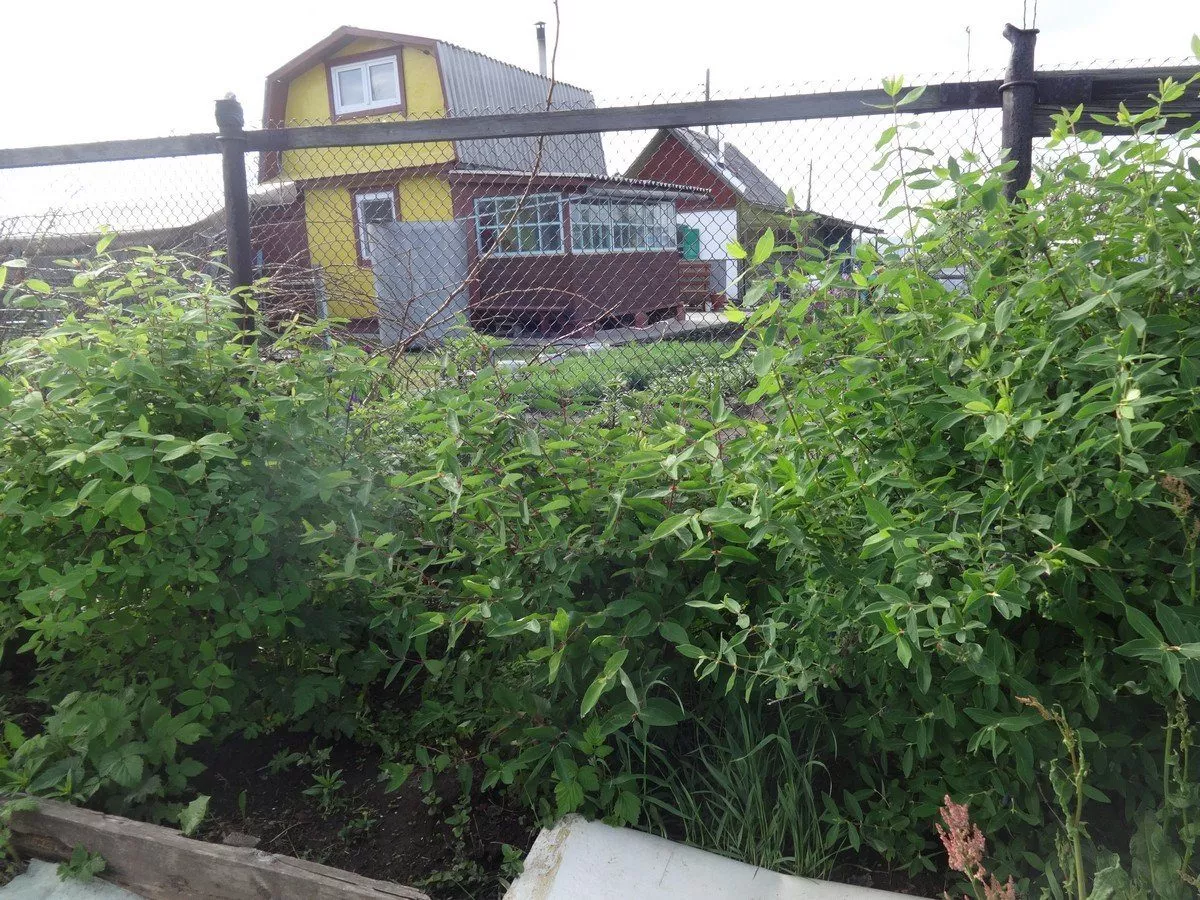
Our honeysuckle grows behind the greenhouse, near the mesh fence, where it gets plenty of sun. The bushes vary: the five-year-old ones are taller, while those planted later are still short. This spring, all the bushes sprouted new shoots. One bush has already become quite dense. In the fall, you'll need to remove any excess thin shoots and trim back any old, thick branches.
Honeysuckle is a winter-hardy plant that requires little care. In the fall, add humus, ash, and a little superphosphate under the bushes. In early spring, for better growth, spread urea under the bushes, hill them up, raking the soil to the roots. In the summer, water them, loosen the soil, and remove grass. It's not particularly difficult to manage.
We haven't encountered any honeysuckle diseases. Pests include leaf-eating caterpillars, which can be identified by curled leaves containing small worms. Green aphids may also appear on tender upper shoots. If caterpillars and aphids are detected and destroyed promptly, they won't cause much harm. If the pests are few, they can be controlled manually by plucking leaves or by spraying with Fitoverm.
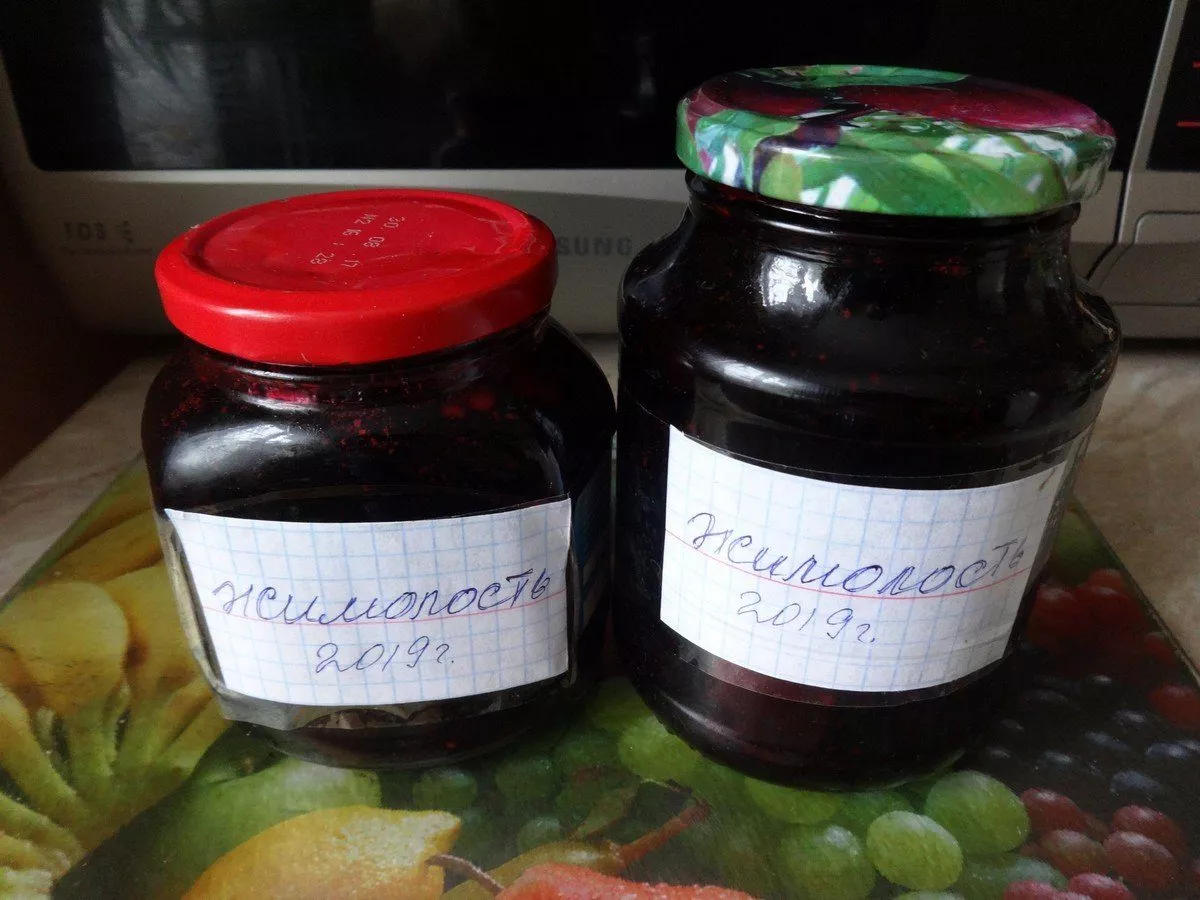
What we do with the berries: we eat them fresh, because they're the first berries we pick, rich in vitamins and have medicinal properties. We make jam—just a little bit, two small jars, and I'm the only one who eats it.
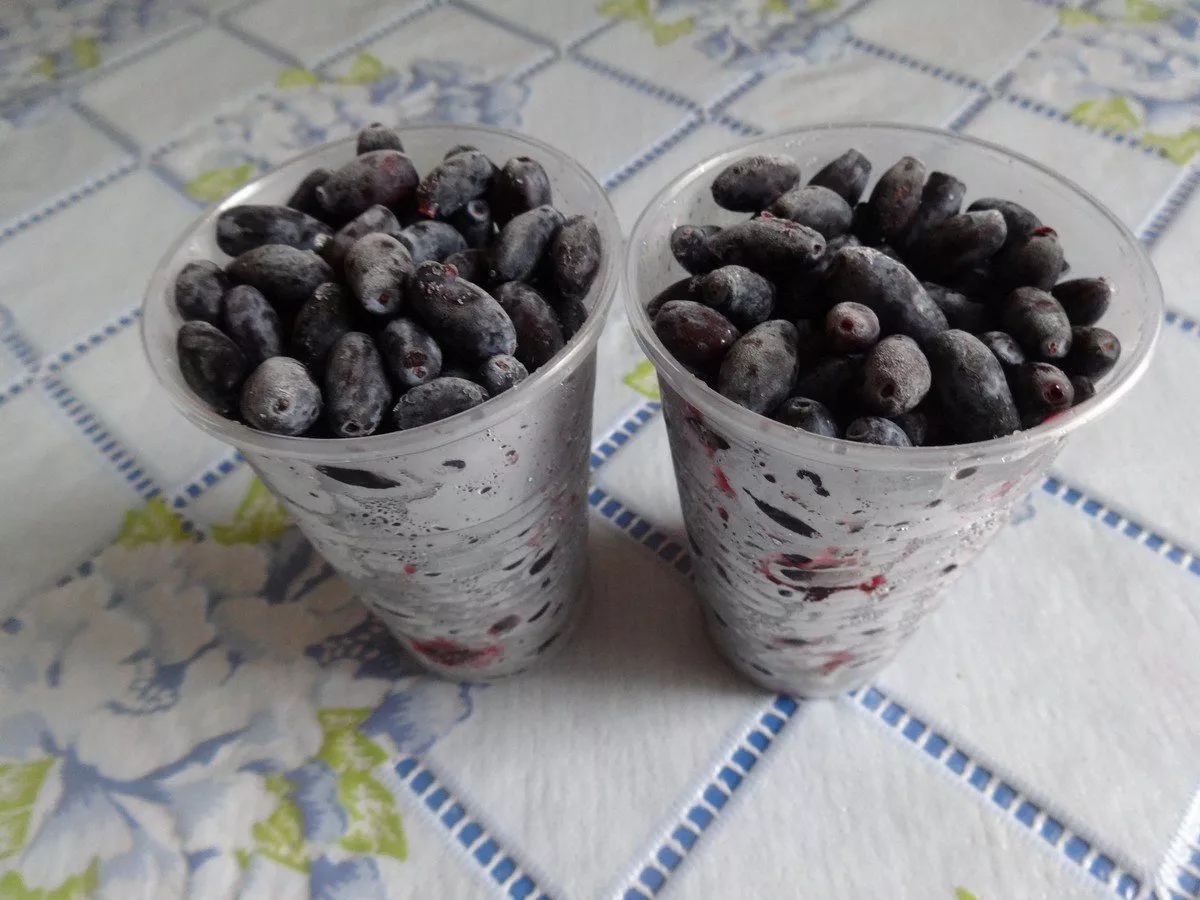
We freeze whole berries in plastic cups, wrapping them in cling film. The berries are delicious in winter, retaining their vitamins and shape.
All parts of the plant—flowers, leaves, twigs, bark, and berries—have medicinal properties. Berries, decoctions, and infusions made from honeysuckle help treat flu, acute respiratory viral infections, and inflammatory conditions. They also strengthen the immune system, calm the nervous system, have a beneficial effect on blood vessels and the heart, and treat gastritis, ulcers, and stomach problems.