
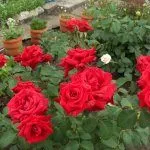
The leaves are carved, the stem is thin,
Orange roses burn like a flame.
In forest clearings, along the river banks
The globeflowers are in full bloom - bright and hot!
The honey aroma attracted bees
Summer is coming, it's hot and sunny!
And our turkish flowers are in bloom! Along the roads outside the city, along the banks of lakes, rivers, and streams, and at the edges of forests, there are orange patches of blooming globeflowers, as they're also called. The beauty is indescribable!
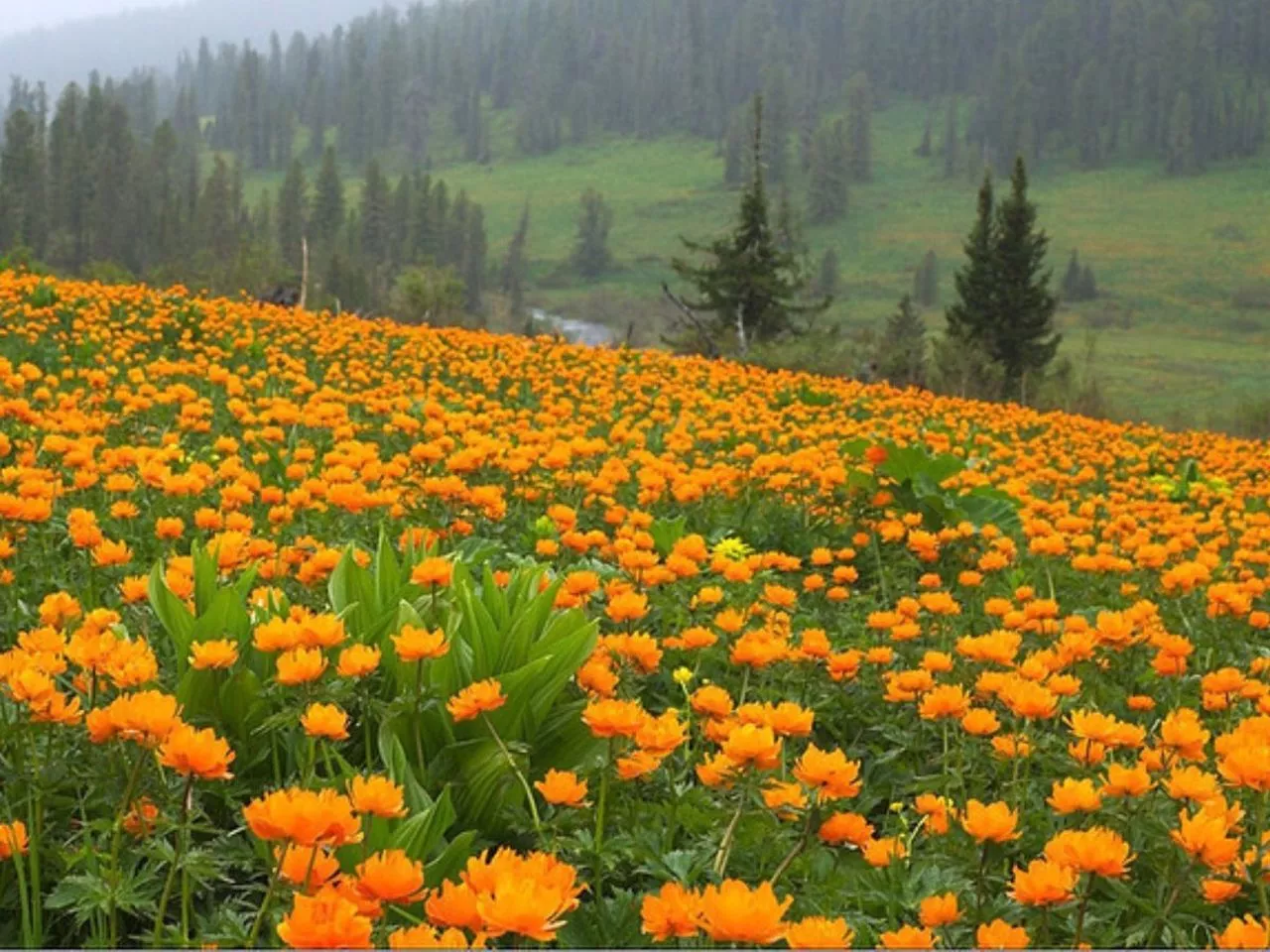
I took this photo from the internet. The landscape resembles the road to our old dacha. The same stream, forest, and fiery meadow of blooming jasmine. And a light, misty haze.
Siberian roses have also blossomed at our dacha.
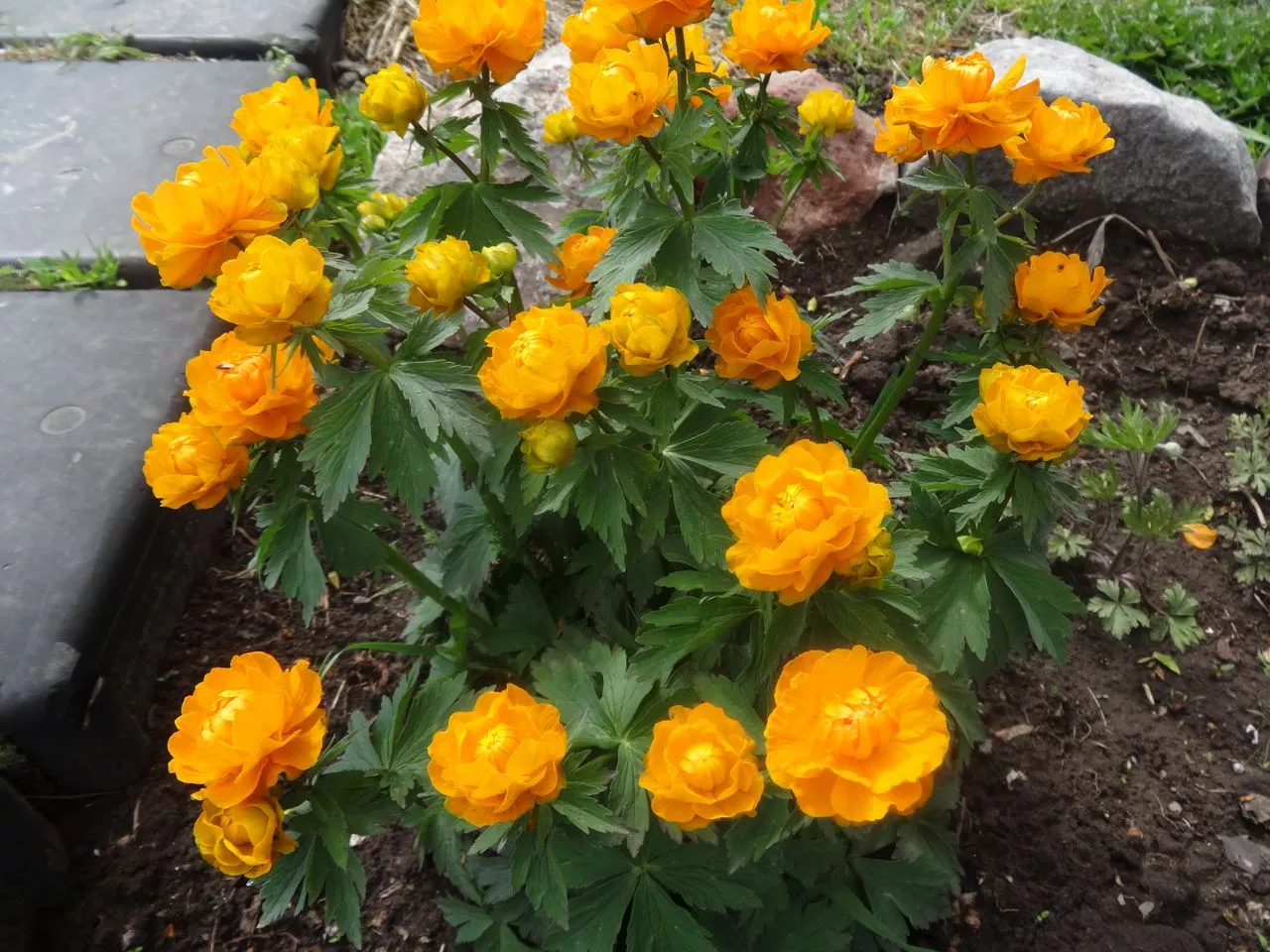
I dug them up at my old dacha, where they were growing everywhere. Behind the fence, along the stream, and in the dacha itself. My flowers—two bushes—grow under a white lilac, next to a pasque flower, a primrose, and a spirea. These plants, besides the lilac, also come from nature.
Another bush grows in the most humid and shady place; it develops slowly and blooms later.
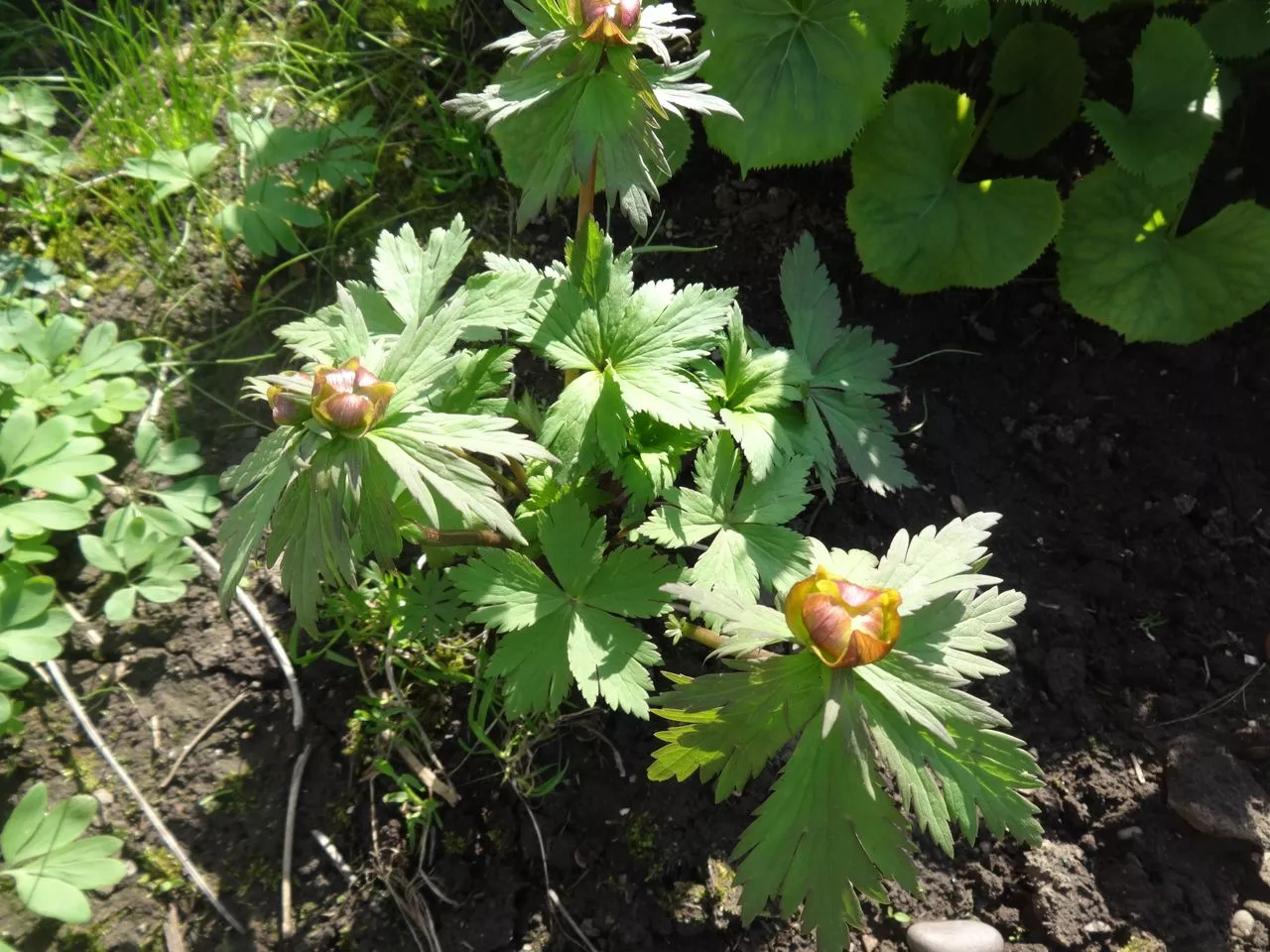
I replanted it; it was previously growing in a dry, sunny spot and was suffering from the heat and lack of water. But it seems it doesn't like this spot either. Where should I replant it?
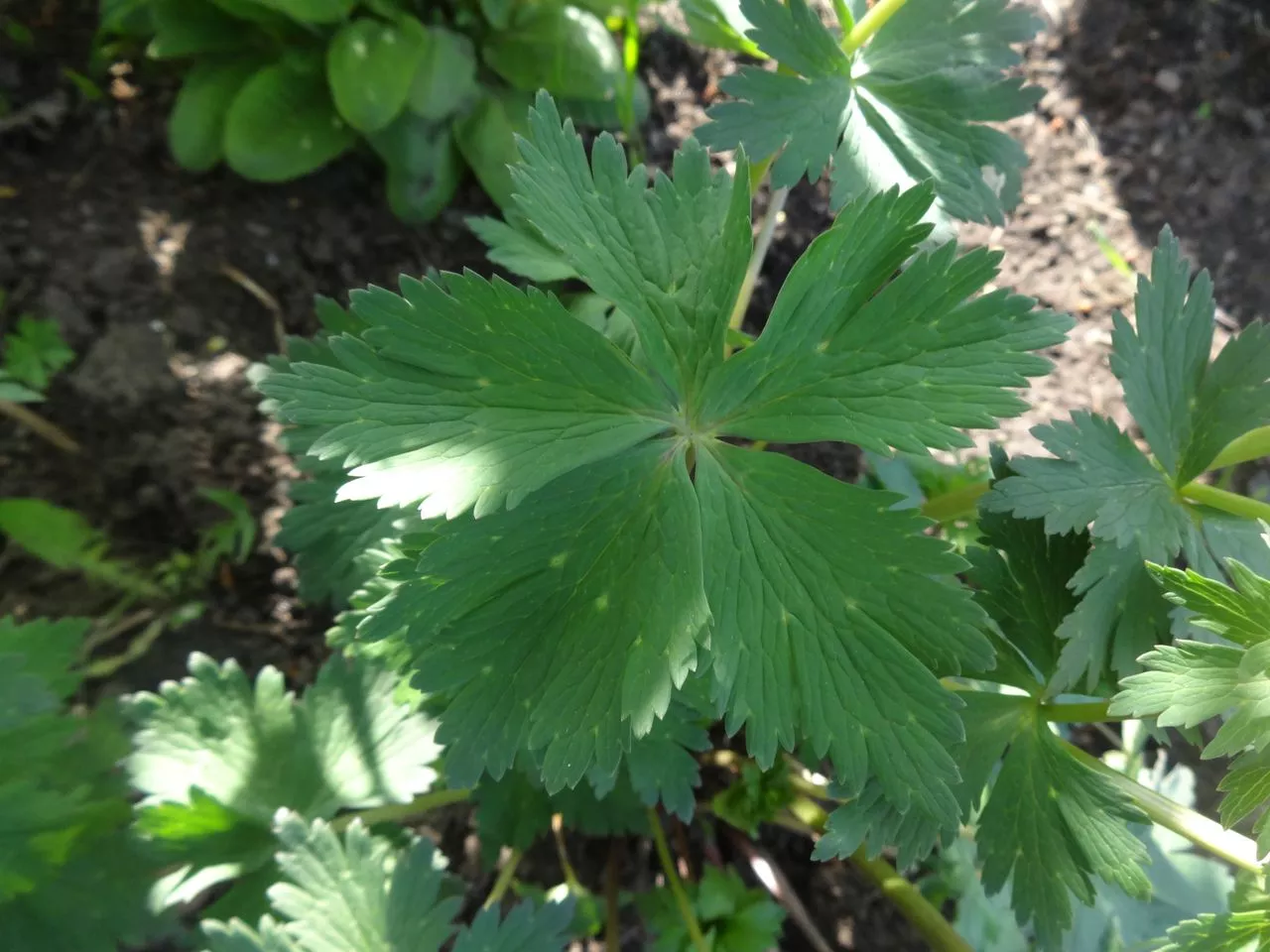
The botanical name for these flowers is trollius, but most people know them as buttercups, globeflowers, lights, and ranunculus. I grow the Asiatic globeflower. It's a perennial herbaceous plant with dissected green leaves.
It blooms with large, double, bright orange rose-shaped flowers.
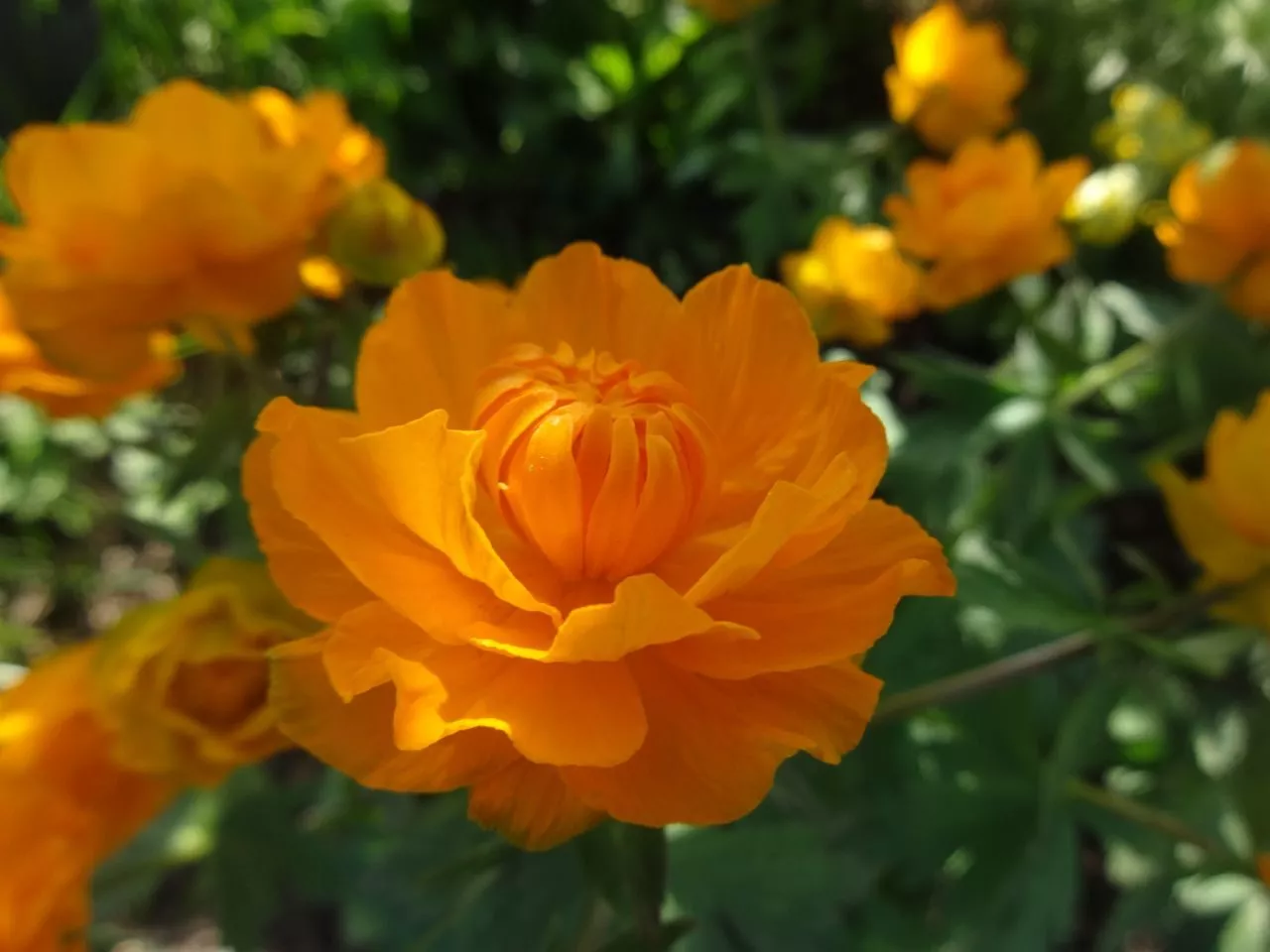
The height of the bushes is 50-80 cm.
Globeflowers thrive in moist, sunny locations and spread quickly. Flowering begins in mid- to late May and lasts up to three weeks. Oval, black seeds ripen in July. The seeds remain viable for up to a week.
I haven't noticed any self-seeding. I planted three bushes, and they've been growing steadily, gradually expanding, with more sprouts appearing each year. But I haven't noticed any new sprouts sprouting nearby. Maybe I should collect the seeds when they're ripe and sow them in a box? Or I could just transplant the bushes, dividing them into two or three parts. I'm so eager for lots of sprouts!
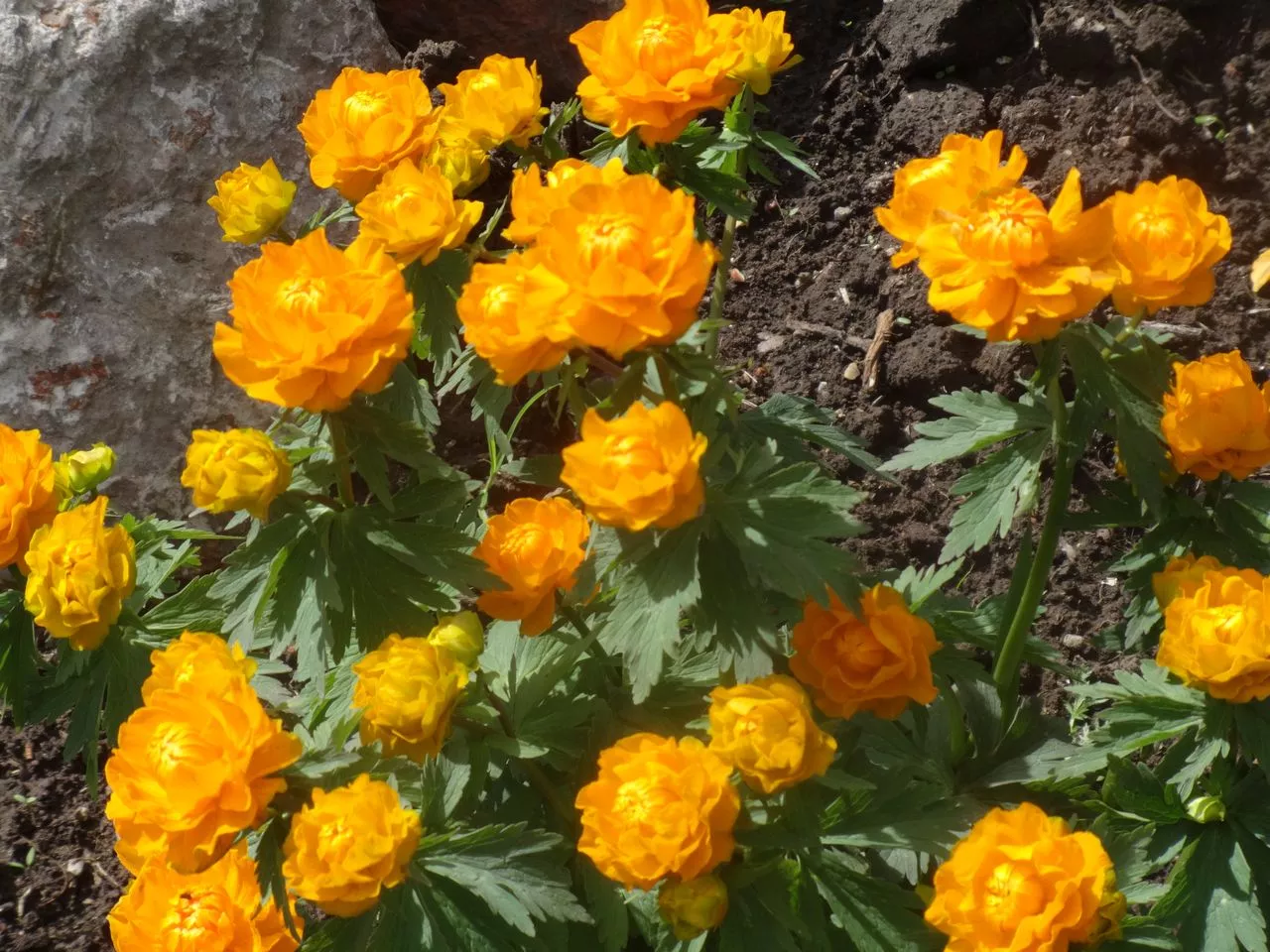
Zharki tolerate frosty winters well without shelter. They can grow without fertilizer, but I still add humus and ash under the bushes.
I love these fiery flowers. The fire flowers are blooming—summer is coming!
These are such sunny flowers! I've never heard of them. It was interesting to read, thank you!
Good afternoon, I wonder if zharki will grow in Yakutia or not.
We have relatives living in Yakutia. I asked if you grow jalapenos, and they said they don't grow in the wild. Maybe summer residents grow them.