

We have a very unusual strawberry growing at our dacha, the Kupchikha strawberry. What's so unusual about it? It's all there—from the name—it's not a strawberry, not a wild strawberry, but a zemklunika, a hybrid resulting from crossing the European muscat strawberry and the large-fruited garden strawberry.
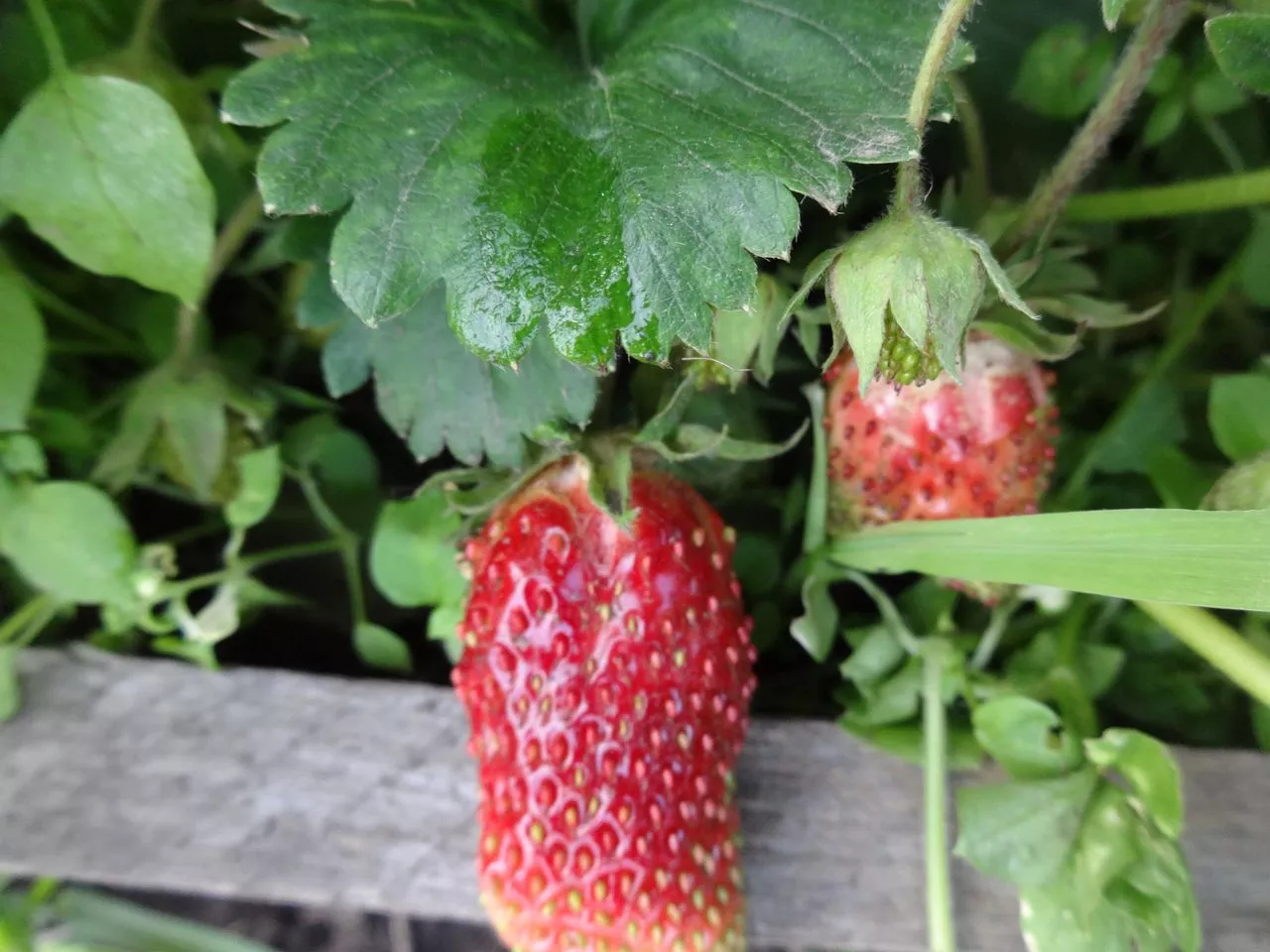
The Kupchikha variety was developed by Soviet specialists in the 1980s at the Bryansk Agrarian University. It was the first and only strawberry variety officially entered into the State Register in 2017.
Kupchikha has a unique appearance: tall, lush bushes with concave, rounded leaves with serrated edges, smooth and shiny. The flower stalks are thick and strong, bearing numerous large, snow-white flowers with yellow centers.
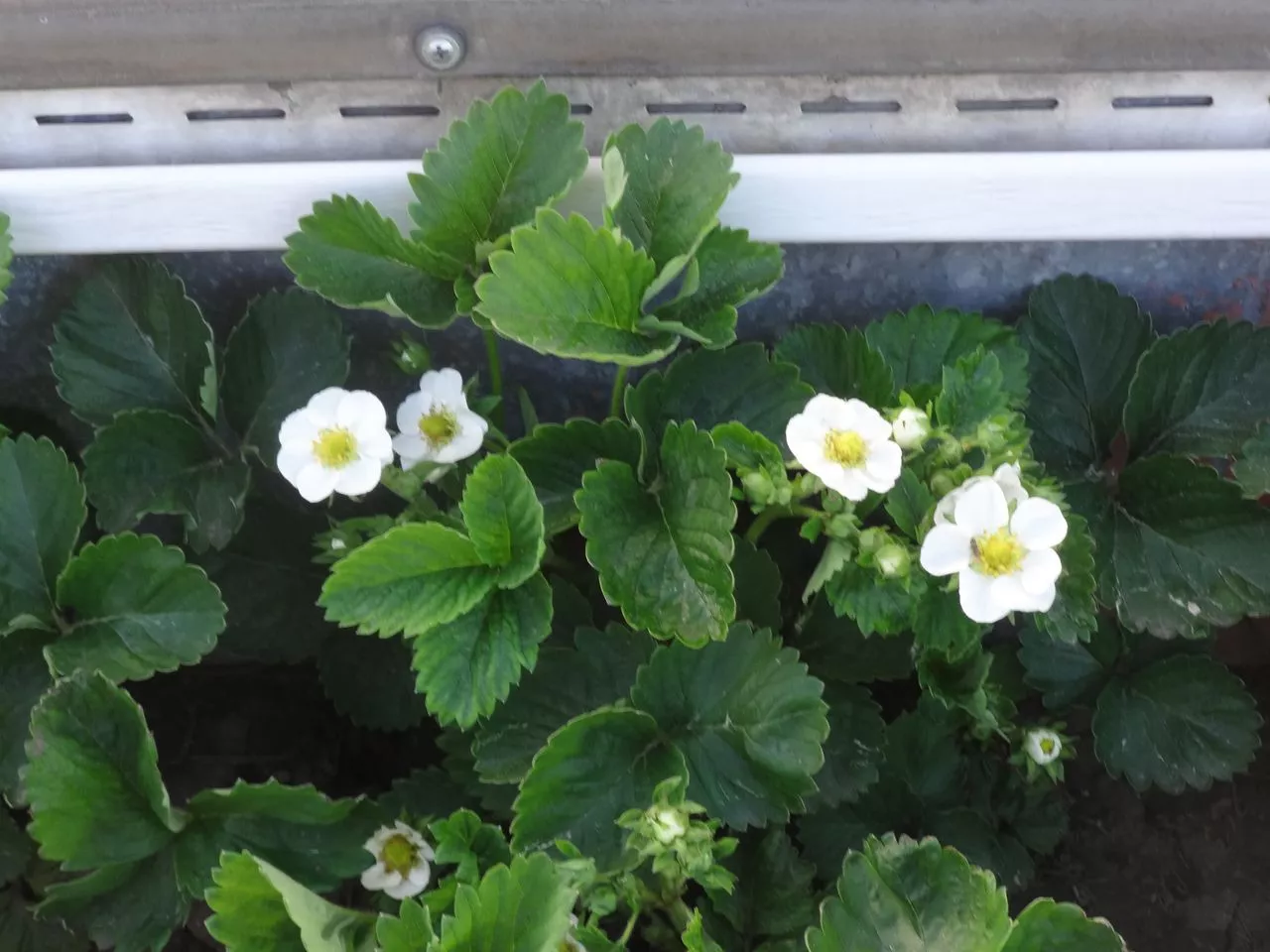
When Kupchikha blooms, the leaves are almost invisible.
At our dacha, wild strawberries begin to bloom earlier than other strawberries and ripen first.
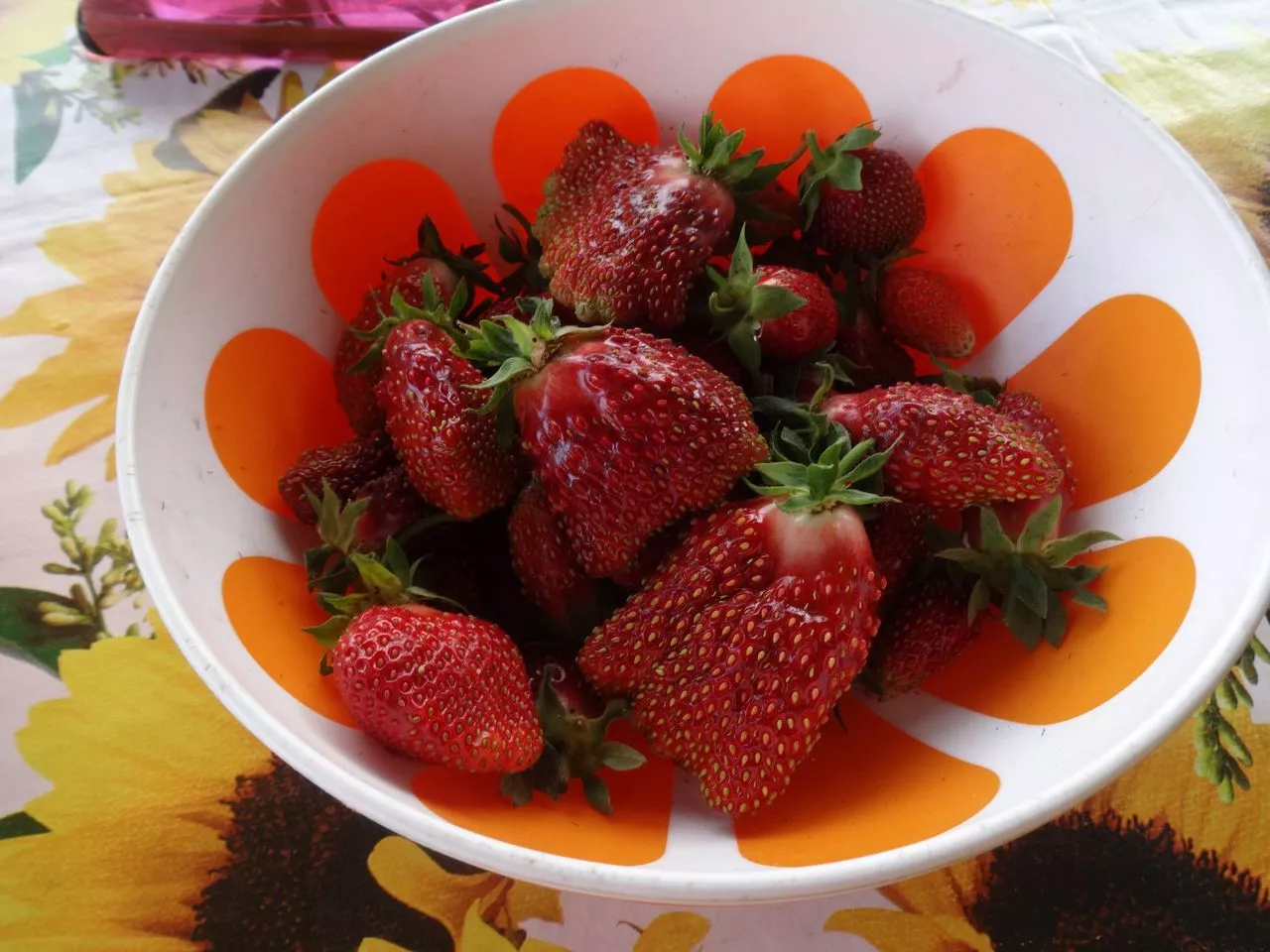
The first berries are the largest - unusually shaped, elongated, flattened, some forked at the ends, some resemble a skirt, others a palm.
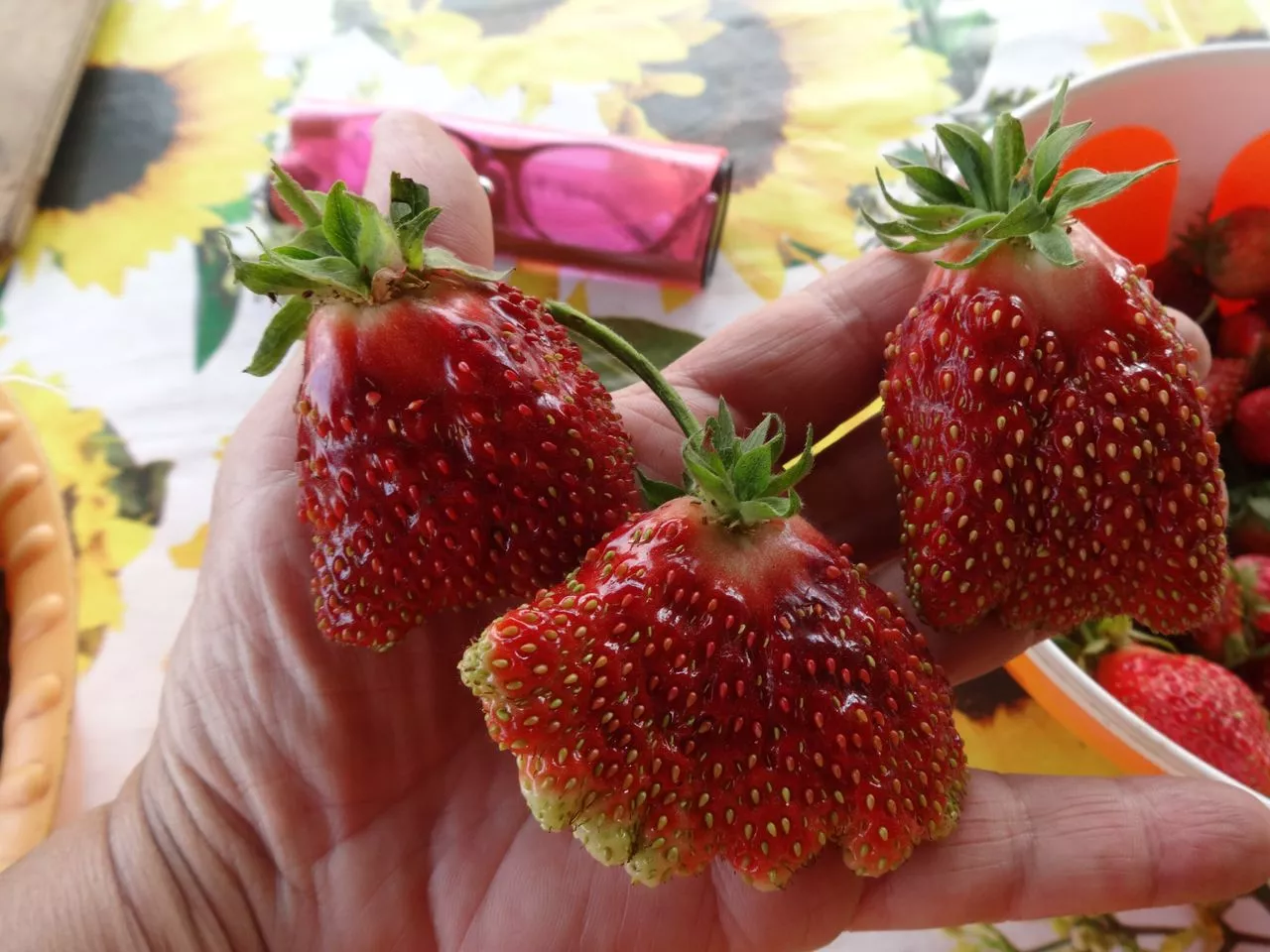
The berries are dark red, firm-fleshed, very sweet, and aromatic. Their fragrant scent permeates the garden.
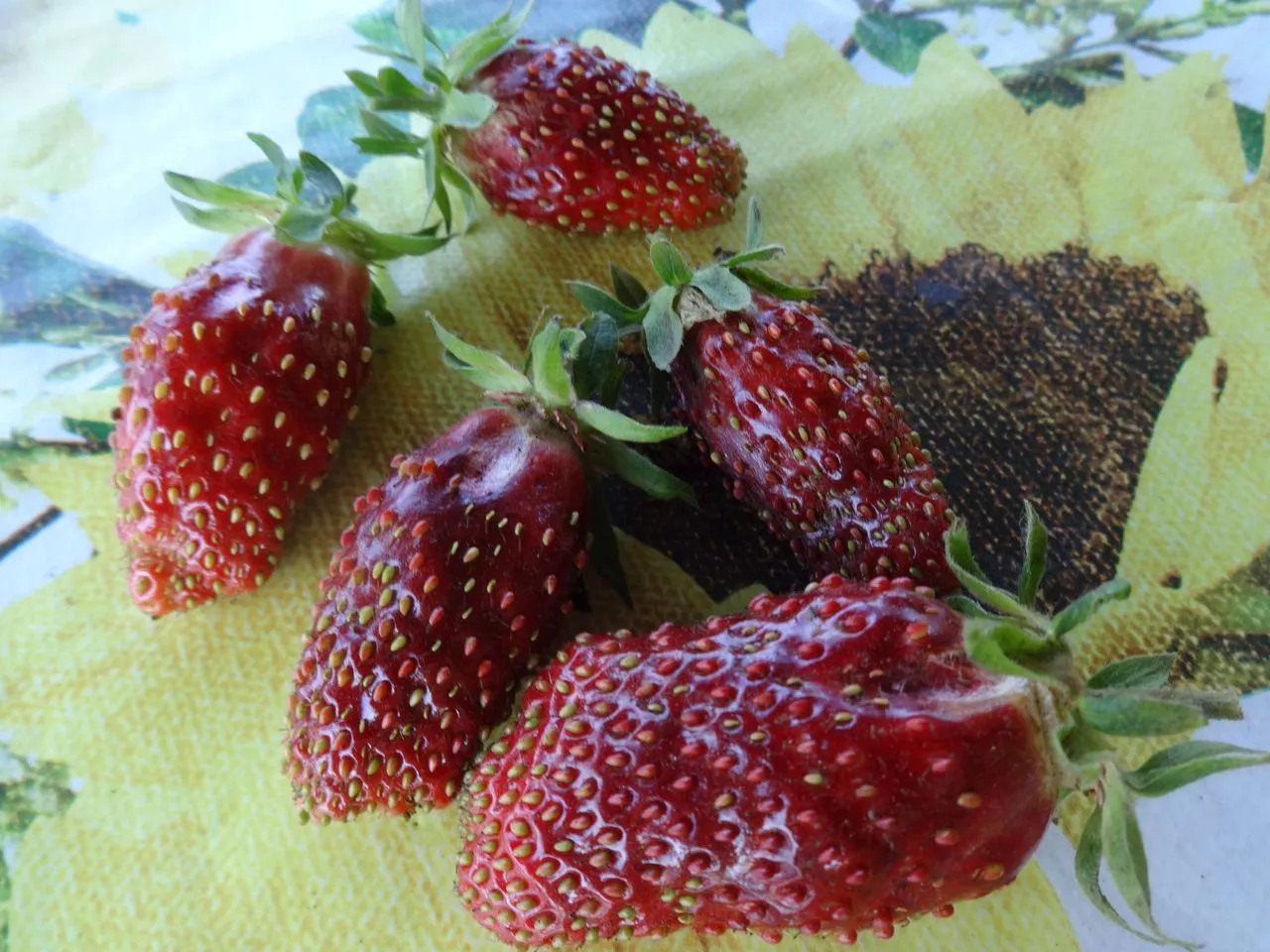
Even in rainy and cold summers, the berries stay soft and sweet. Berries of other varieties become saturated with moisture and become slightly tart.
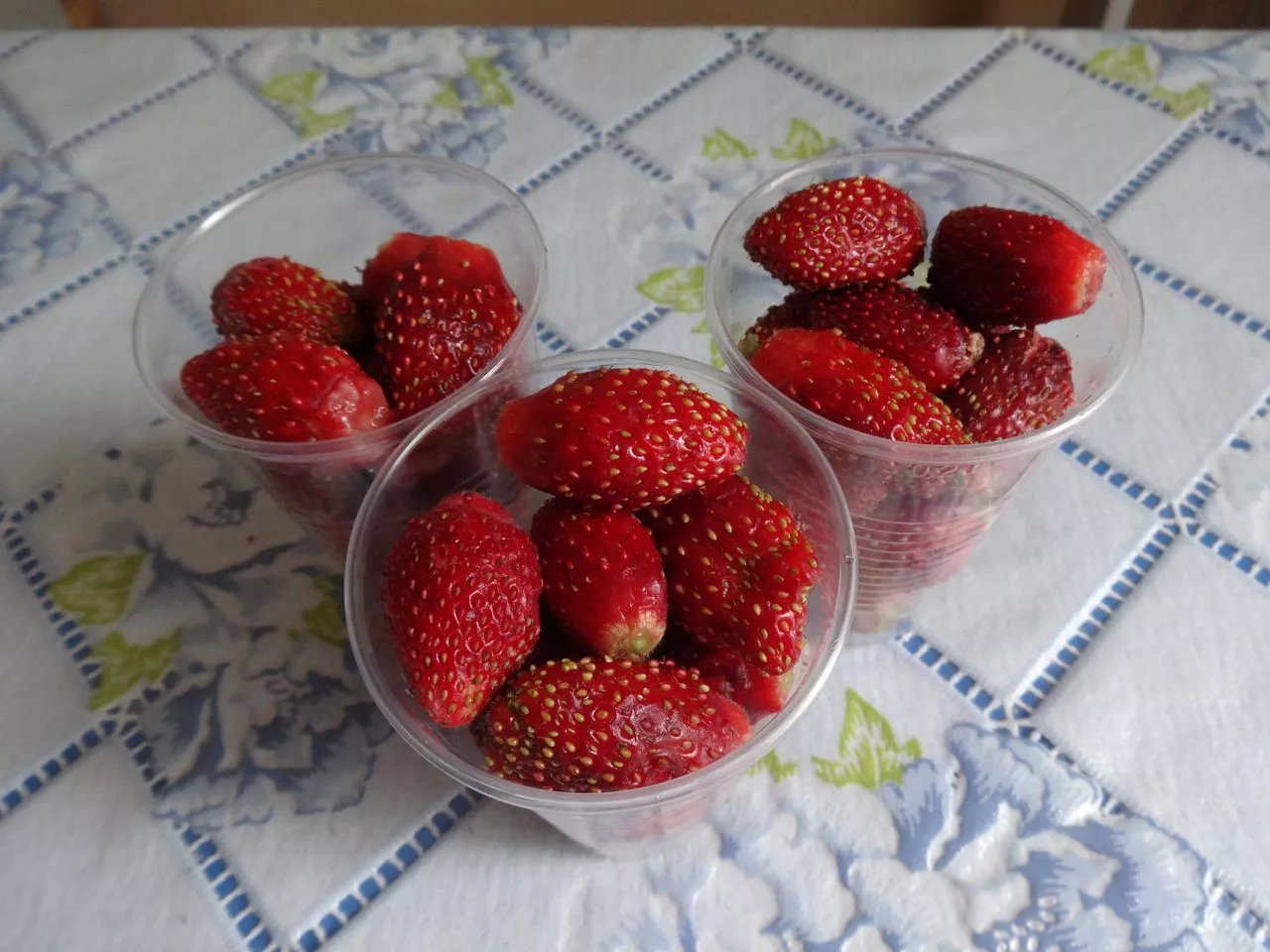
When frozen, they also remain whole, do not spread, and their taste and aroma are preserved.
The Kupchikha variety is quite winter-hardy and tolerates heat well, but last year (2021) due to heavy rainfall and cool weather, the strawberries that grew in the lowlands got wet and died.
Strawberries are propagated using runners and grow well and quickly, but like other strawberries, they need to be replenished every 3-4 years; the bushes become smaller and the yield declines. In early spring, it's advisable to cover the plants with a covering material or plastic to prevent them from freezing in subsequent frosts.
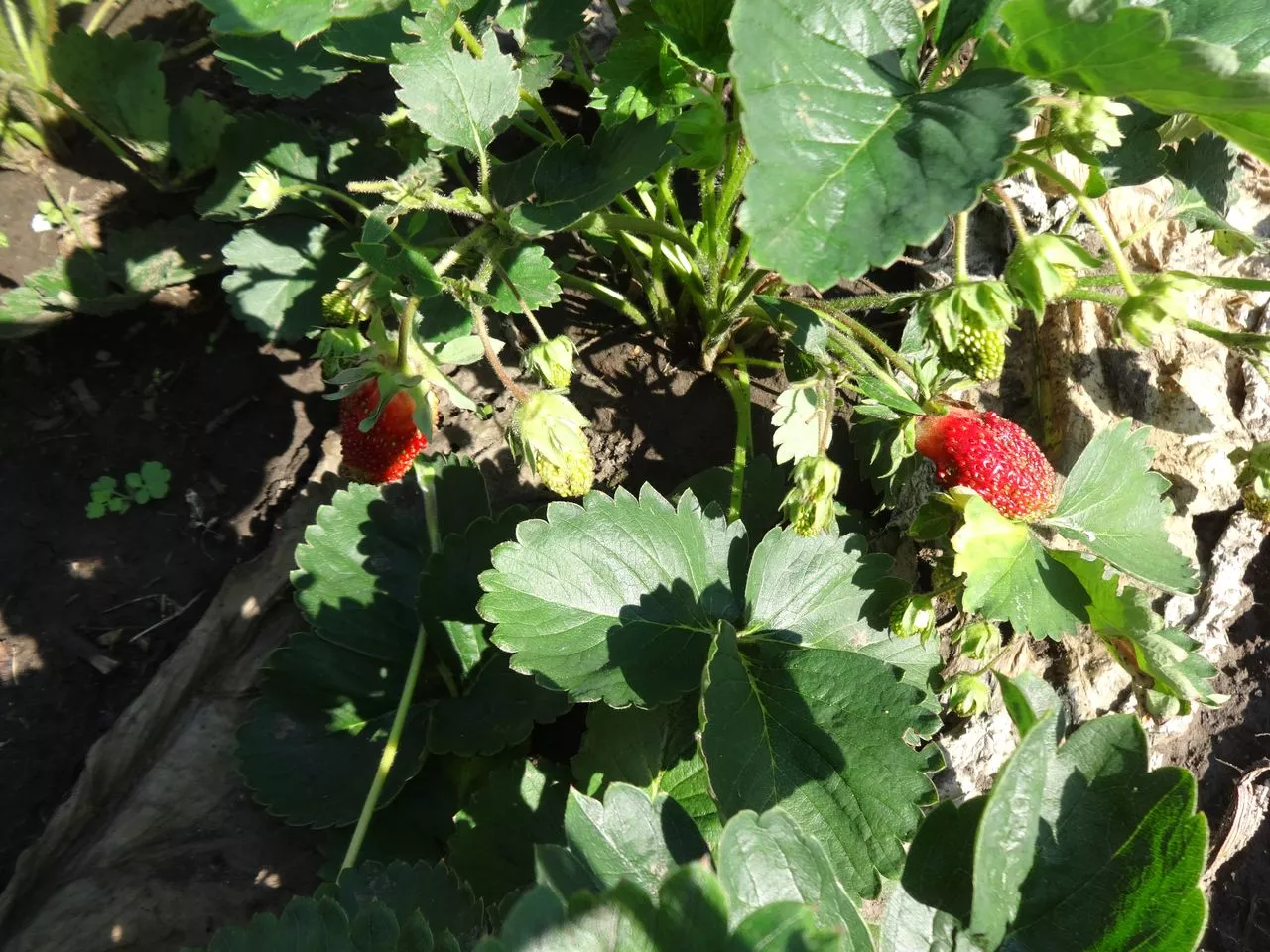
What care does a wild strawberry need? The same as regular garden strawberries: fertilizing, watering, weeding, and disease and pest prevention and control.