

Once the harvest has been collected, the question arises of how to preserve fruits, berries and vegetables for longer.
Many vegetables are stored well in the cellar - potatoes, root vegetables - carrots, beets, radishes, turnips.
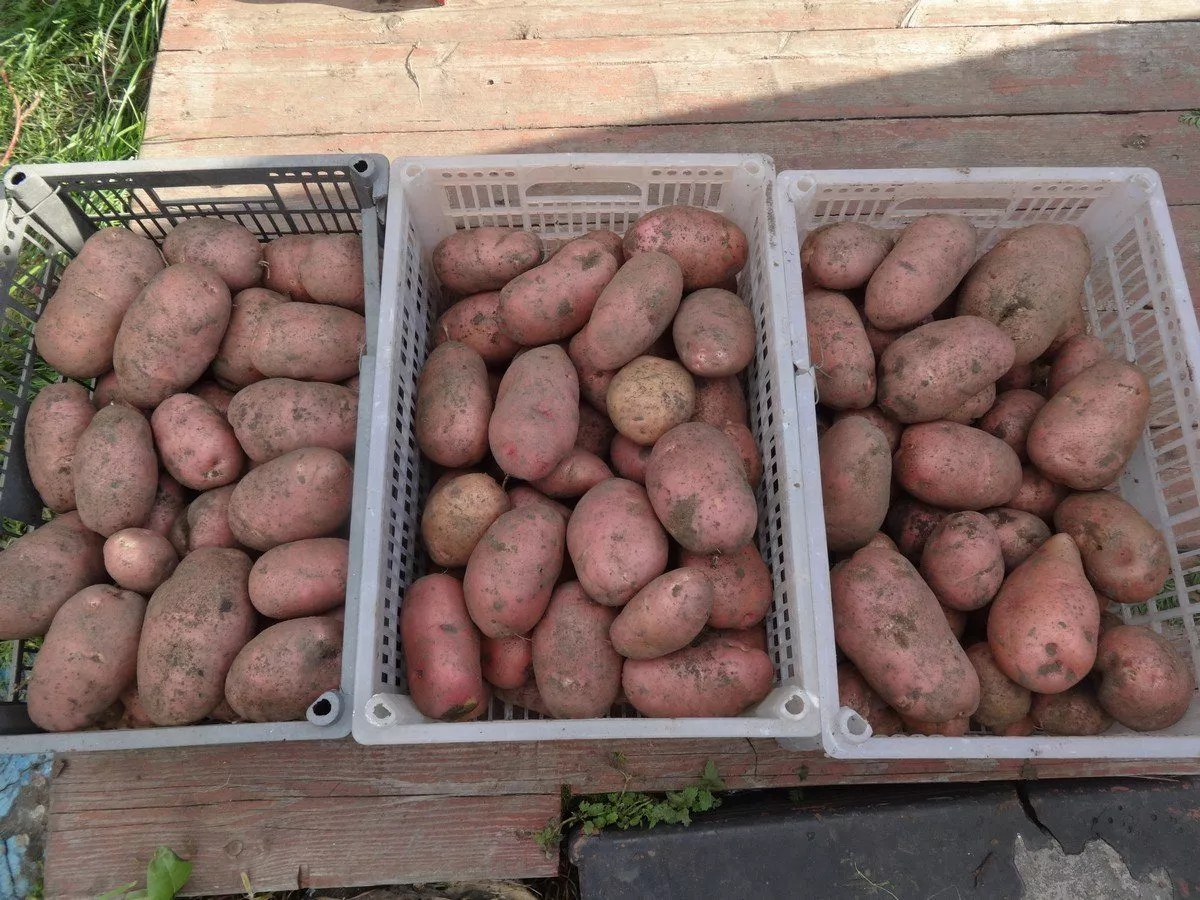
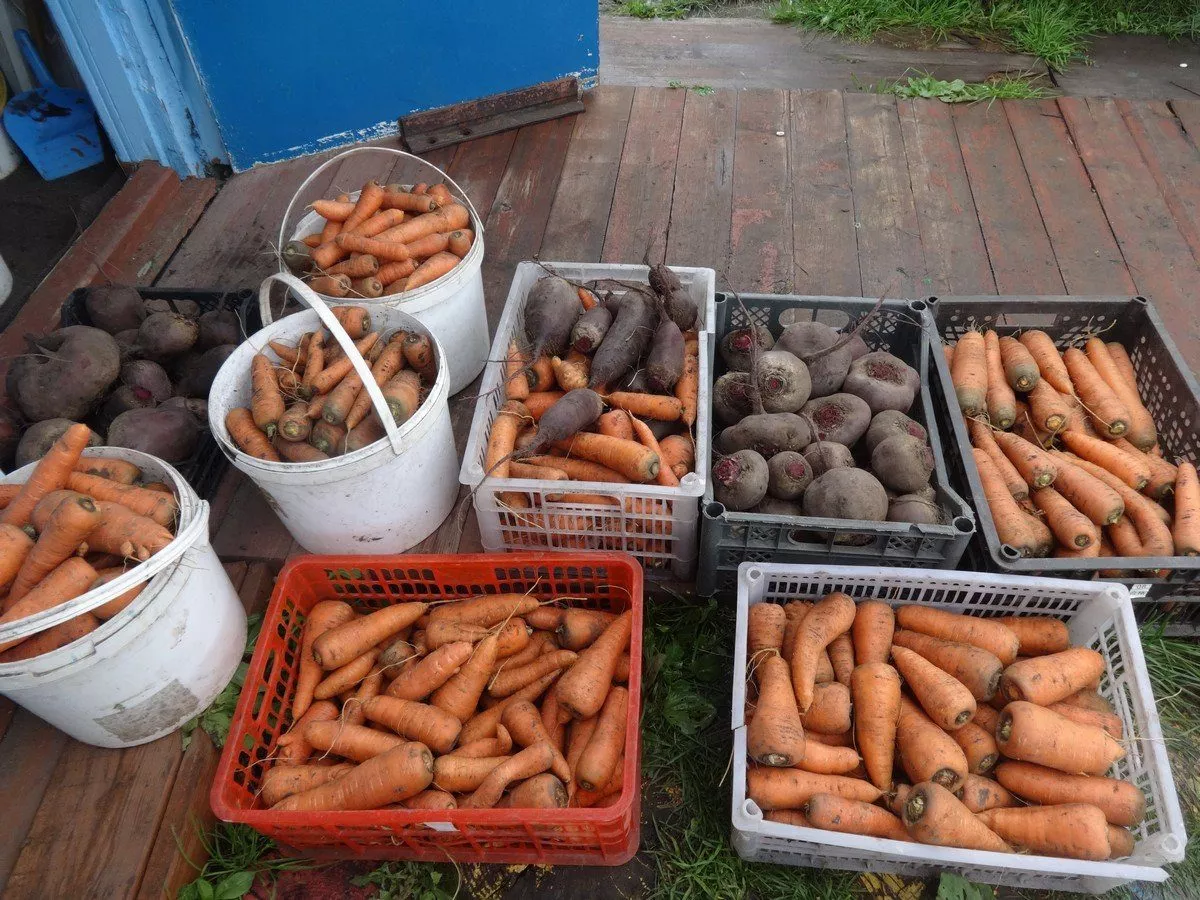
There are no problems with storing them - they last until the next harvest.
Cabbage is also easy to preserve; you can ferment it or pickle it. Our cabbage keeps well in the cellar. In the fall, we wrap the firm, sturdy heads in newspaper and lay them out on a shelf.
Previously, we fermented cabbage in a large container, but now we use a quick recipe and just a little salt – 3 jars.
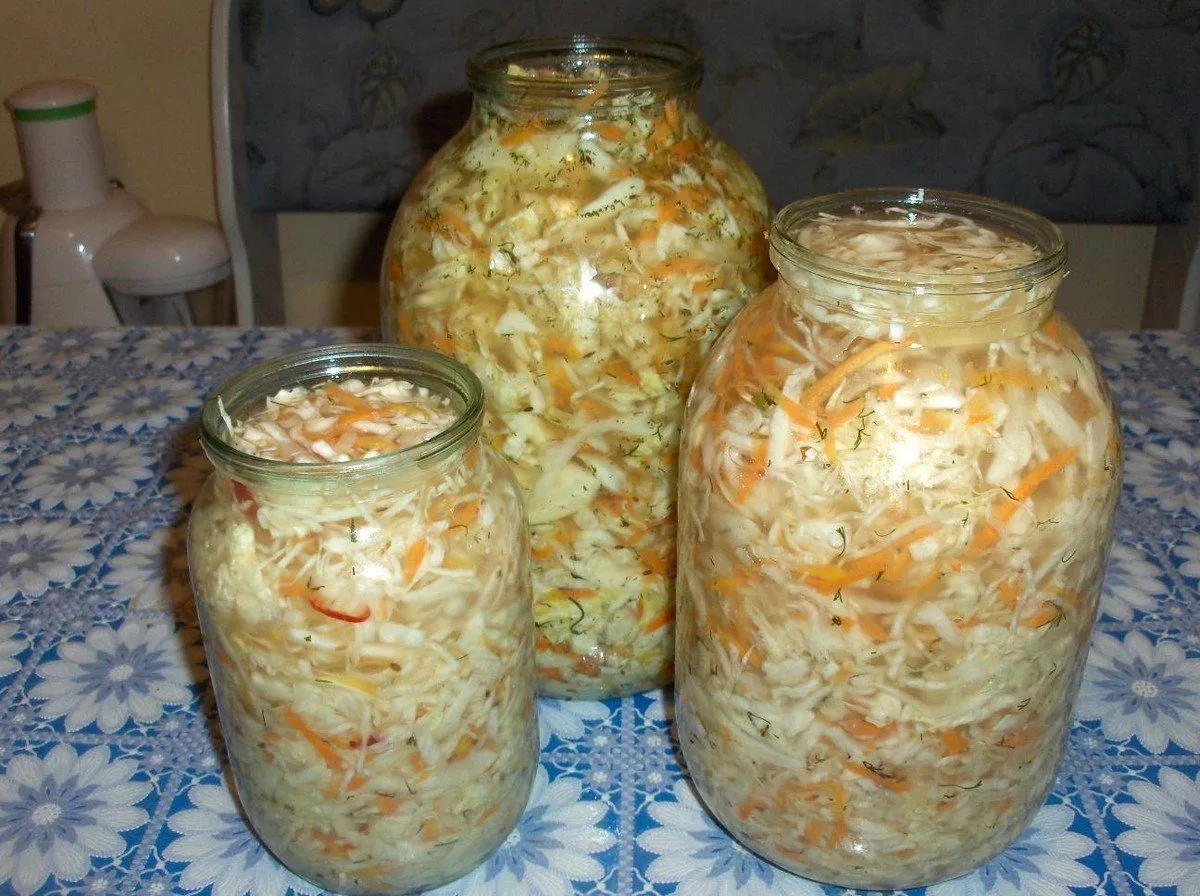
One is spicy with dill seeds, the other is seedless, for my youngest son's family; they don't like dill seeds. And the third is spicy with hot pepper; my eldest son loves this kind of cabbage. Pickled cabbage is delicious in a salad with sunflower oil and onions, I add it to vinaigrette, and I cook cabbage soup and borscht. I make cabbage pie in the oven and fry pies. When the cabbage is eaten, I take fresh heads out of the cellar and salt them again.
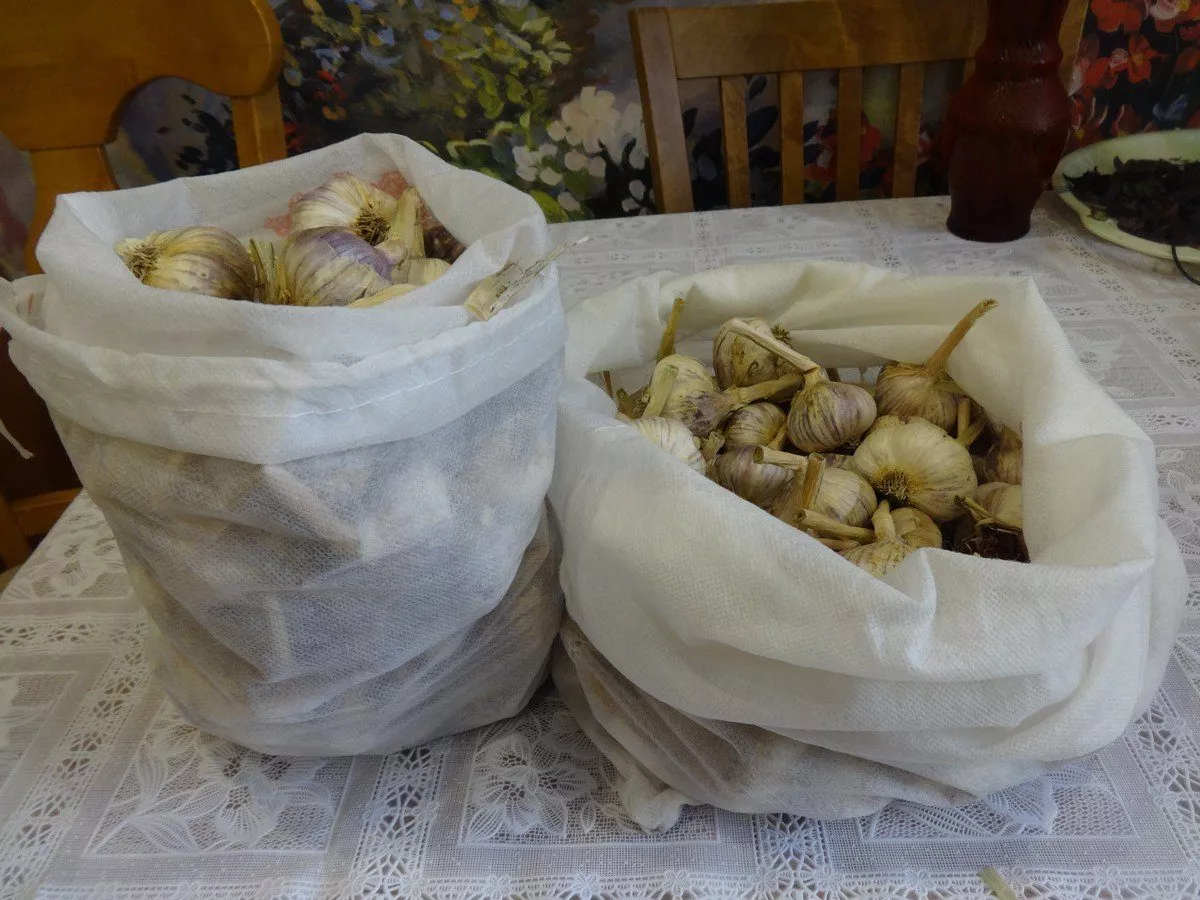
Onions and garlic store well in a hallway closet, where it's cool and dry. We store the garlic in cloth bags; they're breathable, allowing air to pass through.
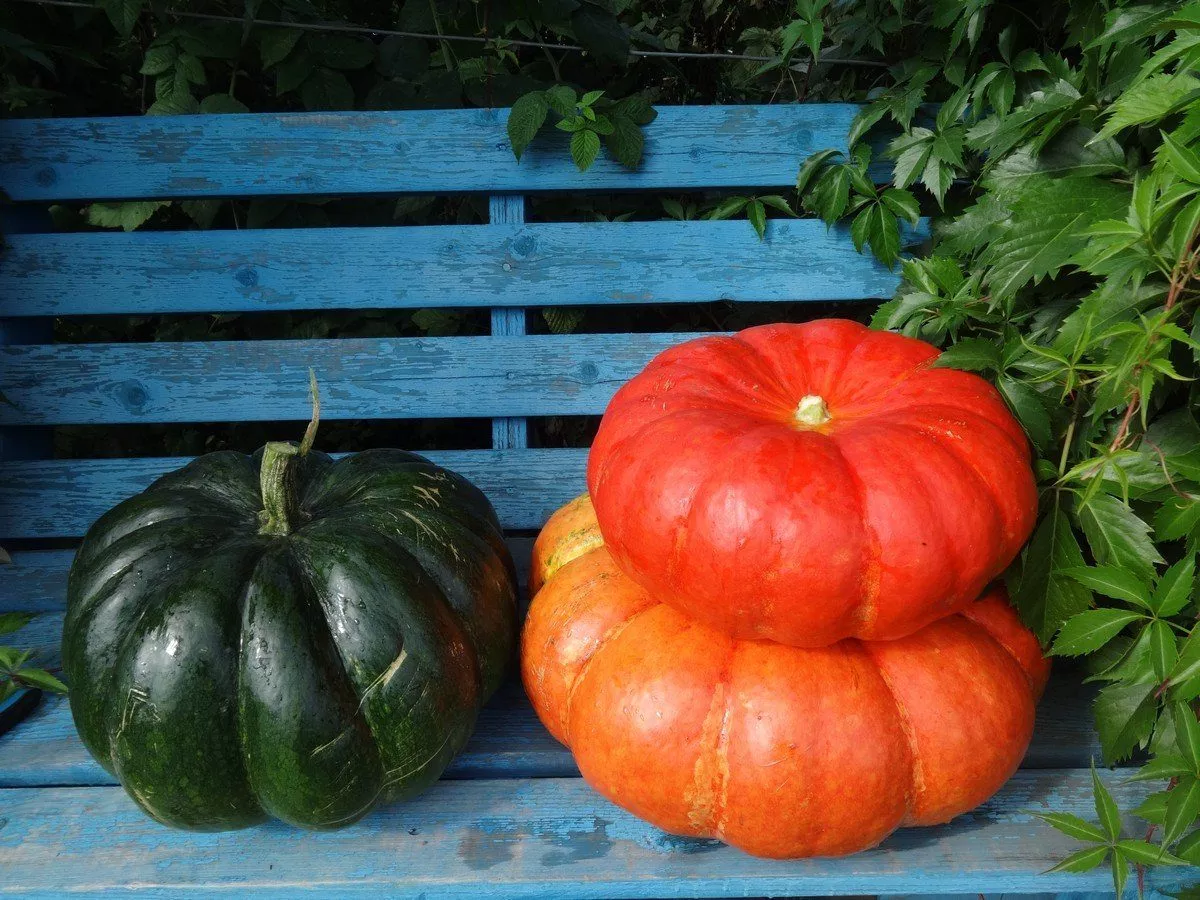
We also store pumpkins and squash there.
We make squash caviar from some of the zucchini.
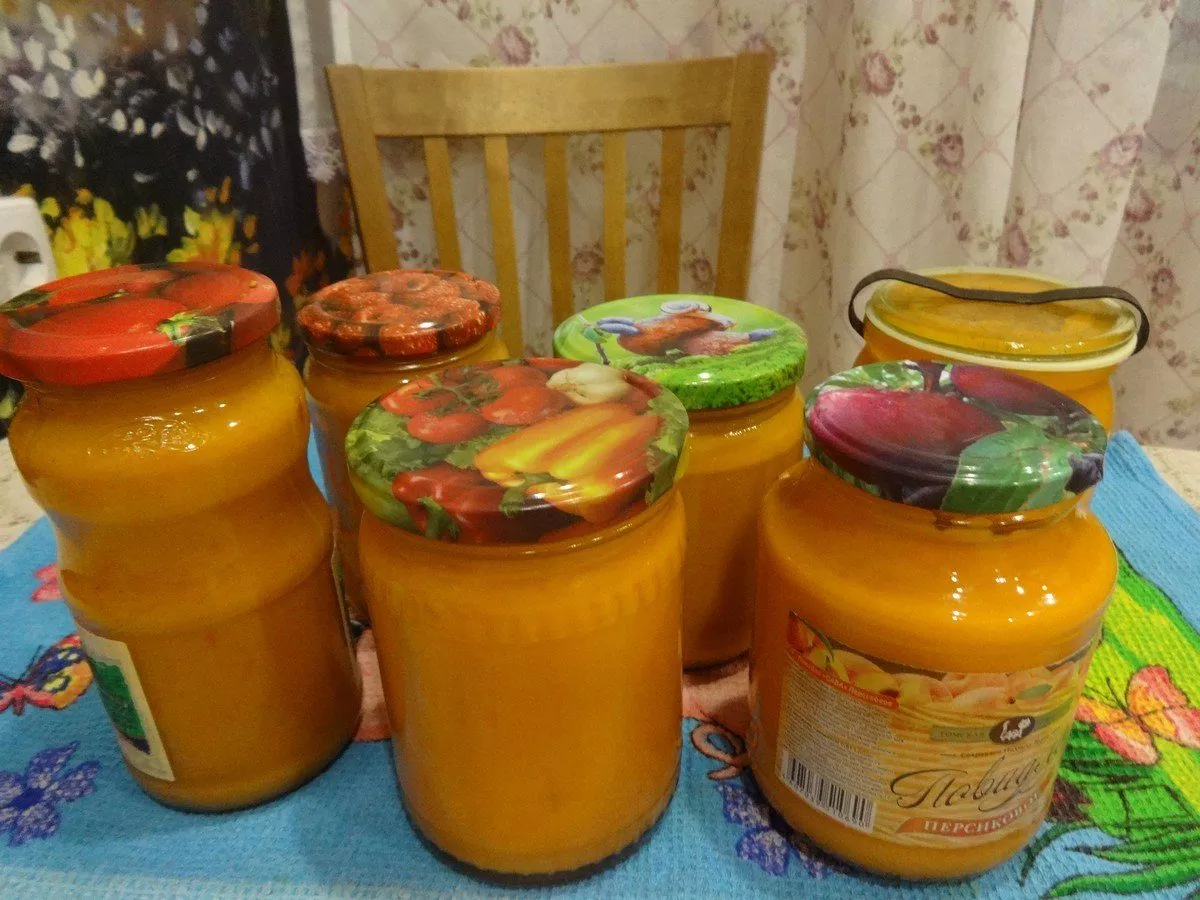
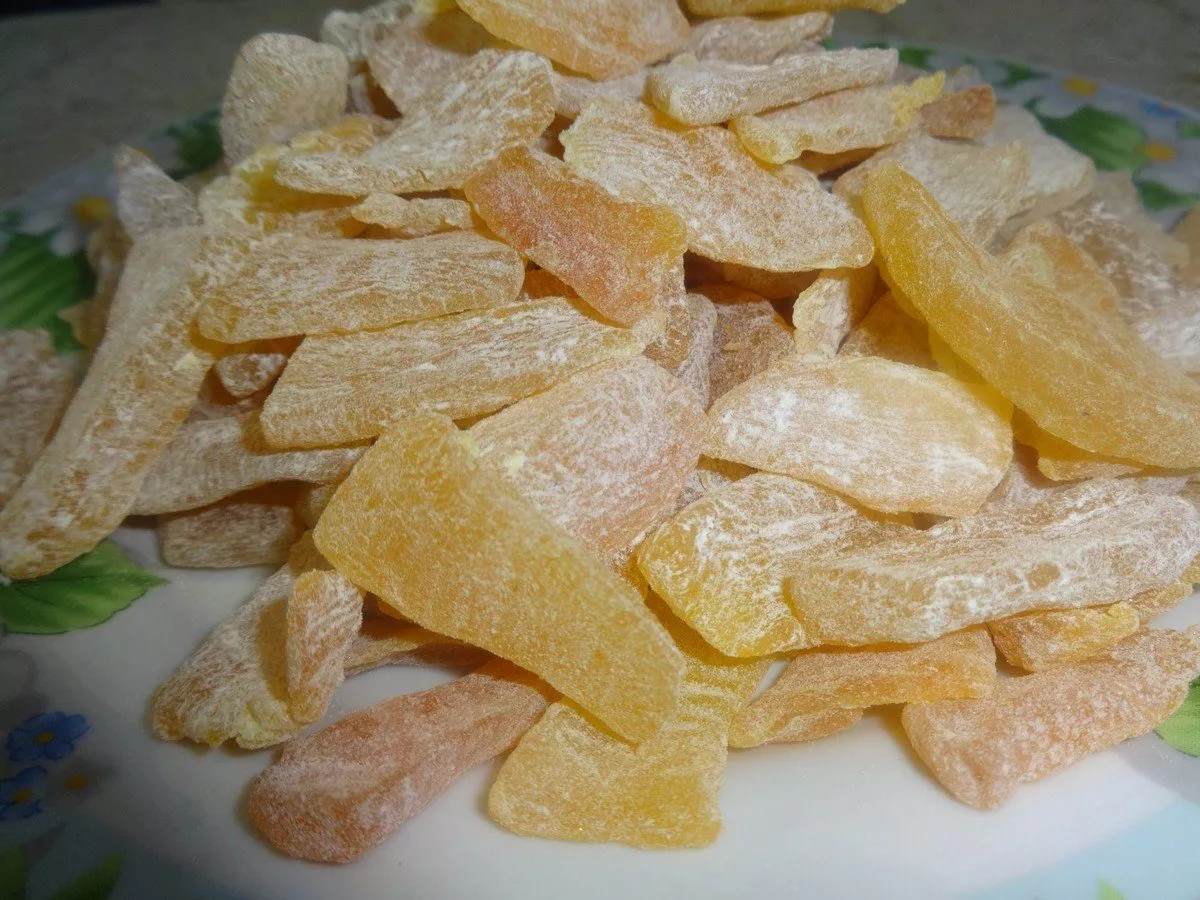
We make pumpkin juice for the winter and homemade sweets – candied fruits.
You can also freeze pumpkin, cut into cubes or grated on a coarse grater, and in winter you can cook millet and rice porridge, add it to manti, and cutlets.
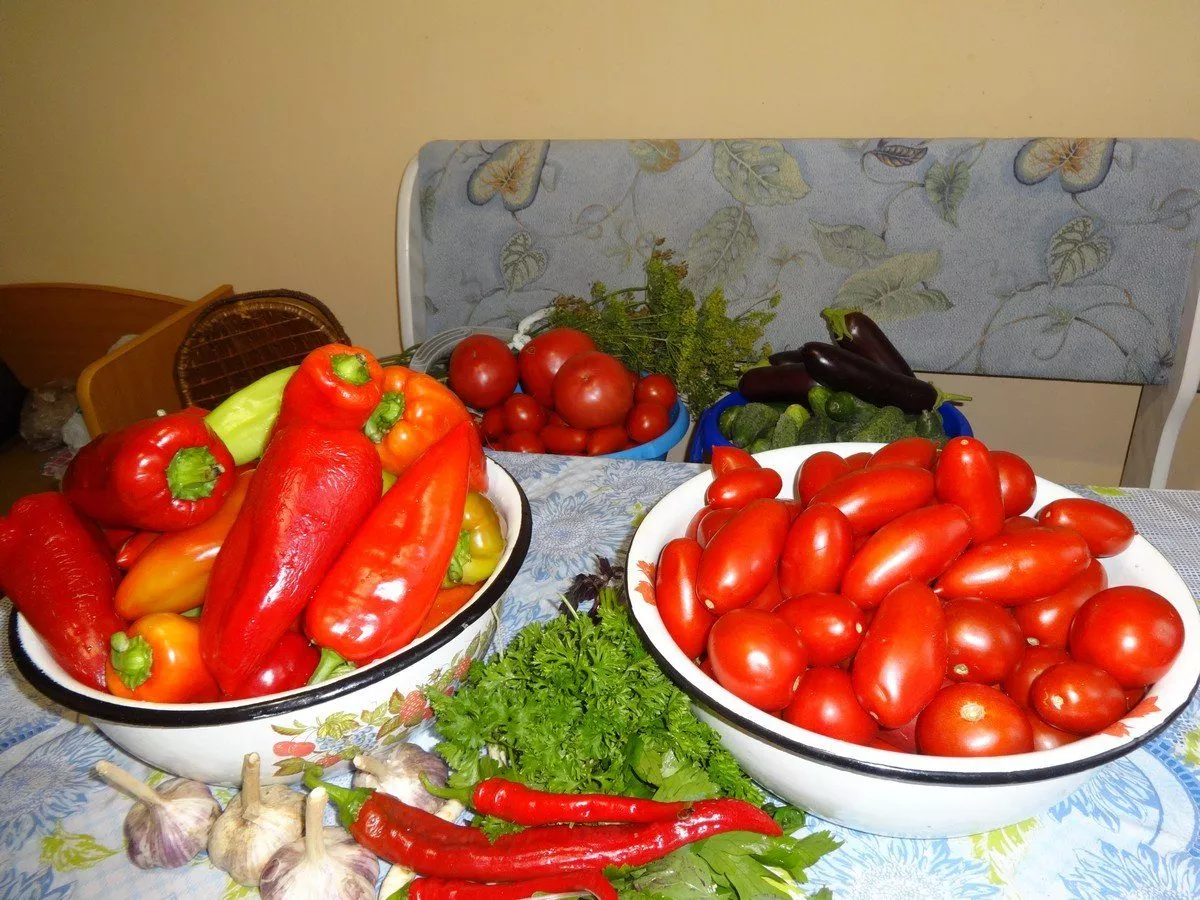
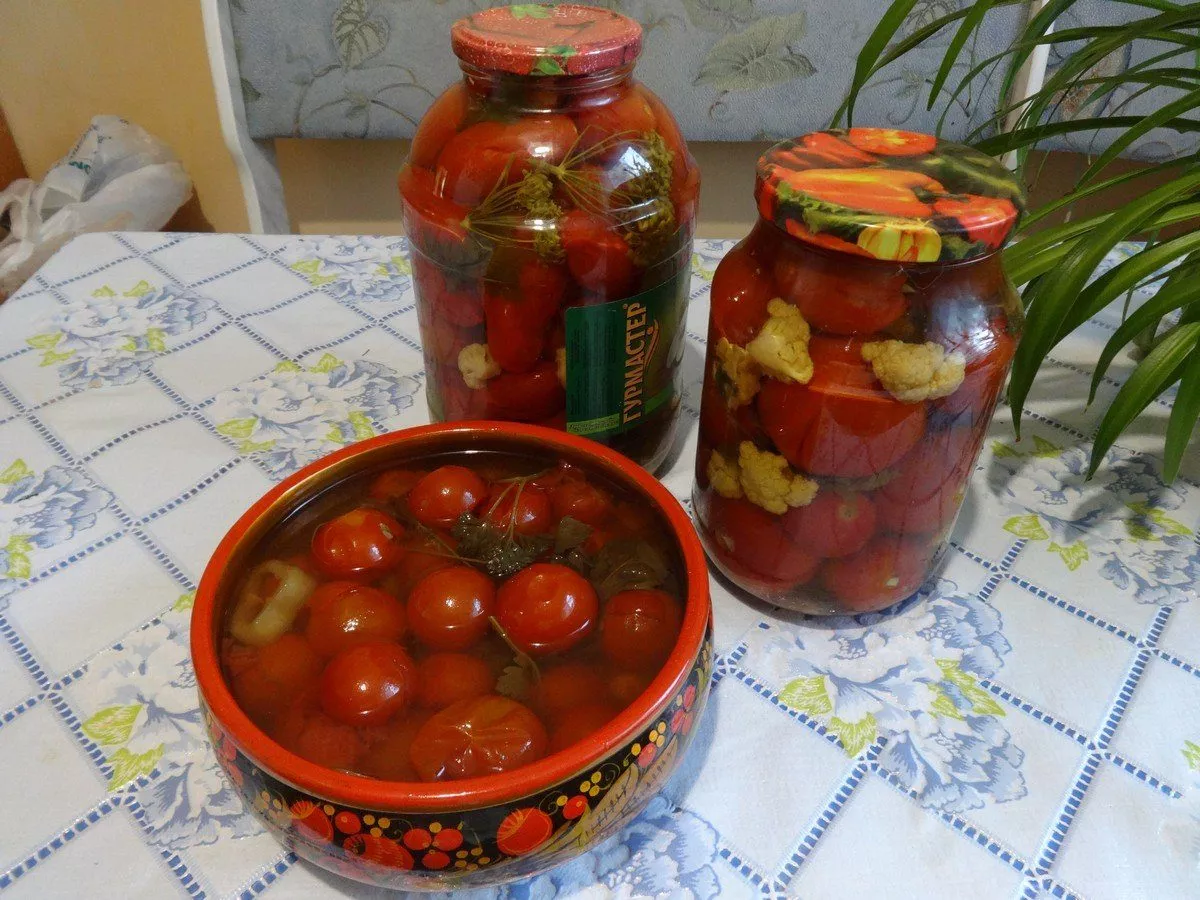
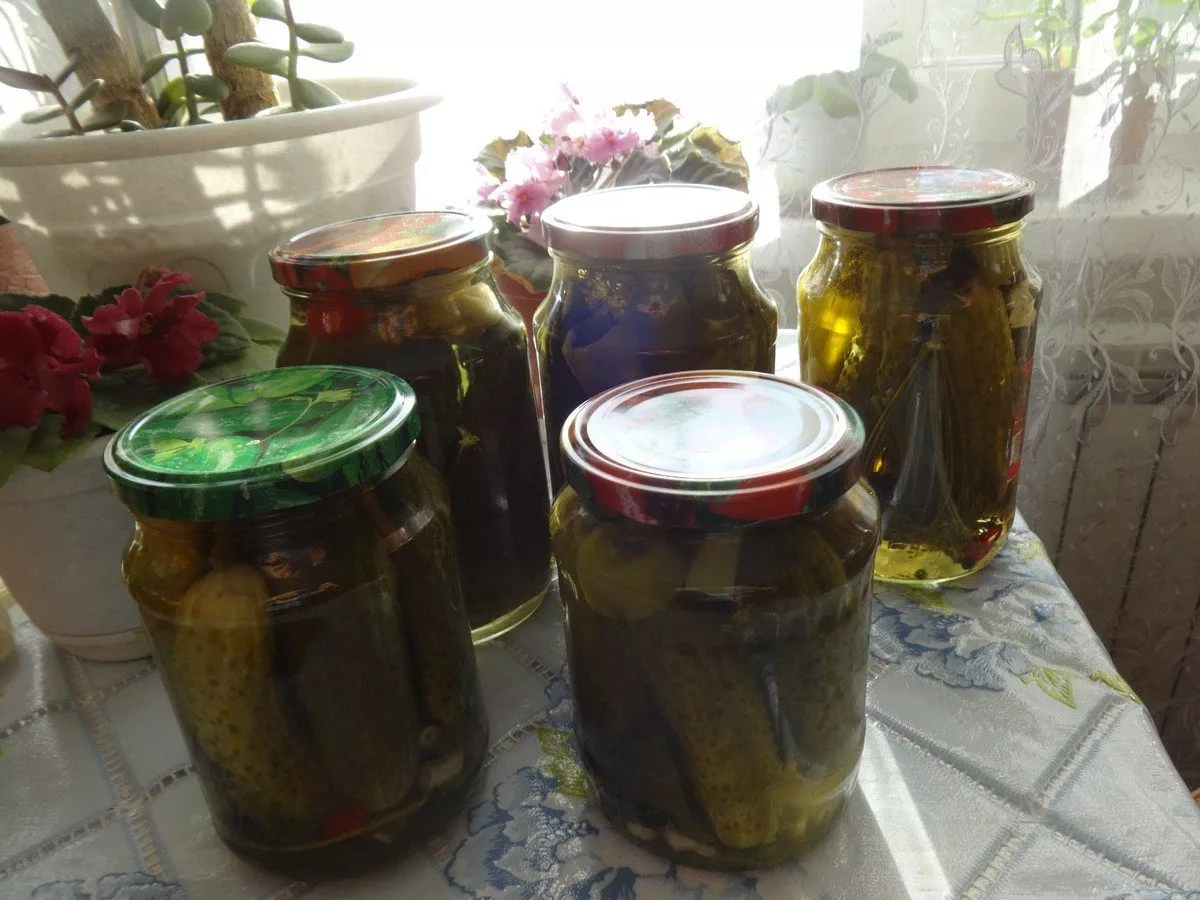
But there are also vegetables that don't keep for long when fresh—tomatoes, cucumbers, and peppers. We use them to make pickles and marinades.
We freeze some of the peppers, cut them into thin strips, place them in plastic bags and store them in the freezer – we use them for frying.
We freeze small cucumbers and small tomatoes with hard skins; tomatoes called Tolstoy are well suited for this purpose.
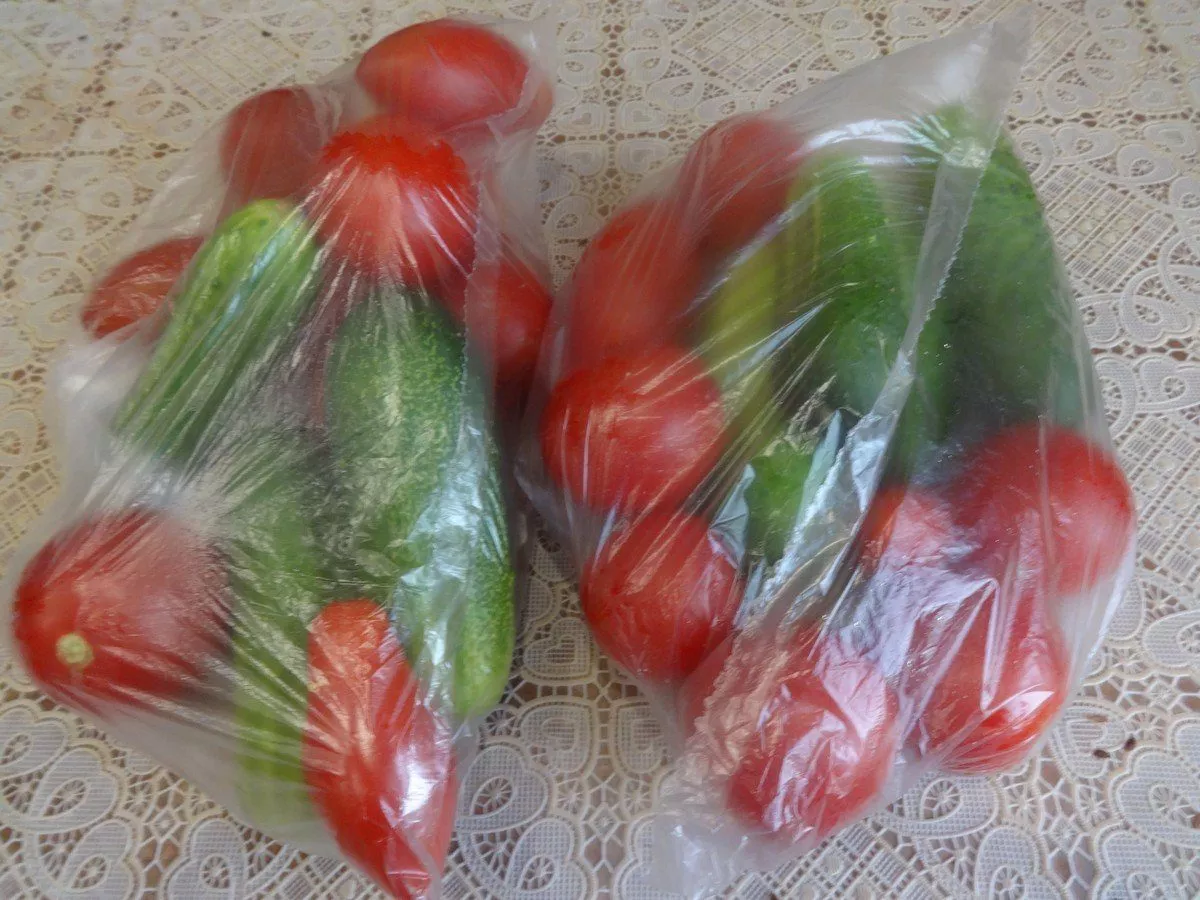
In winter, it's very nice to make a salad out of them; it turns out fragrant and delicious, but fresh tomatoes and cucumbers from the store don't smell at all in winter; they're plastic and tasteless.
We put cauliflower and green beans in the freezer.
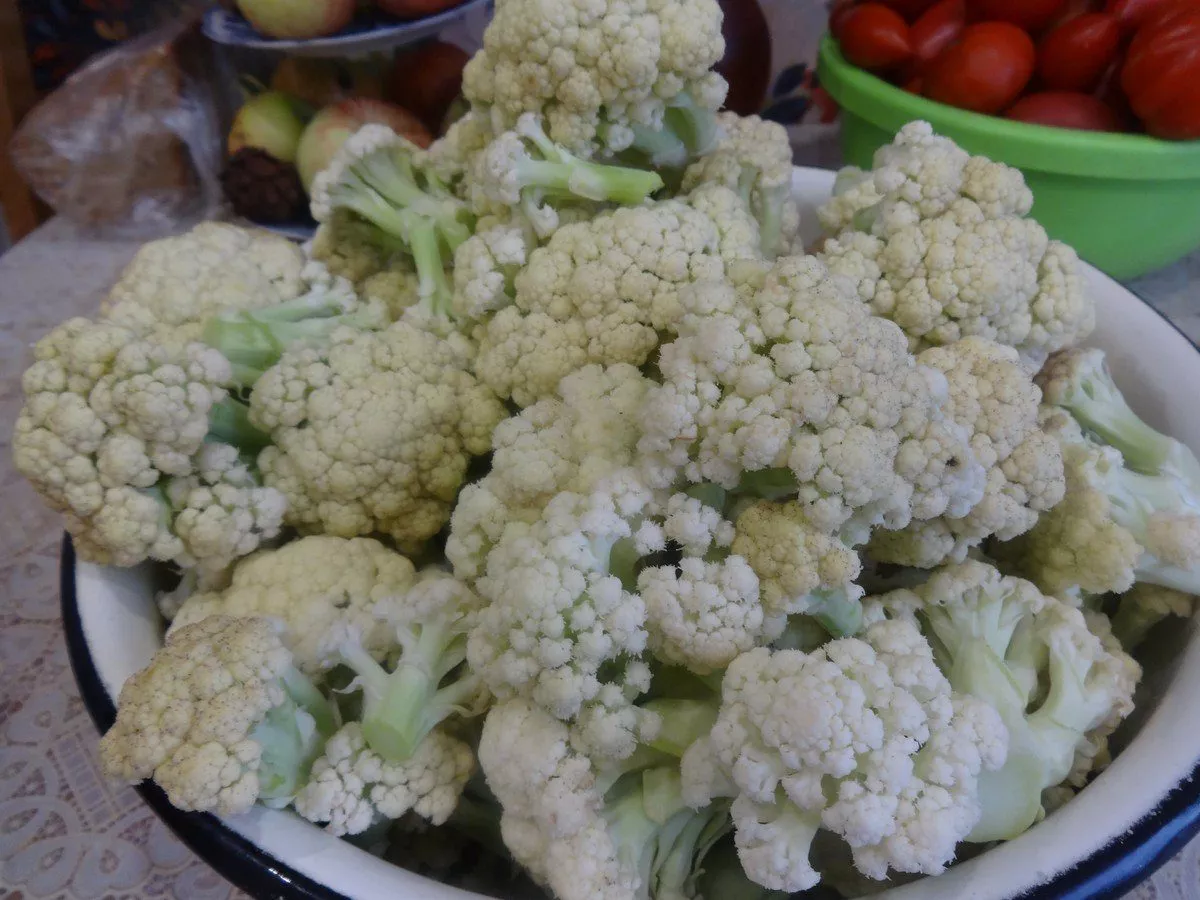
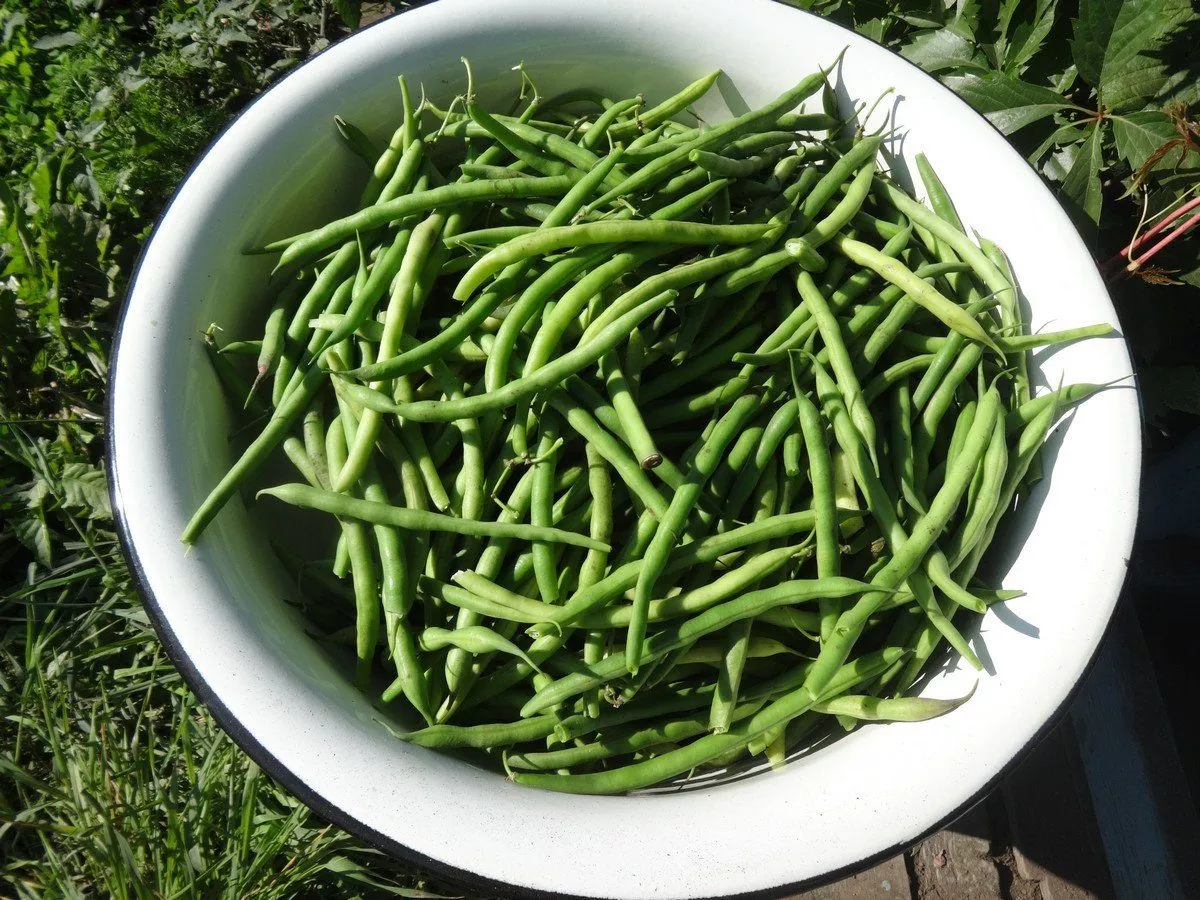
We pre-boil them in water, cool them, and store them in small portions in bags. In winter, we make soups and vegetable stews. This year, we froze leeks.
We make jam, jellies, and compotes from berries.
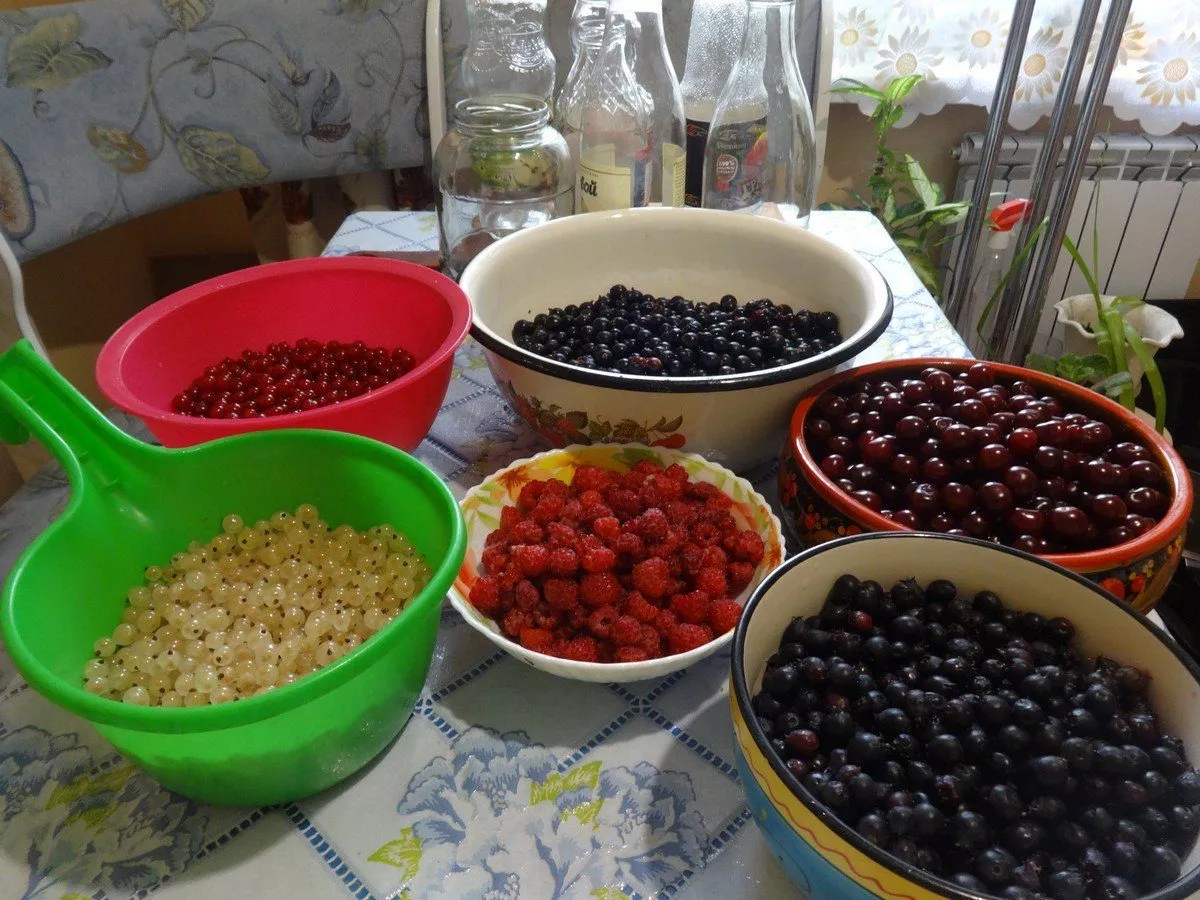
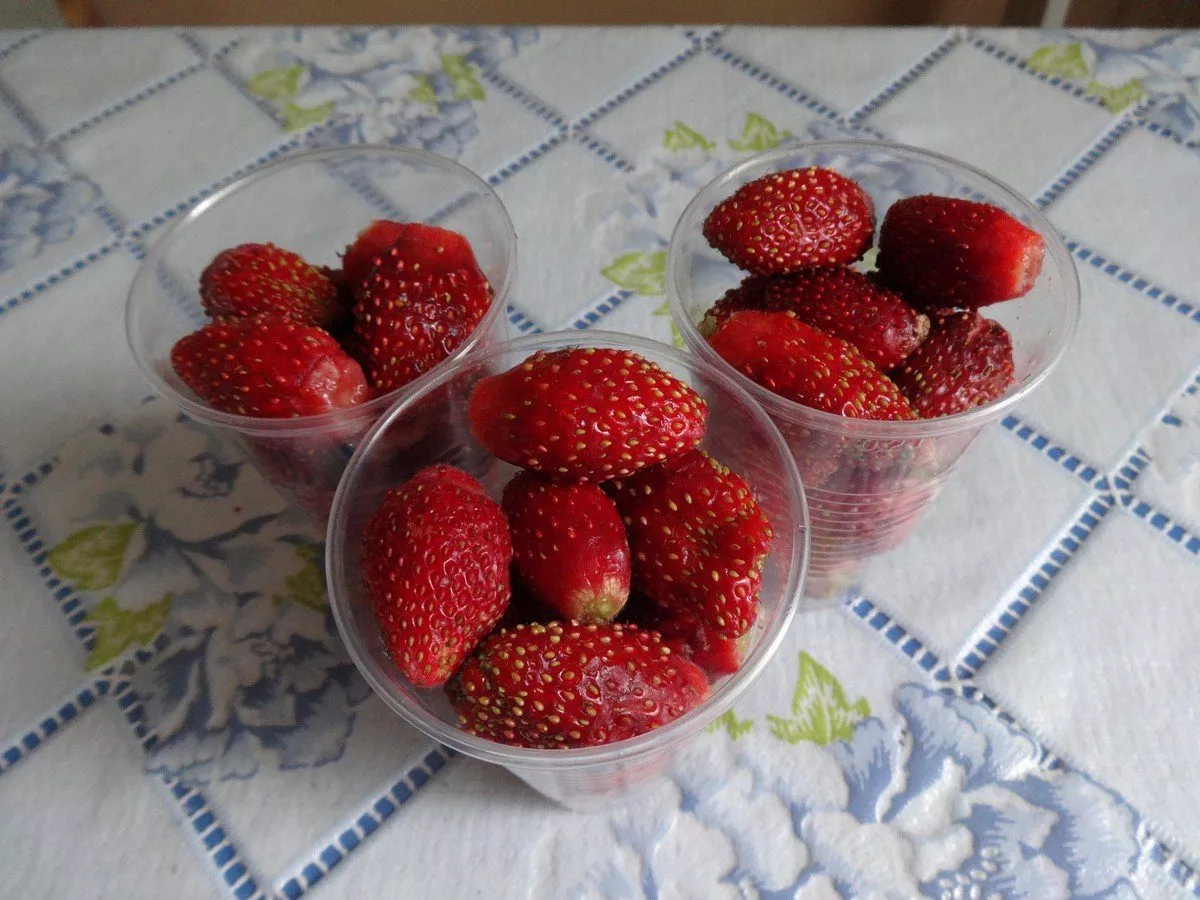
And, of course, we freeze some of the berries—strawberries and raspberries are my grandson's favorite treats.
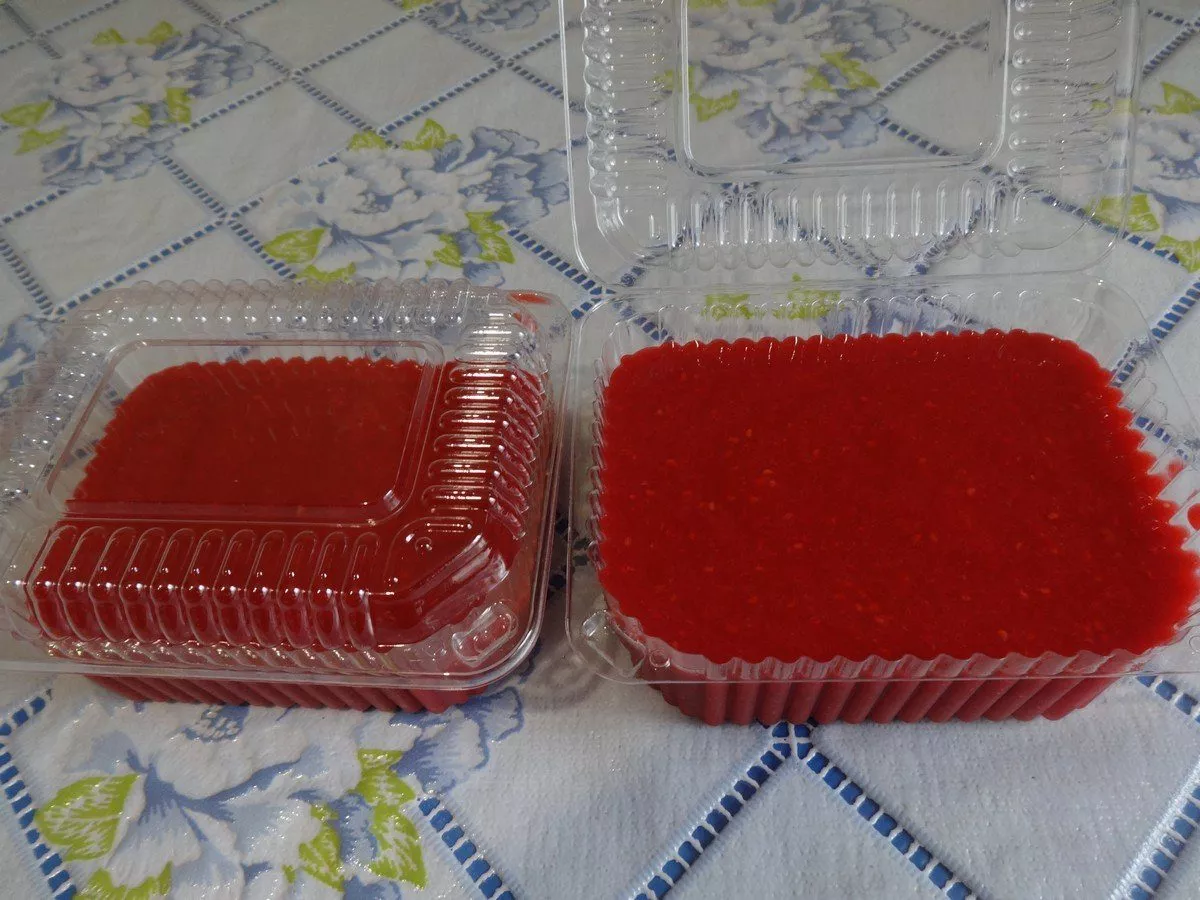
Place whole berries in plastic cups, ground with sugar into containers.
Honeysuckle - I mostly eat it - not everyone likes the bitter-sour-sweet taste of this berry.
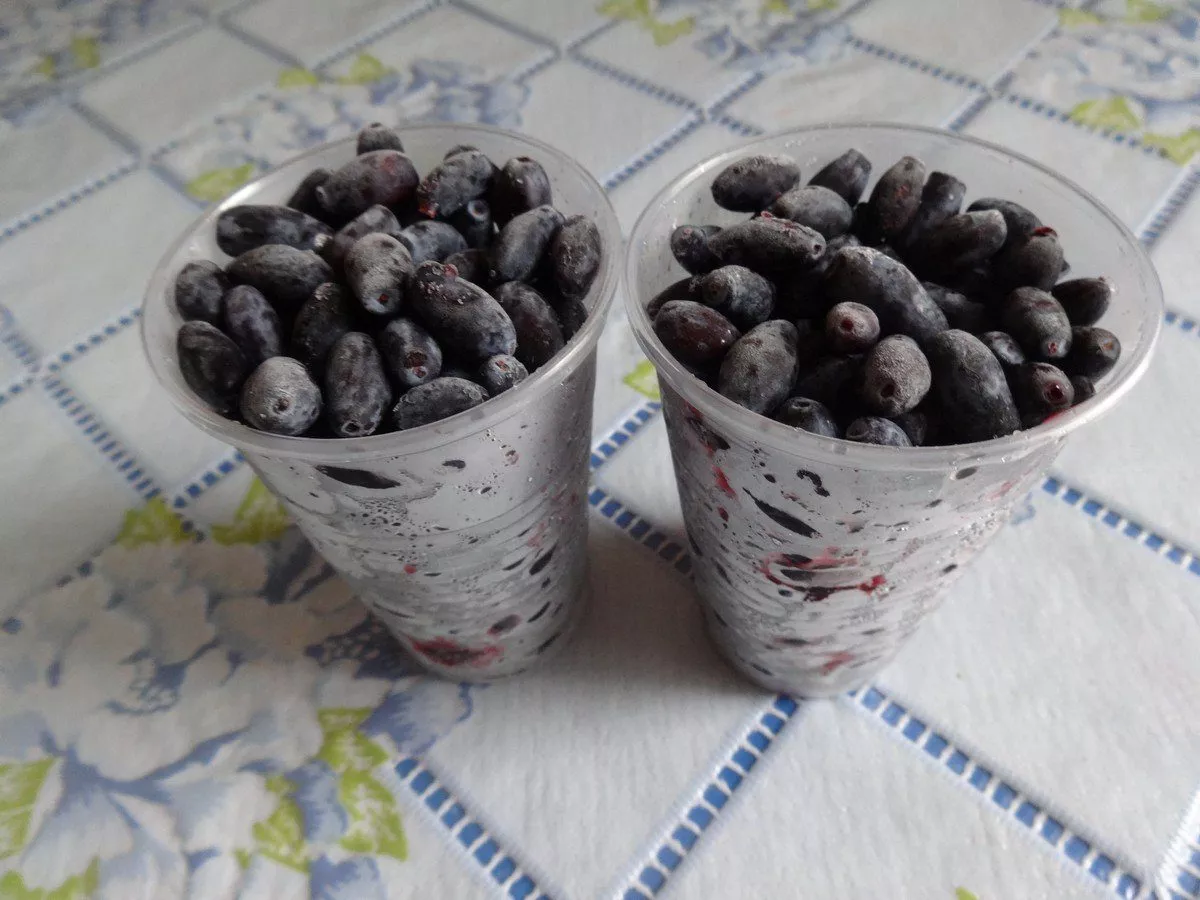
My husband loves blackcurrants. We also freeze cherries, pitted and unpitted; the pitted ones can be used to make dumplings and added to pie fillings. We puree the shadberries with a little sugar and store them in a container in the freezer.
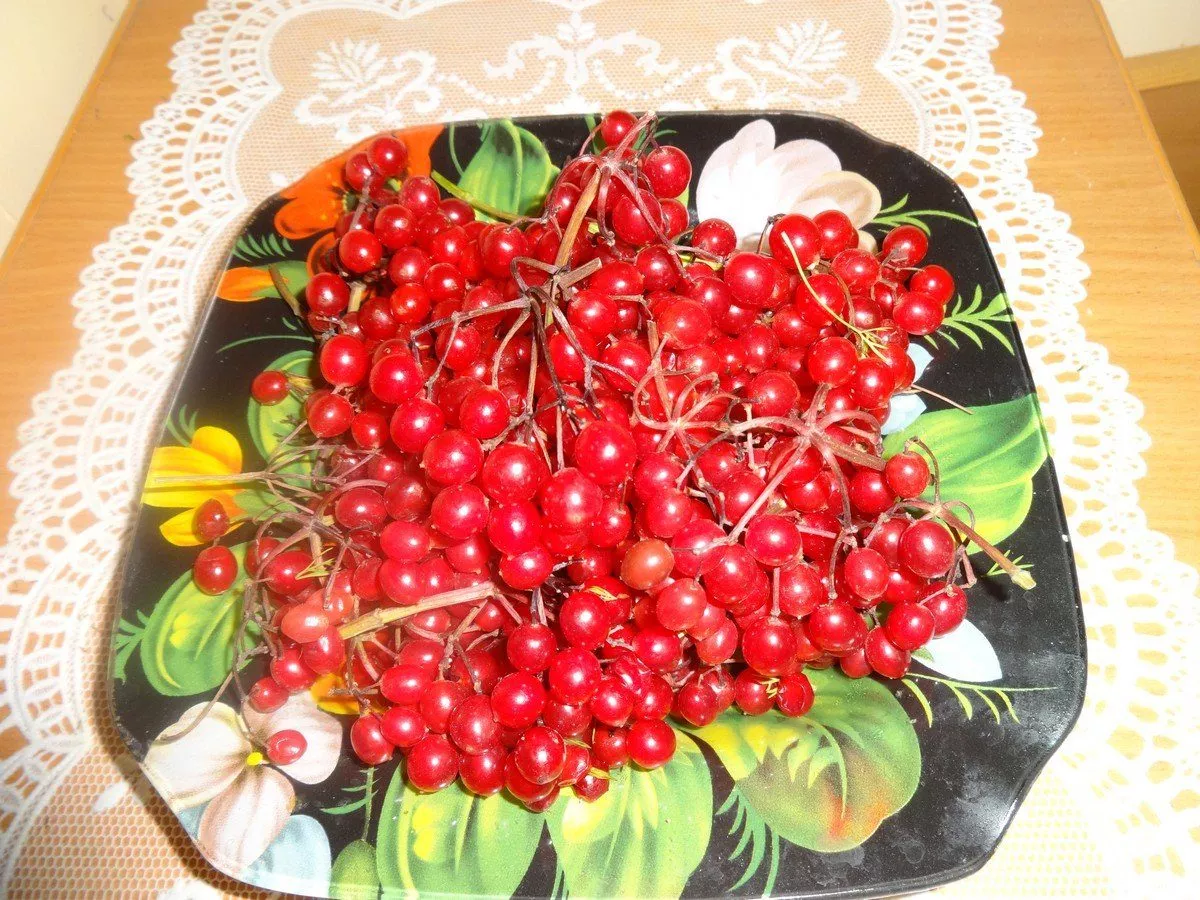
We freeze viburnum berries along with their branches and make medicine out of them by adding honey to the berries.
We buy fresh berries at the market that we don't have here—lingonberries, cranberries, blueberries, and sea buckthorn. These Siberian berries are rich in vitamins and healthy, and we also store them in the freezer. In winter, we enjoy eating them and making fruit juice after defrosting them.
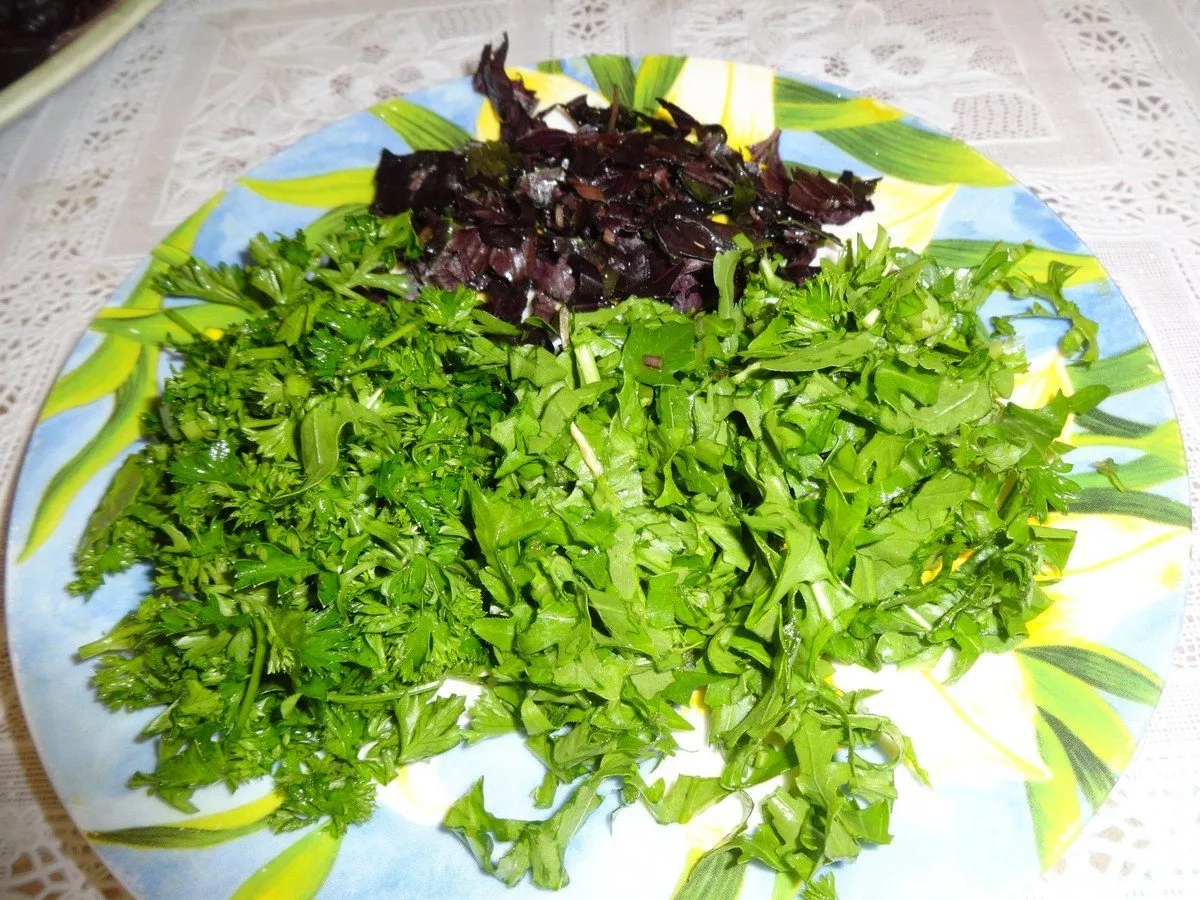
You can also store herbs like dill, parsley, and onions in the freezer—I do this every year. Before the frost, I picked the last of the basil, parsley, and arugula, chopped them up, and threw them in the freezer. I've never frozen basil or arugula before.
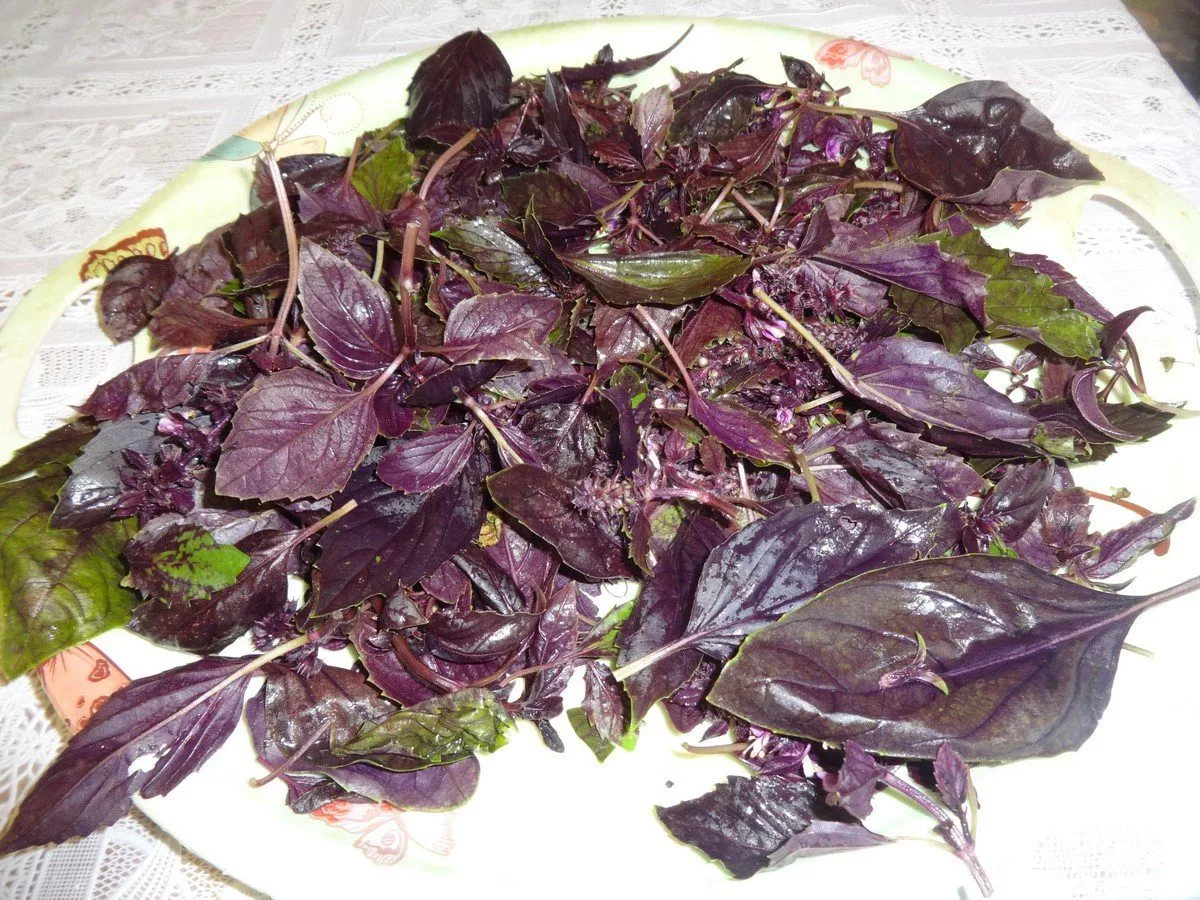
I usually dry basil in the summer, then grind it into powder and add it to meat and salads. This year's summer was rainy, and the basil didn't grow well. I'll try drying it indoors.
We prepare mushrooms - we collect them in the forest - usually these are butter mushrooms, honey mushrooms, chanterelles, saffron milk caps, milk mushrooms and, if we're lucky, even porcini mushrooms.
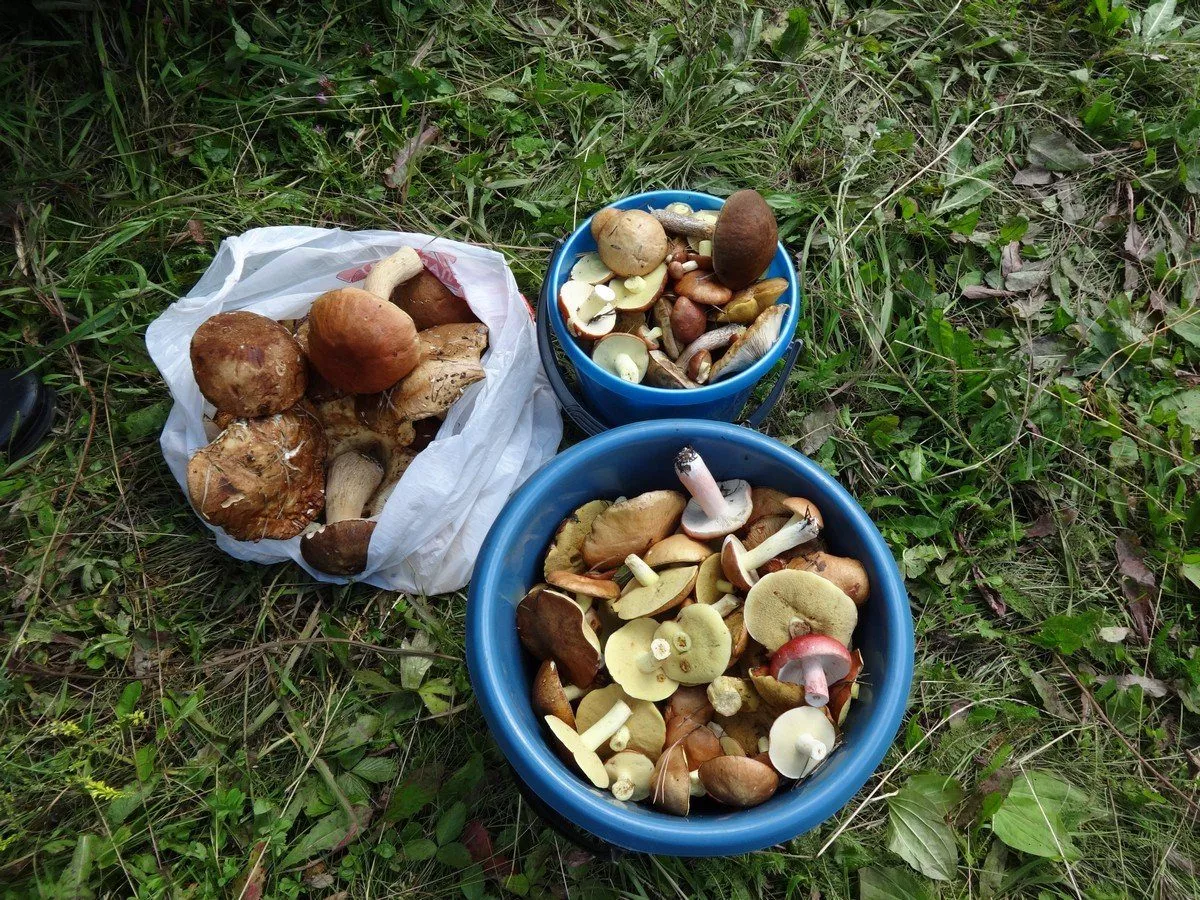
Before freezing, boil mushrooms in salted water. In winter, we fry them, make mushroom soups, and add them to dumplings and pies.
We salt saffron milk caps, milk mushrooms and small butter mushrooms.
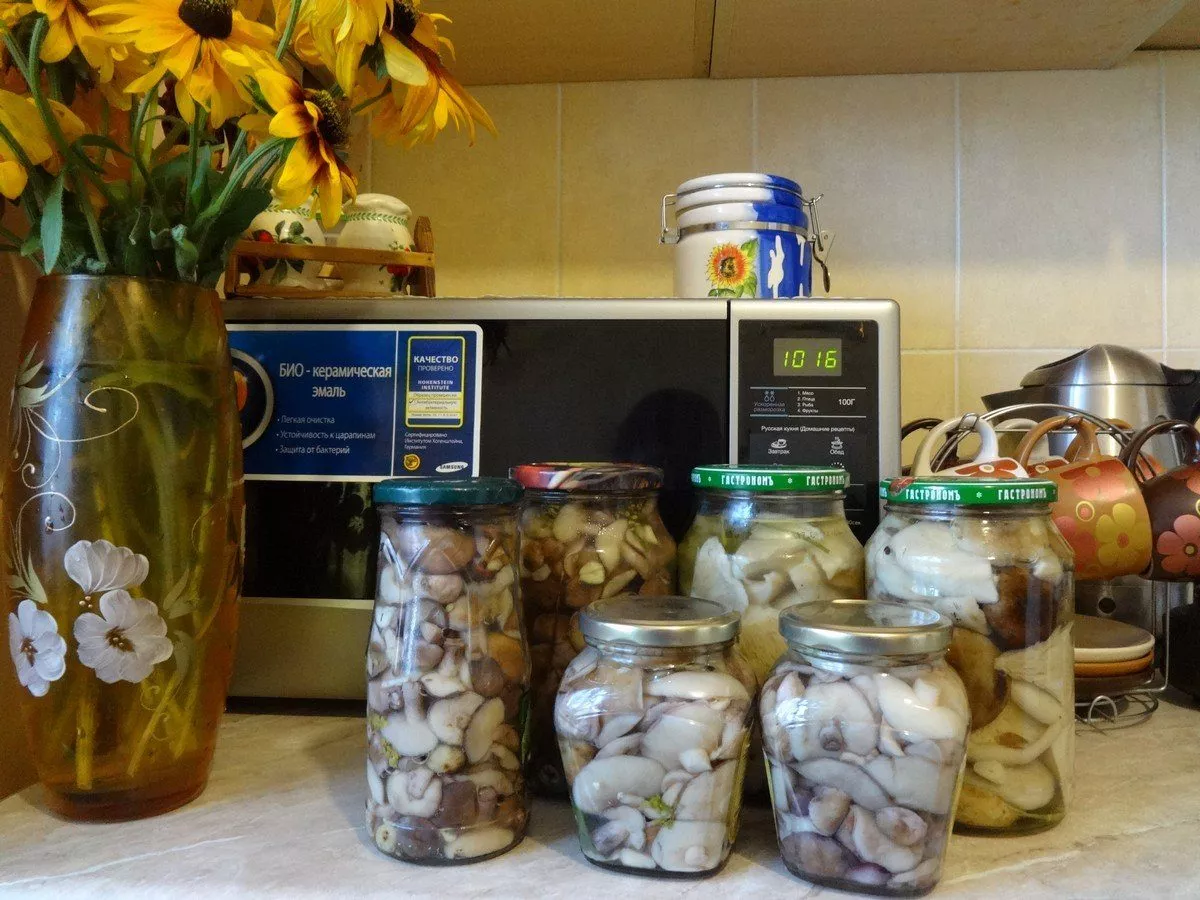
We freeze only a little bit of everything, but for the winter, we keep the freezers of our two refrigerators completely full. Freezing is the best way to preserve berries and vegetables; they retain almost all the nutrients and vitamins that are so lacking during the winter.