
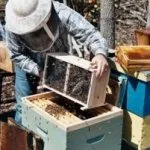
Hello, dear readers!
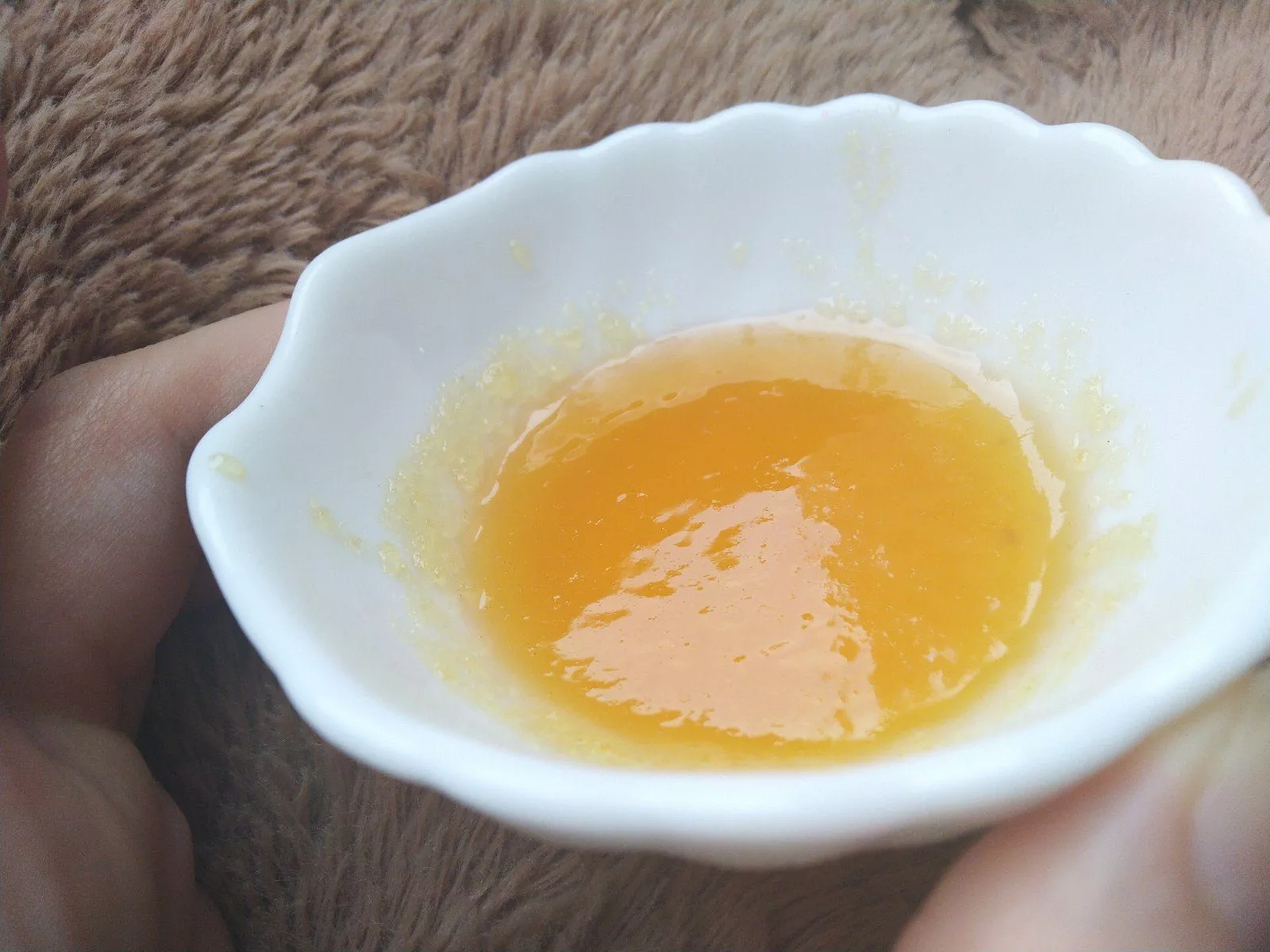
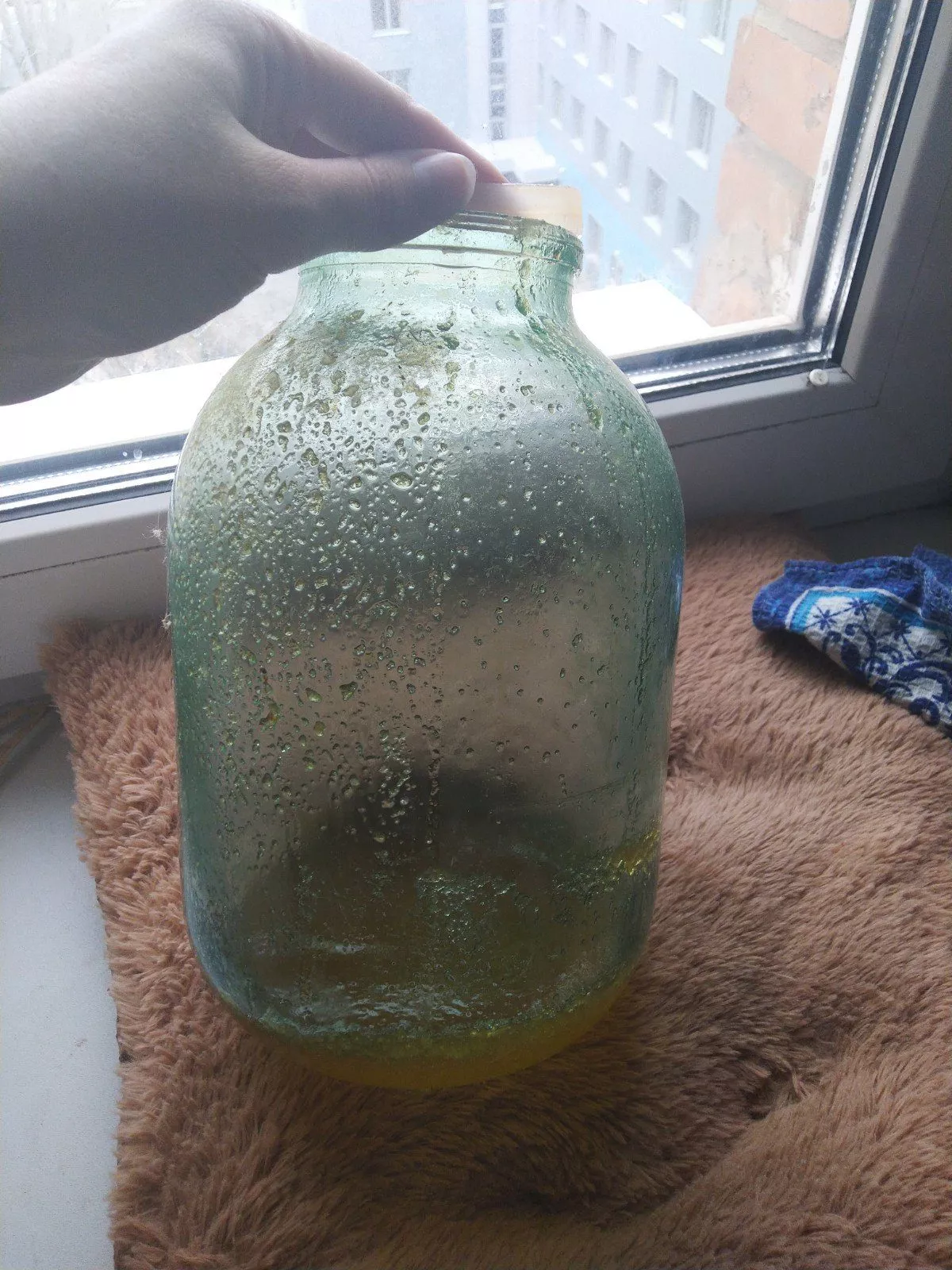
I'm not a beekeeper, but I love honey. We used to buy honey from beekeepers in three-liter jars in the summer: linden, buckwheat, and mixed herbs. We enjoyed it all year long, until the next honey season. But after three or four months, the honey would become cloudy and crystallize. And in the spring, we wanted crystal-clear caramel honey with our tea, but the only honey we had was the sugary kind.
Here are our remaining honey sugar:
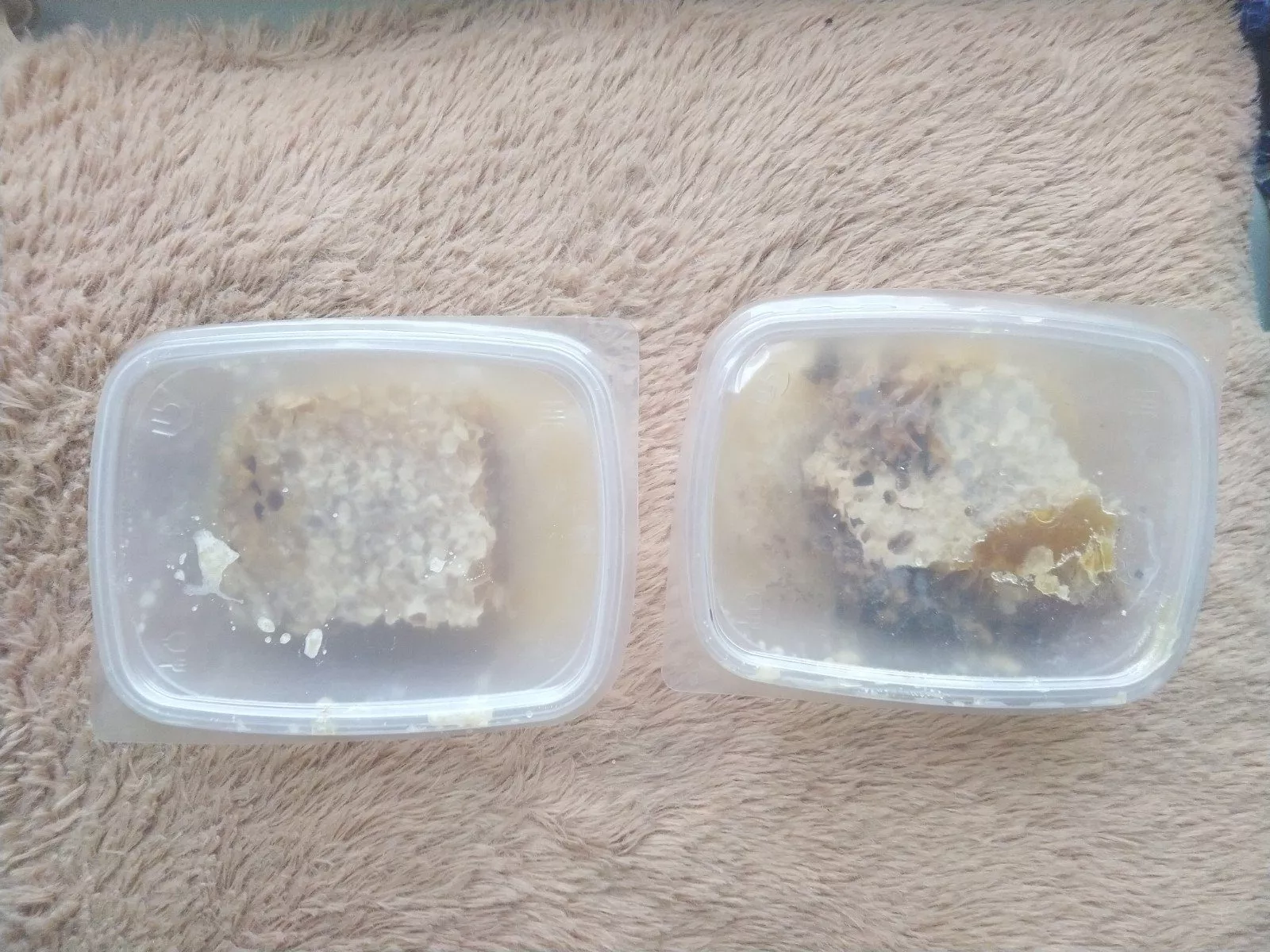
Last year, we were talking to our regular salesperson, and he said, "Why don't you buy a whole block of honeycomb? It's waxed, of course, but it will stay crystal clear as long as it's sealed." We listened, and in addition to the three-liter jars, we also bought a block of honeycomb.
We came home, cut it into portions and put it into small disposable containers.
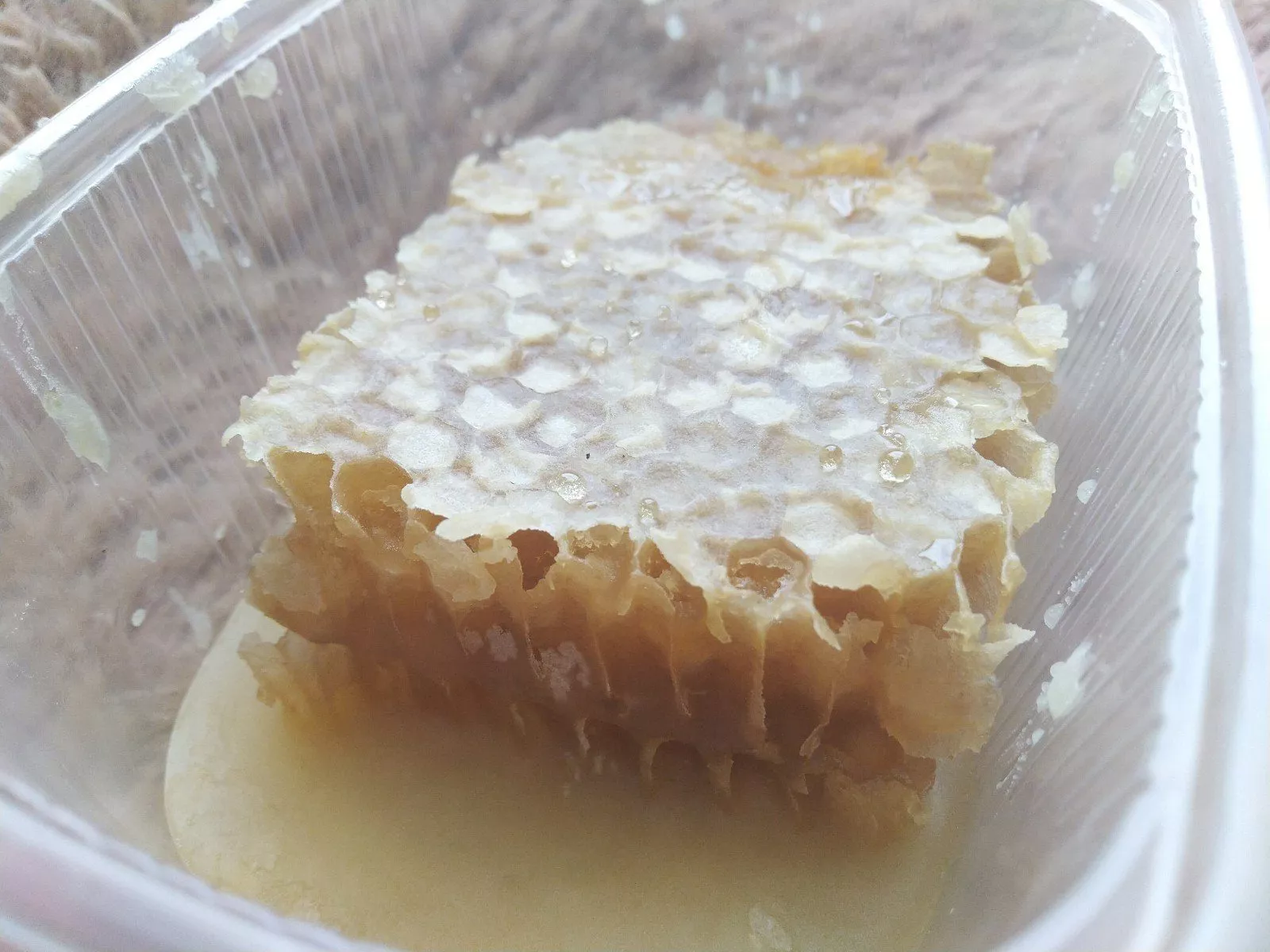
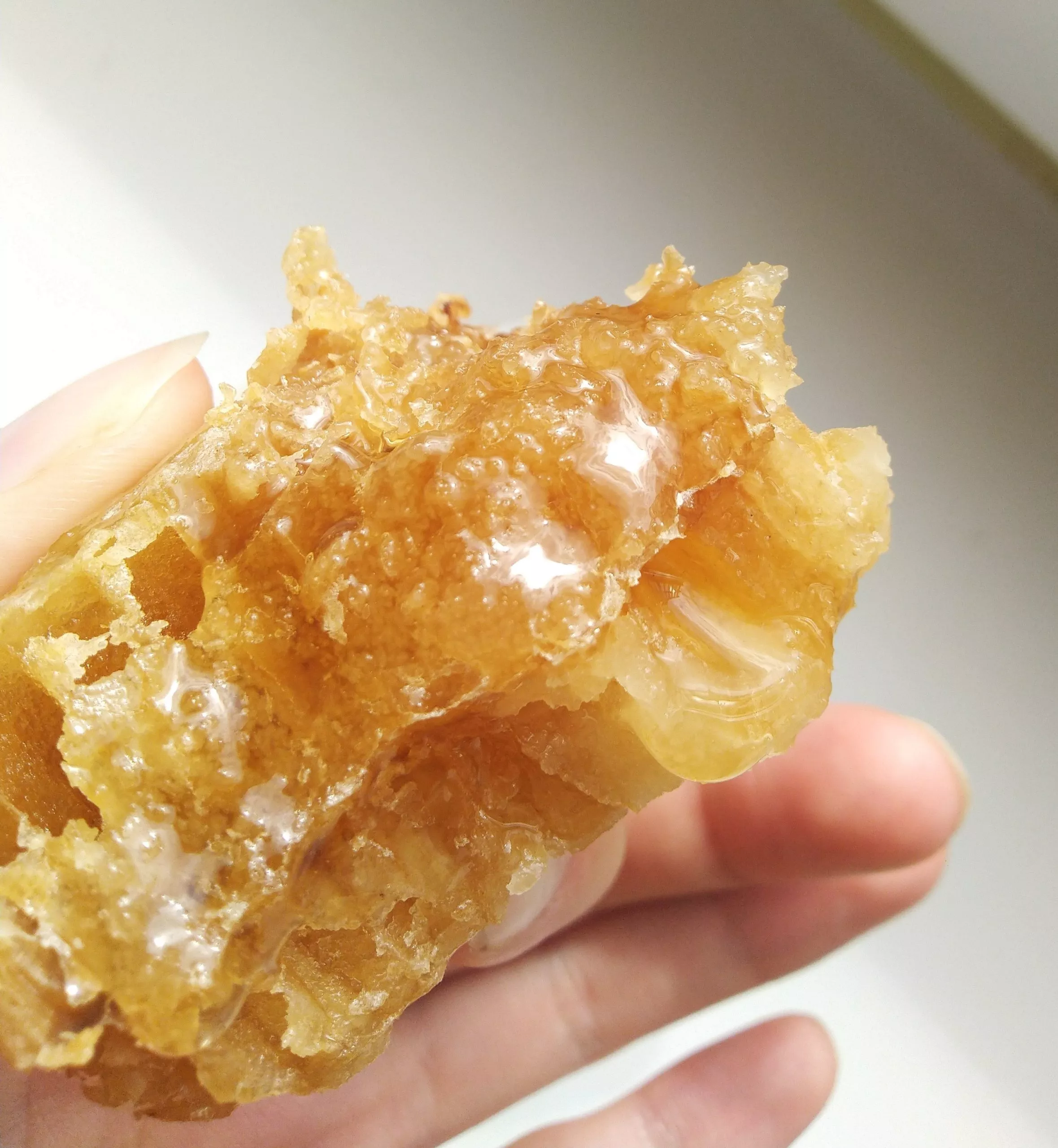
Now I will share with you my objective opinion with all the pros and cons of this method of honey preparation.
So, the pros:
- Conveniently divided into portions.
- Always fresh honey.
- 100% guarantee of naturalness (no chance of counterfeiting).
- Long shelf life.
- The taste of honey does not change.
- Variety - it's fun to chew honey gum.
- The process of chewing honeycombs is very useful for treating gums and inflammation in the oral cavity.
- You can squeeze honey from the honeycomb at any time and serve it to your guests with tea.
- It's convenient to treat guests, give as a gift (to neighbors, relatives, friends) - not everyone, especially city dwellers, has tried honeycombs.
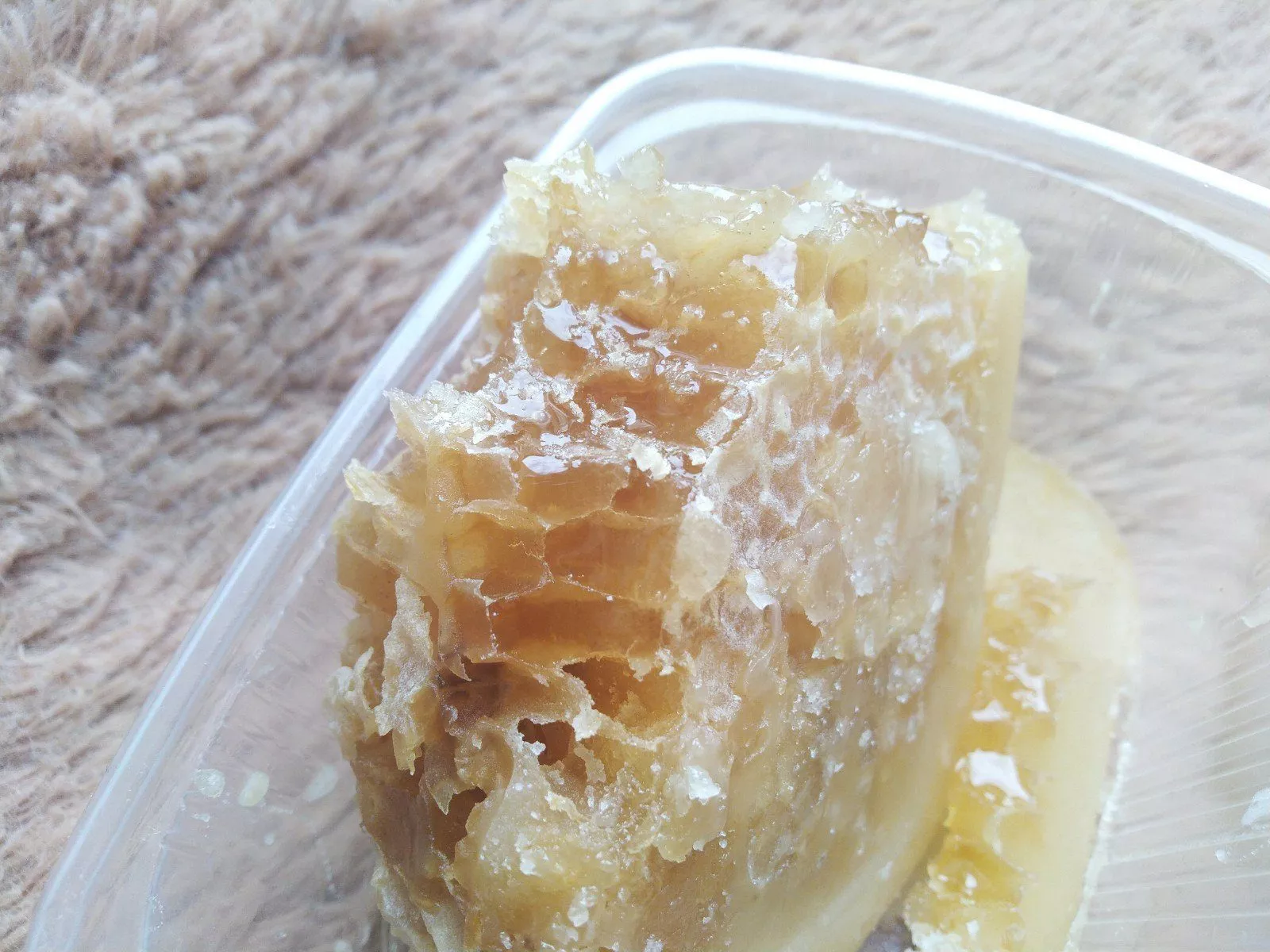
Now about the downsides:
- Honeycombs are more expensive, and they contain much less honey.
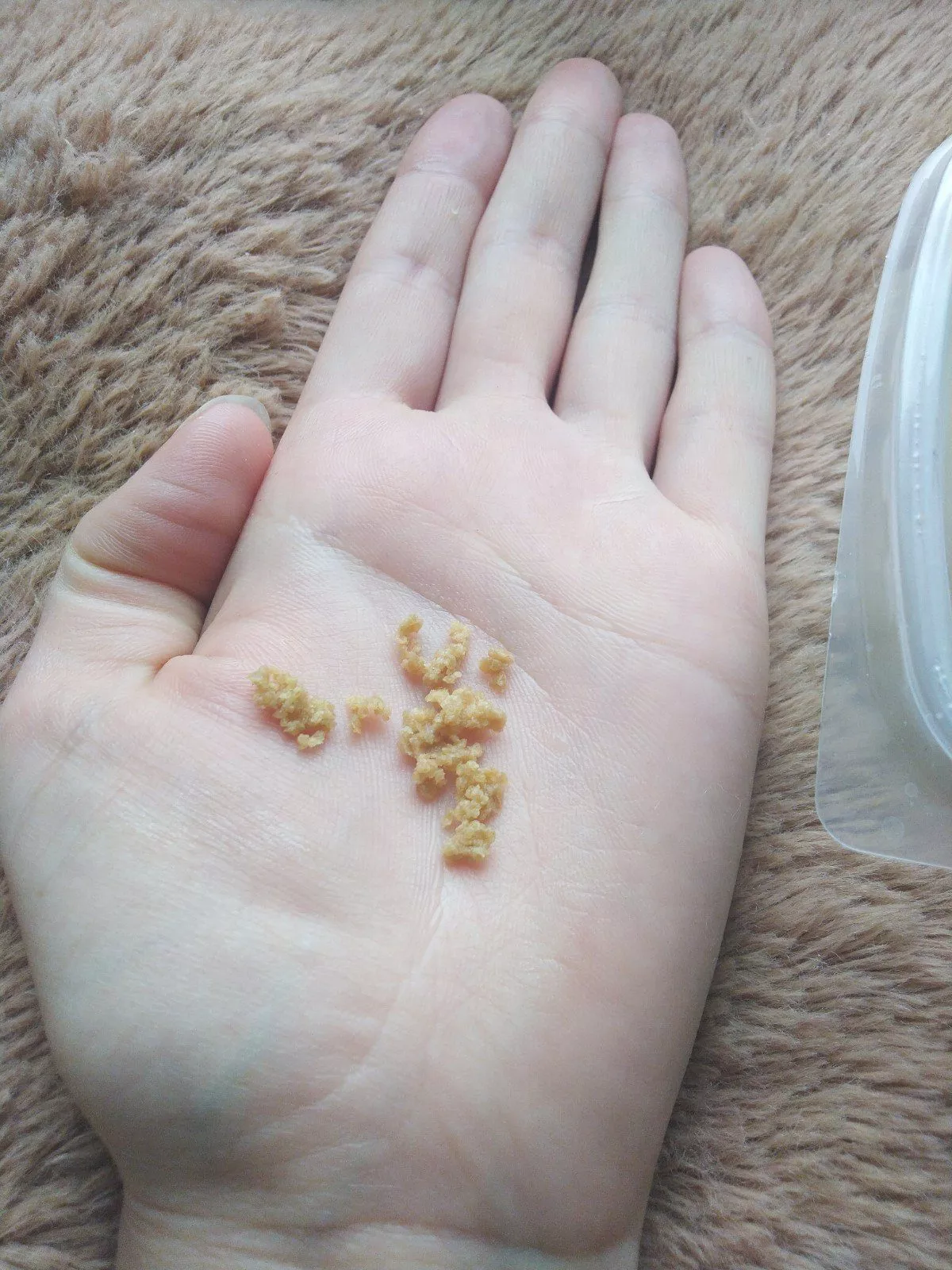
- Not everyone enjoys chewing honeycomb (the wax gets stuck in your teeth and you have to spit it out). The photo below shows what's left after squeezing out one teaspoon of honeycomb. This is roughly the amount of wax that will remain on your teeth. It's even worse if you have a lot of cavities—the wax clogs up all the holes, and after "tea drinking," you'll need a toothpick.

- Dividing honeycombs is a bit of a sticky process. It's easier to just buy a jar of honey and avoid the mess.
- I'll also point out a common potential drawback (of both jarred honey and comb honey): there's a chance that even comb honey isn't quite real. Bees are often simply fed sugar syrup rather than released to "hunt" for nectar from flowers. The flavor of such honey is not particularly rich.
These are purely my personal impressions and assessment.
Until spring, we'll have honey almost exclusively in jars. Here's what's left:
 And now it's time to eat the honeycomb. Overall, I'm happy with this method of harvesting honey; we'll definitely buy more, and several bars of different types.
1. Honey should only be purchased from trusted beekeepers.
2. Comb honey contains (in addition to honey) propolis, bee bread, wax, and pollen.
3. Comb honey should be purchased in mini frames.
4. Comb honey should be chewed with black bread and then swallowed.
5. Don't keep or buy comb honey in plastic containers.