

I've already written about what warty euonymus is and how I grow it myself, so today I'll tell you what it's made from, how it's treated, what it's used for, and what properties this poisonous plant possesses.
What are the benefits of euonymus?
This shrub was known in ancient Rome and Greece, and not only known, but used as a popular remedy. Historical records also include it from the Middle Ages... Perhaps that's why herbalists around the world still use euonymus so actively today.
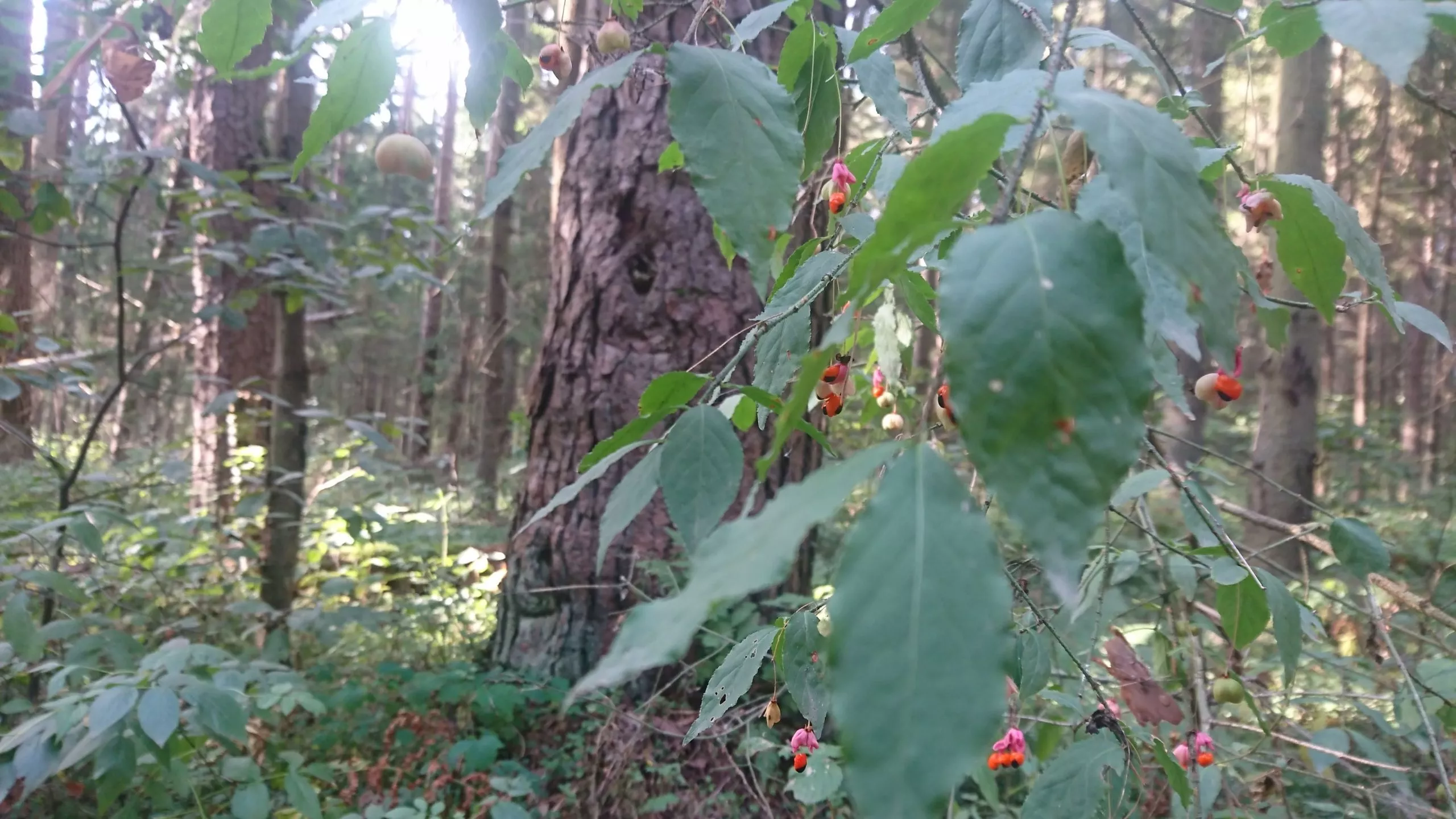
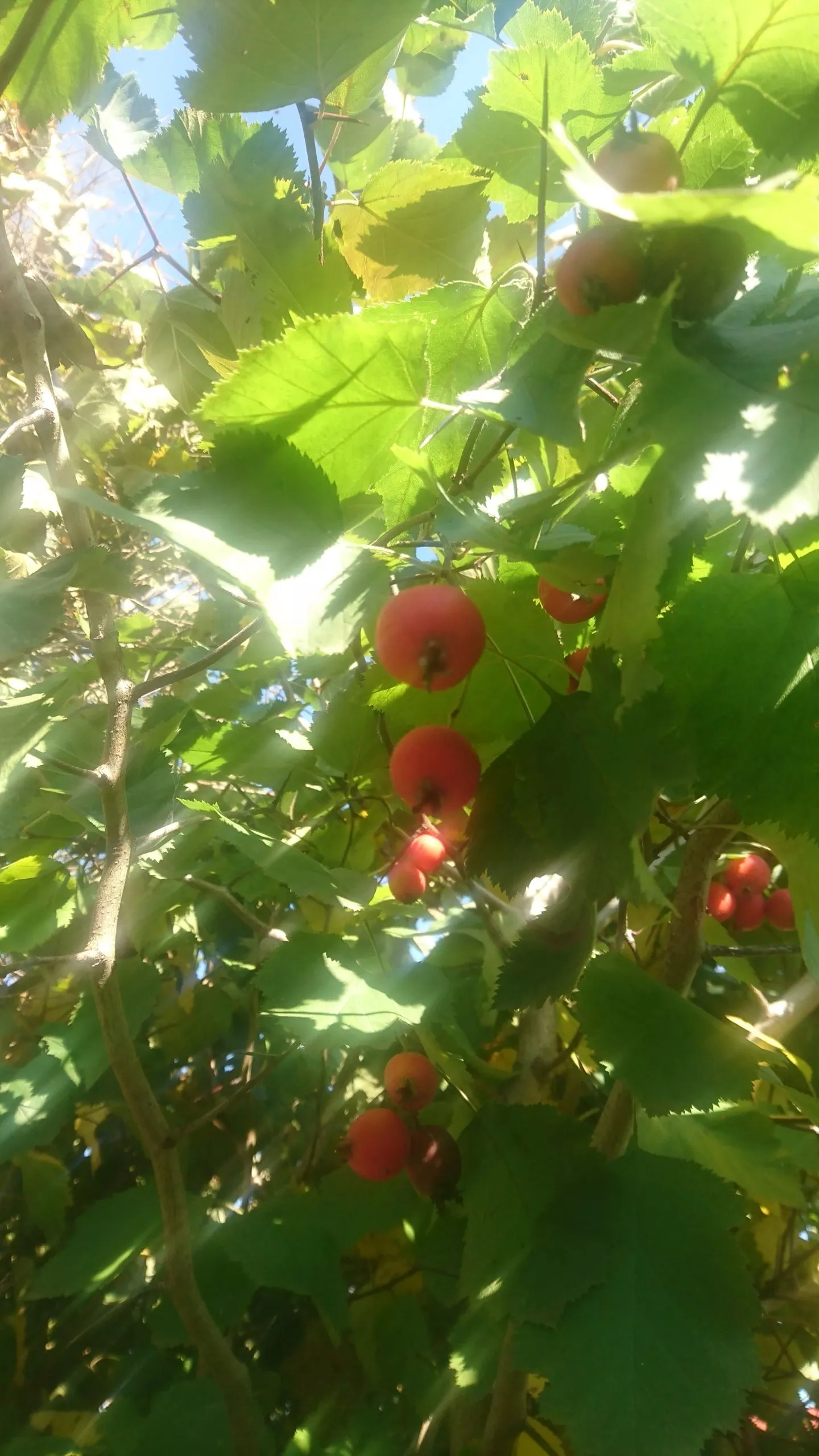
It turns out that absolutely any part of the plant can be used to prepare a potion; each part has its own unique composition. For example:
- shoots and roots are rich in evolin (an alkaloid);
- bark – evonimic acid, asparagine and resins;
- leaves – flavonoids, alkaloids, steroids, triterpenoids and cyclitols;
- fruits – carotenoids, cyclitols, glucose;
- seeds – higher fatty acids, glycerides, flavonoids, alkaloids, carotenoids, cardiac glycosides, sesquiterpenes.
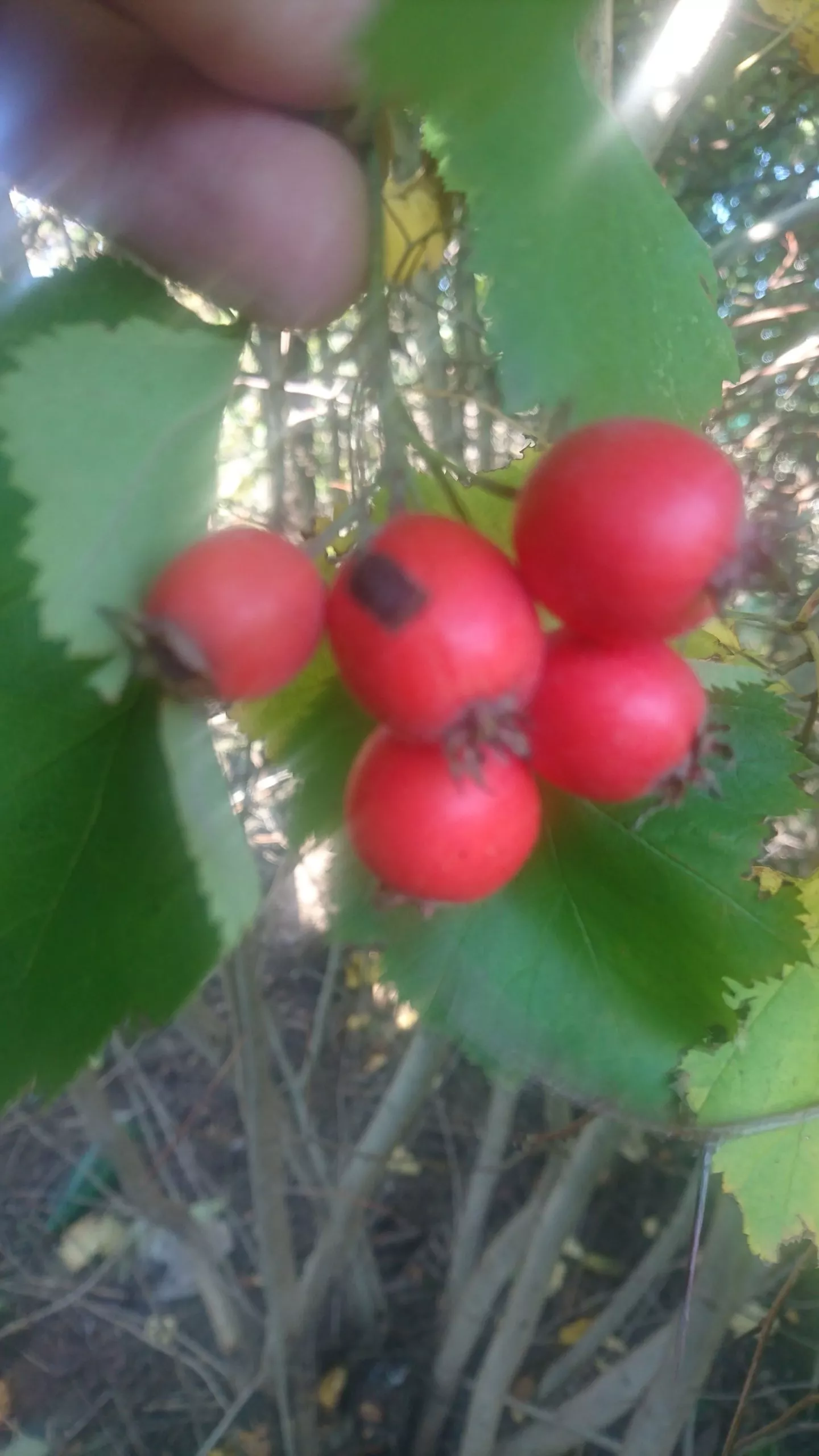
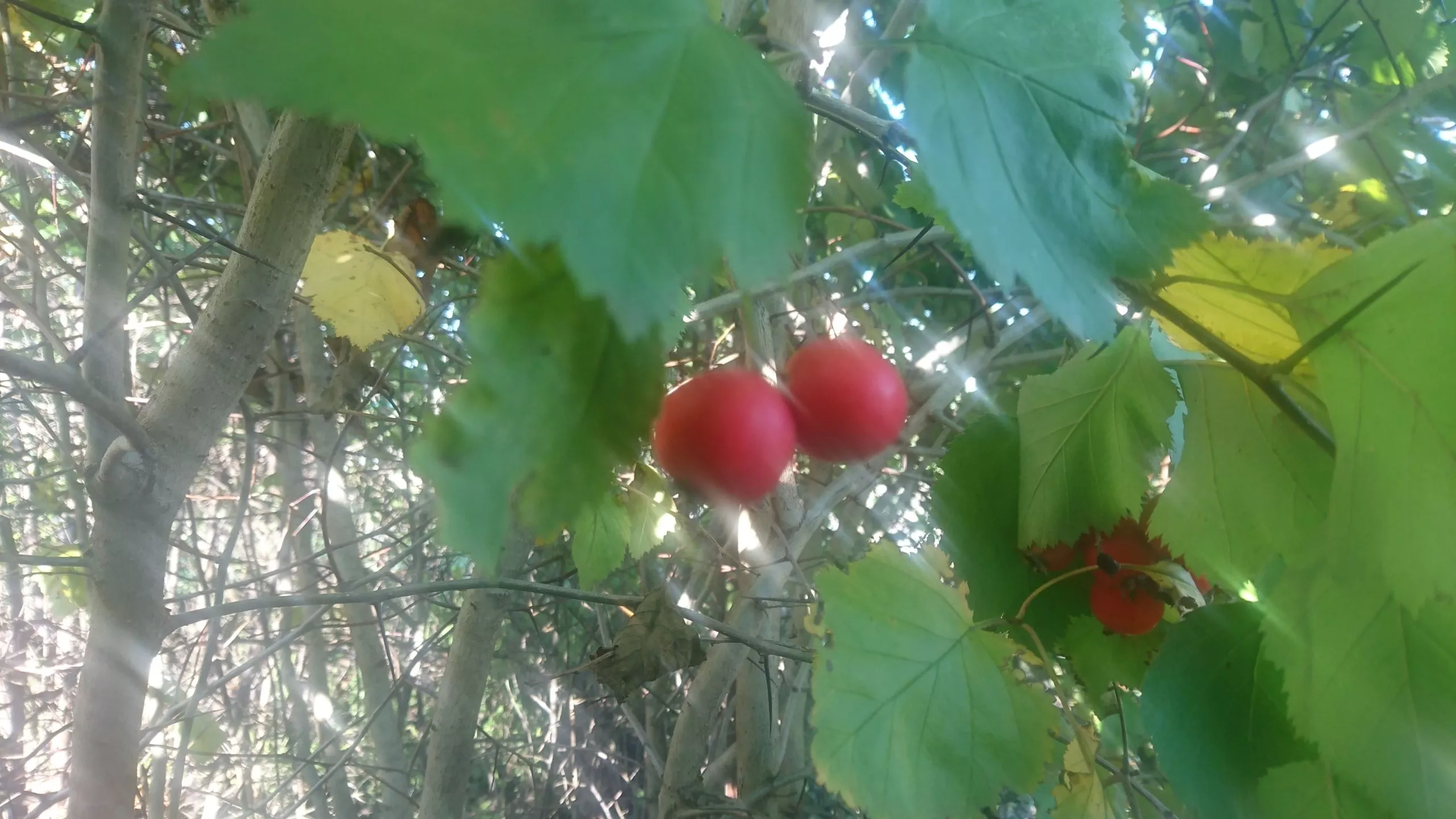
In folk medicine, it is believed that the plant has insecticidal, antibacterial, laxative, diuretic, antiparasitic, expectorant and other properties, therefore it is used for almost all health problems, but most often for:
- colds;
- headache;
- diseases of the heart and blood vessels;
- mental disorders;
- constipation;
- worms;
- chlamydia, trichomoniasis, gonorrhea, ureaplasmosis;
- fungus on the skin and nails;
- prostatitis, etc.
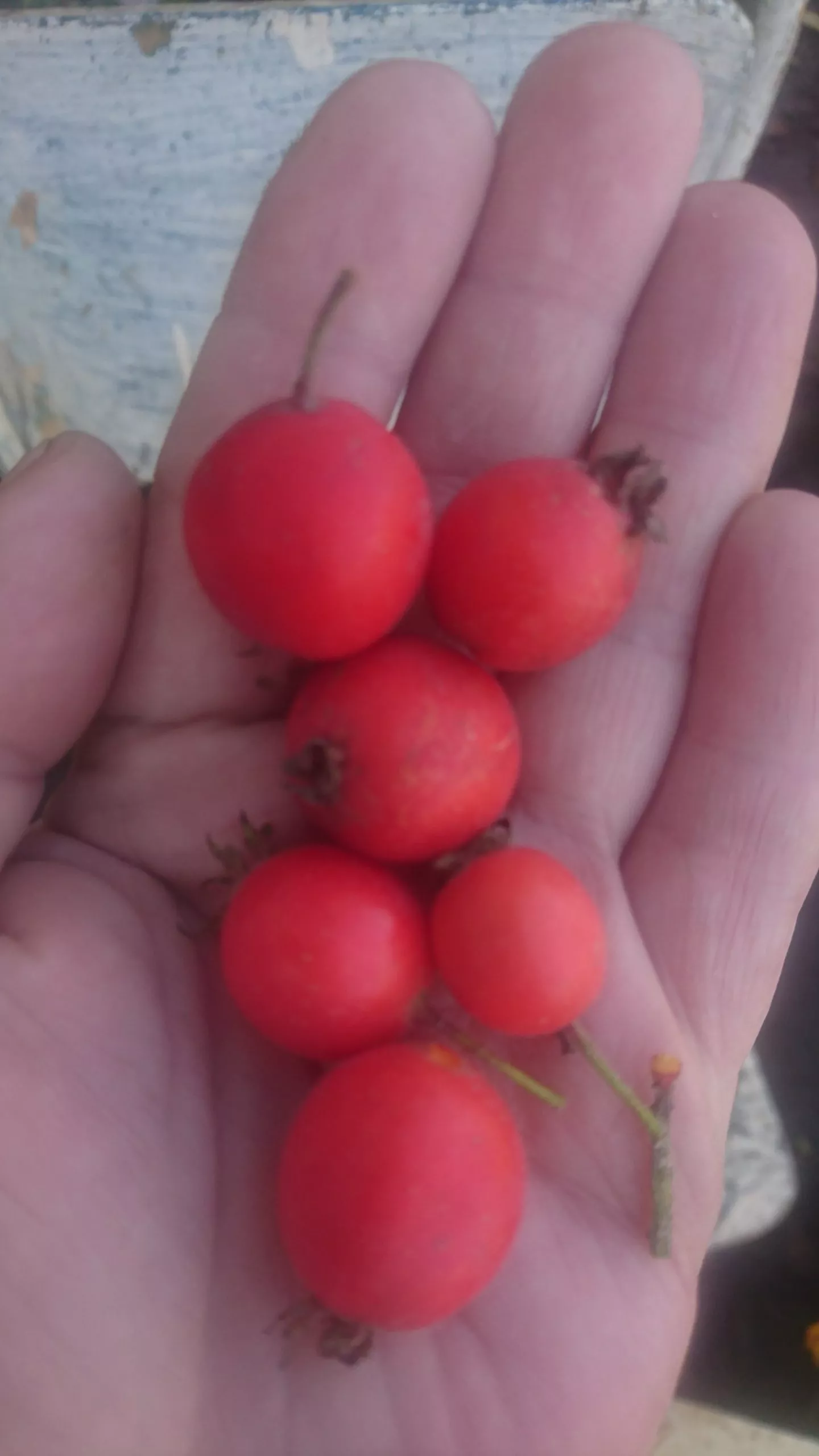
What's the harm?
Warty euonymus is highly poisonous, so extreme caution is required when using it. This means that consumption should be limited.
By the way, conventional medicine and pharmacology don't use this plant. Apparently because it causes many side effects with overdose. And how do people treat themselves here? The doctor prescribes 10 drops, but the patient takes 15...
The consequences of an overdose are:
- inflammation of the small intestine;
- exacerbation of hemorrhoids;
- poisoning.
Poisoning immediately causes nausea and diarrhea, followed by vomiting, severe weakness, and convulsions. All of this can contribute to cardiac dysfunction, so be careful.
How do I harvest euonymus?
Harvesting herbs requires great care—the quality of the resulting potion depends on it. Here are the key points I recommend:
- collect the bark only in autumn or spring, first dry it in the sun, and then dry it in the oven;
- I pick shoots and leaves only when they are flowering, which is from May to June, but I dry them exclusively outside and in the shade;
- I pick the seeds and berries after they are fully ripe in the fall – for drying I use an electric dryer (at 45-50 degrees);
- I always store the preparation in glass jars.
The best recipes
There are a truly vast number of home remedies using euonymus around the world. Naturally, I won't describe them all, but I will only list the ones that I personally and my herbalist friends use.
Tinctures
Infusions are used both internally and externally. For external use, I use compresses, lotions, or simply dab the liquid onto the affected areas.
Recipes:
- This recipe is for treating high blood pressure. You'll need 70% alcohol. Take 200 ml of it and add 1 tablespoon of bark to a bottle (preferably dark and glass). (Make sure to finely chop it first.)
Place in a cool, dark place (if the bottle is transparent, wrap it in black cloth or paper). Leave it for 2 weeks, shaking daily. Take 10 drops three times daily on an empty stomach. - This tincture is used to treat skin problems. It's prepared using 200 ml of boiling water per 1 teaspoon of leaves and crushed berries. First, pour the water over the plant, then place it in a water bath and simmer for about 10-15 minutes. Let it sit for 60 minutes, covered, and strain.
- For foot fungus, scabies, lice, and mange, prepare an infusion as follows: place 5 tablespoons of bark and leaves in a thermos, add 1 liter of boiling water, and let steep until cool (about 7-8 hours, depending on the thermos). Use as a topical compress, bath, or wash/rub.
- To get rid of nail and skin fungus, simply pour 200 ml of boiling water into a mixture of 1 tbsp. of flowers and 1 tbsp. of euonymus shoots.
- For erectile dysfunction and prostate problems, use 400 ml of boiling water and half a teaspoon of berries. Steep in a thermos for a couple of hours, then take 1 tablespoon orally twice daily for 20 days.
- You can make an alcohol tincture for the same problems. For 50 g of berries, use 500 ml of vodka. Mix and leave in a dark place for two weeks. Drink 15 drops three times a day. Just be sure to drop the tincture into a spoonful of water, otherwise it's unpleasant to drink.
Be sure to shake the containers while steeping the infusions to ensure all the beneficial substances dissolve more quickly. If you don't, increase the steeping time by almost double.
Decoctions
Decoctions are also popular, but differ from tinctures in that the remedies need to be simmered for a while over low heat.
Recipes:
- There's a universal decoction. To make it, take 200 ml of water and 1 tablespoon of leaves. Simmer for about 5 minutes, then let cool. Drink 1 tablespoon 2 or 3 times a day.
- For diarrhea and heart problems, brew 1 teaspoon of bark in 400 ml of water, then simmer for 5 minutes. Drink 1 tablespoon for 14 days. If diarrhea occurs, increase the dose—100 ml on an empty stomach and only once.
- For coughs, swelling, and inflammatory liver diseases, prepare a mixture of 500 ml of boiling water and 1 tablespoon of berries, boil for 10 minutes, and take 1 tablespoon three times a day.
- For headaches and nervousness, take 1 tablespoon of the branches and 400 ml of water. Boil for 5 minutes, then let steep in a thermos for another couple of hours. Drink 1 tablespoon three times a day for two weeks.
There are also contraindications: pregnancy, lactation, heart failure, bradycardia, aortic valve disease, allergies.
Remember that all parts of the plant are poisonous, so wear rubber gloves when harvesting and preparing it. Whether or not to take these remedies is entirely up to you. Personally, I and my friends are pleased with the results.