

To combat pests, many gardeners use 9% vinegar or acetic acid, which are mostly synthetic vinegars. But gardeners can easily prepare natural apple cider vinegarWith at home, using apples from your garden and apply it to pest control.
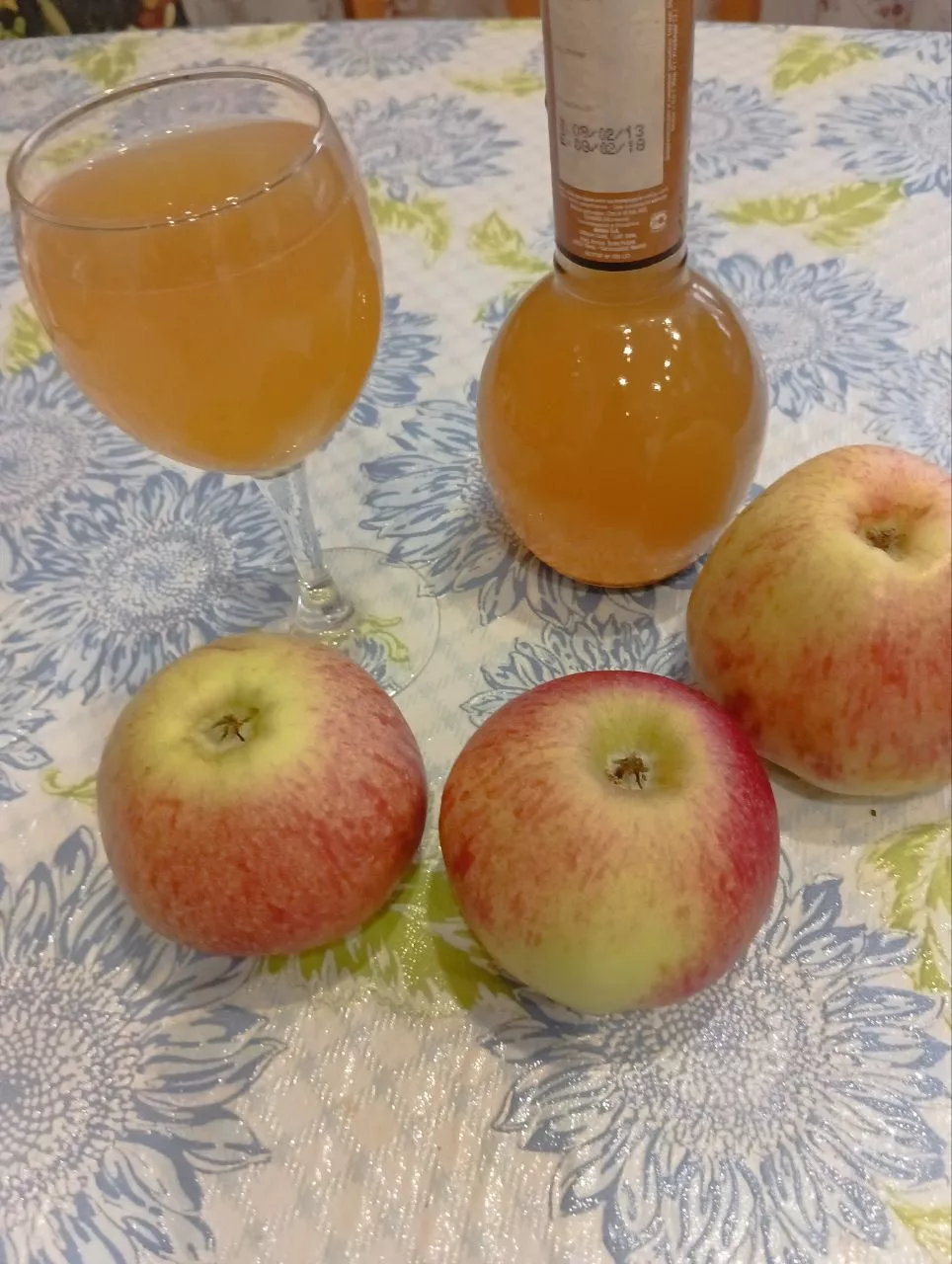
Apple cider vinegar is a great help for gardeners in the fight against pests - aphids, ants, slugs, Colorado potato beetles, onion and carrot flies, cruciferous flea beetles, cabbage white caterpillars, and cutworms.
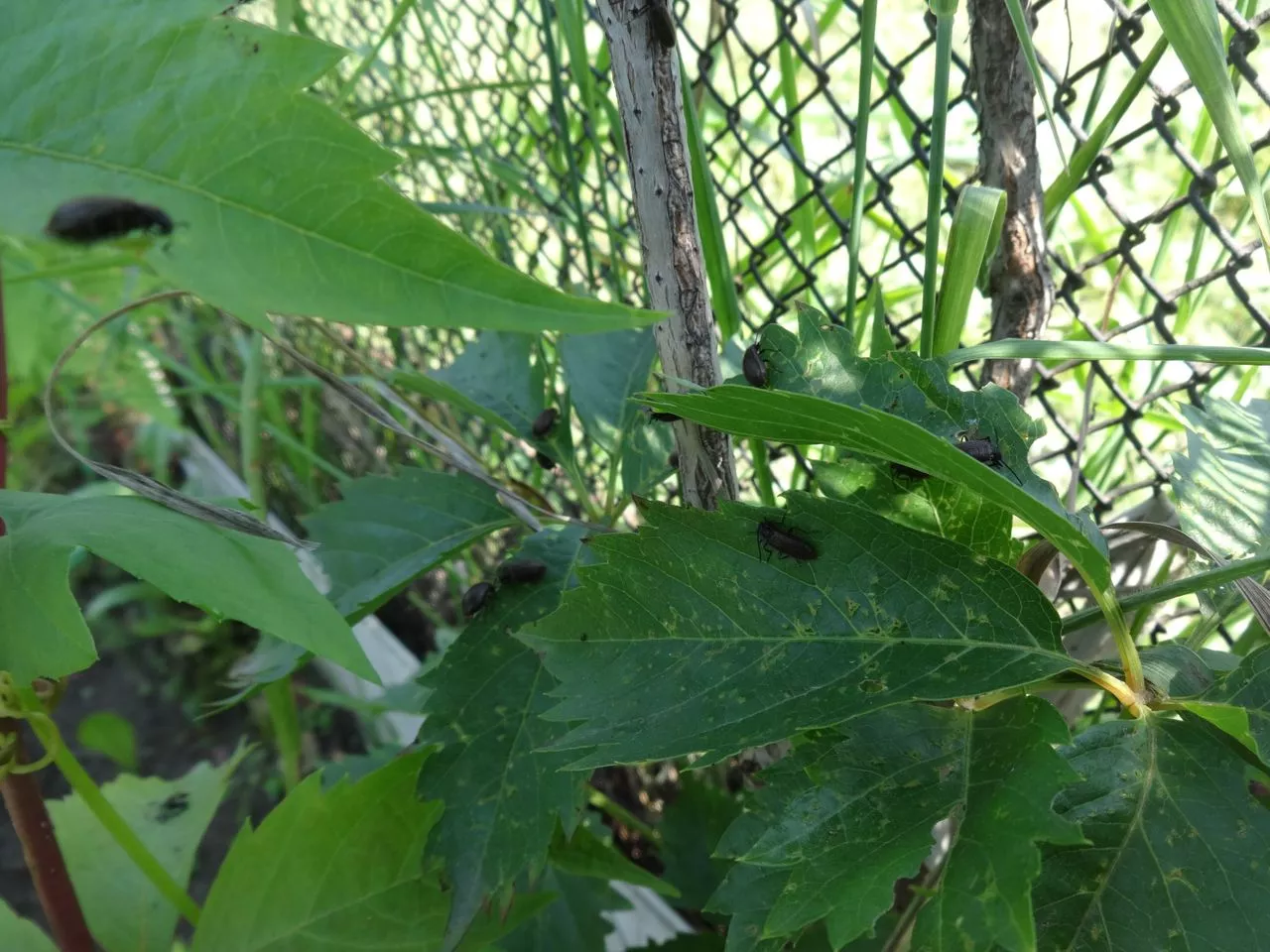
Aphids are a well-known pest. They come in a variety of sizes—small, large, white, black, and green. But regardless of size or color, they cause significant damage to plants.
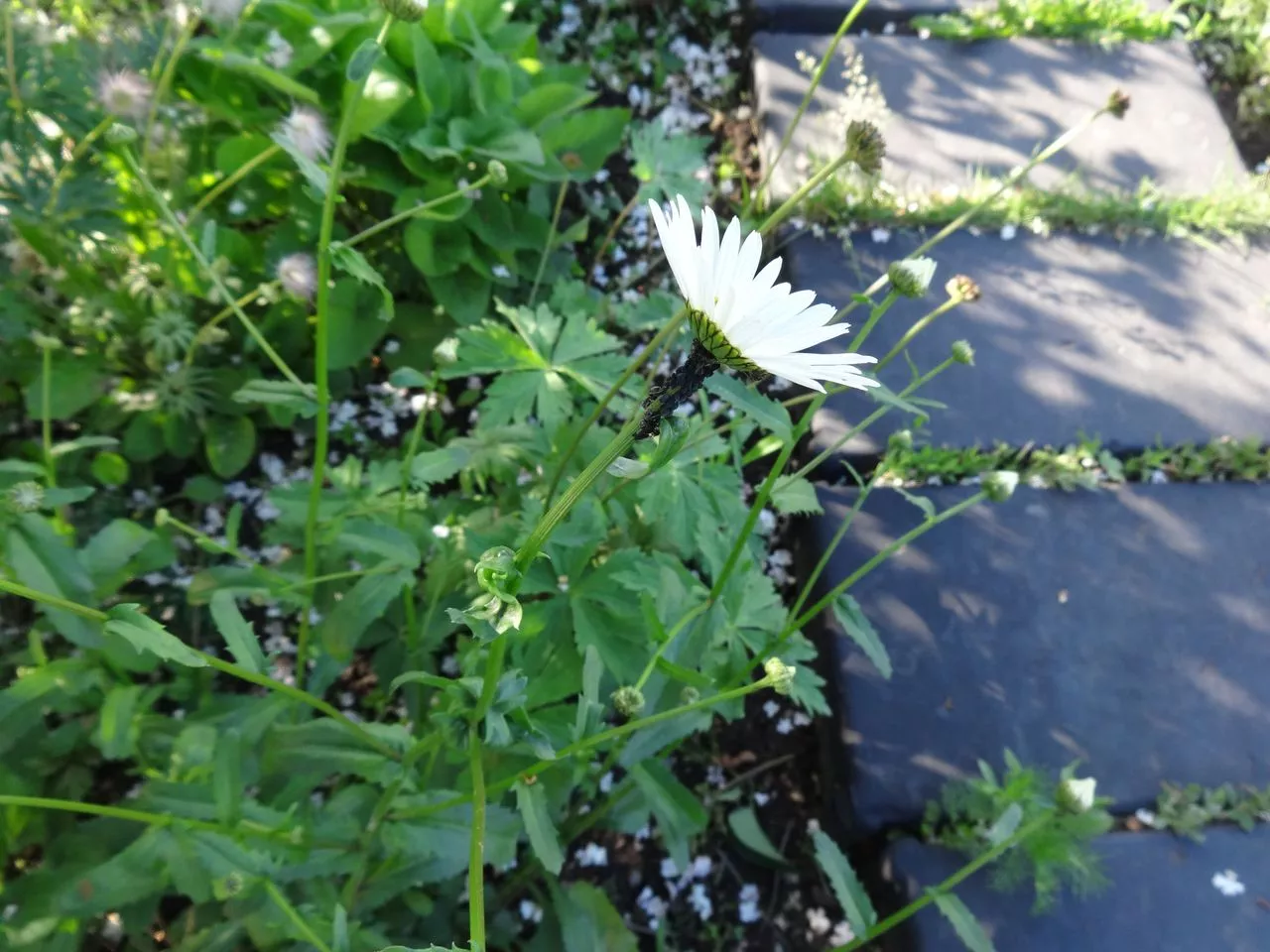
It feeds on plant sap and secretes substances that cause deformation of leaves and shoots, as well as their death.
At the same time, aphids are carriers of many viral diseases.
They multiply rapidly, requiring a fight all summer long. Gardeners use chemical or biological treatments against aphids. However, after treatment, berries and vegetables should not be eaten for a while. If apple cider vinegar is used for treatment, the berries can be picked the same day.
To make aphid poison, you'll need one tablespoon of apple cider vinegar and one liter of water. It's a good idea to add grated laundry soap or tar soap to the solution. The soap film will prevent the pests from crawling off the leaves; they'll stick and die.
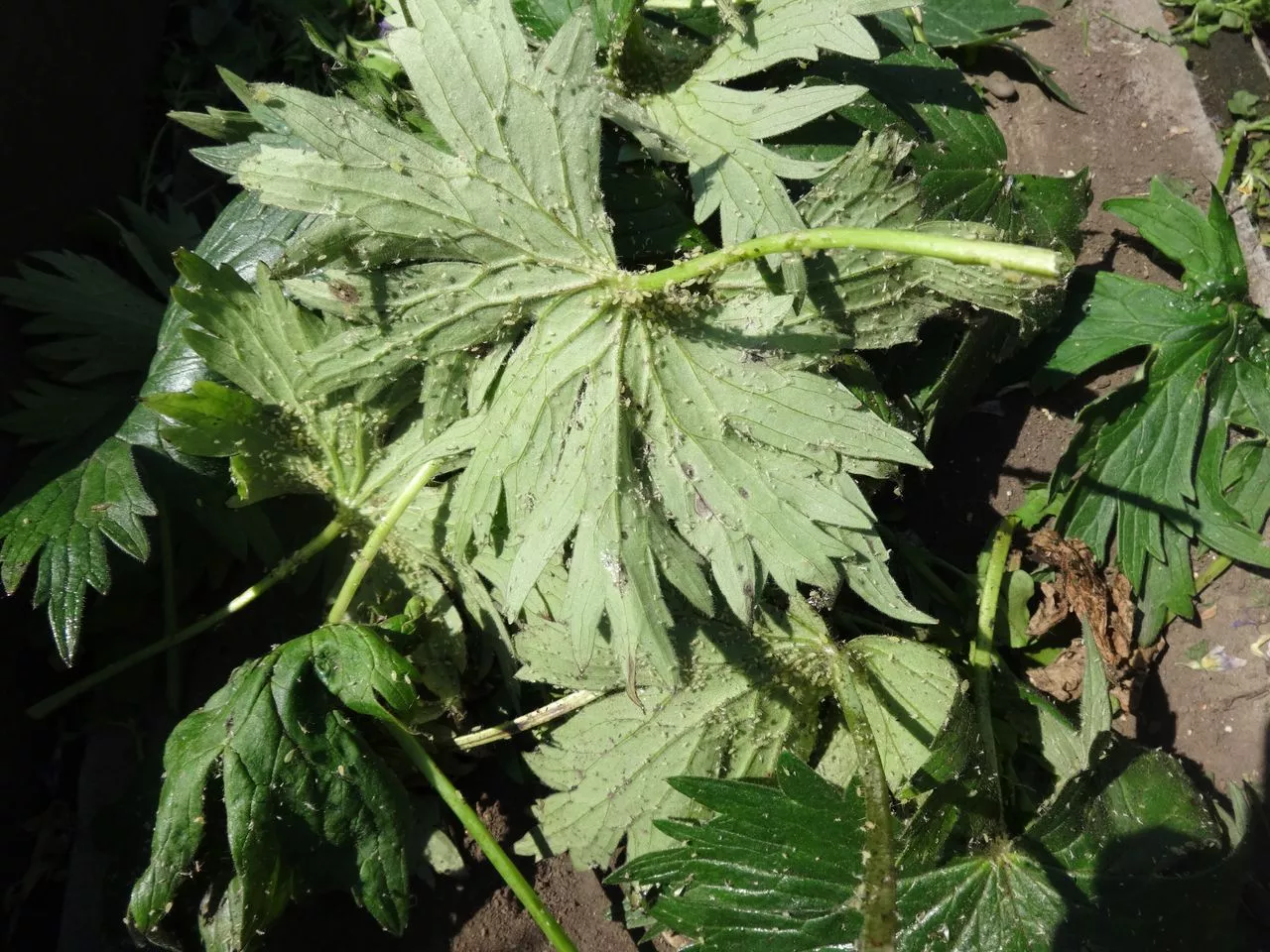
Treating cucumbers, kale, and currants with aphids on their tops will quickly eliminate the pests and also protect the plants from fungal and viral diseases. Repeat treatment every five to seven days.
Ants are the main carriers of aphids. To keep your property free of aphids, you need to control them. But this is very difficult; ants are ineradicable! Drive them out of one place, and they'll move on to another.
We are constantly waging a war against ants, sprinkling the places where they live with chemical preparations such as Grom or Muravyed.
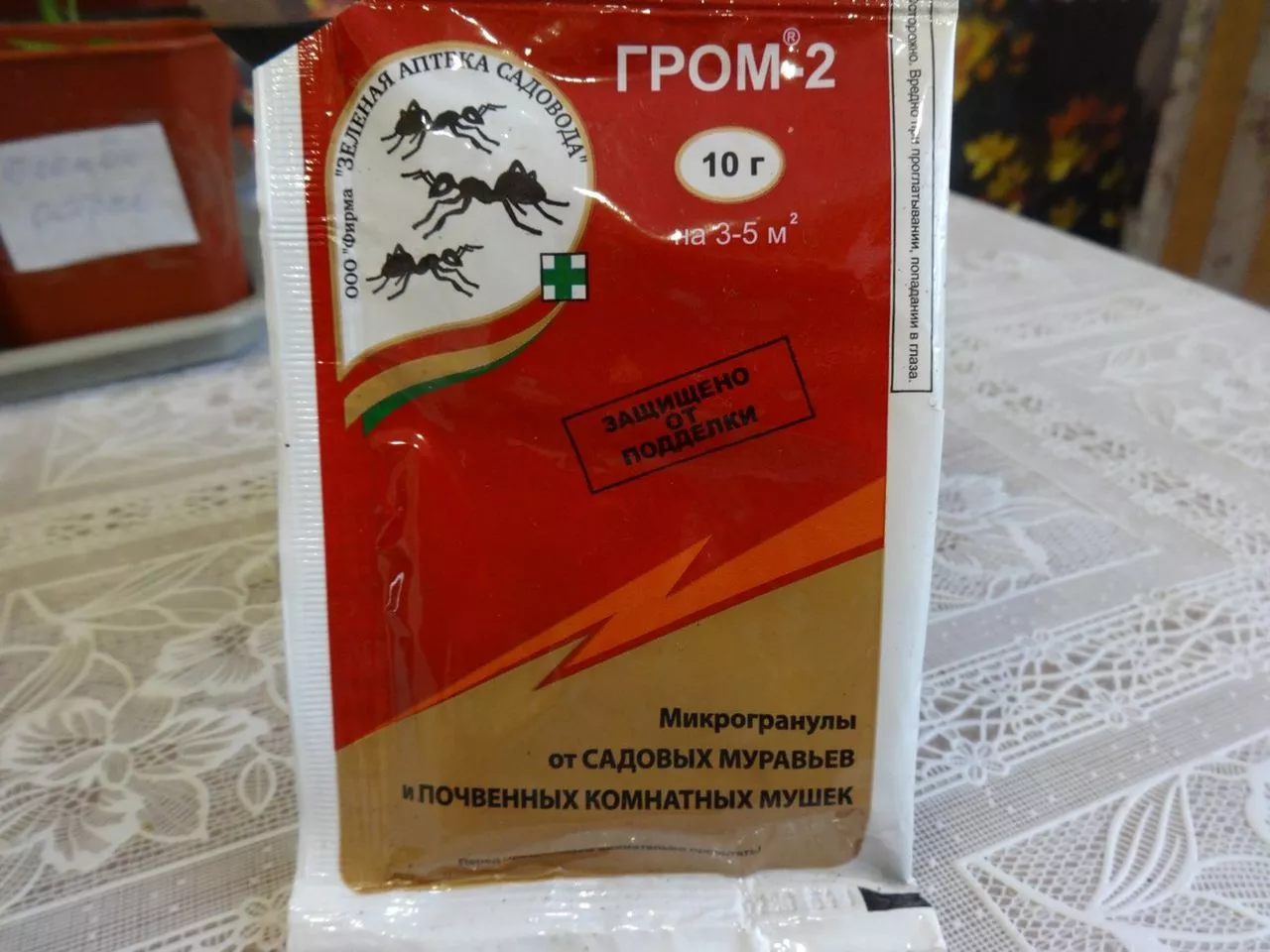
But when they make passages directly in a garden bed or in a greenhouse, you need to be careful, because all preparations are poisonous.
That's why traditional methods of control are needed in such areas. Apple cider vinegar is a safe and effective ant repellent. It should be diluted with water in a 1:2 ratio, then poured onto the pathways the ants use to reach the nest, and then onto the nest itself.
The anthill should be dug up. If you find egg clutches and a queen, it's best to douse it with undiluted apple cider vinegar. Cover the nest with plastic wrap or a piece of linoleum. Repeat the treatment after two to three days.
The next pest that apple cider vinegar can help us combat is slugs. If there are a lot of them in the garden, they can cause colossal damage to vegetable and berry crops. Slugs chew huge holes in flower leaves; they are omnivorous and can quickly devour strawberries and wild strawberries. They also make holes in cabbage by crawling into heads of cabbage, and they also eat peppers, cucumbers, tomatoes, and zucchini.
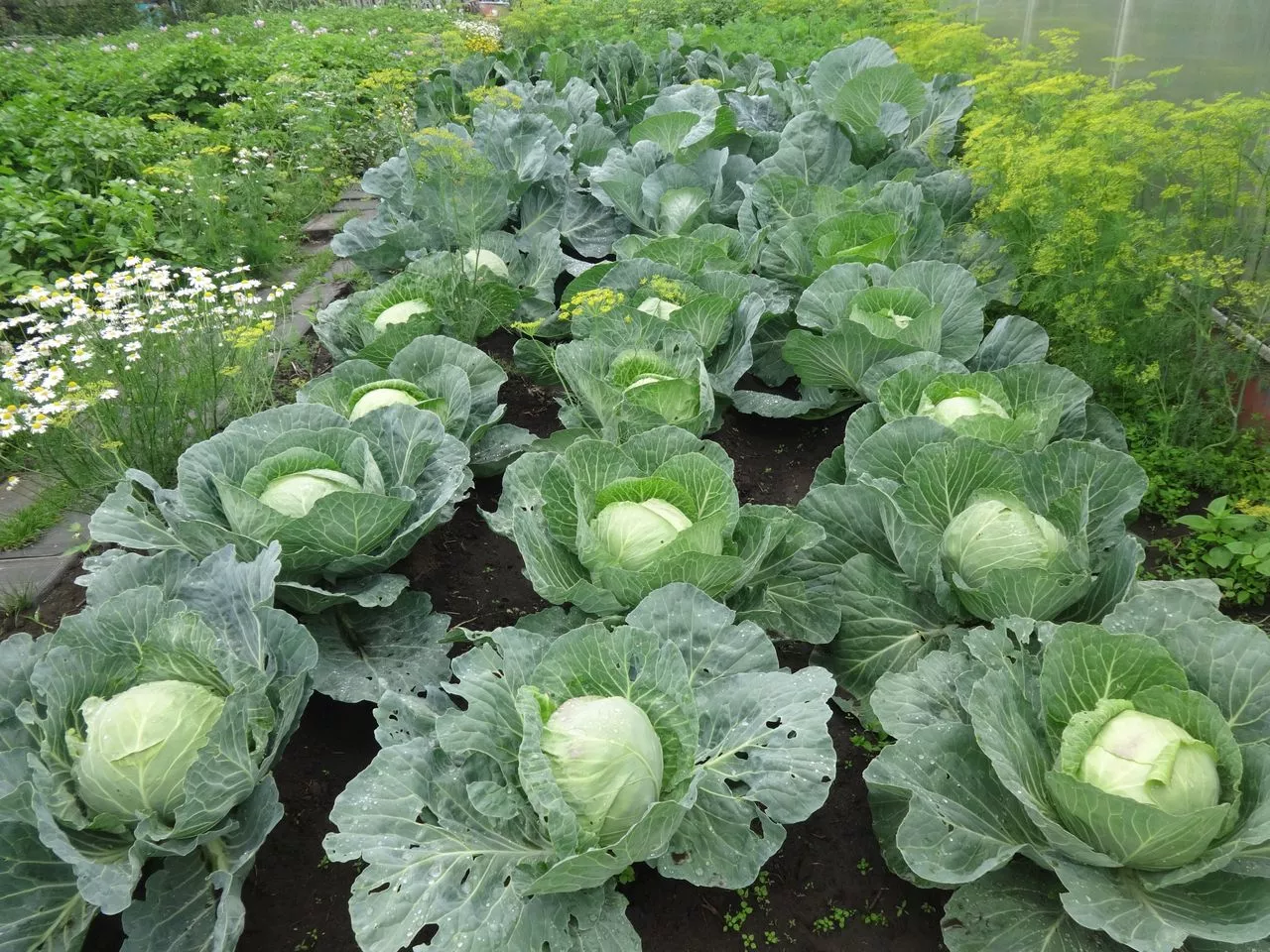
During the day, they hide under boards, leaves, and grass. They emerge in the evening to feed. Slugs are also very active on damp, cloudy days.
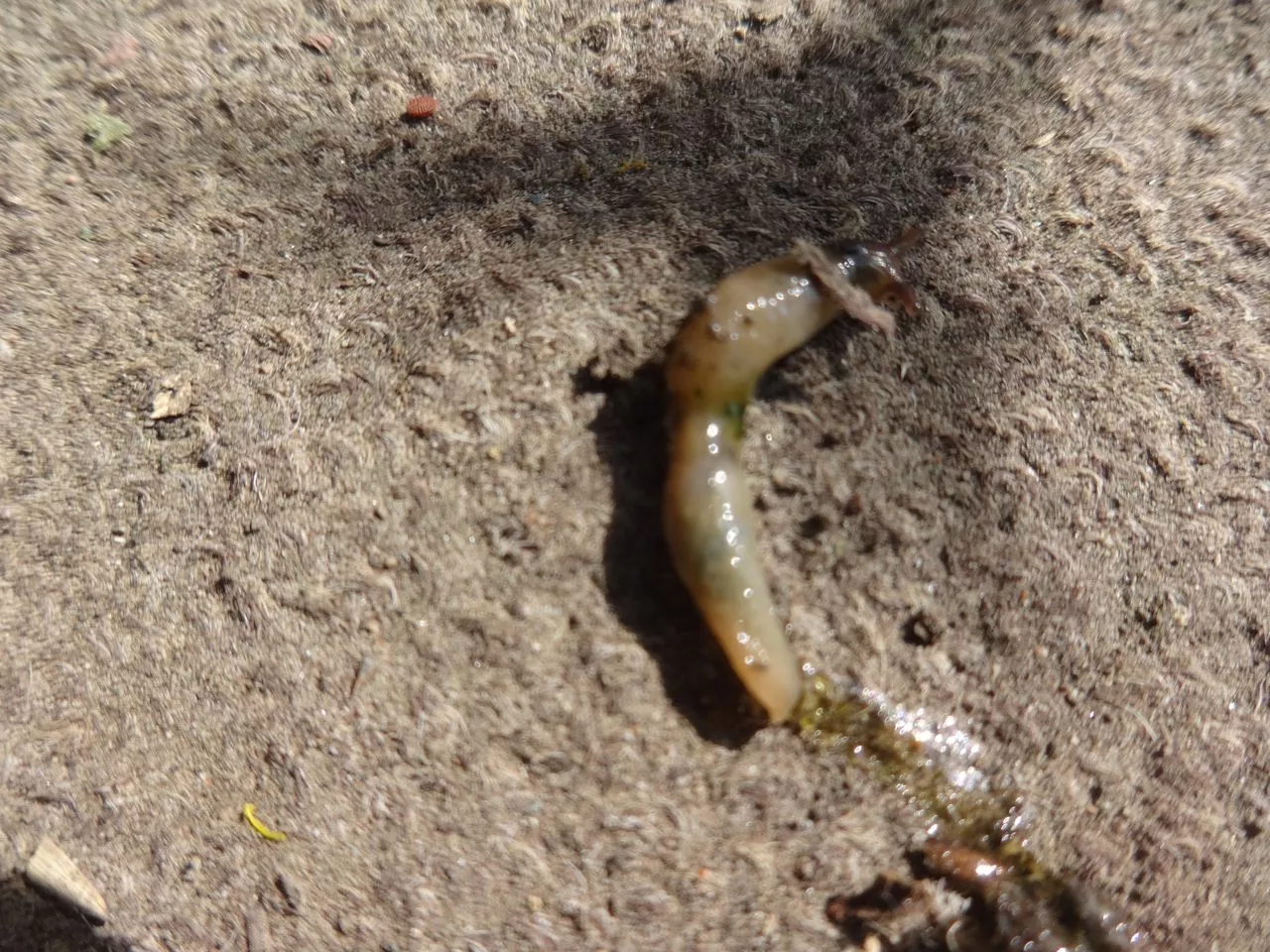
If you find slugs or traces of them (like eaten berries), prepare them a treat with apple cider vinegar. To do this, take a shallow tin can or mug—a cut-off plastic bottle will do, too—and bury it at ground level where you found the slugs. In the late afternoon, pour apple cider vinegar into it. The smell of vinegar attracts slugs, and they'll slither in for the feast and drown in it. You can also spray any slugs you find with apple cider vinegar. They'll quickly die.
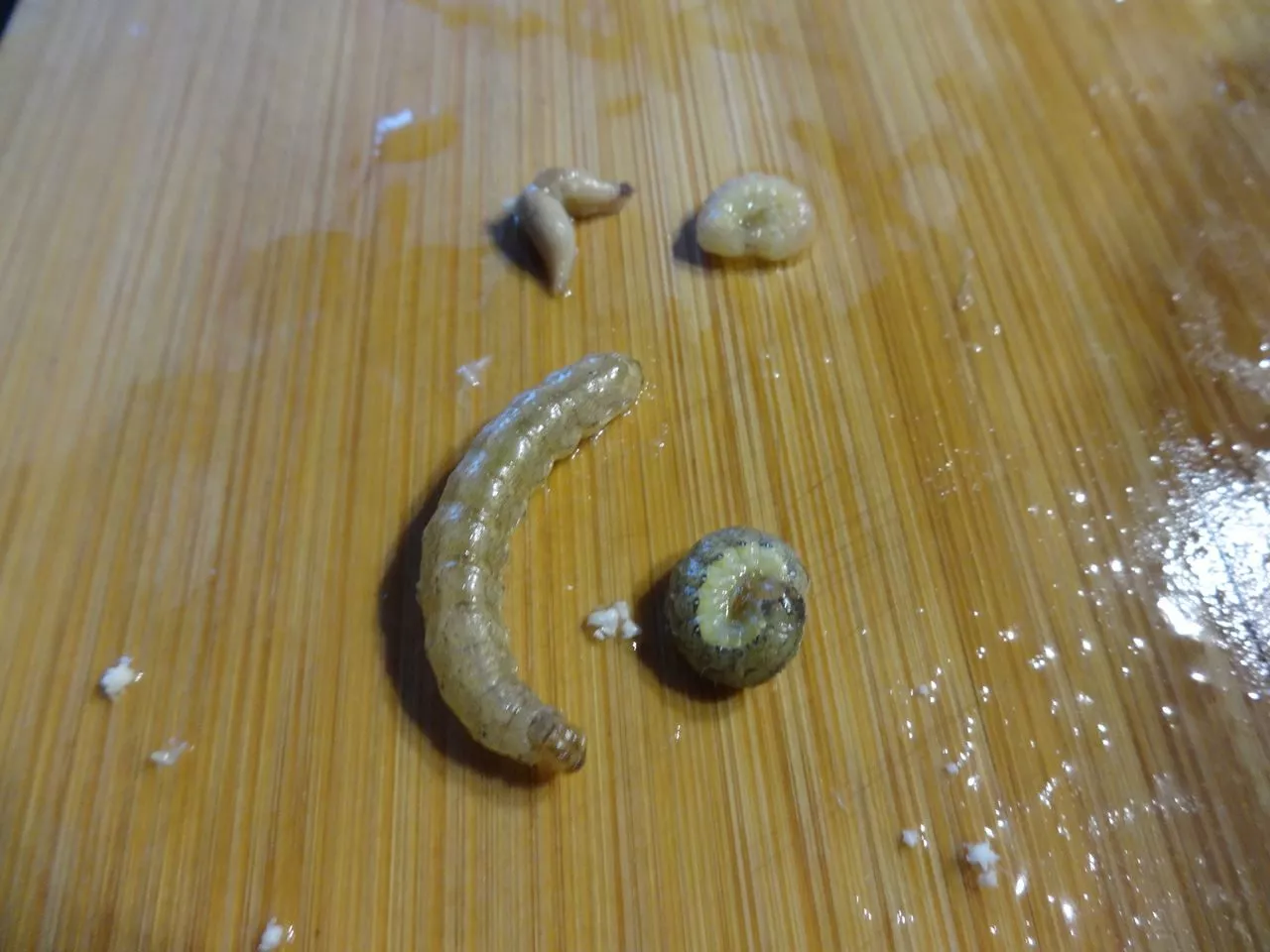
Vinegar is also suitable for controlling cabbage white butterfly caterpillars, cabbage white butterflies, cruciferous flea beetles, and meadow moths. To do this, prepare a solution of 1.5 cups of 6% ABV apple cider vinegar per 10 liters and generously spray the leaves of cabbage, radishes, sorrel, horseradish, and other plants where butterfly larvae or flea beetles have been found.
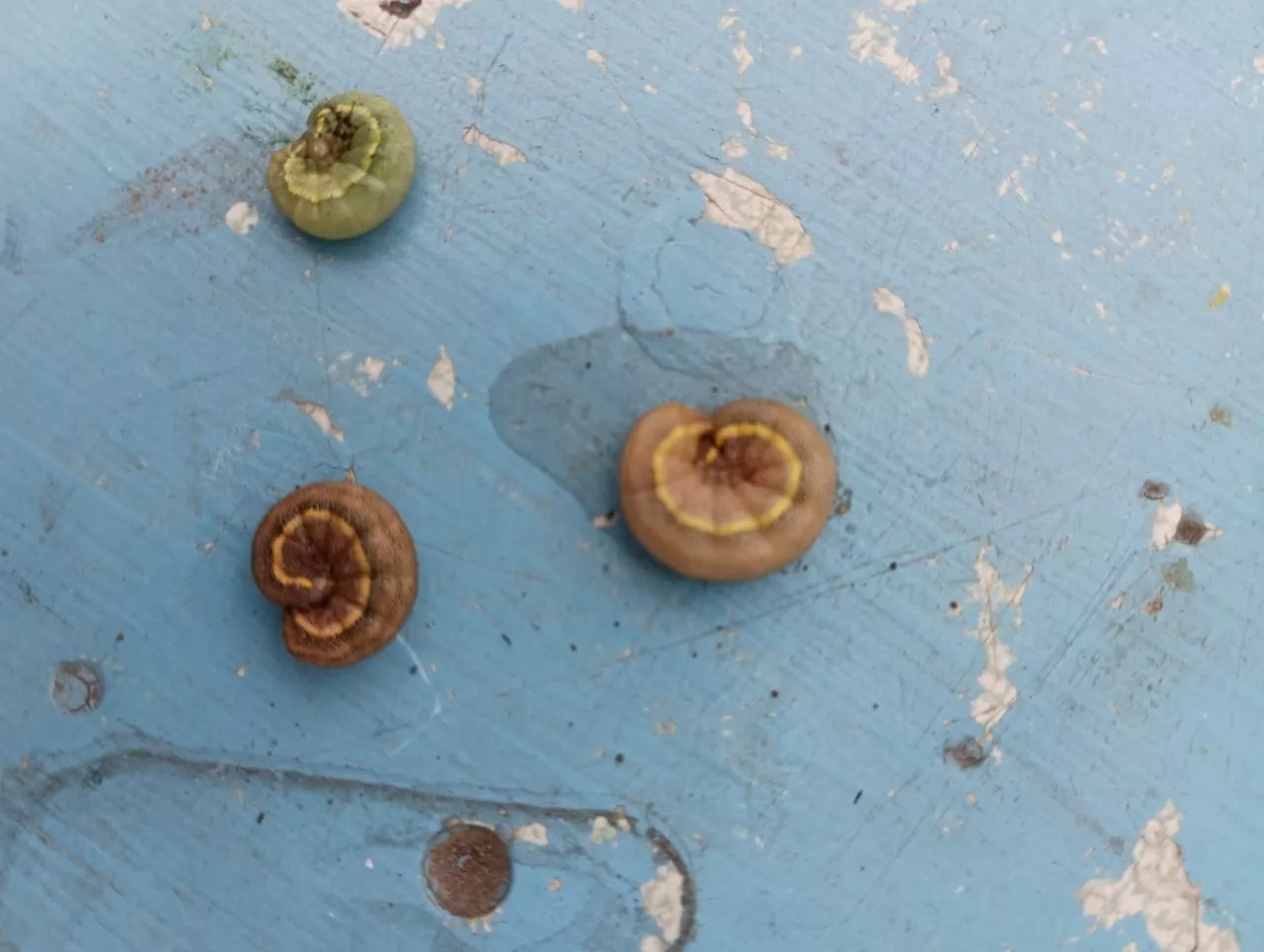
Apple cider vinegar can also be useful for controlling mice and rats. Its pungent smell repels rodents. Soak cotton swabs or cloths in apple cider vinegar, or fill jars with vinegar and place them in areas where mice are found.
Apple cider vinegar is widely used by gardeners to combat fungal diseases on plants; plants should be sprayed with a vinegar solution of 100 ml per 10 liters of water.
Apple cider vinegar is also used to acidify the soil for those plants that like sourness, such as hydrangeas.
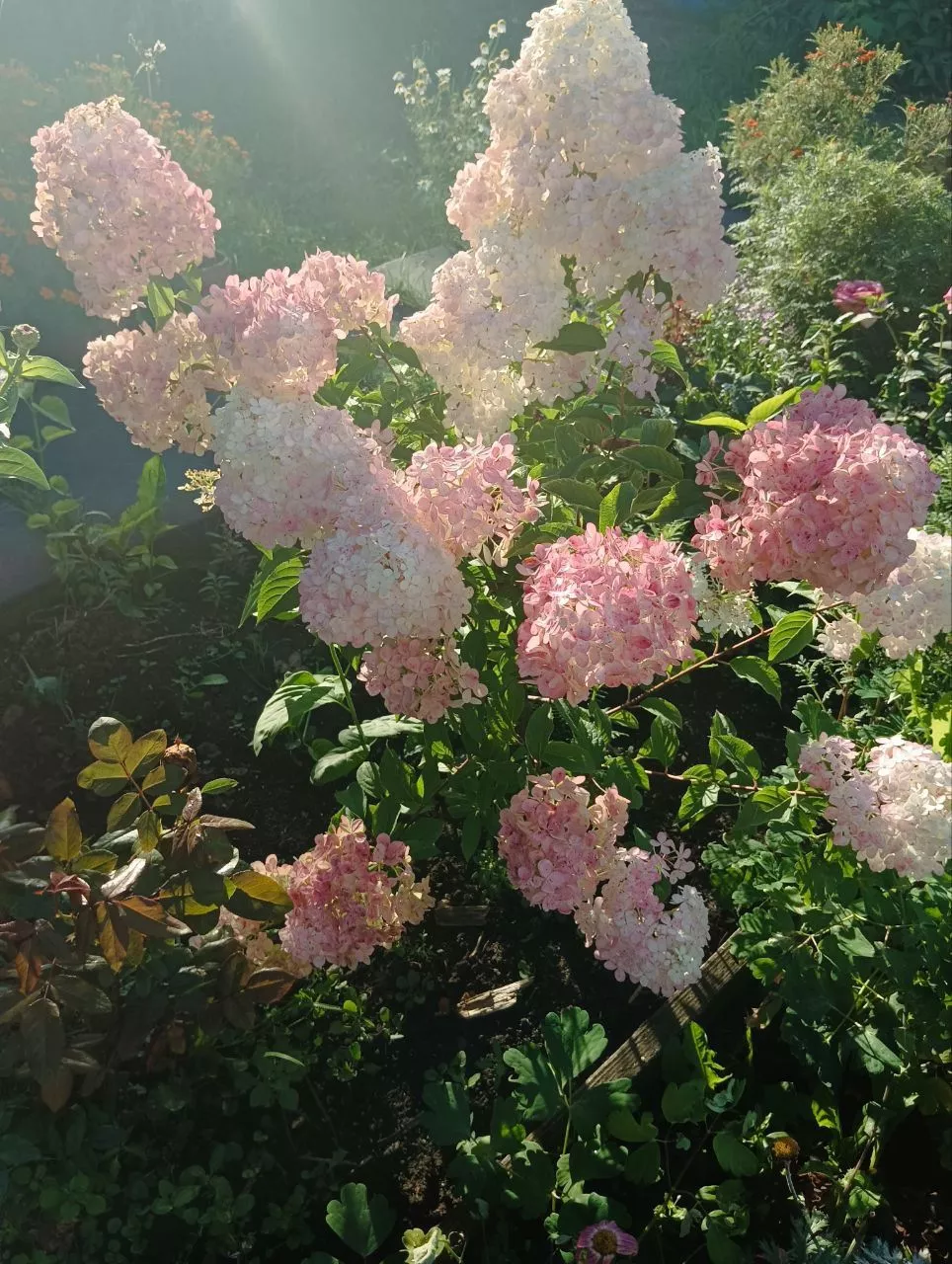
To ensure lush flowering, gardeners recommend acidifying the soil before buds appear. A watering solution is prepared using 20 ml of vinegar per 1 liter of water. Acidification is repeated every 10 days until flowering.
You can also acidify the soil with apple cider vinegar for blueberries, blackberries, and cranberries; this will help increase the berry yield.
If you have a lot of apples, make some apple cider vinegar and you'll have a free, safe, and effective remedy that's useful for fighting pests, diseases, and fertilizing plants that like acidic soil.